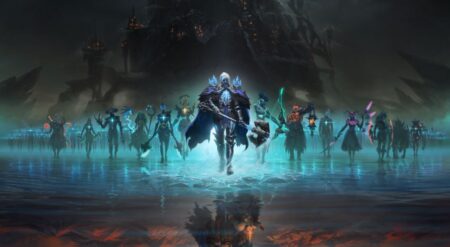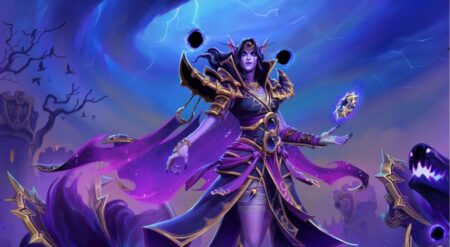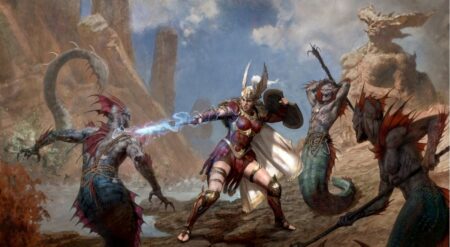


Soulframe, Digital Extremes’ free-to-play co-op fantasy RPG, may be in pre-alpha, but its community is strong. Currently out in the world under the name Soulframe Preludes, the title’s devotion to folklore, nature, and the connection found in fantasy has allowed it to build a community as dedicated and caring as the Tennos who have come to celebrate the developer’s first title, Warframe, over the past 12 years.
During Tennocon 2026, Soulframe Preludes announced its next chapter with “Warsongs.” The brand-new Fable quest promises to be a more intimate story than players have seen before, as the narrative turns inward to explore the Envoy’s past, lineage, and connection to Alca. Still, to build an intimate story, Digital Extremes needs to create a bridge between Soulframe Preludes and its community.
We spoke with Soulframe’s Senior Community Manager, Sarah Asselin, and Audio Director, George Sanos, about how they work to connect their players with the emotions in Soulframe’s story. From crafting the sounds and score of Alca for players to take with them outside the game to ensuring players feel their feedback is heard and valued, we dive deep into Soulframe with two of the devs who make this game succeed, even in pre-alpha.
This interview about Soulframe Preludes has been edited for length and clarity.
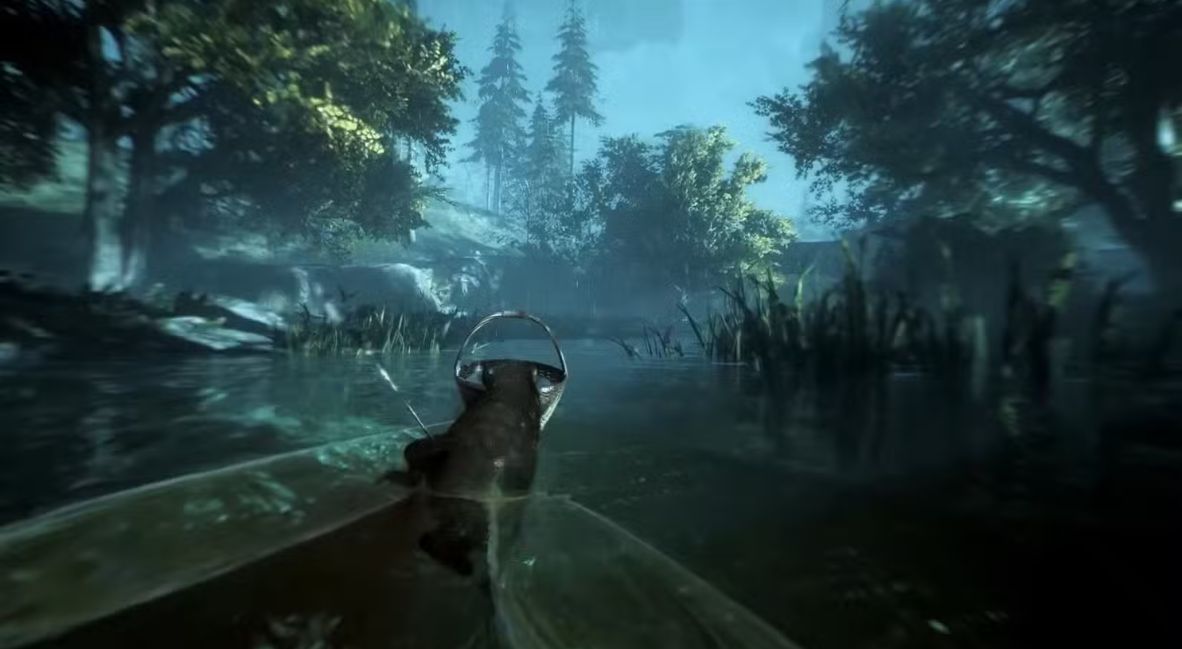
BUT WHY THO: Soulframe has actually had my heart after the last Tennocon and that really emotional footage that you all showed with “The Story of Bromius.” It emotionally wrecked me. It involves knowing your community well, gathering feedback, working with them, and creating an atmospheric environment through sound design and score to help ensure your player feels that emotion.
I wanted to ask from both of your perspectives: How do you ensure your community is being met while also ensuring they’re feeling the emotions you want them to have and entering the game kind of prepped for an emotionally driven experience?
SARAH ASSELIN: I think it’s a big question because there [are] lots of pillars to what each player would look for. I think so far it has been so awesome to see these fables come to life in Soulframe, and, again, as you said, steal people’s hearts and make them cry because they’re so overcome with emotion. Of course, our music in every single fable we have plays such a role in that.
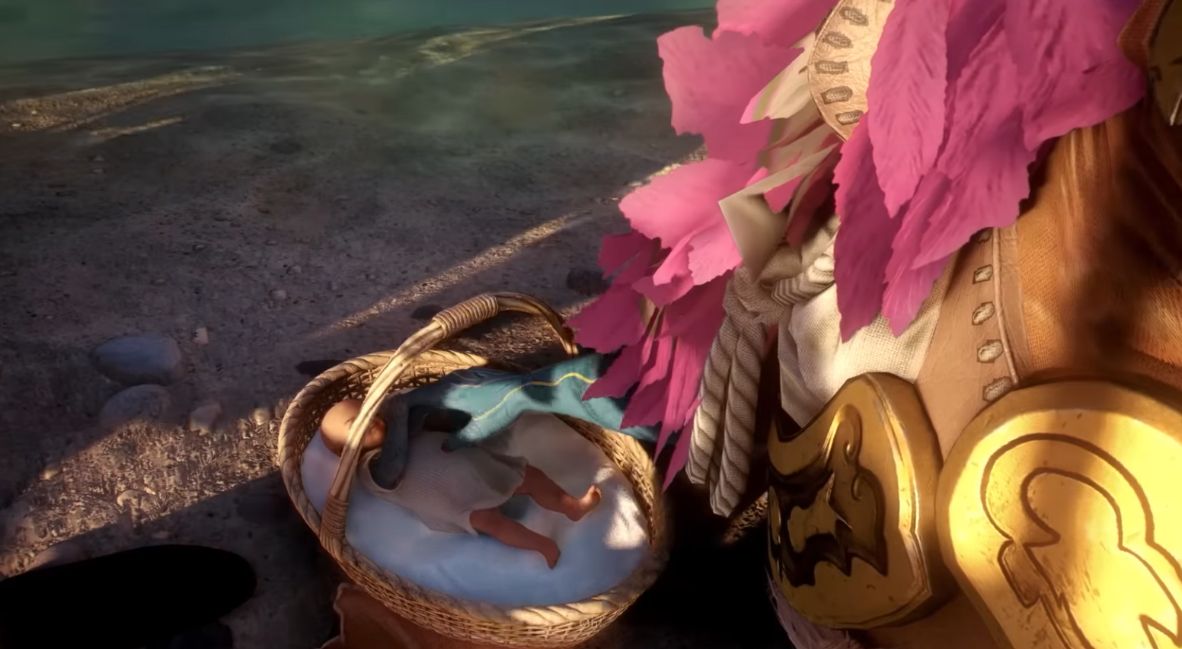
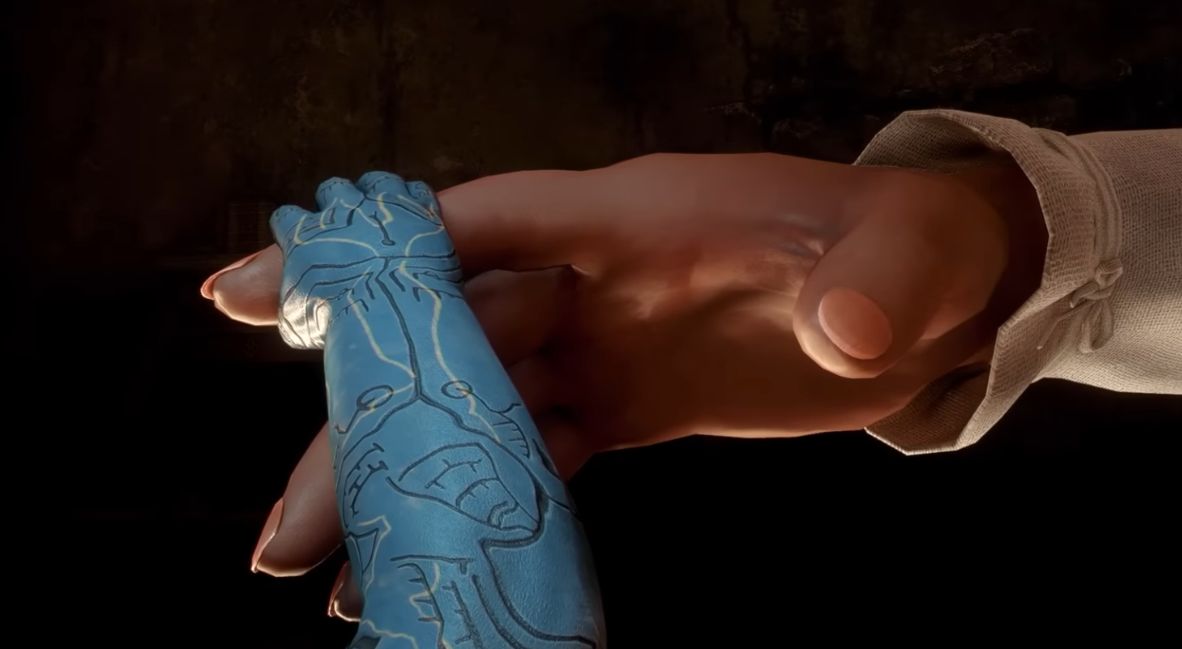
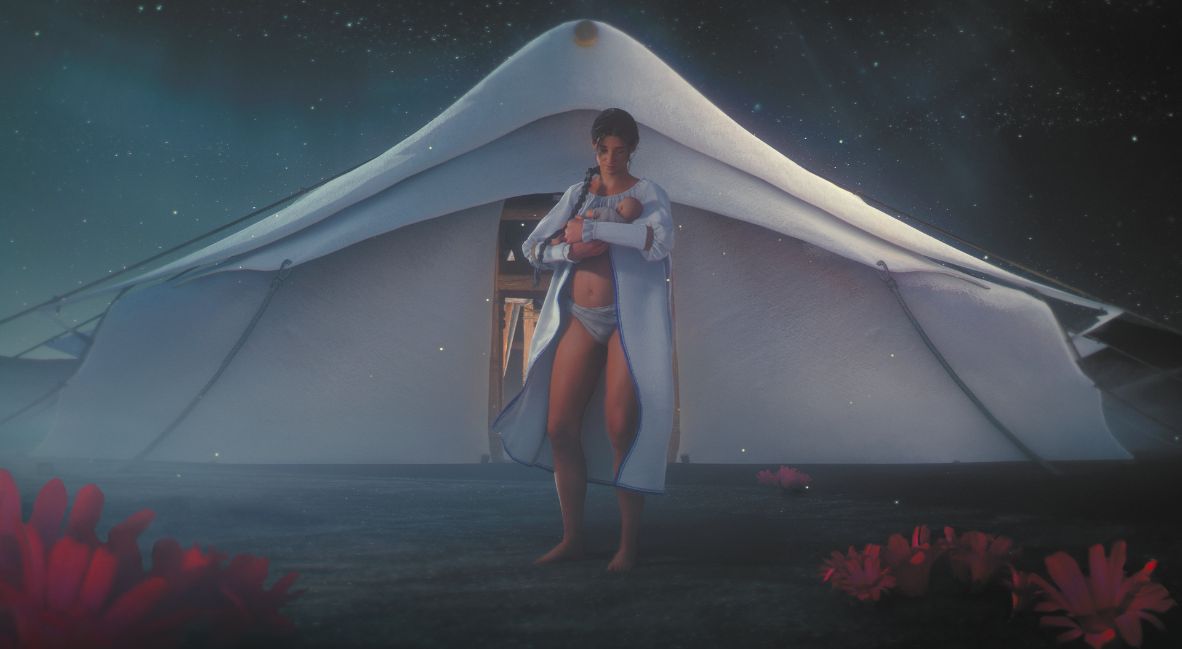
I think what they will see at Tenocon 2026 and in the Tenno Live demo is a more personal story. The Fable we’re showing this year will touch on the Envoy’s origins and make their place in this wider conflict feel more personal, which is really cool. You’ll see the connection to their mother, our mother, and our grandpa, and how this all ties together. Things we’ve seen pieces of so far are going to come to life in a new way, and in a slightly darker way in some cases. So you might cry again if you did last year, as I did!

GEORGE SPANOS: We’re always trying to, like, bring out emotions, right? And I think, for me specifically, when we’re doing the sound in [Soulframe], I always know we’re doing it right when I can watch the same thing over and over and still get the emotion again, right? Then you know it’s hitting, right?
It’s so incredible to see just how it all kind of comes together and how all the different departments put this thing together to deliver the story. I think the interesting thing for me about Soulframe is the story arcs that we tell.
They’re very human stories. They’re very character-driven, and they deal with human emotions and human circumstances, right? And especially with the climate of the world right now. You know, interpersonal relationships are important. All of this stuff kind of wraps into it.
I think in a way, Soulframe’s story is art imitating life in a certain way, perhaps too. It kind of comes easy in that way. But yeah, it’s always a big thing for us to tell an emotionally resonating story, and then, you know, putting the sound on top of it-a sound, for example, music and all of that stuff-kind of follows.
BUT WHY THO: For the next question, I want to touch on it mounts because that’s coming, and I know everybody in the community is going to be excited for the announcement.
I wanted to ask, Sarah, I’m sure you saw all of the community asking for this. How does it feel to introduce this [long-awaited feature] to players?
SARAH ASSELIN: I think every piece of social media, every stream, every comment section you can find about Soulframe has something along the lines of mount swen, and it has become a bit of a meme in itself. We obviously teased wolves and mounts very early on, so it’s exciting to reveal that they’re coming this Fall and to show some live gameplay during Tenno Live.
It will be really exciting. And we wanted to make mounts feel like they are not just traversal but part of the world. We wanted them to be their own system and to connect to the Envoy in cool ways.
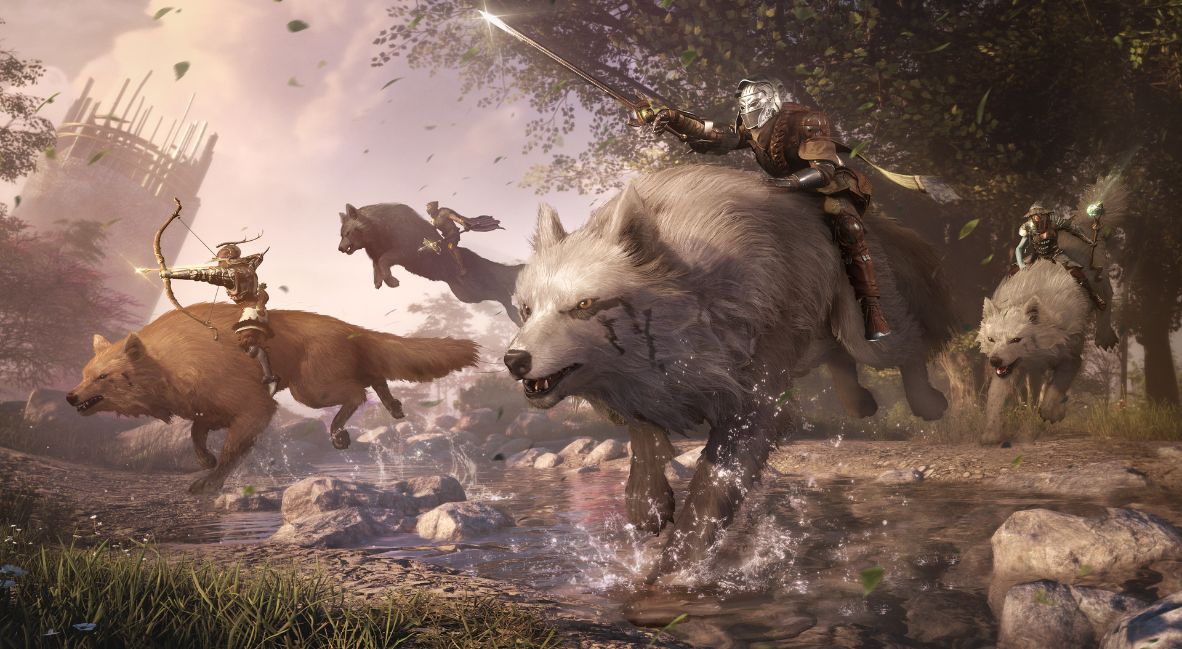
BUT WHY THO: As for mounts, George, I wanted to ask: Do the sounds of Alca sound different when you’re on a mount compared to just walking around the world or sprinting? Could you take me behind crafting that?
GEORGE SPANOS: For sound—you know, that’s very insightful for you to say. [Sounds] need to change [on mounts]. It’s a conscious effort to make sure that the sound of even simple things—like your Envoy and the sound the clothing makes when you’re on a mount—change, making sure it goes with the rhythm of the Mount.
Willem [Schonken], one of our principal sound designers, came up with a great idea of having wind come at you in a dynamic way. If you’re walking slowly, it settles down; the faster you go, the more it ramps up. So all of those little details, I think, play an important part in selling that experience and that fantasy of the mount, and, of course, the sound of the mount itself is very important.
You know, we actually went out and recorded in a little kind of forested area near us. We recorded, like, sounds of, you know, footsteps, you know, it was like a couple of coconuts on there on the ground to kind of get that galloping kind of sound, and so you know all of that stuff plays an important part in the different mounts in the game. So it’s always fun and always a new challenge.
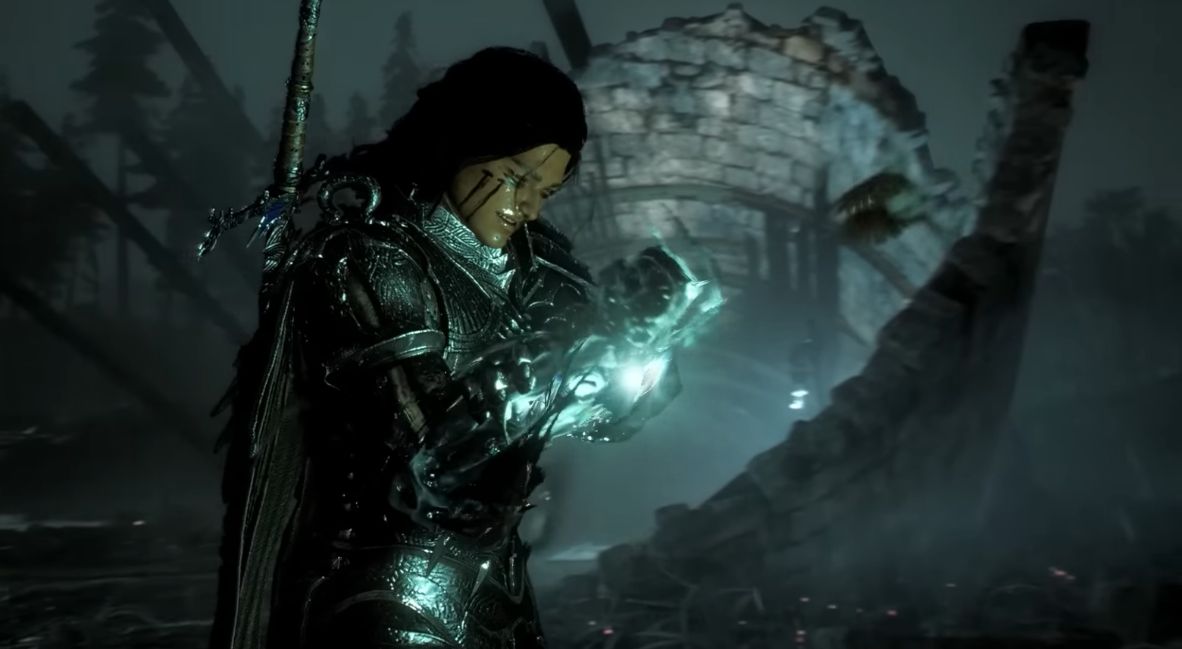
BUT WHY THO: Part of me, I was really excited when I was getting to interview you two together, because I feel like both sound and music lend to community building. Music is a bridge to an audience. Sometimes when they’re picking up a game, the first thing they remember is the music that plays on the menu screen, and they’ll download that or their favorite boss battle.
I wanted to ask what the experience is like crafting and developing that, the piece of a game that players take with them?
GEORGE SPANOS: Sound for me has always been such a vital part of everything. Like I mentioned before, if I can watch a scene and it’s an emotional scene and the music resonates with me, then I know we’re doing the job right. You know, and it even comes down to certain sound design elements, like when you’re maiming an enemy, what does that sound like? We want that to be instantly recognizable [to the player], so you know the different moves you’re performing. It needs to really kind of stick out, so that if you didn’t see the screen, you’d recognize the sound.
For a lot of stuff, we really pay attention to that and iterate on that, especially with combat sounds. It’s very important to do that. Although that stuff is super important to do and sometimes takes a while, because you’re sort of always wanting to bring a fresh perspective to it. So you try to get to the nitty-gritty of, like, “Okay, what is this new power about? What does it do in the world? How should the player feel about it, right? What kind of unique characteristics can we bring to it, so that it does stick in your mind?”
It’s always a new challenge, and then it’s funny because sometimes we will revise things, and then people will complain, and [ask], “What did you do? Why’d you do that?” That’s like the greatest compliment, because we’re glad you liked it so much!
BUT WHY THO: Sarah, you’re also an entry point to Soulframe. The community team is the place for feedback, and especially in a pre-alpha, this part of the development stage is important.
You are the bridge between the community and the developers, making sure voices and concerns are heard, but also letting the community hear from the developers as well, building that conversation and making sure it’s always a conversation. How do you maintain that, and how does it feel to work in tandem to the music to bring players in?
SARAH ASSELIN: There’s a common joke that [Digital Extremes] is actually a music studio, [that makes games]. The joke exists because of how incredible our in-house team is. It’s just really great that we sometimes get to [lift] the curtain on how those sounds are made, since George is part of our DevStream crew.
He’s been on an Envoy Hour, one of the other stream initiatives that we’ve done this year, that gives the sound team a platform to talk about sound with the players directly, and share some behind-the-scenes clips at the dev stream on Saturday. We have a little behind-the-scenes fishing clip that we’re going to showcase to the players as well, featuring one of the sound designers, Slater [Groves], on a fishing adventure he went on.
You’re right, it’s such a perfect synergy to be able to showcase some of the work that George’s team does. And [Soulframe] is on streaming platforms now! That was really exciting this year, so people who fall in love with some of our music can go listen to it on Spotify, and we put it on YouTube. I’ve always admired George’s work, so to be able to work closely with him is just such a privilege.
GEORGE SPANOS: Oh, thank you! Great working with you too, Sarah!
BUT WHY THO: I think one of the exciting things, kind of circling back to the feeling that we’re getting now, as we’re, as we’re going further into preludes, where we’re having to be more personal. I wanted to ask, from both of your perspectives and in both of your specialties, what it’s like to tackle a personal story? Like, what about delivering this message to players in the dev stream at Tennocon?
GEORGE SPANOS: I think there are always parallels to your own life with just about anything, in a way, right? It’s like a good song, or anything, you kind of put your own perspective on it, you know? If it’s well done, you don’t have to take it literally; you can listen to the lyrics, and they speak to you in a way that’s uniquely yours. And that’s the same thing here.
Any story we’re telling, you have to empathize with the character—you have to empathize with what’s happening. I think as developers you kind of have to have that feeling in order to be able to work on something, right? You have to be in touch with those emotions, and you have to be willing to go to those levels to feel it.
It’s also about working with other great team members who share the same desire to make it as amazing as possible. It’s very important, and I’m so glad that we do tell these stories and these Fables, because it really shines a light on humanity and the human spirit.
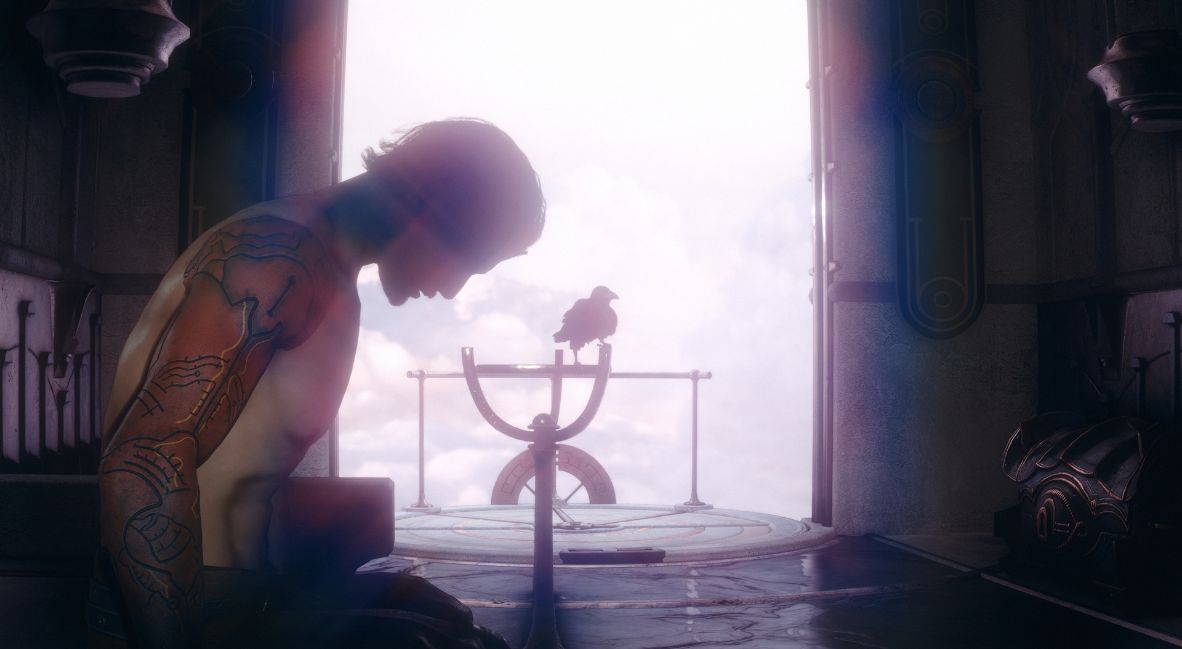
SARAH ASSELIN: What’s interesting, as well, with some of what we’re showing, both at the Deadstream and the full demonstration at Tenno Live, is the unveiling of Vadagar and the idea that corruption can now take root in the Envoy. It is a darker pact that we’re showing in a darker path, even with these vespers instead of virtues, the sort of anti-virtue.
It will be interesting to see people’s reactions to that on an emotional level and on a gameplay level, because it is a bit more of a darker turn or choice, but not as simple as good or evil. It’s just, it’s an interesting different path you can take now, not one that’s set in stone exactly, but yeah, a more corrupted direction for the envoys themselves.
GEORGE SPANOS: You need the darkness to see the light, right?
SARAH ASSELIN: Exactly, the contrast. Yes!
BUT WHY THO: One of my favorite things I love to ask developers is about their favorite small thing in a game that they work on. Not a large feature the community has been asking for, but something small that may mean something to you and maybe someone else might not recognize. So what is your favorite small thing in Soulframe’s Warsongs Fable Quest?
SARAH ASSELIN: This is so small, but I have a perfect answer! I always introduce the Envoy Hours we do, and call the envoys my “little minnows,” which is hinted at being Grandpa’s nickname for you. But he says it again, and we’re clearly in Warsongs! So now, it’s a little bit more canon, the reason I call.
GEORGE SPANOS: It’s interesting, you know. I was trying to think which part. There [are] so many like little parts… Because it’s still fresh in my mind, Cress, Vadagar’s Raven. The vocalizations it makes, and Slater, one of the sound designers on our team, worked hard at making the sound of that bird.
That sticks out to me! It’s a cool kind of thing, like the struggle to get it to where it was and where it is now. It makes it worth it, and there are moments in the music and in the voice acting, too. Our voice actors are just great, like our Grandfather, our Bear, and all of them—they hit it out of the park. There are certain lines that they’ll say a certain way, and they just nail that.
BUT WHY THO: And I guess my last question is: Do you have any last takeaways that you want to tell the Soulframe community? Maybe it’s about game development, maybe it’s something you want them to know about what goes into making Soulframe that they may not think about.
GEORGE SPANOS: It’s a lot of hard work. I think maybe that’s the obvious thing, but no, that’s the biggest thing I think I would tell someone who wants to get into game development is that you gotta, you gotta put in the time. You gotta show up every day. You know, it’s like every day is another brick you’re building on the base, and some days you feel like you’re not getting ahead, but then you look back, and you’re like, “Wow, look at all the stuff we accomplished as a team!”
I think, for me, the biggest thing I’ve learned in the industry is to take it day by day and put in the hard work, and you usually get results. You know, maybe not always the best results. We always try to give them the best results, but you get results, fulfillment, and satisfaction that way.
SARAH ASSELIN: Yeah, I would say to the people that have been following Soulframe since we first announced it and the various reveals that we’ve done, that we’re just so grateful for the ongoing support. To the people who go into Discord and forums to add feedback, or the people who just see it at Tennocon this year and end up signing up and jumping in, there’s just a lot of gratitude for everyone supporting our games.
What connects everything we will see from Soulframe at Tenocon this year is hopefully a step up in this wider world, with the new mounts for traversal, this deeper story, the Medicant Reinbreaker, the Vadagar Dark Pact, and fishing, all of it together. Hopefully, [Warsongs] feels like a step up for the people who have been paying attention this whole time and those who are just tuning in now.
GEORGE SPANOS: Community is always so important to us. You know, it was important on Warframe, and you know, it’s the same for Soulframe. It all comes down to community for us, and I think that our stories are very community-based too, right? They’re very much about what’s going on in the world. We’re grateful for them.
Soulframe Preludes’ Warsongs Fable quest will release sometime in the Fall of 2026.