

Norway: The Dark Horse (Norges vei tilbakes) is a Norwegian sports documentary directed by Emil Trier, with an initially exciting idea. The documentary embeds a film crew with the Norwegian national football team as they embark on a qualifying campaign to reach the 2026 FIFA World Cup.
An integral part of Norway: The Dark Horse is the historical context. It has been a long time since Norway made it to the World Cup. In fact, since 1998, the Scandinavian nation has never qualified for either the World Cup finals or the European championships. This has become a source of national shame and trauma. In the first episode of this two–part limited series, the absence from the highest stages of international football hangs over the players, the staff, and anyone associated with Norway. But this time, things are different.
A generation of extremely talented and successful players has entered their primes, including Alexander Sørloth, Martin Ødegaard, and Erling Haaland. There’s now real pressure. Once the introduction is done, the qualification gets underway, following each game the Norwegians enter in great detail. The match footage is sporadically interrupted by exclusive glimpses within the dressing room as Ståle Solbakken tries to get the most out of his players. In the first episode, this is engrossing.
The first episode of Norway: The Dark Horse is captivating.
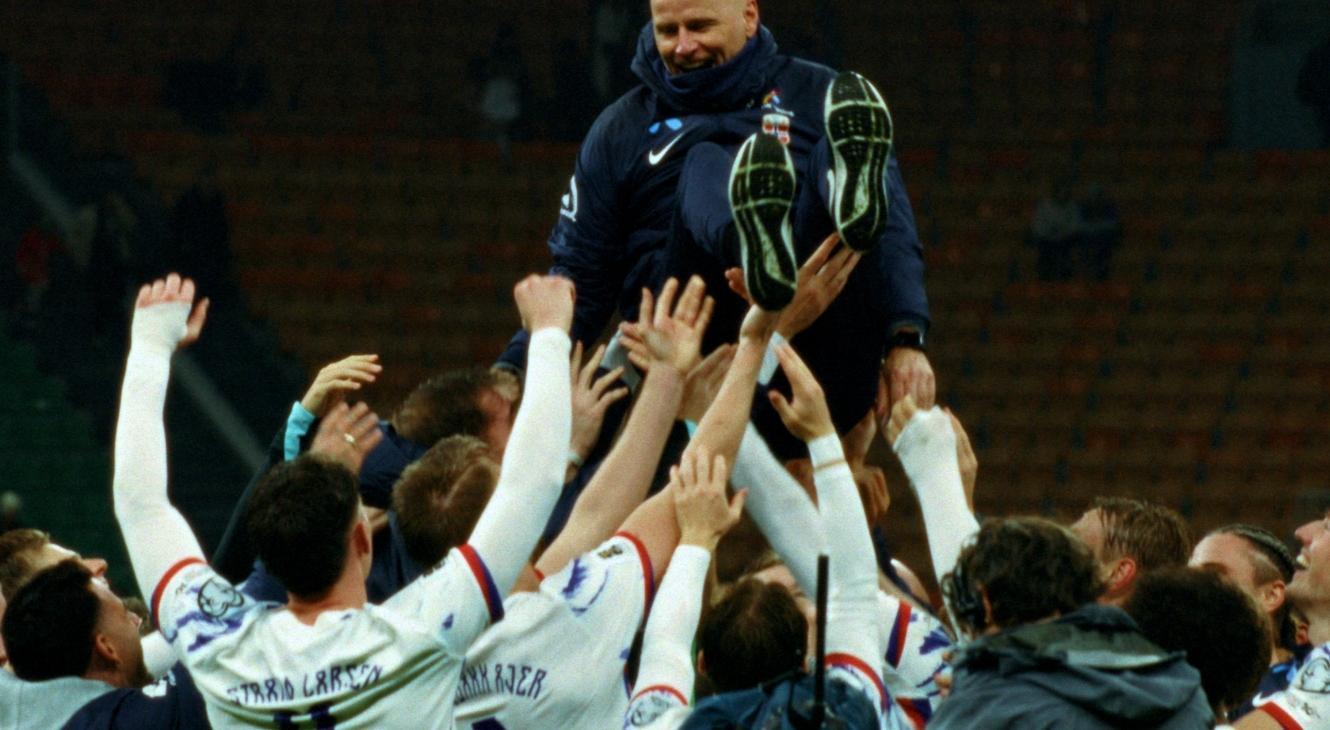
But it doesn’t take long for the structure to grow stale, and Norway: The Dark Horse becomes a bit dull. Especially when going into the documentary, many of the audience know the outcome. Maybe not the details, but they know Norway are in the World Cup. This removes any sense of drama or danger. The campaign itself isn’t particularly arduous either, with Haaland and his cohorts clicking from the get-go. The most exciting matches are the ones against Italy, with their prestige and heritage providing Norway with a challenge.
Those inside Norway: The Dark Horse are extensive, but there’s a major missing cog. Many of the integral members of the Norwegian squad give insight into the games and how it feels to represent the national team. The high-profile, younger players in the squad are personable and eager to talk. The older figures in the documentary, including commentator Øyvind Alsaker, members of the coaching staff, and some players from the 1990s, detail the period when Norway competed in World Cups and played well.
There is an emotional core to this limited series, and it comes from that feeling of hopelessness. It has been so long since the Norwegian fans could watch their team on the world stage. There’s also a brief aside about the health struggles Solbakken faced, including a traumatic end to his playing career. But the balance between the team’s conversations and personalities and the actual on-field action needs to be better structured.
Surprisingly, there’s little focus on Erling Haaland, who has emerged as a World Cup fave.
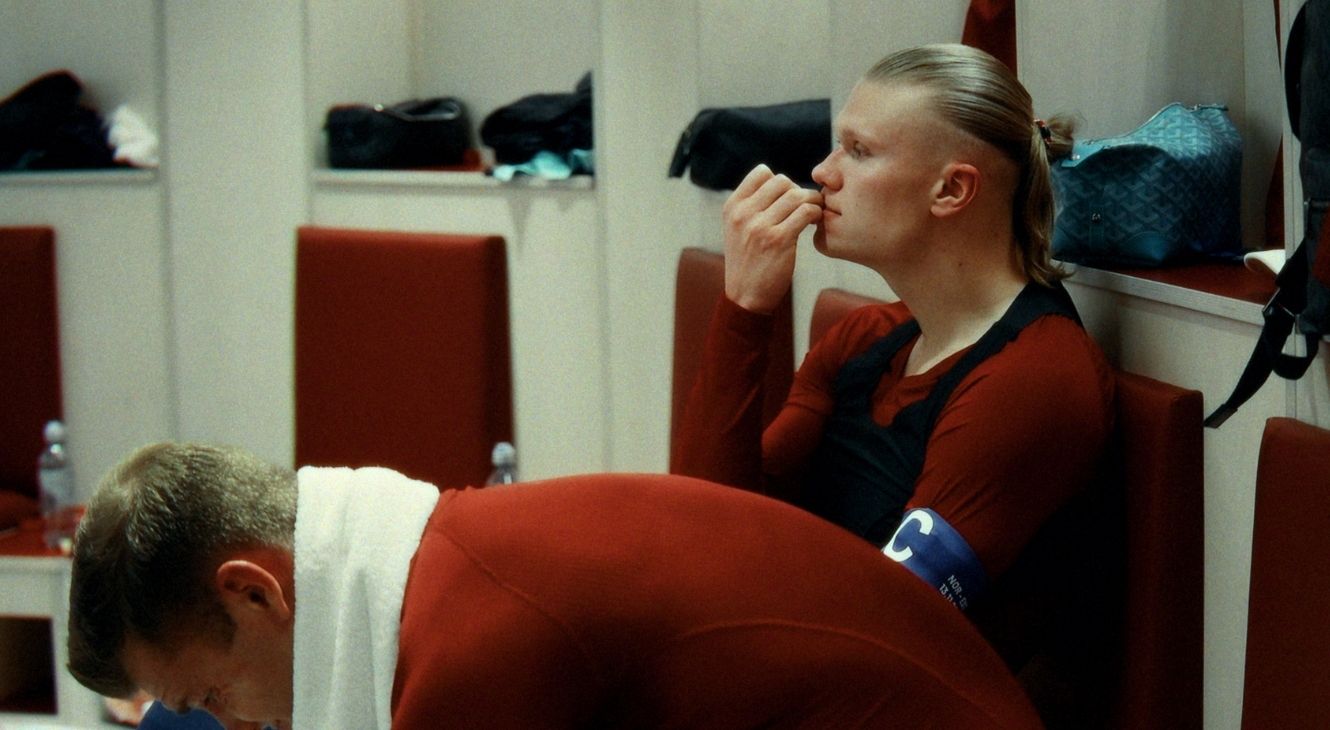
The major absence in Norway: The Dark Horse is Haaland. This man is an icon even at a young age. A monstrously talented footballer, the gigantic striker with incredibly long blond hair is a generational player and a terrific personality. He doesn’t have the media training other players do, and so his responses and interactions can be unpredictable and from the heart. He’s eccentric and funny.
And yet, he’s absent from any interviews. You hear his voice occasionally, but we don’t see him talking to the camera. And on the pitch, his presence is unmissable. But his humor doesn’t breach through, nor does it really come through from any of the players.
There also isn’t any time spent exploring Norwegian culture or the communities that the national team is playing for in Norway: The Dark Horse. Sure, the president of the Norwegian football federation appears, as does the prime minister of the whole country. But we never really get a sense of Norwegian life, or conversations with regular citizens. And not having your star striker present makes the documentary feel like it’s missing something.
While the documentary focuses on the Norwegian team, you never get a sense of the nation’s culture.
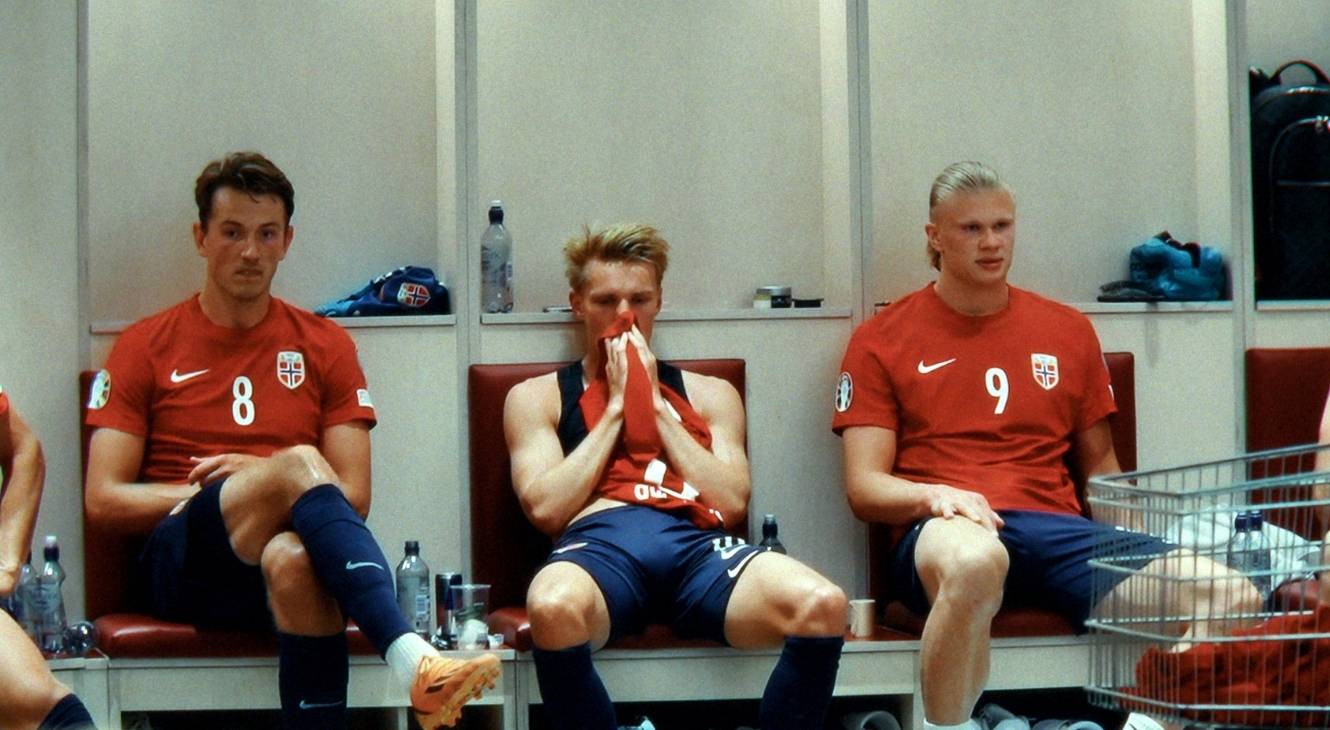
The production of Norway: The Dark Horse is sleek and effective. The behind-the-scenes footage is handheld and slightly lower quality. It becomes rugged and rough, and looks humble. The Scandinavian sides avoid flashiness, and the presentation helps establish that. The interview background is a dull gray, and the most vibrant shade is the red of the player’s kit.
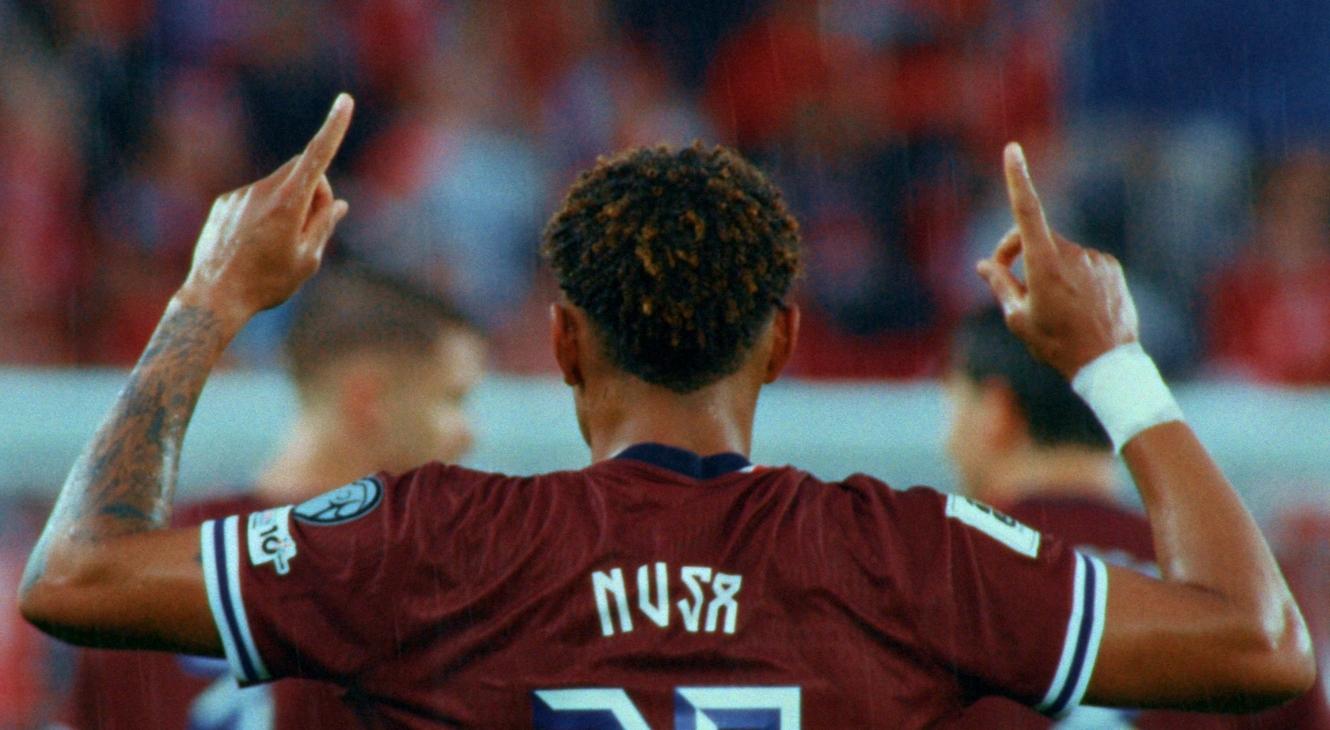
The matches featured in Norway: The Dark Horse are of much higher, more intense quality and deliver a dynamic viewing experience. The football that the forwards play in particular is impressive and surprising, coming from a team that has found it so hard to gain traction on the international stage.
The aspect ratio is wide, and even in the pouring rain, there is a cinematic aspect that allows the football to flourish. The editing lets the skills shine, but a little spark of music or an increased speed could inject the limited series with more energy.
Unfortunately, despite some sleek camera work and a strong opening episode, Norway: The Dark Horse is a slog.
Norway: The Dark Horse doesn’t bring anything new or unmissable to the table. In a sea of footballing documentaries covering the globe, there has to be something fresh or fascinating to warrant watching. Scandinavian football is underrated, and it’s great to shine a light on it. But some fancy football isn’t enough.
After the first episode, the rest of this qualifying campaign and the documentary are a slog. There’s no connection, no real heart. The community feels far away from the action, and the whole thing seems hollow. The achievement is impressive, but how they got there needed more passion to prevent boredom. A Viking fire was supposed to be ignited, but the documentary is just a cold, dull abyss.
Norway: The Dark Horse is streaming now, exclusively on Netflix.
Norway: The Dark Horse
-
Rating - 5/105/10
TL;DR
Norway: The Dark Horse doesn’t bring anything new or unmissable to the table. After the first episode, the rest of this qualifying campaign and the documentary are a slog.