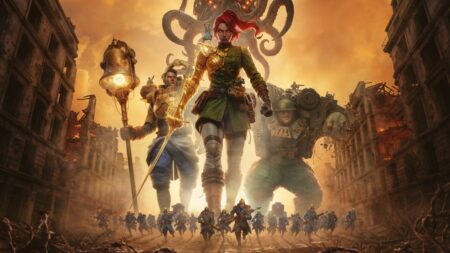


A Plague Tale: Innocence and its sequel showed us the horrors and dangers of a fantastical 1300s France and the Dark Ages. Now, we are stepping a little further back in time to cover a key character from the sequel with Resonance: A Plague Tale Legacy.
Developed by Asobo Studio and published by Focus Entertainment, this title is similar to its other entries. Resonance takes its historical basis and adds more fictional elements. This time, we are going to 1300s Greece and the histories of the Labyrinth, Daedalus, Theseus, and more. Ultimately showing that all our modern myths may have some kernels of truth layered throughout.
As part of the preview, only chapters five and six were playable, and in those two chapters, a lot was revealed. When the preview kicked off, Sophia and her friend had already escaped their gang of smugglers and thieves to the island similar to Crete. With an orb-like tool, Sophia is trying to discover not only what trail her father was following.
Resonance: A Plague Tale Legacy embraces history and fantasy.
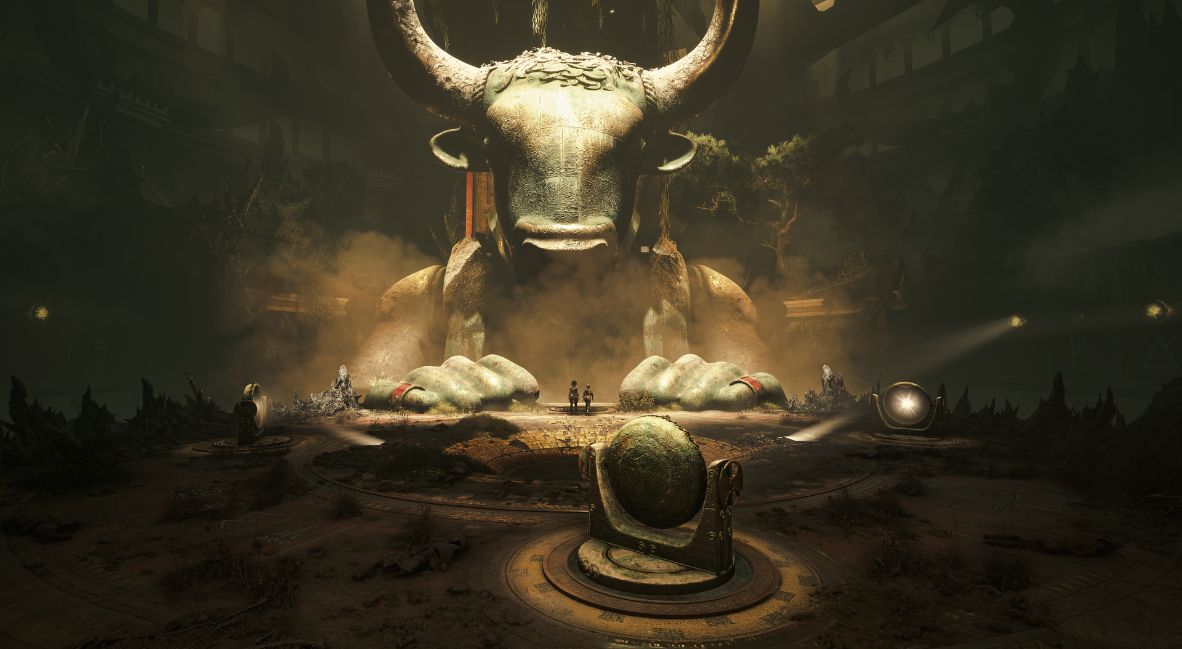
Sophia is also trying to discover more of her connections to a mysterious Theseus, one who haunts her dreams and visions of ancient Greece. Yet her journeys to discover the truth involve delving into the mythological Labyrinth that still holds a terrifying monster, and the famed inventor Daedalus, and how his tools can aid her in her present day.
Even with just a taste, the story of Resonance was quickly gripping. Particularly if you enjoy Greek mythology. Yet unlike other history-focused games, Resonance blends mythology and history into a grounded and whimsical exploration through time. The mythologies that you experience in these chapters feel real and more terrifying than what the original stories may have foretold.
Take the minotaur for an example. When exploring the labyrinthine structure, a monster can be heard throughout that’s always getting closer and closer. But when revealed, the beast is nothing like an actual minotaur.
It’s actually a plant-like creature that hunts through smell. It still requires stealth and trickery to get around the beast and to reach safety, yet it is still wholly unique. Just like its past games, it takes the horrors of rats during the Black Plague and cranks those fears to eleven.
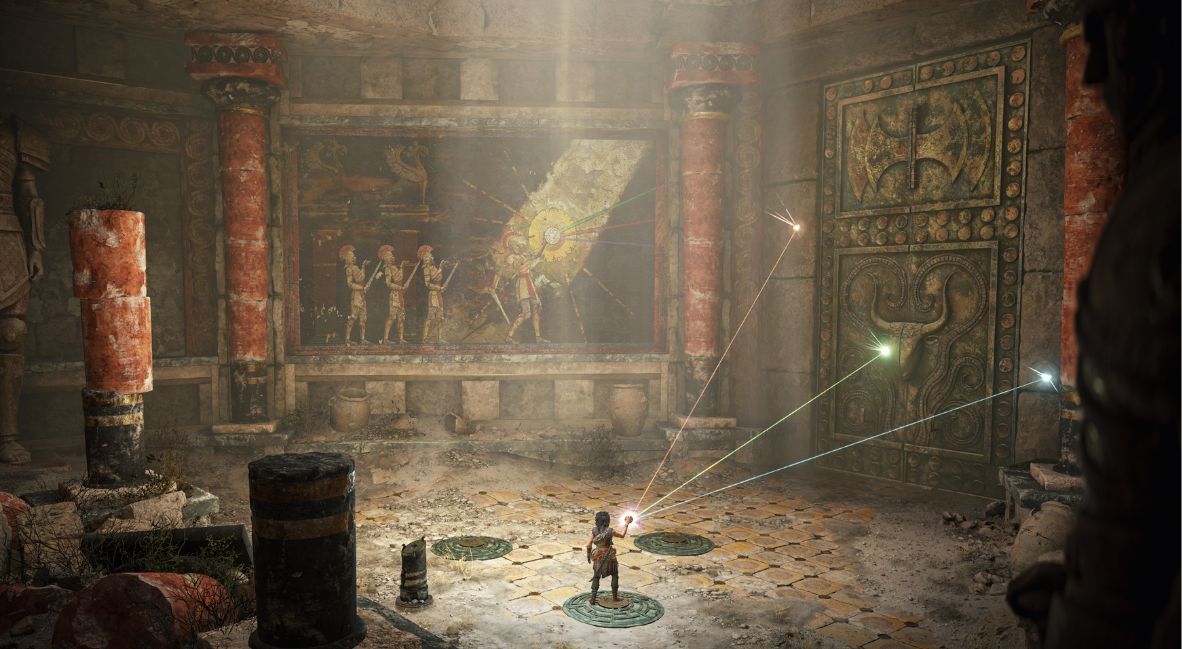
Yet Resonance uses a completely different storytelling tool, letting us actually relive the events of the tale of the Minotaur through the eyes of Theseus. He and Sophia are very closely tied. They share a connection through time, eventually leading to Sophia being able to see through Theseus’s eyes to find solutions or get hints about how to proceed in the “modern” day.
There is only a hint of this, yet the times they do happen are genuinely exciting. You’re not just being told what to do because of some mysterious connection to the past; you get to experience it first-hand. With how detailed and layered these portions are, seeing how this part of Resonance plays out is what’s going to be a big draw, possibly more than Sophia’s tale.
The differences between Resonance and its predecessors aren’t just in storytelling. Sophia is very capable, is grown, and had a rough upbringing. These factors come across quite well in the gameplay. Whereas Innocence and Requiem were more stealth-based, Resonance is much more inspired by action-adventure games.
Fights in Resonance: A Plague Tale Legacy are brutal, and that makes it interesting.
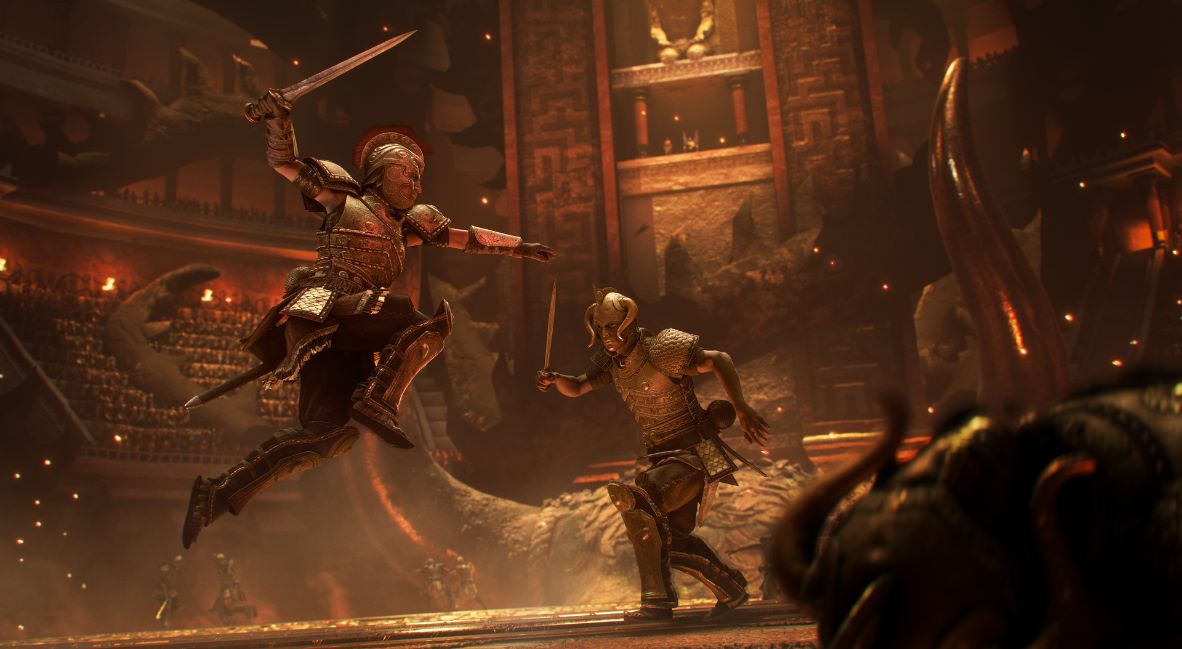
Fights are very brutal and even more involved. Sophia can parry attacks, create combos, and even hook or throw enemies to create openings. In other words, Sophia is scrappy. Regularly, especially when you quickly get outnumbered, fights feel like you’re just barely scraping by. Sophia is only getting through because she is faster and isn’t afraid to be unfair in a life-or-death fight.
What was most surprising was how much like modern Tomb Raiders the game feels. Through two chapters, there was a fair bit of tomb exploring, puzzle solving, swinging around from hooks, and brutal deaths. Even at times, going left instead of right could lead to a whole tomb full of secrets to discover. And finding secrets was already rewarding.
Improving Sophia is innately tied to her discoveries. Finding a ring or a bracelet increases passive bonuses that help during combat. Like increasing the miss chance of archers or making the parry window wider.
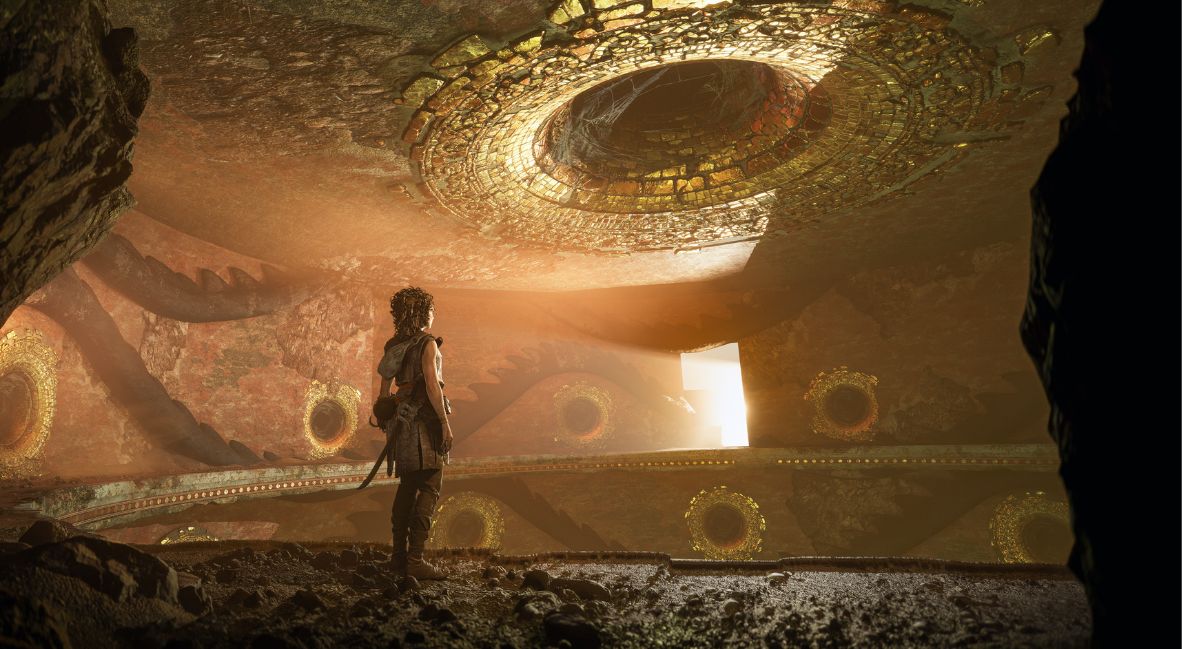
There are also discoverable upgrade points needed to unlock more abilities or attack modifiers. After only playing through two chapters, combat was already a much bigger draw, never feeling like a slog, and the promise of more weapons and ways to take down teases the combat being a big focus that hasn’t shown all its cards yet.
Resonance: A Plague Tale Legacy is, in many ways, what the modern Tomb Raider trilogy was to its predecessors. Massive combat improvements have already made fights more intricate, rewarding, and fun. Exploring has also evolved to constantly bear fruit and never be a waste of time. Ultimately, the changes to storytelling and gameplay are exactly what A Plague Tale needed, without losing the heart Asobo is known for.