
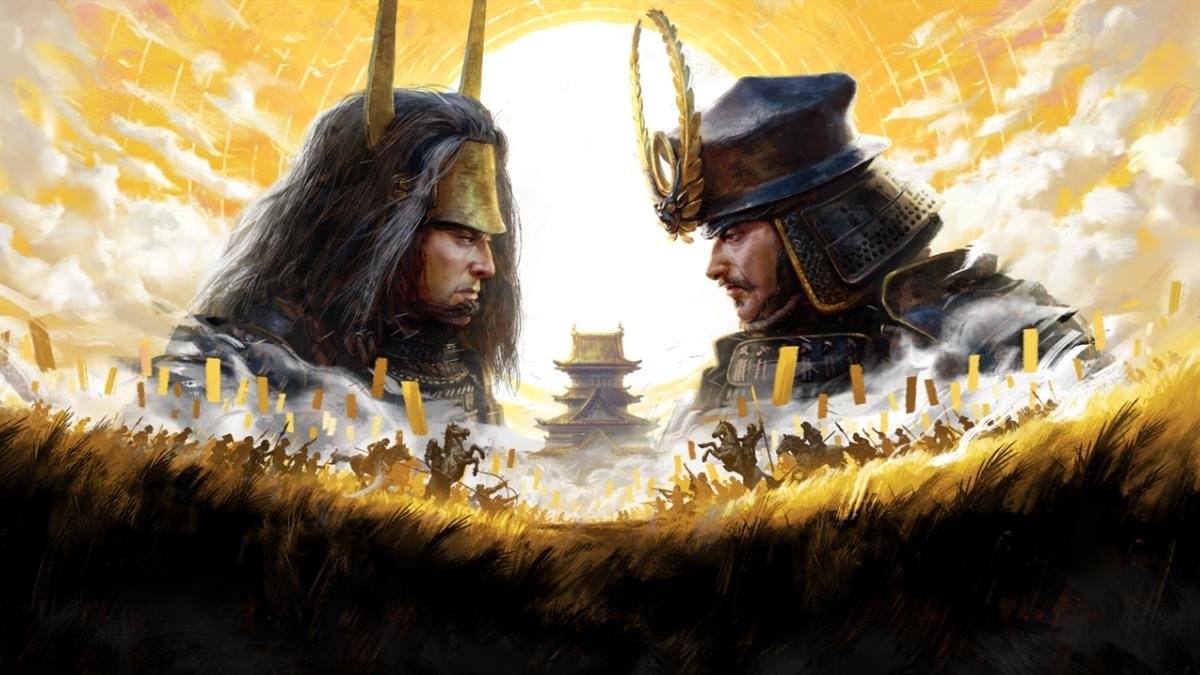
Total War: Shogun 2 – Complete Edition, developed by Creative Assembly and MATABOO and published by Sega, sees war come to Japan. Across three campaigns set in distinct time periods, players must take control of a clan and fight to become the next Shogun. It will take diplomacy, skill, and a little luck to come out on top in this game’s fusion of 4X grand strategy and RTS-style battles.
Despite having some history playing 4X strategy games, this was my first time dipping my toes into the long-running Total War franchise. As such, I thought I knew what to expect of the grand task the game would set before me. As it turned out, Total War: Shogun 2 – Complete Edition had a few interesting twists in store.
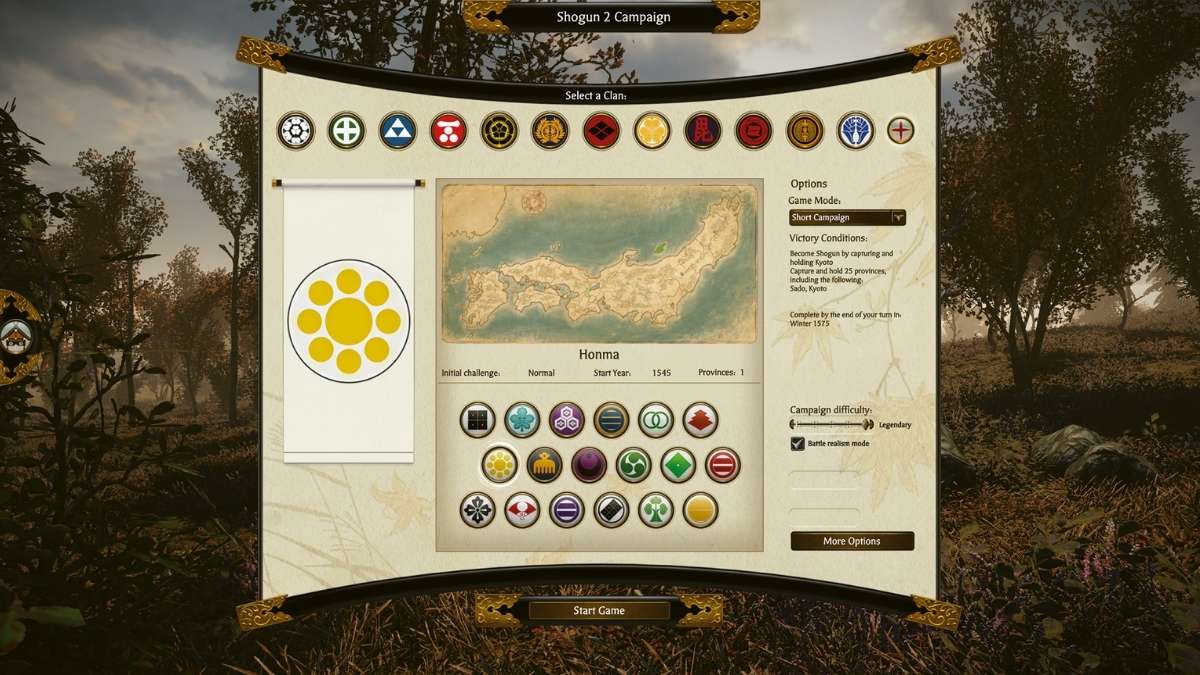
The biggest surprise came right off the bat as I booted up my first campaign. After a couple of brief tutorials to get familiar with the controls, I jumped into the original campaign to see if I had what it takes to become Shogun. After picking my clan and starting the game, things started far more methodically than I expected.
Total War: Shogun 2 – Complete Edition launches players into war preparation.
In other 4X strategy games I’ve played, the early game is marked by a rush to grab unclaimed land between factions’ starting provinces to strengthen your resources. However, because Total War: Shogun 2 – Complete Edition is set in a historical location and all of the land is already claimed by the great houses of its time, the game immediately launches into a focus on economics and preparations for war.
At the start of my first campaign, I was disappointed with the loss of the quick scramble. But as I played, I found this beginning to be the perfect entry for the methodical, paced experience Total War: Shogun 2 – Complete Edition would challenge me with.
Every choice you make about the direction you take your clan in your quest for supremacy demands careful consideration and planning. The game adheres to a sense of realism that makes many actions take a considerable amount of time to play out, making waiting for a problem to happen far too late to fix it before there are dire ramifications.
The best example of this came in my early turns of Total War: Shogun 2 – Complete Edition. As is often the case when you first boot up a game like this, I got a bit too eager to build up an army and start staking my claim on my neighbors’ territory.
Before I could even begin my grand campaigns, my citizens started causing trouble because my provinces weren’t producing enough food. Having focused my upgrade progress solely on war and not civil enhancements, it would take years to improve food output enough to appease the masses. As it turned out, they didn’t want to wait that long. Lesson learned: reboot and try again.
Many such lessons awaited me as I sought to grow in prominence and power. These learning moments never felt bad, though. As I explored trade, diplomacy, and war, my failures rarely felt undeserved or unfair. I messed up, didn’t plan properly, or made assumptions about myself or an opponent that I should’ve known better than to make. Even when set to easy mode, the game was willing to teach me a lesson about overeager warmaking that I wouldn’t soon forget.
The game’s realistic battlefield strategy makes campaign problems harder to fix long-term.
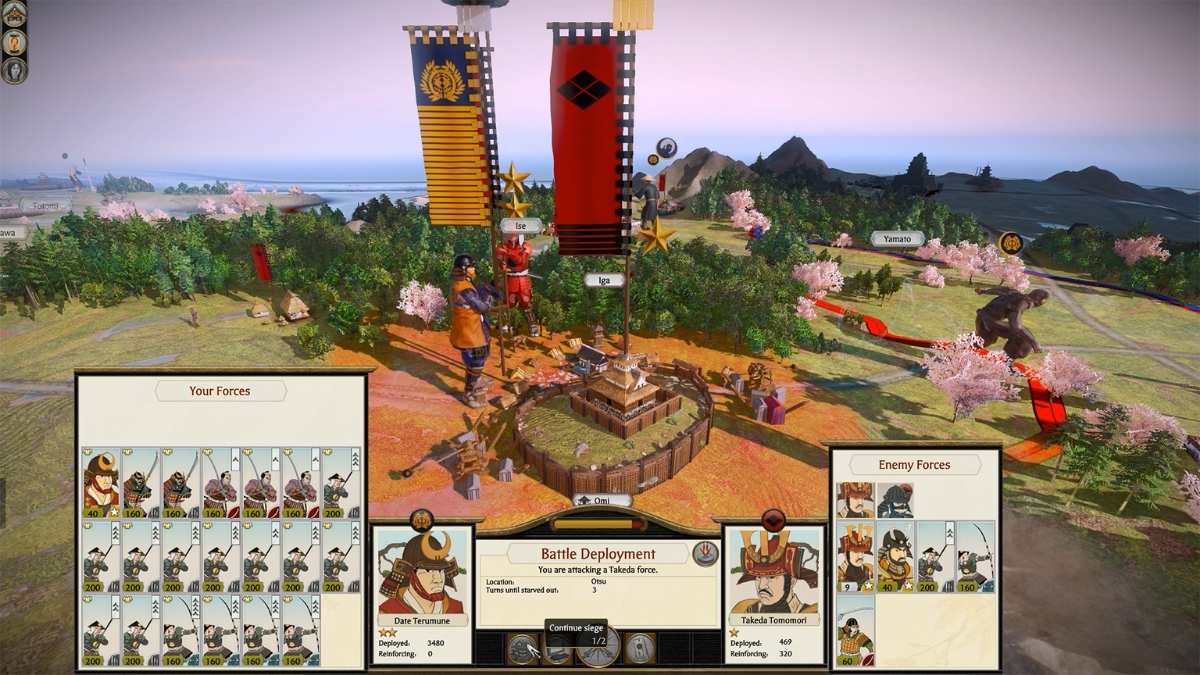
Total War: Shogun 2 – Complete Edition provides players with all the information they need to understand what is going on in their armies and provinces. Numerous screens are accessible through simple paths, making the information easy to find. As one would expect from a game with this level of depth, there is still a lot, so you need time to parse it and find exactly what you are looking for.
Deep skill trees help empower your rise to greatness. Skills can take time to reach, so proper planning is important. However, skills feel good to unlock, with their bonuses clearly laid out in their descriptions, along with how long they take to unlock. You can clearly feel the impact of these upgrades as your treasury swells or your units begin to perform better in the field.
The final area of the campaign where players get to build and customize is each region’s castle city. Through castle cities, areas can be improved with new structures and upgrades, many of which are linked to the upgrade trees, making these central locations integral to the rest of the experience. Limited space affects everything from food production to which units can be recruited in a town and trading, making proper management essential.
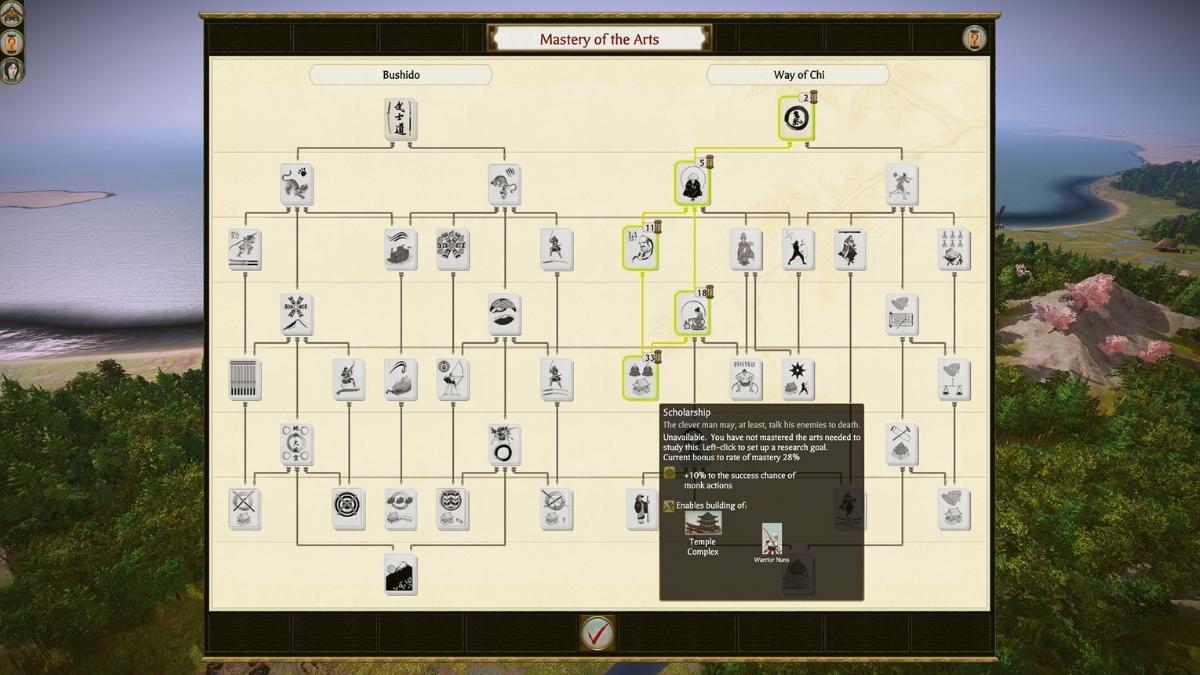
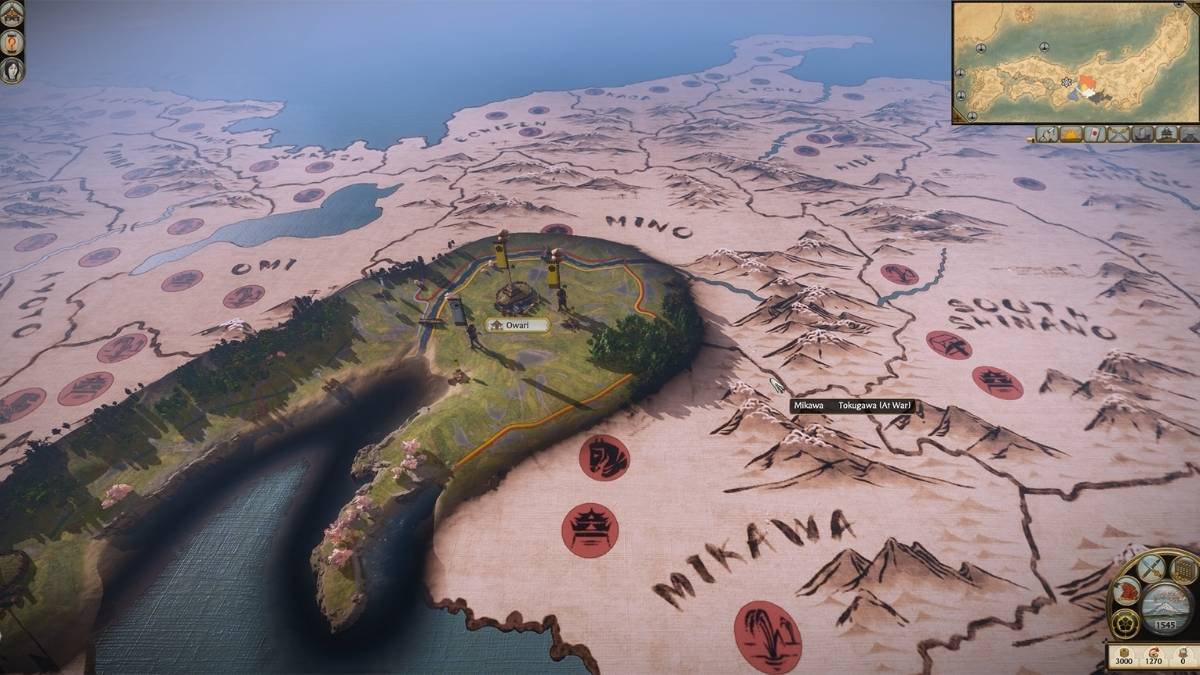
The campaign’s visual layout strikes an exquisite balance between form and function. The menus and map are presented with a strong flair for traditional Japanese art, without ever feeling difficult to understand. For example, selecting a unit or city on the map is highlighted by a clear circular ink-brush stroke that clearly identifies what you clicked while looking perfect in the setting.
The fog of war function also reflects this mindfulness of art and style. When areas are cut off from your awareness, they revert to classic 2D map design, with area labels only, done in that same familiar ink-brush style. This augments the sense of referencing a map when you can’t see something, versus the more up-to-date reports from underlings when you have a firmer connection to an area.
Several adjustable factors at the start of the game add to the approachability of the immense core campaigns. Length, difficulty, and other settings can be tweaked, letting players further customize their experience to their skill and time availability.
Each campaign’s visual layout blends creative artistry with functionality.
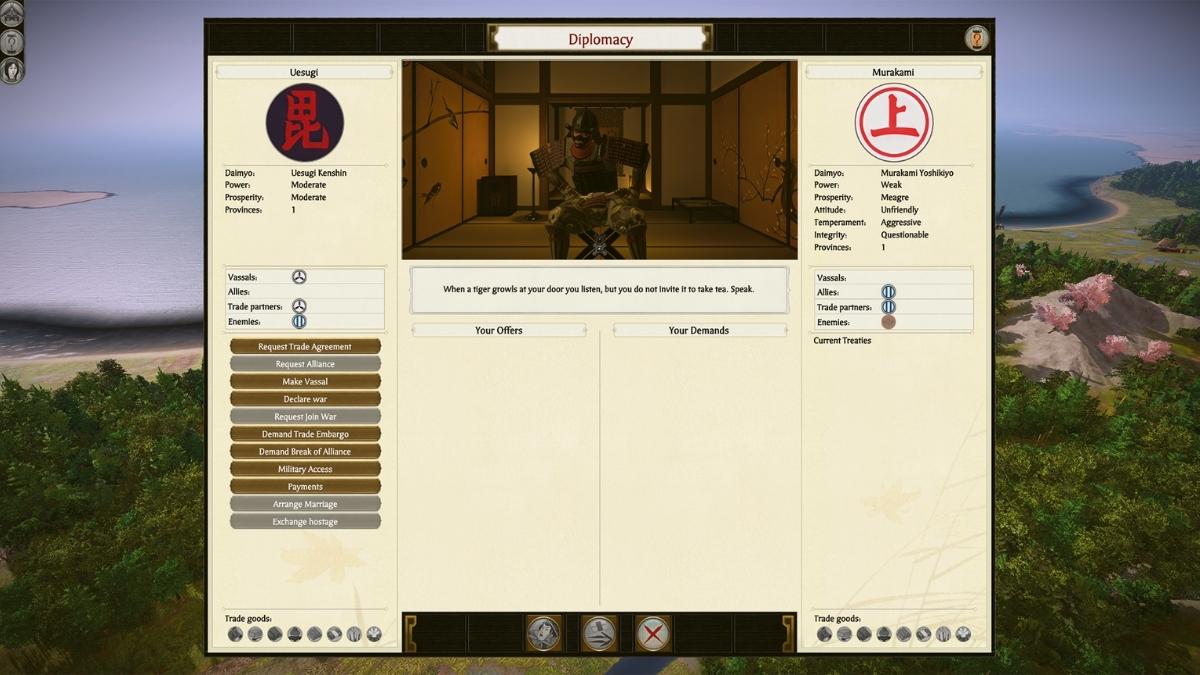
Total War: Shogun 2 – Complete Edition’s approach to easy mode was particularly good. At this setting, there wasn’t much external pressure forcing swift preparations, but the game doesn’t let you just roll through other clans either. Entering a conflict without thinking can still find you staring down a numerically superior force that will break your army and not look back.
Although I easily got engrossed in the 4X strategy side of the package, Total War: Shogun 2 – Complete Edition‘s RTS battles were less enthralling for me. Small skirmishes consisting of a couple of units on each side were fine, but as the battles grew in scale, the burden of controlling units and coordinating armies in the field swiftly grew.
The mind quickly becomes overwhelmed by the endless details of unit types, placements, enemy dispositions, and terrain, and it’s hard to keep it all straight. Nuanced elements like managing ammunition for projectile-based units add even more layers to the strategy. Turns out there is a reason armies have all those command layers baked in. No one person should have to keep track of all that.
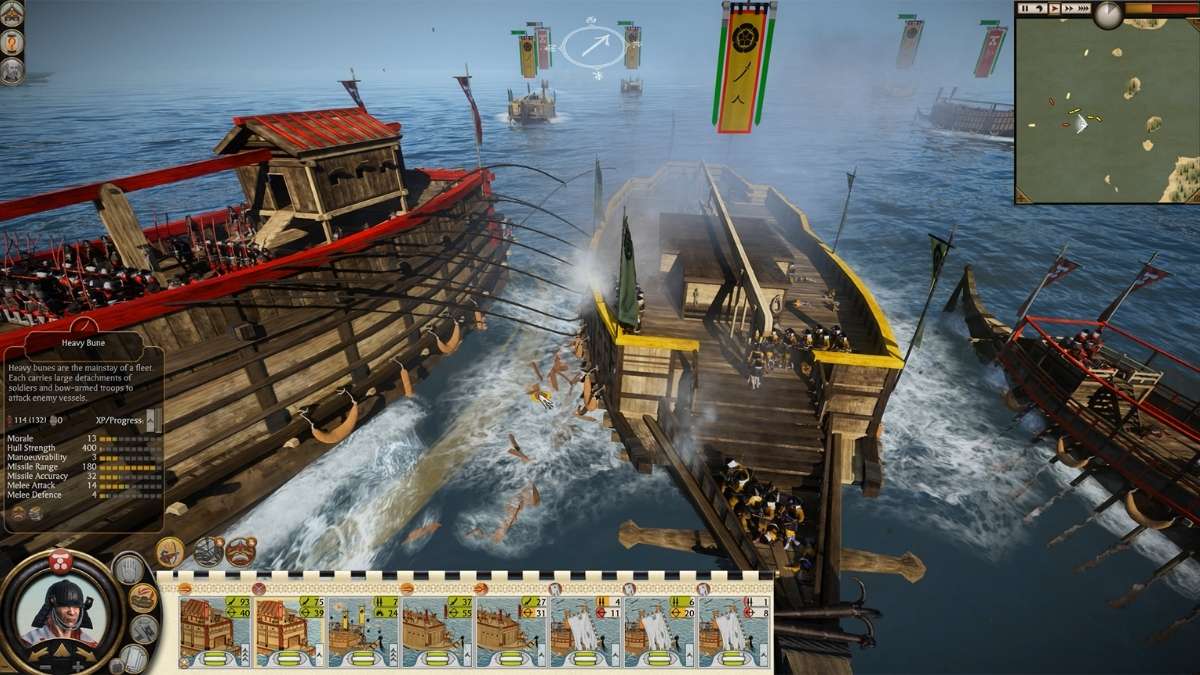
Adding to a battle’s frustrations were some finicky commands that were difficult to implement. Trying to have units perform a wheeling maneuver to face oncoming enemies is sometimes difficult to execute. I would give the command, only to see the unit fail to respond properly.
Further complicating army organization is how your general’s skills work. Many unit abilities, like cavalry’s ability to form a wedge formation to break enemy lines, depend on a general who can give that command being present for the battle. This can lead to missed opportunities that are hard to fix once the battle has started, especially if you realize only after the battle begins that this army doesn’t have the general you thought it did. Especially since many of these abilities feel like they should be tied to the unit rather than the general.
Now, it does seem possible to skillfully maneuver through even the biggest battles the game can build, but it takes a lot. Executing a fantastic battle plan requires ample time to pause, make sure everything is what you think it is, line up attacks, and ensure abilities are ready. And it will take a ton of real-world time to do it too.
The general of your army plays a key role in the success or failure of campaign depending on abilities.
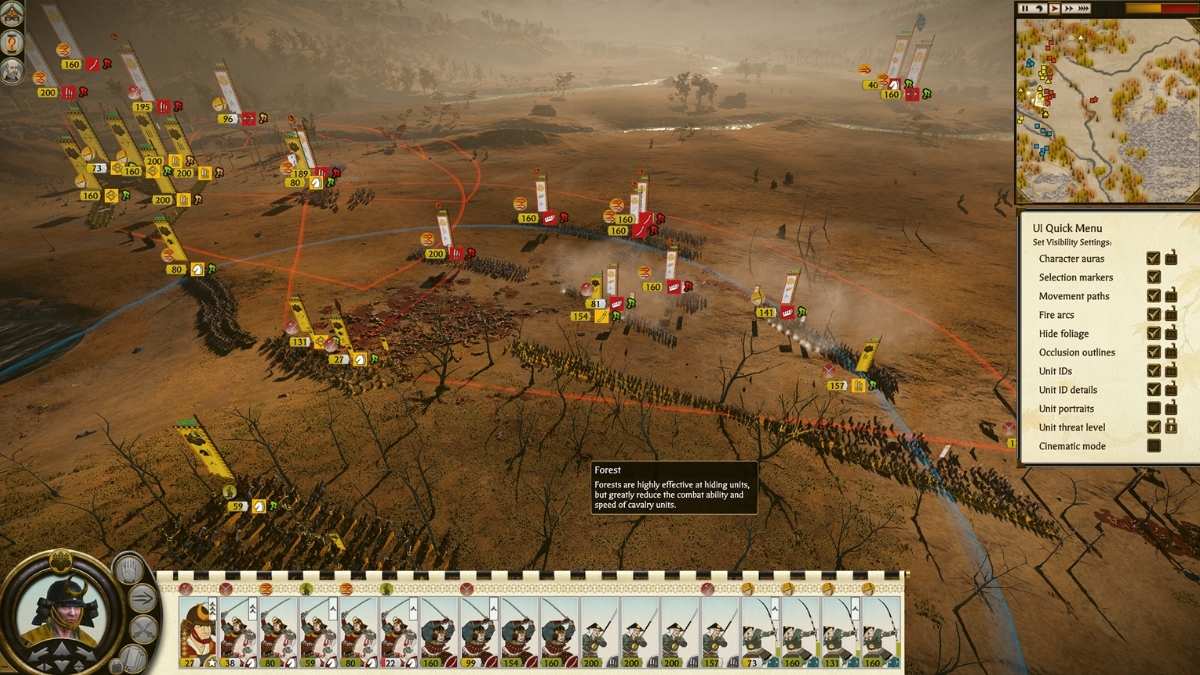
Happily, Total War: Shogun 2 – Complete Edition doesn’t require you to wade into every battle if you don’t want to. Auto-battle is always an option within the campaign, and in my uses of it, I never got an outlandish result that felt born of computer idiocy. Close battles could become upsets, but sure things remained just that.
If you enjoy the RTS side of the game, or want to improve your skills, the game offers separate battle modes, independent of a full campaign, where aspiring Shoguns can test their mettle. A selection of historical battles are available pre-built, and players can custom-build their own setups, allowing them to experiment with and train for specific situations. It’s better to learn with less on the line than to lose a multi-hour campaign in a terrible battle. Multiplayer is also available for players who want to clash with friends for battlefield supremacy.
Total War: Shogun 2 – Complete Edition crafts a deep experience. It serves its grand strategy far better than its RTS combat, making enjoyment depend on which side of the gameplay you are mostly looking forward to. As uneven as it can be at times, it still creates a compelling experience that allows you to circumvent its biggest struggles.
Total War: Shogun 2 – Complete Edition releases on October 13 for PC.
Total War: Shogun 2 - Complete Edition
-
Rating - 7/107/10
TL;DR
Total War: Shogun 2 – Complete Edition crafts a deep experience. It serves its grand strategy far better than its RTS combat, making enjoyment depend on which side of the gameplay you are mostly looking forward to.