
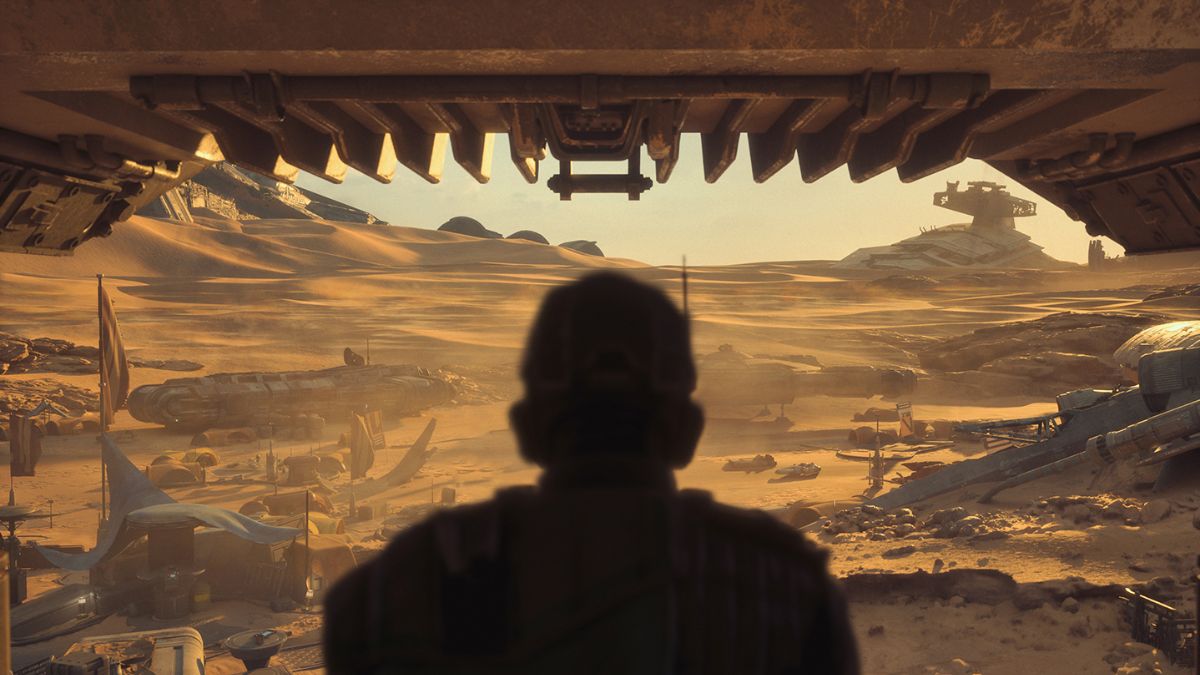
Star Wars: Galactic Racer has me thinking about my next race even after I’ve put the controller down. There’s a corner I know I can take better, a combination of parts I want to try, and another run that could finally come together if I make the right decisions.
When I wrote about the Star Wars games I wanted to see, a return to dedicated racing was high on that list. Fuse Games and publisher Secret Mode have delivered the kind of game I was hoping for, with enough speed, strategy, and room to experiment that I’m now considering buying a racing controller.
Set after the fall of the Empire, Star Wars: Galactic Racer puts players behind the visor of Shade, a racer with a personal score to settle with Galactic League champion Kestar Bool (Kris Laudrum). League founder Darius Pax (Andrew Spooner) needs help keeping control of his racing circuit, and taking down its increasingly powerful champion serves both of your interests.
Kestar is an entitled dirtbag who will sabotage you, talk down to you, and make sure you know how little he thinks of where you came from. He’s easy to beat, which gives the campaign a straightforward goal while you learn how to do it.
Secret Mode and Fuse Games’ Star Wars: Galactic Racer embraces the racing genre in a galaxy far, far away.
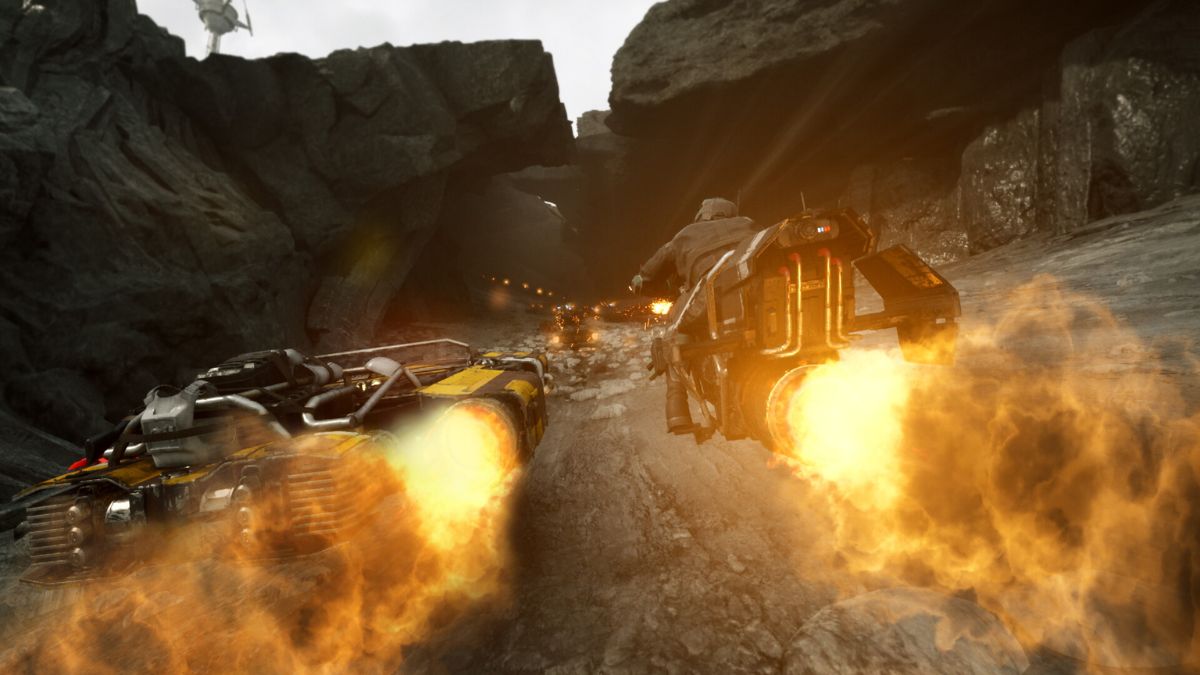
Getting there took some experimentation. Star Wars: Galactic Racer’s campaign landspeeders, speeder bikes, and skim speeders have different handling characteristics, and choosing one is only the beginning of figuring out your approach. Landspeeders drift through corners, speeder bikes build toward a Kinetic Burst through braking, and skim speeders use their Knife Edge maneuver to navigate tight turns and gaps. Each asks you to approach the track differently, with parts and abilities further changing what you can get out of it.
It took me about three runs to realize the landspeeder wasn’t the right fit for how I wanted to race. Trying the skim speeder with a combination that worked for me helped everything start to click.
Star Wars: Galactic Racer encourages that experimentation, giving you room to find a vehicle and setup that complement your driving style. I spent a considerable amount of time learning which abilities I liked together, which rewards were worth pursuing, and which routes gave me the best chance of making it through.
The immediate speed and aggression reminded me of Wipeout. As I became more familiar with the courses, I started paying attention to the kinds of details that pull me into Forza Horizon: where to set up a corner, how closely I could hug it, and where a jump would send me.
There’s a satisfying progression from trying to survive a course to recognizing opportunities to drive it better. Knowing what’s coming gives you the confidence to push harder, and feeling that improvement is a considerable part of the appeal.
The takedowns and collisions bring more of that Burnout aggression into the racing. Learning a course and preparing your build still leaves you vulnerable to another racer knocking you around or an unexpected ion blast interfering with your controls.
Watching how your opponents race becomes another part of getting through an event. Wrecking is frustrating, but seeing your racer smack the controls in anger recalls The Phantom Menace and captures the feeling pretty well. You’re back in the action quickly enough to start chasing the pack again, assuming you haven’t exhausted your chances.
The two boost systems add another layer to those decisions. The Afterburner provides a familiar burst of speed from a supply that replenishes, while the Ramjet becomes available once you reach its operating speed. Holding the Ramjet too long risks overheating and exploding, though certain builds can benefit from redlining.
With customization and specialty races in Star Wars: Galactic Racer, you need a plan.
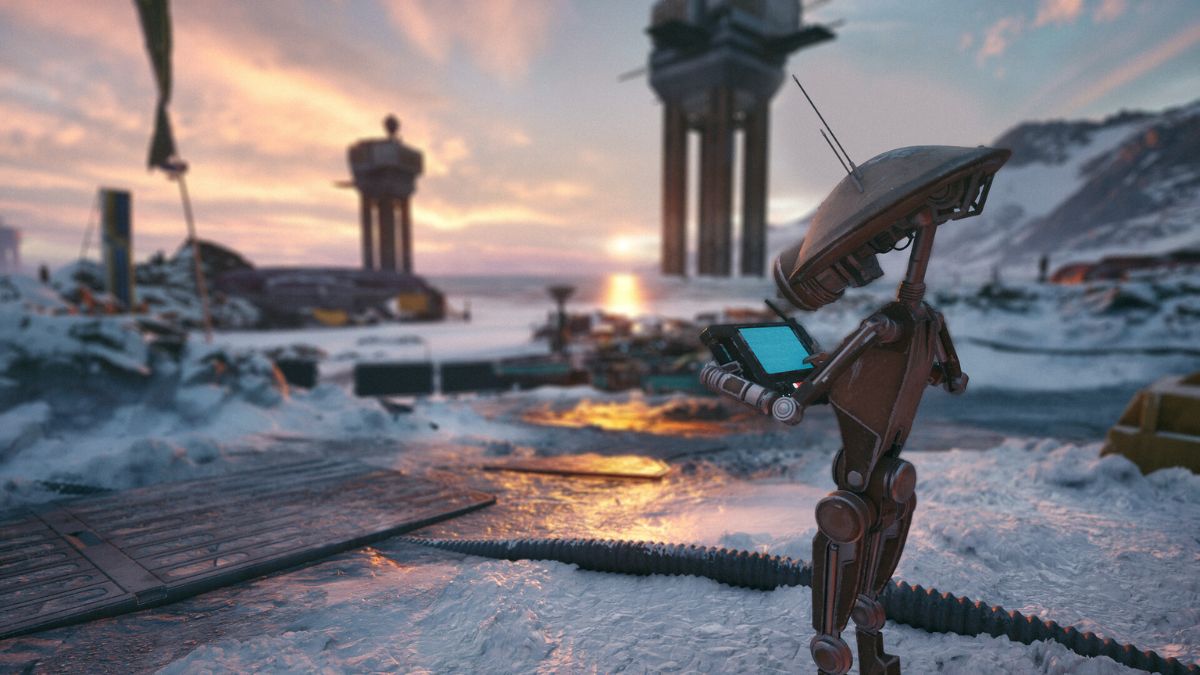
Between the vehicle, the equipment, and the conditions, I found myself thinking about preparation in the same way the F1 movie gets you thinking about tires and race strategy. By the time I was putting those decisions into practice on a course I knew, I felt like a real racer.
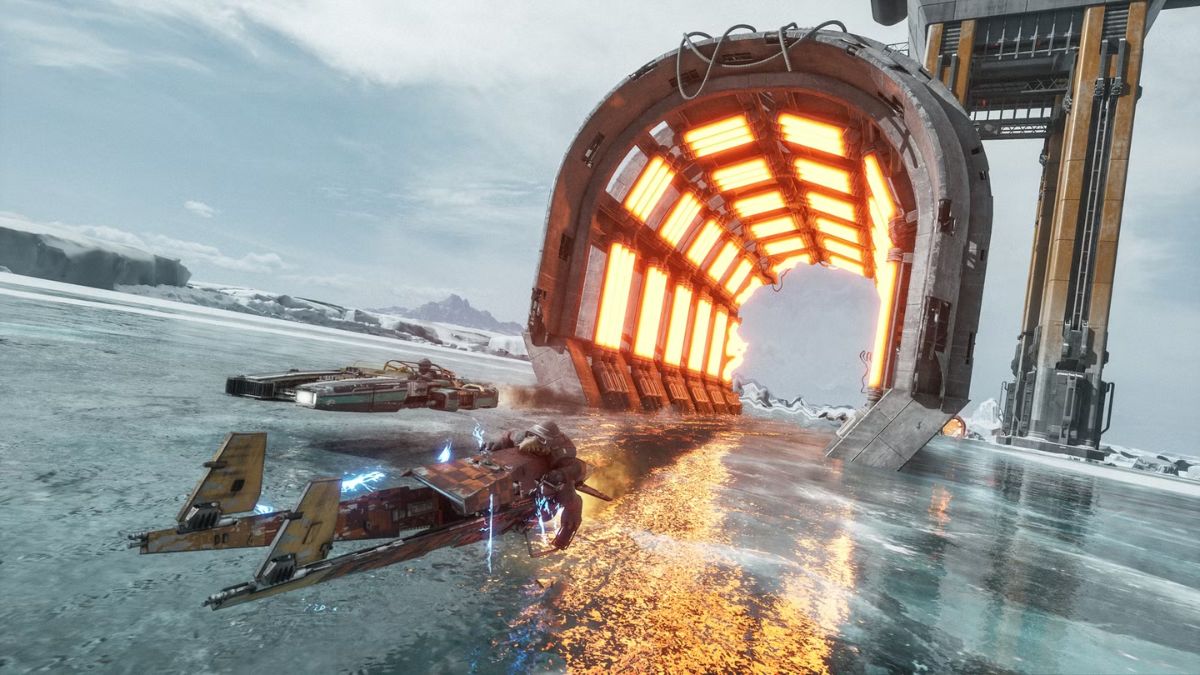
That preparation extends to the planets themselves. Jakku’s heat makes managing your Ramjet more dangerous, while Ando Prime’s cold allows you to use it longer, even as conditions interfere with your controls. On Lantaana, water can help cool you down, while lava creates another problem to navigate. These are beautiful places to race through, and learning their conditions becomes part of deciding what to bring and how aggressively to use it.
The campaign’s runs give that learning process plenty of room. Each Tour sends you through a branching series of events, with choices about the risks and rewards you want to pursue. An Eliminator might offer a better payout, but it also threatens a run you’ve already invested in. A scrap dealer might have a powerful broken part worth repairing. A Field Test lets you try an experimental vehicle, while a mystery encounter can introduce help or another complication.
Those choices keep repeated attempts interesting because you’re working with what becomes available. Parts provide passive effects that can interact with your Racer Style, abilities, and the environment, while upgrades improve your vehicle’s stats.
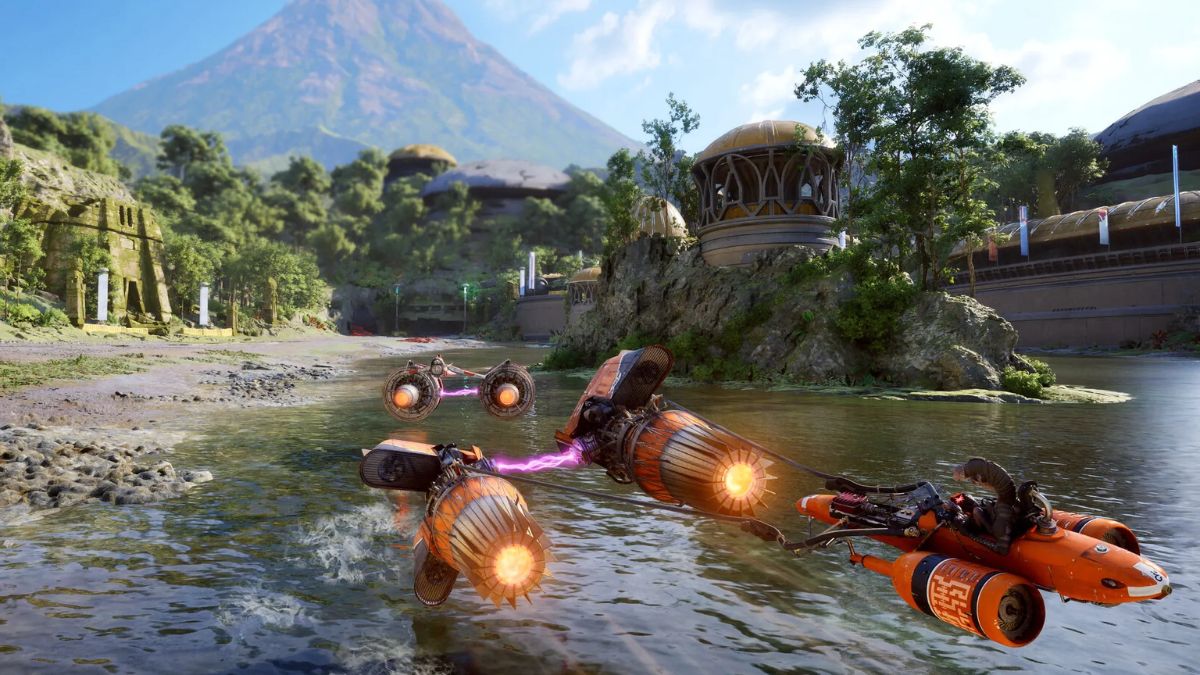
Sometimes you’re building toward a combination you already understand. Other times, a reward gives you a reason to try something else. The route you choose becomes part of how you assemble a vehicle capable of finishing the Tour.
Managing your money complicates that process in useful ways in Star Wars: Galactic Racer. Backer contracts offer additional objectives, giving you something to pursue alongside your finishing position. Rivalries and bets create other opportunities to earn rewards, but repairs can eat into money you wanted to spend elsewhere. Making it through with malfunctioning equipment is difficult, and deciding what you can afford to fix becomes another consideration between events.
League Entry Tokens determine how many setbacks you can withstand. Lose them all and your Tour ends, though progression such as Credits, Tuning Points, Kit Points, and unlocked Racer Styles carries forward. That structure gave me reasons to return while I was still learning. I could improve my starting position, experiment with another build, and bring a better understanding of the courses into the next attempt.
The campaign story is okay, but I was usually more interested in getting back into a race. It gives you a champion to work toward beating and a framework for becoming a better competitor. By the time you’ve developed that confidence, there are other modes waiting to test it. The campaign helps prepare you to become the person your friends are trying to beat in multiplayer or on an Arcade leaderboard.
Star Wars: Galactic Racer’s campaign may be lacking slightly, but the mechanics never are.
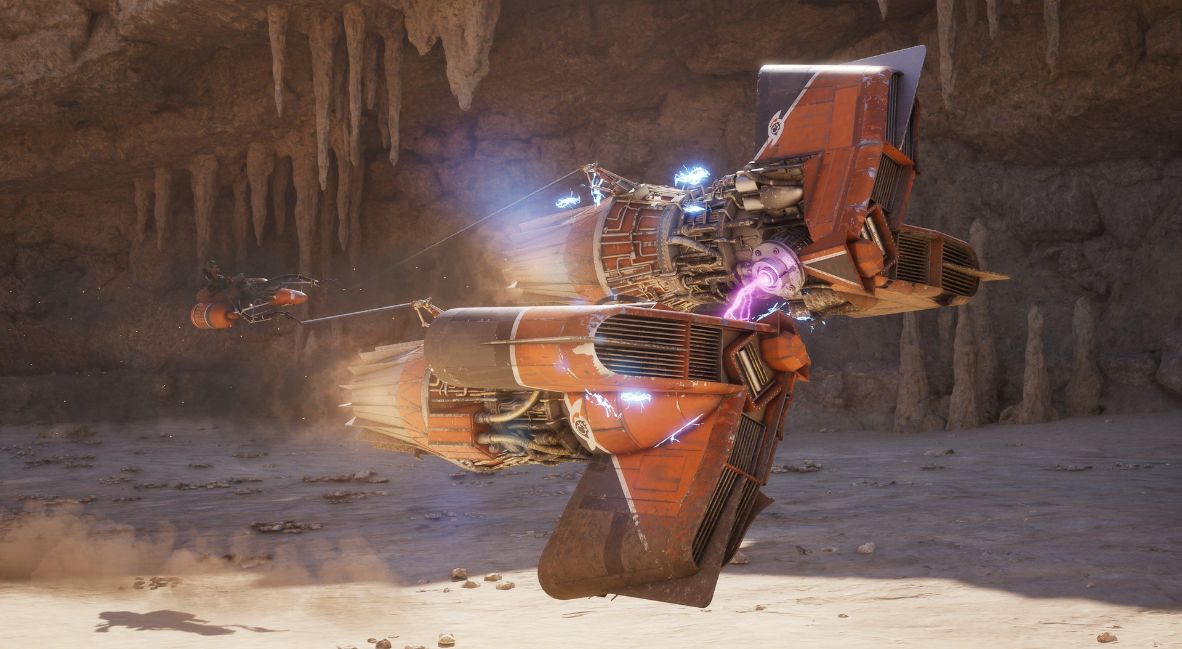
Sebulba’s interludes are a particularly enjoyable part of that journey. His reflections on his history as a racer lead into sequences where you get to race as him, giving those stories something fun to do with the controller still in your hands. That perspective on his past fits naturally into Star Wars: Galactic Racer, a game about people trying to make a name for themselves through racing.
The paddocks are less consistently engaging. Between events, you can listen to conversations, meet other racers, and prepare your vehicle. I liked that different NPCs interact in different combinations while maintaining recognizable personalities. Some are friendly, some are worth being suspicious of, and some are exactly the kind of competitors you expect to cause problems later.
There are also glimpses of the galaxy under the New Republic, including Shade’s experience in an Imperial prison before being released after the change in power. Those details provide context, but I wanted more opportunities to engage with the places I was visiting. The routine of listening to conversations, racing, and returning for more conversations becomes tedious. These spaces kept making me curious without giving me much to do with that curiosity.
The Loth-cat interaction captures that frustration. You get the option to approach one, only for Shade to essentially decide they’re here to race. Fine, then let me race. If Star Wars: Galactic Racer is going to give me time to walk around these spaces, I want interactions that make spending time there enjoyable. Letting me pet the cat would have been a start.

Shade also left me wanting a stronger connection to the person I was playing. There are choices for their voice, build, and clothing, but I never felt like I had enough freedom to make this masked racer my own. Kay Vess in Outlaws gives me a defined character to inhabit, while the customization available with Hawks in Zero Company gives me another way to feel invested. Shade has a history and a rivalry, yet I still often felt like another faceless racer.
That feels like a missed opportunity in a galaxy with this many species, appearances, and personalities to draw from. I would have enjoyed either a more fully developed protagonist or broader freedom to create my own competitor. Racing stories have plenty of room for memorable characters and relationships. Anyone who enjoys Fast & Furious understands the appeal of caring about the person behind the wheel.
The vehicles offer more freedom to make something feel like your own. Different models, interchangeable front sections, engines, and rear sections give you plenty to work with, while colors and liveries let you personalize the finished look.
More options open up as you play and earn currency to unlock them, giving you another reason to keep racing. Between choosing how a vehicle handles and deciding how it looks, there’s plenty of room to build something that suits you. I wanted that same freedom for the racer sitting inside it.
Star Wars: Galactic Racer excels at player expression, letting you make every race and vehicle your own.
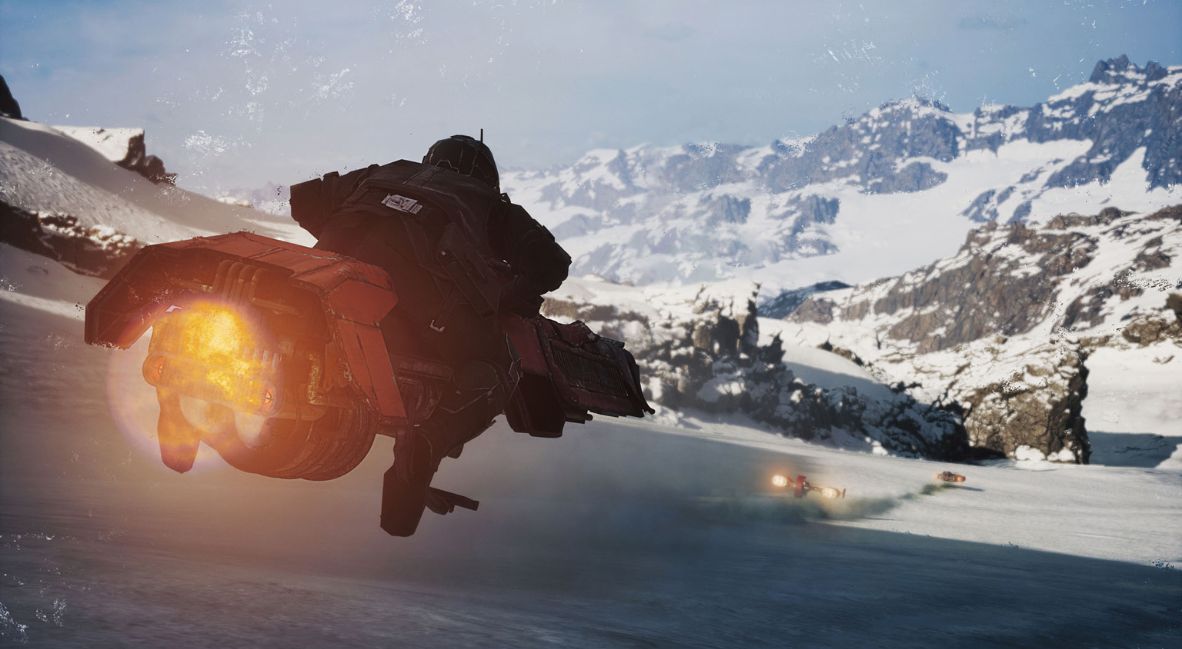
For those looking to race, there’s plenty to do after the campaign. Scenarios put you in the role of different racers from the campaign with starting builds suited to their styles, creating opportunities to try vehicles and ability combinations you might otherwise overlook.
Challenges in Star Wars: Galactic Racer are divided into Cadet, Pilot, and Ace tiers, with higher difficulties introducing complications such as malfunctioning parts. Your performance determines the upgrades available along the way, encouraging you to understand the setup and adapt as you progress.
Scenarios are also a useful place to get comfortable with unfamiliar abilities before choosing them during a campaign run. Having a build designed around a particular approach makes it easier to understand how its pieces work together. Between these challenges and the campaign’s Field Tests, there are opportunities to reconsider a vehicle you might have written off early.
Arcade focuses on curated events with predetermined vehicles and setups, including time trials and podracing challenges. Beating target times unlocks more events, while friends’ records give you something else to chase. Categories such as Scramble, Precision, and Fire and Ice test different skills and your ability to handle environmental conditions.
Podracing adds familiar names such as Sebulba to the times you’re trying to beat, giving the competition some extra Star Wars personality. Learning the course and finding places to shave off time can easily become its own reason to keep playing.
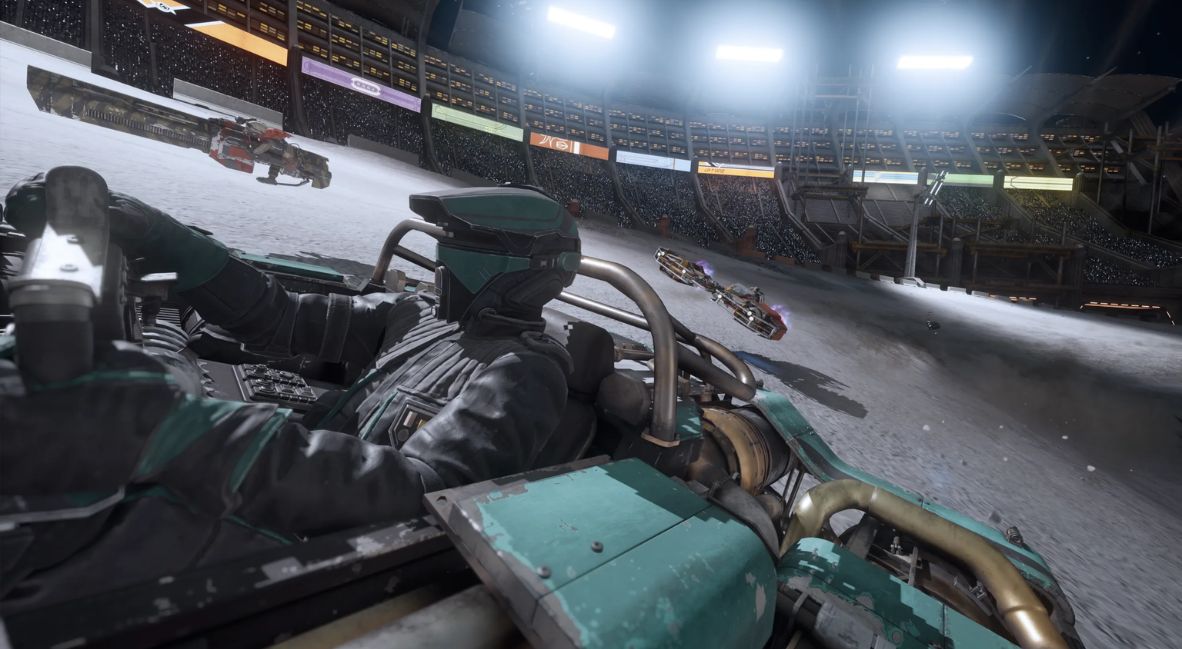
Finally, multiplayer offers Quick Races and longer Tours, supporting up to 12 players in speeders or eight in podracers. Tours bring the campaign’s build decisions into a competitive series, with the first five events providing opportunities to earn rewards and improve your vehicle before the final championship race. Bets, rivalries, and backer contracts add ways to earn Credits and parts, so preparing for the finale requires some thought about which risks are worth taking along the way.
Star Wars: Galactic Racer’s Multiplayer ranks and objectives provide further goals, unlocking racers, banner options, and vehicle liveries as you progress. Together, these modes give the campaign’s learning curve somewhere to lead. Once you’ve found a setup that works, there are friends’ times to chase, unfamiliar builds to learn, and other racers ready to test how well you know those corners.
Whether playing on PC or Steam Deck, I kept wanting to get back into another race. Learning the courses and finding combinations that suited my driving made each improvement satisfying. Even when the campaign’s downtime became tedious, getting behind the controls reminded me why I’d wanted a game like this for so long.
Star Wars: Galactic Racer delivers wizard racing, unique vehicle customization, and plenty of reasons to keep playing beyond its campaign. A stronger connection to the person behind the wheel would make the experience more complete, while Knights of the Old Republic, Resistance, and The Bad Batch show how much racing there is left to explore. Fuse Games has made Star Wars racing worth getting excited about again, and I hope they don’t have to wait another generation for the chance to build on it.
Star Wars: Galactic Racer is available now on PC, PlayStation 5, and Xbox Series X|S.
Star Wars: Galactic Racer
-
Rating - 9.5/109.5/10
TL;DR
Star Wars: Galactic Racer delivers wizard racing, unique vehicle customization, and plenty of reasons to keep playing beyond its campaign… Fuse Games has made Star Wars racing worth getting excited about again, and I hope they don’t have to wait another generation for the chance to build on it