Horror is a happy place for me. That said, when people think of the genre, they tend to flatten it into dark, cool tones, blood, guts, and jump scares. But horror isn’t always about darkness; sometimes, its vibrancy (like in Ari Aster’s Midsommar) is the point. At Gamescom 2026 in Cologne, Germany, we spoke with the Finji developers and experienced Usual June.
First announced in 2024, Finji’s self-published title brings young adult horror to life in a very real way. With a vibe that matches the nostalgic titles that players can’t seem to put down, like Mixtape and Life is Strange, Usual June drops players into a friend group as they fight monsters, talk to ghosts, and get to the bottom of a mystery threatening to obliterate their city.
In Usual June, you play as June, a college student who can see spirits and talk to them. When crystal creatures start invading the cemetery, ghosts start vanishing, and the new billionaire in town just keeps getting worse, June and her friends have to step into the middle of it and save Fen Harbor.
Usual June thoughtfully taps into common young adult storytelling.
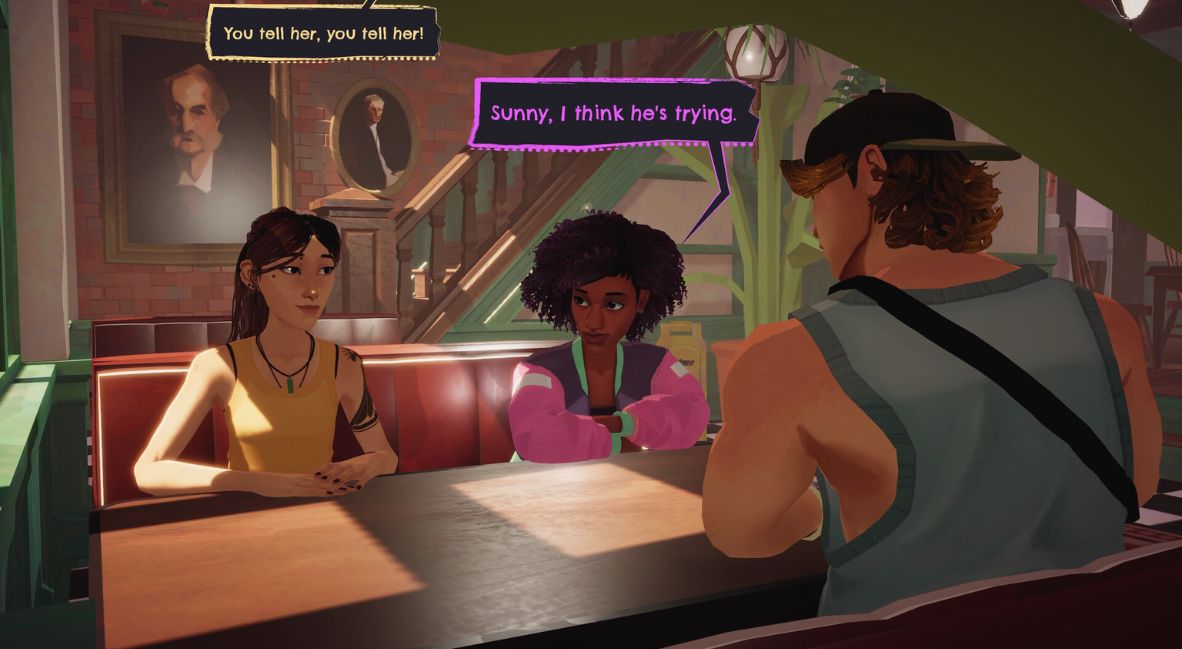
A group of college kids, June, Max, and Sunny, are a grounded group that not only speaks as I did at their age, but also looks like real people. An awkward thing to say, I’m sure, but Usual June’s charm comes from how endearing its core cast of characters are. Whether it’s Max with his fanny pack and farmer’s tan who would look at peace on an Offensive Line, or Sunny’s cool girl tattooed demeanor, or, of course, the titular June, whose outfit I am pretty sure that I have in my closet.
Speaking with Finji, the character designs were central to Usual June, and more importantly, the hair. Despite the game’s hyperstylized art and painterly look at times, the definition of June’s hair is something even AAA high-fidelity titles refuse to get right. Each character also has a rich color palette that defines their personality, accessories like a carabiner or fanny pack that add flavor, and skin tones with depth that make them feel fully realized.
That eye for unique artistic design also extends to the ghosts we see throughout the game, with Frankie (the talking ghost guide) as the best example. Still, the game’s signature visual identity comes from how creativity can flourish under limitations.
Usual June’s handcrafted world sings.
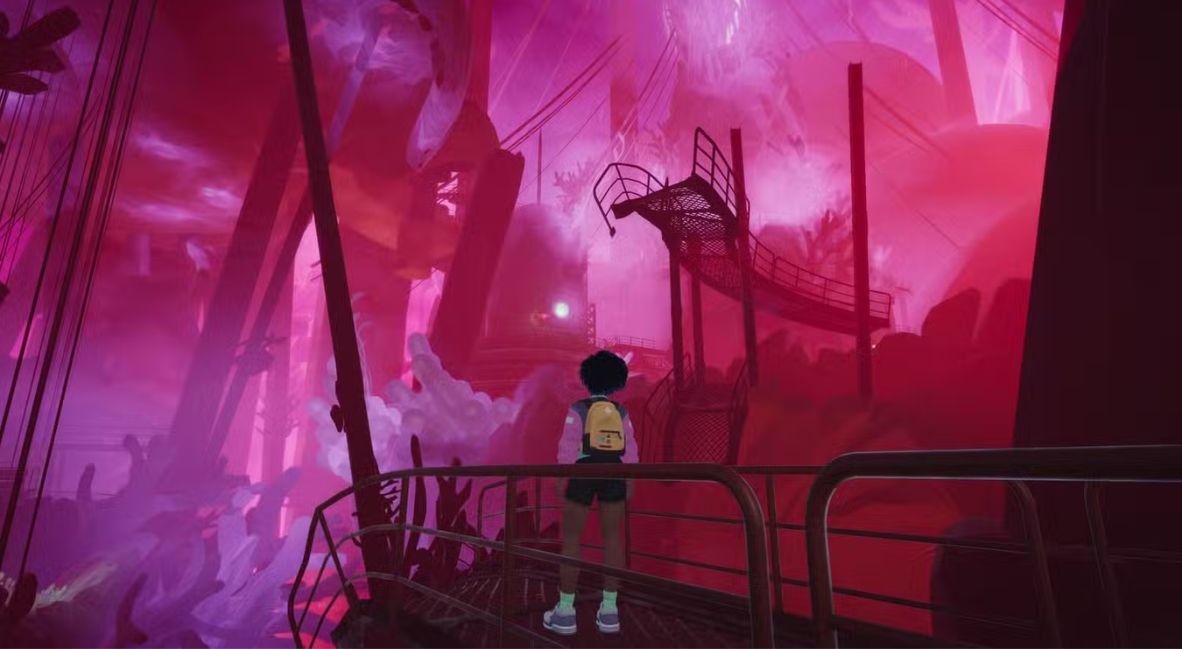
With a small team, Finji has to decide what to animate, what not to, and where to make concessions in the game’s animation. The result is a game that forges a personal visual identity, exemplified through its characters’ aesthetics and handcrafted environments.
Still, what makes their friendship stand out is that the characters represent a rarity in media: platonic, mixed-gender friendships. While talking with the Finji developers, capturing friendship without romance was key, and for me, it was refreshing.
At the core of the narrative, friendship gives audiences something to grasp in the paranormal. They make choices together, and their path forward is together in a way that captures those formative friendships at that point in life.
With a unique artistic vision, June comes to life with emotion.
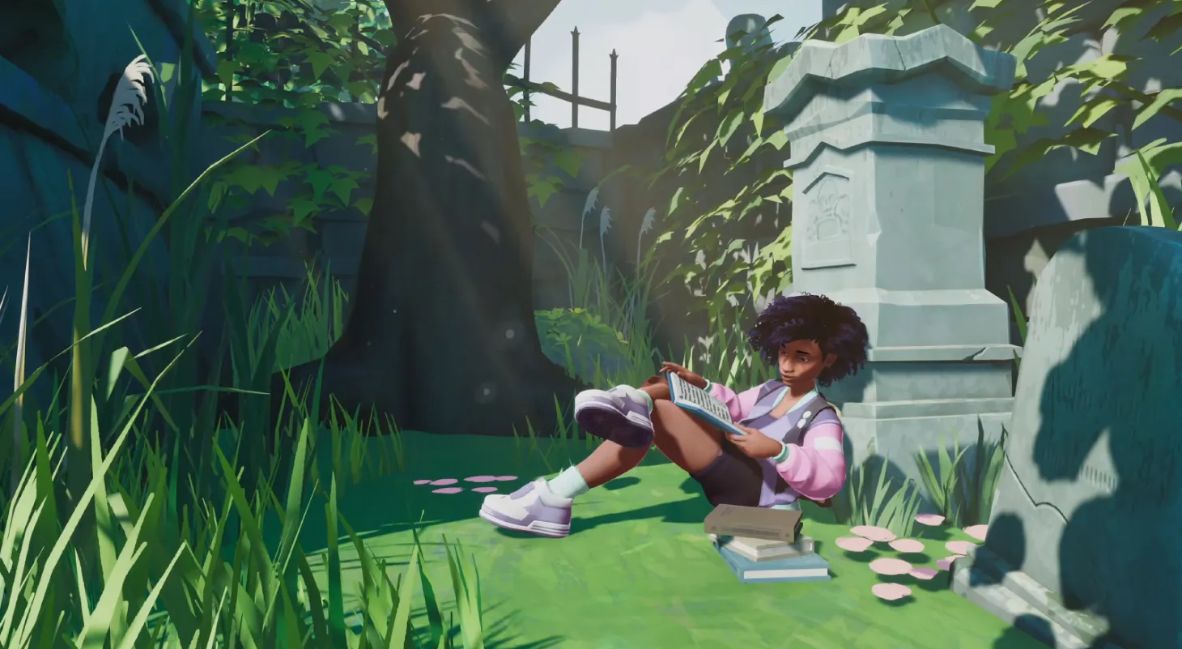
As a main character, June’s story is compelling. She’s so close to graduating, but things just aren’t going right. Her grades are slipping, and she could really use a peaceful summer. But June is still dealing with the grief from last summer’s tragedy and the difficult decision between staying in Fen Harbor or leaving it for good.
The power of friendship and community is essential to Usual June, but so is combat. As June progresses through encounters, players can upgrade her combat stats and abilities. That said, June’s basic melee weapon combos and quick dodge were designed to be easy to learn, but in the combat that was demoed, it didn’t lose any dynamic elements in the process.
By utilizing dashes, super moves, and parries, June hacks her way through the paranormal. The abilities that you gain can increase stats, unlock new projectiles and special abilities, and ultimately change combat substantially the further you go, according to the team. But leveling isn’t the only way that June can change her loadout; with charms, you can strategically plan your combat strategy for different bosses and areas (there are over 20 different locations).
Usual June leans into pastel horror and friendship for a wickedly good combination.
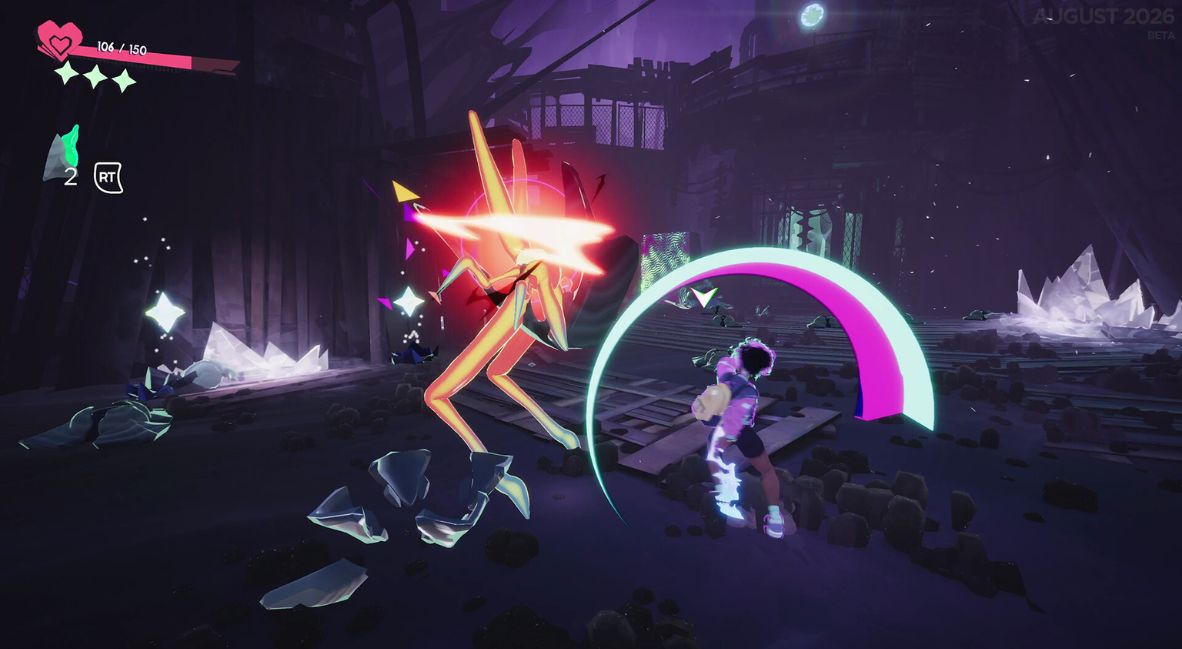
Beyond gameplay and characters, Usual June embraces a wide spectrum of horror for people who love it. With pastel horror elements, the game’s color palette doesn’t focus on red and black. Instead, the cool-toned blues, purples, and pinks shine, creating a vibrant game that stands out in the horror game landscape.
Solidly set in the paranormal and ghosts, the dead can talk in Usual June. But rather than just using the supernatural for scares, the game has you work with them. June can’t save the world on her own, but since she can see and talk to ghosts, she has a little help on her side. In the game, you’ll use the dead’s photographic memories and your ability to touch stuff so you and your friends can finally figure out what happened to Fen Harbor.
Whether it’s horror or community, Usual June is shaping up to be another Finji must-play. With thoughtful character design and even better artistic direction, Usual June already has so much to offer, and with the demo out now on Steam, anyone can jump into it.
Usual June is set to launch October 28, 2026, on PC and Mac (via Steam).