

Since it first touched the anime medium back in 1995, the ‘Ghost in the Shell’ franchise has remained a pillar of anime. While not every entry is created equal, it has rarely failed to deliver solid stories in its dystopian cyberpunk world. The agents of Public Security Section 9 face all manner of threats, both physical and cyber.
But even though action and intrigue are always part of the franchise, one element that sets Ghost in the Shell apart from other series is its willingness to dive into deeper topics. As the world blurs the line between flesh and steel, what makes us human? When does an AI obtain a “ghost?” In a world where not even memories can be assured to be real, much of what we base who we are on can be called into question, allowing for unique explorations of humanity.
When ranking this list, I did my best to judge each entry’s standalone quality. I was surprised by a couple of cases where entries landed higher or lower upon a recent rewatch than I anticipated beforehand. So, without further ado, let’s get started as we rank every Ghost in the Shell anime!
8) Ghost in the Shell 2: Innocence
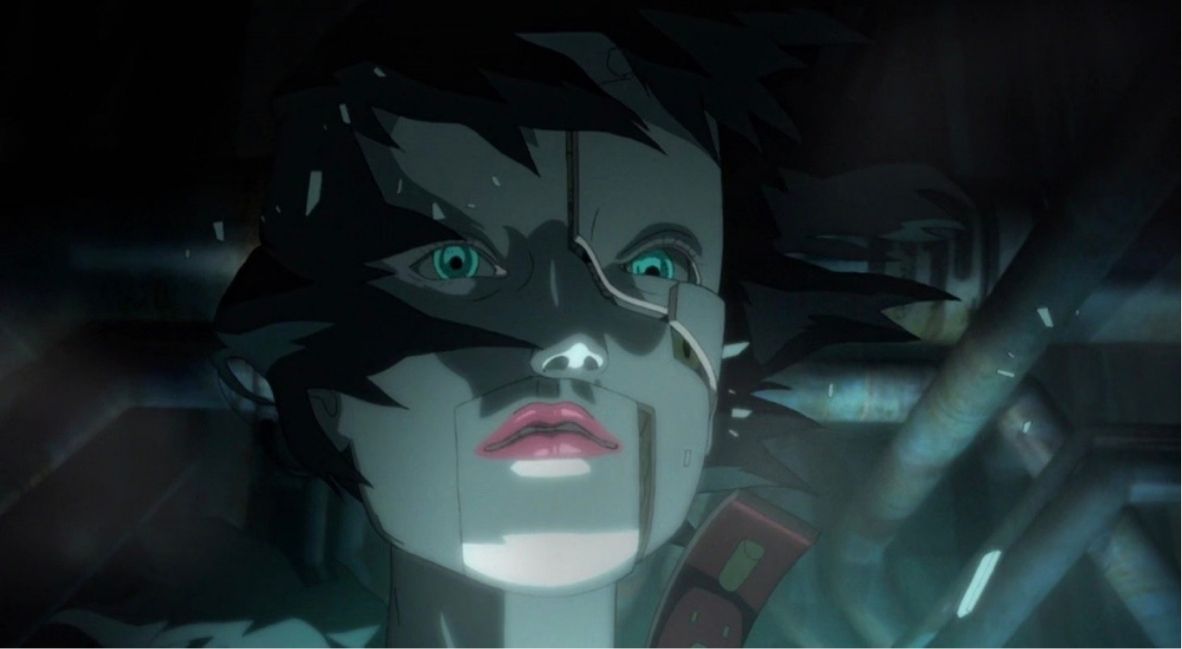
Of all the older entries in the franchise, this is the one that ages the worst. For 2004, the film featured a cutting-edge combination of 3D visuals integrated into its classic 2D animation. These 3D elements haven’t aged well, as the awe they once brought has dulled given how jarring they are when placed alongside the traditional animated elements. Long sequences parade these elements, sometimes literally, before the viewer, grinding the narrative to a halt for reasons that no longer succeed compared to modern works.
When it comes to the plot, Innocence faces just as many problems. This franchise has always been praised for providing thought-provoking questions about humanity as the lines between flesh and metal blur. However, this entry crosses the line from interesting to pretentious. Batou and Togusa spend much of the film throwing out quotes from philosophers like a college student determined to convince you they are saying something deep. However, quoting the transient nature of life doesn’t guarantee a meaningful discussion of the topic.
To add a final disjointed element to the proceedings, the film’s final leg delivers what is, in a vacuum, a strong action sequence. Filled with great fight animation as Batou is gifted with a brief team-up with his long-absent partner, Major Kusanagi, the fantastic animation is undercut by the head-scratching need for the sequence to exist at all.
The androids that were running amok have all been recalled, and as far as the film informs us, there is no imminent threat posed by the ongoing situation. So why does Batou run half-cocked into the place guns blazing, aside from the need for some action in a Ghost in the Shell entry?
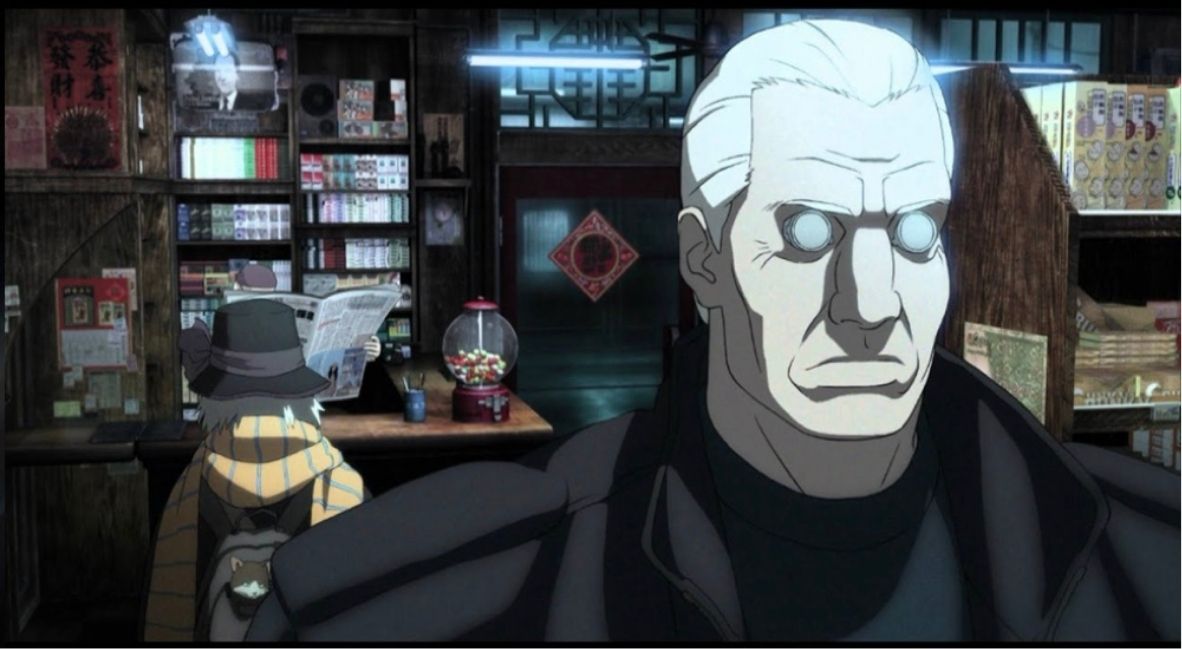
One moment that does see this entry rise above its inspiration must be acknowledged. When the source of the lethal android models is revealed to be illegal ghost dubbing, Batou frees a trapped girl from one of the machines. When he learns that she caused the androids to malfunction, hoping to draw attention to her plight, Batou is conflicted about her decision, given what he has witnessed from the androids whose artificial ghosts she had altered.
This take on the moment is far superior to the original example, which saw Batou berate a scared girl for causing the deaths of “VIPs” and being responsible for other lesser crimes to be committed. Here, Batou is shown conflicted. He understands the girl’s fears, but cannot help but sympathize with the agony he saw in that dark alley at the start of the film. A rare moment of genuine depth in this largely hollow experience.
Despite a couple of trippy visuals and moments of genuine depth, this entry feels like the one that most thoroughly loses the plot of what the rest of the franchise tends to be. But, faced with the task of following up one of the most influential anime movies of all time, one can understand how the desire to create something great could lead to something that feels so desperate to be profound, despite falling short of actually completing the task.
7) Ghost in the Shell: Arise Alternative Architecture
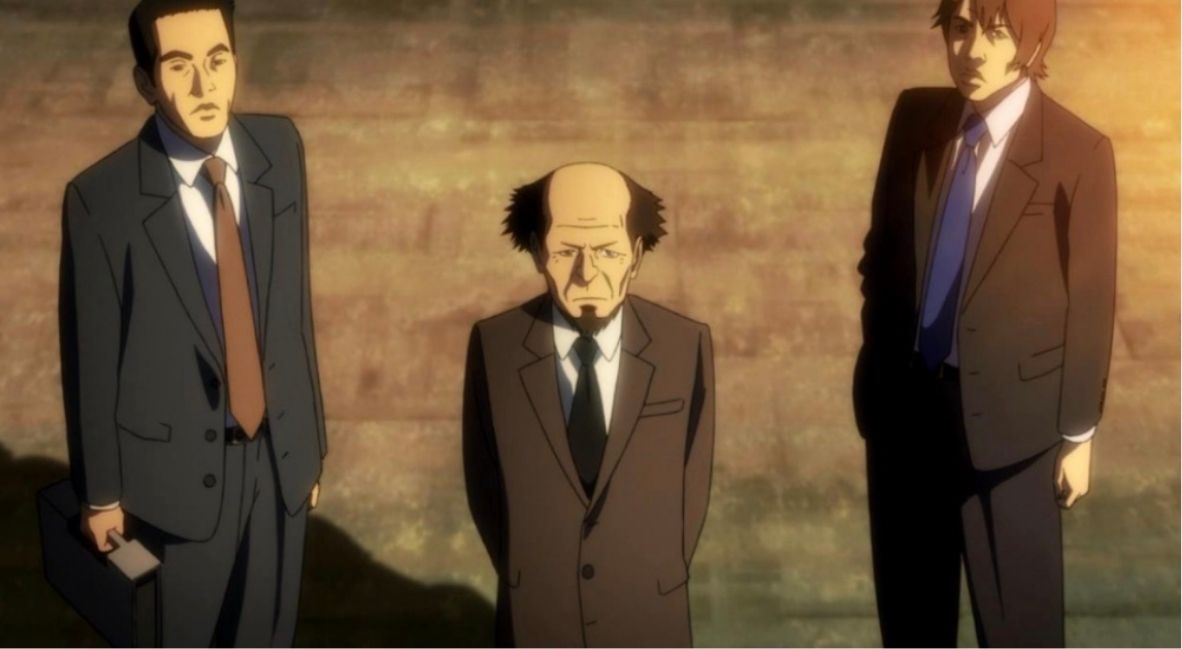
This prequel series explores how Major Motoko Kusanagi (Maaya Sakamoto, Kaina of the Great Snow Sea) first came to work for Section 9. From her first meetings with Aramaki (Ikkyû Jaku, Rise of the Ronin) to assembling the team that would become the iconic counter-terror unit fans endlessly cheer for, the series lays down a lot of groundwork.
It also largely respects the elements that prior entries had spelled out before it. Like the fact that Saito, Ishikawa, and Batou all met Kusanagi for the first time during the war is respected here. The series just shows how they ended up working together at Section 9.
There are also some skillful nods to future storylines woven into the short, ten-episode run. Hearing a character be offered micro-machines to treat his cyberbrain sclerosis is one of those nods that if you know, you know, and if you don’t, it doesn’t hurt at all.
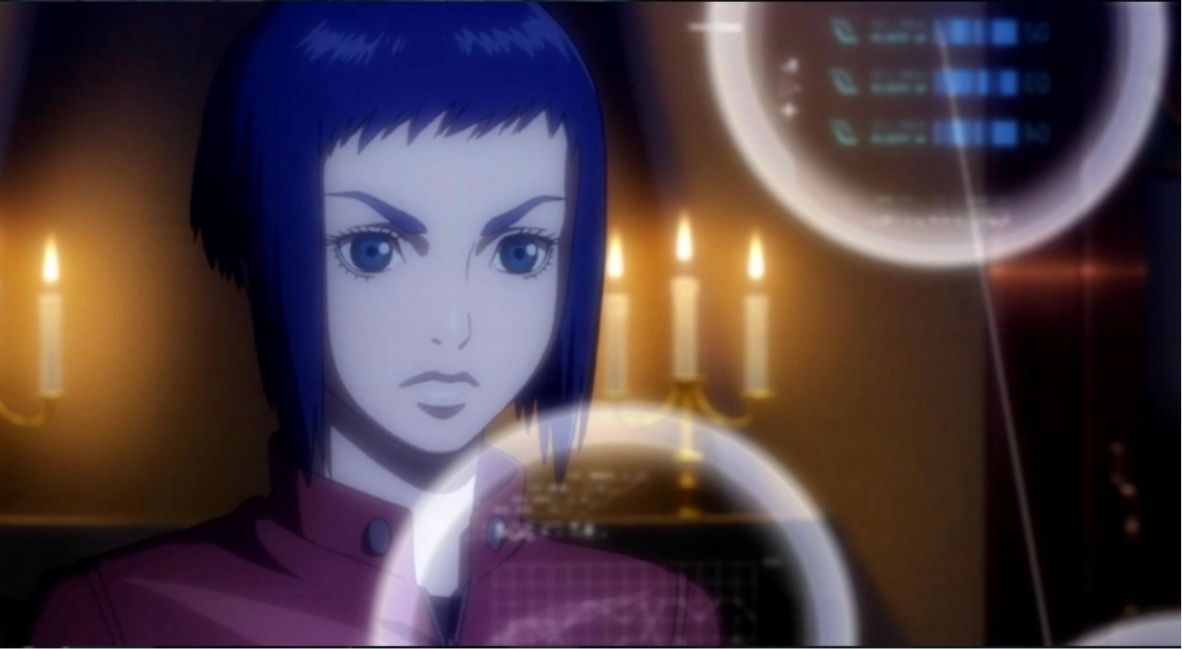
The main story is interesting; however, the short episode count ultimately makes the series feel rushed. Between fleshing out the threat, exploring the Major’s backstory, and bringing the team together, there is little time to breathe. Story beats, like introducing a love interest for Kusanagi one episode before he betrays her, feel rushed and clumsy in their execution.
Arise’s other big problem is Kusanagi herself. She constantly throws herself into things that all too frequently go horribly wrong for her. Even though this is supposed to be a less seasoned version of the character, she has already survived a war and is reputed as an expert-level hacker. Her one-note approach to tactics and overeager rush into situations betray the character, undercutting the concept that she’s supposed to be a master-class operative.
6) Ghost in the Shell: SAC_2045
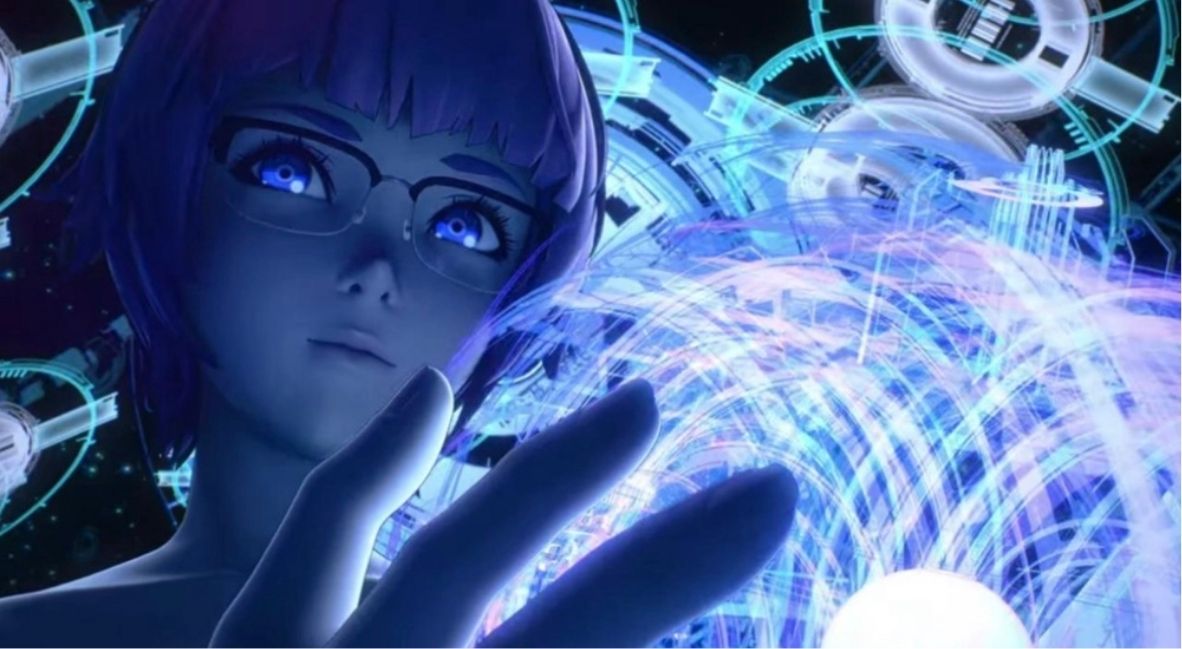
In every way, this iteration of the franchise is a mixed bag. The 3D visuals fall flat in their designs, leaving many elements of the series looking overly standardized. This is particularly true for Major Kusanagi, whose visual design reduces her to looking like generic purple-haired anime girl number 5, instead of a seasoned combat leader. The presentation is a far cry from the improvements we’ve seen in 3D animation since.
But while it’s far from the prettiest entry in the franchise, it still has some visual highlights. Fight scenes, especially when the Post-Human antagonists are involved, are well-crafted. The inhuman movements of the new threats make them feel strikingly alien, creating an instant discomfort when they are on screen.
The narrative side of SAC_2045 also offers a similar mixed bag of elements. One new character on the team is utterly forgettable, and another brings emotional beats that work well to create a more personal element in Section 9’s plot. The opening takes too long to get the true story going, and the ending is underwhelming where the core narrative is concerned. However, between the two, there is some fantastic storytelling that more than makes the series worth experiencing.
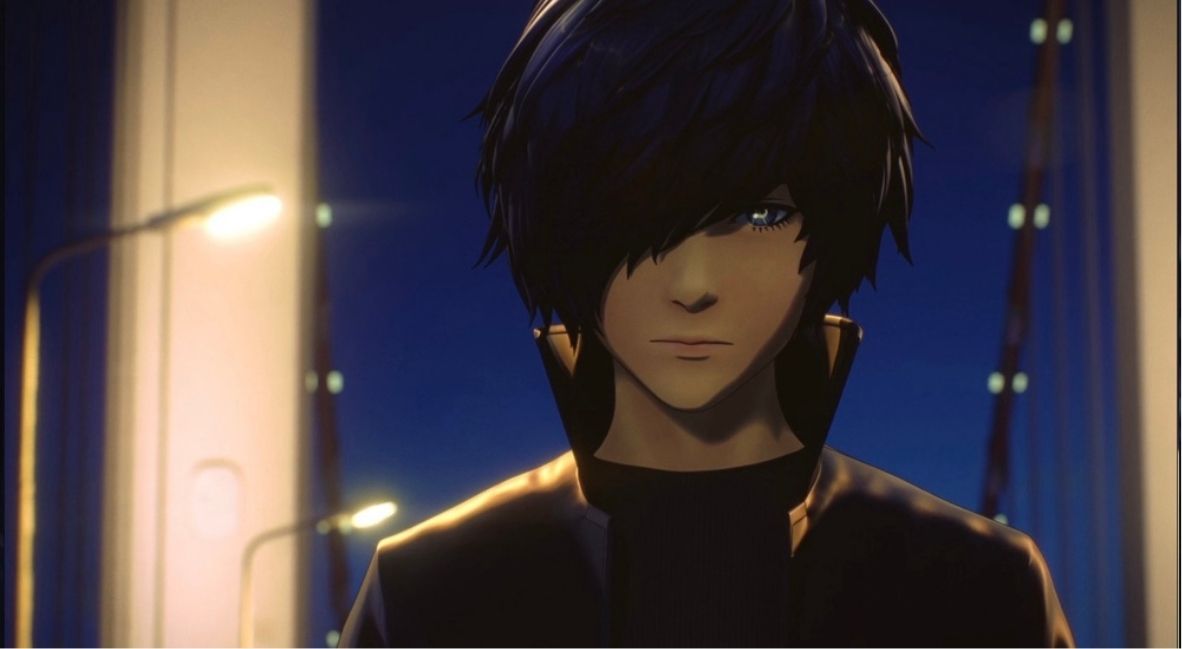
The political conflicts that play out between Japan and the American Empire create a fantastic amount of tension to keep episodes feeling urgent, even as the Post-Himan plot is elusive. How the American Empire tries to force situations and cover up their actions feels all too real, and one cannot help but cheer when The Major and company put the American government’s representative on ice for his crimes.
But where the story side of SAC_2045 truly shines is how it deals with the core cast. Togusa, Batou, Aramaki, and Kusanagi are all at some of their best here. Every character feels multifaceted and complex, as the show builds on the franchise’s long history. Kusanagi’s personality especially shines, as her commanding presence and compassionate heart each take turns presenting themselves on screen in powerful ways.
Much of Kusanagi’s star power comes through again, thanks to the return of voice actor Mary Elizabeth McGlynn (Cowboy Bebop). As always, she captures the character’s nuance and maintains the delicate balance of her many traits. The best at capturing The Major’s personality.
5) The Ghost in the Shell
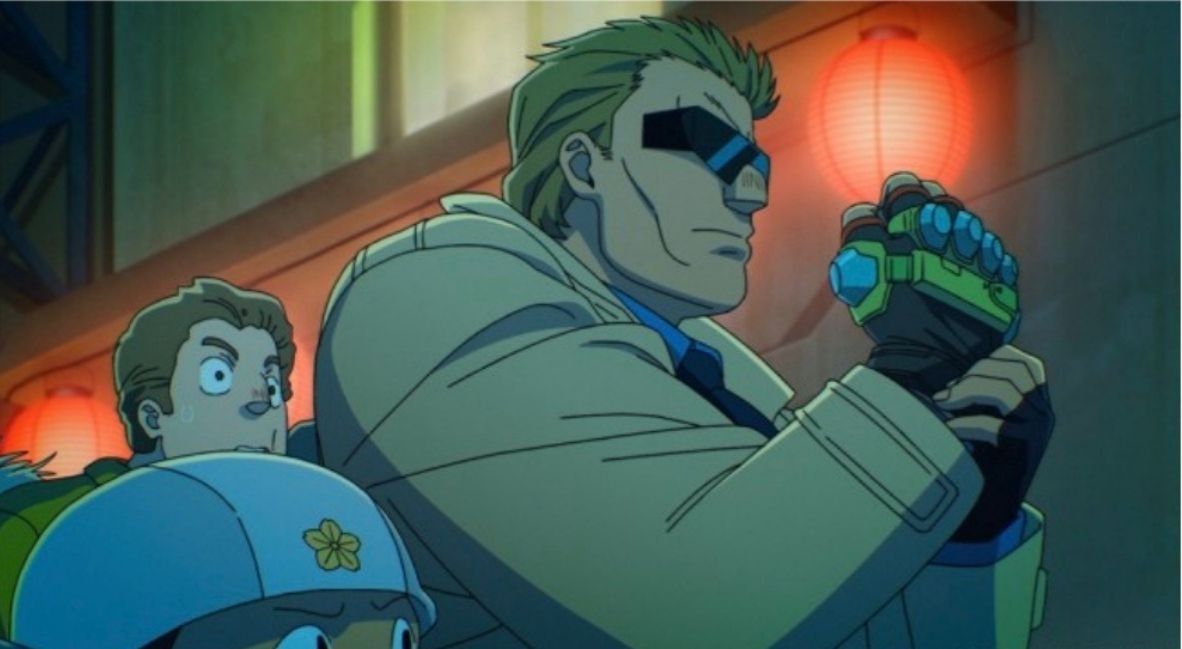
The newest entry in the franchise, this entry diverges from its predecessors in its approach to Section 9 and their world. Hewing far more closely to the original manga by Masamune Shirow, this entry foregoes much of the thought and character exploration of other entries for an increased amount of action and humor. Combine the shift in tone with Science SARU’s visuals recreating the look of the 1989 manga with great effectiveness, and you have the most strikingly different entry to date.
This change in approach yields some great results. The action can deliver intense moments, and the visual design works wonders for some of the franchise’s most iconic scenes, such as Kusanagi’s interfacing with the Puppet Master.
But even as the series finds some success through the shift in style, it also comes with a steep cost at times. Many of the attempts to be funny come at the cost of the characters themselves, contradicting who they are presented as being. There are also some eye-rolling character designs present here due to the series strict adherence to Masamune’s designs. Women randomly presented working in their underwear present head-scratching questions about the workplace dress codes of the future.
With such a huge shift in tone and storytelling approach, The Ghost in the Shell is hard to place on a list with the others. It’s easy to understand why it may succeed for those who never latched on to the slower, more purposeful storytelling of previous entries, but at the same time, abandoning much of the depth and nuance of its predecessors leaves this entry feeling far more generic, even if it’s done in the name of being truer to the source material.
4) Ghost in the Shell
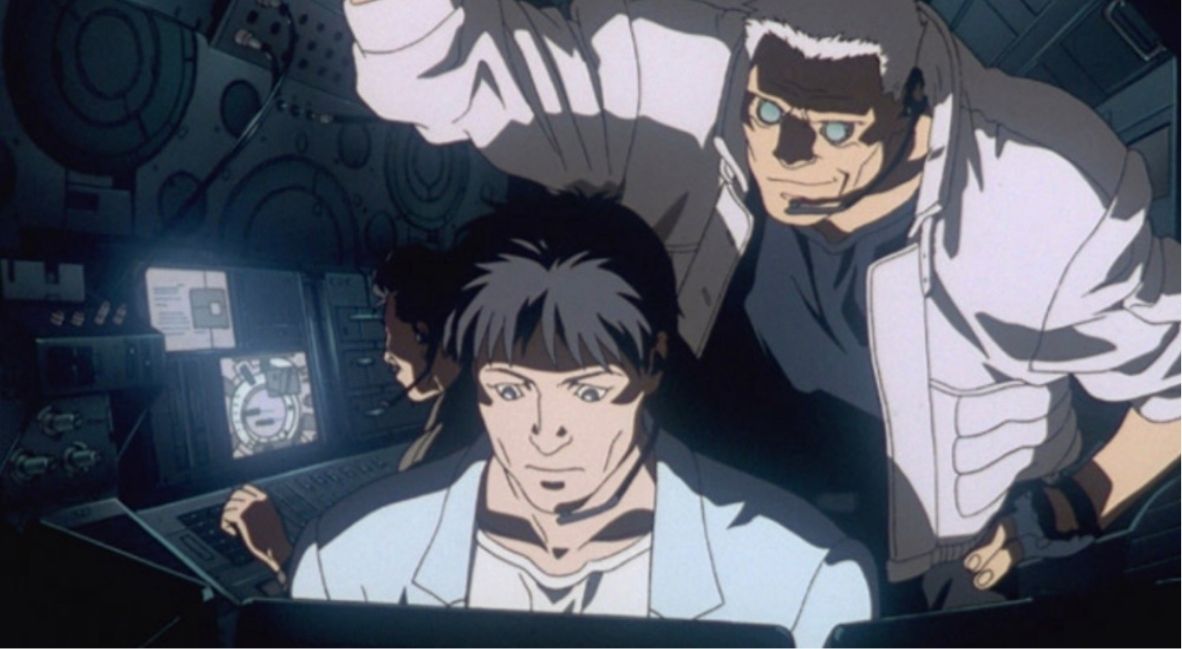
For many, this was the first introduction to Kusanagi, Section 9, and the franchise’s take on the cyberpunk genre. The film’s exploration of humanity as it moves into a more cyberized state creates a disturbing conceptual focus, as memories and other key elements of human consciousness become unreliable throughout the film.
The visuals were groundbreaking at the time, and the film leans into its presentation to the fullest. Combined with the iconic musical piece, “UTA I – Making of Cyborg,” these hauntingly beautiful moments hold up much better than Innocence‘s attempts to recreate the same effect nearly a decade later.
Some of the visual design may just hold up, but there is some animation in this film that not only holds up but also stands toe-to-toe with most modern animation in terms of effectiveness. Most notably, the Major’s attempt to pry open a tank’s hatch in the film’s finale is still shockingly good. Seeing her muscles rupture and her skin tear due to overexertion is a moment that still lands with as much force as anything I’ve seen since.
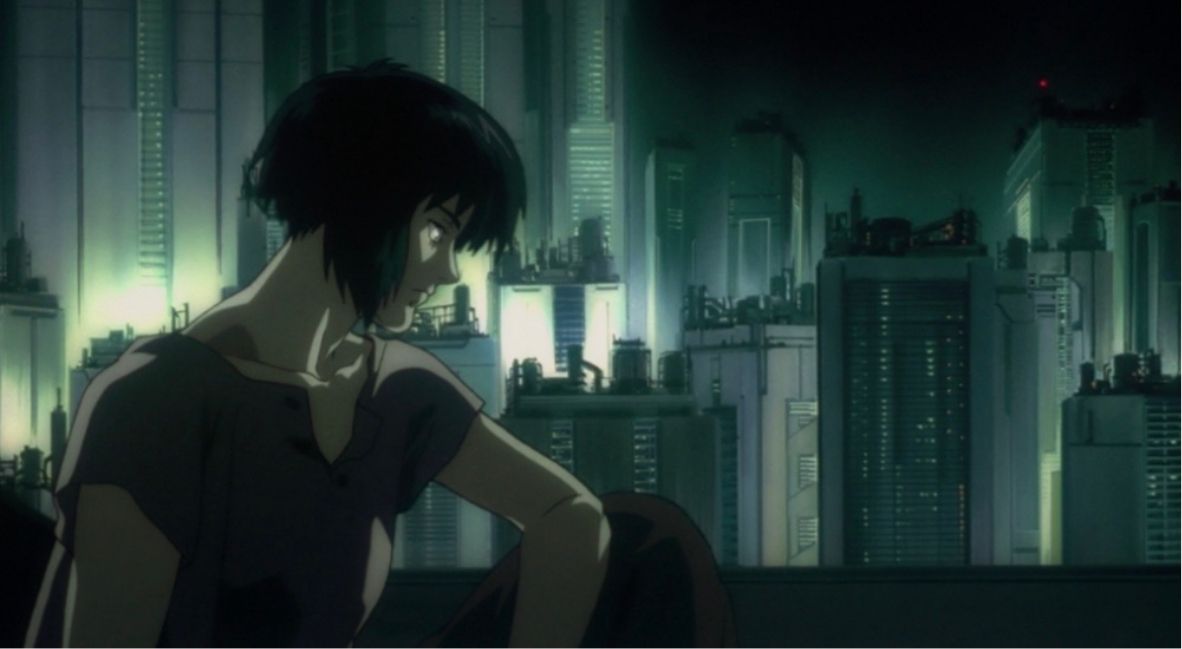
The plot also moves smoothly, exploring its focal themes with a great balance of nuance and clarity. It never feels like it’s holding itself back out of fear someone may not understand, while avoiding trying to overcomplicate things in a need to look intelligent.
With only an hour and a half runtime and a lot of both narrative and thematic ground to cover, Ghost in the Shell was going to have to make concessions somewhere. Everything the film does well ultimately comes at the expense of its cast.
With only a single scene to look into Kusanagi’s personality, and nothing given to anyone else, the cast is woefully underdeveloped. Due to this, they feel like little more than props to explore the deeper plot, undercutting some of the film’s potential emotional moments, since no true attachment to the cast has been established.
3) Ghost in the Shell: Stand Alone Complex – Solid State Society
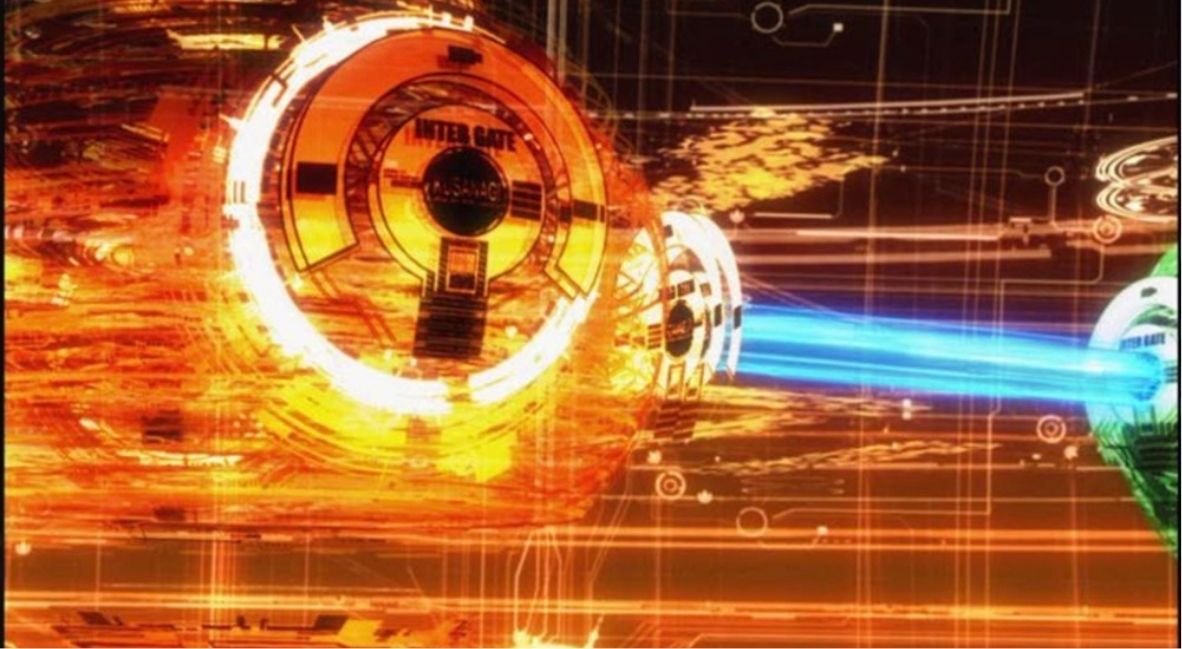
Perhaps the most tense entry on the list, this follow-up movie to the Stand Alone Complex series follows Section 9 without Kusanagi. As the team gets drawn into the web of the Solid State Society, a series of suicides and child abductions carve a grisly path for them to follow.
The pacing of the reveals is superlative, and the danger from the elusive threat permeates the film. The only thing holding the plot back is its attempt to sell the possibility of something that no fan would ever believe: the mastermind behind the fiendish plot, The Puppeteer, is none other than The Major. This likelihood never comes close to being believable, despite the film going to some considerable attempts to sell it.
When the villain is finally revealed and their purpose and reasoning laid bare, the motivations allow for some uncomfortable greyness to the narrative. While what is happening is clearly wrong, the antagonist has enough justification and reason in his corner to leave a complicated feeling about the situation.
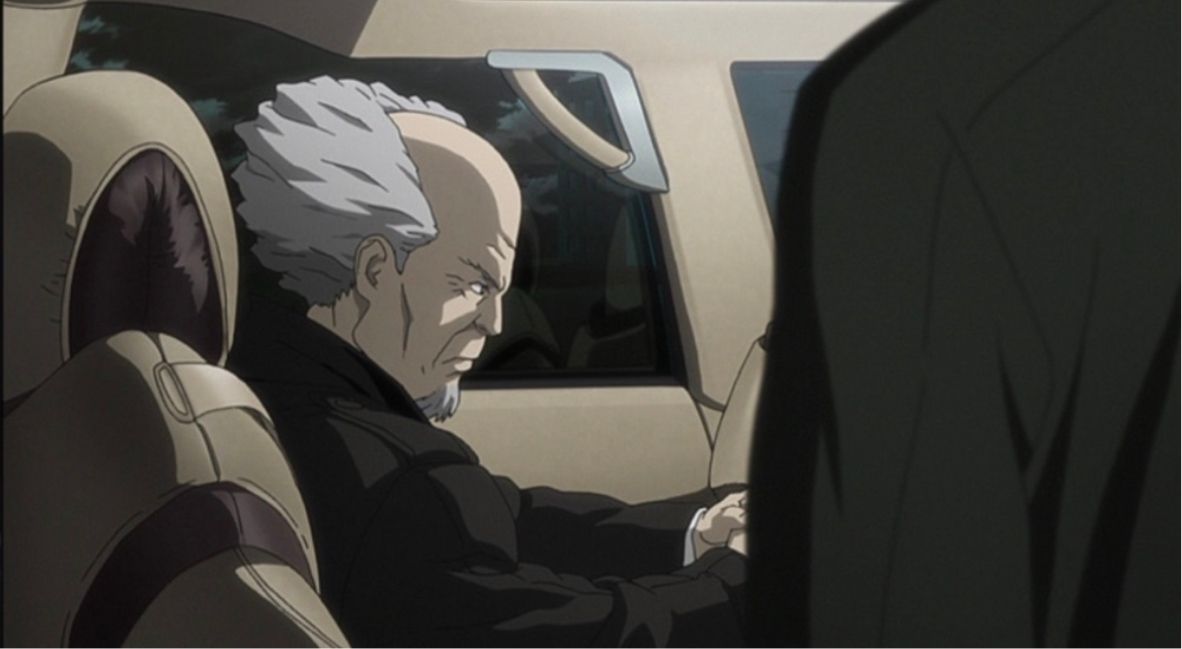
Kusanagi being largely absent from a GitS entry would seem like a bad call, but Solid State Society does a better job without her present than one might expect. It uses characters like Togusa, Batou, and Aramaki to great effect, showing how each has grown in her absence, delivering on these characters with the increased screen time far more effectively than Innocence did.
The final thing that ties everything together is the soundtrack. Much like the core series, Solid State Society features a hauntingly captivating soundtrack. Headlined by Yoko Kanno and Origa, the music creates an ethereal tone that feels right at home with the omnipresent yet ever-unseen threat the protagonists pursue.
2) Ghost in the Shell: The New Movie
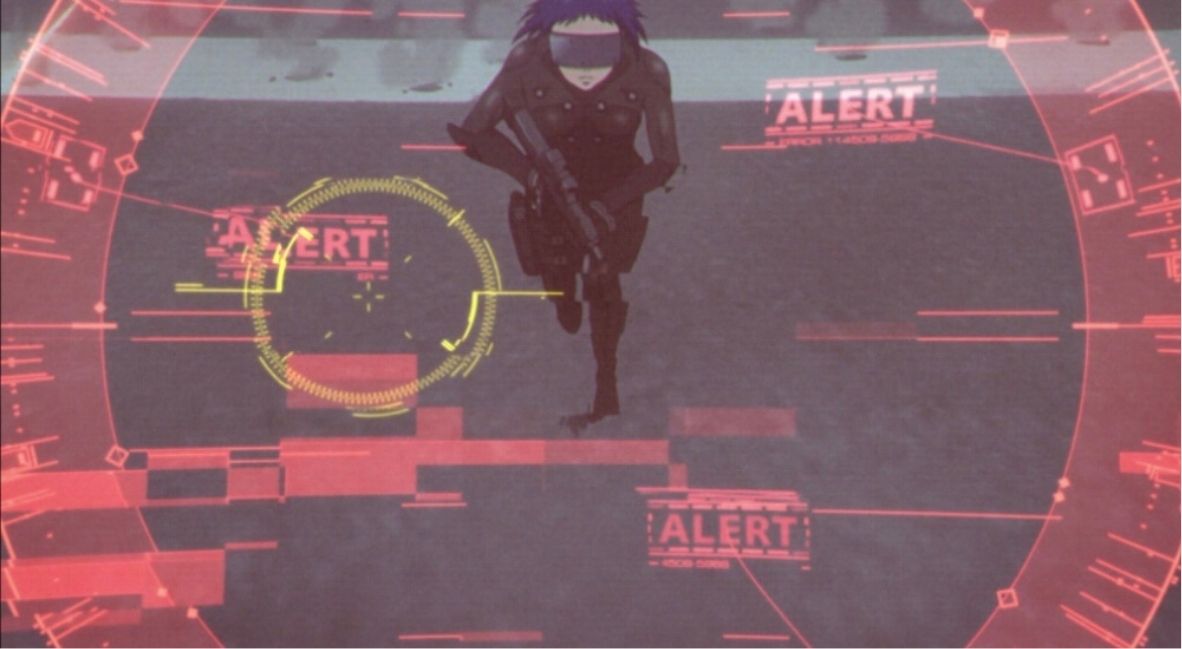
Wrapping up the Fire-Starter case, this movie serves as a conclusion to Arise, but easily stands on its own as well. This film sees Kusanagi and her team, functioning outside the auspices of Section 9, take on members of her former unit, the 501, in order to get to the bottom of a conspiracy involving a Prime Minister’s assassination.
Virtually every complaint I had about the predecessor series is addressed here. The pacing and focus are much better, with a perfect balance of character, narrative, and action. And though it only lightly touches on the more philosophical elements of the franchise, its story explores some deeply unsettling concepts where cyberization and humanity meet, giving it a striking supporting element that does ask a terrifying question about the potential of augmented humans in a capitalist world.
The film also does a great job with Kusanagi, as she is allowed to be a far more complicated and nuanced character than in the preceding series. Whether in combat or interrogation, with friend or foe, her motivations and personality come through far more prominently, while losing none of her trademark complexities. This strengthening of her character can also be said for the rest of her squad.
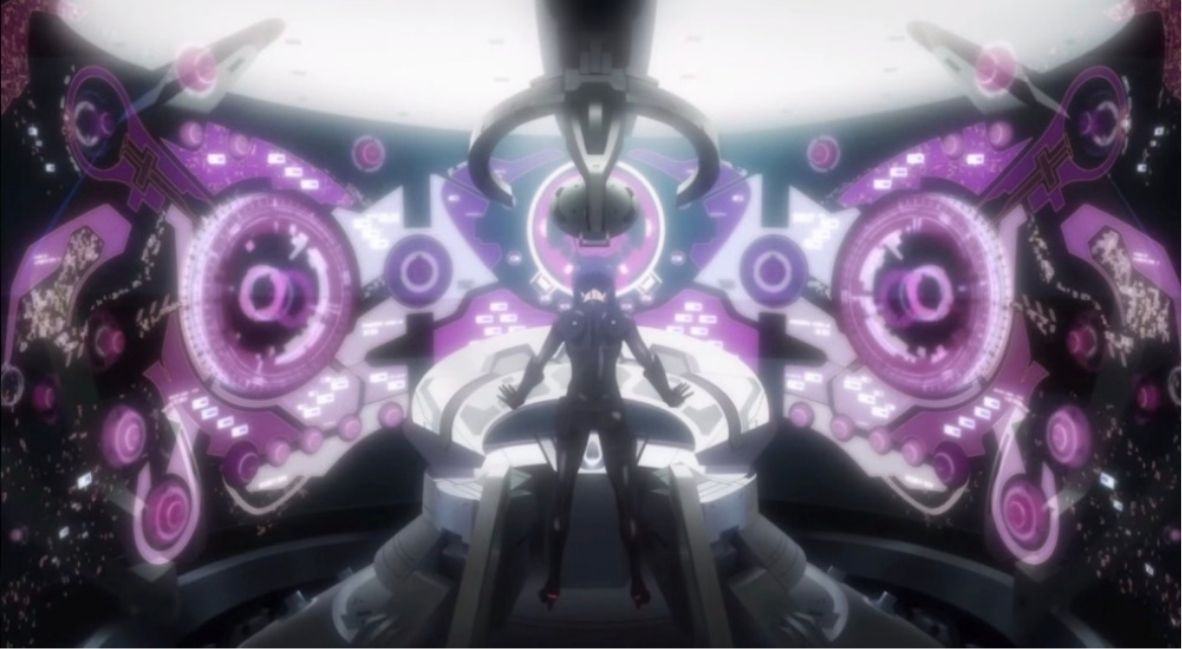
Every character gets their chance to shine, showcasing why Kusangi trusts each of them so completely. The unique relationship between the squad and its commander is explored in depth here, to great effect.
Despite the character and narrative taking center stage, the action sequences are among the franchise’s best. Hard hits, skillful approaches, and a variety of weapons and styles are used to create varied, effective combat encounters. The incredible blend of elements that coalesce in this film makes it something truly special, even within a franchise known for it. Nearly earning it the top spot.
1) Ghost in the Shell: Stand Alone Complex
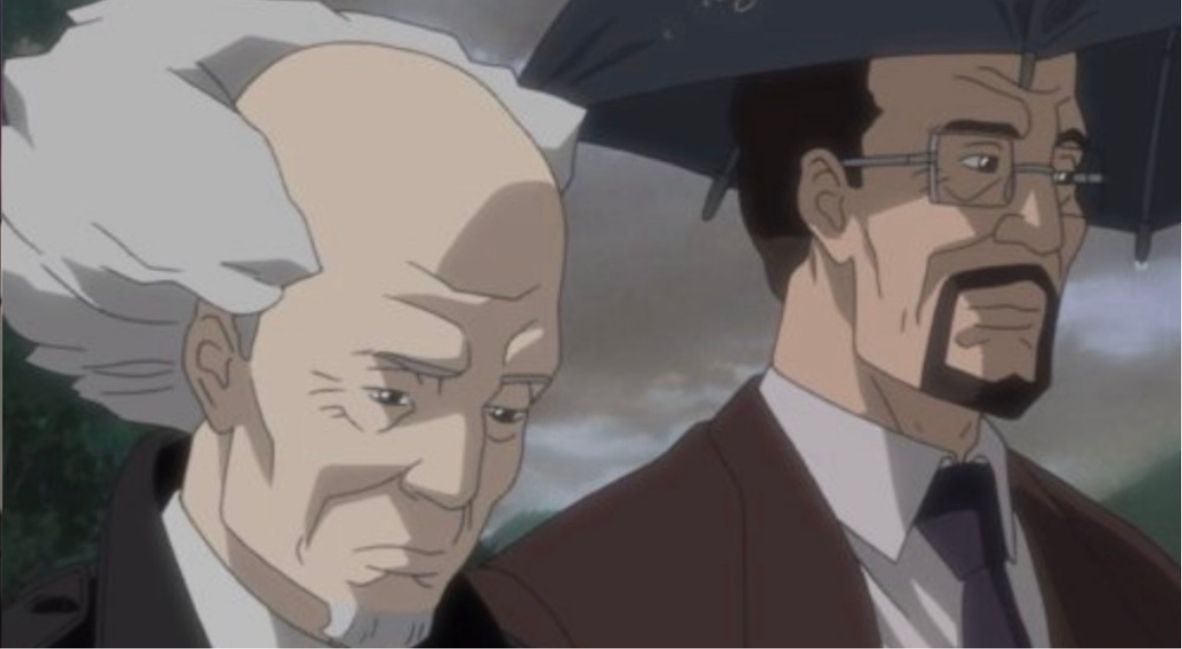
Whether seeking out the facts behind the infamous Laughing Man Incident or discovering the plot behind the Individual Eleven, this entry in the franchise sees Section 9 at its very best. Spanning two seasons and 52 episodes, this series shines both through its quality and variety.
Rather than gearing every episode towards progressing the main plot, this series embraces “filler” content in some of the best ways possible. Background for characters, as well as exploration of themes and world-building, are allowed to take center stage frequently, crafting a more realized world for the narrative to play out in. It manages to do this without ever feeling like it’s unduly stalling the main plot, thanks to the captivating and enjoyable nature of these standalone stories.
The depth of the thematic exploration goes far and wide throughout this series. Government corruption, corporate greed, the nature of consciousness, and the possibility of AI gaining a ghost are threaded together, crafting plotlines that sometimes run the length of the entire series and deliver fantastic payoffs almost every time. This is especially true for the series exploration of the Tachikoma think tanks, whose evolutionary journey towards self-awareness ends with the AI helpers willingly sacrificing their existence to save their teammates and 3 million innocent civilians.
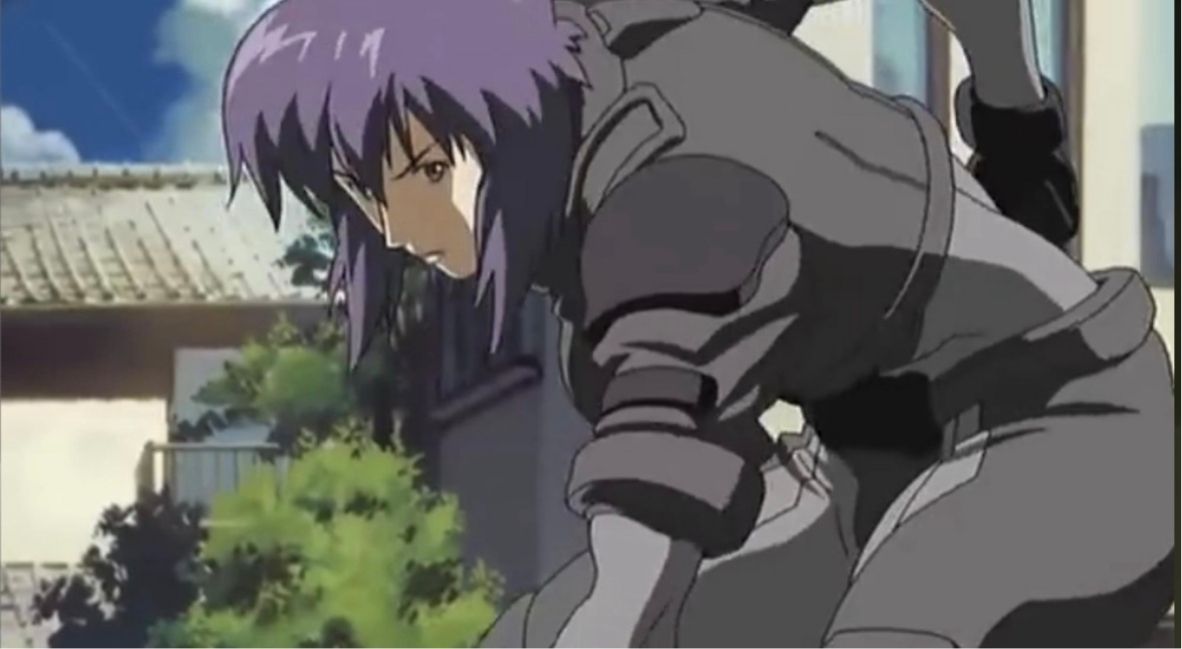
This series also features the best version of Major Kusanagi yet. A nuanced and complicated character, always looking to do right, but willing to occasionally do wrong to get there. Her tactical skills and cyber hacking help her lead Section 9 in the field with unwavering confidence, but never hardens enough to feel like plot armor. Through her capacity for failure, the Major never fails to feel human despite her immense capabilities. And she always has the backs of her team.
The great capabilities of Section 9’s leader are thoroughly tested by the adversaries the series pits her against. CIS agent Gouda is a particular standout as the second season’s primary antagonist. The terrifyingly manipulative puppet master proves an excellent match for the protagonists as he tries to orchestrate a civil war in Japan.
The final element that helps set this series apart from the rest of the franchise is its incredible soundtrack. Headlined by phenomenal tracks like “Inner Universe” and “Stamina Rose,” the music helps reinforce an atmosphere that elevates the series tension, depth, and personality.
And that is our ranking of every Ghost in the Shell anime entry. What did you think? With so many varied iterations, it is easy for an entry to resonate differently with one person than with another. But despite the decades that have passed and the variety of entries it’s seen, the franchise always manages to deliver something memorable, continuing to justify its place as one of the icons of its medium.