I got into Diablo with Diablo IV, which means the “Diablo IV: What’s Next” panel occasionally felt like arriving late to a family reunion. The crowd would erupt over a name, location, or voice line while I sat there trying to understand who everyone was and why their return mattered.
Season of Hell’s Legacy could be the best way to close that gap. As the centerpiece of Diablo’s 30th-anniversary celebration, the upcoming season rebuilds major characters, locations, and encounters from across the franchise within Diablo IV. Longtime fans will get to return to the moments that defined the series for them. Newer players like me can finally see why those moments have stayed with people for decades.
During the panel, host Rhykker was joined by Senior Game Director Brent Gibson, Live Service Design Director Dan Tanguay, and Lead Encounter Designer Owen Leach to break down Season of Hell’s Legacy and tease the future of Diablo IV. Gibson later continued alongside Lead Game Producer Lily Gardner and Senior Lead VFX Artist Jayne Johnston for an early look at the Amazon, who will join the game in the first half of 2027.
Season of Hell’s Legacy continues the story that began in Season of Death Awakening.
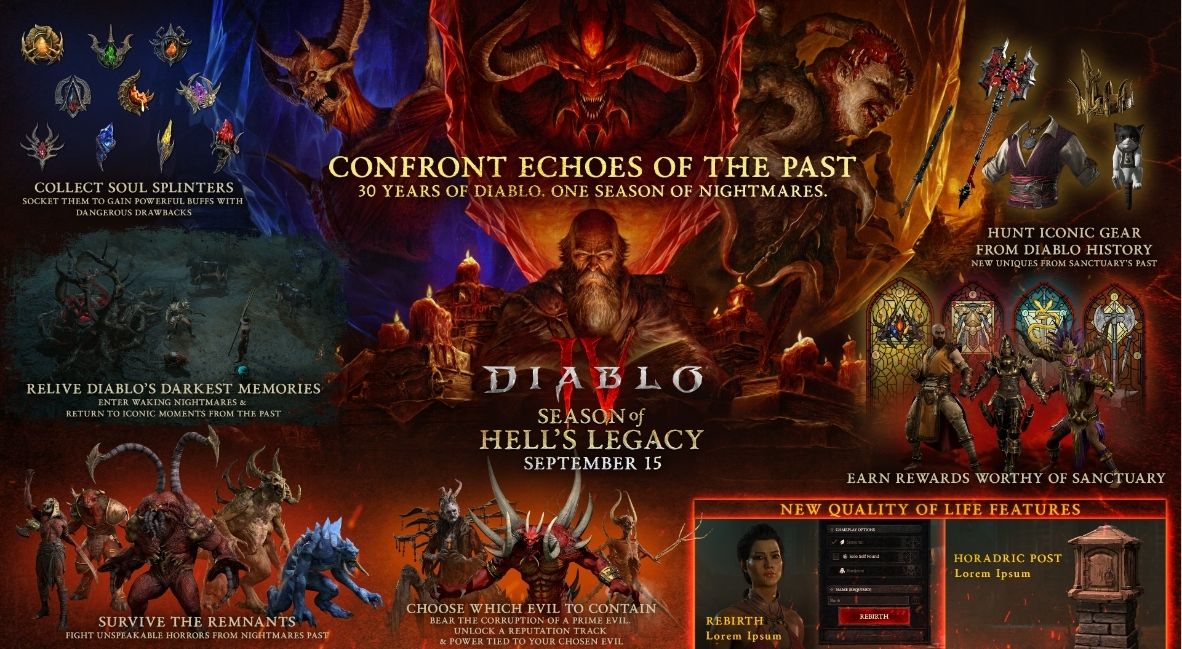
Season of Hell’s Legacy launches on September 15 and continues the story that began with Season of Death Awakening. The Pandemonium Rifts were only the beginning. The Death Cult’s rituals have grown stronger, pulling souls from different points in Sanctuary’s past back into the world of the living.
That includes Deckard Cain, whose return earned one of the panel’s biggest reactions. Cain doesn’t appear as a ghost, memory, or magical recreation. His lost soul is once again walking through Sanctuary, although he remains confused by both his resurrection and the time into which he has been pulled.
Cain calls on the player to redeem the souls of three returned Dark Wanderers. Doing so means facing the Echoes of Mephisto, Baal, and Diablo inside locations closely associated with each Prime Evil: the Durance of Hate, the Worldstone Chamber, and Tristram Cathedral from the original Diablo.
After defeating one of these Echoes, players can carry that Prime Evil’s Splinter of Evil and become a Dark Wanderer themselves. Each Splinter opens its own reputation track and grants additional powers that can be used against the Prime Evil connected to it. Carrying that power also attracts the Prime Evil’s attention, creating the possibility of an ambush while players move through Sanctuary.
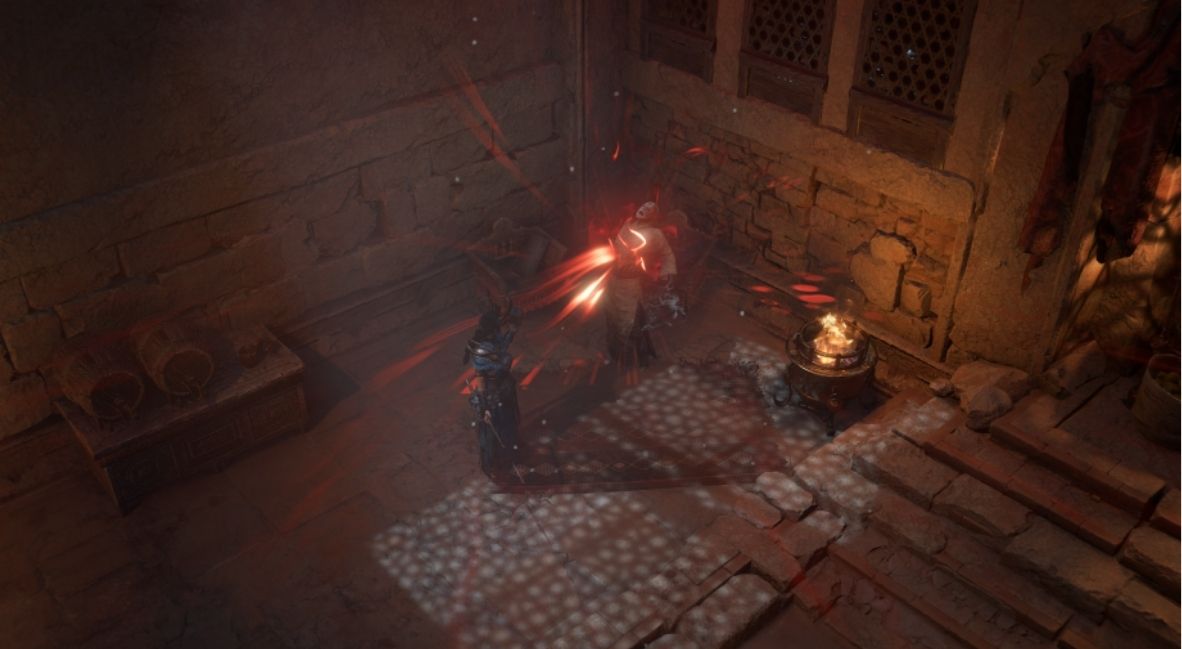
At the center of Season of Hell’s Legacy are Waking Nightmares, recreating battles from past games.
The system turns the season’s build experimentation into a choice between power and risk. Blizzard will not simply drop another enemy in front of the player without warning, either. The game will offer clues that an attack is approaching, giving observant players a chance to prepare before an Echo arrives.
At the center of Season of Hell’s Legacy are Waking Nightmares, dungeons that recreate battles and locations from Diablo, Diablo: Hellfire, Diablo II, Diablo III, and Diablo Immortal. These are not direct ports of old environments. Blizzard has rebuilt them with modern graphics and Diablo IV’s presentation while trying to retain the details and strange little quirks that players remember.
The largest Waking Nightmares are introduced through the seasonal questline before becoming replayable Capstones. At the highest Torment levels, players can open them as Pinnacle Capstones intended for the strongest or, as the developers put it, most foolhardy Wanderers.
Dungeon-sized Waking Nightmares will remain fixed activities, while smaller single-room versions can appear through portals in the overworld. Entering one can pull the player into a recognizable battle filled with bosses and enemies that have never previously appeared in Diablo IV.
Season of Hell’s Legacy is like a playable Diablo museum.
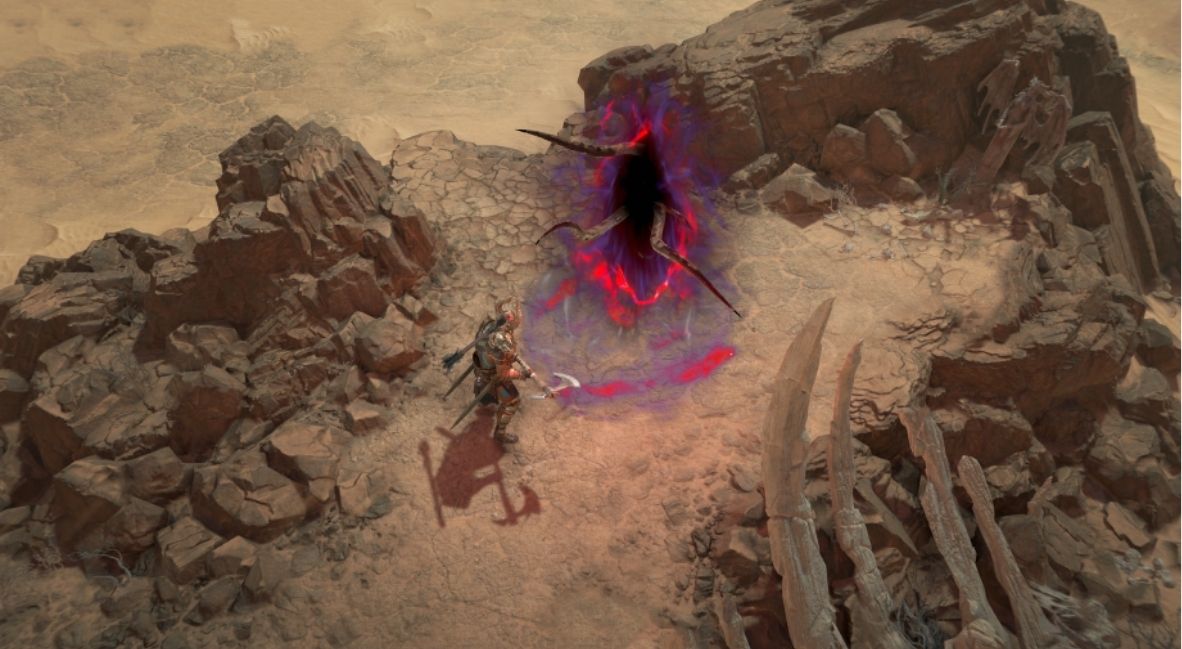
Nearly 20 bosses will return, including Nihlathak and the Maggot Queen. They will be joined by characters such as Leah and others drawn from across the franchise. Some will help players understand the nightmares of the past, while their returns may also offer clues about what these resurrections mean for Sanctuary’s future.
For longtime players, hearing an old piece of music or a familiar line of dialogue may be enough to bring back memories of where they were when they first played these games. I do not have that relationship with the earlier titles. My excitement comes from finally being able to enter those memories instead of hearing about them from the outside.
Blizzard could have treated the anniversary as a museum. Season of Hell’s Legacy makes it playable. I can visit these locations, fight the enemies that made them infamous, and learn their place in Diablo’s history through the game I already understand.
Nine Legacy Uniques will also make their permanent debut during the season, ranging from Leoric’s Crown to the Stone of Jordan. The Stone of Jordan reveal earned another reaction from the crowd that immediately told me I had missed something important. At least now I will have the opportunity to learn why players care about it by chasing the item myself.
War Plan progression will also become account-wide in Season 15.
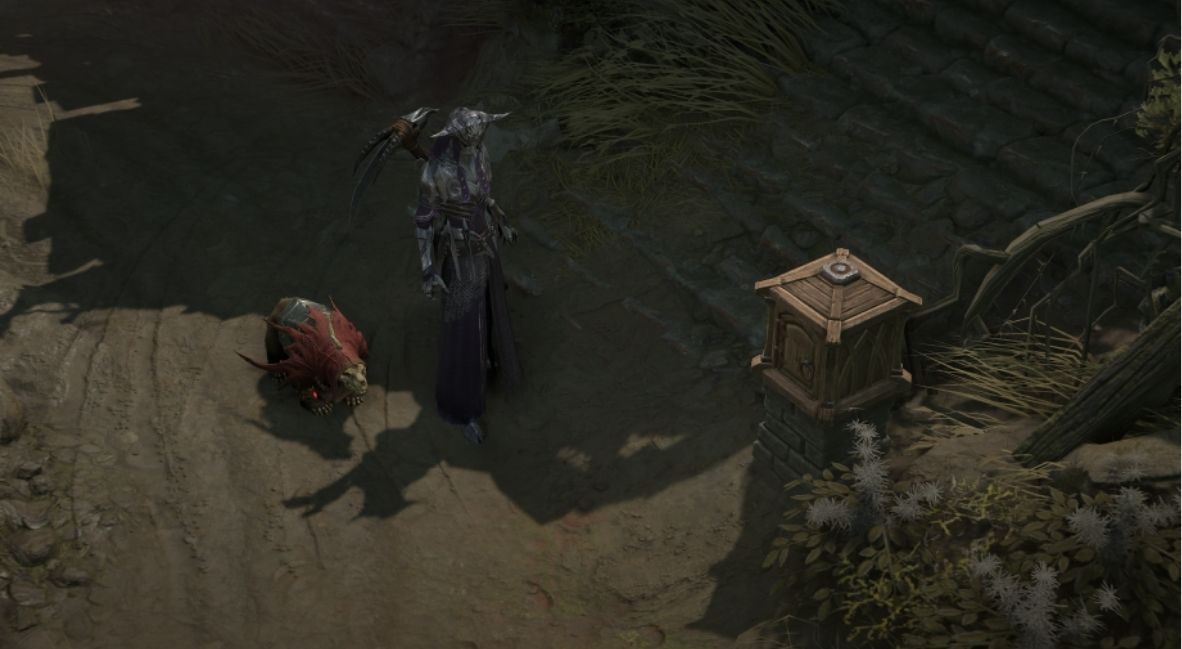
Rebirth is also returning to the franchise. The feature allows players to carry a character’s identity and legacy from one season into the next. That character still begins the new season from Level 1, but players can maintain the name, appearance, and history they have already created instead of building a replacement each time.
Blizzard is also adjusting Mythic and Iconic crafting in response to feedback from the Public Test Realm. The Horadric Cube will be able to upgrade an item directly from Unique to Mythic while preserving all its existing affixes. Mythic Charms will have a small chance to drop whenever players receive a Unique Charm, while the Blacksmith will sell separate Mythic caches for class-neutral Mythics and Iconic Mythics.
Two additional Horadric Cube recipes will give players more control over their equipment. One changes standard affixes without touching Greater Affixes, Enchantments, or Tempers. The other randomizes the base affixes on Charms and Seals. There will still be luck involved in building a character, but these additions should make a bad roll feel less final.
War Plan progression will also become account-wide within shared Seasonal, Eternal, Hardcore, Non-Hardcore, Normal, and Solo Self-Found partitions. Players can distribute those shared points differently across their individual characters, similar to the way Paragon points work currently. Future seasons will continue expanding War Plans through playlist customization, more seasonal variety, and additional options supporting new builds.
The Amazon class comes to Diablo IV in 2027.

Those future seasons will carry forward the story of the dead returning to life and the Cult of the Dead’s plans for Sanctuary. Season of Hell’s Legacy may draw heavily from the franchise’s history, but those resurrections are also moving Diablo IV’s current story toward its next conflict.
The panel’s final section looked beyond the anniversary and toward the Amazon’s arrival in 2027. Gardner and Johnston discussed the history behind the female-only class, her connection to the Amazons of Skovos introduced in Lord of Hatred, and the responsibility of bringing one of Diablo II’s most beloved classes into the current game.
Three pillars guide the Amazon’s design: battle expertise, unrivaled athleticism, and mythical magic. She is a disciplined warrior before anything else. Her supernatural power grows from her connection to her fellow Amazons and the Askari ancestors who came before her.
The team wants that athleticism to be visible in everything from her silhouette to her movement. Her combat should carry the precision of someone who understands the battlefield before she enters it. There is an almost dance-like quality to her animations, with every leap, strike, and weapon throw reinforcing her complete control over her body.
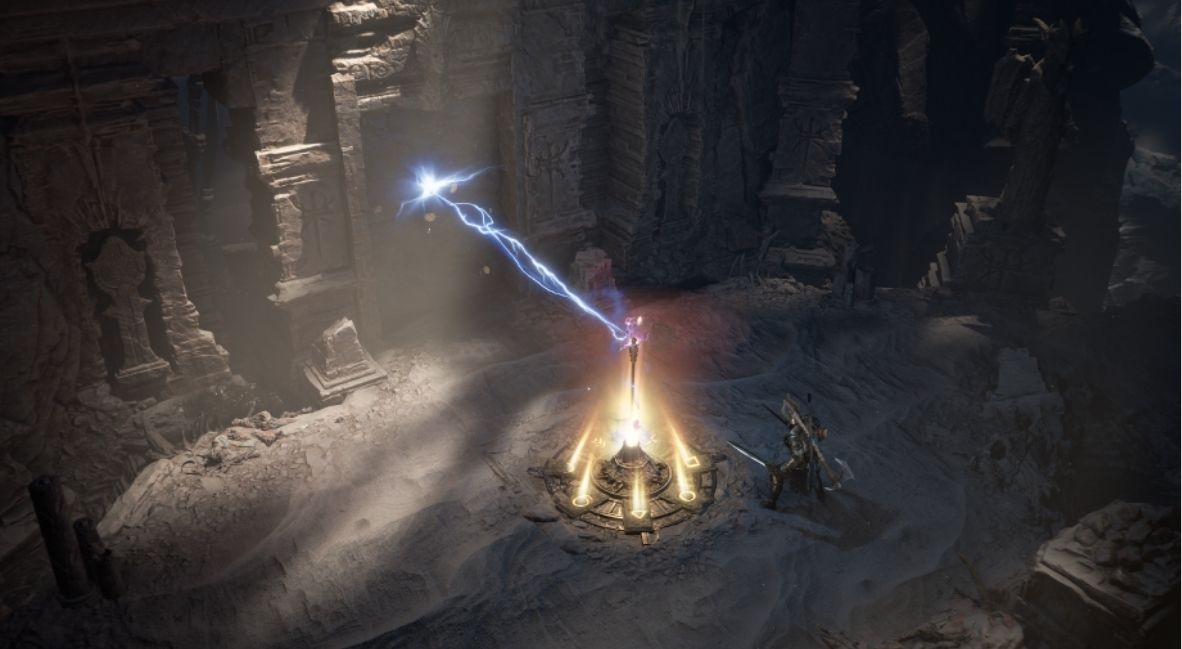
Blizzard is currently developing the Amazon around four archetypes. The Champion is a sword-and-shield melee fighter whose buffs reinforce both herself and her allies. The Skirmisher is an agile hit-and-run fighter who tears through enemies with the Javelin. The Ranger is a precision archer who can cut down enemies from a distance. The Commander controls the battlefield through phalanxes of Valkyries summoned to fight at her side.
The Amazon remains early in development, and Blizzard emphasized that the team is open to community feedback as it continues shaping the class. She will arrive through a separate Class Pack during the first half of 2027, with pricing and release details coming closer to launch.
For players who have waited decades for her return, every detail will carry expectations formed by Diablo II. My own excitement is much simpler: my wife already knows she wants to play the Amazon.
When the class arrives, we will sit on the couch together; she will take the lead, and I will follow her around Sanctuary while she throws javelins through anything unfortunate enough to get in her way. Through Season of Hell’s Legacy, we can work backward through 30 years of Diablo together. She can lead us through the old battles, and I can finally begin understanding all the names that make a BlizzCon crowd lose its mind.
Before Diablo V takes Sanctuary back into the darkness, Diablo IV is giving players the chance to walk through everything that brought the series here. For those who have been playing since 1996, that means returning to memories they helped create. For those of us who arrived with Diablo IV, it means those memories no longer have to belong just to someone else.