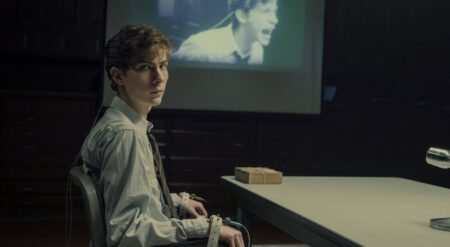


Nothing to Lose (2026) (Jusqu’au Bout) is a French-language Netflix Original movie about the horrors of the modern healthcare system. At least, ostensibly, it is. Jada (Nawell Madani) has spent years trying everything to become a mother. Eventually, she gives birth to her son, Noa (Paul Fouré). But the years of stress strained Jada’s relationship with her husband, Paul (Guillaume Gouix), and he’s hardly in the picture now.
When Noa suddenly gets sick, the doctors give a hopeful prognosis at first, but a rare cancer means his chances of survival are slim. But Jada will stop at nothing to make sure her son survives. Nothing, up to and including taking an entire pediatric wing hostage and threatening to shoot people on national television if the government doesn’t help her find a potential bone marrow donor in time.
Nothing to Lose has two modes: boring melodrama and absurd melodrama. The full first half of the film, for 45 minutes, is just about Jada and Paul trying to conceive, Jada’s life with Noa when he’s a little grown up, and the initial visit to the children’s hospital to find out what is wrong with him. It offers a fair amount of placesetting, but it’s quite uninteresting.
Nothing to Lose wants to say something interesting, but it can’t decide which lane it wants to stick to.
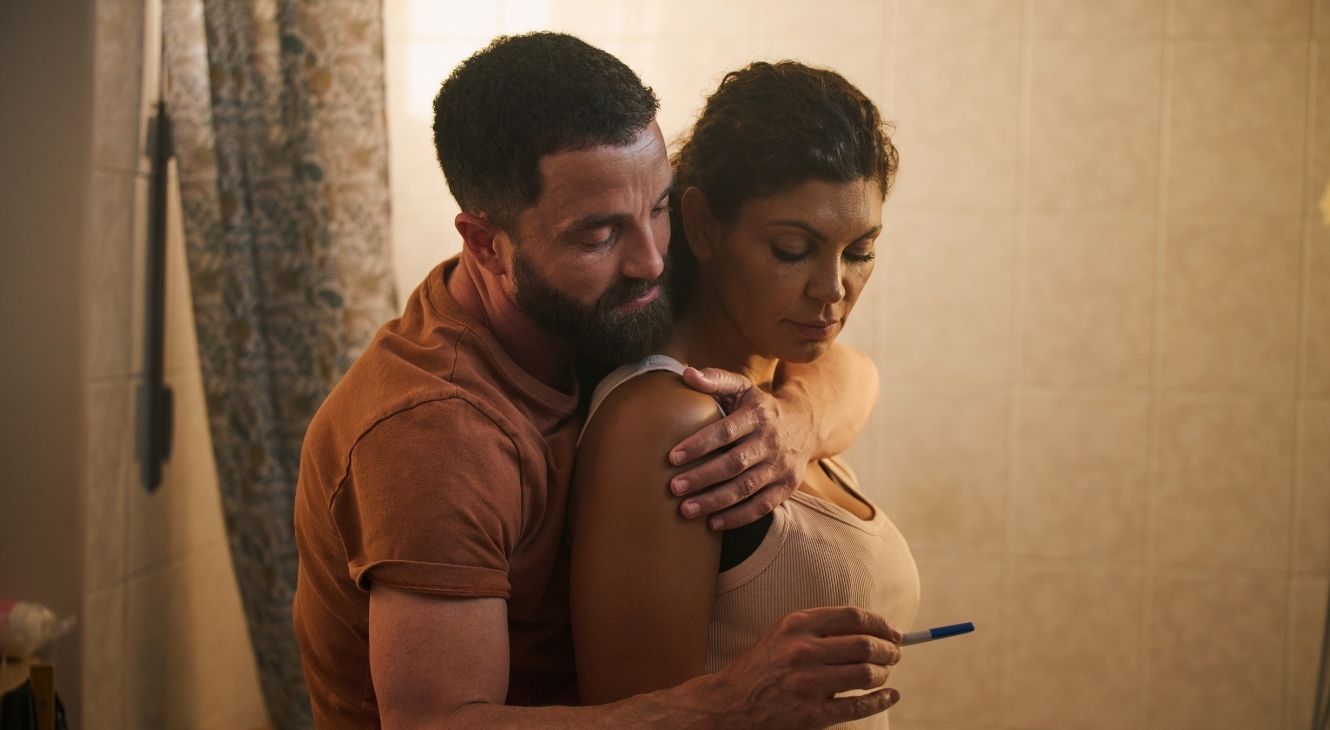
Jada is a boxing coach, which lends her believability as someone who will eventually take a cop to the ground. And Noa has a crush on another kid at the hospital, which makes him a more sympathetic character, at least, by the time he is too ill to do much on camera. But this half of the movie is much too melodramatic. The emotions are over-the-top, and it’s just watching an unpleasantly dire experience with pediatric oncology.
What’s worse is that the kids are all quite mean. Yes, kids in real life are mean. They bully each other for no reason and argue about useless things. It’s sort of nice to see that even when kids are sick and dying, they still act like kids. It’s humanizing of an issue that the movie is clearly very passionate about. But it’s not fun to watch kids just sit around, argue with each other, and bully one another for minutes on end.
Then, Jada steals a security guard’s gun and threatens the whole hospital ward, dramatically turning Nothing to Lose from a saccharine PSA into a hard-to-believe action-ish drama. Jada’s ferocity in defending her child by gunpoint doesn’t feel entirely realistic for her character. It’s a movie trying to prove a point as something of a metaphor about how pediatric cancer research is severely underfunded and that waitlists for help are too long, but the plot is also just ridiculous.
The extremes taken in the film’s second half throw everything off course.
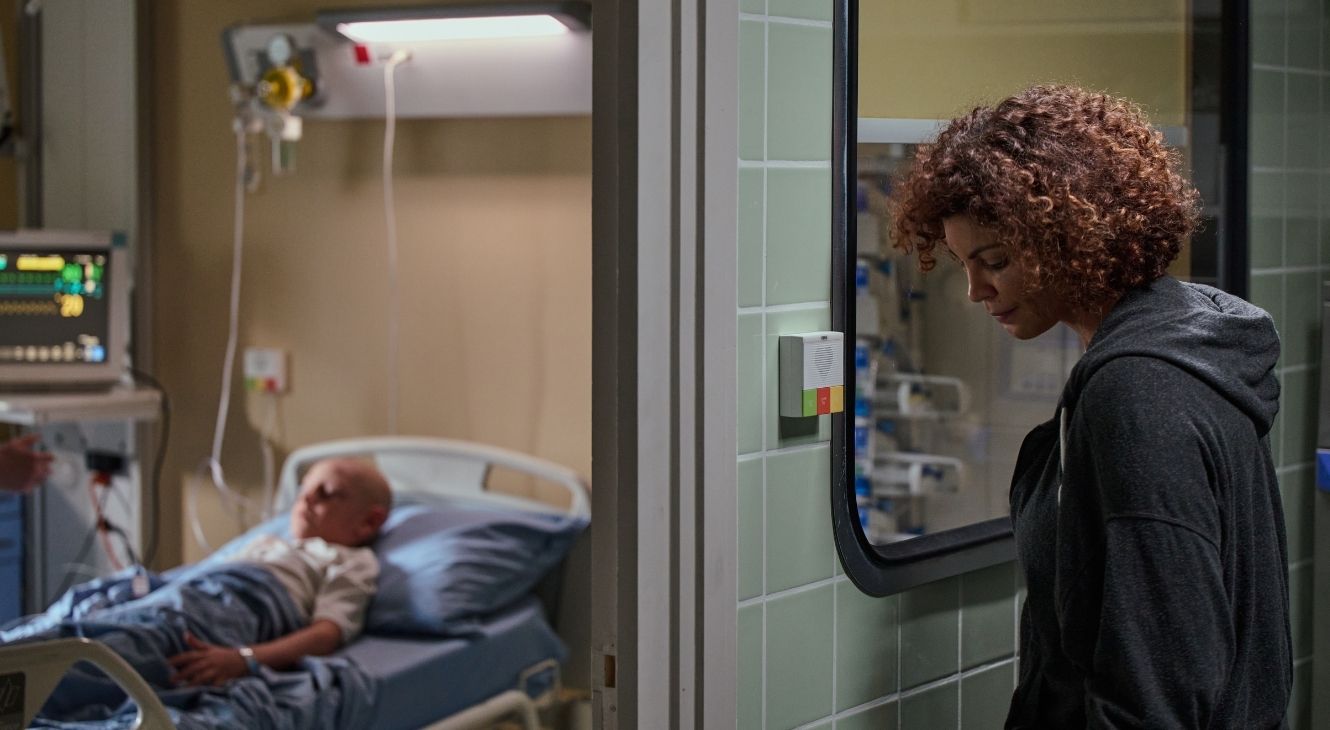
There’s no credibility to Jada’s threats or the way that the entire hospital takes her side. She’s able to go to unbelievable extremes in her threats to secure the guarantees and the help she needs to even have a chance of saving Noa. It’s a lot, and very little of it is engaging to keep up with, especially after the paltry first half. If the whole move was this section and didn’t have the long windup first, it may have been much better served. The absurdity wouldn’t feel as elevated because it wouldn’t have had a long, grounded part, making the gap even wider.
There’s also a bizarre expectation that audiences buy into Jada and Paul suddenly rekindling their love as a result of all that goes on in the second half of Nothing to Lose. Paul is set up as a loser of a father who you aren’t supposed to sympathize with. That means that audiences should have no interest in seeing them get back together, so why force it with an awkward knowing glance?
As a PSA, Nothing to Lose isn’t so unaccomplished. It does get across just how dire it is to have a child receive a rare cancer diagnosis. But as a movie, Nothing to Lose is misbalanced and not very compelling.
Nothing to Lose is streaming now, exclusively on Netflix.
Nothing to Lose
-
Rating - 4/104/10
TL;DR
As a PSA, Nothing to Lose isn’t so unaccomplished, but as a movie, Nothing to Lose is misbalanced and not very compelling.