

At its best, Needy Girl Overdose conveys the good, the bad, and the ugly of the internet age. As recently pointed out by Code Geass director Goro Taniguchi, truly ambitious anime can be hard to come by these days.
So, when a show fully goes for it, throwing caution to the wind in a desperate attempt to cross new horizons, it’s hard not to respect the effort even if the story goes the way of Icarus. Needy Girl Overdose is that kind of big swing. It’s a frantic adaptation that attempts to carefully dissect a bustling crossroad of topics: life on the internet, streamer culture, childhood trauma, contemporary loneliness, misogyny, drug use, and a whole lot more.
All these concepts are crammed into a delirious package that blends Serial Experiments Lain’s paranoid headspace with Perfect Blue’s horror-tinged portrayals of the entertainment industry, making for a thorny, uncomfortable watch. It doesn’t always work, but when it does, it’s hard to look away. Much like its streamer protagonist, this series swings between wild highs and lows, delivering hallucinogenic sights all the while.
The Needy Girl Overdose adaptation concocts a visual fever dream.
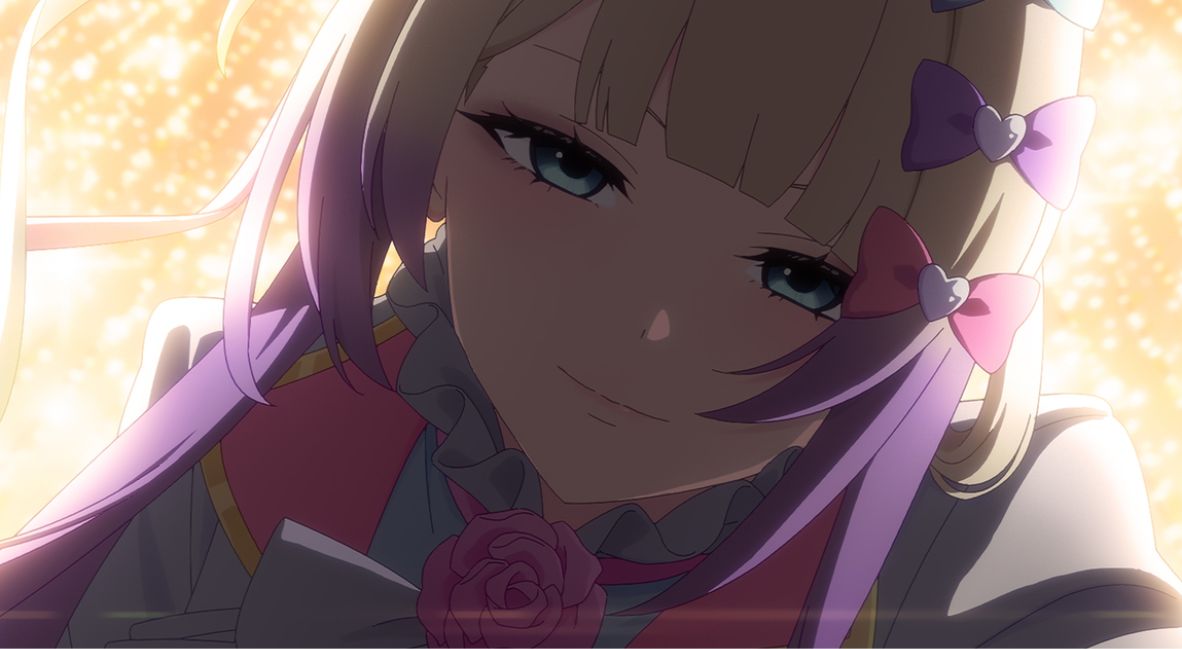
Based on Xemono and WSS playground’s popular streamer management video game, this adaptation takes place (sort of) after the events of that game. Ame is a troubled netizen who has a secret: she moonlights as Japan’s #1 streamer, OMGkawaiiAngel (Sally Amaki).
After a long and controversial reign at the top filled with tirades and bouts of substance abuse (this is basically what goes down in the original, which has multiple endings), she’s eventually challenged by Karamazov, a trio of streamers who intend to (metaphorically) slay this angel and steal her celestial throne. That’s what the show is about on paper, but any plot description won’t quite do this story justice.
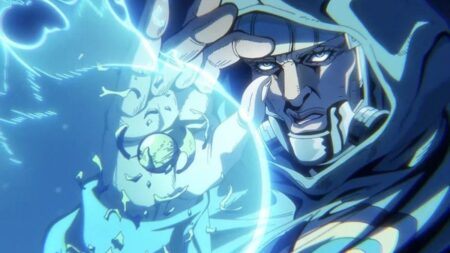
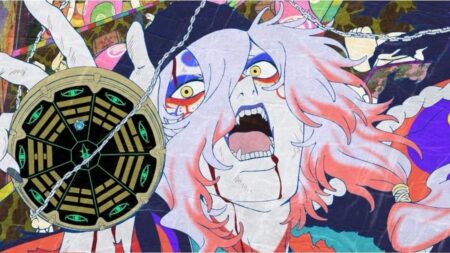
A huge part of the appeal of Needy Girl Overdose is how it executes on that premise through gonzo visuals. From the first episode, fact and fiction blend into a magical realist fever dream, as the real world and cyberspace bleed into an incoherent collage.
The series shows the horrors of brainrot and internet culture.

Iridescent colors and impossible architecture meld with vaporwave aesthetics, creating a deluge of brainrot imagery. Angry comments spit nothing but bile, while stans sharpen their weapons for war. It’s pure sensory overload. The abstract presentation in Needy Girl Overdose is both alienating and its best quality. The objective here isn’t to tell a traditional, coherent story, but to capture the hyperreality of being sucked into digital depths.
However, while these disconcerting images portray the hardships of being the #1 streamer, the series is much less successful when it monologues to the viewer. Unfortunately, it does this a lot. Characters deliver wordy rants that aren’t always particularly insightful, reading like half-baked manifestos compared to the series’s more well-developed, evocative imagery.
Streamers ramble about “society” in broad terms, disgruntled chuds complain about women, and couples bicker, painting humanity as an unrelentingly vile cesspool. Between these many spiels and the unrelenting bluntness of KAngel’s depressing backstory — which can be a bit flippant about heavy topics like addiction, sex work, and self-harm — her sections are exhausting at times.
Karamazov arrives with true anime underdog energy.

Thankfully, there’s also Karamazov. Yes, that’s a reference to Dostoevsky’s The Brothers Karamazov, a parallel that becomes more relevant as the story goes on (because why not throw in another spinning plate?). Although the members of this group suffer from their own problems, some of which are just as heavy as KAngel’s, they’re much more traditional anime underdogs.
At first, they seem completely out of step with this otherwise grim psychodrama, but those splashes of color add essential contrast and sense of purpose. In short, they’re what keep the story from devolving into the nihilistic feedback loop of an edgy teenager.
There’s their leader, Purple Lollipop (Rina Kawaguchi), a former KAngel stan who resolves to end her oshii’s solitude. She’s basically like a plucky battle shonen protagonist dropped into a Satoshi Kon movie.
The members of Karamazov bring necessary energy to Needy Girl Overdose.

While her “power of friendship” schtick seems at odds with the series’ tone, this dissonance fits with the overarching off-kilter vibe. In the end, her journey from loner to self-actualized icon embodies a punk-rock, anti-conformist vibe much better than all the overwritten soliloquies.
Then there’s Nechika (Seena Hoshiki), a princely girl who woos men and women alike with her immense charm, but who hides secret motivations. Her outward chivalry contrasts with more calculated goals, which eventually culminate in the show’s best (and most wholesome) episode.
And lastly, there’s Michica (Satsuki Shîna), a troubled member of the group whose issues directly parallel KAngel’s. Her plot allows the story to engage with its heavier topics from a slightly healthier perspective.
Ambition and a lack of subtlety is the life force of the anime from Yostar Pictures.

It feels downright odd that the trio is given so much screentime at first. But eventually, it becomes clear that they’re the true protagonists of this series. This clever turn culminates in a magical girl-style battle against a biblically accurate pop star with heavy allusions to the crucifixion of Jesus Christ. Again, this show can’t be faulted for its ambition.
Although some of Needy Girl Overdose’s long-winded monologues could have used editing, and it can lapse into the overly cynical attitude of a sad forum user, its central trio bursts through this dour haze in an explosion of avant-garde weirdness. The result is a journey that’s uneven, messy, and occasionally brilliant.
Needy Girl Overdose is available now on Crunchyroll.
Needy Girl Overdose
-
Rating - 7/107/10
TL;DR
Although some of Needy Girl Overdose’s long-winded monologues could have used editing, and it can lapse into the overly cynical attitude of a sad forum user, its central trio bursts through this dour haze in an explosion of avant-garde weirdness.