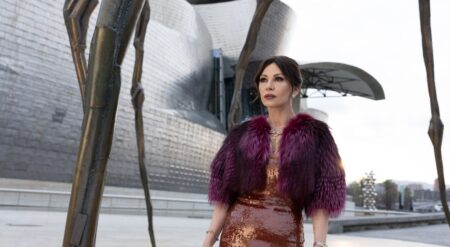


Netflix’s Avatar: The Last Airbender Season 2 does its best to adapt and cover some of the most beloved storylines from Book Two: Earth. Many fans might have been expecting a shot-for-shot recreation of the animated series, but by now, they should not be surprised that the show had to make some changes to make this season work in the live-action medium.
While many of this season’s biggest moments remain intact and true to the source material, the series does take several creative liberties and changes to expand character arcs, reshape certain events, and introduce entirely new perspectives on the world of Avatar.
Here is a breakdown of the biggest changes and Easter eggs throughout Avatar: The Last Airbender Season 2.
Sozin’s Comet
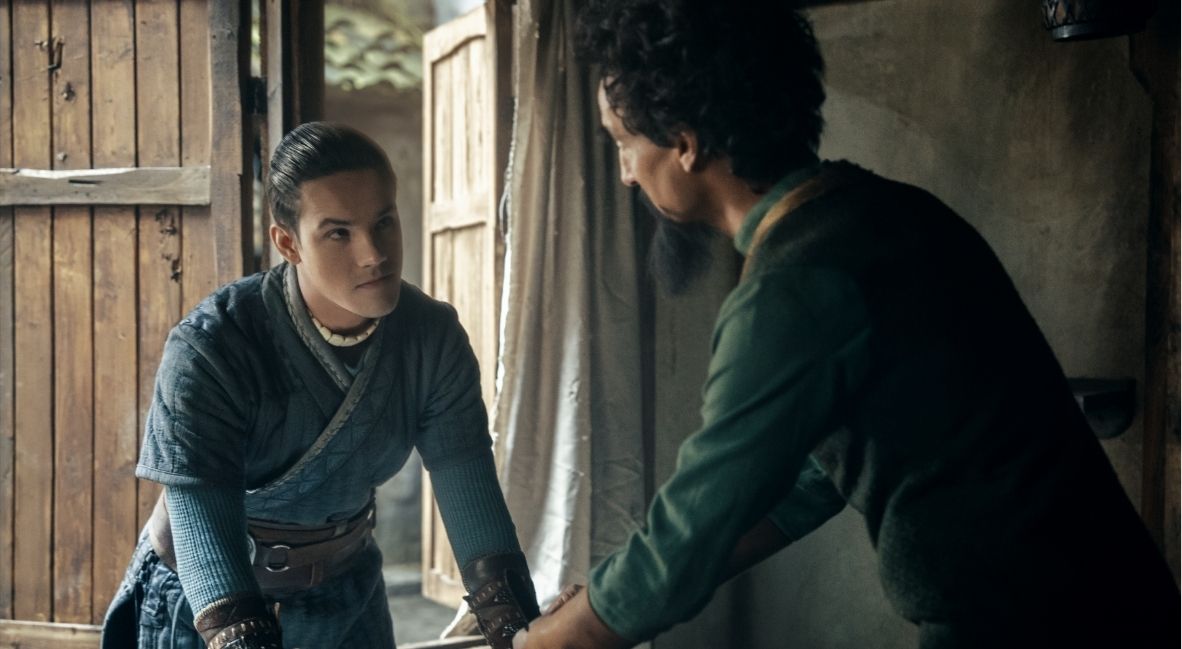
Many fans are familiar with Sozin’s Comet as the huge celestial event that occurs when a comet passes by Earth every 100 years. However, the phenomenon is not just a once-in-a-lifetime astral event; it is also the time when Firebenders’ abilities are at their strongest. In Season 2, the Gaang learns about the comet from Sai, the inventor, who has been tracking the comet’s path for some time.
It is through Sai’s warning that Aang and his friends learn of the impending threat the comet could have not just on the war but on the world. In the animated series, it was actually Avatar Roku who warned Aang of the comet and informed him of how Fire Lord Sozin harnessed the power of the comet to wipe out the Airbenders. The changes reduce the reliance on Avatar Roku while also making Sai a more prominent figure in the series narrative.
Tales From Ba Sing Se Moments
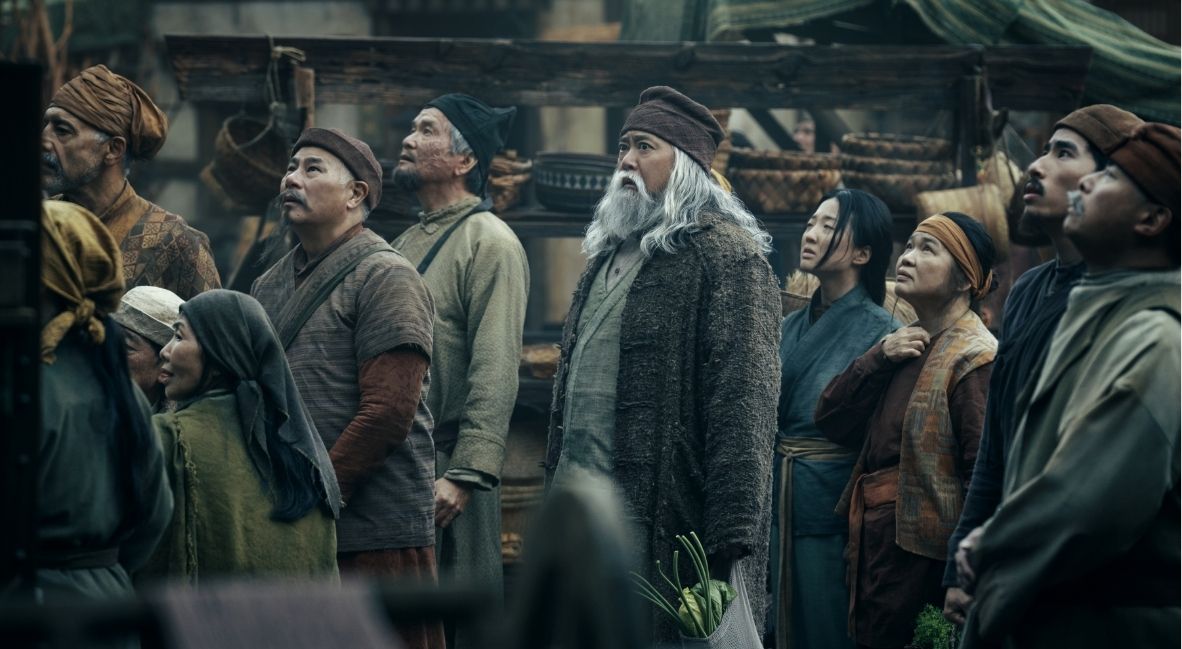
Throughout the second season, live-action borrows a lot of inspiration and easter eggs from the original animated series episode “Tales From Ba Sing Se.” Instead of adapting the episode in a one-for-one shot, Season 2 expands the episode’s themes and sprinkles in various moments from throughout the season.
One of the most meaningful moments and themes explored further was Iroh’s trauma and guilt over the Siege of Ba Sing Se. Not only did Iroh have remorse for the loss of his son, but also for the hundreds of lives that were ruined and lost under his command. The moment really captures how deep Iroh’s emotional scars really go. The decision to change and expand the storylines from Tales From Ba Sing Se helps provide more depth and development for the show’s characters.
Fire Nation Refugees
Season 2 introduces the Fire Nation Refugee community residing in Ba Sing Se to the series. The community is made up of Fire Nation citizens and former soldiers who denounced their citizenship, in opposition to Lord Ozai’s tyrannical rule and war. The animated series rarely explored the perspectives of ordinary members of the Fire Nation who weren’t loyal to their country, let alone those who fled it for asylum.
This change helps humanize the Fire Nation by showing a unique perspective: not all of the Fire Nation supports the war. The refugees also agree to never use their Firebending powers within Ba Sing Se. Unfortunately, even though the refugees only want peace, that does not stop some people within Ba Sing Se from treating them with hostility and as second-class citizens, due to their connection to the Fire Nation. This inclusion adds another layer of social, political, and moral complexity to the show’s conflict.
The Beifong Family Business
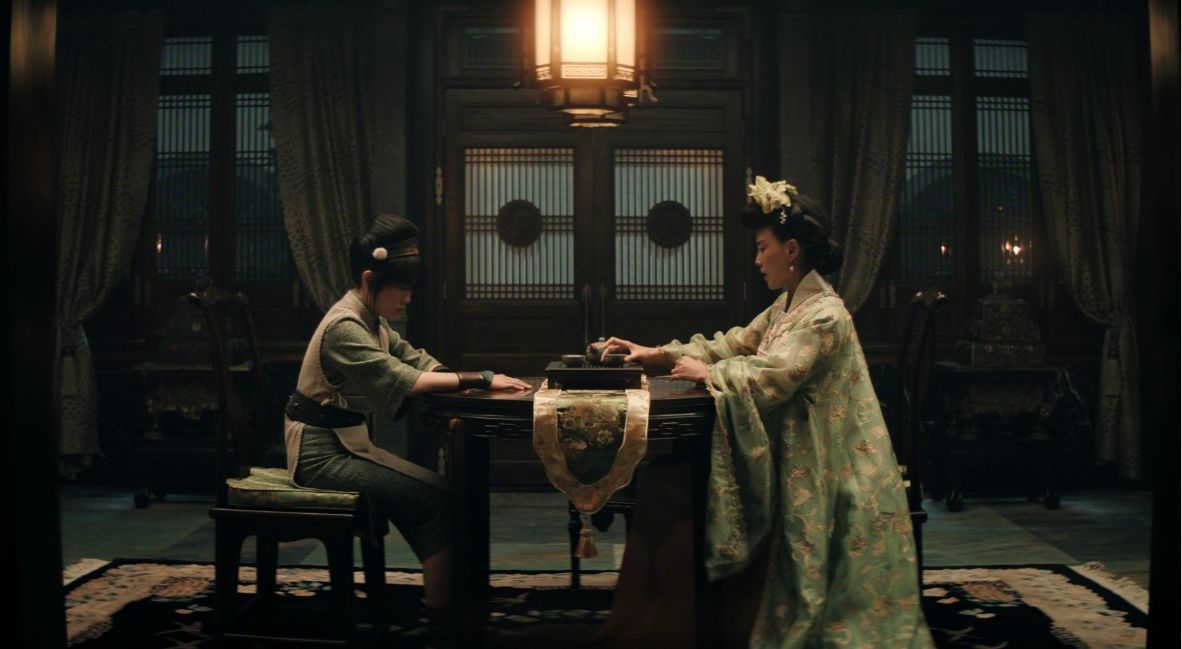
In the original series, Toph’s family, the Beifongs, are known for their immense wealth and high-society status throughout the Earth Kingdom. While the same remains true in the live-action adaptation, one change the Netflix series makes is to have the Beifong family’s business involved in the ongoing war.
Unfortunately, their involvement is not on the right side. Later in the season, Beifongs’ connection to manufacturing warmachines for the Fire Nation’s war efforts is revealed. This change adds another layer of conflict for Toph and her parents while also showing how greed and power can make people complicit in war, even when it hurts their own country.
Ba Sing Se’s Expanded Political Landscape
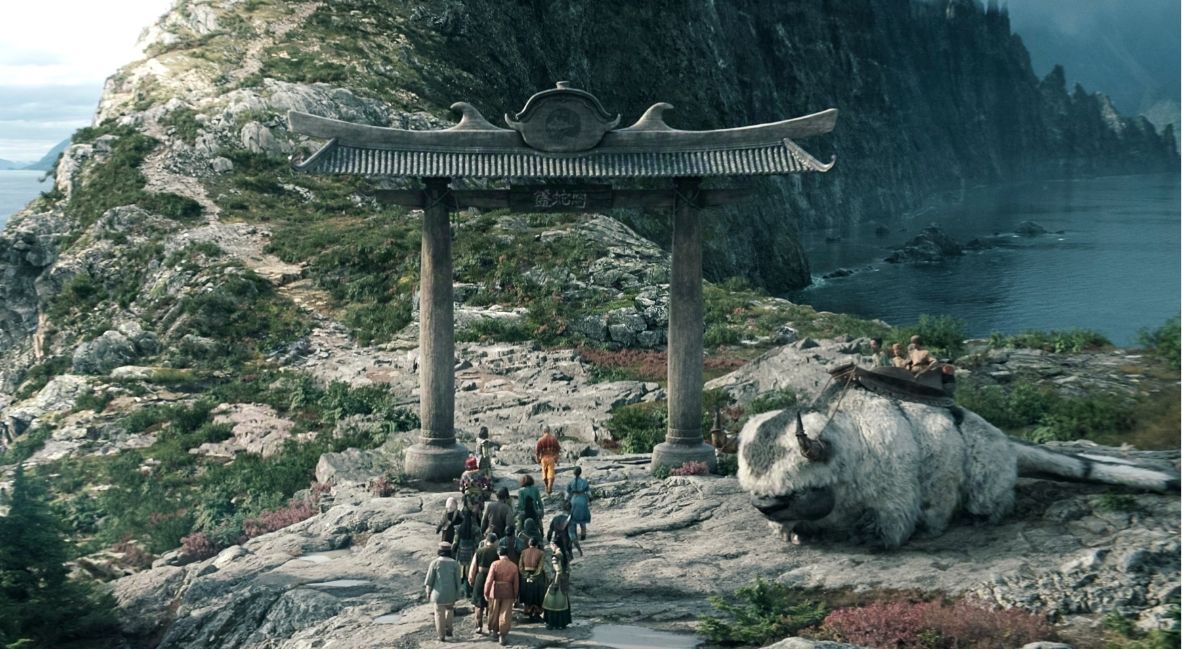
In the animated series, the Dai Li and Long Feng were the primary source of conflict within the walls of Ba Sing Se. The adaptation expands on that conflict by introducing the political division and infighting between the Earth Kingdom military and the Dai Li, shedding light on the government’s fractured state, characterized by competing interests rather than a single corrupt force.
This change matters because the show not only uses the Dai Li as a source of conflict but also expands to show how Long Feng’s secret police force and tactics have weakened the Earth Kingdom’s defenses from within the city’s walls. The show explores the growing tension and friction within Ba Sing Se’s political leadership and internal power struggles.
General Sung
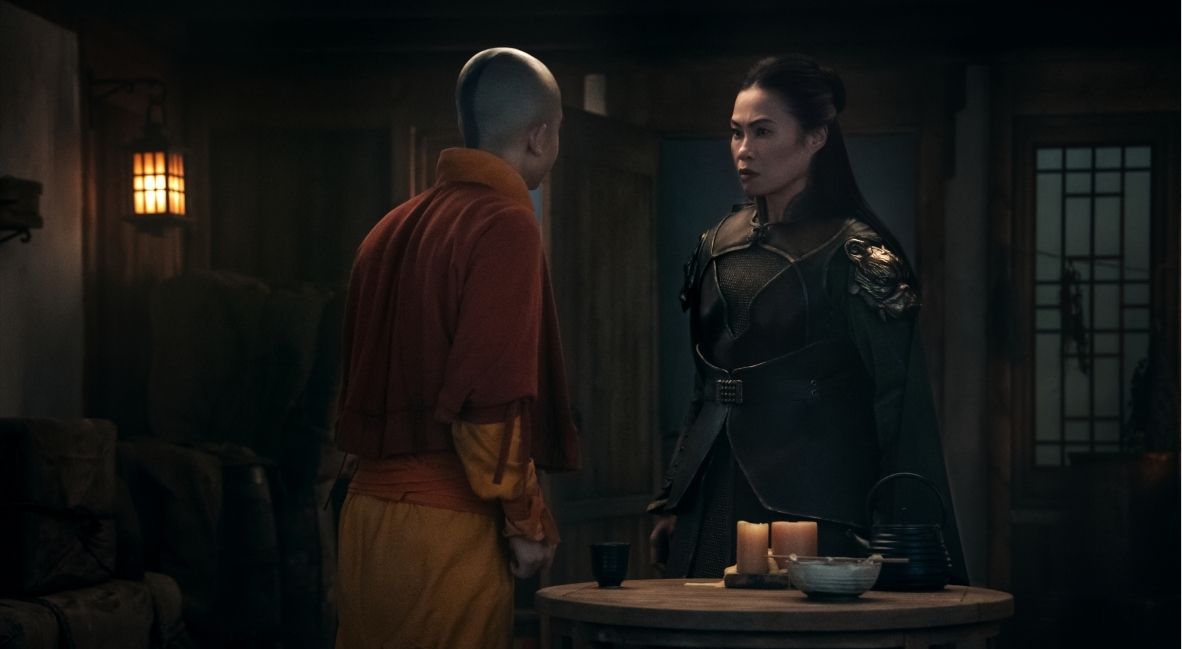
In the original animated series, General Sung is a minor character, depicted as fairly incompetent despite his high rank as one of the Earth King’s most trusted generals. In the live-action, General Sung is reimagined as a woman who leads the Earth Kingdom and is a strong military leader and strategic tactician.
General Sung also plays a bigger role in the series and even becomes a close ally with the Gaang to help take down the Long Feng and warn the Earth King of the threat of Sozin’s Comet. General Sung’s larger role in the series expands the character’s presence, reinforcing the growing instability within the Earth Kingdom’s power dynamics.
Won Shi Tong’s Spirit Library
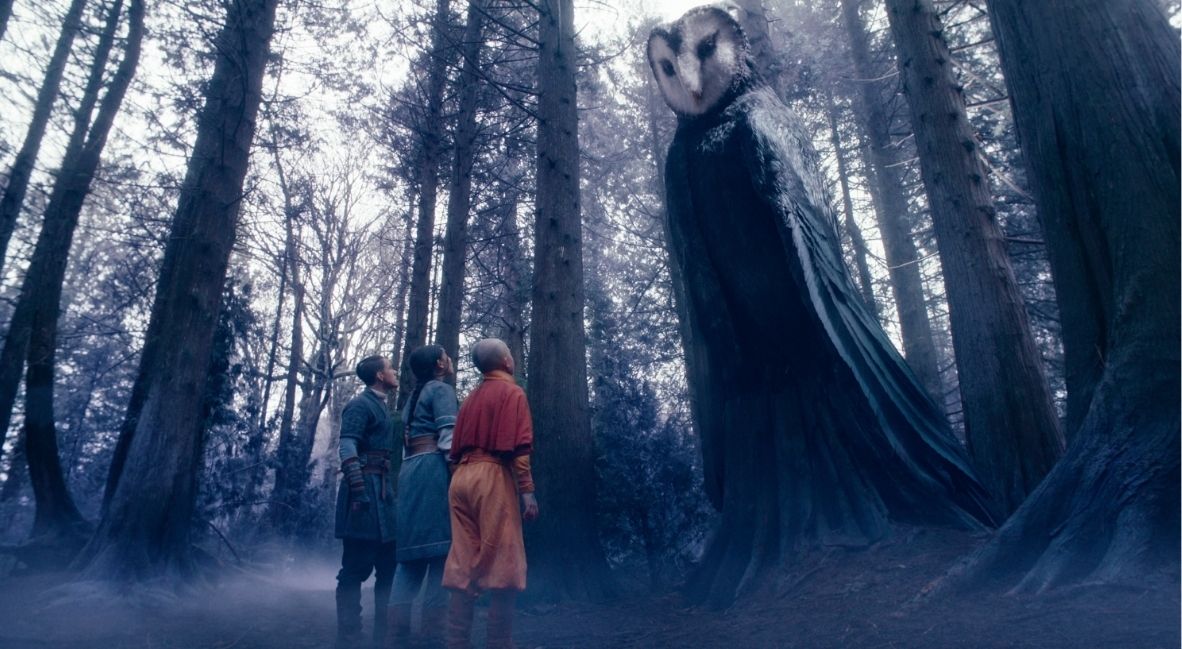
In the original series, the Spirit Library, also known as Won Shi Tong’s Library, is a mysterious structure that lies beneath the Si Wong Desert. Aang and his friends find the library while searching for information on how to defeat the Fire Nations.
In the live-action, the Spirit Library’s location is drastically changed. Instead of residing within a desert, the library is secretly located in plain sight, within Ba Sing Se, and can only be accessed through Aang’s astral projection abilities. In addition to the location change, the Spirit Library in the live-action includes a few Easter Eggs throughout. One of the biggest Easter Eggs was a painting that featured the first Avatar, Wan.
Professor Zei’s Betrayal & Demise
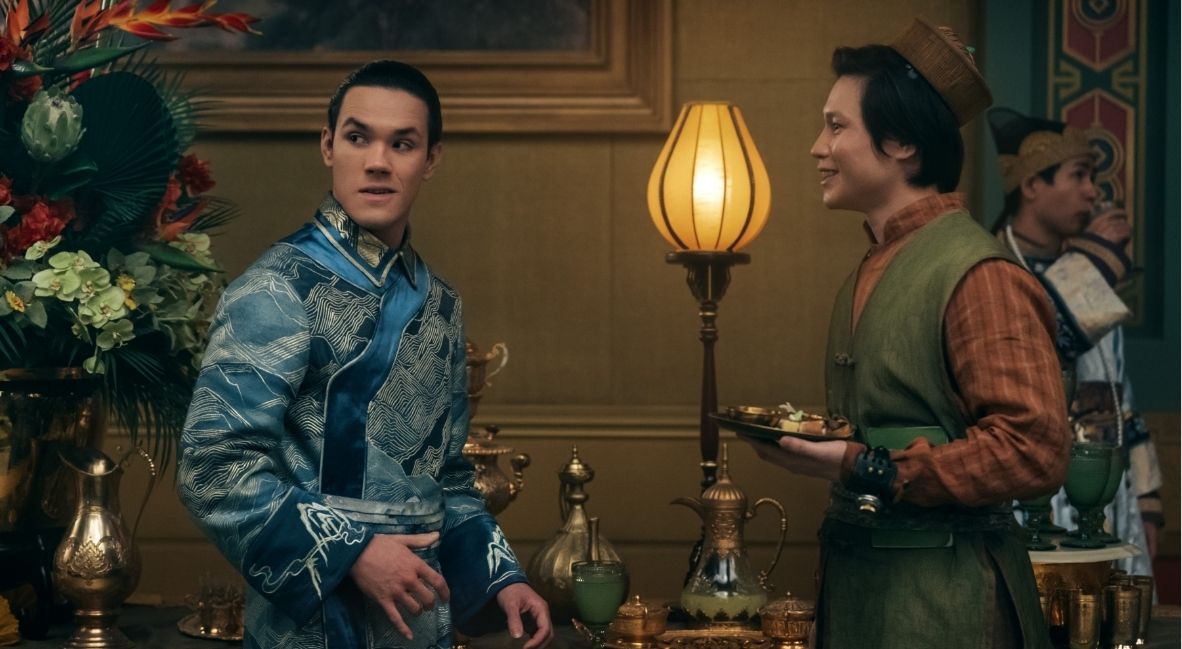
In the animated series, Professor Zei is an enthusiastic anthropology professor in Ba Sing Se whose lifelong dream is to find the Spirit Library. The Gaang happens to meet him while traveling through the desert in search of the library, and they enter the structure together. After Aang and his friends break Won Shi Tong’s rules, he tries to take the group to the library for their crimes. As Aang and the others were escaping, they urged the professor to come with them, but he chose to stay behind instead.
In the live-action adaptation, Professor Zei’s role is slightly larger and more significant throughout the season. Professor Zei helps the Gaang locate the library to find information about Sozin’s Comet. Still, his thirst for knowledge drives him to betray the group in exchange for staying in the library for all eternity. Little does he know that his betrayal leads to his own demise. The changes to Professor Zei’s character make him have a more active role in the season’s narrative arc.
Jet’s Character Arc
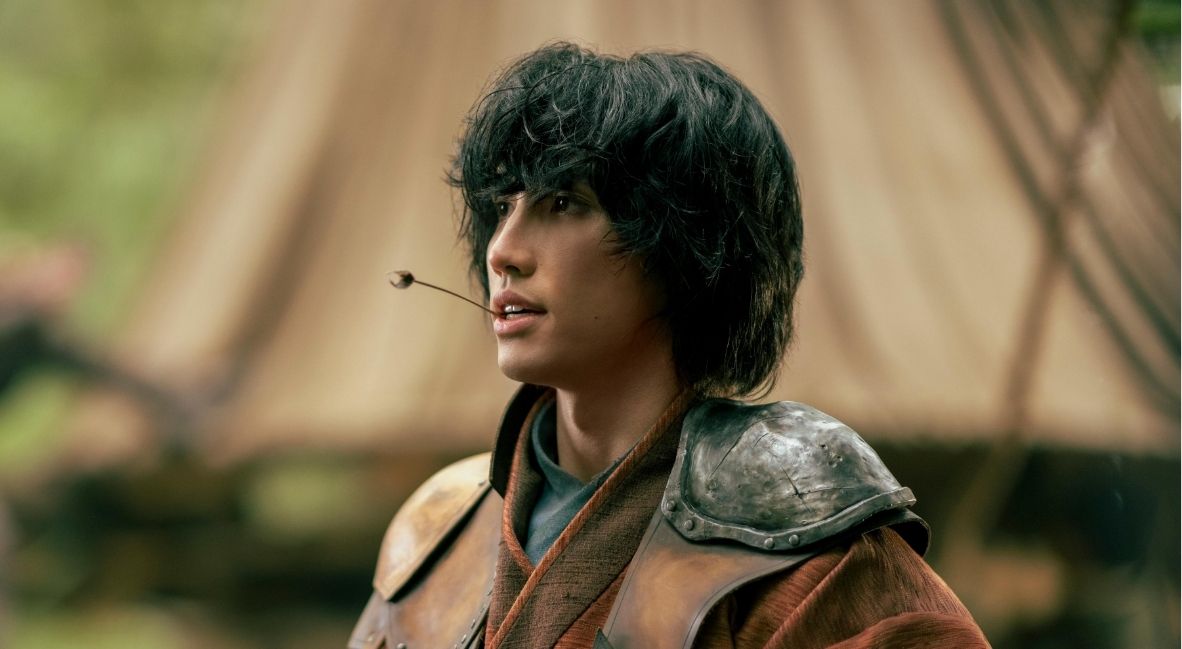
In the original series, Jet is a rebellious freedom fighter whom Aang, Katara, and Sokka meet early on. Later on, Jet and his friends make their way to Ba Sing Se in search of refuge and safety. Unfortunately, Jet falls into the clutches of the Dai Li and is manipulated before he sacrifices himself to save his friends.
In the live-action, Jet gets a drastically different character arc. This season, the series leans harder into Jet’s selfish and radicalistic tendencies, portraying him more as a thief. He even incites a riot at the Fire Nation refugee camp to raid their homes for good to sell. Jet’s resilient spirit to keep fighting for freedom has suffered a heavy blow after losing one of his closest friends, which has caused him to turn towards a life of crime.
Later on in the season, Katara recruits Jet to help locate the Spirit Library, and they are successful in doing so. However, following Professor Zei’s portrayal, Jet and the others are nearly trapped by Won Shi Tong. In a heroic act to save his comrades so they can hopefully put an end to the Fire Nation’s war, Jet sacrifices himself and is presumably killed.
This revised character arc for Jet gives him a bit more autonomy in his story than the original series did. Instead of becoming a puppet for the Dai Li, Jet gets to choose his fate and goes out making the ultimate sacrifice to help Katara and the others finally stop the 100 Year War.
Order of the White Lotus & Jeong Jeong
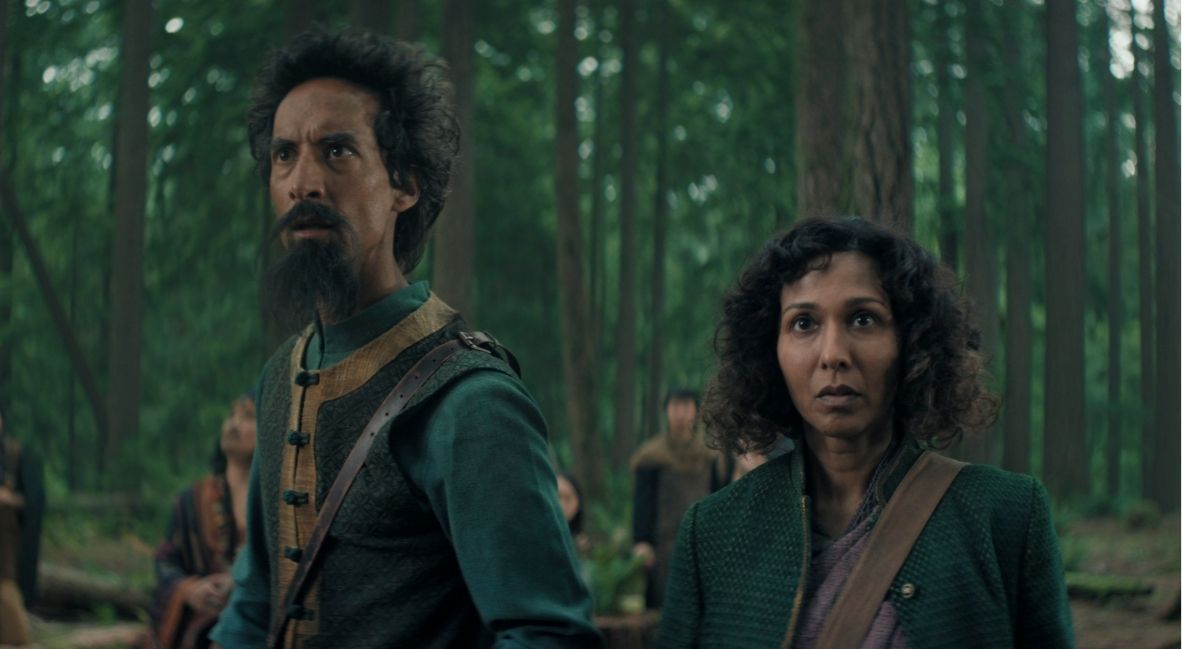
Originally, in the source material, The White Lotus was a secret organization dedicated to transcending national borders to share philosophy, beauty, and truth. Throughout the series, the reveal gradually occurs through small hints, culminating in the series finale. Among the most prominent members of the organization are Uncle Iroh, King Bumi, Master Pakku, Piandao, and Jeong Jeong. All of which helped liberate Ba Sing Se from the Fire Nation and helped turn the tide of the war.
In the live-action series, the Order of the White Lotus has been hinted at since the first season. This season shows Iroh actually attending an Order of the White Lotus meeting, where he meets a former Fire Nation officer who deserted his post during the Siege of Ba Sing Se and denounced his citizenship to the Fire Nation. Although it has not been confirmed, the officer is very likely Jeong Jeong.
These added easter eggs of the Order of the White Lotus help lay the groundwork for Season 3, while also rewarding fans with an expanded look into the organization’s workings.
Azula’s Ambitions
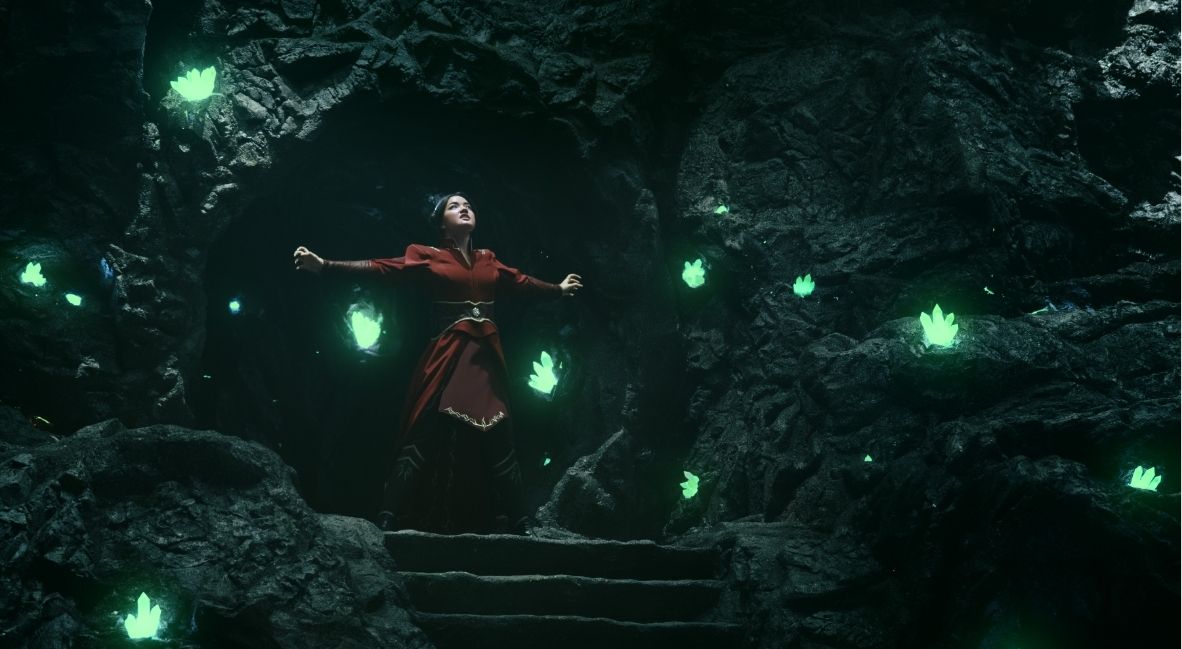
In the original series, Azula is deeply dedicated and loyal to her father, Fire Lord Ozai. Although she is fearsome, manipulative, and eager to prove herself, her ultimate goal is to earn her father’s approval. She does this by carrying out his orders without hesitation and rarely without questions. Azula never imagines usurping her father, let alone disobeying him, as she desperately craves his love and affection as his daughter.
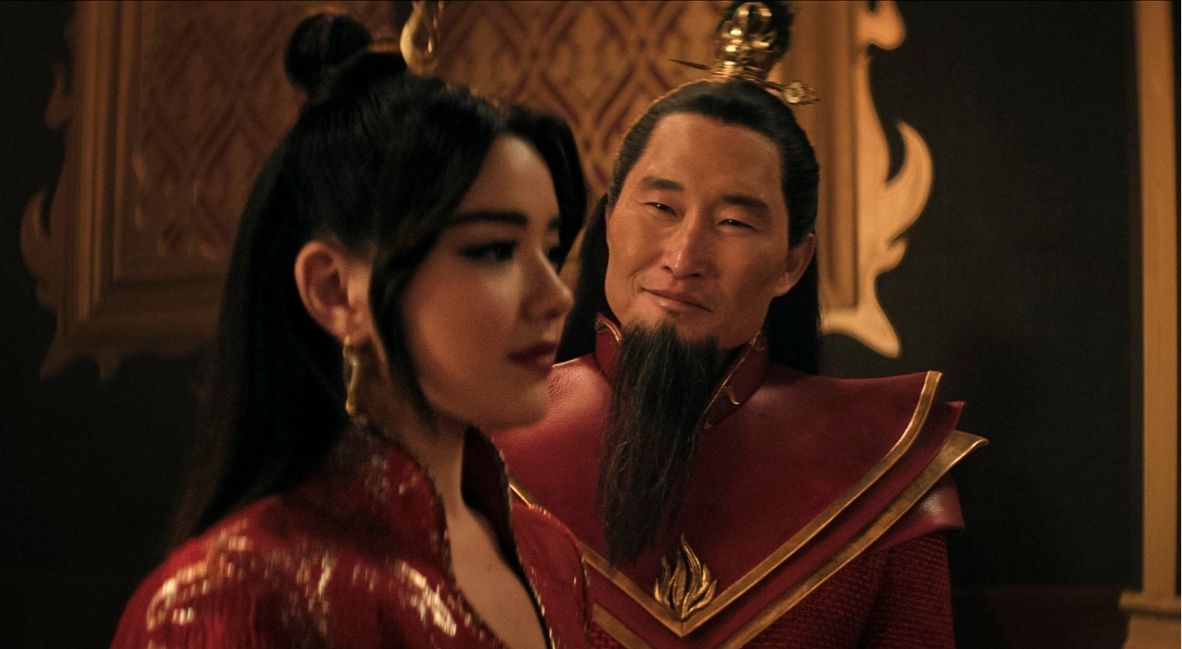
However, in this season of the adaptation, subtle moments suggest Azula’s ambitions may extend beyond earning her father’s adoration. Throughout this season, Azula questions and even disobeys some of her father’s decisions. These brief moments of Azula’s growing ambitions suggest that she might see herself in a higher position than her father one day, instead of just being a loyal and dutiful princess.
If these slight changes in Azula and Ozai’s dynamic are intentional, then the adaptation might be preparing a significant departure from the source material. It is likely the showrunners are laying the groundwork for Azula to clash with her father; if not, at the very least, to continue creating greater tension between the two characters. It would be interesting to see if Azula’s ambitions lead her to betray her father in the next season.
Past Avatar’s Return
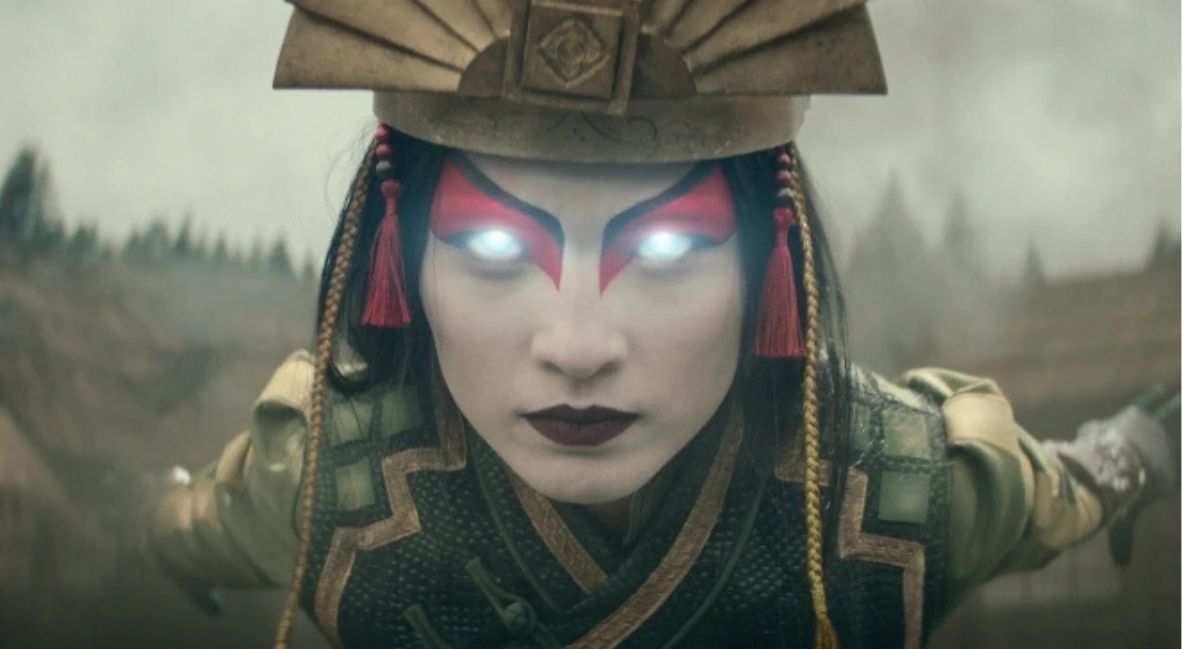
In the original series, Aang primarily communicates with and receives advice from Avatar Roku and, later, from Yangchen, Kyoshi, and other past lives. Aang is typically the only person who can see these figures when he meditates or summons them for advice. In Season 2 of the adaptation, past Avatars, specifically Yanchen and Kyoshi, appear in the Spirit Library to offer advice and wisdom to certain characters.
One of the most significant and unexpected changes during the avatars’ return is a meeting between Toph and Kyoshi. Fans of both characters, including me, may enjoy the original exchange for the sheer joy of seeing the greatest Earthbender and one of the greatest Avatars converse and share a brief moment.
Moments like these in the show help to connect the live-action series to the Avatar mythology while allowing different characters, not only Aang, to interact with the Avatars.
Although some changes help to streamline the animated series for the live-action format, many of the second season’s most significant adjustments actually help deepen the world of Avatar and its characters. In addition to the changes, the easter eggs planted throughout the season are not just nods to ATLA fans.
They also help expand the series’s lore and set things up for next season. Netflix’s Avatar: The Last Airbender continues to show that it is not simply here to recreate the original series; it also wants to build upon its predecessor.
Avatar: The Last Airbender is streaming exclusively on Netflix.