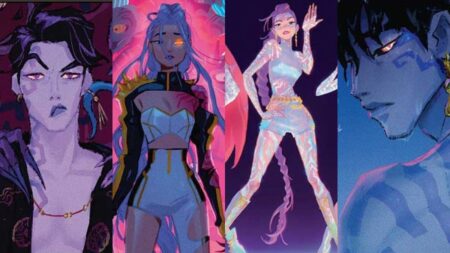


Conversations about toxic masculinity aren’t anything new, but they are reaching a new boiling point. Recently, terms like “red pill,” “looksmaxing,” and “manosphere” have become more widely known. The Netflix documentary, Louis Theroux: Inside the Manosphere, takes audiences on a journey that delves into the inner workings and some of the notable influences behind the machine that profits and preys on the male loneliness epidemic, misogyny, and toxic masculinity.
The documentary proves how vital it is for younger audiences to have healthier, more emotionally intelligent male representations and relationships in media. Recent series such as Euphoria, Adolescence, The Beauty, and The Boys have explored and tackled the subject of toxic masculinity and how it has damaging effects on boys, men, and society at large.
In contrast, media can help reshape how masculinity is represented and understood, and one recent example stands out. The One Piece live-action adaptation offers a unique opportunity to provide a more recent depiction of emotionally intelligent male representation through Taz Skylar’s portrayal of Sanji.
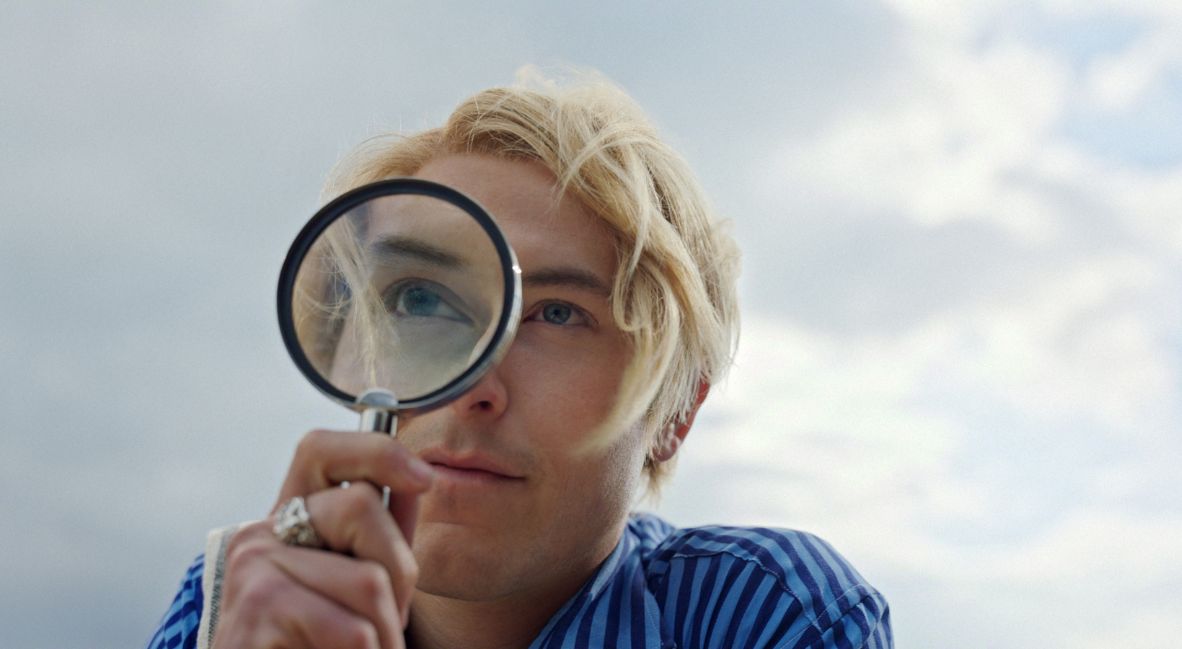
Traditionally, one aspect of Sanji’s character in the One Piece anime (adapted by Toei Animation) is portrayed as a lecherous or perverted archetype. This archetype includes traits that are similar to characters ranging from Master Roshi from Dragon Ball, to Mineta from My Hero Academia, and Happosai from Ranma ½.
The One Piece live-action adaptation offers an updated reinterpretation of Sanji. It sheds the outdated comedic-pervert tropes and reframes him as a man whose masculinity is rooted in respect, empathy, vulnerability, and emotional intelligence.
This interpretation of Sanji counters the hyper-aggressive, misogynistic manosphere influencers that are dominating mainstream culture. And it is because of this which is why Skylar’s portrayal of Sanji matters.
Into the Manosphere and what it means.
The “manosphere” is a term coined and popularized by author Ian Ironwood. The term describes a loose, interconnected network of online communities, platforms, blogs, forums, and influencers that promote anti-feminism, misogyny, and masculinity. The manosphere targets young boys and men through content that spreads messages about alpha male supremacy, emotional control, and dominance over women.
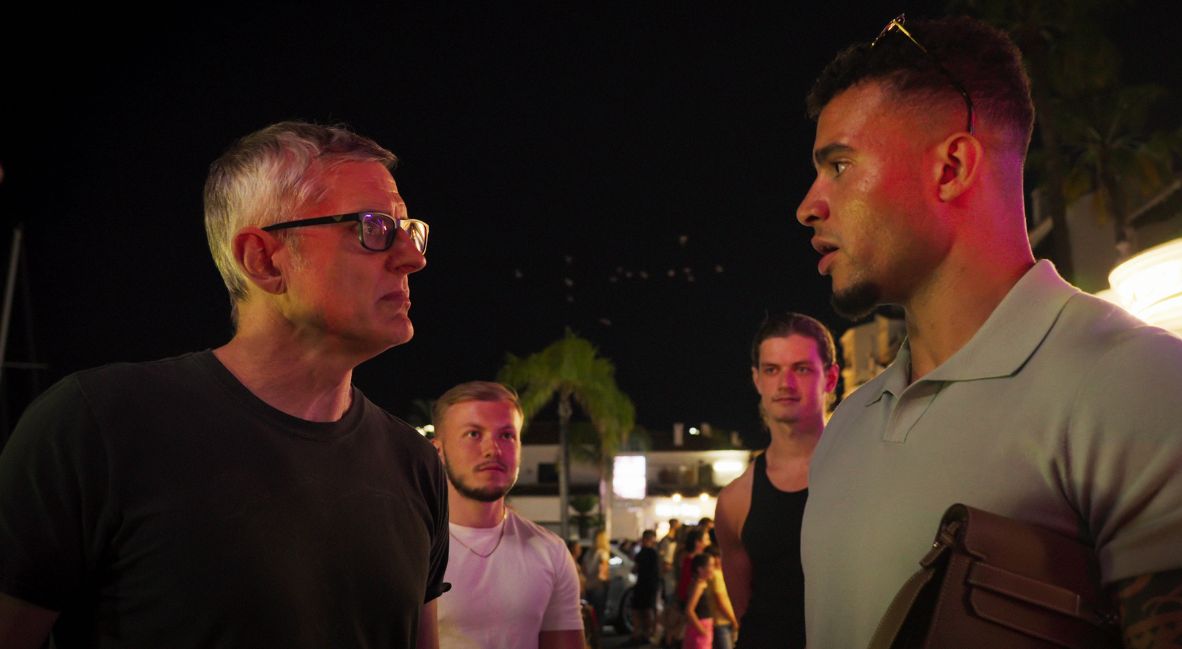
Louis Theroux: Inside the Manosphere is a 2026 Netflix documentary that explores the toxic, hyper-masculine, misogynistic world of male creators like Harrison Sullivan (AKA HS Tikky Tokky), Myron Gaines, Nicolas Kenn De Balinthazy (AKA Sneako), Justin Waller, and Ed Matthews. Throughout the documentary, Theroux investigates how these prominent figures in the manosphere profit from spreading hateful and regressive gender ideologies as they build a loyal cult-like community that has an impact on individuals’ sense of self and their real-world relationships.
The manosphere is thriving and gaining traction among many young men who feel isolated and lonely. In a 2023 UN Women and Equimundo study, the report found that two-thirds of young men feel no one truly knows them. Additionally, a 2025 Pew Research Center study found that loneliness is increasing universally for younger people. The study found that 16% of men feel lonely or isolated all or most of the time and that these individuals are less likely to turn to friends, family, or mental health resources for help.
When these individuals feel lonely and isolated and lack the proper resources or support system to turn to, they instead turn to the manosphere.
The Grift: Reframing masculinity to the lonely.
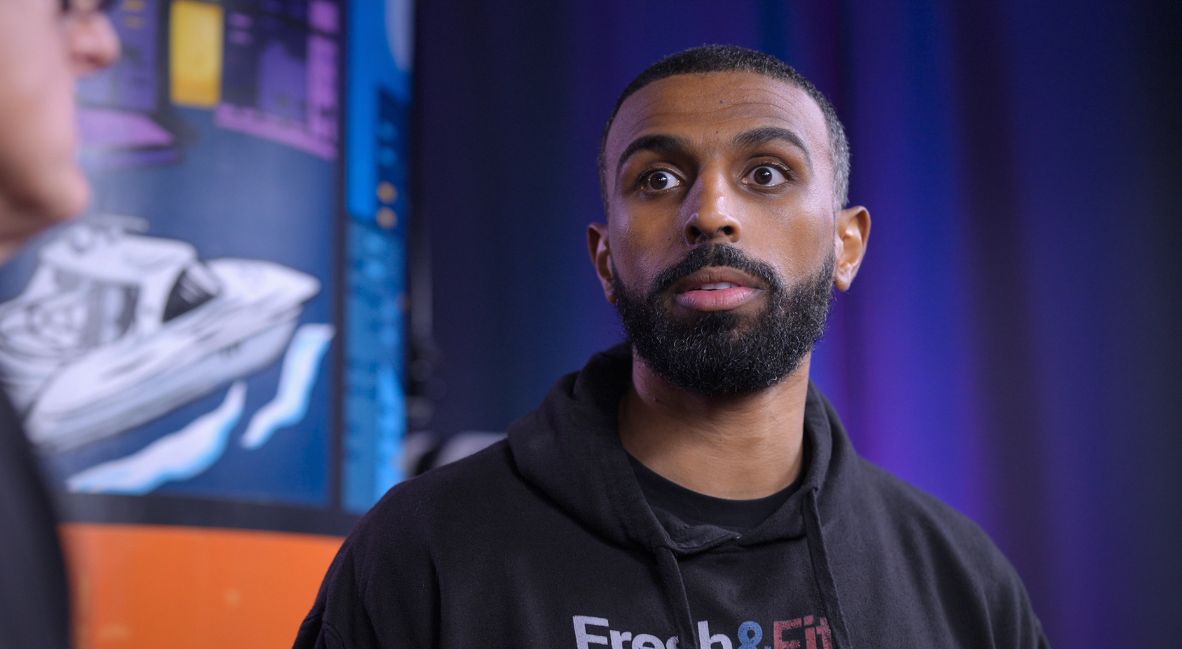
At its core, the manosphere is a business model and a grift. Theroux’s documentary shines a light on how the manosphere and its influencers exploit loneliness and isolation for their own financial gain through a hustle-and-grit ideology that monetizes the insecurities, desires, resentment, and anxieties of young, impressionable boys and men.
These influencers offer a community, a sense of identity, and a place to belong through their version of masculinity, which promises respect, status, control, and wealth. Through podcasts, motivational speeches, courses, social media platforms, “trading” tips, and exclusive online communities, these creators monetize their fans’ insecurities and present themselves as the solution to their problems.
Unfortunately, the solution these creators are selling is not rooted in self-improvement or growth; it is rooted in hateful, hyper-masculine rhetoric. Instead of tackling the issues like male loneliness as a complex issue that is connected to emotional isolation, lack of mental health intervention, or not having a support system, creators reframe loneliness as a societal bias against boys and men by women and society as a whole. This reframing is harmful to younger audiences as they try to develop their own identities, self-worth, and understanding of relationships, sex, and dating.
Manosphere influencers also incorporate the use of religion and therapy terminology to normalize and manipulate their audiences to buy into harmful behavior and beliefs. By framing their hateful beliefs and rhetoric through religious and therapized words, influencers push their extremist views.
The dangerous effects of the Manosphere.

Over the years, there have been fewer kid-friendly online communities and platforms. These online spaces offered young audiences a safe place to have fun and experience communities. Social media platforms and algorithmically driven content have become increasingly dominant, filling the void in online spaces for young audiences, making them the perfect target demographic for manosphere messaging.
The dangerous effects of the manosphere do not just stop and end with hateful misinformation; it is the impact it has on young minds. Constantly absorbing content that normalizes misogyny, shaming vulnerability, and preaching dominance over genuine love and connection are causing young boys and men to have a skewed, unrealistic perception of manhood.
Experts have noted that the clear connection between these toxic digital spaces is influencing real-world behaviors in cyberbullying, violence, and suicide. This kind of widespread misogynistic content hurts everyone. There is a physical and digital rise in violence against women. UN Women reports there is a global trend that supports one in three women experiencing some form of physical and sexual violence.
The connection between the manosphere and increasing acts of violence towards women.
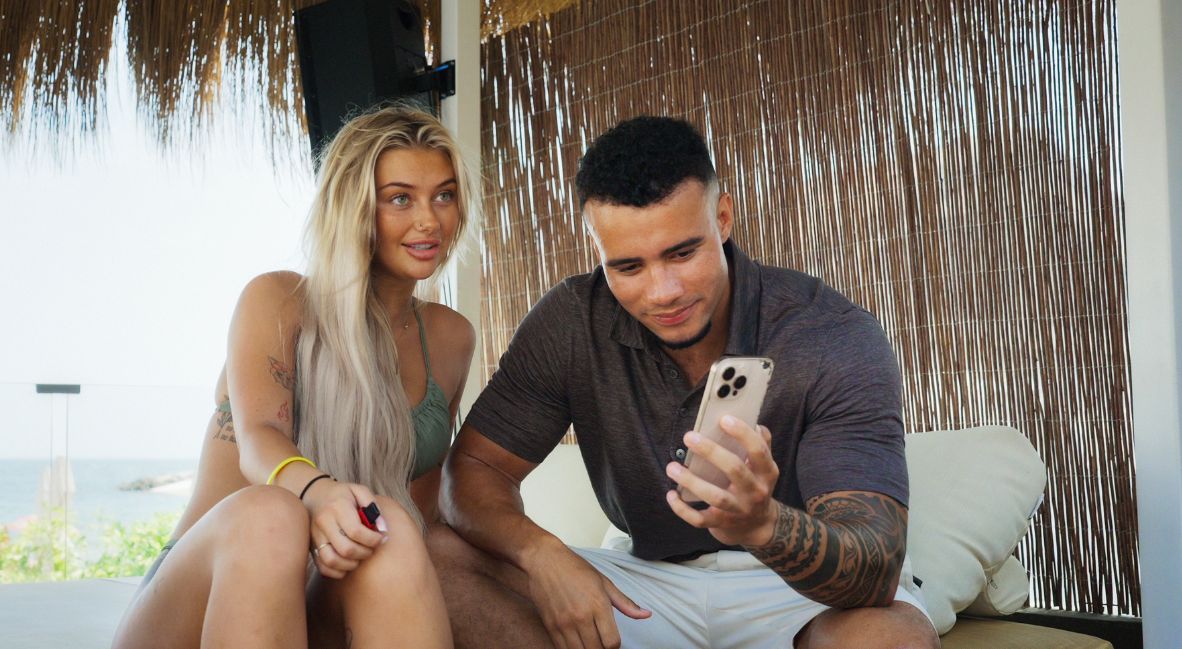
Additionally, online women are the subject of digital sexism, sexual harassment, and threats of violence daily. Most recently, in March 2026, CNN exposed an online rape academy, a global online network of encrypted messaging groups and forums where men shared advice, coordinated, and monetized on the sexual assault of their female partners.
Experts and researchers have noted a direct connection to the manosphere and the increase in threats towards women. Global5050 suggests that the manosphere should be treated as a worldwide health issue due to the emerging threat to gender justice. Sexism does not just stop at the blatant negative effects on women. It also informs how men treat women, which creates an increasingly volatile reality where insecure males are conditioned to be terrible to girls and women.
Additionally, looksmaxing influencers like Brandon Peters, also known as Clavicular online, exploit impressionable audiences to believe that they can achieve success by achieving unrealistic beauty standards and physiques. Looksmaxing is a term and subculture popularized by streamers like Peters. It has deep roots in incel communities, where many believe a person’s physical appearance is the main determinant of success in life.
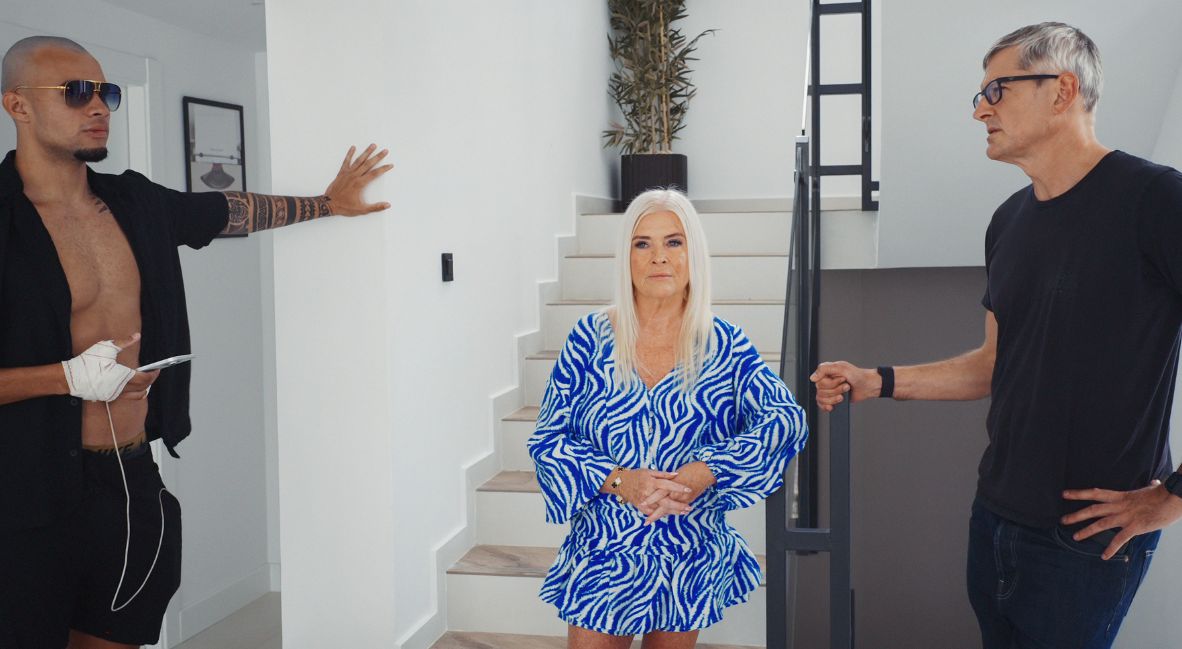
Much of Peters’ content encourages his audience to alter their appearances through dangerous methods like bone smashing, starvation, steroids, and other harmful substances to maximize their looks. Unfortunately, this only further worsens male body image, self-esteem, and mental health.
Now more than ever, children and young adults are exposed to extreme online content daily at alarming rates. Social media algorithms regularly amplify and thrive on manosphere content because it drives high engagement. This type of controversial content that regularly pushes hateful, misogynistic, and anti-feminist views on masculinity is pumped right into the feeds of young, impressionable users, even when they aren’t looking for it directly. The amplification of manosphere content to these users fuels radicalization.
As more boys and men become radicalized through the manosphere, these harmful ideas are becoming more normalized. As toxic ideologies grow more popular, the need for alternative, more positive representations of masculinity is not just important; it is necessary. This is where the One Piece live-action adaptation offers a compelling counterpoint through Taz Skylar’s depiction of Sanji.
Sanji’s evolution over the years.

Over the years, Sanji has become one of the most popular and beloved characters in One Piece. The Straw Hat Pirate’s chef is known for his love of cooking, loyalty, deep dedication to chivalry, and his obsessive love for women. Like many characters in early ‘90s and ‘00s anime series, Sanji’s portrayal has a few flaws, most notably in the aforementioned exaggerated perverted character trope.
When Sanji was originally introduced in the Baratie Arc, he was portrayed as a charming, flirtatious young man who was very popular with women. As the series progresses, Sanji’s character becomes more entrenched in the pervy or perverted character tropes that frequently rely on the gag humor rooted in excessive flirting, objectification, and exaggerated attention and antics towards women.
These moments are used for comedic relief, but unfortunately, the pervy character trope doesn’t age well and can sometimes undermine the more meaningful aspects of Sanji’s character. This results in a deeply complex and multifaceted character being reduced to an outdated trope. Sanji’s earlier portrayal in the series as a comedic-relief pervert also highlights a larger trend in anime of the era. Characters like Master Roshi have normalized perverted antics to blur the lines between flirtation and love for women to serve as comedic gags.
From the pervy character trope to tragic hero.
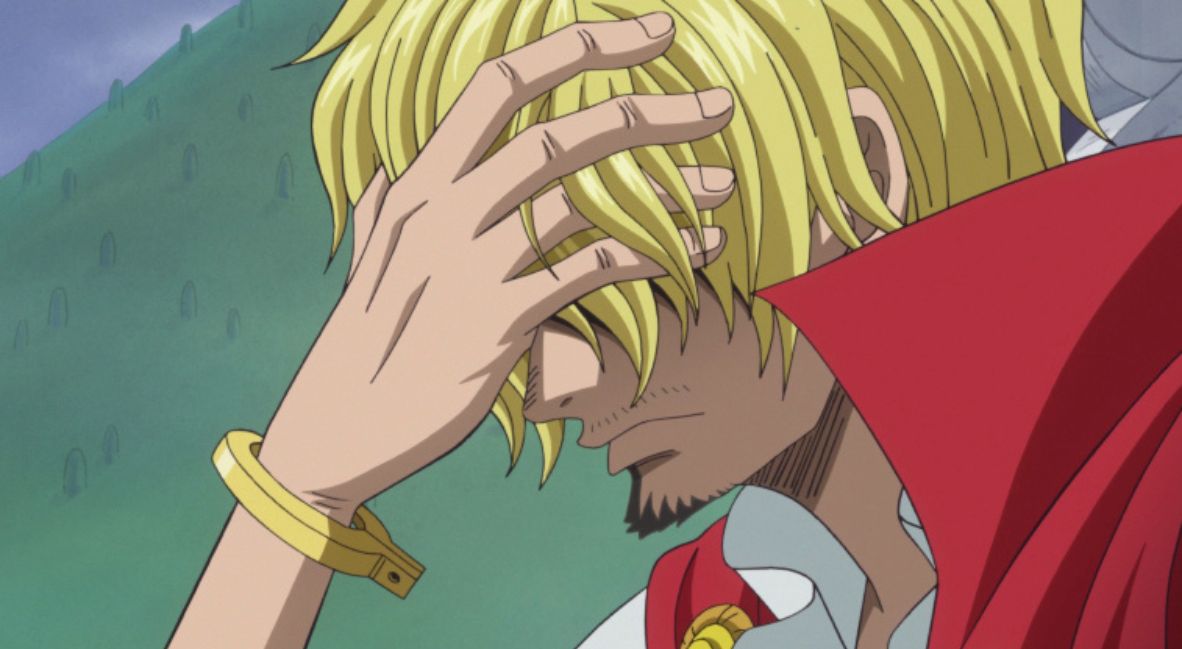
Still, in modern times, these antics, especially when adapted for live action, cross the line into harassment. Granted, Sanji has never gone to the same lengths as Master Roshi and Happosai, but there have been moments in the earlier episodes, like in the Thriller Bark Arc, where Sanji suggests he wishes he could be invisible to peek at women secretly.
Although Sanji’s character has had some flaws and tropes that did not age well, the series has shown that there is still more to him than his obsession with women. Many fans over the years have come to love and appreciate Sanji for his core values, such as loyalty, emotional depth, chivalry, and morality. The Whole Cake Island Arc specifically provided Sanji with much-needed depth and development, shedding light on these aspects of his character and what drives his love and respect for women.
Today’s media landscape is riddled with harmful ideas about sex, relationships, and masculinity. Pervy characters, regardless of their intended use as comedic relief, just do not age well and risk reinforcing negative behaviors and attitudes that do not always translate well from one medium to another, especially in the One Piece live-action.
Taz Skylar’s Sanji offers a refreshing perspective on the beloved character.
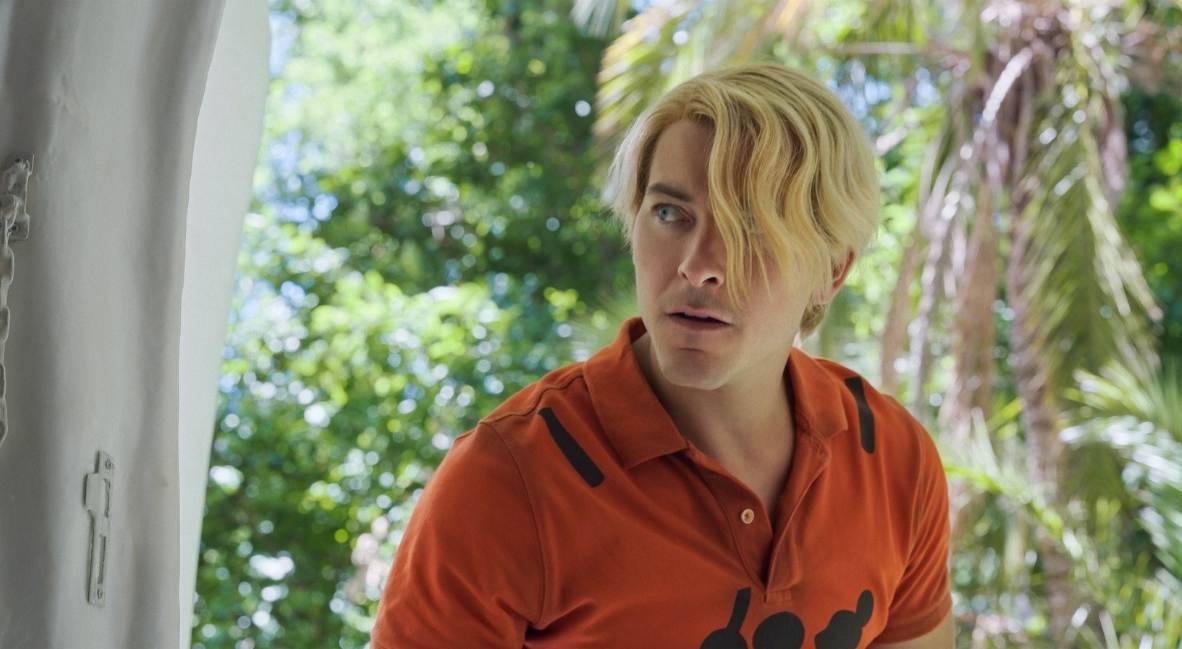
Several fans noted that Skylar’s portrayal of Sanji featured a shift away from the character’s perverted, overly flirtatious nature towards women in the latest season of One Piece. There has been a mixed reception amongst fans online regarding the alterations to Sanji’s portrayal.
Some fans commended Skylar’s performance and the live-action changes to make the character more grounded in the new adaptation. In contrast, other fans felt that the live-action’s decision to tone down unwarranted flirting or perverted antics towards women lacked some of the character’s comedic qualities.
Skylar, in interviews, has said that his goal for his performance was to ensure Sanji was grounded in respect, emotional awareness, and genuine admiration for women, which is the cornerstone of Sanji’s character. In the series, two of the most influential figures in his life are his mother and sister. Both were the first people to show Sanji genuine kindness and love, which plays a big role in how he respects and cherishes women.
The live-action changes, along with Skylar’s performance, help make Sanji’s flirtatious and charming nature feel more respectful and intentional, rather than intrusive and creepy. Skylar’s portrayal of Sanji brings a quiet confidence that is not built on control or dominance. Most notably, fans may notice that Sanji in the live action is not as head-over-heels for Nami (Emily Rudd) as he is in the source material.
Instead, Sanji is affectionate, listens, and can be vulnerable without hesitation. Sanji and Nami’s interactions are more focused on their bond and on each other as crewmates than on Sanji’s affections for her. Thus, showcasing the character’s emotional intelligence and depth. By removing the outdated over-the-top gags and tropes, the live action allows Sanji’s central morals and qualities to shine through.
Why this matters right now.
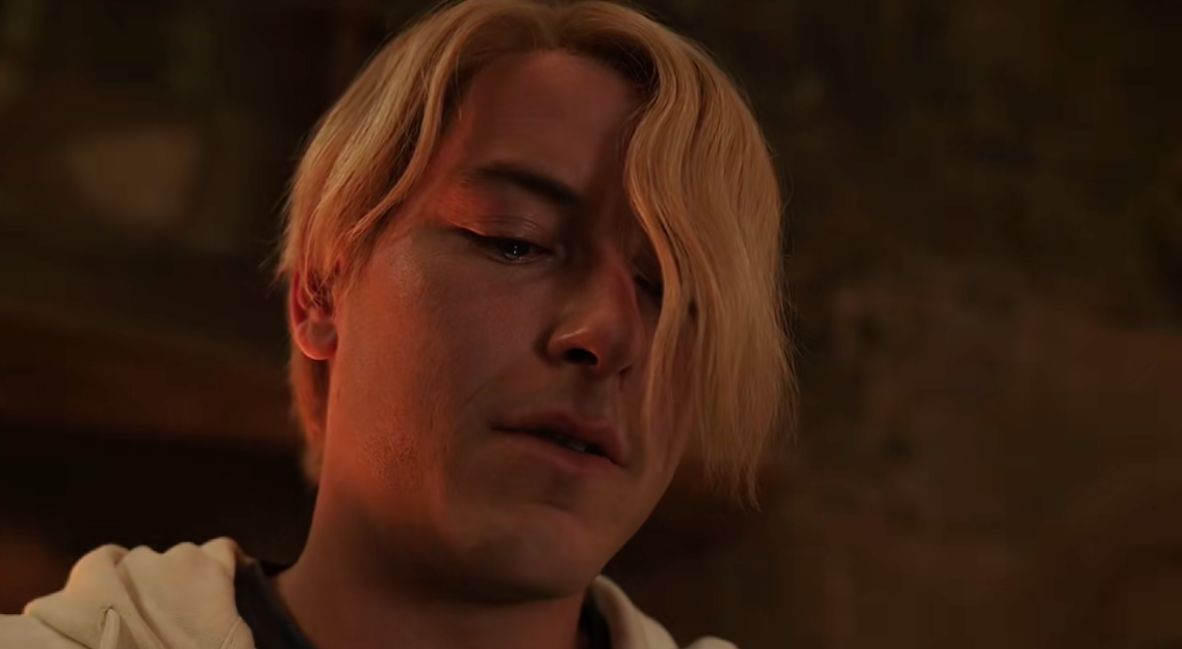
In a time where impressionable boys and men are increasingly exposed to content that equates masculinity with dominance, detachment, and emotional suppression, characters like Sanji offer something radically different. A character like Sanji helps to expand the definition of what it means to be a man.
Sanji proves that masculinity does not have to be rooted in power or aggression to be strong. Sanji’s version of masculinity can be expressed through empathy, care, and emotional intelligence, qualities that are often dismissed or shamed in the very spaces that claim to teach boys and men how to be successful in life.
Fictional characters, like real-life influencers in the manosphere, can either help or harm how audiences understand relationships, self-worth, and their own identity. In this way, One Piece’s live-action adaptation does more than update and ground a beloved character; it provides a necessary counter-narrative. At a time when the manosphere continues to influence how masculinity is defined, Sanji stands as a testament that strength and softness are not opposing traits but complements.
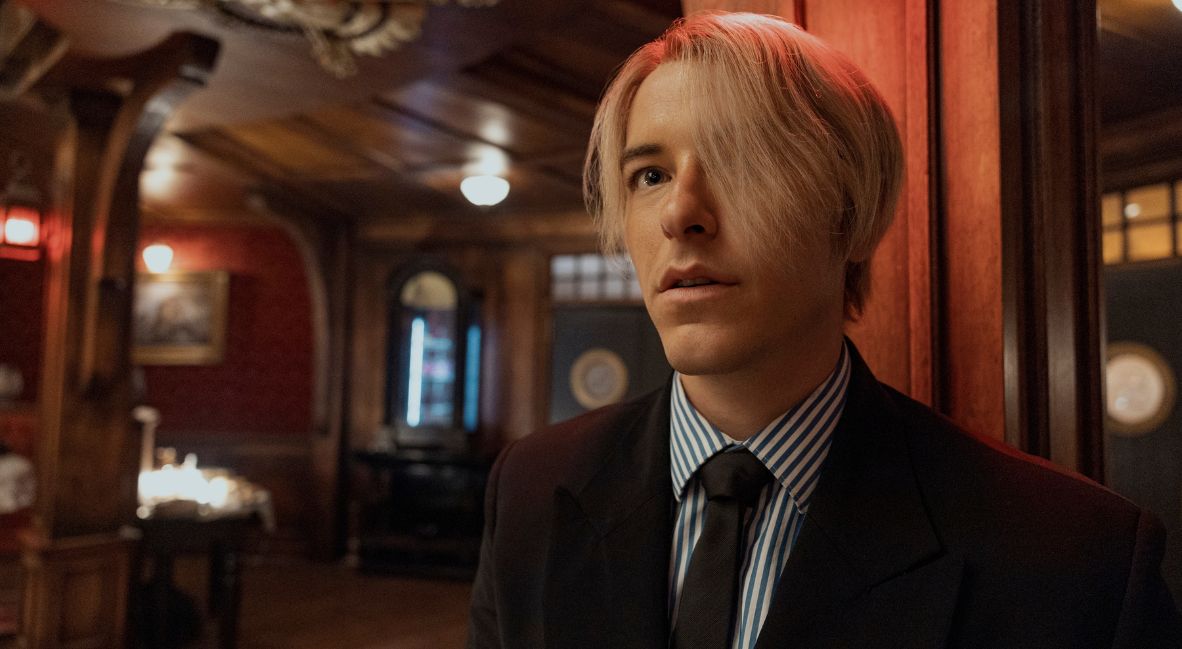
As Manosphere pulls back the curtain on the systems profiting from male loneliness and insecurity, it also highlights a deeper cultural gap, one where impressionable male audiences are searching for identity in places that often exploit them rather than support them. In the manosphere vacuum, a healthy representation of men and masculinity is important now more than ever.
Characters like Sanji, as reimagined in the live-action, offer a much-needed alternative representation of masculinity deeply rooted in empathy, chivalry, admiration, and emotional depth. Sanji is an important reminder that masculinity need not be rigid or unchanging.
Masculinity can improve and adapt to reflect updated values. At a time when harmful ideologies are gaining traction, One Piece poignantly makes the case that being a good man isn’t about power, wealth, or fame; it’s about being in touch with one’s feelings, caring for, and showing up for others.
Check out the live-action Sanji in One Piece Season 1 and 2, streaming now exclusively on Netflix.