Spider-Noir, the live-action spin-off series inspired by Marvel’s Spider-Noir comics and character from the Spider-verse franchise, delivers a detective noir thriller developed by Oren Uziel and Steve Lightfoot. The limited series, produced by Amazon, MGM Studios, and Sony Pictures, is directed by Harry Bradbeer with Nicolas Cage reprising the role of The Spider and first-time portraying The Spider’s alter ego, Ben Reilly.
In addition to Cage the cast features Lamorne Morris as Robbie Robertson the freelance reporter and trust friend to Reilly, Karen Rodriguez as Janet Ruiz Reilly’s secretary, friend and junior detective, Li Jun Li portrays Cat Hardy, the femme fatale lounge singer, Abraham Popoola as Lonnie Lincoln, Jack Huston as Flint Marko, Andrew Lewis Caldwell as Dirk Leydon, and Brendan Gleeson as the crime mob boss Silvio Manfredi/Silvermane.
Spider-Noir is set in a grim alternate version of 1930s New York City. Ben Reilly, a down-on-his-luck private detective, retires from his web-slinging days after suffering a deep loss. Now, with The Spider nowhere to be found, the city is being run rampant with crime. What first seems like a few straightforward crimes quickly leads Ben and his friends onto a bigger conspiracy involving mobsters, super-powered monsters, and a mysterious femme fatale that will bring him face-to-face with his life as New York’s only superhero, The Spider.
Spider-Noir reimagines the character for a whole new story.
The showrunners take a different approach to the spin-off series. Instead of telling a direct, comic-accurate adaptation of the Spider-Noir series, the show draws inspiration from the comic’s storyline and various characters from the universe to reimagine The Spider in a new original story.
Although these changes to the story might confuse some fans who are familiar with the source material and are expecting to see a show featuring Peter Parker as Spider-Man, the showrunners cleverly draw on Spider-Man universe knowledge to create a fresh new story while still paying homage to the vast and rich lore of Spider-Man.
For example, in Spider Noir, the Spider’s secret identity is Ben Reilly instead of Peter Parker. In the original comic series, the story follows Peter Parker as he wages war on the criminal underworld to avenge his Uncle Ben’s murder. In comparison, the Spider-Noir show opts to use Ben Reilly as the main character with a different backstory and origin than the source material.
The creative team gets the chance to build out the lore beyond Peter Parker.
Some Spider-Man fans may recognize Ben Reilly’s name from Marvel comics as the clone of Peter Parker, who adopted it as his own identity and later became the Scarlet Spider in various iterations. Reilly is not the only Spider-Man character from the comics to appear in this series. Other characters, like Silvermane and Robbie Robertson, are existing characters from across the Spider-Man universe.
As far as what has been shown this season, this version of Ben Reilly is not a clone of Peter Parker, which allows the series a lot more opportunity to tell their own original story. Using Ben Reilly as The Spider, the show does not have to retell Peter Parker’s story, allowing the creative team to build out the lore and characters and explore familiar themes from a new perspective, with nuance, in a way that feels neither predictable nor overdone.
One of the most resonant themes across Spider-Man projects is responsibility and power. Honestly, I’m not sure whether we needed to see another iteration of Uncle Ben dying and telling Peter, “With great power comes great responsibility.” Uncle Ben’s words have always resonated deeply with Peter and motivated him to continue to do the work as The Spider.
Nicolas Cage is at his very best in his dual performance as Ben Reilly and The Spider.
However, in Ben’s case, he no longer wants to be burdened with the responsibility of his powers. He just wants to be himself, not The Spider. In actuality, it feels like he holds resentment for that part of him that is The Spider. Seeing that existential struggle from his perspective is an interesting angle for the show to explore.
It is not that we haven’t seen Spider-Man universe characters struggle with bearing the weight of their powers and the responsibilities that come with them. However, this story explores those themes as Ben struggled with depression, burnout, and pessimism in a world where hope is scarce.
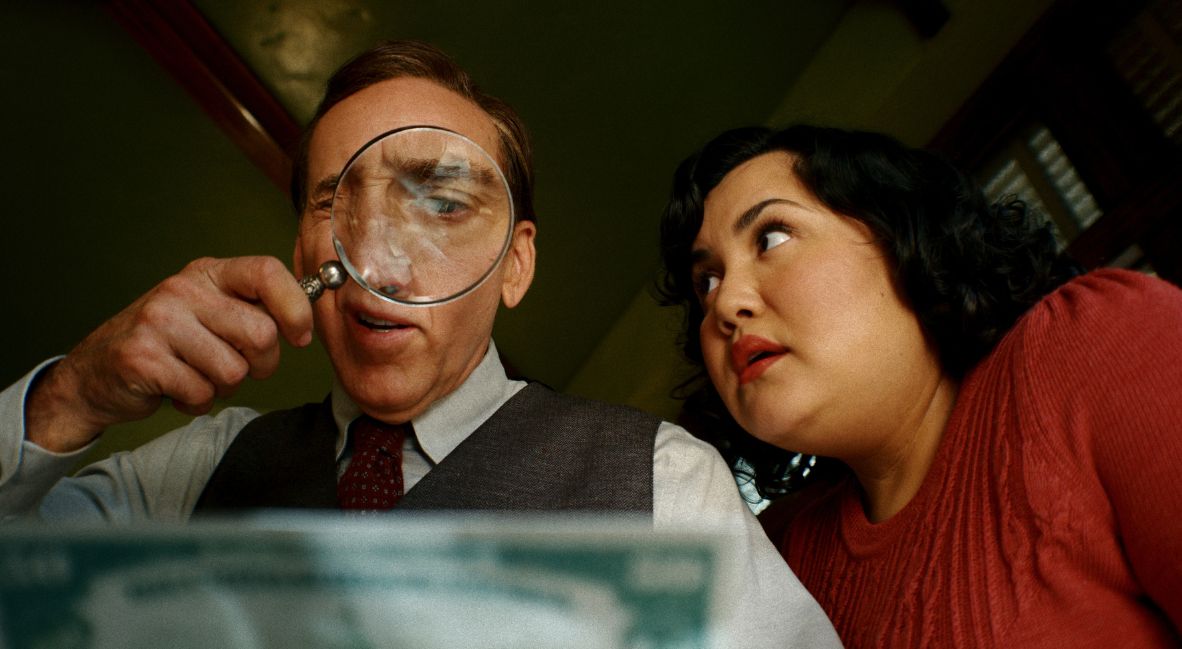
Cage might just be at his best in Spider-Noir. This role was made especially for him, as he seamlessly plays the dual role of Reilly and The Spider to perfection. Cage’s acting range shines as he understands how to convey his character’s personality, attitude, and emotions. From erratic ticks and facial expressions, wise-cracking one-liners, to the vulnerable monologues that show the cracks beneath his character’s hardened exterior. Every word from his mouth and action is used to bring this version of the character to life.
Performances from Lamorne Morris and Li Jun Li elevate the series.
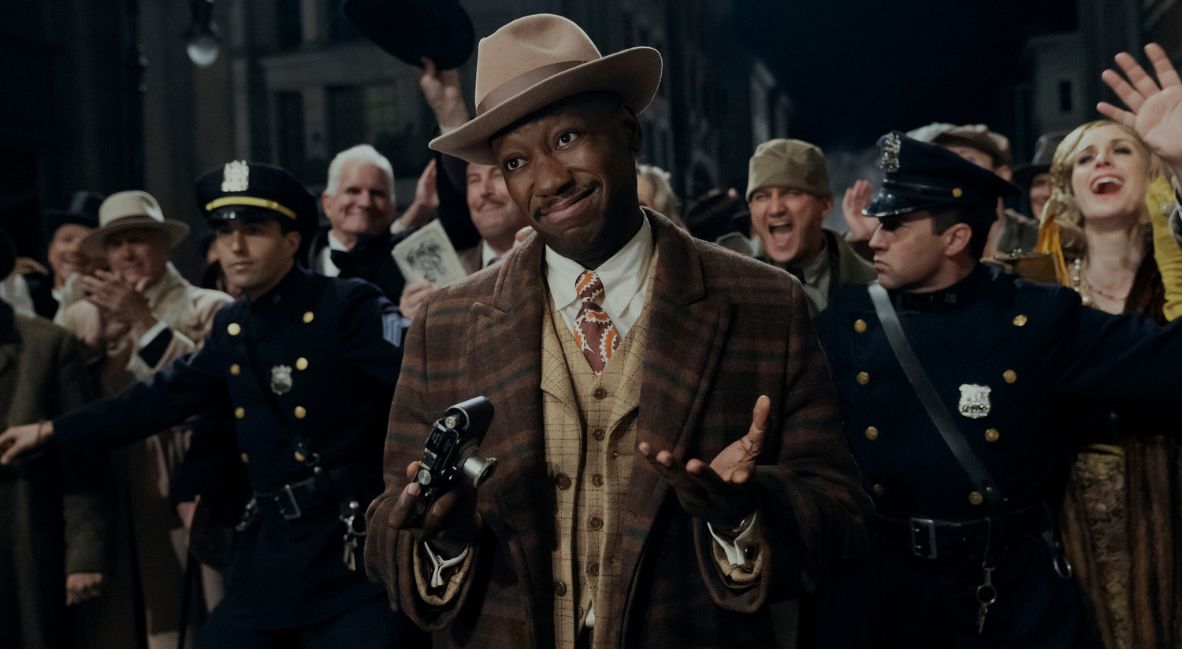
Strong, noteworthy performances from Lamorne Morris and Li Jun Li. Brendan Gleeson helps to flesh out the spectrum of morality in Spider-Noir. In this world, morality is never black and white, and these actors and their characters express positions on the morality spectrum.
For example, Morris’s character Robbie Robertson is clearly morally good. Robbie is a dedicated reporter who wants to tell stories that tell the whole story, not just the sensational spectacles and half-truths his editor wants to out. In contrast, Gleeson’s Silverman is at the other end of the morality spectrum, concerned only with maintaining a tight grip on wealth and power and not thinking twice about taking a life.
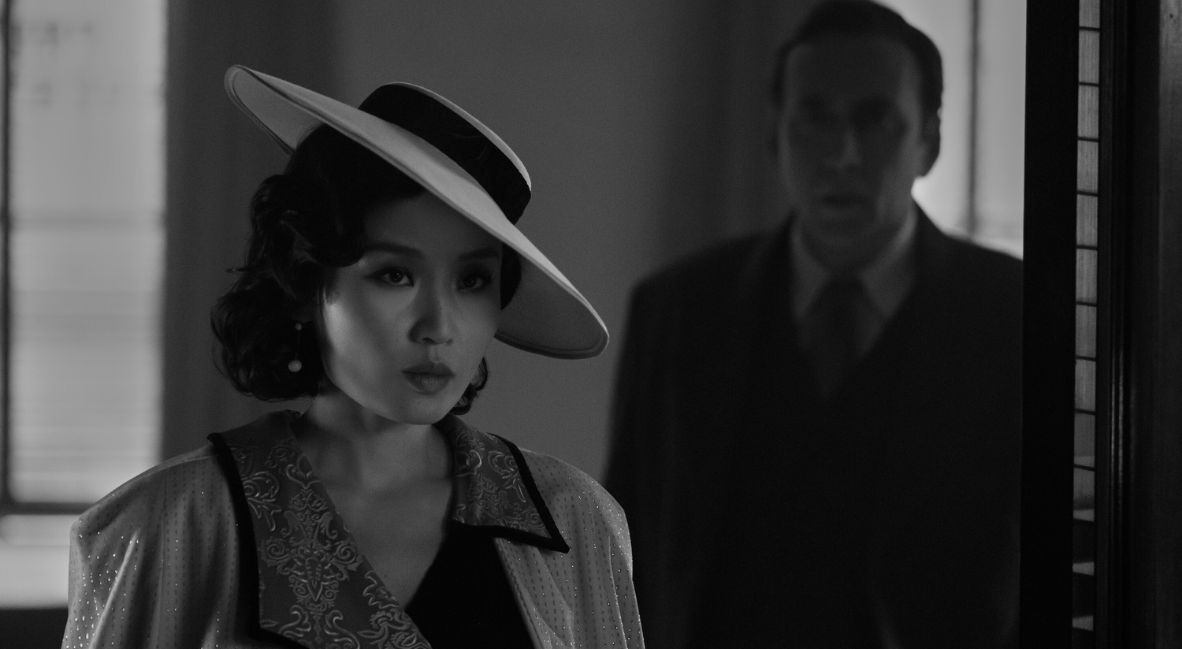
Lastly, Li Jun Li’s Cat Hardy is definitely the show’s morally grey femme fatale archetype. In true femme fatale fashion, Cat uses morally grey methods to put her own ambitions and motivations above those of others. However, her character is multilayered and is not completely heartless. Cat has genuine remorse over some of her decisions, but as an Asian woman in Depression-Era New York, she has to put her own motivations above others to survive.
Spider-Noir embraces its genre roots through styling and atmosphere.
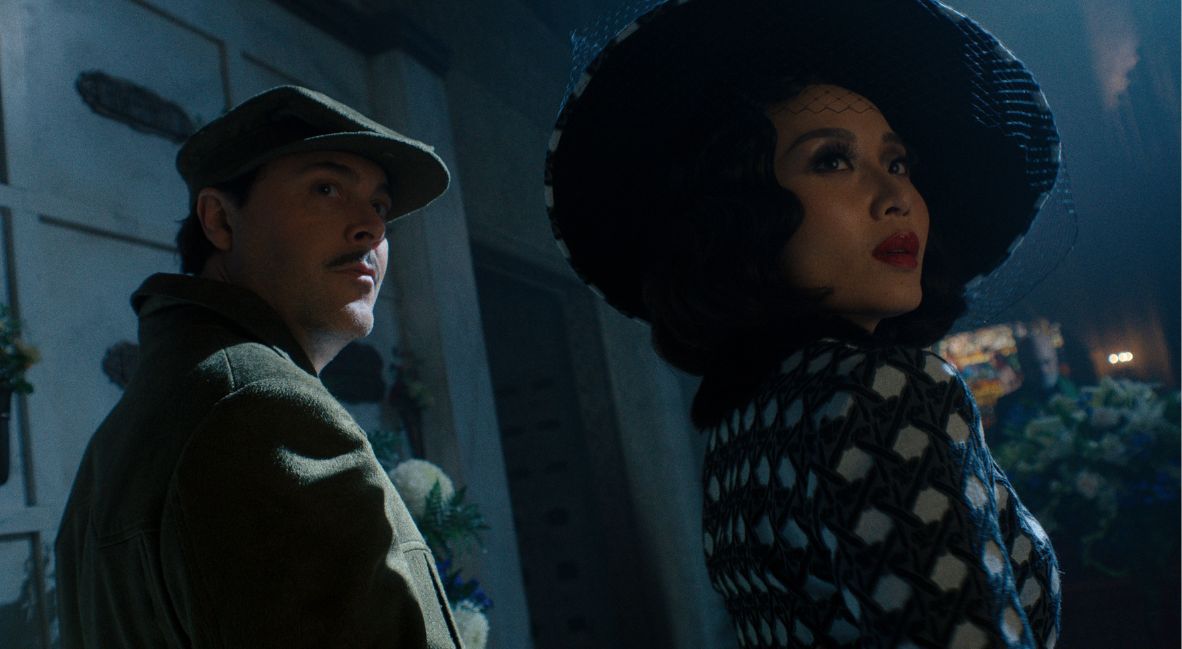
Otherwise, she could fall victim to powerful people and never have any true freedom or autonomy of her own. The show’s cast adds layers of intrigue by exploring how the morality and motivations of its characters contribute to a web of crime, corrupted political power, greed, relationships, and personal aspirations, building an interconnected, layered narrative.
Not to be remiss, Karen Rodriguez also provides the right mix of levity and purpose in her role. The show avoids relegating Janet, her character, to a one-dimensional role by having her be more than just a subservient secretary to Ben. Instead, it is clear that Janet is the one holding Ben’s agency together and keeps it running. The show doesn’t treat her as a mere background character; it lets her show off her own skills as an investigator in her own right.
Spider-Noir deeply embraces the traditions of the classic noir genre while also infusing a bit of modern flair for all audiences to enjoy. The show draws inspiration from noir storytelling methods and archetypes from the classic 1940s and 1950s, featuring morally gray characters, a crime-ridden metropolis, and a dark, pessimistic outlook on the world, especially by setting the story in the Depression Era and post-World War I.
The show works whether watching in black-and-white or in color.
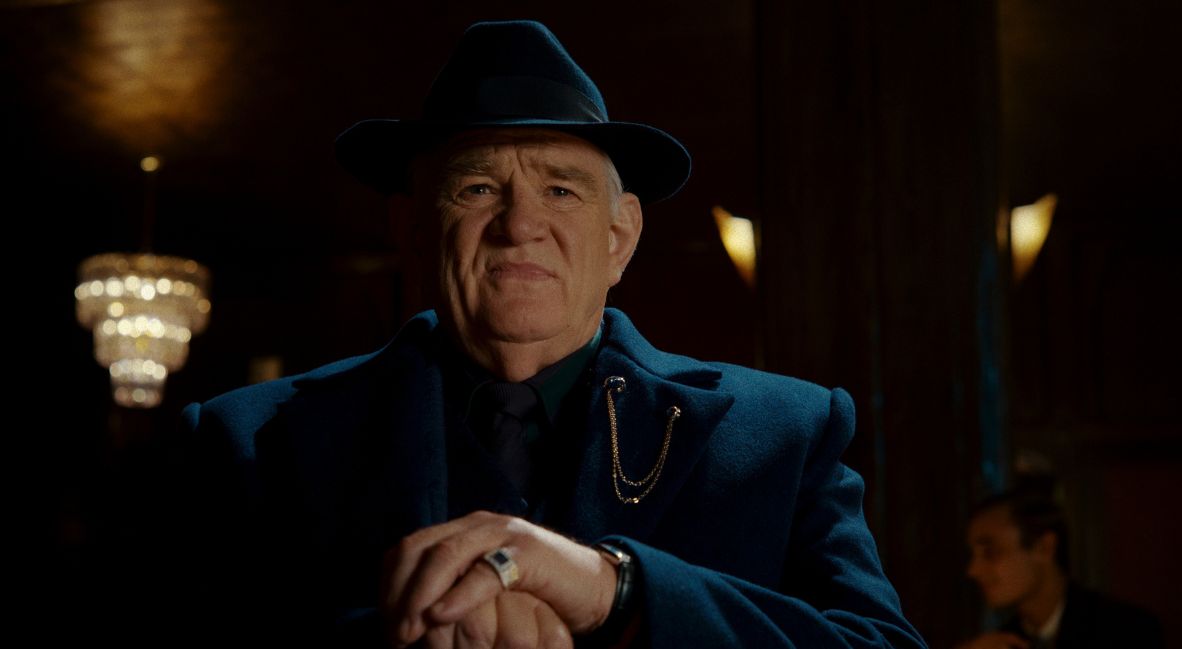
The Great Depression was one of the most difficult and depressing periods in American history. World War I veterans returned home to a country they put their lives on the line for, and many were living in destitution in Hoovervilles or, at the very least, struggling to hold on to the little they had. The show reflects this reality across its characters, adding a grounding element.
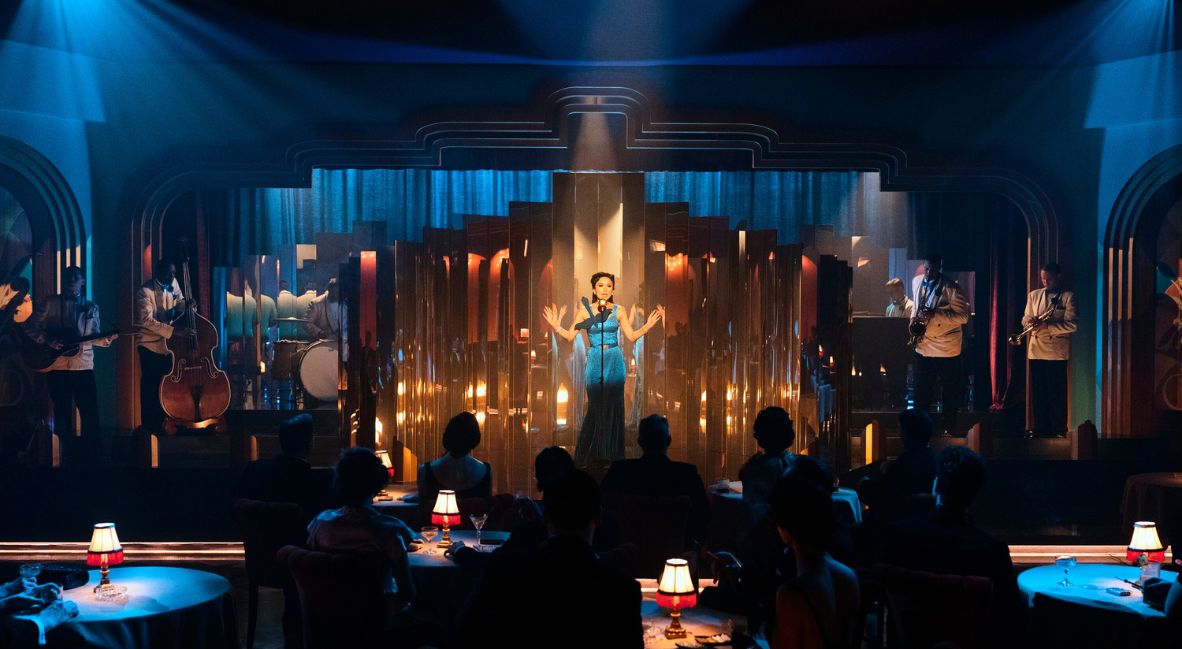
The Spider-Noir show’s camerawork, set, and costume design truly capture the classic noir aesthetic, whether viewed in black-and-white or in full color. Both versions of the show complement each other in different ways, yet are equally gratifying to watch in either style. For watchers who want to truly submerge themselves in classic noir storytelling, the black-and-white version is best.
In comparison, the full-color version might be more welcoming for younger audiences, as they may not like the old-fashioned style. The full-color version also allows the wardrobe design to really shine, reflecting each character’s various styles and moods through color.
Spider-Noir pays homage to the classics with thrilling results.

Everything from the wardrobe to the set design elevates the show’s production design, which makes it an engaging and entertaining experience from start to finish. Even amidst the dark and thrilling themes, the show balances them with moments of levity and humor. Offering two versions of Spider-Noir to watch is a brilliant move that lets viewers enjoy the show through whichever option suits their tastes best.
Spider-Noir is a thrilling and intriguing watch that pays homage to the noir genre to tell a slightly revised version of the Spider-Noir character. The performances, storytelling, wardrobe, and set design all lean into noir storytelling while also incorporating elements and themes familiar to the Spider-Man mythos, presented through a reimagined lens.
Spider-Noir premieres exclusively on Amazon Prime Video on May 27.
Spider-Noir
-
Rating - 7.5/107.5/10
TL;DR
Spider-Noir is a thrilling and intriguing watch that pays homage to the noir genre to tell a slightly revised version of the Spider-Noir character.