


Where the ocean meets land, a beach shifts constantly with the ebb and flow of the waves. The daily changes to the coast are almost imperceptible, but over a few decades or centuries, the small changes can turn familiar sand and surf into something entirely new. In the narrative adventure game Tides of Tomorrow, by developer Digixart, players can make decisions that affect not only their own story but also the stories of people who follow in their footsteps, which, in turn, affects their followers down the line.
The THQ Nordic-published game has its shortcomings, but Tides of Tomorrow tells an exciting story through an innovative lens. It prompts players to think beyond themselves and their own stories.
As a fabled Tidewalker, players are set loose upon an Earth-like planet that became flooded in the wake of an ecological disaster. Armed only with a plastic-induced sickness known as Plastemia and the ability to view the actions of another player through visions, players must seek out treatment.
Every choice matters in Tides of Tomorrow from developer Digixart.
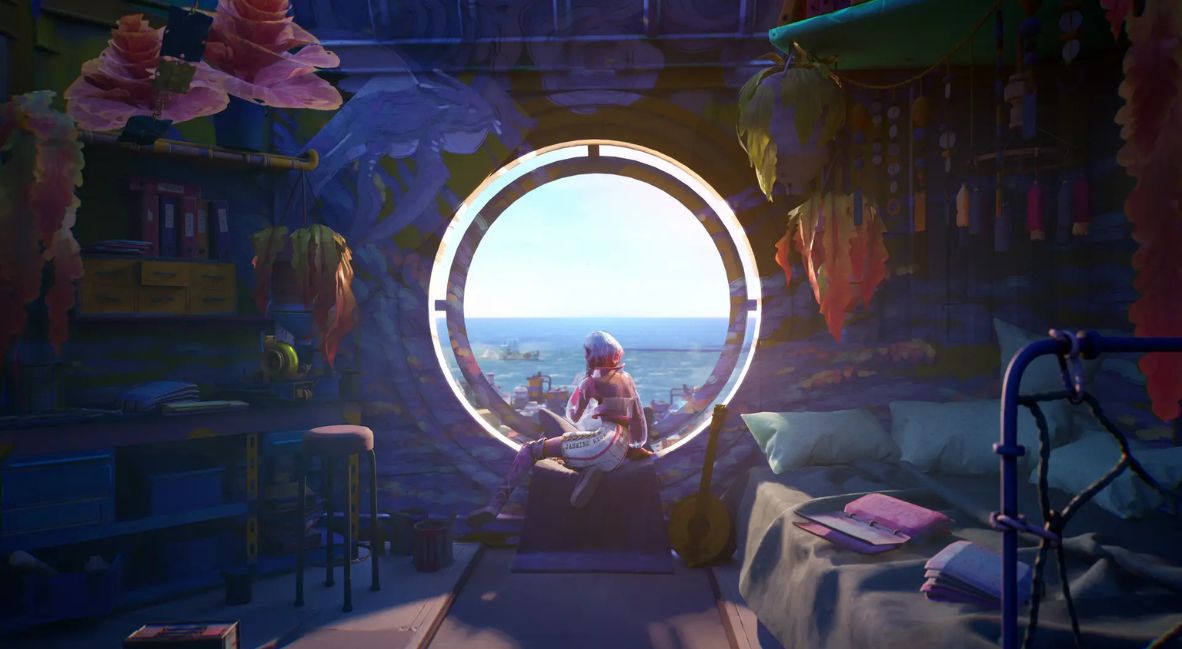
This thrusts players into the politics of a dying world, forcing them to make decisions that will affect them, the world around them, and the world they leave behind for future players. The first decision players will make in Tides of Tomorrow is who to follow, a choice that can be altered later on, but that sets the tone for your first outing.
The person who rescues you may revere Tidewalkers, but the Tidewalker you choose to follow might ruin your reputation before you have a chance to build one. Every player makes choices that build reputation in one of five traits. Do you want to ensure you survive, no matter the cost? Or maybe you want to fight for nature, stopping the exploitation of the world’s rapidly diminishing natural resources.
Many of the people living on the world’s floating settlements are sick or impoverished, prompting some Tidewalkers to become champions of the people. Even the way you treat other Tidewalkers can earn you a reputation as a team player. Of course, some people prefer throwing a wrench into the machine, causing chaos at every opportunity. All of these traits are independent of each other, allowing players to build a reputation, visible to other Tidewalkers, that really feels earned.
The decisions you make influence how you exist within the world.
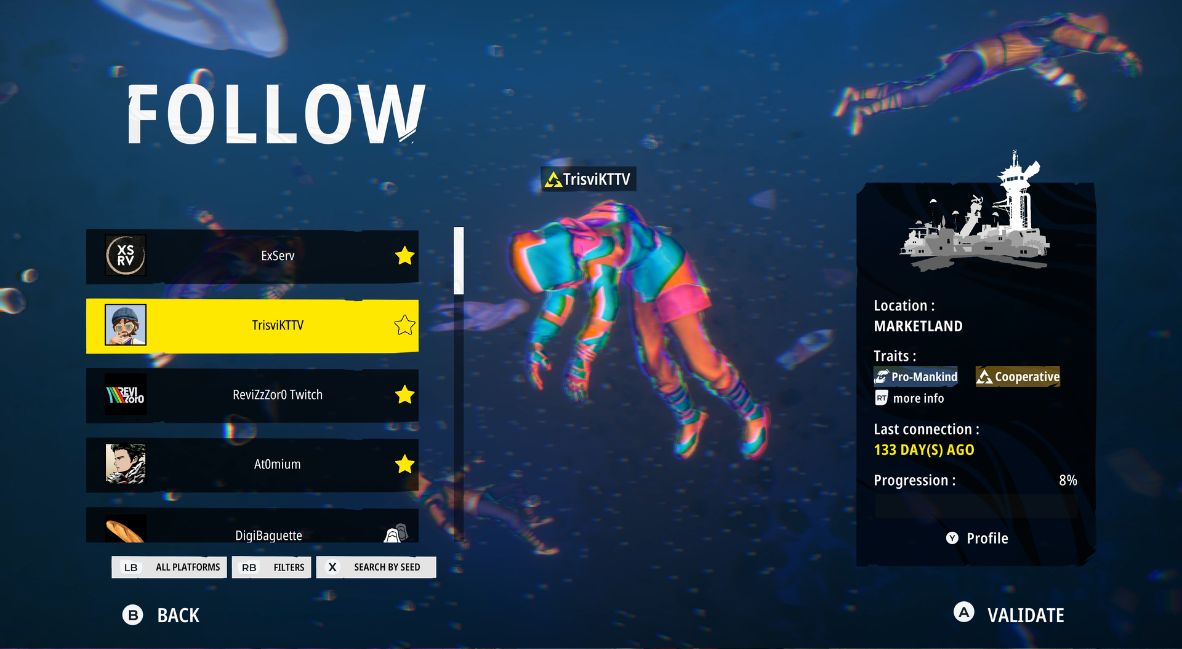
This reputation affects how you interact with the world, but it may also determine who chooses to follow you in the first place. It can be fun to follow someone with Survivalist and Troublemaker traits, someone who prioritizes their own survival and likes causing mischief. Still, denizens of the world may be wary of dealing with you after their last run-in with a Tidewalker. You’re also less likely to find supplies in the stashes scattered throughout the area, making it harder for you to survive.
On the other hand, it can be tough to raise a reputation as a selfless Tidewalker who gives as much as they can, but it will make the journey a little easier for the people who choose to follow you. Each of these decisions makes your time with Tides of Tomorrow feel like a unique path, even making a second playthrough feel like a new experience.
Shortly after being rescued, players are set loose on a settlement to seek out some medicine that restores the health they lose after each trip. By the end of the trip, they’ll be plunged into the politics of this dying world, bringing several competing factions to the forefront, along with the characters that are tied to them.
The adventure game puts a twist on typical morality-based narratives.

Tides of Tomorrow does a great job of presenting these characters as complex people with complicated relationships among themselves and with the factions. This, combined with the reputation traits, makes it easier to base decisions on how the player feels rather than choosing the ‘good’ or ‘evil’ path and sticking to it no matter what, as is often the case in games with morality-based decision-making.
Most importantly, each new friend (or enemy) brings with them the opportunity to set out on a new adventure, where players will seek out information that must be earned by winning a race, or a more laid-back trip that results in befriending a Mereid, the planet’s native sea life. These adventures see players exploring one of the floating cities where mankind clings to life, using visions of the Tidewalker they follow to gain an advantage or learn information otherwise out of reach.
For instance, following the vision of a Tidewalker can lead you to a hidden secret path into a locked-down stronghold. You can also use information learned from a vision to produce more dialogue options, like apologizing on behalf of the previous Tidewalker.
Despite definite highlights, certain elements fall flat.

After you’ve made it through the first few stages, you’re able to decide the order in which to handle future endeavors, or even ignore some entirely if you don’t have enough vitality to spare, raising the stakes when it comes to acquiring medicine.
While the premise in Tides of Tomorrow is innovative, some aspects of the game prevent it from shining. Most of the gameplay is spent talking to other characters, making voice acting and the actors’ performance a vital part of the experience. Unfortunately, these performances occasionally fall flat, turning an impassioned plea for help into an awkward request.
In a similar vein, the antagonists lack a feeling of menace, no matter how much aggressive music is playing whenever they’re around. The music has the opposite effect, making them seem like the villain of a Saturday morning cartoon with no actual stakes.
Tides of Tomorrow understands the power of its themes.
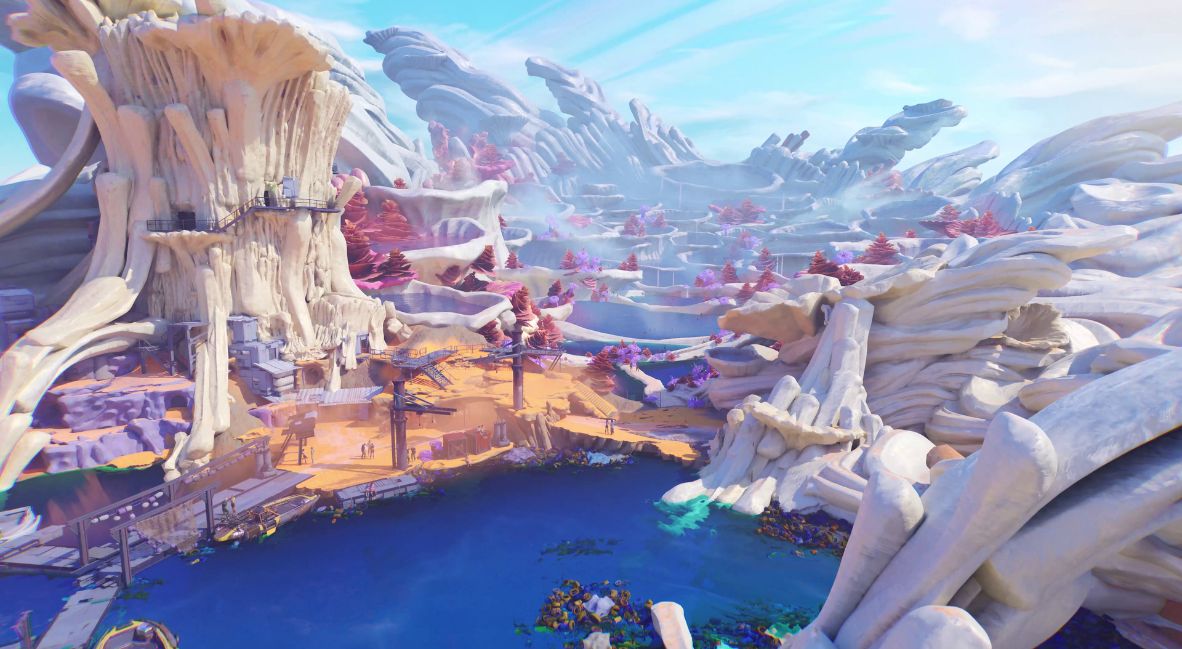
Players will spend most of their in-game time in Tides of Tomorrow exploring settlements and talking to characters, but between those segments, they’ll be driving their boat across the plastic-littered ocean. Occasionally, they’ll be forced into a naval battle, which consists of driving erratically to throw off the enemy’s aiming, and clicking whenever your lock-on symbol turns red.
These fights are so simplistic that they add very little substance or fun to the game. Instead, they’re an annoyance that must be dealt with before players can return to the fun part of the game. None of these issues deterred me from enjoying Tides of Tomorrow overall, but it definitely pulled me out of the experience every once in a while.
The greatest success of Tides of Tomorrow is its ability to express its themes so thoroughly through the story and gameplay. “Planting a tree whose shade you’ll never sit in” is a powerful and necessary mindset, both for the game and life in general. It’s hard to give up resources you need so that others have a better chance at survival, but it’s less difficult knowing you did your best to fix the mistakes of your predecessor, and you’re making the journey a little easier for the next person.
Tides of Tomorrow releases April 22, 2026 on PC, PlayStation 5, and Xbox Series X|S
Tides of Tomorrow
-
Rating - 8/108/10
TL;DR
Tides of Tomorrow tells an exciting story through an innovative lens. It prompts players to think beyond themselves and their own stories.