
The first leg of the Elbaph arc signals the bizarre in-between stage the One Piece anime is in. On the one hand, 22 seasons in, it has never looked better. Ever since Wano and, specifically, Luffy’s Gear 5 transformation, the anime, produced by Toei Animation, has consistently deployed kinetic animation that finally matches its contemporaries. In the manga, the Elbaph arc takes off on a sprint, relentlessly forcing us to keep pace as it further (somehow) expands the world, with shocking reveals, surprises, and lore drops that matter. So why on earth is the anime moving along with a frustrating Dressrosa clip?
For one, by the time the Straw Hat crew arrives at Elbaph, leaving behind them a decimated Egghead, the anime is gaining speed on the manga from creator Eiichiro Oda. That, coupled with the series’ decision to move to a seasonal release format after 25+ years of weekly releases, and the fact that each episode adapted a single chapter, drags some things out. And boy oh boy, it begins to fray at the edges.
Full disclosure, though, this is the first arc I’ve gone into completely caught up on the week-to-week releases of the manga. And considering the fevered, gluttonous binge I undertook with the previous 1000+ episodes (Dressrosa included – you learn how to speed through the OPs, the five minute recaps, and any scene with Rebecca quickly), there must be plenty of anime-only fans who watch each week now with the simple glee of something they love looking so much better.
Elbaph feels big but struggles under the weight of poor pacing.

But dip your toes into the manga, and you’ll quickly realize the pacing is different. Elbaph needs to feel monumental. This moment is nearly 1000 episodes in the making. From the first time our rough-around-the-edges crew meets the giants Dorry and Brogy in Little Garden, their story sets sail across the Grand Line, destined to end up on the island of giants to see where their new friends come from. On the heels of Egghead, where apocalyptic visions of the future wrought an impending sense of catastrophe, Elbaph, in comparison, initially felt like a return to the basics.
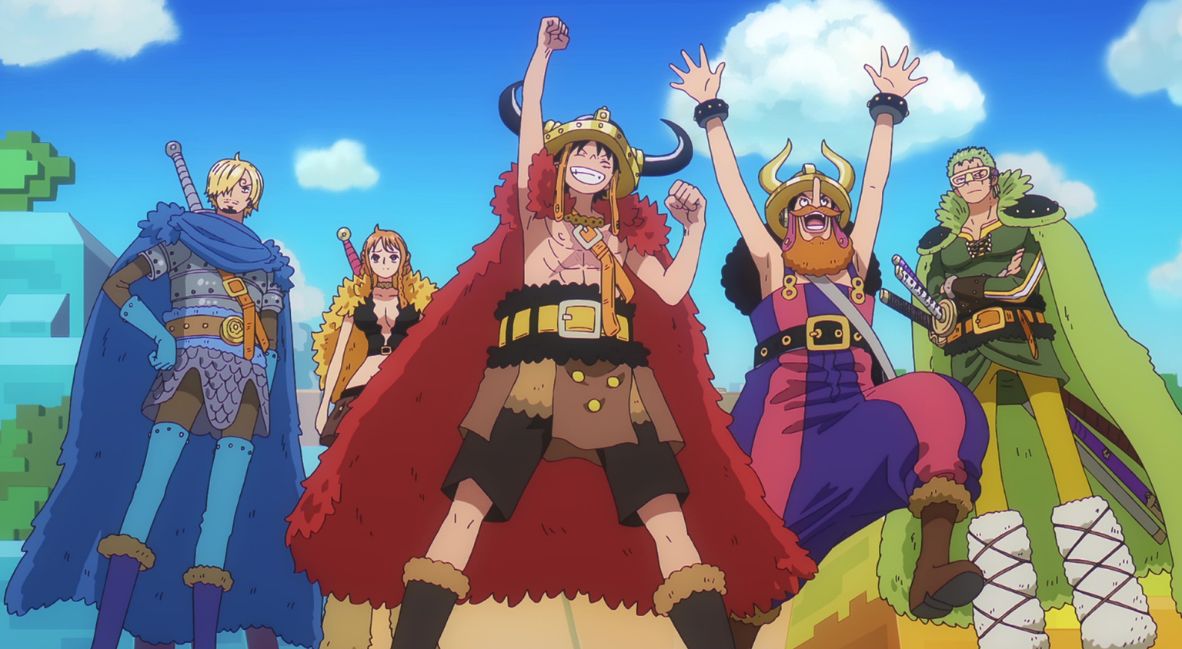
Sure, Luffy (Mayumi Tanaka) is an Emperor of the Sea, but these are adventures we know. And, in the first few episodes, by boiling down the focus to our core five in Luffy, Zoro (Kazuya Nakai), Nami (Akemi Okamura), Usopp (Kappei Yamaguchi), and Sanji (Hiroaki Hirata), the story adopts a back-to-basics mentality. Where, finally, we’re simply watching the unrepentant hijinks of a crew of ridiculous idiots thrust into serious situations. But through the sheer scale of the giants’ world, the emotional impact of seeing Saul and Robin reunite, and the introduction of Loki (Yuichi Nakamura), items from the past are given an epic lens.
And this is before even getting to the arrival of the Knights of God, Scopper Gaban (Toshiyuki Morikawa), Franky’s (Subaru Kimura) discovery of the Harley, the man who shares Shanks’s face, and Imu’s threat. Even in the introductory episodes of the arc, where there’s an expected lull, there’s so much going on.
One Piece returns us to our first crew members to set the stage for the ensuing mayhem.
Egghead just about launched itself into the main drama of the story, and Elbaph is proof that this is the pace the story is now keeping. We are, in whatever way it manifests, entering the endgame here, where every single moment matters.
At least, in the manga. It’s hard to pick up that same sense of urgency in the anime. One Piece has always enjoyed a more luxurious pace in how the story unfolds and, in the more egregious, budget-saving moments, has allowed the same shots of people running through panic-infested streets, or multiple angles of one reaction, to derail the plot. Elbaph, for all its stunning, high-impact sequences and chill-inducing narrative twists, struggles under the weight of the adaptation.
Removed from the source material, it still looks fantastic, even if it drags its heels to fit the seasonal release schedule. While the Blockland adventures run long (this is a theme), the series generates a genuine amount of anticipatory thrill in seeing this titanic world come to life.
Moments such as Loki’s introduction and Robin’s reunion with Saul hit the right notes.

The sheer scale of Loki as Luffy approaches heightens this effect, looming and threatening even while chained. And Yuichi Nakamura does wonders in bringing the character to life, equal parts dangerous as he is petulant.
He’s just one of the many characters who add unexpected texture to a story that is so all-encompassing. In a similar vein, that’s why Shamrock’s arrival is so jarring. He looks exactly like Shanks. And while some have long wondered whether Luffy’s hero worship is entirely earned, it makes his excitement at hearing he might be on the island even more palpable. And it makes the story more interesting when we realize they aren’t the same person at all.
The reunion between Saul (Takeshi Kusao) and Robin (Yuriko Yamaguchi) is emotional. However, it lacks impact because the final moments are drawn out, packaged more like a eulogy for Robin than a reunion with an old friend. And while not all of the new characters leave much of an impact, the introduction of Scopper Gaban is immaculate, and his being another crew member of the Pirate King adds a layer of worldbuilding, arriving at the right time in the story.
There are bigger elements here, such as the major worldbuilding hints in Franky’s discovery.
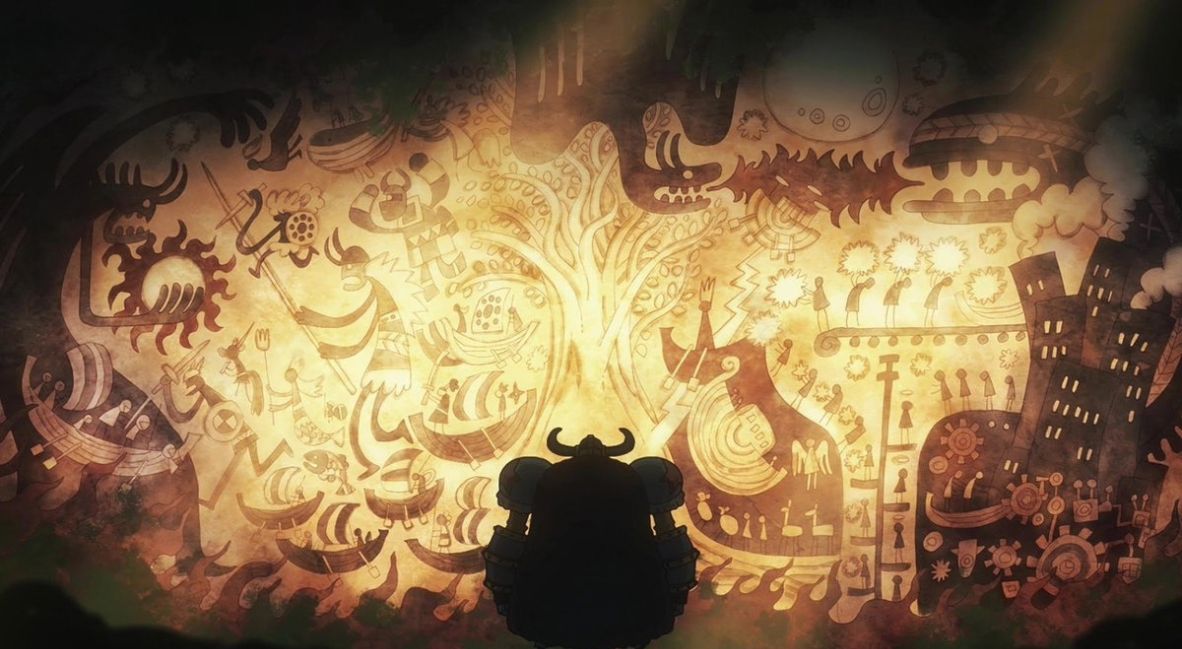
There’s something to be said, too, for how far-reaching this story is that a moment like Franky discovering the Harley can be moved on from so quickly. The single image is the source of myths and legends, a near-religious text of Elbaph that also acts as a tapestry of clues and what-ifs for the story.
In the single panel and the lines of text, there are allusions to the Void Century and the Great War, the death of Joy Boy, the arrival of Nika, and figures that harken to Emet, Loki, and Zunesha. This is a pivotal frame, but there’s so much going on it’s easy to forget its critical appearance.
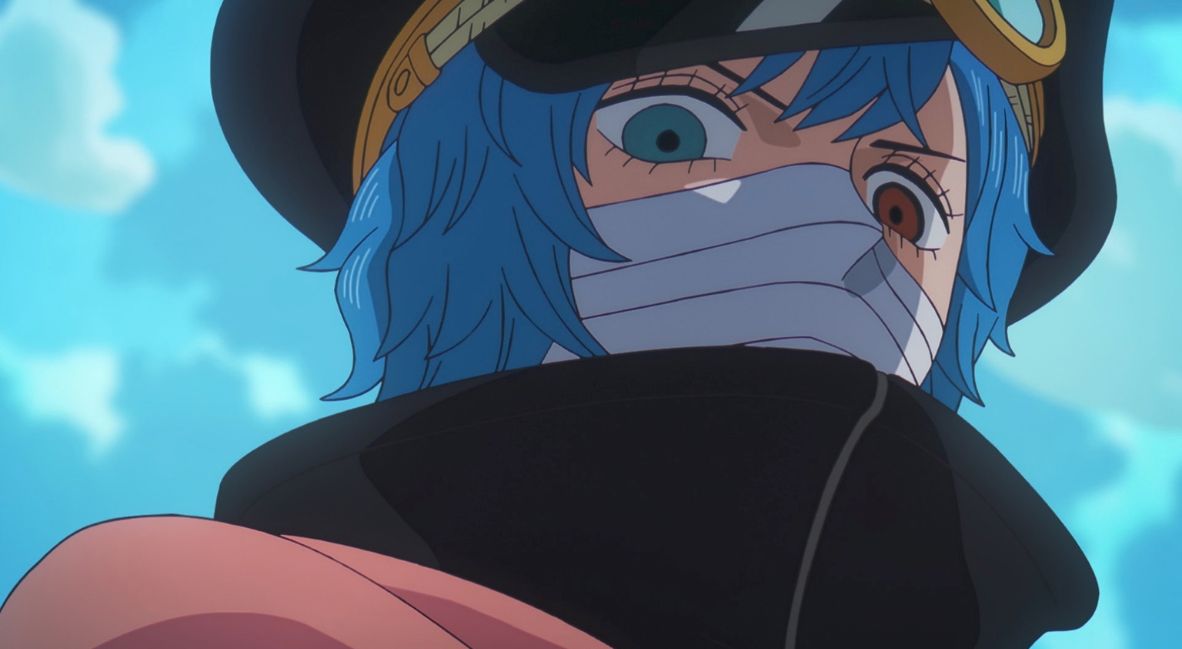
The real magic comes with the arrival of the Knights of God. They also bring some of the season’s lowest lows. As members of the Holy Land, Mary Geoise, and able to oversee the World Nobles, they are powerful and immediately repugnant. Rimoshifu Killingham (Shinnosuke Tachibana), Shepherd Sommers (Hiroki Yasumoto), and Manmayer Gunko (Sumire Uesaka) arrive at Elbaph to unleash hell, using violence and fear to force the giants to destroy their history and fall under their manipulation.
Even with the pacing issues, the Elbaph arc hits its high-impact moments with striking efficiency.
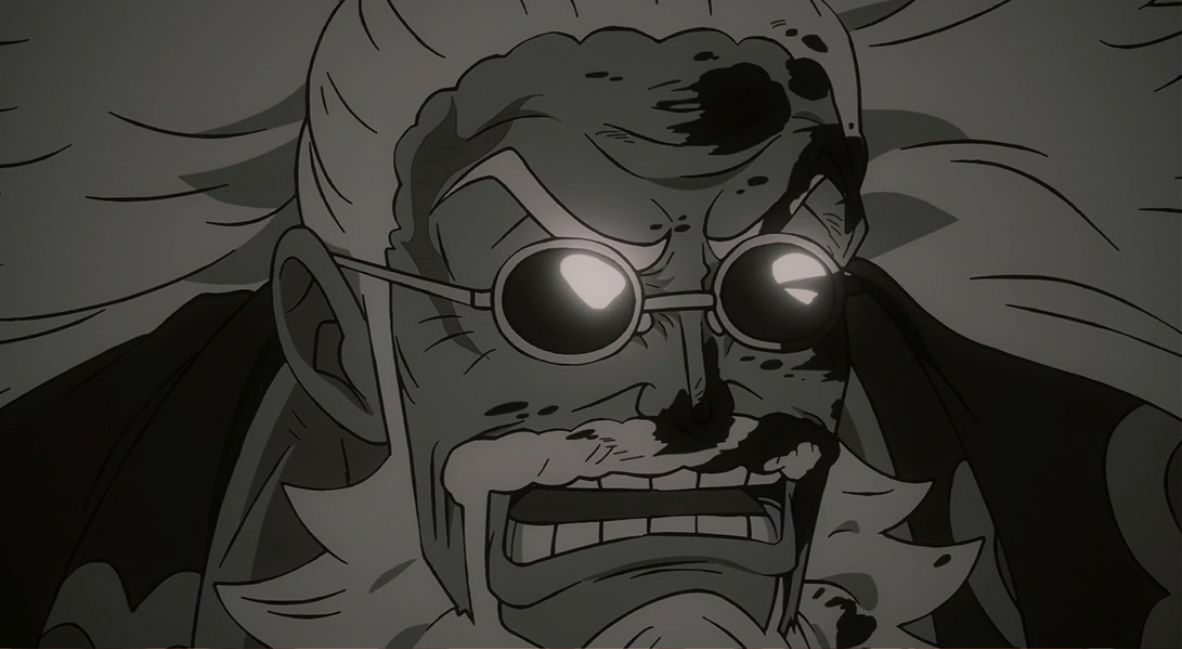
It’s such an effective premise, and One Piece continues to deliver on reprehensible antagonists. But so much of the impact is bogged down by the aforementioned pacing. The scene where Gaban races to save his son, Colon, before he sees a future where Gunko drives a sword through his neck? Brilliantly done and unflinching in the blood she’s willing to spill for her objective. The endless scenes of the children walking in a straight line, albeit to their doom, on the other hand? A snooze fest. It’s too repetitive, especially when the story itself is so high-stakes.
Other moments stand out and drive home both the epic scale and the incredible forces they’re up against, especially with Luffy, Zoro, and Sanji in the underworld with Loki as the attack begins. The nightmares that haunt the island, born from children’s drawings, are effectively brought to life, just different enough in shading and design to bring to life the wrongness of their presence.
Episodes such as “Get the Key! Luffy vs. Scopper Gaban” and the finale drive home the shift in artistic direction, prioritizing unusual backdrops, striking color contrasts, and transformative physicality to fill the screen. The transformation Brogy and Dorry undergo in the finale, in particular, is genuinely frightening in its effect. For a moment, they let the giants seem small under the thumb of someone all-powerful and featureless, cowering under the pain of the attack and the shock that someone might not yield under their force.
Luffy and Loki take a backseat as the Knights of God unleash horror and nightmarish visuals.
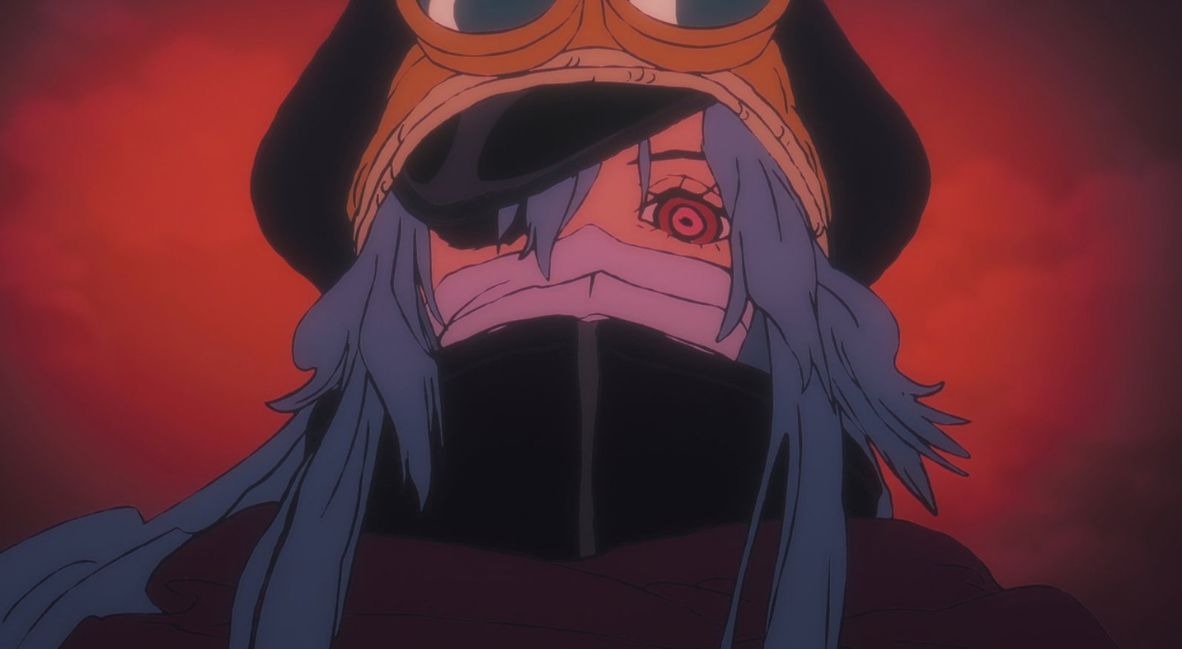
The direction is crucial, laying the groundwork of how the tone changes, the thrill changing into a real sense of trepidation, with shots that angle from the ground up to capture the thunderous, fiery impact of Gunko under Imu’s control.
This sequence is also powerful because, for the first time in ages, One Piece introduces new musical motifs. That shift is necessary, as the story is poised for major development: what we’ve come to know and expect is twisted into something uglier and more daunting. The rainbow-paved world of Elbaph is no longer present; the drunken celebratory tone is muted into something under siege, engulfed in flames, and Usopp’s wonder becomes immediate, sobering fear.
By the final notes of the finale, as Luffy feels the radiating power of Conqueror’s Haki, Elbaph shifts into high gear. This is what we’ve been waiting for. It takes too long to get there, and certain critical moments are threatened by pacing issues, but adrenaline hits at exactly the right moment. The length has never affected One Piece at its best.
Even when we expect the big shift in tone, even when we know the antagonists are going to fight dirty, the significant beats still land with startling effect. Chill-inducing, poorly paced, and laden with expansive, eye-opening worldbuilding, the first part of the Elbaph arc positions itself for ensuing narrative and visual wonder. This was a mere prologue.
One Piece is streaming now on Crunchyroll.
One Piece Season 22
-
Rating - 7/107/10
TL;DR
Chill-inducing, poorly paced, and laden with expansive, eye-opening worldbuilding, the first part of the Elbaph arc positions itself for ensuing narrative and visual wonder in One Piece. This was a mere prologue.