


For a promise of a better tomorrow for future generations, what would you be willing to sacrifice? For many emigrants in Southeast Asia from around 1860 until 1980, it meant separating from their families, with their only way to communicate being qiaopi letters, as seen in Lan Hongchun’s Dear You (Gěi ā mó de qíngshū, translated as Love Letters to Grandma). One miscommunication leads to a decades-long story built on heartbreak, but when the truth is revealed, it reminds us of the weight of these sacrifices and how vital community is, even when separated by nations.
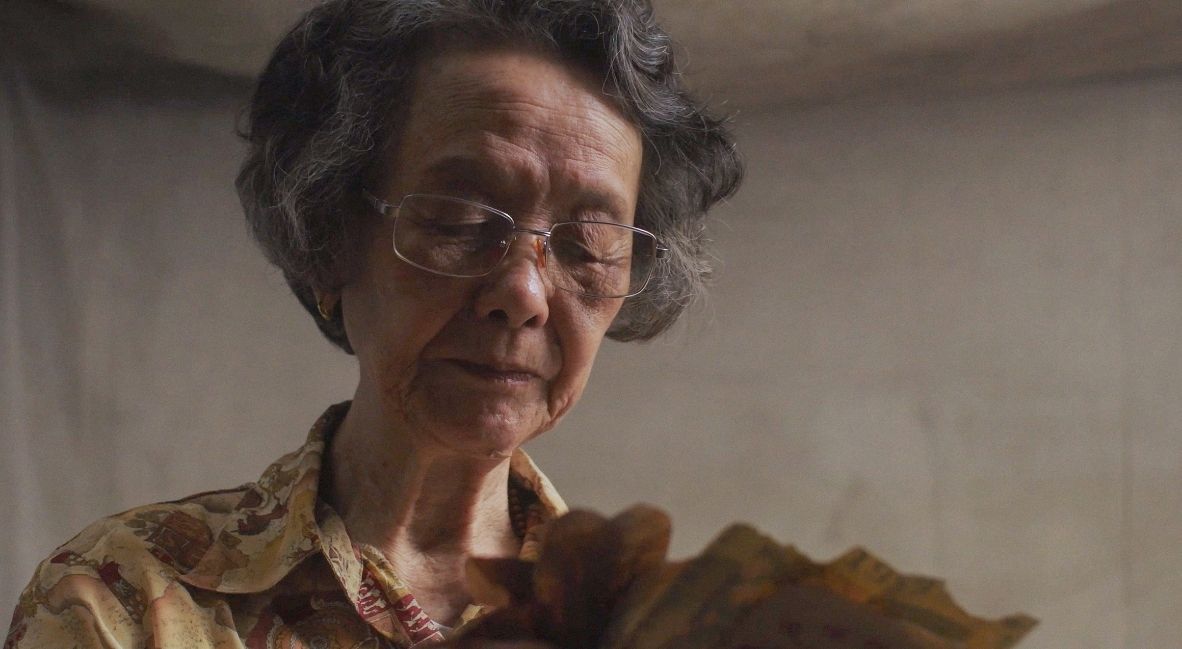
Dear You starts in present-day Swatow (also known as Shantou), Guangdong Province, Southern China. Up to his eyeballs in debt and generally flaky, Hiou-ui (Zheng Runqi) arrives at his Ama’s (Wu Shaoqing) birthday party flustered. Through his uncle, he learns of his long-lost grandfather, Den Bhagseng, who has been written off as having abandoned the family for a new one, and has allegedly become a wealthy man over in Thailand.
Hoping to make easy money to pay off his debts, Hiou-ui travels to Thailand with one of the qiaopi his grandmother received from his grandfather to find him. After a humorously fruitless search, what Hiou-ui ultimately finds is dismal, but it opens up a bigger mystery that Lan uses to propel the story back in time. Here, viewers meet Den Bhagseng (Wang Yantong) and the start of his love story with Sogriu (Wang Xiaohui), long before we meet her as Ama.
Dear You is not just a love story between two people, but a love letter to an entire community.
Their time together is brief. Bhagseng flees the country to avoid being drafted, leaving Sogriu and their three children behind. When he eventually settles in Thailand, he meets Zia Lamgi (Li Sitong), the daughter of a landlord, and while their relationship is tumultuous at first, they eventually become each other’s lifeline in different ways. Through this sojourn into the past in Dear You, the community comes to life within the confines of this hostel, paving the way for a heartfelt love letter to the Teochew diaspora.
This plays out in vignettes. From favors done between people to the exchange of food to setting up an illegal teaching space where kids (and Lamgi) learn hànzì (Chinese characters) and even just speaking Teochew, these are moments that help the community maintain their ties to their culture. And while there are some awkward, stilted performances in repeated confrontations with shady businessmen, one thing becomes crystal clear. In times of great hardship, this community can rise up to help one another when they need it most, and Lan shows viewers how, time and time again.
And perhaps, it can be argued that these moments in Dear You take away from the overarching mystery that needs to be solved in the present. However, without these moments, the film would lose its beating heart. As much as Dear You centers on a love story between two people that stands the test of time, the love fostered by a community that helps each other out plays a much larger role in the end and shows a different form of love. Without those layers, the story’s inevitable outcome would not hit the same way.
One man’s love carries a ripple effect felt throughout time.
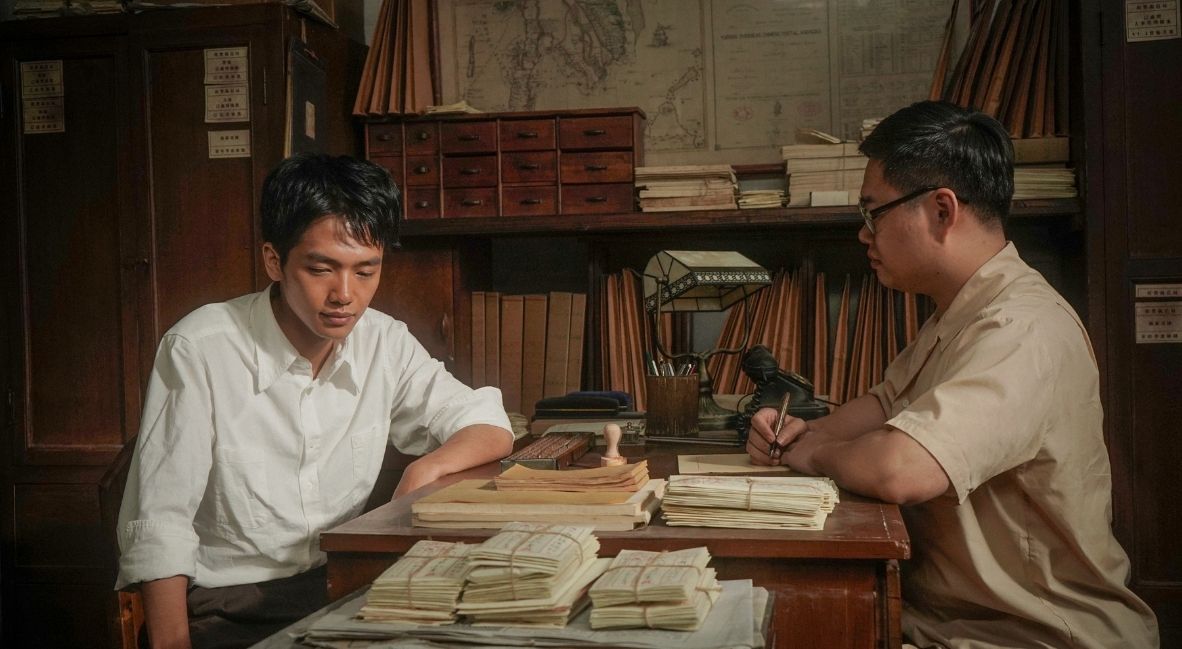
Wang Yantong brings Bhagseng to life in Dear You, crafting a man who is both earnest and explosive when faced with injustice. He’s not a perfect man by any means, but he is profoundly loyal, and his love for Sogriu is inspiring. Making her feature film debut, Li Sitong carries her Lamgi with a pride forged in fire. Never truly getting a chance to focus on herself, Li Sitong infuses her performance with a quiet strength that shows a woman who won’t break, but will bend to the changing circumstances around her to provide for her loved ones.
Unfortunately, because the past primarily focuses on a retelling centered on Bhagseng and Lamgi, the younger iteration of Sogriu is not given the freedom to develop beyond brief clips that focus on the letters received. One moment that belies her potential, if the screenplay allowed more time, is when she warns the village of thieves. This is more than just a mother; she is a protector—a fighter in her own way—given a more active role. Beyond that, the present-day iteration fills in the gaps with an insular performance from Wu Shaoqing.
What starts as more of a comedy in Dear You transitions into an emotionally heartfelt journey of rediscovery that captures the transformative nature of love in all its notes. Bhagseng’s love and loyalty are transformative, and his story showcases one of many sacrifices made by a community determined to support their own, no matter the cost. Using qiaopi as a lens for these weighty themes, Lan Hongchun delivers a powerful homage to the Teowchew diaspora and love itself in Dear You.
Dear You is now in theaters.
Dear You
-
Rating - 8.5/108.5/10
TL;DR
What starts as more of a comedy in Dear You transitions into an emotionally heartfelt journey of rediscovery that captures the transformative nature of love in all its notes.