


One of the biggest highlights from Summer Game Fest is the reveal of Resident Evil Veronica, a remake of the Sega Dreamcast game from 2000. Like the other recent Resident Evil remakes, this is a total ground-up rebuild, rather than a new port with fresh textures.
But Why Tho? Joined Resident Evil Veronica producer Yoshiaki Hirabayashi for a behind-closed-door Q & A with media at Summer Game Fest Play Days to learn more about this latest release on the long-running survival horror franchise. We learned about how Claire’s experience in Raccoon City has changed her, what lessons from Resident Evil Requiem extend to this remake, and why Code: Veronica can no longer be relegated to “just a spinoff” status.
The first question on everyone’s mind is, why drop the word “Code” from the title? Hirabayashi’s answer was simple: to reflect and match the modern naming convention, like Resident Evil Requiem, and reflect that Veronica is also a mainline title, and just as important to the Resident Evil story as the other entries.
Code: Veronica finds a second life in Resident Evil Veronica.

Next, he was asked, for all the changes coming to this updated game, what was important to preserve. Hirabayashi focused on Veronica herself. This game is just a few months after the events of RE2, and Claire Redfield, as one of the dual protagonists from it, carries both her trauma from those events and her growth as a character. As we saw in the original Code: Veronica, she isn’t the same person she was before the events in Raccoon City.
Still, when asked about changes to Claire’s character design, he assures that while she is the same character (with the same person acting as the character’s model), her design, like her personality, has evolved. Specifically, he points to her toughness as a trait that is expressed in both her personality and visual aesthetic.
Given the three decades of history and dozens of games, there are a lot of options for remakes.
So why go with Code Veronica? According to Hirabayashi, it was about continuing Claire’s story. Resident Evil Veronica is coming from the same team that did the recent Resident Evil 2 remake. Their desire to continue their work with the next chapter of Claire’s journey was a decisive factor.
Capcom has decided to switch to third-person for the Code: Veronica remake.
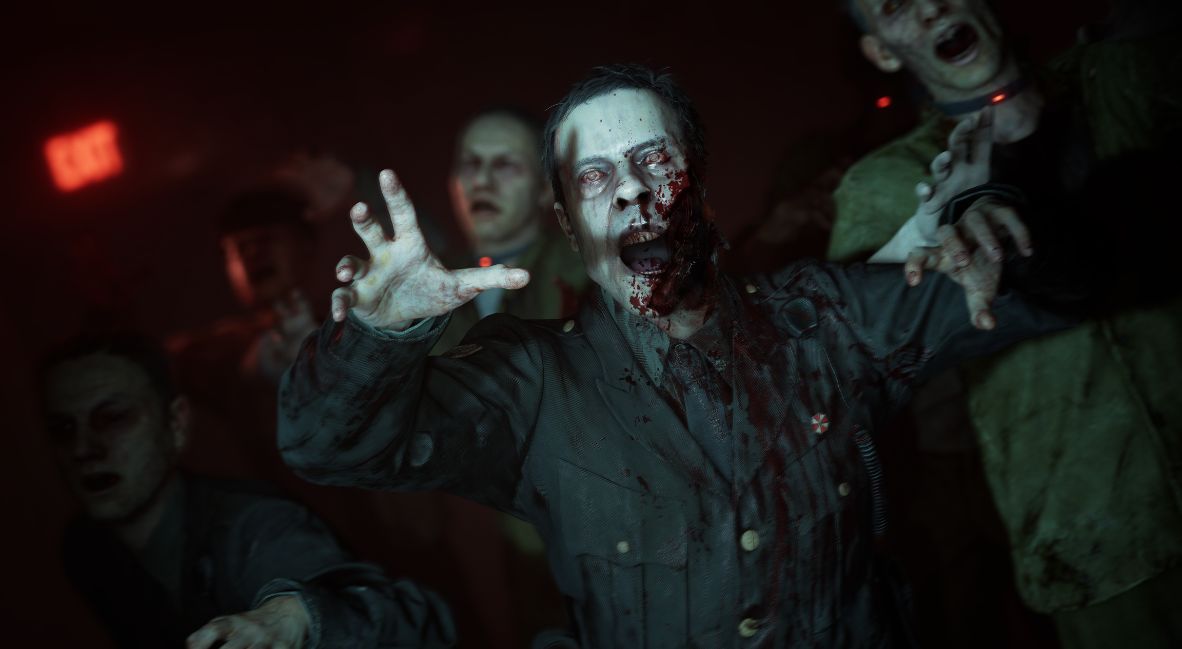
When asked about his philosophy and approach to remaking classic Resident Evil games, Hirabayashi says they start with user research. They want to know what players liked about the original. They’ll poll their own team for the same information.
However, a 1:1 remake isn’t meaningful; elements need to be added to make it worthwhile. It’s a narrow space to balance, and one that he admits comes with pressure to respect and retain the original experience while delivering something original and fresh.
Having done several remakes now, Hirabayashi was asked about what lessons he takes away from those. He first points to the overall Resident Evil canon; the connections between games are important, and making sure things fit, including updates and changes, are things he’s careful to look at.
Still, each game has lessons to offer. Requiem, for example, is a model to look to for great usability and feel, with important quality of life features to learn from. And of course, the all-important camera question inevitably came up. And yes, Resident Evil Veronica is a third-person, not a first-person, game.