Chivalware, an upcoming grid-based action roguelite developed by Regal Pigeon and published by The Arcade Crew, tasks players with maneuvering through frantic combat encounters while matching tiles to activate their ever-growing arsenal of creative weapons on a quest to overthrow a tyrannical king.
The core structure of each run in this game will be immediately familiar to genre fans. The player navigates through a series of “rooms,” each containing a combat challenge or another unique event. As they overcome obstacles and interact with friendly characters, they will acquire new gear and upgrades that increase their power as they progress towards the region’s boss. If they defeat them, they move on to the next area. And, of course, death sends you back to the beginning.
Chivalware’s unique blend of fighting and tile matching requires a lot of quick, interesting choices.
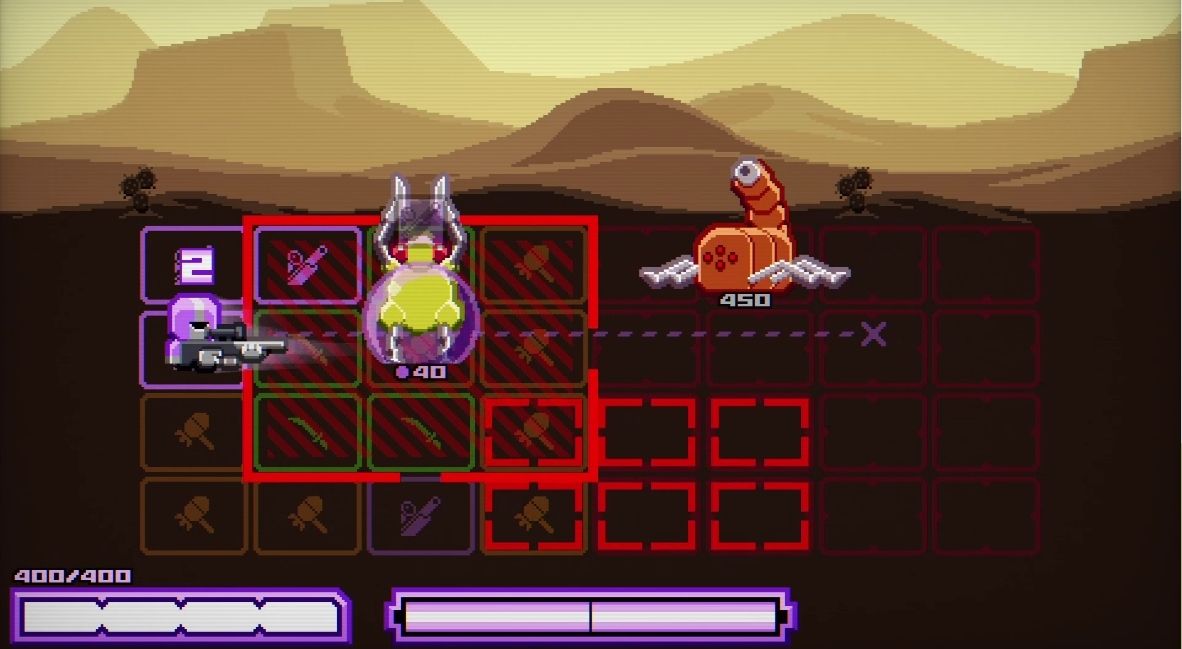
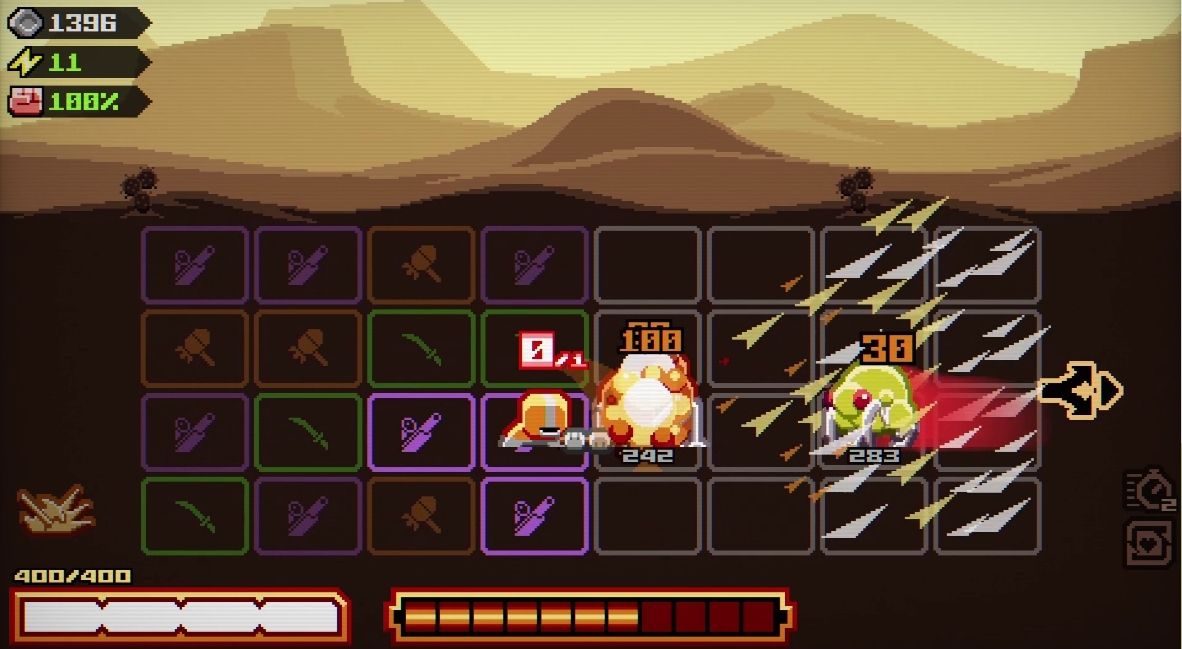
What makes Chivalware shine is its approach to combat. Every room entered is broken into an 8×4 grid. The squares on the left side of the grid have three different symbols, randomly distributed among the tiles. These symbols correspond to the three weapons the player currently has equipped. When standing on one of these, the player can claim the square beneath them and any other adjacent squares of the same color.
These claimed squares are converted into energy and arm the player with the weapon they represent. If the player has enough energy, they can attack with their weapon. The squares are immediately filled back in from left to right, with unclaimed blocks shifting towards the center of the screen.
This unique blend of fighting and tile matching offers a lot of interesting choices that must be made quickly, as enemies move around the board and launch attacks. When to fight back, or when to save up energy to get more attacks with a preferred weapon, are ever-present questions.
Fun alternatives to fighting help add variety between demanding action.
There is also a wide variety of attack types, giving players many choices for how to kit out their character. AOE attacks, charge moves, melee, and range options give a lot of variety for attack styles. Combine all that with randomized secondary effects like fire, poison, and freeze, and no two kits will look the same.
Chivalware‘s action can get quite demanding when all of the game’s elements come together. Dodging around the grid and avoiding attacks as you try to decipher the best ways to maximize your tile combinations pushes players with an experience that is demanding, but in the best of ways.
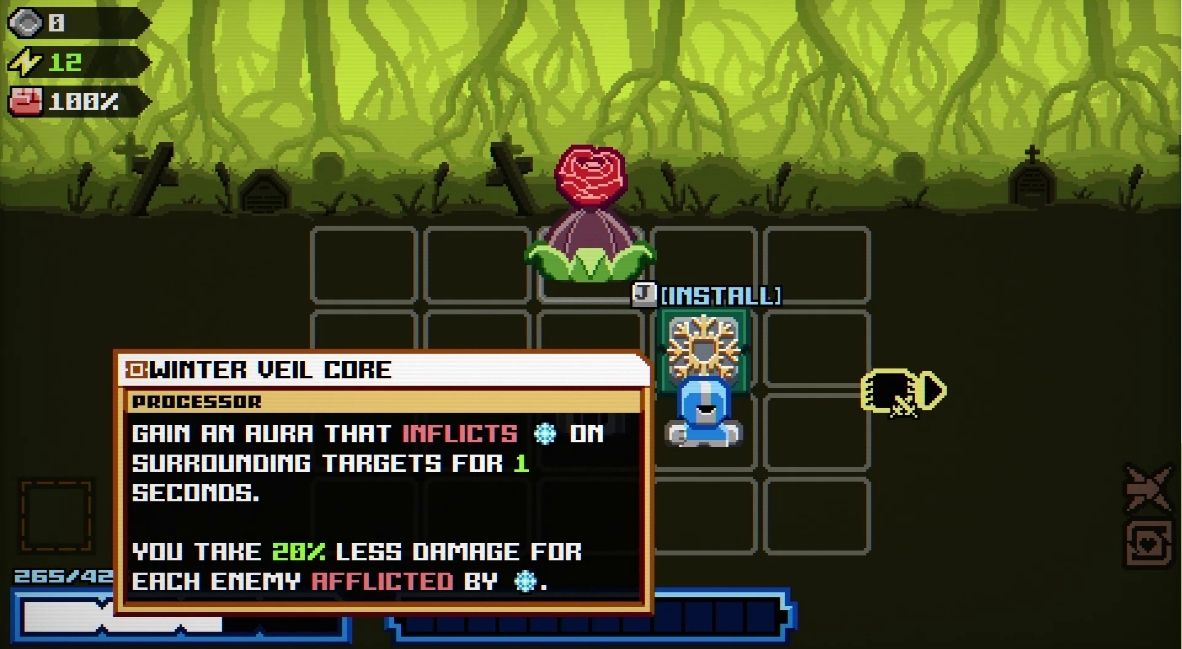
On their journey, players will also unlock more general bonuses that improve their stats or allow for special effects when conditions are met. These elements can be gained through both combat encounters and less hostile occurrences. There is a wide variety of non-combat encounters for players to participate in. From shops to memory games, there are some fun alternatives to fighting that help break up a run’s gameplay loop.
The devs at Regal Pigeon created a bright and colorful presentation.
After each run, the player’s score is added to their lifetime total, progressing them up a “leaderboard.” As you pass the names ahead of you, permanent upgrades are unlocked, helping you further your progress on future runs. Such upgrades can also be unlocked through rewards granted for first-time achievements. From beating bosses to eating strange plants, the game works hard to encourage players to try out everything it offers, rewarding those who do.
When it comes to visuals, Chivalware looks to be a quintessential example of less is more. The simple lines of the grids and prominent colors that make up the streamlined character designs keep the game’s presence bright without bogging it down in excessive detail. With so much to keep track of on the screen, clarity is of the utmost importance. The devs at Regal Pigeon created a bright and colorful presentation that never loses sight of that.
My time with Chivalware left a very positive impression. The frantic, unique gameplay brought excitement and freshness to the now all-too-familiar roguelite gameplay loop.
Chivalware is currently slated for a PC release this fall. You can check out the demo now on Steam.