
As WrestleMania 41 came to a close in April 2025, it was announced that the Mexican lucha libre promotion, AAA, was set to become part of the WWE. Later that year, the deal was finalized, and for the last year, AAA has been part of the world’s largest wrestling brand, the WWE.
The purchase of AAA has made the cultural staple an even bigger part of professional wrestling in the United States. Before lucha libre, Mexican professional wrestling was based on what performers witnessed in matches in Europe and the United States.
Modern lucha libre, however, became a household name because of Salvador Lutteroth. Lutteroth founded Empresa Mexicana de Lucha Libre (EMLL) in 1933. On September 21, 1933, the first major show for EMLL took place at the Arena Modelo in Mexico City, a date that is widely considered the birth of Mexican lucha libre.
Lutteroth was a former Mexican military officer and, at the time, was operating primarily as a businessman. He had seen professional wrestling in the States and knew that some form of that already existed in Mexico.
Instead of creating a promotion that continued importing American wrestling into Mexico, he decided the better option was to create something uniquely Mexican. As such, EMLL would eventually become Consejo Mundial de Lucha Libre (CMLL). That makes CMLL, the oldest continuously operated professional wrestling promotion on the planet, a direct line to the birth of lucha libre.
A cultural staple became a bigger part of professional wrestling after 2025.
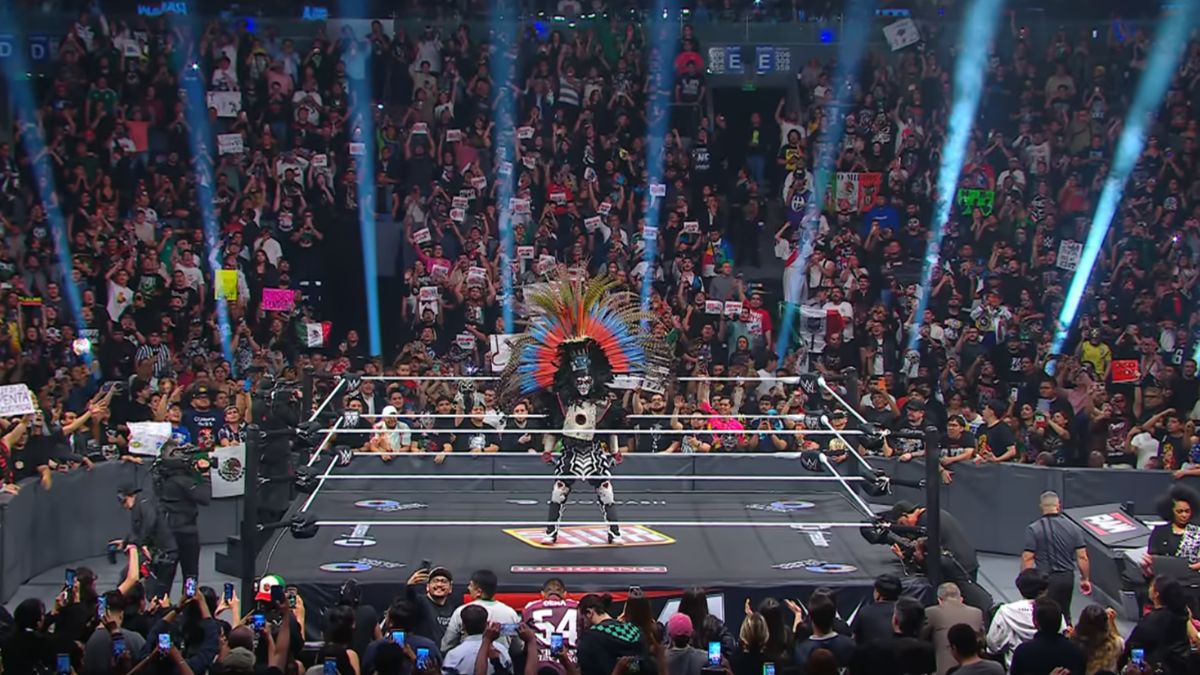
Let’s face it, professional wrestling, at its core, is simply athletic theater. In the U.S., we see that in characters like Roman Reigns, The Rock, Hulk Hogan, and The Undertaker. In the same vein, Mexico was also uniquely positioned for lucha libre. Traditional Mexican popular entertainment already embraced larger-than-life heroes, villains, melodrama, folk heroes, and mythology.
Artists like José Guadalupe Posada and Cantinflas were staples of Mexican entertainment. Posada helped establish a tradition of exaggerated and iconic folk heroes. Cantinflas was a comedian who carried that tradition into the 1930s and beyond, performing larger-than-life characters. His performance style was theatrical and, like the work of Posada and lucha libre, resonated with Mexican audiences.
Lucha libre features the same sports theater that professional wrestling uses everywhere else, but the mask, worn by many luchadores, truly sets it apart. While not every luchador wears the mask, the origins of which are largely attributed to Murciélago Velázquez, it has become one of the most easily recognizable components of lucha libre.
Velázquez started wearing his mask in the 1930s, during the EMLL days. Eventually, the mask became more than a piece of their costume; it became part of their identity. A wrestler who wore a mask would be seen as mysterious, heroic, supernatural, dangerous, or some combination of those traits.
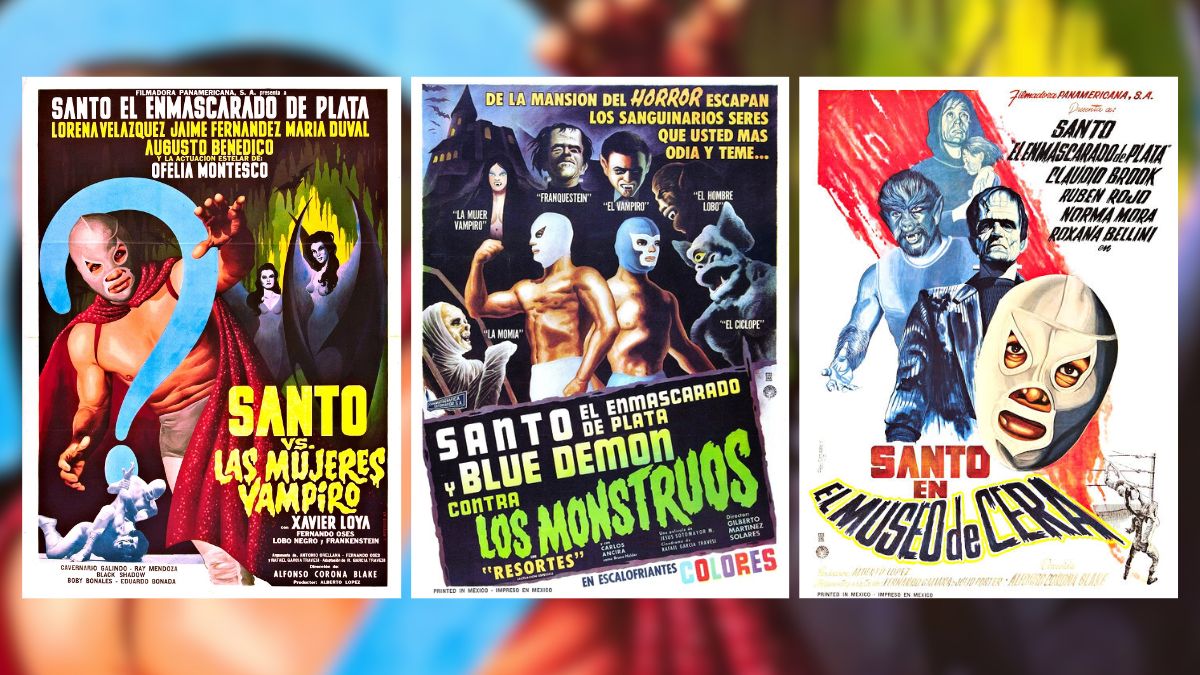
In 1942, Rodolfo Guzmán Huerta changed lucha libre forever. Having performed since the 1930s, Guzmán Huerta adopted the name and mask of El Santo (The Saint). Becoming El Santo skyrocketed his fame into the mainstream of Mexican culture.
Much the same way that The Rock or John Cena used the WWE to catapult into the mainstream of pop culture here in the U.S., El Santo’s fame couldn’t be contained to just professional wrestling fans any longer. His silver mask became a national cultural icon that eventually found its way into movies, comics, TV, and merch.
Fast forward to the 2020s, and thanks to men like Huerta and Velazquez, lucha libre is as popular in Mexico as it’s ever been. Despite that success, it is much less visible once you leave Mexico. That’s where WWE comes in.
When WWE bought AAA in 2025, they already had a few luchadores on their roster. These wrestlers, who include big names like Hall of Famer Rey Mysterio, the late Eddie Guerrero, and Andrade, did stints in AAA before making it to the WWE. The acquisition of AAA marked a return to their roots for many existing luchadores.
Guerrero, who became known as “Latino Heat,” showed how Mexican wrestling and culture could make a lasting impact on WWE long before the company acquired AAA. In fact, thanks to his connection to both lucha libre and WWE, Guerrero’s untimely death in 2005 demonstrated just how far that cultural impact had reached, with fans around the world mourning his loss.
Many luchadores have crossed over from AAA to WWE, but the acquisition makes it a little easier.
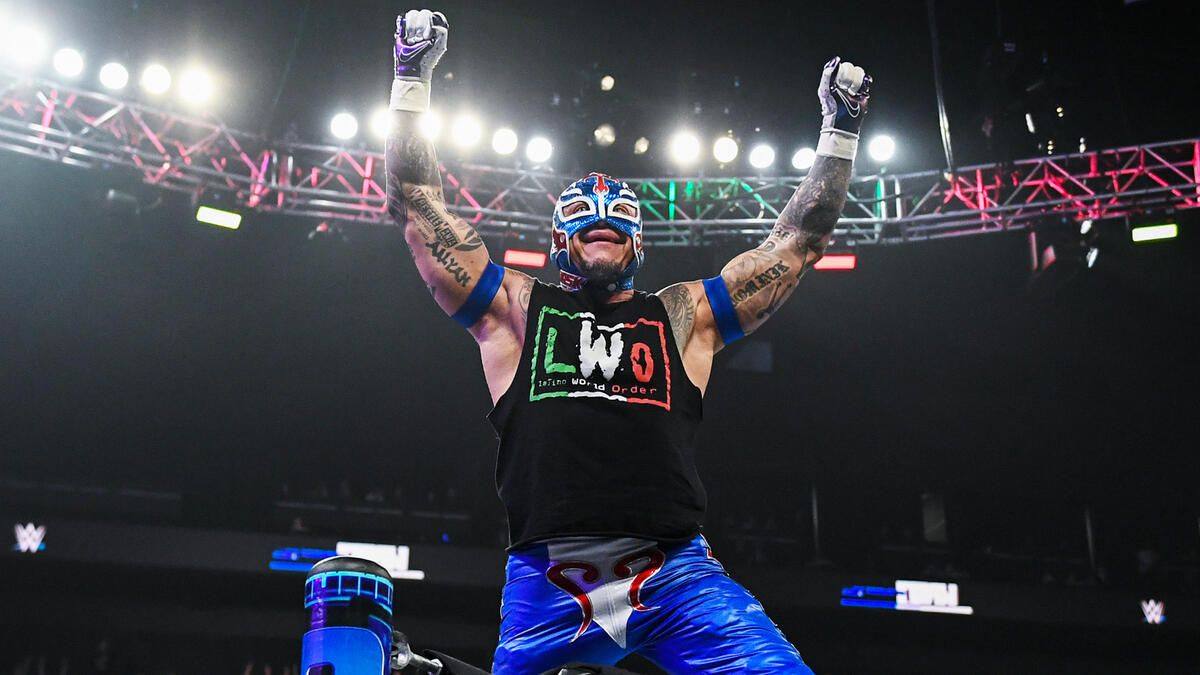
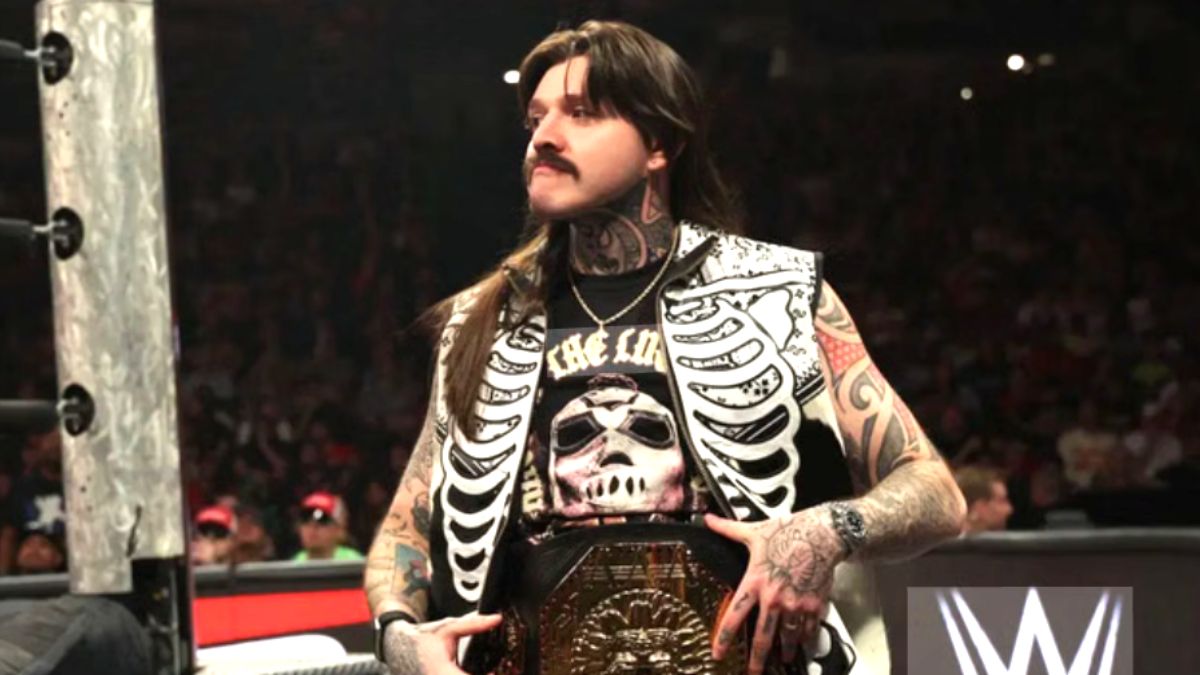
Rey Mysterio now plays the AAA manager, a character on weekly AAA programming. His son Dominik Mysterio, the self-proclaimed King of the Luchadores, spent a long run as both a top heel on Monday Night Raw and as the AAA Mega Champion. Other big WWE names like Ethan Page, the War Raiders, and Omos have been featured on AAA as part of the strategy to bring more viewers to WWE’s lucha libre promotion.
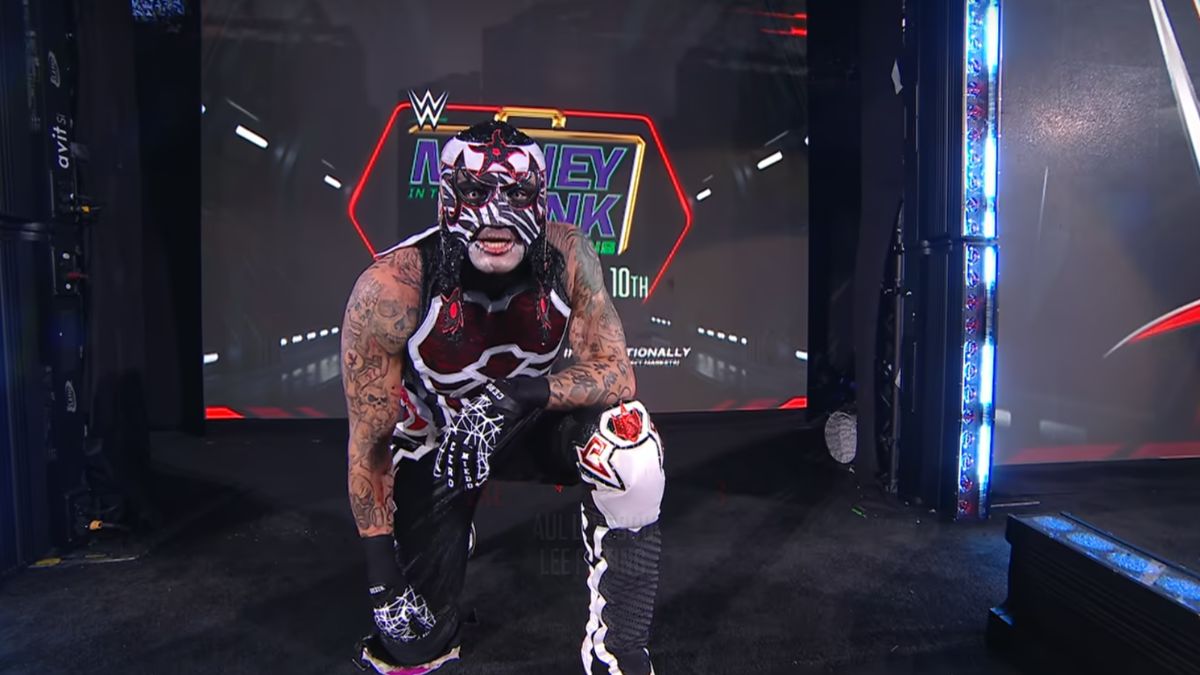
Even better, we’ve seen an explosion of lucha libre talent on WWE weekly programming as a result of AAA’s inclusion in WWE. The Lucha Brothers, Penta, and Rey Fenix are now big names in WWE, with Rey Fenix currently holding AAA’s Cruiserweight Championship and Penta having just concluded a run as WWE’s Intercontinental Champion.
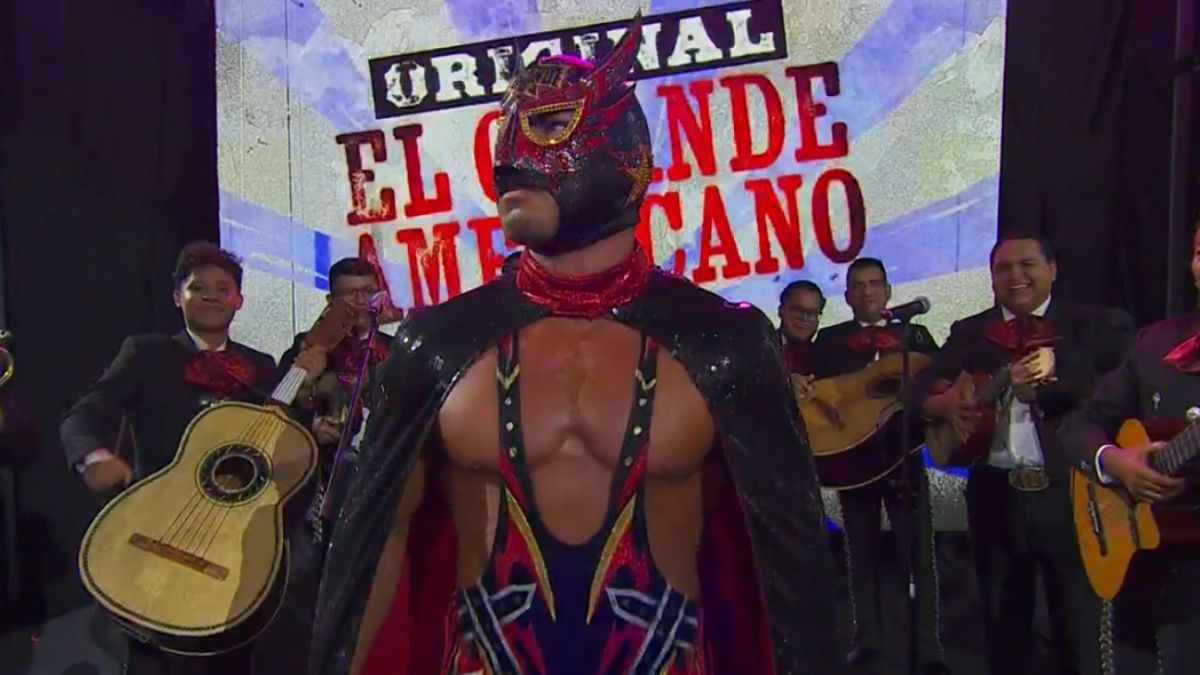
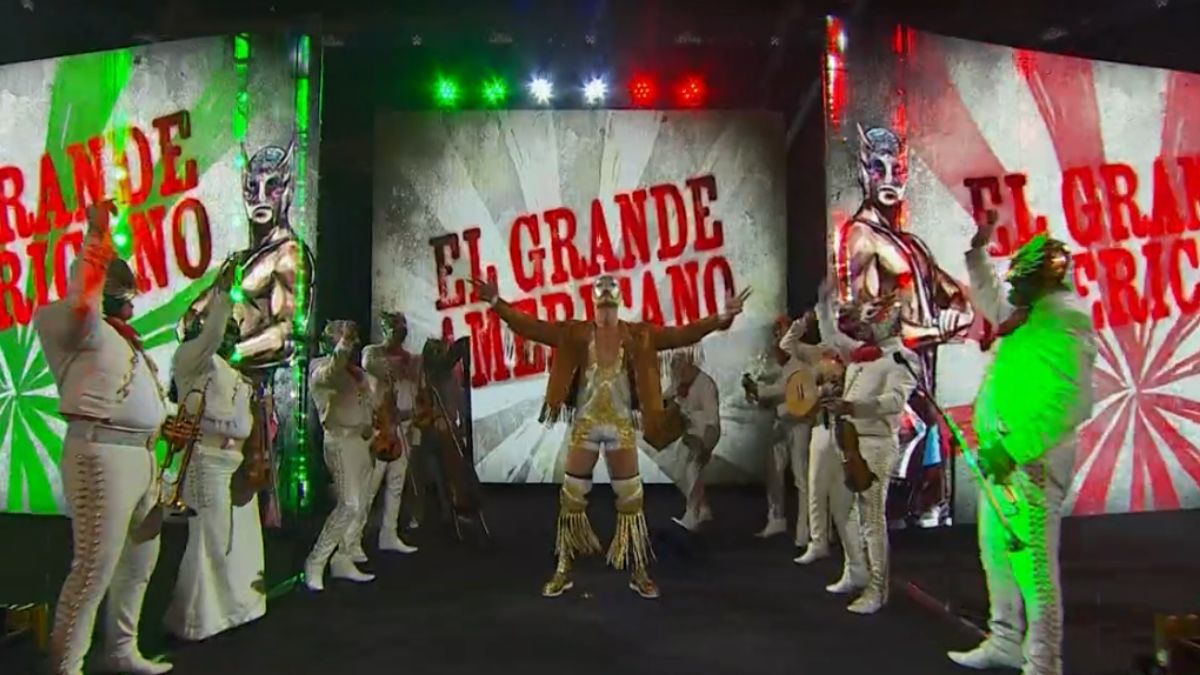
We’ve also seen some wrestlers find new life in their careers. German wrestler Marcel Barthel, known professionally for most of his WWE career as Ludwig Kaiser, became a household name in Mexico after taking over the role of El Grande Americano. The role began as a gimmick during Chad Gable’s heel run on weekly WWE programming.
Gable, who was feuding with a large number of luchadores, traveled to Mexico to learn how to fight them but came back dressed as a luchador claiming to be the Mexican icon, El Grande Americano. All of that happened before WWE even announced it would purchase AAA. Unfortunately for Gable, he was sidelined with an injury, a few short months into the storyline.
The torch was passed to Barthel, who continued in the role as a heel on WWE but also started appearing on AAA programming as a babyface. Surrounded by his allies, Los Americanos, El Grande Americano surprised everyone in both the U.S. and Mexico by cutting promos in Spanish, a language that Barthel is fluent in. In turn, the Mexican audience of AAA embraced the new El Grande Americano, and he became the promotion’s top babyface in record time.
When Gable was cleared to come back, he feuded with El Grande Americano as The Original El Grande Americano. The fight found its way to Mexico with a lucha libre staple, a Máscara contra Máscara (Mask vs. Mask) match. The two El Grande Americanos, flanked by their allies, would fight and bleed for 35 minutes. The loser would put the moniker down for good. The match drew 12,000 fans to Arena Monterrey, was broadcast to over 2 million viewers worldwide, and was praised by fans and many wrestling media outlets.
Then at TripleMania XXXIV, El Grande Americano ended Dominik Mysterio’s reign as El Mega Campeón AAA (The AAA Mega Champion). This is a huge momentum swing for Barthel, who was largely underutilized as Ludwig Kaiser in the WWE. Wrestlers without much to do are far more likely to be released by the company.
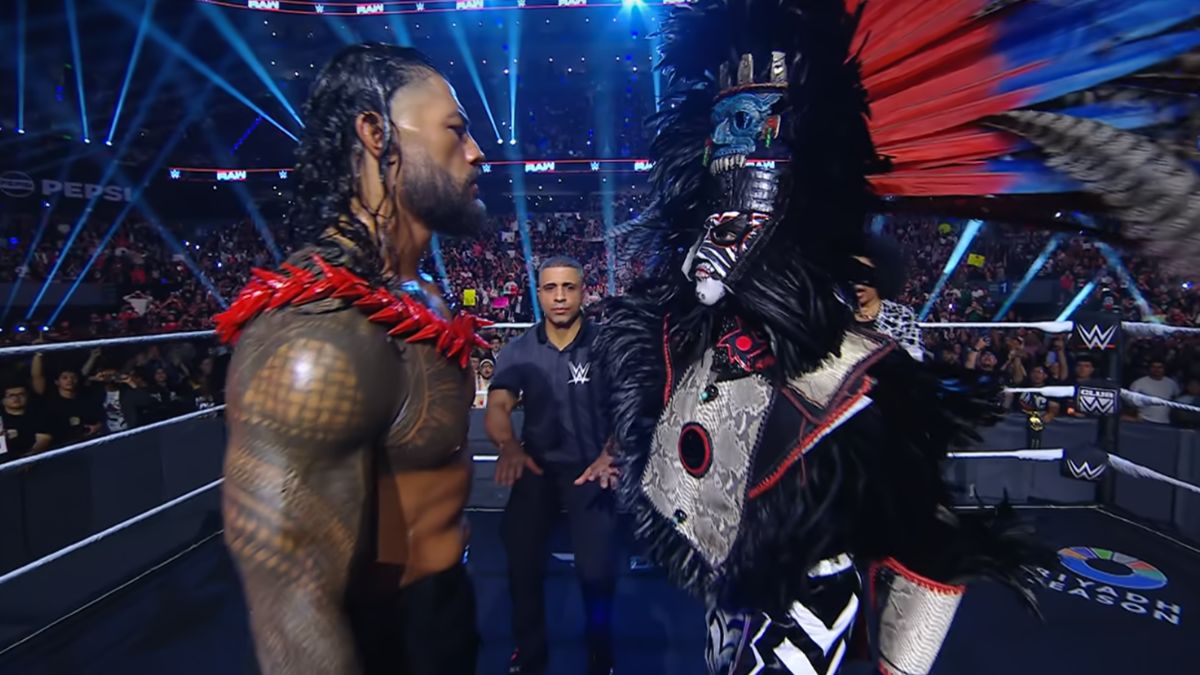
Additionally, Penta just fought Roman Reigns in Mexico City for the WWE World Heavyweight Championship. The opportunity came as part of a storyline that saw AAA wrestlers appear on weekly WWE programming in a lucha libre tournament ahead of WWE’s tour of Latin America.
The El Grande Americano trajectory shows the new life found in embracing lucha libre.
The increased visibility for lucha libre on WWE television has been a godsend. Before August 2025, AAA viewership was largely limited to localized streaming figures. The yearly pinnacle of AAA, TripleMania would only receive limited international broadcasting support.
By contrast, TripleMania XXXIII, which took place shortly after the acquisition in August 2025, was viewed on YouTube by over 4 million people, with live streams peaking at over 600,000 views concurrently. While digital streaming numbers came in closer to only 3.2 million for TripleMania XXXIV this year, the in-person demand was so high that Night 1 in Las Vegas had to move from the Luxor to MGM’s Grand Arena.
The numbers get a little harder to track with weekly programming, though. Before August 2025, the only place to watch AAA was on Mexico’s broadcast channel, TV Azteca. Weekly programming saw as many as 500,000 viewers tuning in for AAA. Now, as part of their inclusion in WWE, Fox holds the Latin American license, but they don’t report how many people still watch on television.
The numbers are even more fascinating when you look at AAA’s global reach. Before August 2025, AAA was only available inside Mexico, but now it’s available internationally via WWE’s YouTube page. As a result, AAA is now being seen by as many as 300,000 people every week outside of Mexico, in addition to the fans still watching inside Mexico.
On top of the bump in weekly viewership is that incredible leap in numbers during big events like TripleMania. Other major AAA events like Worlds Collide also bring in far more viewers than AAA had access to before August 2025.
AAA also introduced the global pro-wrestling world to some incredible characters that were unseen internationally before August 2025. Mr. Iguana adds a comedic element and appears with a stuffed Iguana as part of his gimmick. He became so beloved that Mr. Iguana is part of the AAA DLC for WWE 2K26.
The AAA Reina de Reinas Campeón, La Catalina, has been such a dominant force in AAA that she’s now in WWE’s developmental brand, NXT. Wrestlers in NXT are trained to eventually appear on the main roster that fans see every week on Raw and SmackDown. In fact, La Catalina very recently had her debut on WWE programming in a triple threat qualifier for Money in the Bank, a WWE Premium Live Event.
For decades, lucha libre lived in American pop culture, but often it was used as a punchline. Films like Nacho Libre or shows like ¡Mucha Lucha! introduced American audiences to the colorful masks, high-flying wrestling, and larger-than-life characters associated with lucha libre, but they did so in a way that caricaturized it.
The tradition of Lucha Libre can be enjoyed now more than ever before on a wider scale.
For Mexican audiences, however, lucha libre has remained a significant part of the country’s sporting and entertainment culture. To be clear, American films and TV shows played a role in the U.S. becoming aware of the cultural staple, but WWE allowed American audiences and the world to experience it on a much larger scale.
WWE’s acquisition of AAA changed how that relationship could look. Rather than lucha libre simply appearing as an American pop-culture novelty, WWE began treating Mexican wrestling respectfully in a way American media had struggled to do in the past by showcasing it regularly for a global audience. Luchadores weren’t brought in merely for a match or a gimmick; AAA became part of WWE’s weekly programming and international strategy.
When WWE acquired AAA, they clearly had a game plan. They knew lucha libre would be a popular way to grow their brand presence worldwide. That said, celebrating Mexican culture and the tradition of lucha libre has benefited both fans and wrestlers. AAA and lucha libre are being enjoyed by fans more than ever before and can only grow further from here.