
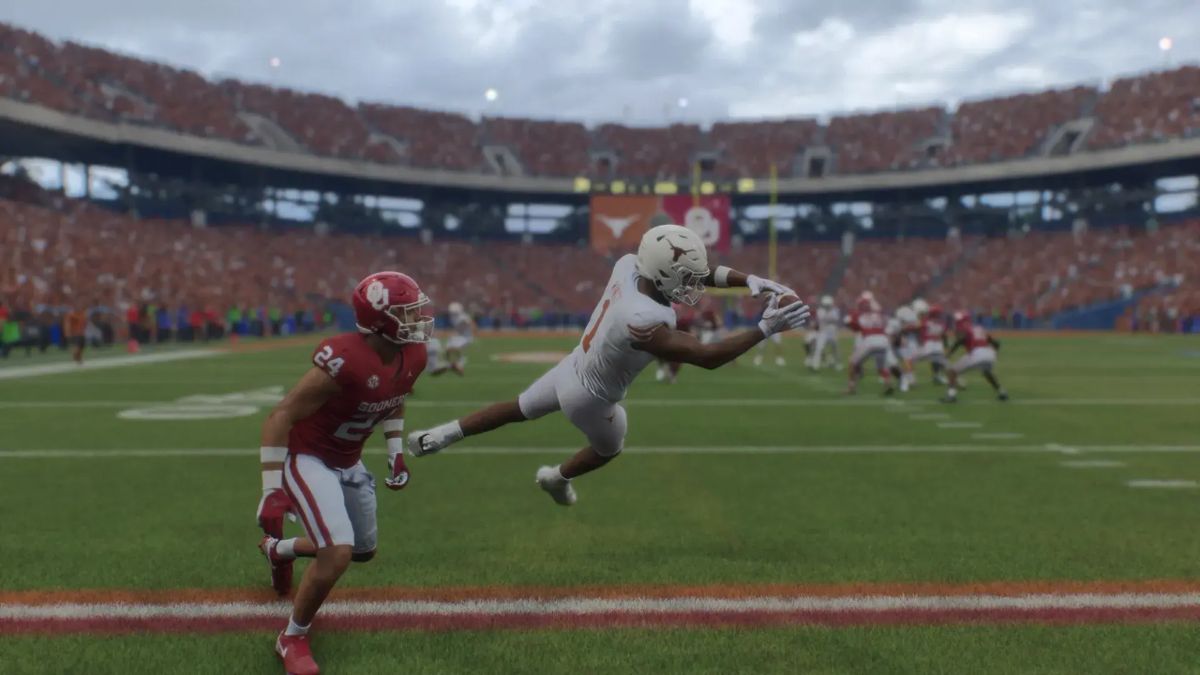
Welcome to Hate Week, the best week of the year for Texas Longhorns football (pending if we win tomorrow). On Saturday, we’ll take on the Oklahoma Sooners in Dallas at the Texas State Fair for some good old Cotton Bowl action with Big Tex overlooking it all. It’s our rivalry game, but what makes winning these rivalry games so viscerally exciting is the hate.
Nothing hits like pulling off a big win against a school that, no matter the sport, will throw up Horns down when the cameras are on them. Hell, even teams we never meet in conference play will throw up the symbol of Longhorn hate, and every time, I love it.
But Hate Week isn’t ours; it belongs to every college with a rival that boils their blood. Rivalry weekend in college football is almost always pure chaos. When you come to play football at the University of Texas, you come to beat Oklahoma University (OU). And historically, rivalry games are where giant slayers show up.
Whether it’s Baker Mayfield starting the tradition of flag planting (which is as likely to end in celebration as it is a brawl), Georgia and Georgia Tech going into eight overtime games, or Ryan Day’s inability to beat Michigan (though he did finally get that W in 2025), the energy is volatile and electric. The chaos we see on rivalry weekends comes from one pure, unfiltered emotion: hate.
The last time that the Longhorns lost the Red River Rivalry, I was at a bar and a woman who was maybe five-foot-tall, in her Saturday best, was standing on a barrel, Horns Down raised in both hands and scream-singing the Sooner fight song as sad Longhorns were making their way out of the bar. She was one of the only red shirts in the entire outdoor bar, but she didn’t care. Hate does that. Rivalry games do that.
There is nothing like rivalry game hate – and Horns Down symbolizes that.
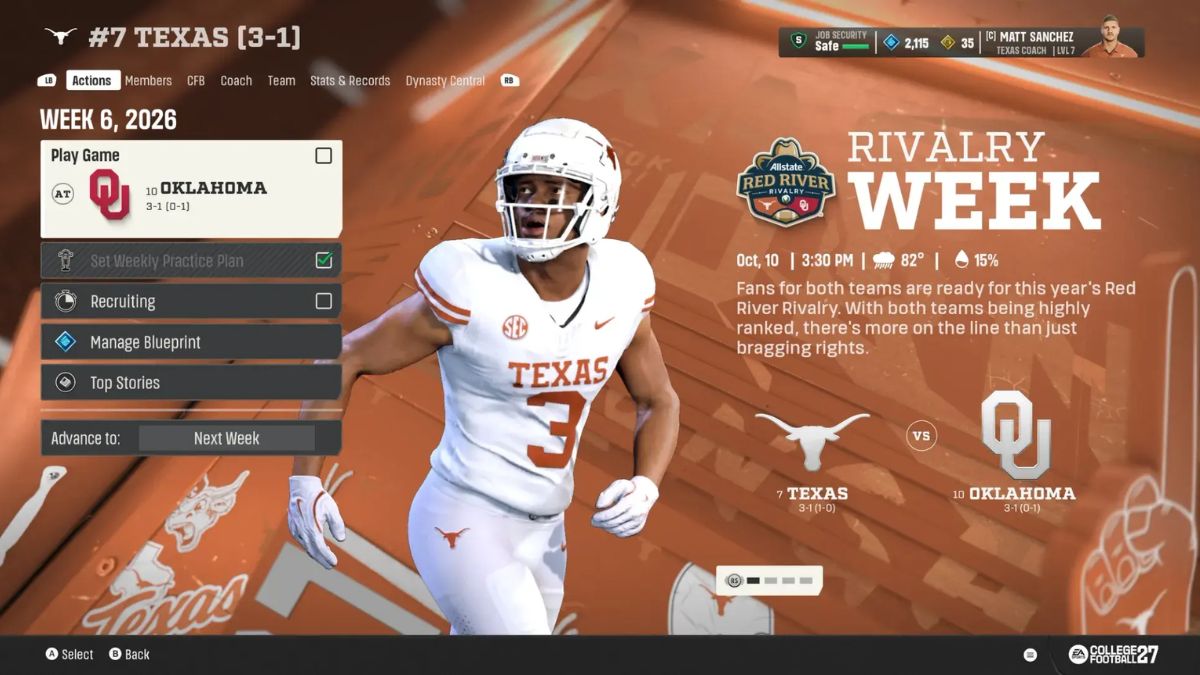
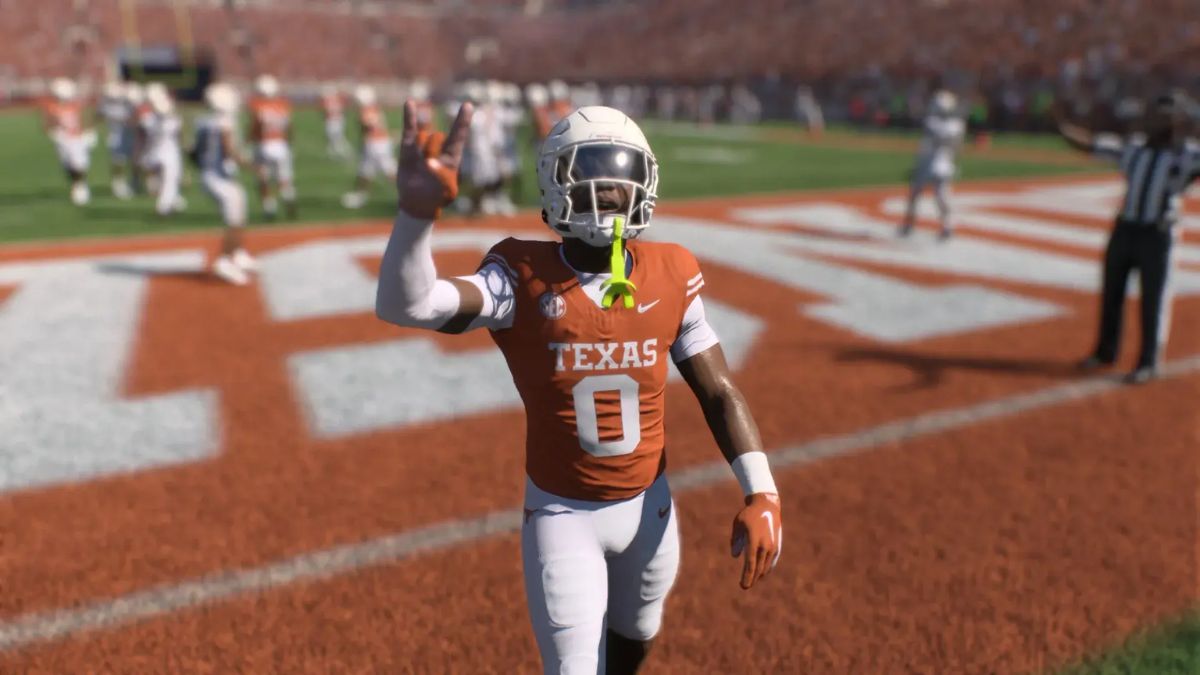
One of EA Sports College Football‘s biggest achievements has been replicating that Saturday feel. The songs, the chants, the fields and stadiums- EA Sports puts a focus on pageantry. And a part of that has always been rivalry games.
The Trophy Room allows you to see models of the trophies you win that range from a Jug (Michigan Wolverines vs Minnesota Golden Gophers), a rack of ribs for The Battle of the Bones (UAB Blazers vs Memphis Tigers), and of course my beloved golden cowboy hat from the Red River Shootout (Texas Longhorns vs OU Sooners), if you have won the rivalry game involved. Rivalry games are also sometimes crucial to meeting your AD Expectations in this year’s game, and can turn the tide in recruiting, or block your path in leveling up your coach.
But even with the off-the-field elements of rivalries getting their due, EA Sports College Football rivalries just haven’t really felt right. In them, everything is positive. The schools don’t interact, and there’s no taunting. The “Clean, Old-Fashioned Hate” is nowhere to be seen, a missed opportunity to show off the lengths teams and their fans will go to sabotage and taunt their rivals.
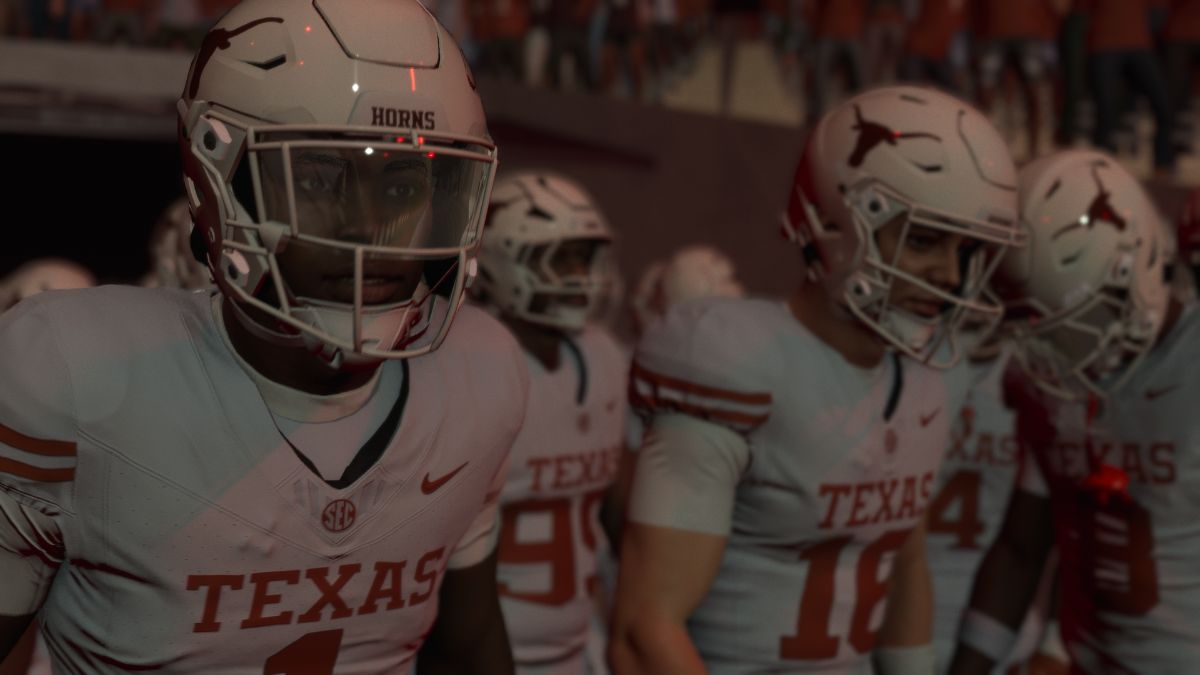
Now, to give EA Sports credit, this has started to change, just slightly in this year’s game, CFB 27. Now, there is a certain chippiness the players will have on the field, especially after a bang-bang play or a touchdown. Another added element is the audible stadium hostility that comes through as groaning but, more importantly, as boos that you’ll hear while winning a rivalry in your opponent’s home stadium.
These additions help showcase the way that college rivalries work. They’re not about decorum; they’re about getting under the opponent’s skin. It’s not about winning; it’s about stealing the other team’s hope that they should even be playing football. Ohio State students don’t spend a week crossing out every M on campus for smiles.
Still, something is missing. If you’ve ever gone to a college football Rivalry Game, the stadiums are electric. The hate buzzes in the air. Every drive holds more meaning than any other game that the team will play in the season. Winning your Rivalry Game can make even the losingest team feel like champions in one season. And alternatively, losing that game can land a coach in a hot seat and strip a team of its soul that is leading its conference.
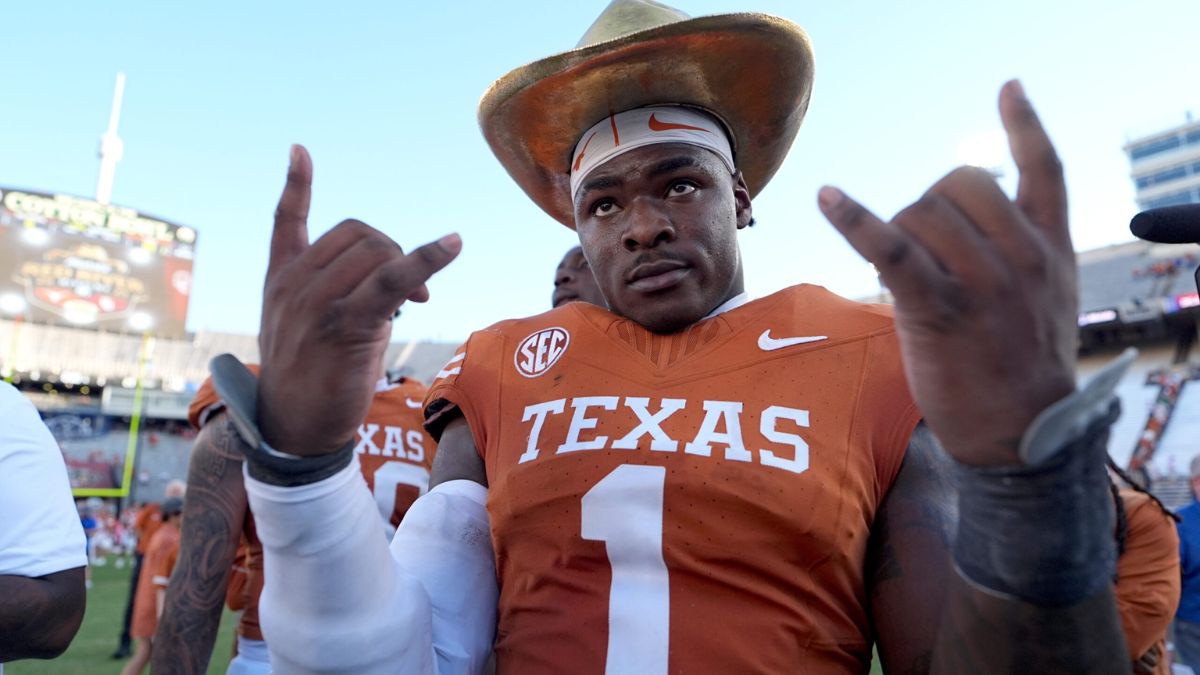
That hate can even transfer over to families. I attended the University of Texas at Austin and am very proud to hold three degrees from the institution. And there was never any question about where I would go. I always knew I would be a Longhorn. My father knew it first, and having just missed playing college ball.
Getting into the university was an accomplishment that hit me in the chest. On college tours, they walk you through the trophy room of Daroll K. Royal-Texas Memorial Stadium in the heart of campus. Making it into a tier-1 research institution meant a lot, but the football has always been the focus.
I have bled burnt orange since I learned what football was, and that’s what made my time at the university so special. Especially because my cousin went to Texas A&M at the same time I was at Texas. During our time in school, we attended the Thanksgiving games between the two Texas schools, Texas and our little brother.
And the games were brutal. There was yelling and heckling, and I remember clearly the first time my cousin folded her Rivalry shirt, picking up the bottom to join the middle, revealing, without censoring, “F___ Texas.”
EA Sports has added a lot to a rivalry game in CFB 27, but it’s still missing hate.
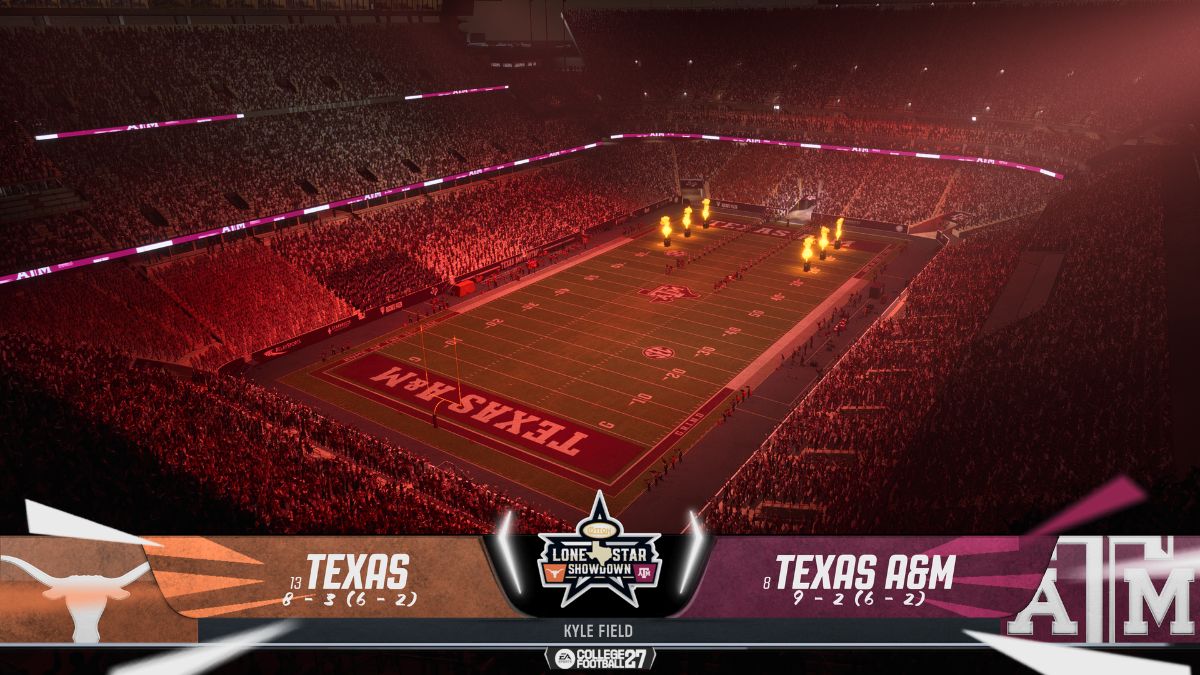
Feeling the stands sway in the middle of the student section before Kyle Field got renovated was terrifying as a visiting team’s fan. Still, for TAMU, it was proof that they were all there, united in trying to intimidate Longhorns in the crowd. Alternatively, for us, the night before the game, we held the Hex rally. Yes, that kind of Hex. Where all of campus comes together in front of the Tower and aims to hex the Aggies, with red candles burning in our hands.
The hatred you feel on the field is what makes the game so passionate. And it also happens in the stands. While Texas has always been hated, our dumb decision to start the Longhorn Network set in motion the Big 12’s fall, with Nebraska taking its football and heading to the Big Ten. Add in us following our little brother TAMU and our rival OU into the SEC, and the hate keeps going.
So much so that if you turn on the TV on any Saturday, whether it’s on the field or in the stands, you’ll see the Horns Down everywhere. Inverting our handsign has become an easy way for people to piss off Longhorn fans, but the reality is, this is what the game is about. That hate fuels us; living rent-free in the heads and hearts of the SEC, just like we did in the Big 12, is something that makes showing up to bar on a Saturday a spectacle.
Hate fuels rivalries, hate makes things happen, hate makes a win that much sweeter. And that is what EA Sports needs to capture. While adding in marching bands that actually move is one of the things that the game’s Saturday sound is missing, the last remaining missing piece is the taunting.
The day we stop seeing Horns Down in the stands and on the field is a day I don’t want to see.
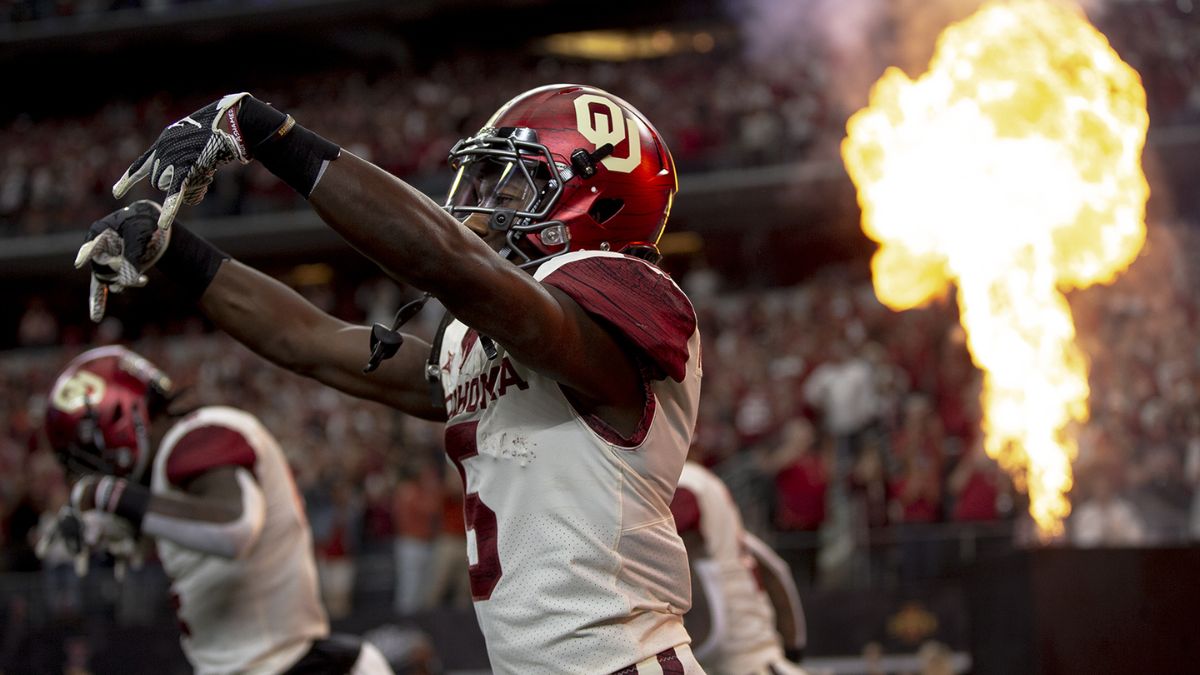
It’s my hope (although I’m not holding my breath) that the University of Texas loosens up and allows the horns-down celebration and crowd displays to come to the video game. When I sit down to play OU, or TAMU, or even Georgia (at this point, beating the Dawgs is only going to happen in my CFB Dynasty), when I don’t see a sea of Horns Down in the stands, it just doesn’t feel right.
Sure, the fight song is cool, and the added elements, on-field presentation, and the casters’ comments are designed well, but it’s not the same. As the College Football video game series pushes farther and farther into simulation and authenticity, rivalry games need to feel bigger and more than just something you have to win to unlock a coaching tree skill. I think hate can do that.
And in a way, as I already mentioned, Rivalry Games have already started to mean more mechanically. One of the new additions to EA Sports College Football 27 is adding Expectations to the coaching tree. It’s not just about winning; it’s about meeting the expectations that the university sets for you. Before, you could just keep winning and easily keep your job. But if you keep winning and keep losing to your rival, well, you’re still in the hot seat.
Adding in negative effects that tie to the reputations that each school, especially Power Five schools, has set is a huge step forward for the game. It’s the introduction of negativity, and it swings the door wide open for playing with adding more heat to the rivalry.
Hate Week is something to celebrate, and being a CFB villain is an honor.
Before the release of College Football 25, The Athletic’s Chris Vannini said via X (formerly Twitter), “I’ve been told that Horns Down will NOT be in the video game. Only hand signals for your own team.” And it’s really no surprise, since my alma mater refuses to accept our place as the villain and embrace the gesture. From what we know, much of that stems from the NCAA’s citation of the gesture as “unsportsmanlike” conduct back from our time in the Big 12.
But if you ask me, that has nothing to do with the stands and everything to do with universities curating their image through licensing agreements with the networks they play on. And that extends to EA Sports College Football.
Instead of embracing the hate, we complain to the Big 12 and now the SEC, claiming it’s derogatory. And all I have to say is that we’re too soft. This lifelong Longhorn wants Horns Down in the game. I need it in the game. Without it, every Rivalry Game will just keep feeling hollow.
We need to take our place as a villain. Good or not, National Title or not, lean in. Lean in the way other schools like Bama or Ohio State have embraced it. Because the day that fans and players stop celebrating with Horns Down when the camera is on them, that’s the day you’ll know that we have no hope for our program or title aspirations.
So EA Sports, Longhorns, embrace the hate, and Hook ‘Em Horns.