
The premiere of Star Wars: Maul – Shadow Lord Episodes 1-2 makes one thing clear early on. This isn’t a story about how cool Darth Maul is. It’s a story about what power actually means, and more importantly, what people choose to do with it.
Set about 18-19 years before the events of A New Hope, just after the fall of the Republic, the series drops into a galaxy where every system is either broken or actively breaking. That idea isn’t just background flavor. It’s baked into the structure of the show, into how scenes are framed, and into how characters move through the world. Before the story even fully settles, the visual language is already doing a lot of the work.
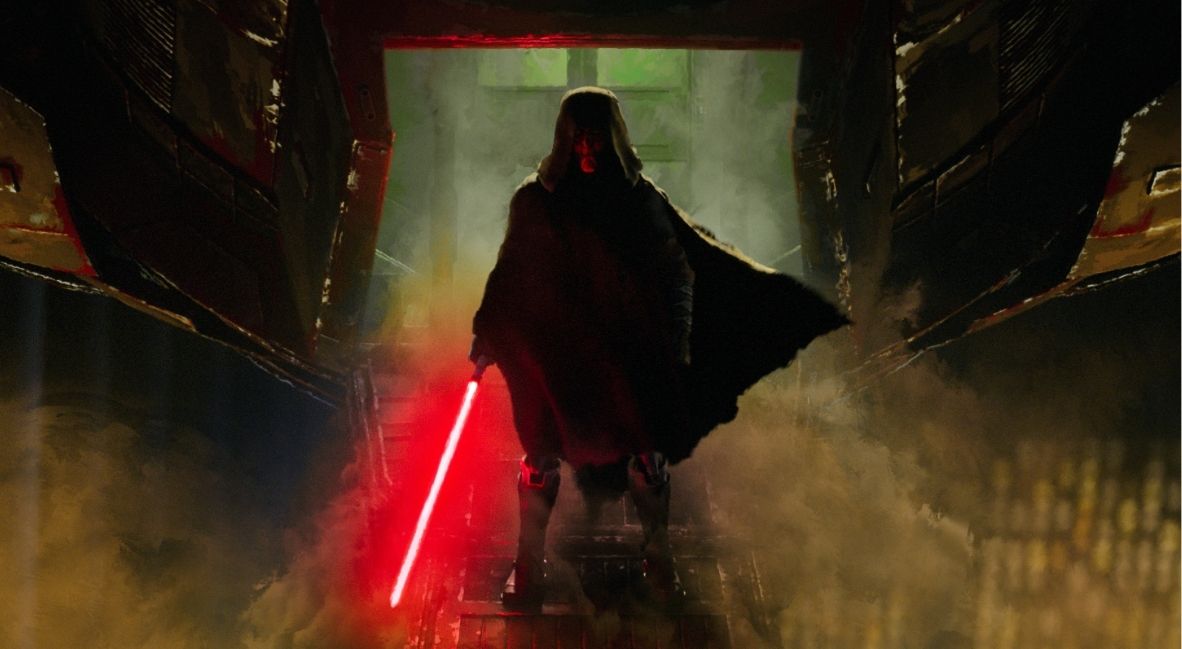
Maul – Shadow Lord Episodes 1-2 leans heavily into a noir-inspired aesthetic. Rain-soaked streets, dim interiors, and environments that feel worn down rather than lived in on the planet Janix. Backgrounds often blur into softer, almost watercolor textures, while the foreground stays sharp and detailed, drawing your attention to the people making decisions rather than the world itself. It’s a subtle choice, but it reinforces the show’s focus. This isn’t about the spectacle of the galaxy. It’s about the individuals navigating it.
Maul – Shadow Lord Episodes 1-2 builds out a broader picture of the galaxy he’s moving through.
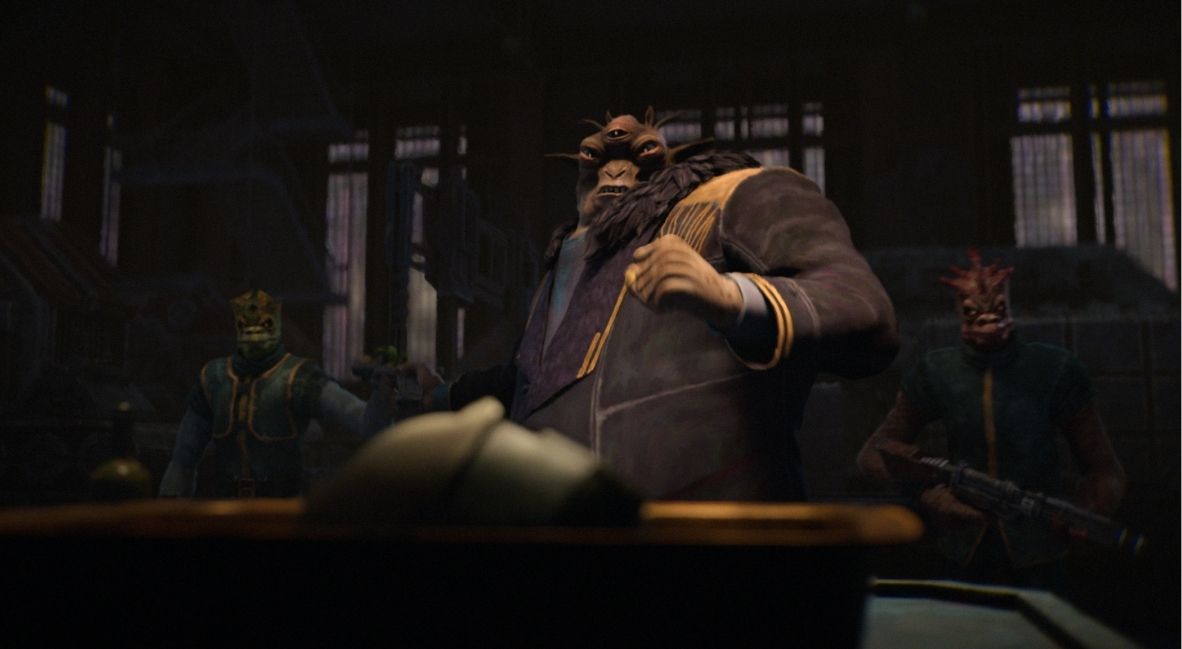
That approach extends to the way the series sets up its story. Rather than centering everything on Maul on his retaking of the criminal underworld, Maul – Shadow Lord Episodes 1-2 builds out a broader picture of the galaxy he’s moving through. A Jedi Master and his Padawan are in hiding, trying to navigate a world that no longer has a place for them.
A local officer is attempting to keep order as crime syndicates begin to fill the gaps left behind by a fallen Republic. And across it all, those same syndicates are consolidating power in ways that make the situation harder to contain with each passing moment.
These threads define the premise. Authority is fractured, systems no longer function the way they should, and every decision carries weight because there isn’t anything stable left to absorb the fallout. Each perspective stands on its own, but they all point to the same reality: power is everywhere, and no one agrees on how it should be used.
Maul’s power lands as expected: brutally.
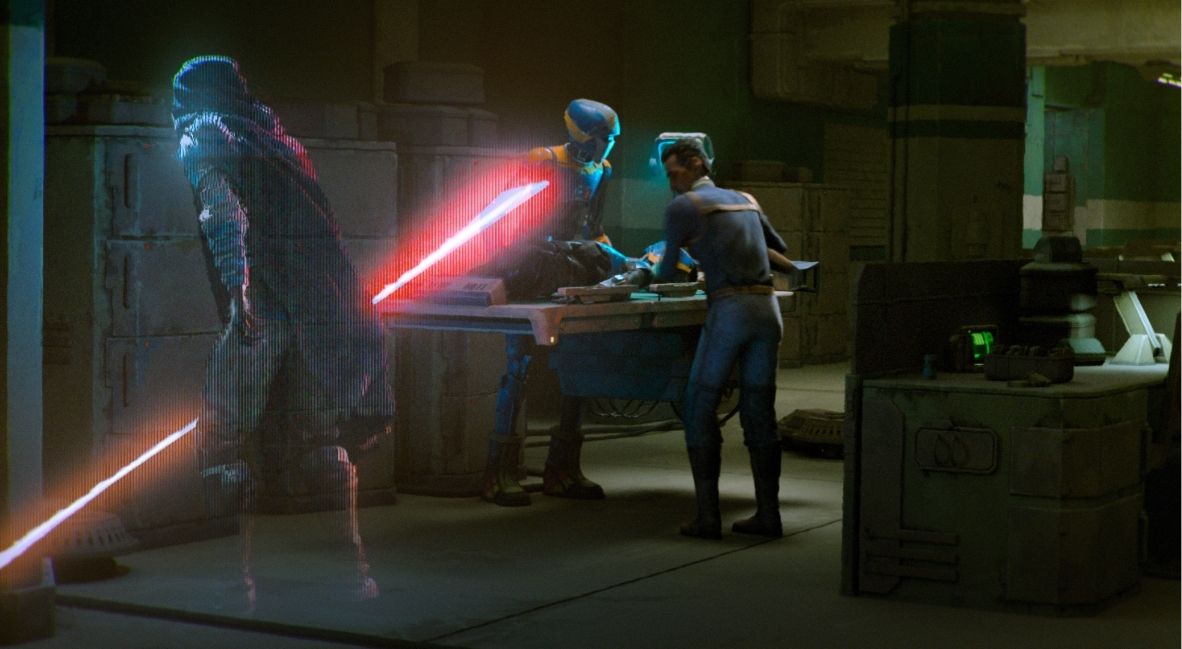
Maul exists inside that framework, but Maul – Shadow Lord Episodes 1-2 smartly resist making him the sole focus. Instead, it uses him as a constant pressure point. Maul moves through the story like a disruption rather than a centerpiece. Every time he appears, he forces the people around him into a choice.
And Maul, still voiced wonderfully by Sam Witwer, himself hasn’t changed. He still seeks control through fear. He still believes power is something to be taken and enforced. But what Maul – Shadow Lord Episodes 1-2 quietly reinforces is that Maul is stuck.
His motivations for revenge against the Shadow Collective and Emperor Palpatine are clear, but the path to that result is not as easy as he ever expected it to be. His methods are effective in the short term, especially against opponents who were never equipped to challenge him, but they don’t evolve.
Scenes of Maul cutting through outmatched enemies throughout the premiere, whether they be Syndicate thugs or police droids, land as expected. They are brutal, efficient, and backed by Kevin Kliner’s unique use of Star Wars musical motifs.
Maul – Shadow Lord Episodes 1-2 finds most of its weight in its supporting cast.
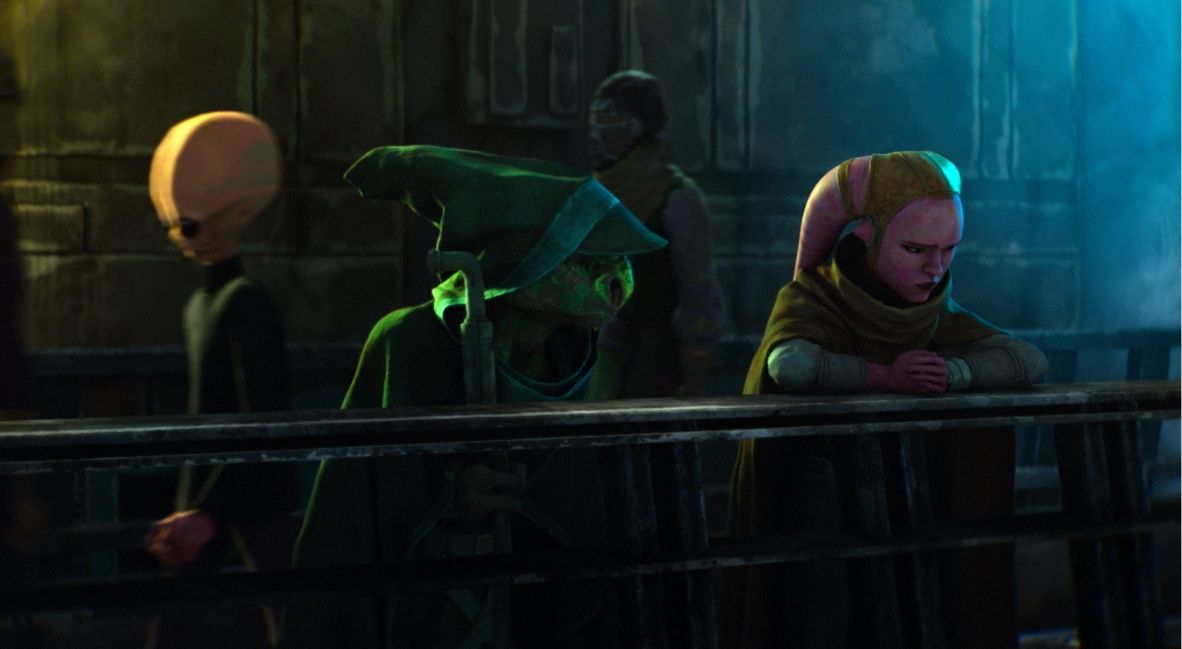
However, those same sequences reveal the repetition that makes his presence on screen predictable. He dominates the weak, manipulates where he can, and when something presents a real threat, he shifts the situation instead of confronting it directly. That’s where the supporting cast becomes essential, and where Maul – Shadow Lord Episodes 1-2 finds most of its weight.
Jedi Master Eeko-Dio Daki (Dennis Haysbert) represents restraint, but not in a way that feels heroic by default. His decision to wait, to trust in the Force rather than intervene immediately, instead of saving his Padawan from police custody after stealing a simple fruit, is presented with tension.
There’s an understanding that Master Daki could act, that he has the power to change outcomes, but chooses not to. In a different era, that patience might read as wisdom. Here, it reads as uncertainty. The galaxy has changed, and the Jedi philosophy hasn’t fully caught up.
Jedi Padawan Devon Izara will be caught between two ideologies.
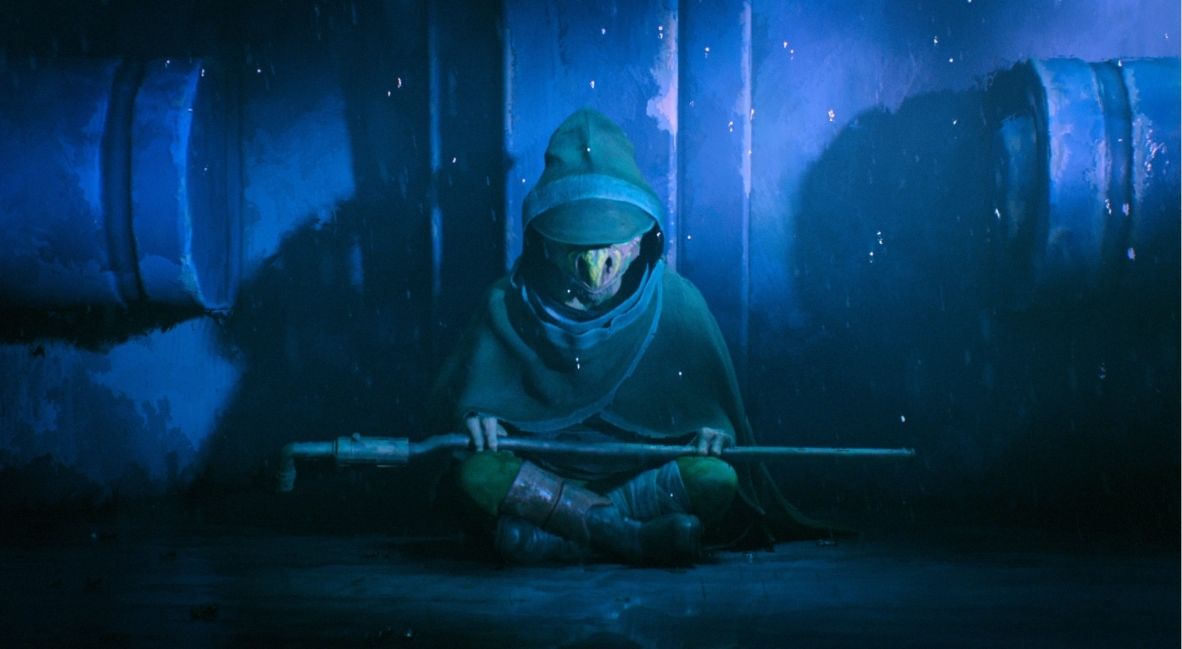
Master Daki’s padawan, Devon Izara (Gideon Adlon), on the other hand, is forced into that reality head-on. Devon’s situation is simple on the surface: survival in a system that doesn’t care about her, but what she represents is far more complicated.
By the time she meets Maul, it is clear Devon will be caught between two ideologies that both claim to offer clarity. One asks for patience in a world that no longer rewards it. The other offers power at the cost of control. Neither one fully accounts for what she actually needs.
Devon’s choices, especially in smaller, more contained moments, are where the e situation instead of confronting it directly. That’s where the supporting cast becomes essential, and where Maul – Shadow Lord Episodes 1-2‘s themes land the strongest. Not because they’re big or dramatic, but because they’re deliberate. By the end of episode 2, her decision not to take the most obvious path, even when it seems like the easiest or most powerful one, becomes more meaningful than any large-scale action sequence.
Maul – Shadow Lord Episodes 1-2 strings together characters who shouldn’t otherwise cross paths.
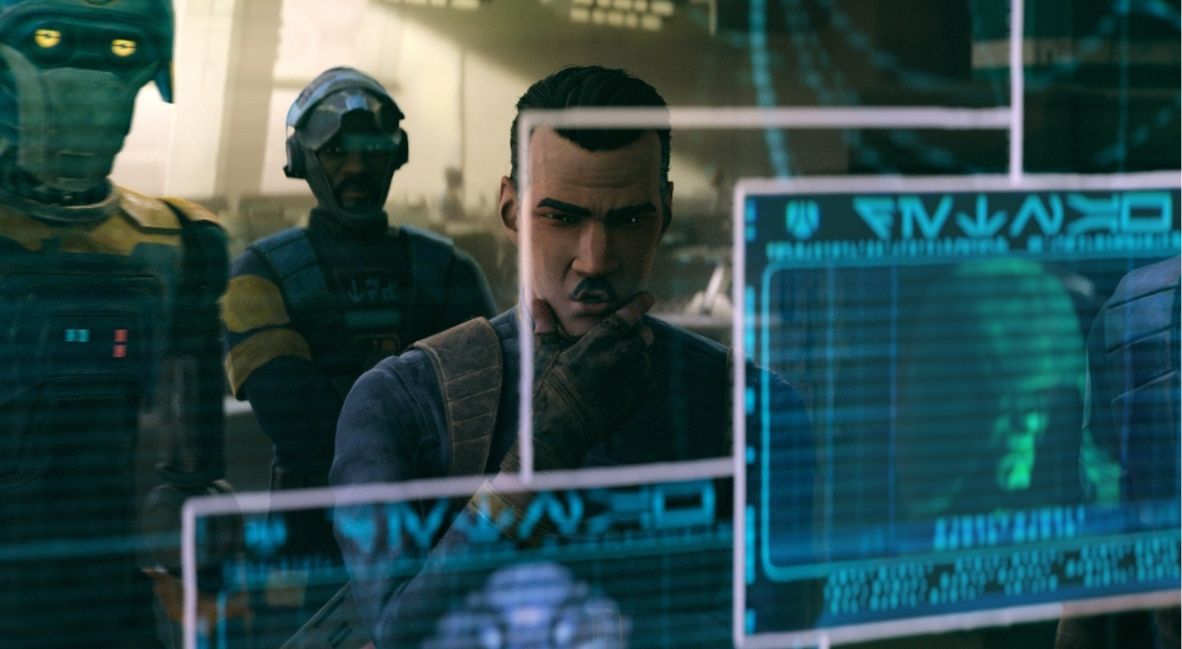
That focus on choice carries into the police storyline, which ends up being one of the more grounded and effective parts of Maul – Shadow Lord Episodes 1-2. Framed like a noir investigation, it gives the series a structure that feels familiar but still fits within Star Wars. The pacing slows, conversations matter more, and the stakes feel personal, even when the situation is larger than any one person.
What works particularly well here is how Maul – Shadow Lord Episodes 1-2 grounds its themes through Officer Brander Lawson (Wagner Moura) and the police department. Lawson is trying to do his job inside a system that’s already failing. Devon’s minor act of survival early in the premiere gets treated like a serious crime. As a result, people who shouldn’t cross paths are forced together, and even when Lawson has a chance to help Devon, his attention is pulled toward the larger threat of Maul and the Syndicates.
The Tactical Defense Force’s decision to avoid involving the Empire carries that same weight. Everyone in that room understands what comes with it: more control, less freedom, and a situation that quickly stops being theirs to manage. Lawson’s police droid partner Two-Boots (Richard Ayoade) sharpens that tension. When he suggests bringing in the Empire, he’s following protocol.
Lawson hesitates because he’s thinking about the outcome, not just the process. That gap between logic and lived experience runs through the entire department. And in a story built around choice, those smaller decisions carry just as much weight as anything tied to the Force.
Through its first two episodes, Maul – Shadow Lord establishes a clear identity.
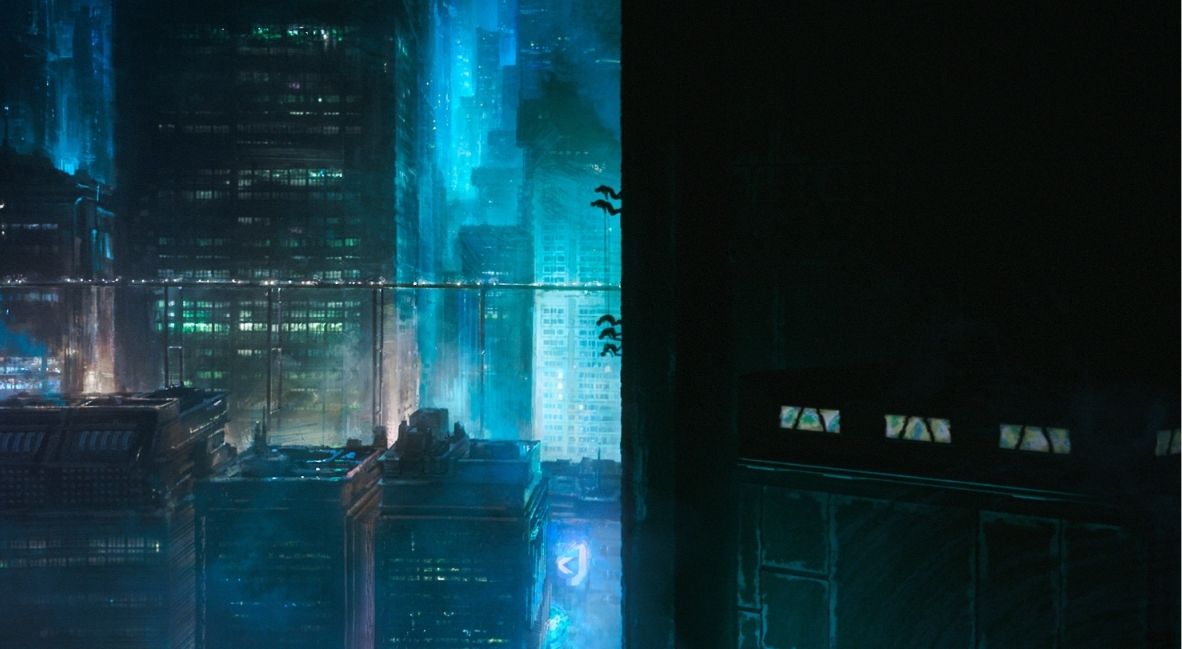
Visually, the action benefits from animation in ways live-action still struggles to match. The scale feels unrestricted in its set pieces. The choreography is fluid and, at times, brutal in a way that reminds you this era of Star Wars isn’t clean or heroic. But Maul – Shadow Lord Episodes 1-2 is at its best when it balances that action with stillness. When it lets scenes breathe long enough for the weight of a decision to land before moving on.
That’s also where the premiere avoids becoming repetitive, even when it flirts with it. Some of Maul’s sequences fall into familiar patterns, and there’s a predictability to how those encounters resolve. But because the show doesn’t rely on those moments to carry its emotional or thematic weight, they don’t drag down the overall experience. If anything, they highlight the difference between spectacle and substance.
Through its first two episodes, Maul – Shadow Lord establishes a clear identity. This is a story about power, but not in the way Star Wars usually frames it. It’s not about who has the most of it, but who understands it, who misuses it, and who is still trying to figure out what it’s actually for. Everyone here has access to power in some form, whether it’s the Force, authority, influence, or fear. What separates them is choice. When to act, when to wait, and what they’re willing to sacrifice when they do.
Maul doesn’t need to grow or change for this show to be rewarding.
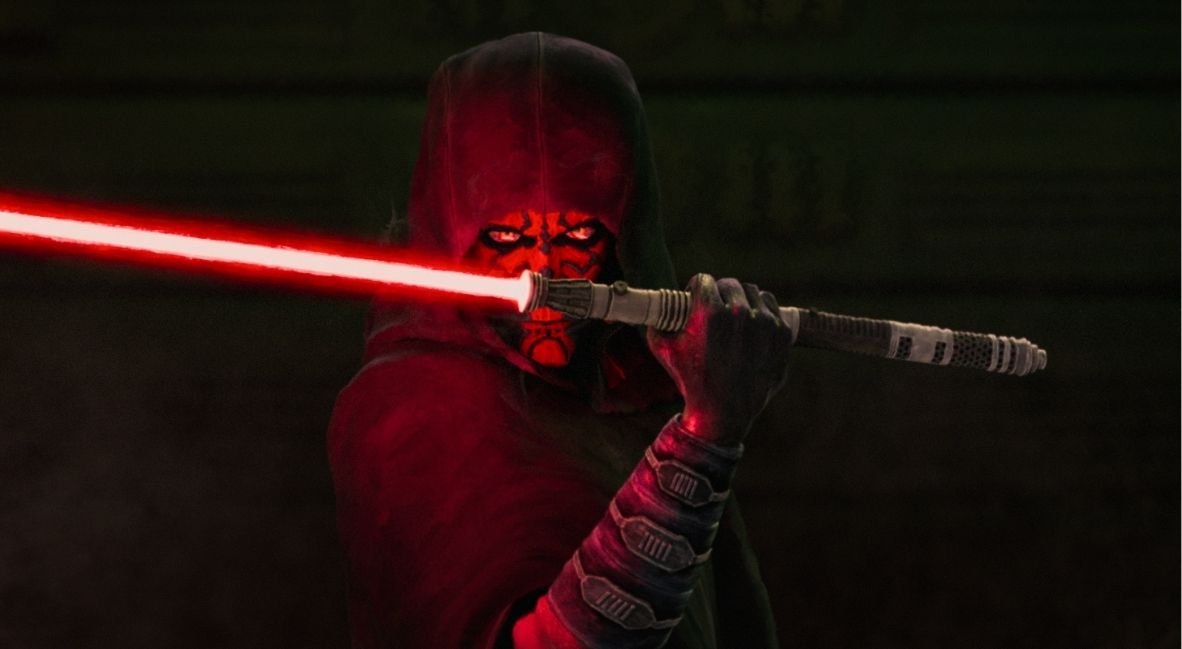
What lingers after Maul – Shadow Lord Episodes 1-2 isn’t Maul’s presence, but what he exposes. He doesn’t grow, and he doesn’t need to for the story to work. He forces everyone else to confront who they are and what they’re willing to become in a galaxy that no longer rewards easy answers.
If Maul – Shadow Lord keeps returning to that tension, between power and purpose, between control and understanding, it won’t just be another story set in this era. It will be one that actually reflects on it.
Maul – Shadow Lord Episodes 1-2 are streaming now on Disney+, with new episodes airing every Monday.
Maul – Shadow Lord Episodes 1-2
-
Rating - 8/108/10
TL;DR
If Maul – Shadow Lord keeps returning to that tension, between power and purpose, between control and understanding, it won’t just be another story set in this era. It will be one that actually reflects on it.