
Hong Kong, 1986. A city of over 5 million souls and even more stories, all simultaneously tethered to the rhythm of bustling tramways, dense enclaves, dreamy coastlines, and neon-lit cityscapes. A sumptuous if seedy paradise that doubled as a crystalline window to the future, with its distinct textures and milieus serving as foundational pillars for the high-tech, low-life Cyberpunk aesthetics that defined cinematic classics such as Blade Runner, Akira, and Ghost in the Shell.
Though the city felt distinctly modern, much of its vibrant film industry looked to the past. Enamored by ancient China and fueled by Wuxia martial arts spectacle, Hong Kong cinema of the ’70s and early ’80s abounded with gravity-defying Kung Fu and theatrical tales of loyalty, sacrifice, and codes of honour. With films like The Heroic Ones (1970), The Sentimental Swordsman (1977), and the genre’s pinnacle, King Hu’s Touch of Zen (1971), moviegoers took refuge in the annals of exaggerated history, sated on a diet of painterly grace and fluid swordplay.
But as the British colony quickly neared a handover to Mainland China, entire fabrics of identity, culture, and tradition were cast into flux. As one thread of the city’s filmic spirit looked towards an uncertain, morally complex future through contemporary-set crime tales, the other clung to classical, cut-and-dry Wuxia ideals of honor.
John Woo introduced a new blend of cinematic genres.
Enter John Woo, a blistering cinematic force of slow-motion bloodshed, pyrotechnics, and impassioned melodrama that, in bridging such thematic dichotomies, cemented a new visual language that reshaped an international understanding of action filmmaking. An operatic panoply of sights and sounds that transposed the moral core of Wuxia epics onto slick gangster and cop dramas—rendering each gunshot and spurt of blood its own kind of haunting, visual poetry.
Woo’s cinema not only eschewed long-ingrained binaries of good and evil but also channeled a classical ethos of fraternal longing and connection. The result is a brotherhood of bullets, where stylish, balletic shootouts become allegorical theatre. Every shotgun blast, disposed clip, and cocked pistol carries its own prose, shaping sentimental, impassioned meditations on morality, honour, and kinship.
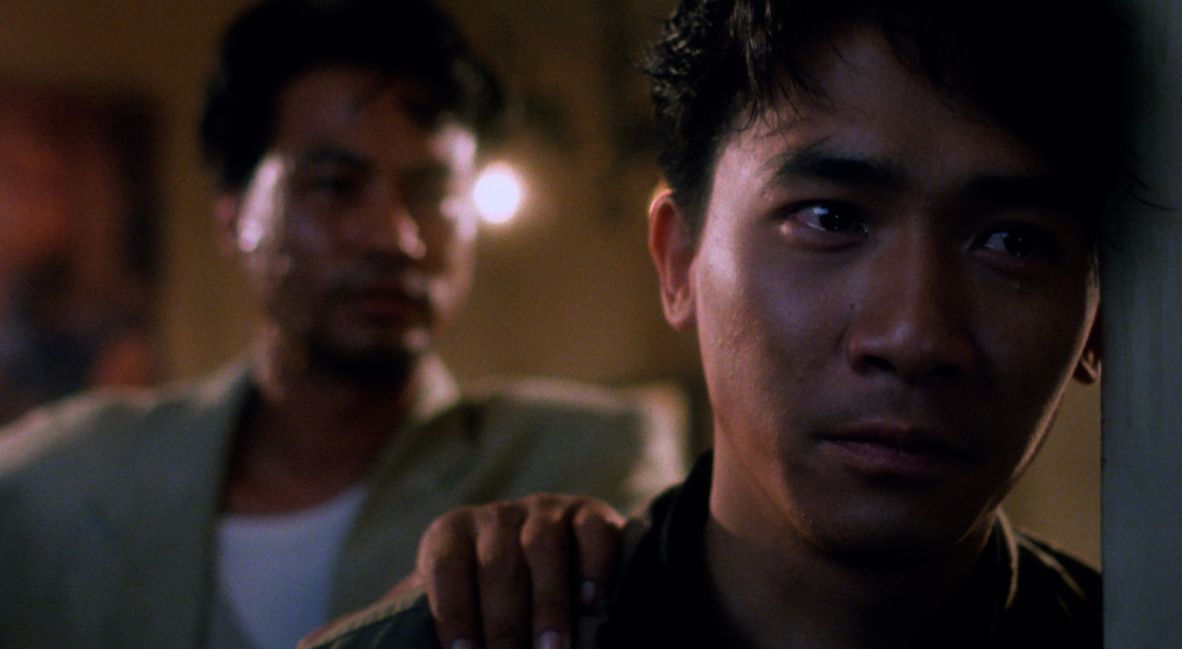
With his breakthrough, A Better Tomorrow (1986), that fraternal, familial dynamic is immediately felt. Propelled by tension between two brothers, one a Triad gangster (Lung Ti) and the other a cop (Leslie Cheung), their splintered connection epitomizes a battle between traditional order and modern chaos, classical morality and contemporary complexity, and, in many ways, a soon-to-be former European territory and an emergent Chinese metropolis.
With his film The Killer (1989), Woo cemented a thematic throughline.
Each shootout not only immortalizes a nascent genre, “Heroic Bloodshed” (City on Fire, Long Arm of the Law, Righting Wrongs) but stages an internal, intrinsic battle for integrity, courage, and honour. Black-and-white views of heroism are instantly muddled in an inky, grey pool of blood, sweat, and tears.
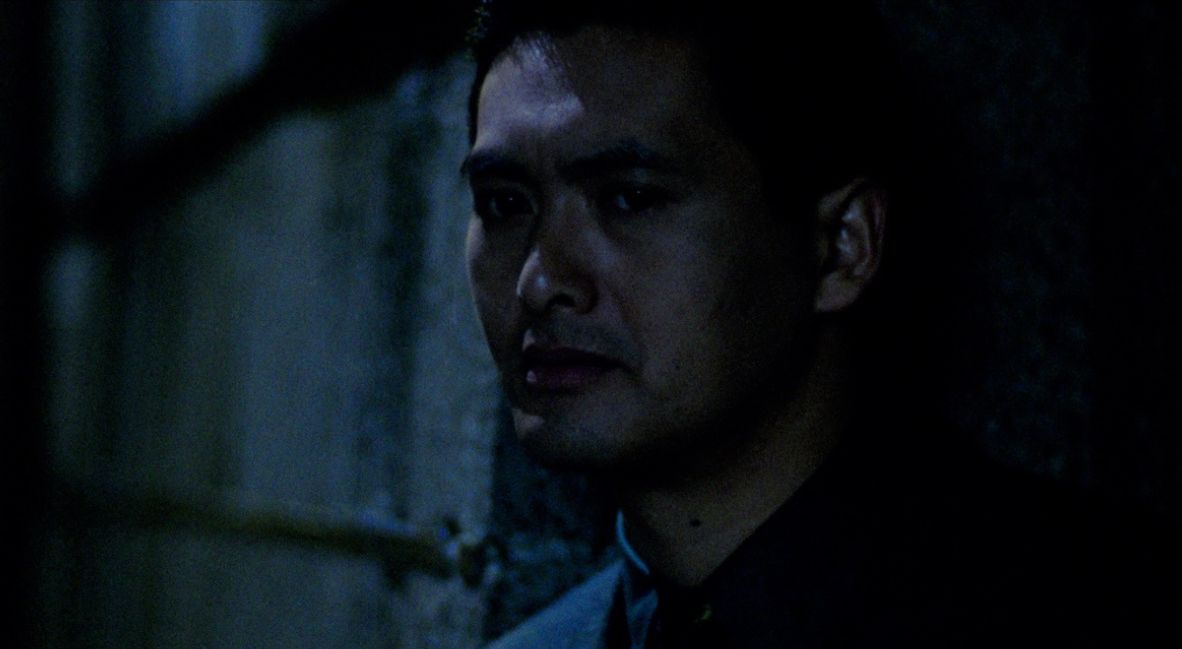
It’s a thematic throughline that enters a celestial realm in The Killer (1989). Chow Yun Fat’s cold, calculated, yet compassionate assassin protects the innocent even as he’s carrying out contracted hits. While the cop (Danny Lee) is hot on his trail, he comes to relate and resonate with the same fragile moral code—an antiquated guiding force among younger, more dispassionate Triads.
Their fraternal longing becomes highly sensual and, at times, almost homoerotic, where they finally join forces in a dove-filled, church-set shootout. In using these sacred, religious locations, Woo transforms his explosive firefights into spiritual battles, a court of cosmic judgment where missed connections and fate’s indifference become bullets these characters can’t dodge. A Greek tragedy, Hong Kong-style, that transforms bullet-ridden mayhem into a beautiful, tragically stirring soliloquy on a friendship that never blooms, an embrace that never happens, and codes of honour blinded by a world without them.
Hard Boiled (1992) achieved greatness through explosive action.
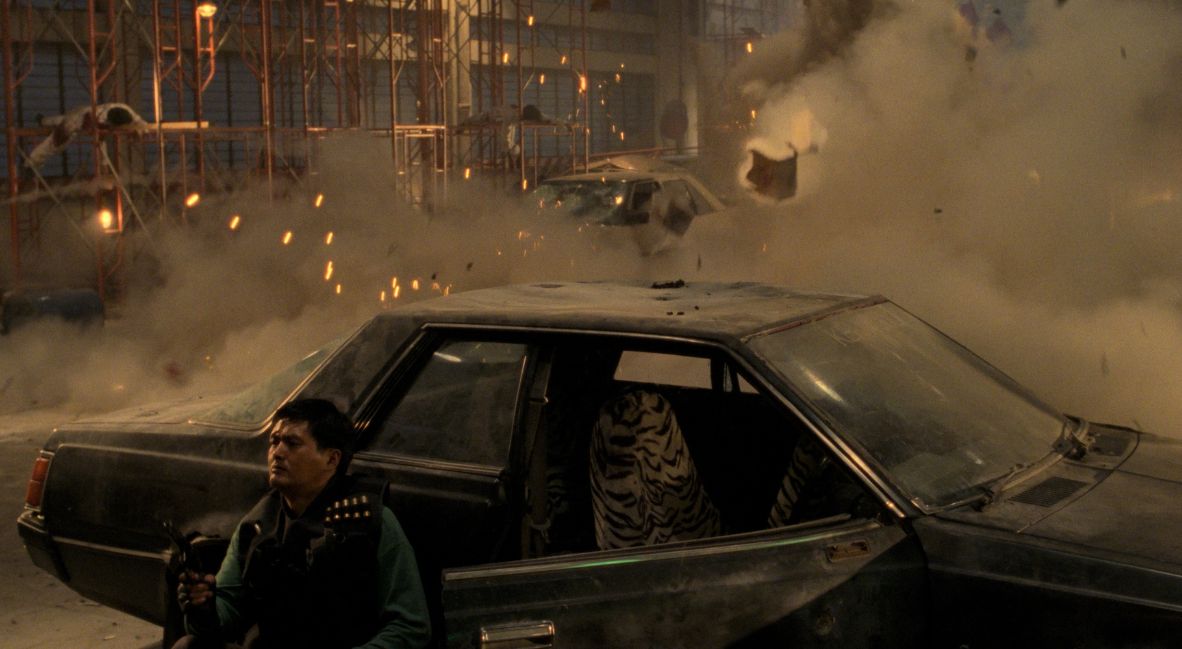
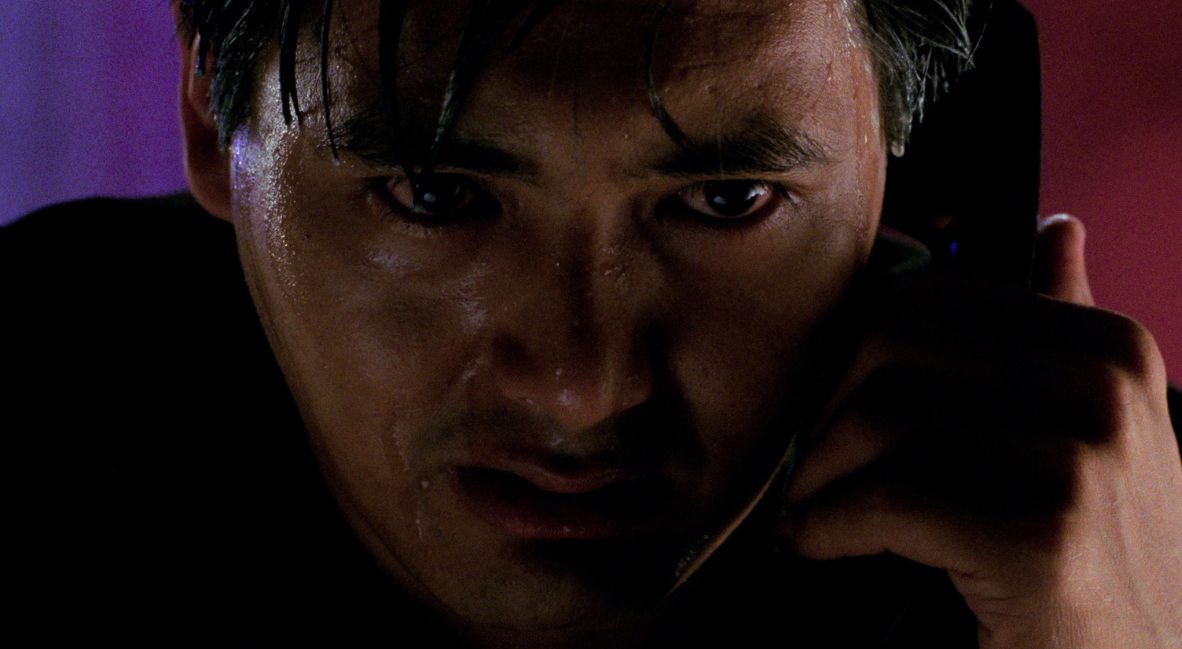
Fat’s innate charisma and blinding star power channel the same energy in John Woo’s virtuosic Hard Boiled (1992). The film marks the apex of their storied creative partnership, spanning hits like A Better Tomorrow, its ludicrously plotted but enthralling sequel, and Once a Thief.
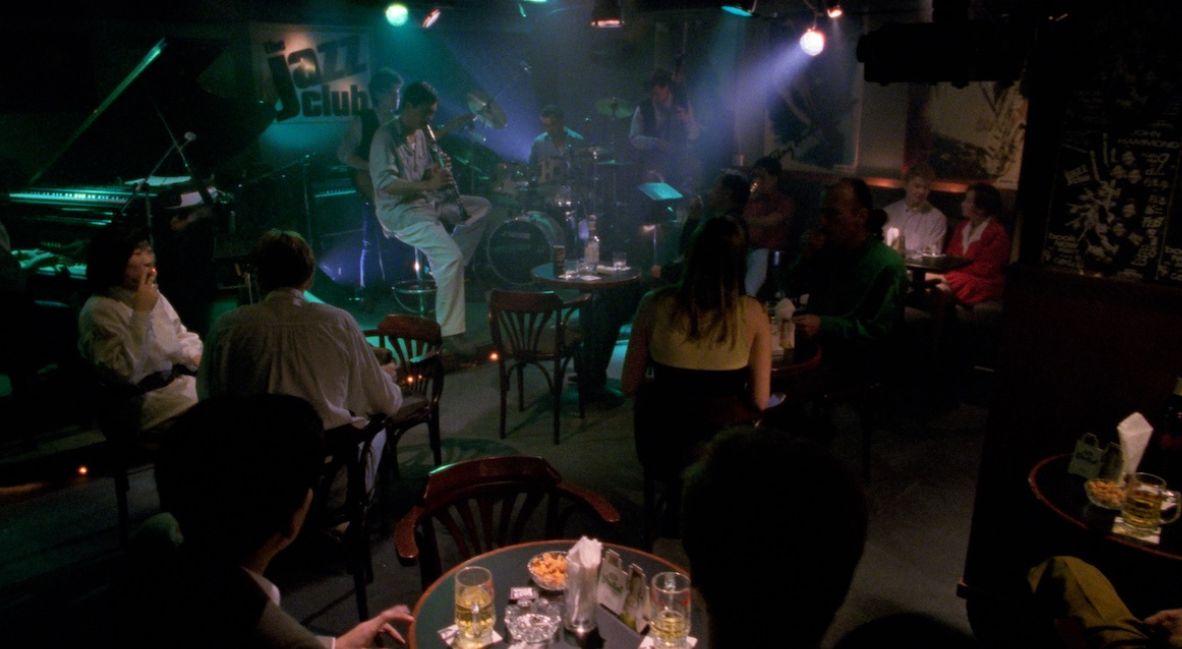
Now playing the smooth-talking, saxophone-playing cop, Fat’s Tequila brushes against Tony Leung’s somber, origami-folding gangster with a secret. Their slow-building allegiance and trust come to a head in one of the greatest single-take sequences in action-film history. An over-the-top jubilee of arterial spray and graceful slow motion that, in its kinetic glory, taps into a touching, if fleeting, sense of companionship.
Even when Woo takes his sweeping melodramatic lens to the recent past, as in Bullet to the Head (1990), he manages to morph each bullet into a visceral messenger of lingering trauma, where every inkling of honour and brotherhood is swiftly cut down like an overgrown weed. Following three best friends (Tony Leung, Jacky Cheung Hok-Yau, Waise, and Lee Chi-Hung) from the slums of Hong Kong to war-torn Saigon, Bullet to the Head revels in breathtakingly stylish gunfights that somehow still tap into the moral, psychic suffering of pulling a trigger.
The worlds John Woo creates defines our understanding of action cinema.
After defining the visual calculus of action films forever with Hard Boiled, his final great Hong Kong film, John Woo brought his signature artistic touch to Hollywood, where such thematic obsessions turned ludicrous, high-concept blockbusters like Face/Off (1997) into masterpieces.
As FBI Agent Sean Archer (John Travolta) swaps visages with psychotic criminal Castor Troy (Nicholas Cage), they come to form two sides of the same coin, mirror-image twins defined by family trauma. Grief over a dead son filters into devotion for a flawed, manic brother, as fragile, damaged relationships cosmically link both hero and villain. Through love and loss, even the gravest of foes can forge a loose, ethereal connection.
Though not every project packs the same thematic punch, whether it be lesser franchise efforts like Mission Impossible II or his glorious Hollywood debut, Hard Target, John Woo’s symphony of balletic gunplay, rampant symbolism, and moral ambiguity takes centre stage, violence becomes a connecting bridge between enemies, eras, and even the shifting sovereignty of a city. In a world where change is constant, and passions remain intemperate, Woo’s thrilling, influential style reminds us that loyalty, honour, and kinship can be just as walloping as a bullet to the head.