
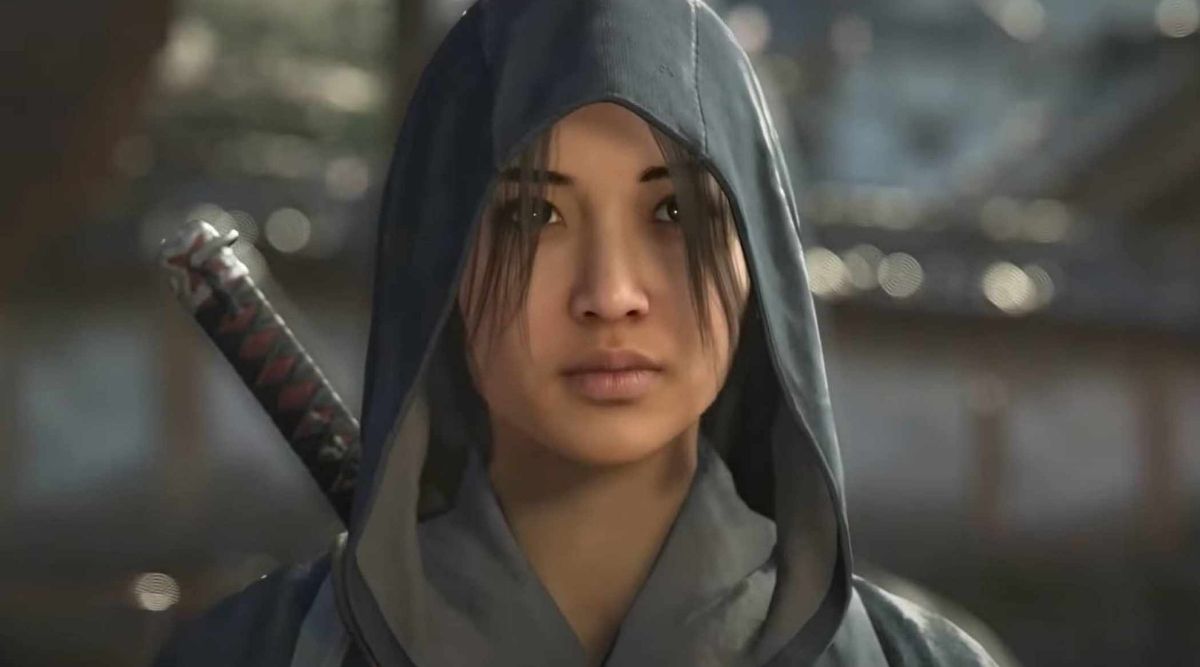
When Assassin’s Creed Shadows was first released, a reasonable critique was that the story felt like it came to a sudden end without wrapping up all of its storylines. While Naoe and Yasuke succeeded in defeating the Shinbafuku and recovering the lost piece of the imperial regalia they had stolen at the beginning of the game, the Assassins’ encounters with their mortal Templar enemies were only just beginning. And while one piece of regalia had been restored, two more pieces still remained in the wind.
For most of its history, the Assassin’s Creed franchise has incorporated post-launch DLC into its games. In the early days, they added extra side missions, like Ezio’s search for a missing Da Vinci in Assassin’s Creed: Brotherhood.
In Assassin’s Creed IV: Black Flag, the franchise began a trend of adding a full new mini-story set after the main game. Freedom Cry, Jack the Ripper, and The Hidden Ones for Black Flag, Syndicate, and Origins added not only additional missions but also offered the opportunity to play as alternate characters and expand the long-running lore of the Assassin’s Creed universe.
Assassin’s Creed’s season content strategy since Valhalla has kept the worlds feeling fresh.
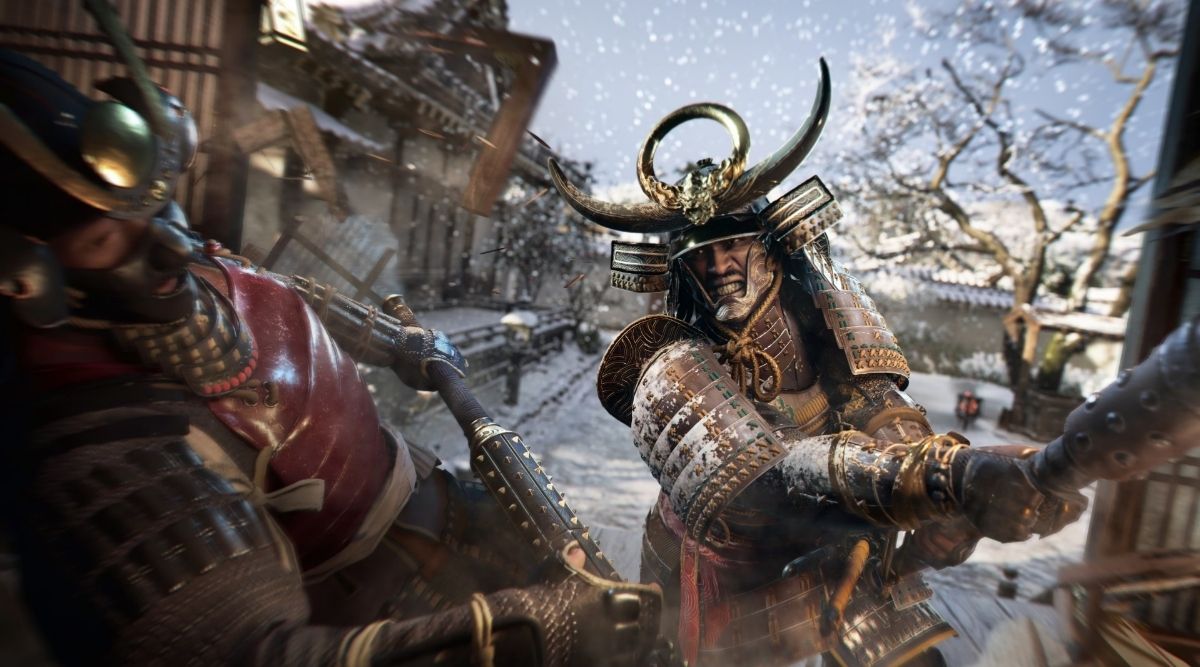
With Assassin’s Creed Odyssey, the DLC strategy had its first major overhaul. There would be a slew of one-off missions added during the post-launch period that expanded the world of ancient Greece, as well as two massive, multi-chapter DLC stories that took the player to completely new maps and majorly expanded the entire Assassin’s Creed mythos.
The first DLC, The First Blade storyline, explained how Kassandra ultimately became connected with the Hidden Ones, and The Fate of Atlantis explored how she would eventually become one of the most important figures in the whole series.
Valhalla changed the approach again, too. Seasonal content refreshed every few months over a two-year post-launch period. Several free new game modes were added over time, including raids, challenge maps, and a roguelike mode.
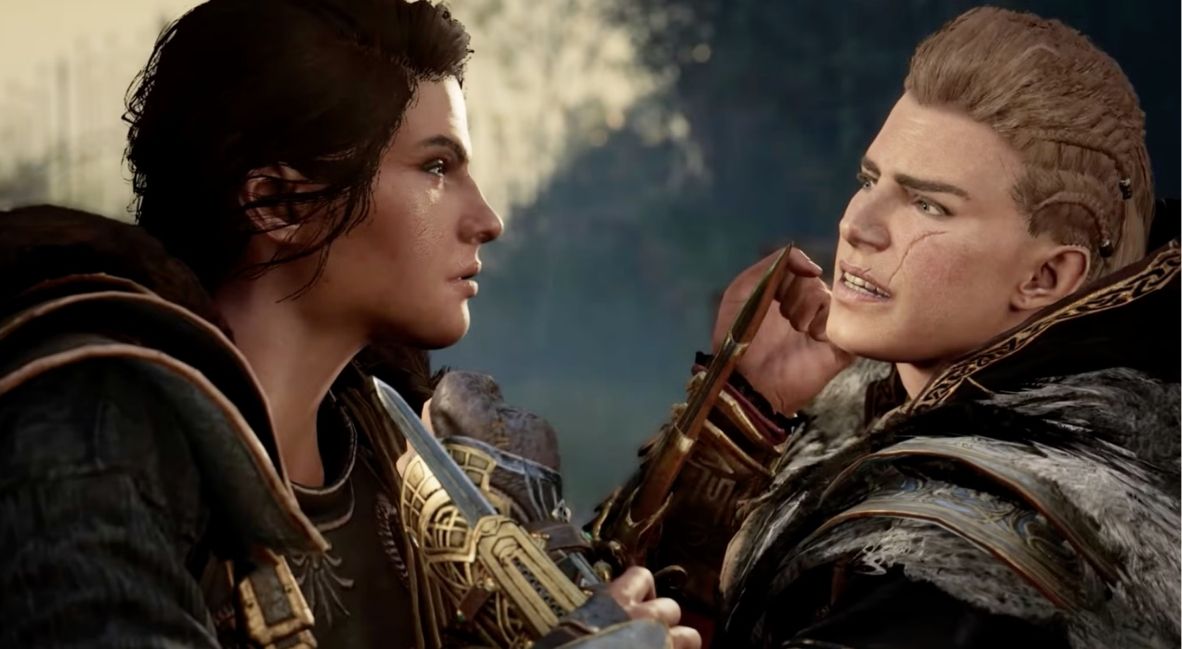
Two full paid DLCs added extra stories in the foreign lands of Ireland and France. And most importantly, as the lifetime of Valhalla concluded, two new crossover story missions were added. But they weren’t just added to Valhalla; they were added to Odyssey, too.
This unique approach to franchise storytelling picked up the threads Odyssey left open while satisfyingly connecting Kassandra’s journey to that of Eivor’s in Valhalla. Since both sets of crossover missions were free, it was a great excuse to revisit Odyssey and Valhalla. The latter also released a free “The Last Chapter” update just before Assassin’s Creed Shadows was released to put a bow on Eivor’s experience in England.
Multiple free updates not only added additional game modes but also tied different games together.
Valhalla had two paid DLCs, but in its entire second year of post-launch content, it released only free updates. Assassin’s Creed Mirage even received a surprise update two years after its launch, substantially expanding the game and its narrative with an entirely new region and storyline.
This is the trend that made Shadows’ approach to storytelling click. Yes, it took a paid DLC to conclude some major parts of the story. Claws of Awaji made surprising character reveals, found the final missing regalia, and advanced the Assassin’s versus Templars side of the story to a more satisfying conclusion.
But for the lovers of Assassin’s Creed lore, the drip of additional story content over the remainder of its lifecycle was greatly satisfying, much like the previous two games’ approaches—even if it took a little longer to hit its full stride. Multiple free updates not only added additional game modes again, like challenge maps and corrupted castles, but they once again helped tie Shadows more directly into the games that came before and after it in the series.
The Animus Hub continues the modern lore drips, for patient and dedicated players.
For most Assassin’s Creed players, the modern-day story was cumbersome at best, and confusing or burdensome at the worst. But for many, the draw away from the modern timeline in Shadows was initially fairly disappointing.
There is still some lore to be sussed out, for those patient enough to seek it out. The entity fighting to liberate the Animus EGO user pops up throughout the story and in post-release content, and corrupted text files can be found or unlocked that expand on the story here and there.
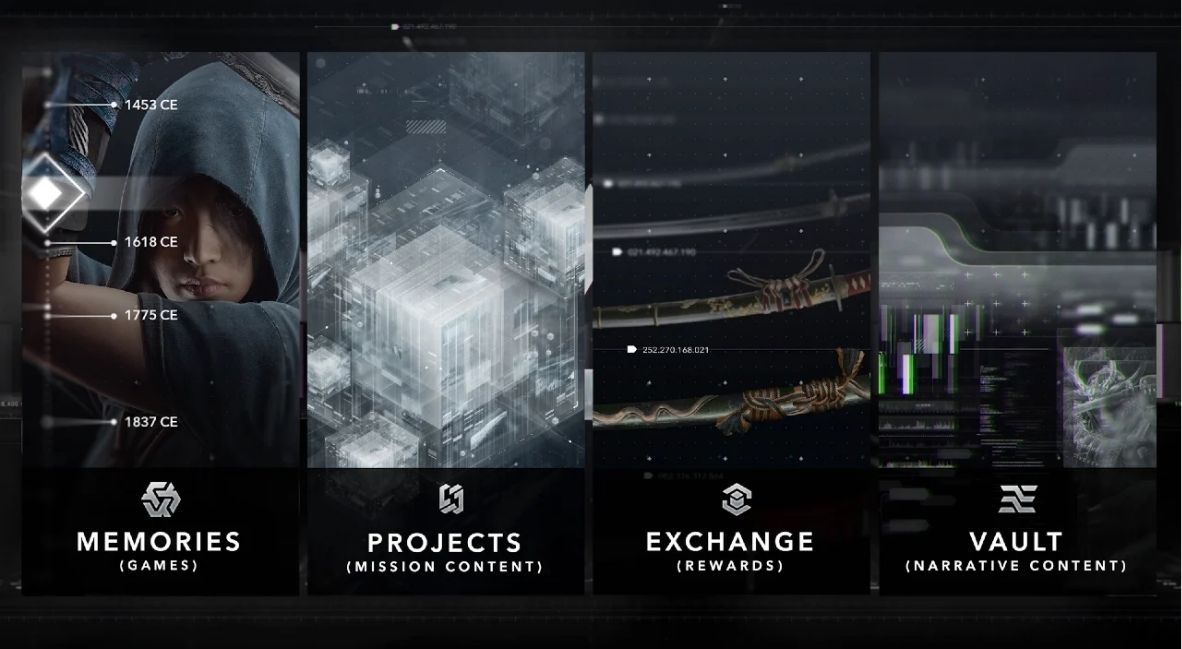
Thanks to the Animus Hub, which launched with Assassin’s Creed Shadows, the most recent generation of Assassin’s Creed games are more connected than ever. It primarily serves as a launcher for each of the games, starting with Origins, but beginning with Shadows and continuing with Black Flag Resynced, a new “Projects” system for in-game rewards.
With currency accrued through completing weekly Anomalies, players alternately unlock in-game weapon and cosmetic rewards and Encrypted Data Files. These files offer small, confounding lore bits from the modern side of the series.
As time went on post-launch, Assassin’s Creed Shadows added more Projects, offering more in-game rewards and more encrypted lore to unveil. The final two Projects are labeled “crossovers,” offering rewards for both Shadows and Black Flag Resynced, and perhaps encryptions applicable to both as well.
Free updates have been great excuses to revisit Assassin’s Creed games in between releases.
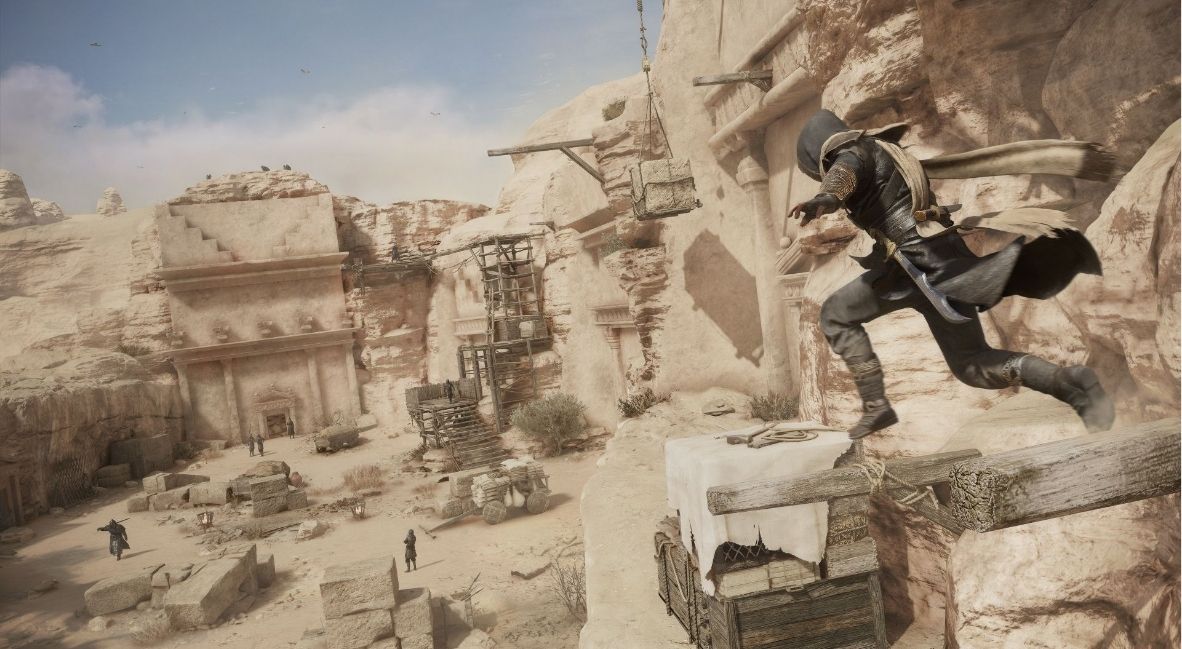
Even with the advent of the Animus Hub, though, it wasn’t until Shadows’ final two updates that true connections to the greater franchise story started unfolding. In the first of Shadows’ final updates, players were tasked with uncovering hidden glyphs all over the map.
But more than just a timekiller to unravel riddles and locate a bunch of glowing symbols, the update introduced additional new characters and moves for Yasuke and Naoe. The activity might be slightly tedious, but the result was a fresh set of faces and a huge lore drop.
For players who never cared about the overarching Assassin’s Creed narrative, it’s okay that this repetitive task wasn’t included at launch. The reward wouldn’t have felt worth the effort.
But for those who crave the interconnectivity, these extra cutscenes and connections back to the previous several games are exciting. It’s still not conclusive, but it’s good to feel like at least some of the previous story threads aren’t being left untied. There may even be hope that the modern-day Loki/Basim storyline will get a continuation.
Assassin’s Creed Shadows’ final free update connects it directly to Black Flag.
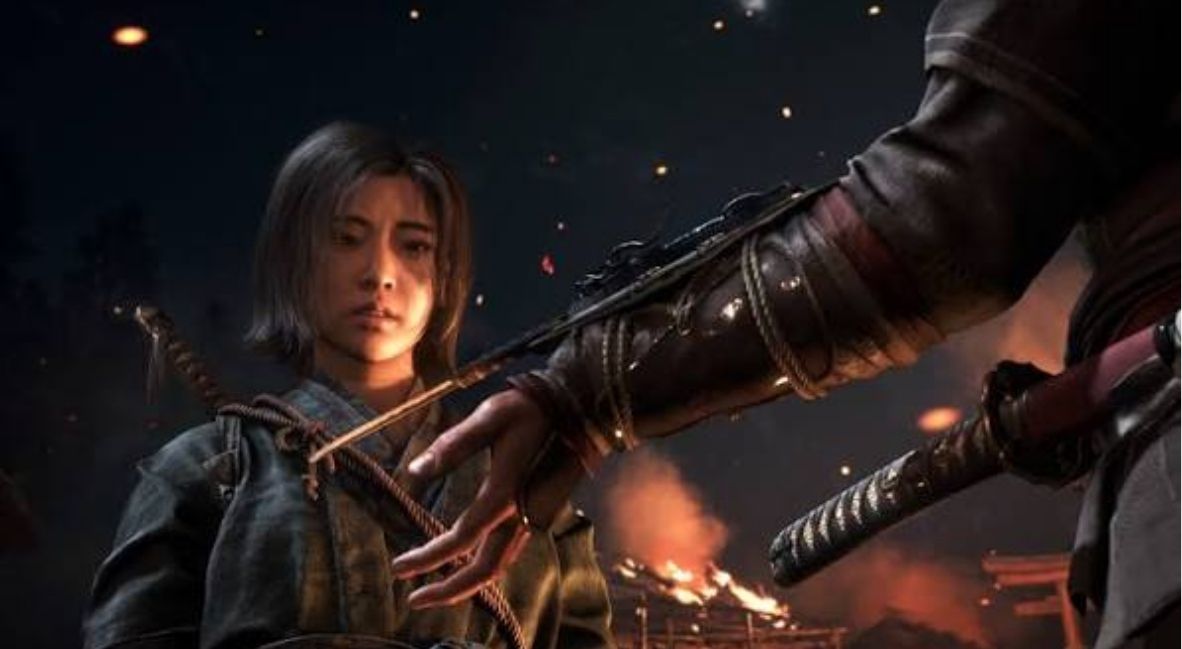
Where Shadows’ penultimate update connected it to the games that came before it, its final free update connected it to the game that would come next: Black Flag Resynced. A substantial set of extra story missions added great stakes for Yasuke and Naoe on their own, while finally offering some additional Assassin/Templar content to the game. The new adversaries the tandem faces represent a fascinating faction of the Templar Order, and their presence in Japan connects them to their counterparts over a century later.
It’s not very often that multiple Assassin’s Creed games return to the same Isu concepts. Usually, they are exploring a completely new one every time. Revealing a set of Templars who are searching for the same Observatory that their descendants would be on the brink of finding in Black Flag helps make the entire world of Assassin’s Creed feel more connected.
There are key facts these earlier Templars don’t know about where the Observatory is or how it works, helping it feel like both orders learned a great deal about it in the hundred years between the two stories. How certain factions come into possession of objects central to Black Flag’s Isu plot is also revealed (although some things remain a mystery).
It’s a fun set of reveals that, again, help the Assassin’s Creed games feel more connected to one another, despite hundreds of years of history separating their stories and a number of convoluted reworkings of the modern timeline mechanics.
It’s for the better that deeper, franchise-spanning Assassin’s Creed lore is being saved for post-launch content.

For casual players who primarily play Assassin’s Creed games for their historical fiction and action-adventure gameplay, saving some of the strangest, most science fiction-heavy parts of the story for DLC and post-launch updates is perhaps a good thing. If they were included at launch, they would not only bloat the playtime but also overwhelm the central plotlines.
But by slowly releasing more of the story over months, sometimes even years, fans interested in the deeper, interconnected lore of the games are given more reasons to keep revisiting them long after their release. It’s a very satisfying strategy that helps fans stay immersed in the universe all year long and in between new releases.
Assassin’s Creed Shadows is available now. Assassin’s Creed Black Flag Resynced releases July 9th, 2026 on PlayStation 5, Xbox Series X|S, and PC via Steam, Epic Games, and the Ubisoft Store.