


HoYoverse’s Petit Planet is a cozy life-sim that subverts expectations from the studio. While gacha mechanics are a part of this new live-service title, this Animal Crossing-lite embraces the cozy genre with vibrant aesthetics and player freedom that have come to define life-sims. That said, while HoYo’s other titles have the spotlight, Petit Planet‘s closed test has fallen slightly under the radar.
Much of my interest in Petit Planet came from listening to a friend talk about it. While she doesn’t necessarily consider herself a gamer, HoYo’s mobile titles have been a good entry point, along with the life-sim titles she plays on her Switch. So, when the chance came to try out Petit Planet, I jumped at it, especially since she had gotten into the second Closed Test as well.
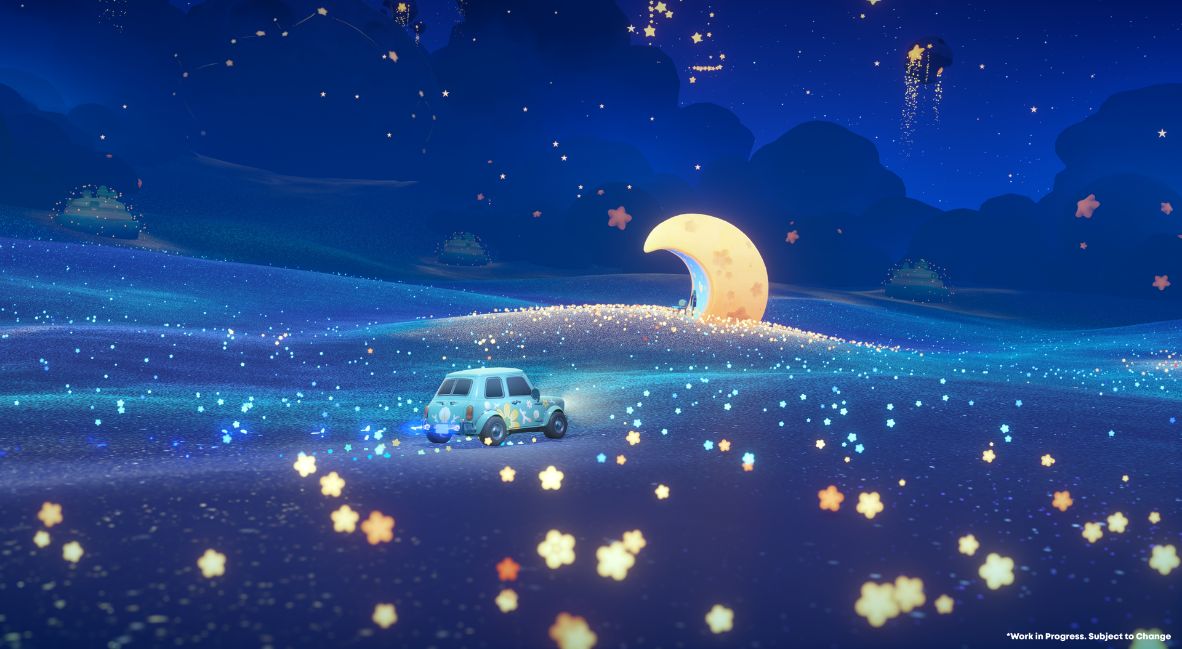
As we played and talked, the takeaways were easy to identify. The style is the perfect kind of adorable; the aesthetic is vibrant with cuteness at its center; and getting to play with others is core to this title’s success. Whimsy drives Petit Planet and grounds it in an otherworldly but cozy space, which is accentuated by the Starsea Experience, where players drive in a little car through a sea of stars, exploring planets and meeting their neighbors.
Petit Planet’s whimsy is an immediate reason to explore the stars.
For the most part, Petit Planet has all the bells and whistles you expect in the genre, and, more interestingly, uses a structure similar to Animal Crossing: New Horizons. Still, the game winds up feeling closer to Pokémon Pokopia (though the full release will need to tell us whether it reaches that game’s heights), and not just a reskin.
And that’s the worry when a studio steps into cozy life-sim territory. Is it too much like what we’ve seen before? Is it worth putting time into it when you have Animal Crossing or Pokopia? And the easy answer is yes, thanks to the social elements HoYoverse has developed. This is a game meant to be experienced with others, and that’s what makes it exciting.
As far as being an Animal Crossing-like game is concerned, you’re able to customize your character, decorate a house (and planet), gather, craft, and talk to your neighbors. While the skintone choices are more robust than in other HoYo titles, they still fall short of today’s customization standards.
That said, it is in line with what is available in other titles in the genre, with the other two titles I’ve mentioned offering minimal options for skin tone and hairstyle. It’s clear that there needs to be more skin tones and hairstyles, especially with the criticism the HoYo has received in the past. That said, Petit Planet is a step forward for the studio, even if it doesn’t tick every box. Still, as a live-service game, those elements are easy to patch in, so long as they don’t paywall players from items that make their characters look like them.
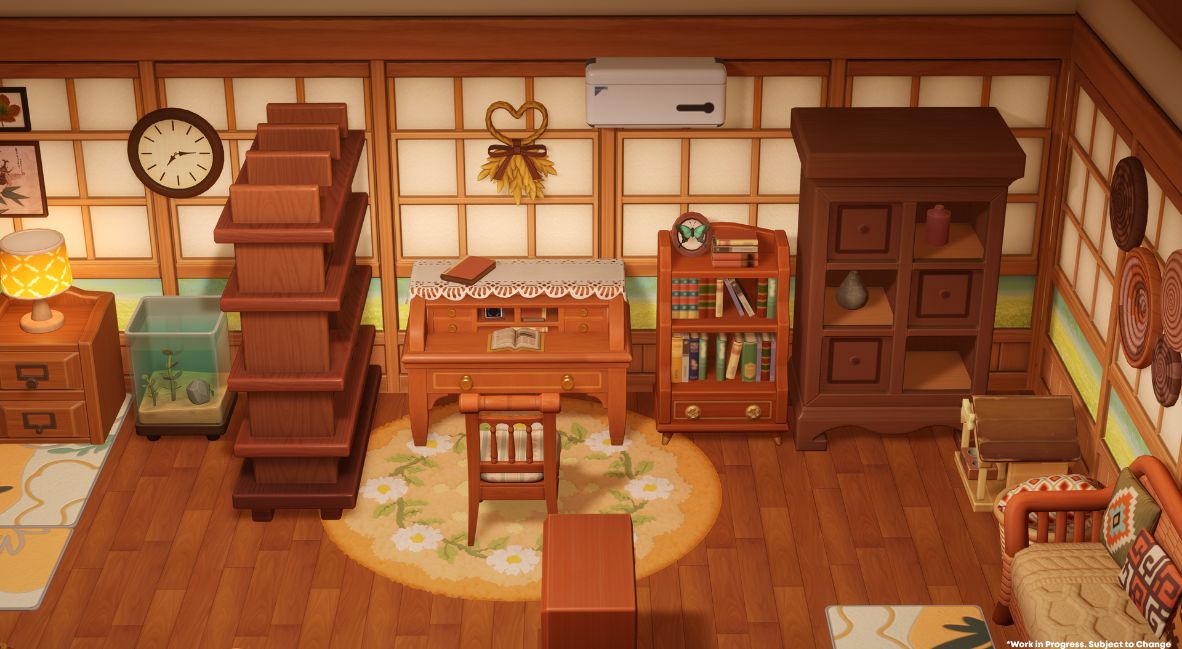
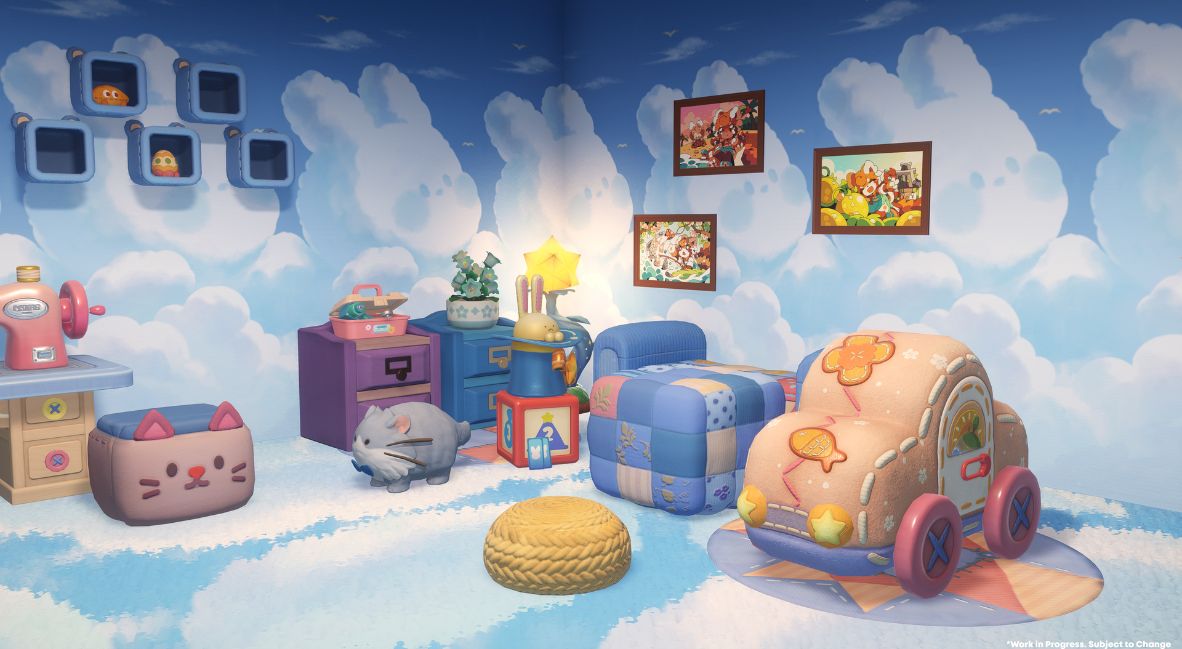
Petit Planet may lack some character customization elements, but its attention to personal style comes through in the player’s ability to design their entire planet. Every square of the planet can be chosen by you, and just in this Closed Test version, it’s packed to the brim with a spectrum of aesthetics that will let every black cat and golden retriever friend duo create worlds that work for them.
But while some mechanics lack depth and distinction from others in the genre, like gathering from trees or fishing, there are other elements that make Petit Planet more unique. There are three focuses for gameplay: your planet, your neighbors, and the Grand Bazaar.
The first of these is pretty much what you expect. In fact, while the Animal Crossing comparisons will be constant, the game winds up being closer to Singularity 6’s Palia than any of the other single-player titles that players will know when they get into the latter two gameplay areas.
Petit Planet‘s larger world takes time to get to after an extremely long tutorial section, but when you start exploring, everything starts to click. More specifically, for all of the systems in Petit Planet, there are reasons to engage with them. Cooking food is necessary to handle the game’s hunger mechanic. Eating is central to replenishing your energy to complete tasks, but the food you cook can also be given to neighbors to strengthen your bond with them or sold.
HoYo’s attention to building systems you need to interact with without making them a chore works well.
Unlocking recipes requires experimenting with ingredients and exploring, but they can also fall from the sky. More importantly, finding recipes also encourages players to play with others, since they can share them. And finally, cooking encourages you to bond with your neighbors, since they can share new recipes as you get closer to them.
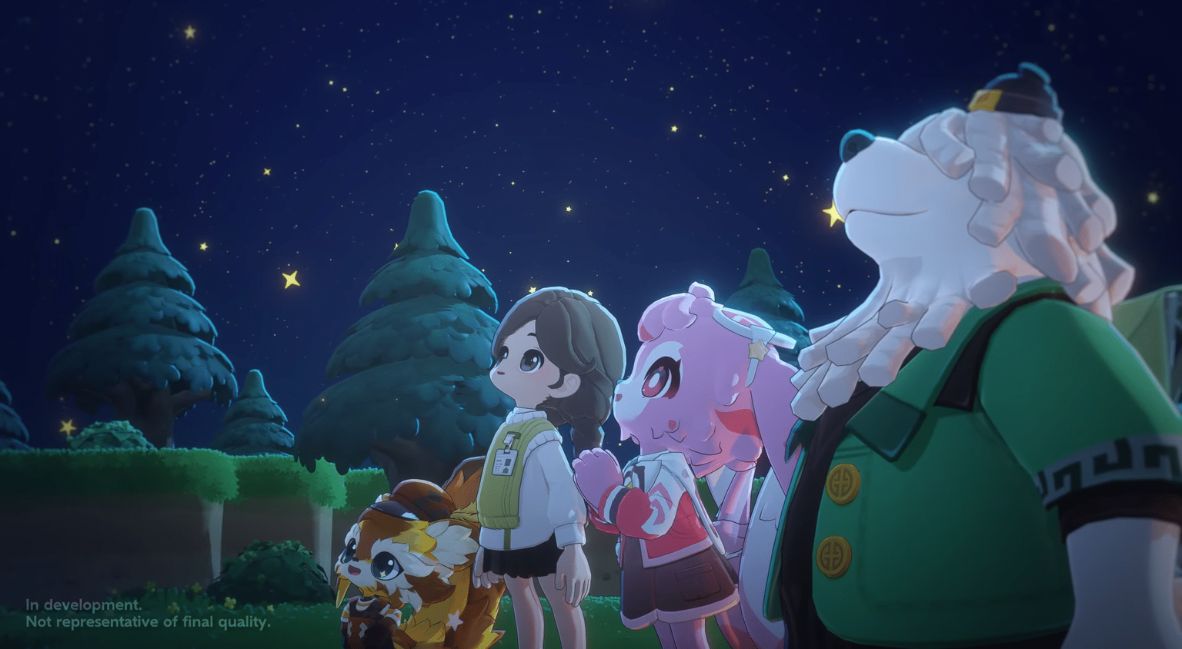
Each neighbor has unique planets and benefits that increase as your bond with them grows. While there haven’t been any monetization updates from the studio, the game’s neighbors seem to be part of the gacha mechanic, with each one having bios and backgrounds similar to those in other HoYo titles. While you don’t play as the neighbors, they do come with their own trees for players to upgrade and move through. Which makes getting to know your neighbor rewarding.
A deeper system than just a gift every now and again, each neighbor’s constellation serves as a tracker that highlights milestones you reach in your relationships and rewards you for doing so. Additionally, as you develop bonds with your neighbors, you can collect little fluff balls that help you progress your neighbors’ planets, allowing for even more investment in the system that pays off with design items.
But the biggest element that makes Petit Planet stand out is its social setting called the Galactic Bazaar. Here, you get to interact with other players and NPCs, and buy items you can’t find elsewhere. While the area focuses like a hub in an MMO, it doesn’t go all the way in on UI that looks like it.
Instead, players talk to each other through text bubbles that appear over their heads instead of the traditional text box. The communication allows players to request interactions and, more importantly, advertise what they’re looking to trade or need. The need to talk to each other becomes increasingly important when you realize that the mini-games in the Galactic Bazaar are made to be completed with multiple people and offer special benefits for doing so.
This is where the real magic of Petit Planet takes place. It’s one thing to have a life-sim game that lets you play alone or with others. But by granting incentives to play with others, the developers have established a way to play and incentivized interactions to reinforce that. In doing so, the community becomes central to the game loop, and nowadays, a strong community can go a long way toward keeping a live-service game afloat.
When it comes to currency, there is Lumi, which you gain through completing minigames and by completing permanent milestones. Players can then use Lumi to shop for items, which rotate as you see in other games in the genre. Players also get Lumi from completing daily missions, a system that works like login rewards and helps keep you invested in logging in consistently, a mobile game staple.
Petit Planet has all the greatest hits of the genre, but offers up a more communal focus.
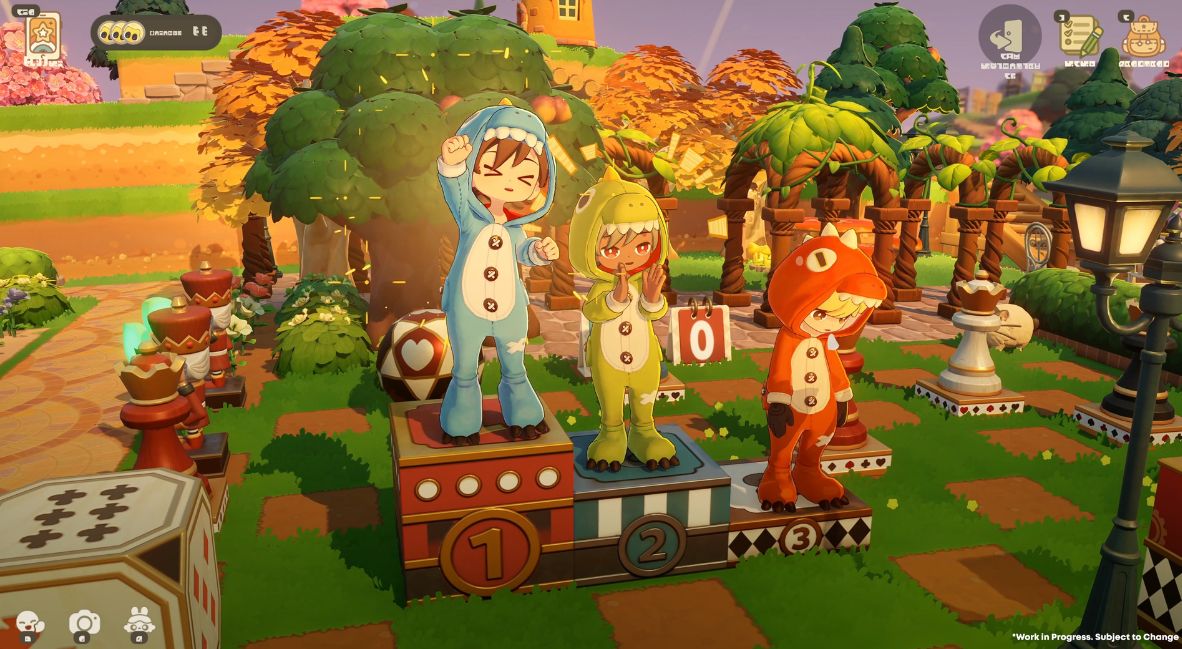
The second currency you can get is Mirolumi, which opens up once you get a curio card. With even more rare and specialized items that rotate, it’s easy to see that Mirolumi is the primary premium currency. That said, beyond currency systems, Petit Planet doesn’t have the hallmarks of mobile game monetization, with most things always feeling obtainable. Still, as a free-to-play game, it’s clear that monetization is on the horizon, and that raises the question of whether the cute, whimsical atmosphere can be maintained with the dollar signs attached.
One element that may give some warranted pause is that Petit Planet has an AI-generated chatbot, which you can ask questions to, as well as an NPC named Nalo, who responds to you like a chatbot as well. That said, the game is fully voiced by actors, and there haven’t been any disclaimers about generative AI. Given its inclusion at all in the current climate, where workers in the US are losing jobs at an alarming rate, it’s easy to see this as a knock against the game.
That said, unlike the generative AI art assets that other games have been caught with, the AI-generated chatbot is marked as such and ultimately serves a function similar to the support bots we are all forced to talk to when we have technical issues. Only here, the integration helps players ask and find answers to questions they may have about the game in real time, which ultimately serves a utility and keeps the AI sectioned off as something more digestible.
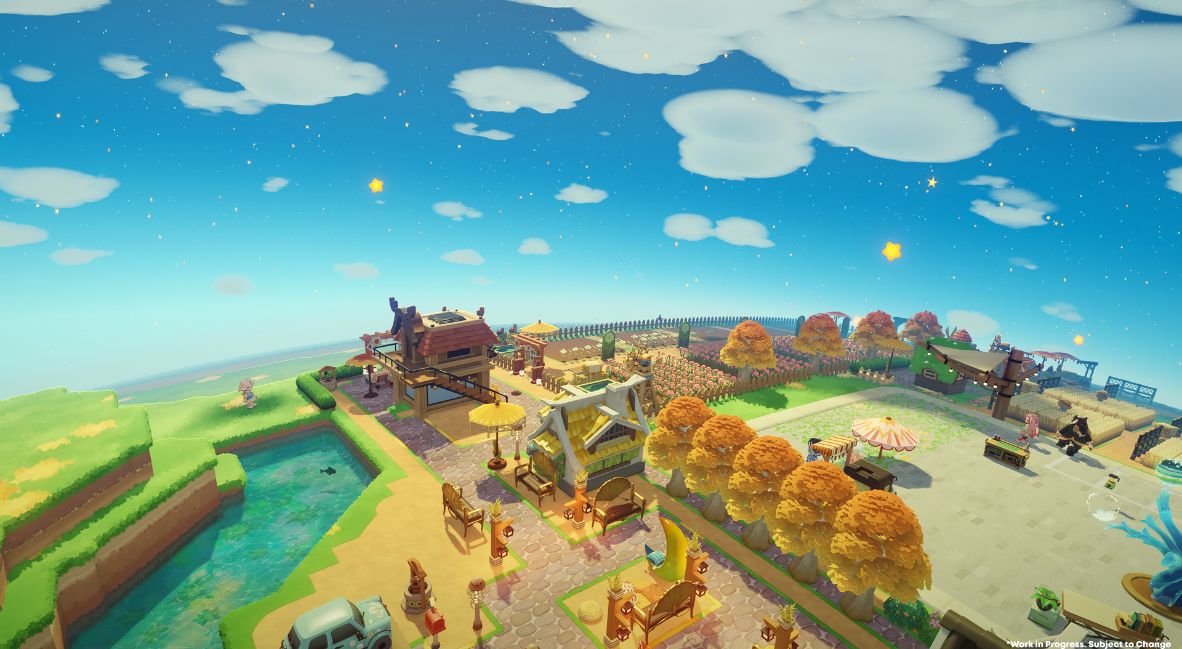
Ultimately, though, my time with Petit Planet was shaped by my friend’s perspective. A woman who plays games, but doesn’t consider herself a gamer, feels excited when we’re both playing something at the same time. It started with Animal Crossing, and now we get to experience Petit Planet together, and that’s the strength of a mobile title like that.
When it comes to video games, we don’t tend to discuss it as an expensive hobby, and the people that keeps out. Whether you’re someone without the disposable income to spend $500 on a console to play a game or someone who doesn’t play enough to justify the purchase, mobile games are a great way to get started. While not everyone may be able to play Pokopia, all you need to play Petit Planet when it launches is a phone.
Finally, being able to play Petit Planet on my phone may just be the piece of the game that makes me finally play a HoYo title. There is nothing better when you’re feeling bad than to just jump into a cozy life-sim and decompress. It’s what I do with Palia and Pokopia. That said, one requires my PC and the other for me to carry around my ridiculously large Switch 2 case.
Petit Planet has the chance to be the ideal cozy game for people on the go and those who look for community in gaming, and it just might get there. With enough of a familiar design to not feel intimidating and enough uniqueness to stand out in the genre, Petit Planet is one title to add to your wishlist.