
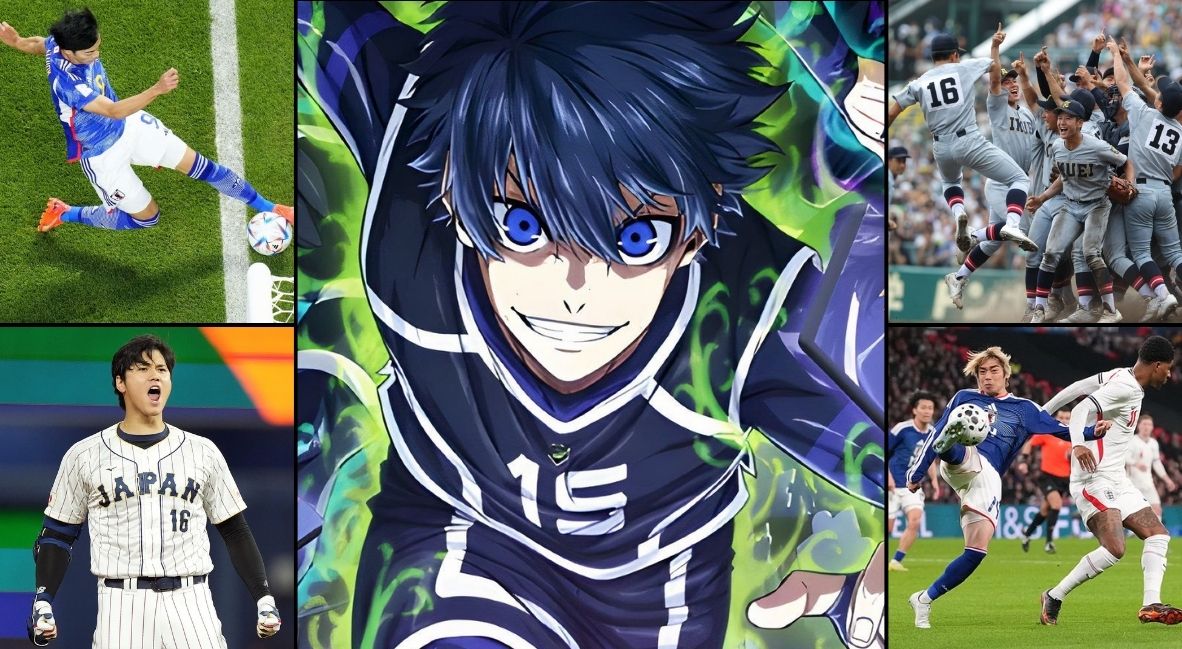
Scroll through social media during any major international soccer match, and you’ll inevitably catch anime fans hijacking the timeline with Blue Lock references galore. But the relationship between Japanese animation and real-world sports goes way deeper than a few clever TikTok edits. When it comes to sports anime, the medium doesn’t just imitate the game. It actively drives the physical, economic, and cultural reality of Japanese athletics.
Western audiences usually treat sports media, think Friday Night Lights or Rudy, as reflections of an existing culture. In Japan, sports manga and anime are the blueprints that build those foundations.
As the Japanese Men’s National Soccer Team, the Samurai Blue, gears up for the 2026 FIFA World Cup, the line between the pitch and the page is entirely gone. To understand how Blue Lock, a show about a high-stakes psychological soccer prison, currently has such a massive impact on Japanese soccer, we first need to look at how anime helped build Japan’s sporting infrastructure.
Baseball and manga established an early blueprint for Japanese sports culture.
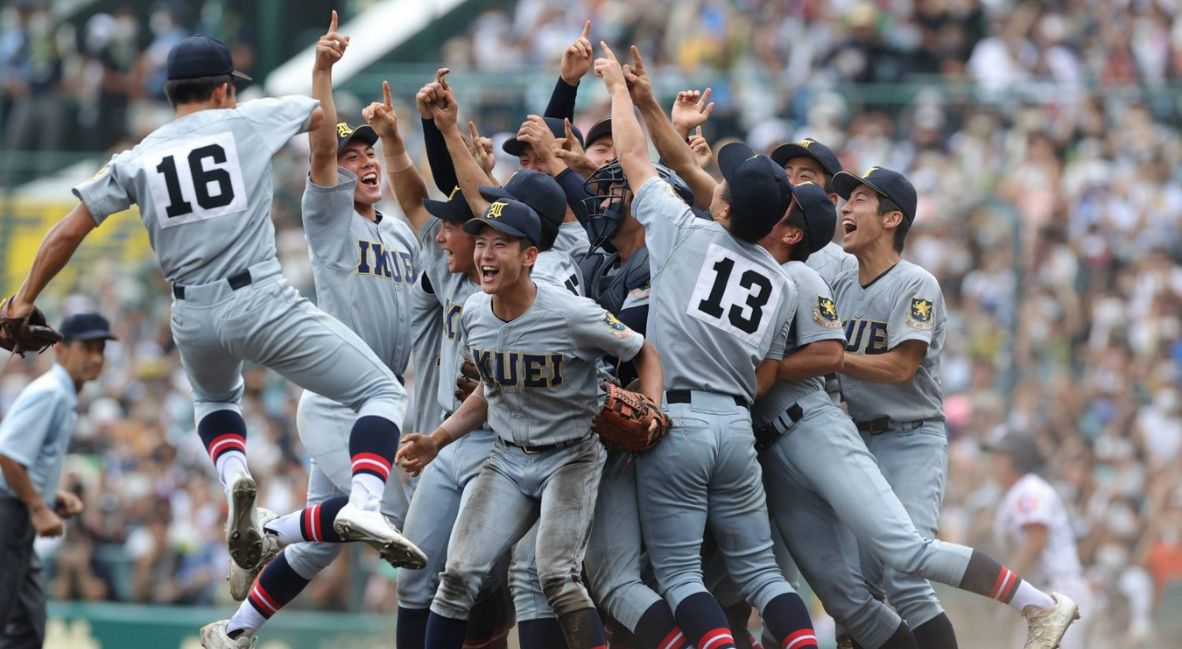
Before stepping onto the pitch, you have to look at the undisputed king of Japanese athletics: baseball. The sport anchors Japanese culture, but the country interacts with it through media in a completely unique way. To understand the soul of Japanese baseball, skip the pros and look at the high school level, specifically the legendary Koshien tournaments.
Think of Koshien as Japan’s NCAA March Madness, but injected with a thousand times more teenage angst and national television coverage. Naturally, the anime industry mines this grueling atmosphere for pure gold. Shows like Ace of the Diamond capture the brutal reality of high school baseball. They portray the intense pressures, massive club rosters where only a handful of kids ever see the field, and the raw desperation to reach the hallowed field.
Take Shohei Ohtani. The two-way superstar led Japan to victory in the 2023 World Baseball Classic and stands as the greatest talent the sport has ever seen. Ohtani is also a massive anime fan. He grew up reading and watching Takuya Mitsuda’s long-running series Major, a story following a young prodigy who pitches and hits all the way to the big leagues. Sound familiar?
Ohtani explicitly credits the series for fueling his drive, famously stating, “Goro’s passion made me love baseball even more.” When the best player on the planet actively models his competitive spirit after a manga character, you have to respect the medium’s tangible impact on athletic reality.
Anime and manga are laying the foundation, from Captain Tsubasa to Haikyuu!!
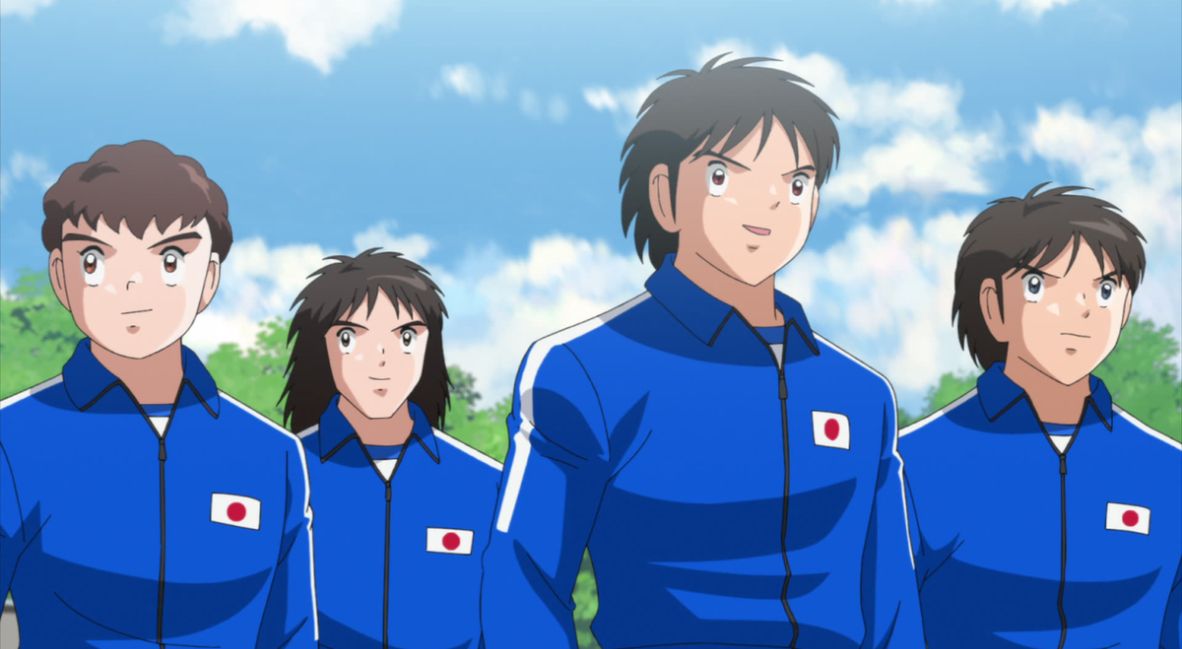
Before the 1980s, baseball had an absolute cultural monopoly. Association soccer barely survived as a semi-professional hobby. That changed in 1981. Inspired by the 1978 FIFA World Cup, manga artist Yoichi Takahashi introduced the sport to a Japanese audience through his legendary series, Captain Tsubasa. Takahashi turned the field into a boundless playground of acrobatic saves and physics-defying overhead kicks, capturing the imagination of a generation during Japan’s post-war economic boom.
Captain Tsubasa exploded grassroots youth participation. Throughout the 1980s, an estimated quarter of a million Japanese boys enrolled in soccer schools specifically because of the series. This massive influx of young players created the exact talent pool necessary to establish Japan’s first fully professional soccer league, the J.League, in 1992. The series even sculpted future international superstars.
Hidetoshi Nakata, the first Japanese player to achieve widespread success in European leagues, explicitly cited the anime as his main reason for choosing soccer over baseball. He spent his childhood attempting to replicate the overhead kicks he read about on the page.
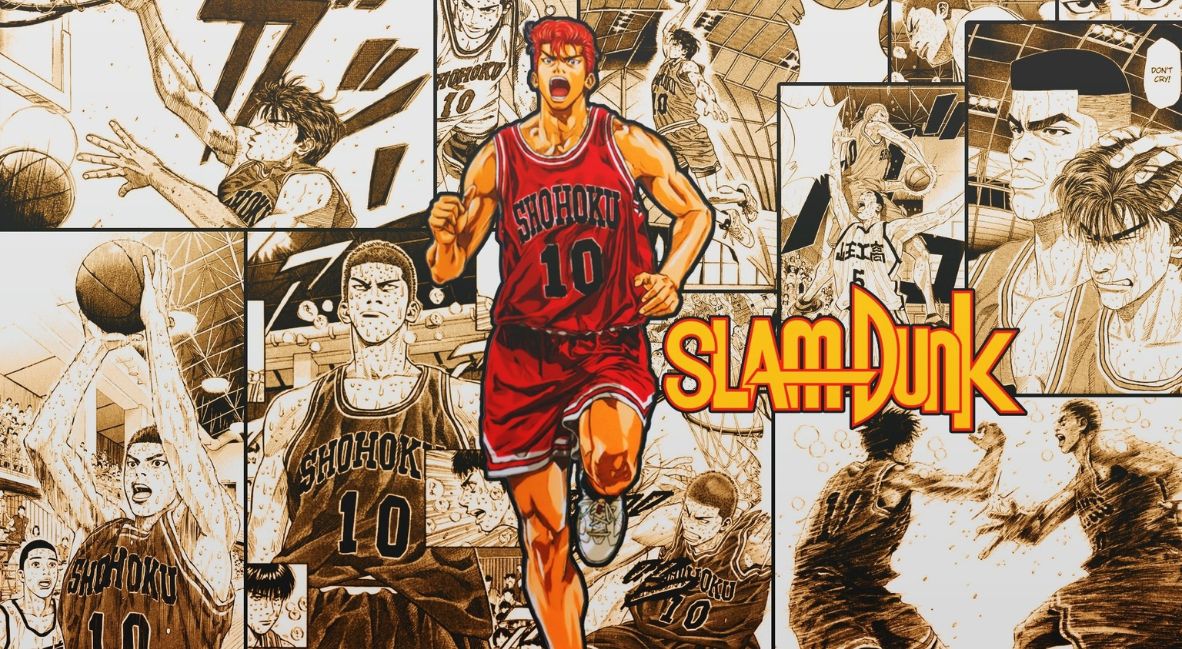
Soccer and baseball aren’t the only sports getting an anime bump. In the 1990s, Takehiko Inoue’s basketball epic Slam Dunk achieved such massive cultural reach that it revolutionized the sport’s popularity across Asia. Driven by the adventures of the brash Hanamichi Sakuragi, the number of high school basketball players in Japan reached a record high of more than 113,000 boys in 1995.
The impact was so massive that the Japan Basketball Association formally presented Inoue with a special commendation. Inoue even established the Slam Dunk Scholarship to fund Japanese students playing high school basketball in America, directly bridging his fictional art with real-world opportunities.
Today, Haruichi Furudate’s volleyball masterpiece Haikyuu!! is running the exact same playbook. Back in the early 2010s, youth volleyball in Japan bled participants as soccer and baseball siphoned away kids. The serialization of Haikyuu!! in 2012 reversed this trend almost overnight.
This cultural grip dominated the 2024 Paris Olympics. When the Japanese Men’s Volleyball team faced off against Argentina, stadium DJs blasted the anime’s iconic opening theme song during warm-ups and after match points. Even the former captain of the Japanese national team, Masahiro Yanagida, publicly thanked the series for triggering a boom in people hitting the courts. Fans worldwide specifically cite Haikyuu!! as their gateway into the sport, seamlessly blurring the line between the animated narrative and the physical game.
The egoist awakening of the Samurai Blue on the pitch from the page.
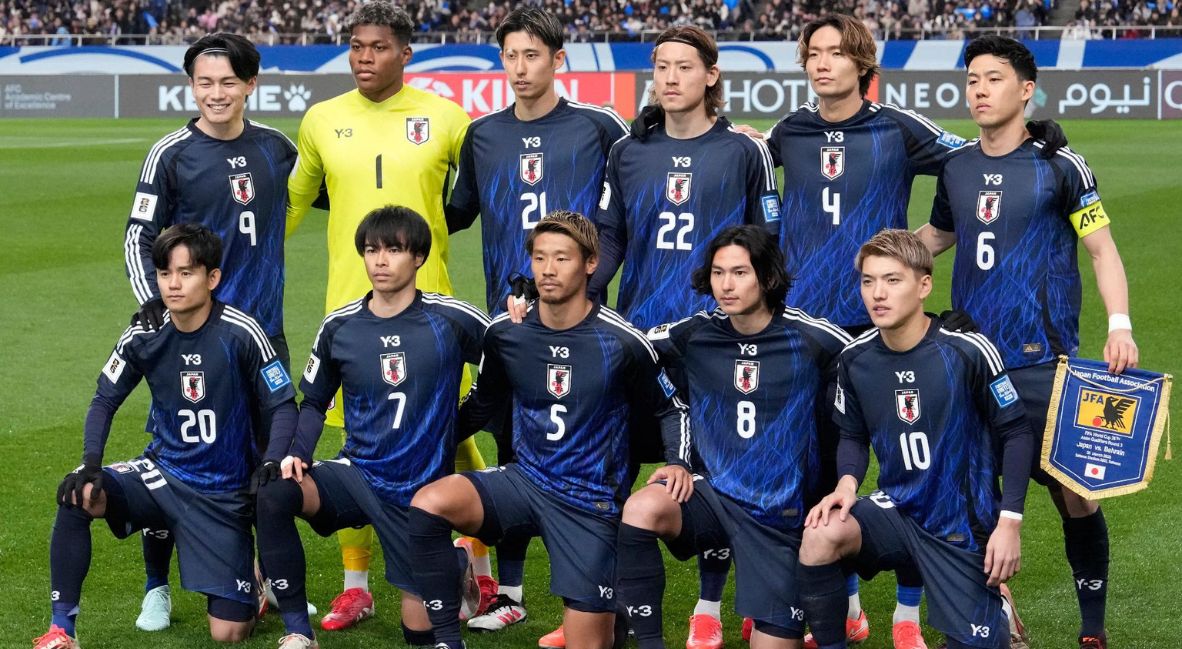
Older series like Captain Tsubasa and Haikyuu!! champion traditional narratives: teamwork, perseverance, and group harmony, values rooted in the societal concept of wa (collectivism). But Blue Lock was built to completely dismantle that status quo.
Despite the domestic success of the J.League, the Japanese Men’s National Soccer Team historically hit a brick wall on the international stage, repeatedly falling in the Round of 16 at the World Cup. The heartbreak of the 2018 World Cup in Russia, where Japan surrendered a 2-0 second-half lead to lose to Belgium in the final seconds of stoppage time, devastated the country. From the ashes of that defeat, Muneyuki Kaneshiro and Yusuke Nomura launched the manga Blue Lock.
Blue Lock pitches a radical and controversial idea. In the series, the enigmatic coach Jinpachi Ego concludes that Japan’s polite, team-oriented playstyle is fundamentally flawed, creating a fatal diffusion of responsibility in high-pressure moments.
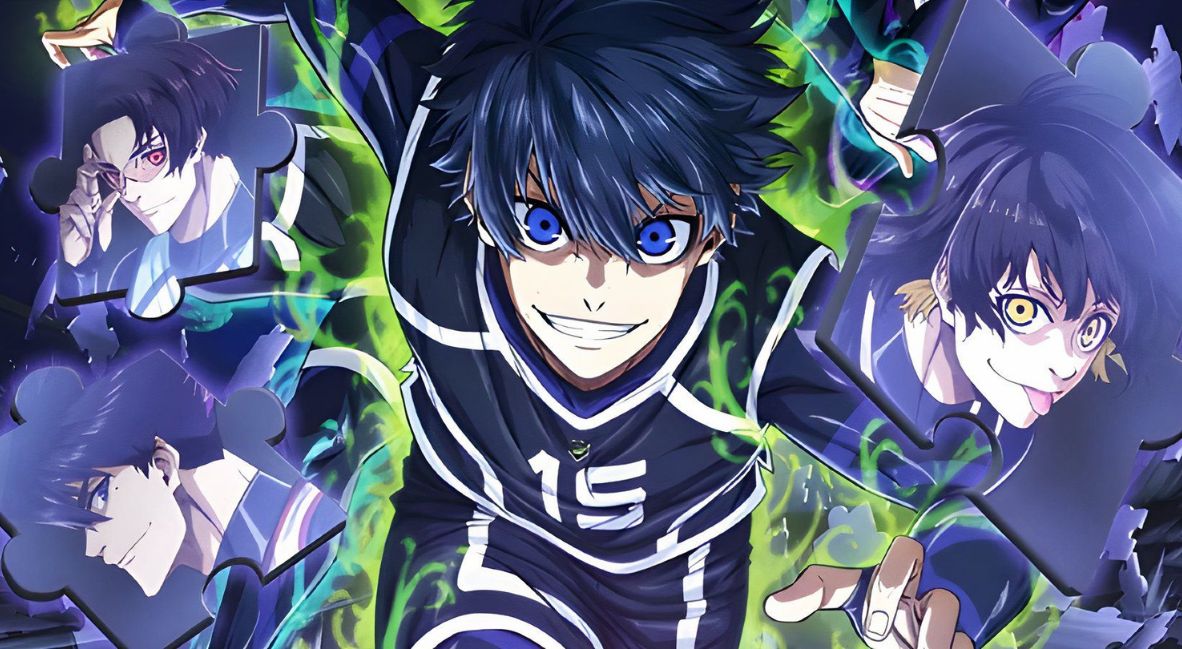
To fix this, he sets up a brutal, battle-royale-style training camp for 300 of the nation’s best high school forwards. His goal? Systematically break down their altruism to create the world’s greatest self-absorbed striker. Let’s be honest, the power of friendship makes for a heartwarming story, but it rarely brings home the World Cup.
Blue Lock‘s theories crashed into reality during the 2022 FIFA World Cup in Qatar. Drawn into the “Group of Death” alongside former world champions Germany and Spain, pundits expected the Samurai Blue to pack their bags early. Instead, Japan pulled off two of the most shocking upsets in the tournament’s history.
The victories felt inherently cinematic. Against Germany, winger Takuma Asano scored the winning goal with a display of individual audacity that completely bypassed traditional build-up play, a move global audiences immediately likened to the selfish brilliance preached by Jinpachi Ego.
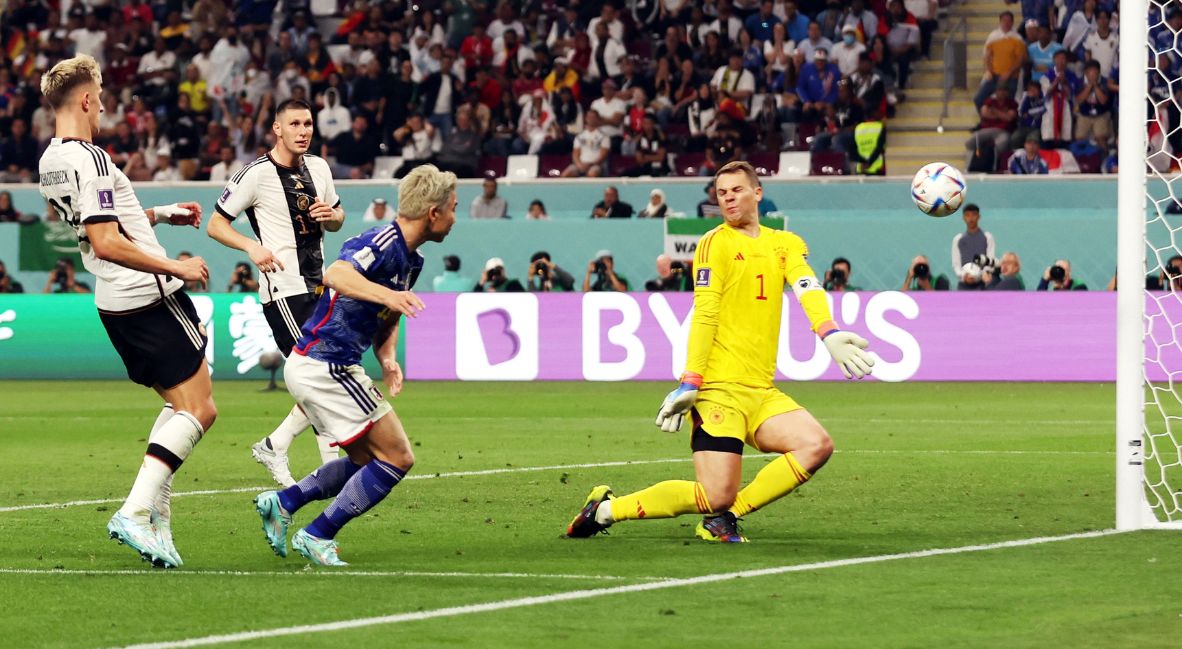
When players like Ritsu Doan executed highly technical, aggressive plays, the internet absolutely exploded. Overnight, “Blue Lock is real” became a viral global meme, dominating timelines as fans posted side-by-side comparisons of real-life athletes and their anime counterparts.
The timing between the real-world tournament and the airing of the Blue Lock anime adaptation, which premiered just weeks before the World Cup, created a marketing goldmine. Driven by the World Cup hype, manga sales skyrocketed. By late 2025, the series surpassed 50 million copies in circulation worldwide, dethroning established titans to become one of the best-selling manga series of all time.
Traditional soccer institutions aren’t blind to this kind of soft power. Heading into the 2026 World Cup, governing bodies are actively using anime as the central pillar of their marketing strategies.
Kits, collabs, and conquering the 2026 World Cup
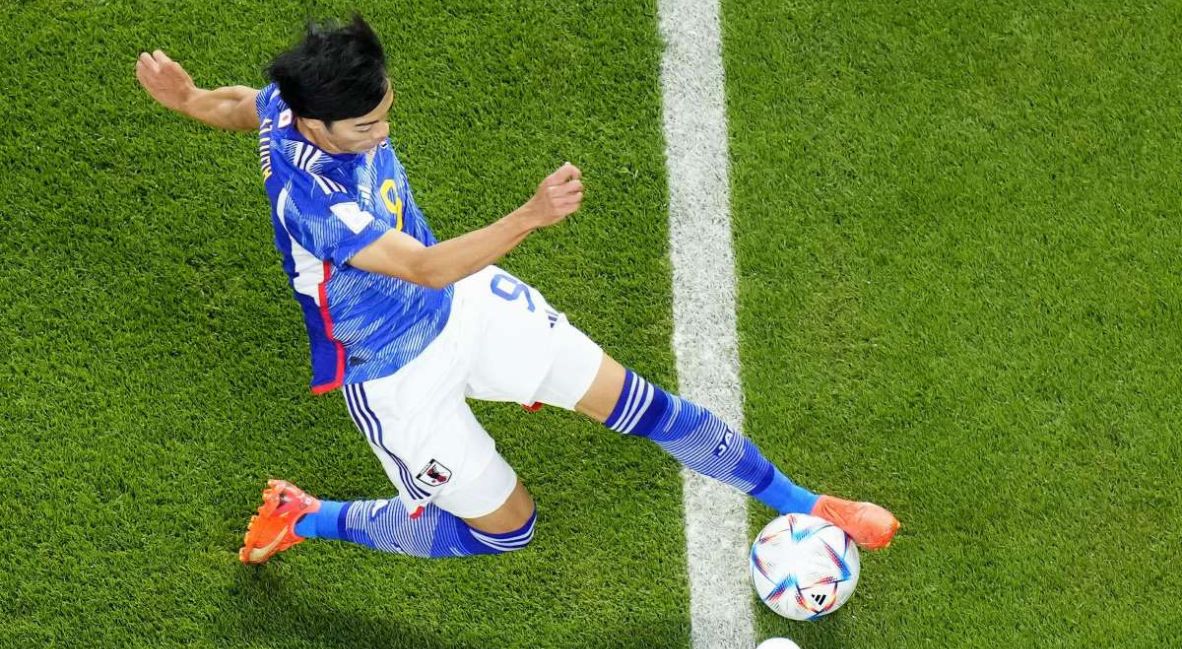
To drive hype for the new Meiji Yasuda J.League 100 Year Vision League, a special tournament bridging the transition to the 2026 autumn-spring calendar format, the J.League launched massive collaboration campaigns with the holy trinity of modern soccer manga: Captain Tsubasa, Aoashi, and Blue Lock.
To boost stadium attendance, the league manufactured and distributed 760,000 special blankets featuring crossover artwork to fans attending matches. Individual clubs got in on the action, too, releasing exclusive merchandise lines to capture the lucrative anime fandom.
The players are actively leaning into the crossover. Brighton & Hove Albion winger Kaoru Mitoma, one of Japan’s most dynamic real-world attackers, officially partnered with the franchise to become a playable character in the Blue Lock Project: World Champion mobile game. He even sat down for an exclusive promotional interview detailing his involvement, proving the athletes on the pitch are just as intertwined with the anime as the fans in the stands.
The global scale of this strategy is even wilder. The Confederation of North, Central America and Caribbean Association Football (CONCACAF) announced a historic, first-of-its-kind official collaboration last year with Blue Lock.
Scheduled to run through the 2026 World Cup, jointly hosted by the United States, Mexico, and Canada, this partnership includes special events during key tournaments, limited-edition crossover merchandise, and cross-platform campaigns designed specifically to engage Gen-Z audiences across the Americas.
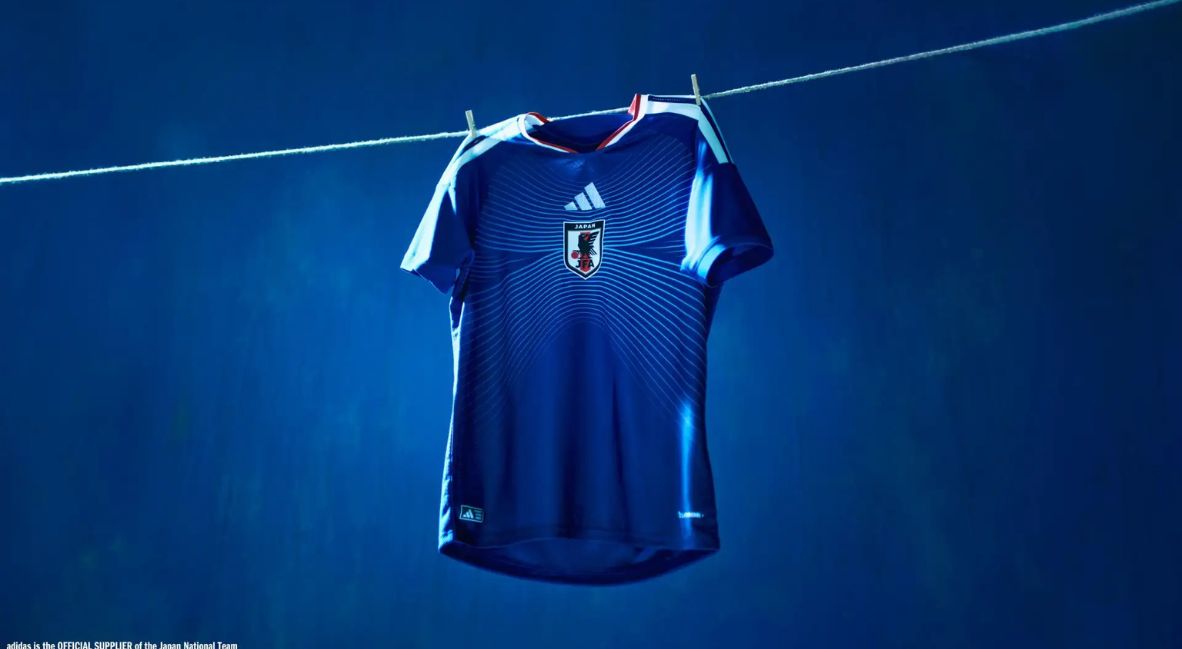
Even the national team’s physical apparel reflects this new era. The Samurai Blue’s official 2026 Adidas away kits feature a “12 Colors, One Team” motif, utilizing 11 distinct colored stripes to represent the diverse, individual players on the pitch, anchored by a central red stripe symbolizing the unifying heart of the Japanese soccer family.
Conversely, their home kits, dubbed “Beyond The Horizon,” have an abstract, wave-inspired graphic designed to represent surpassing limits and stepping into uncharted territories, themes deeply resonant with Blue Lock‘s central theme of breaking through historical ceilings.
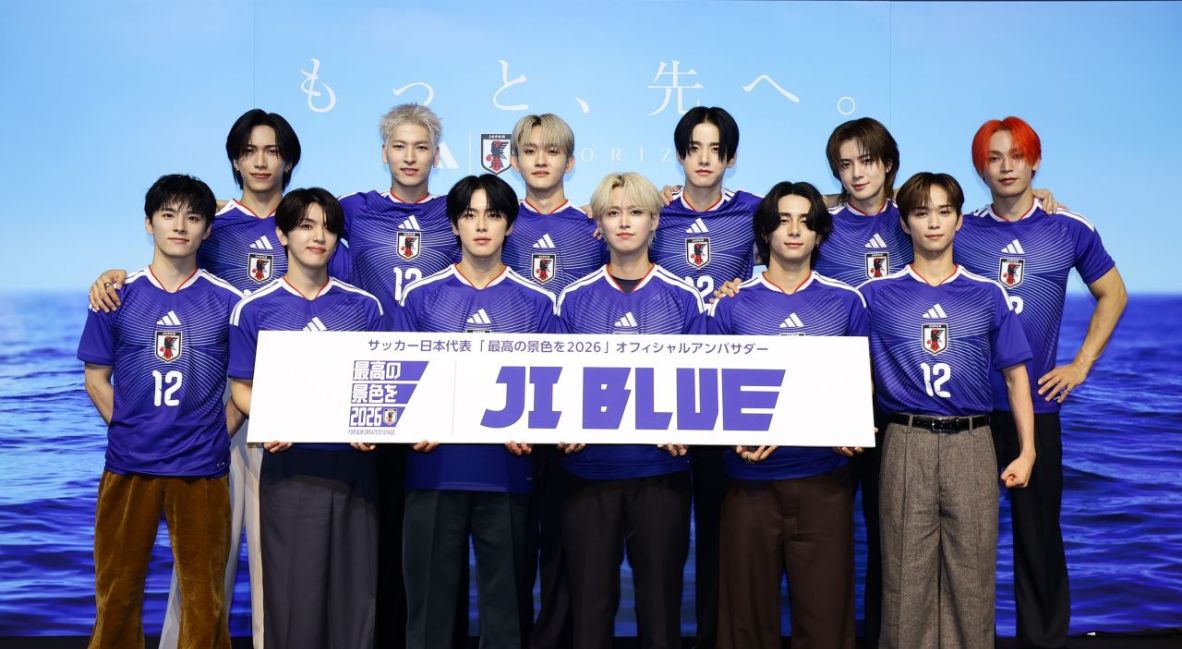
The JFA isn’t leaving anything to chance. To guarantee that the national fervor surrounding the 2026 World Cup reaches every conceivable demographic, the JFA and the Japanese entertainment industry built a massive marketing machine designed to be everywhere. The JFA launched J1 Blue, a special pop-idol unit formed from members of the wildly popular boy groups JO1 and INI.
By releasing the official theme song “Keshiki” (Scenery) through gacha-style merchandising models complete with randomized trading cards and exclusive event lotteries, the JFA secures emotional and financial investment from younger, female-skewing demographics that might otherwise ignore international soccer. Adding to the hype train, a live-action film hits theaters later this year after the World Cup wraps up.
Whether it’s Slam Dunk funding real-world scholarships, Captain Tsubasa laying the grassroots foundation for the J.League, or Blue Lock radically rewiring a nation’s athletic mindset, sports anime goes far beyond just imitating the game. It dictates the reality of it. As the Samurai Blue fight for global glory in 2026, they are playing out the arc of a story that rewrote the rules of modern athletics.