
An MMO being around for twenty-plus years is an astronomical feat. World of Warcraft, by Blizzard Entertainment, has gone beyond with eleven expansions building on its massive legacy, all culminating in Midnight. Not only does it revitalize the oldest continent in a playable Warcraft space, the Eastern Kingdoms, but it also brings together themes and stories that were only briefly visited in the past.
Midnight takes place a little after the events of the Manaforge Omega raid of The War Within conclude. Xal’atath has begun to siege the Sunwell, the last major bastion of light on Azeroth. When all hope by the Blood Elf protectors and guardians seems to falter, the Army of Light and the champions of Azeroth answer the call of duty.
The immediate threat of Xal’atath’s void invasion has been stopped, but new threats throughout Quel’Thalas and Zul’Aman have emerged. New allies via the Amani and Haranir join our cause. All so we may take the fight back to Xal’atath before the Sunwell’s protectors fall.
Midnight is a rare WoW exception where the leveling campaign may already be one of its best qualities.
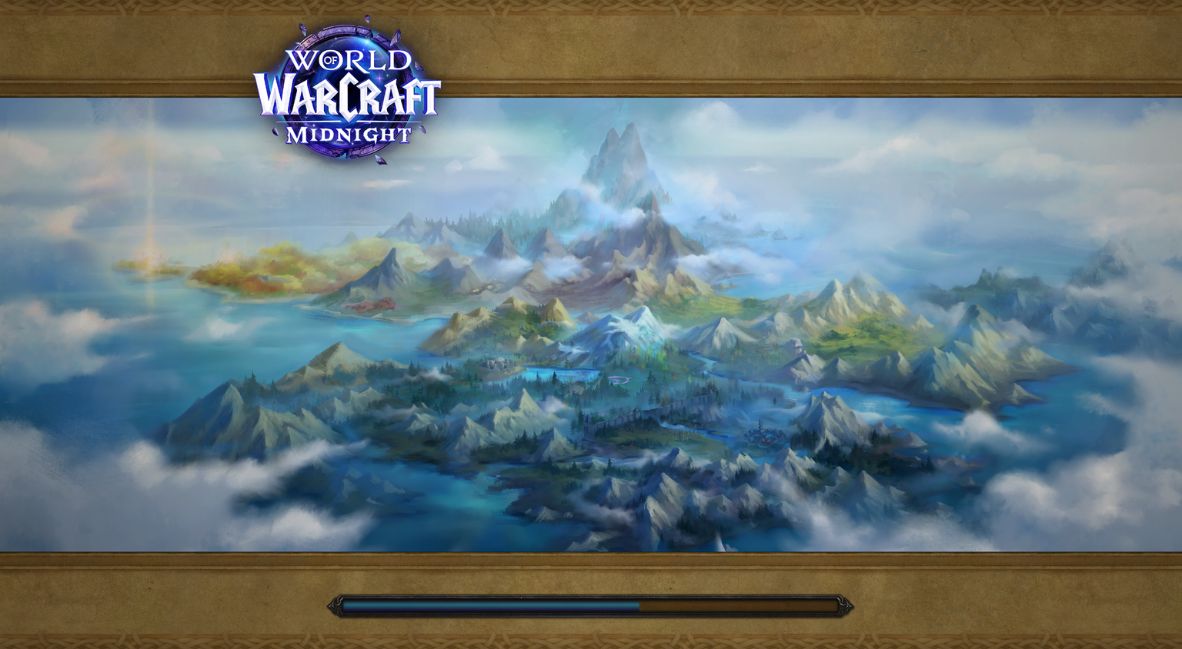
Any modern WoW expansion is really defined by its opening moments. The War Within felt epic because of the loss of Dalaran to the Nerubians. Legion had its Broken Shore invasion with stellar cinematics and world-shattering losses for both the Alliance and the Horde. Warlords of Draenor, for all its faults, still had a really standout opening as we re-invaded the Dark Portal to take the fight back to the Iron Horde, only to be overwhelmed and forced to re-rally.
Midnight’s defense of the Sunwell was pretty okay, for the most part. There were some epic moments and character building between Turalyon and his son, Arator. But beyond that, the real heroes of Azeroth, those who’ve saved the day time and again, were kinda just passive observers as we defeated hordes of void creatures. In other words, it’s hard to think that the opening moments ended in failure if the player character wasn’t present. Which is not the case for each of the leveling zone stories.
Midnight is a rare exception where the leveling campaign may already be one of its best qualities. The lull of the post-intro can feel a little jarring. However, WoW’s eleventh expansion gets us right back into the action quickly as we explore the Quel’Thalas that’s had over 20 years to heal since its original addition to the game with The Burning Crusade.
Even the Amani, a tribe of Trolls who were last a part of the remake of the Burning Crusade raid during Cataclysm, have had a massive overhaul. Not just as a tribe, but as looks, approach to their neighbors, and inner conflicts since Zul’jin was killed. The stories of the Blood Elves and the Amani are parallels of each other. One has to embrace that those who are devoted to the Sunwell have a subsect that has accepted the Void (the Void Elves), and the Amani must come to a consensus that the old Zul’Jin-like ways are a thing of the past.
Both the Amani and Blood Elves need all the allies they can get, internally and externally, to survive the common threat of the Voidstorm and its invasion. Through the stories of both zones, it’s no wonder that each race/tribe has a big influence on each other’s storyline. Not only by finding out that what they’ve known was a misunderstanding, but also by discovering a new way forward.
Our greatest weapon against the Void may also be a new way to Azeroth’s downfall.
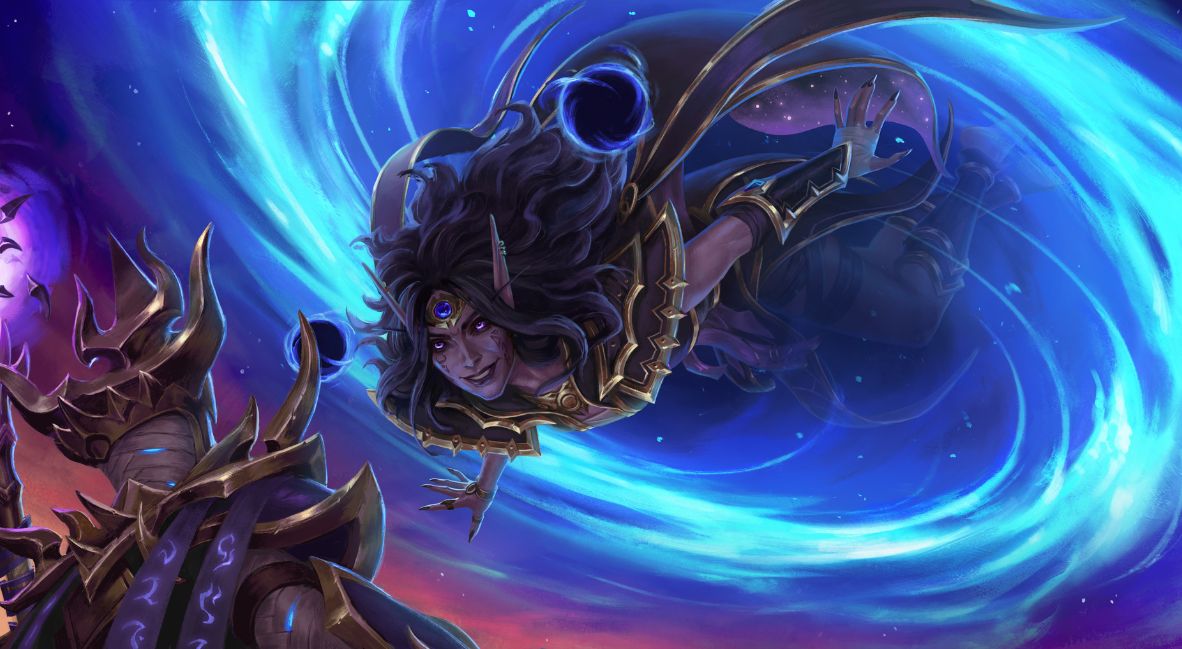
An even grander story, though, is how even our greatest weapon against the Void may also be a new way to Azeroth’s downfall. Since the Sunwell became a massive beacon of light at the conclusion of the intro scenario, light has begun corrupting the surrounding areas.
Lightbloom is a new invasive growth that corrupts all plant life it touches. It’s no wonder that Lightbloom looks so much like bamboo. It’s a weed-like grass species that is difficult to remove, highly aggressive, and even more difficult to remove once introduced.
Lightbloom, in essence, is a theme only previously seen back in Legion with Illidan and the Naaru, Xe’ra. That theme being, too much of one cosmic force, no matter how good it appears at first, is just as corrupting as the evil entity we face. The Sunwell’s light is corrupting Azeroth down to its roots. And we must gain allies with those who’ve been tasked with taking care of all the World Tree’s roots and hidden away for quite some time, the Haranir.
The Haranir’s story is still one about sticking to the old ways or embracing change.
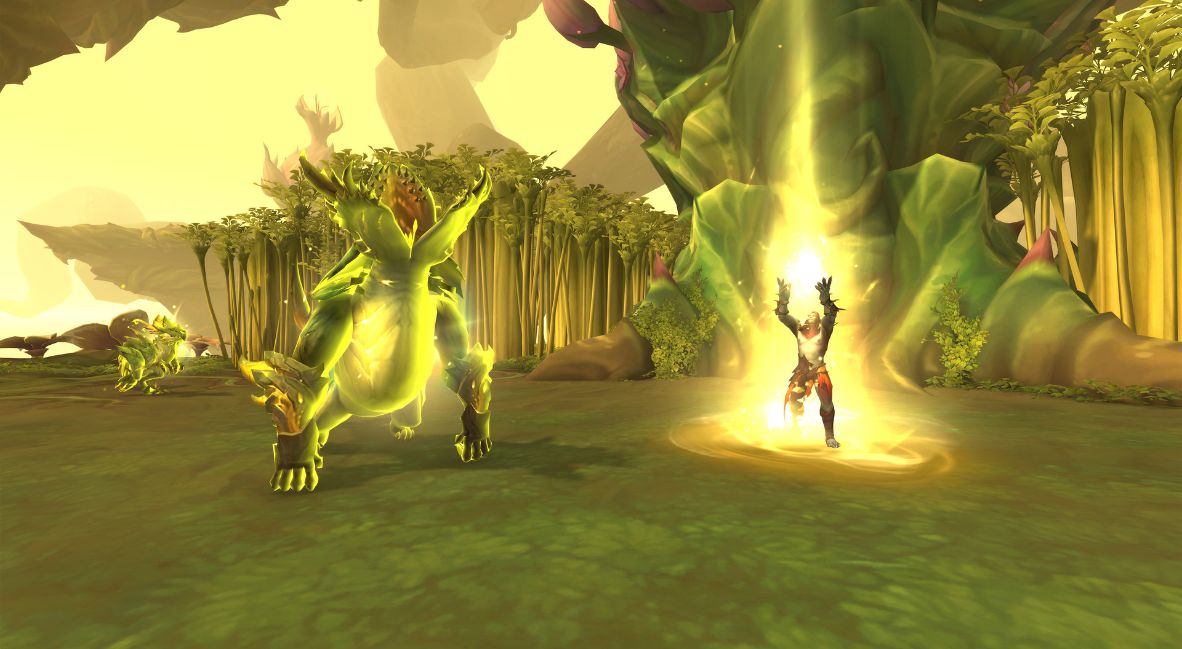
The Haranir are a great counter to the stories of the Amani and the Blood Elves. Haranir, since their introduction in the previous expansion, have been pitched as a missing link between Trolls and Elves. And while they appeared to be cut content of The War Within, their inclusion here in Midnight affirms Blizzard’s choice to make the Haranir story to fit into the latest expansion. Even while some aspects of the story don’t line up too well with the overarching narrative of the expansion.
The Haranir’s story is still one about sticking to the old ways or embracing change, and relying on a race and culture that literally is stuck in the past underground is another good way to show that we must progress together to conquer threats that affect us all. Plus, Harandar may be a top 5 zone with its looks and music added on to its great story.
Other parts of the story take us back to older Eastern Kingdoms zones with Arator. Arator has been a key figure, embodying not only a combination of void and light through his parentage but also embracing newer ways of thinking as someone who’s lived on Azeroth for over 20 years. He is the epitome of the new generation of Azeroth’s legends, along with the likes of Dragran, Merithra, and even Lady Liadrin to a degree.
We need all of our allies, and the best allies can be found in the unlikeliest places.
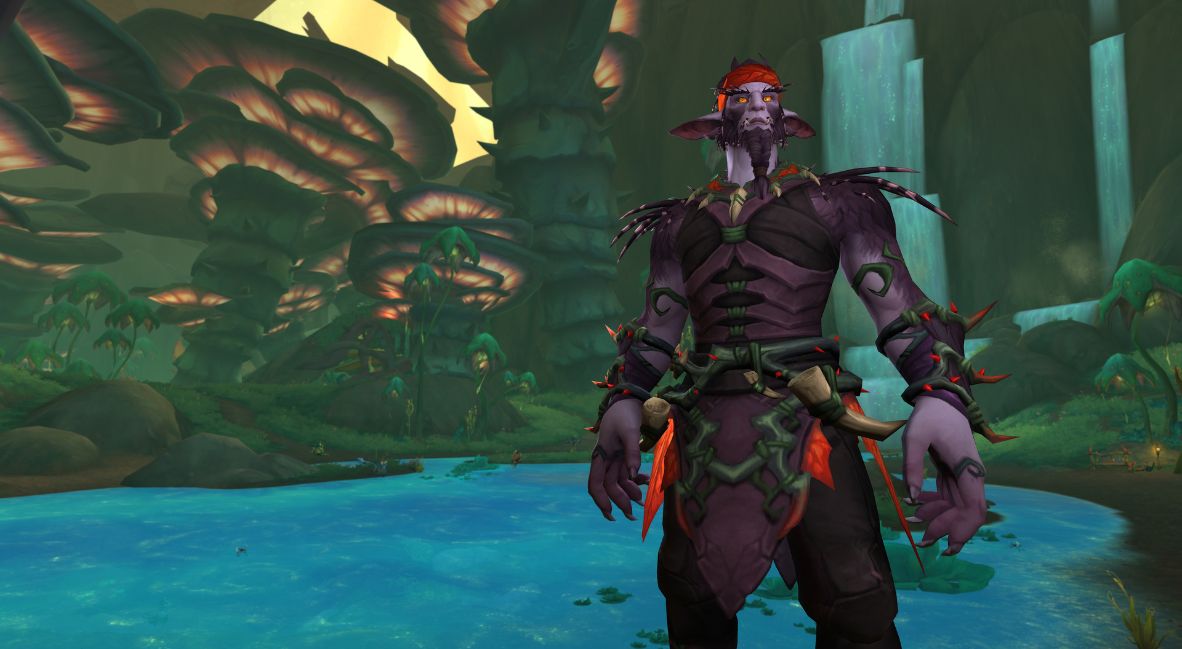
Following Arator has shown that numerous parts of Azeroth’s staples are stuck in the past, and their ways are actually harming the planet’s future. Especially when it comes to the Paladins. Throughout the tie-in book Blood Ties and his questline here, time and again, Arator has shown that the old ways of working only in the light need to change.
We need all of our allies, and the best allies can be found in the unlikeliest places. Yes, there is still a Fel threat in Silvermoon while a Void invasion is underway. But the Fel and Void are still key allies to help us understand these threats and take them down.
Hopefully, Arator’s influence on the Paladin order will lead to an expansion of the races allowed to be a Paladin. Particularly during the Paladin-themed expansion. The introduction of Silvermoon and the Blood Elves was, after all, the way that Paladins were first made available to the Horde way back in TBC.
The Voidstorm is the culmination of all previous zones’ stories.
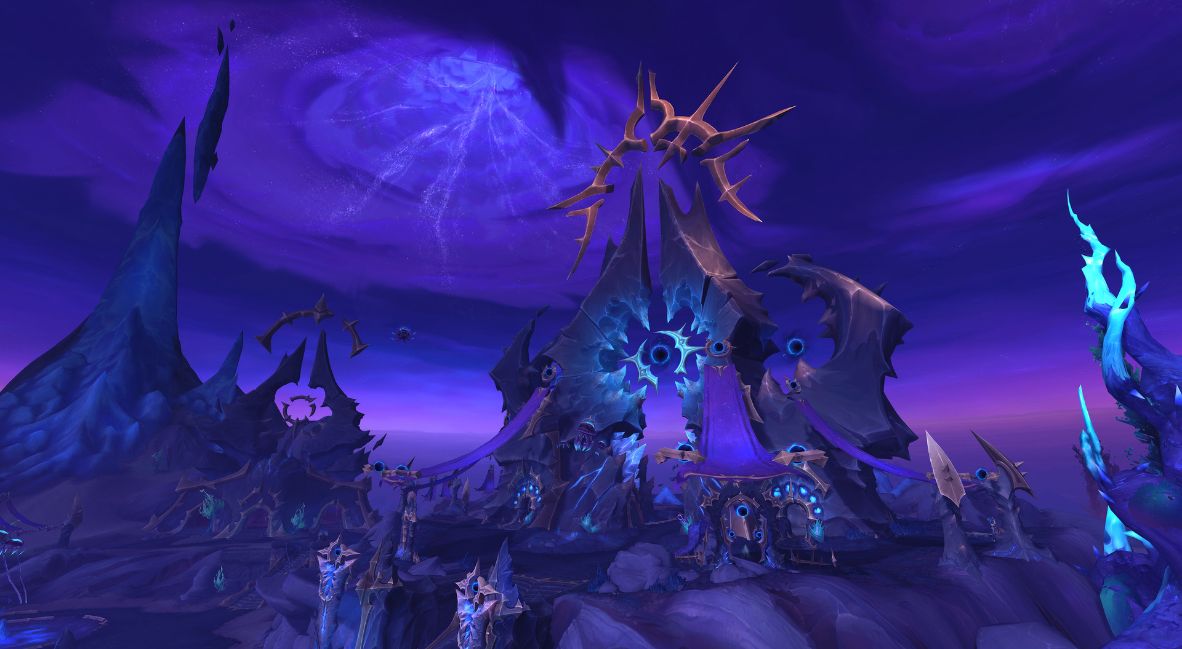
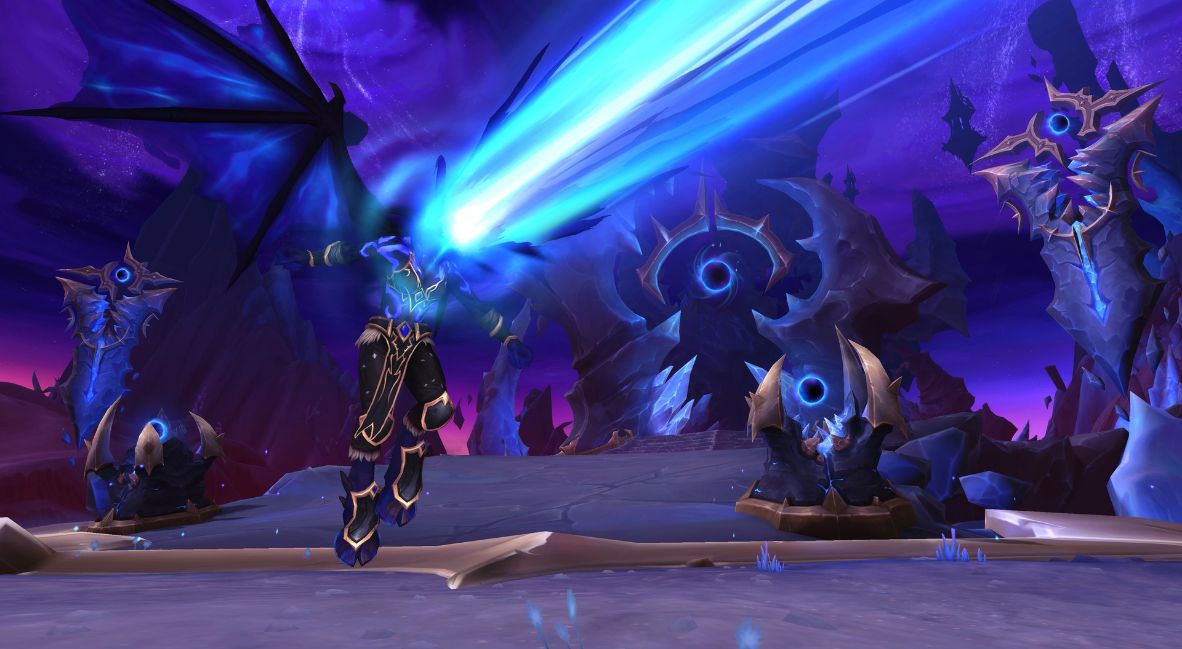
The final zone, the Voidstorm, is the culmination of all previous zones’ stories. Yet what makes the Voidstorm different in storytelling is that its leveling campaign is an infiltration mission with Alleria (a ranger who specializes in stealth and working solo), the light Dreadlord Lothraxion (A brutish commander of the Army of Light), Arator, and the player character. We are essentially sneaking into Xal’atath’s forward operating base to try to put a stop to the void invasion from within. Being accompanied by a zealot of the light with Lothraxion is well utilized for the most part.
Lothraxion is, for all we know, an even firmer believer of the light than Turalyon and other members of the Army of the Light. We’ve never seen a Dreadlord before or after Lothraxion’s introduction who fully accepted the Light as a font of power.
Even more so, one who used a for-all-we-know incompatible power to fight his own kind during the Light’s crusade for thousands of years against the Burning Legion. And his distrust and a near-poisonous reaction to the void’s presence because of his affinity for the Light is another angle of why any one celestial power isn’t to be fully trusted.
Being completely faithful to just the powers of the light clouds one’s judgment. Relying on it in the heart of the enemy, their influence palpable all around you, will push you to the brink of insanity. We’ve seen this once before during Blood Ties when Turalyon almost killed Arator by using too much of the Light’s power.
The heroes must begrudgingly trust a Dominaar native to navigate enemy terrain.
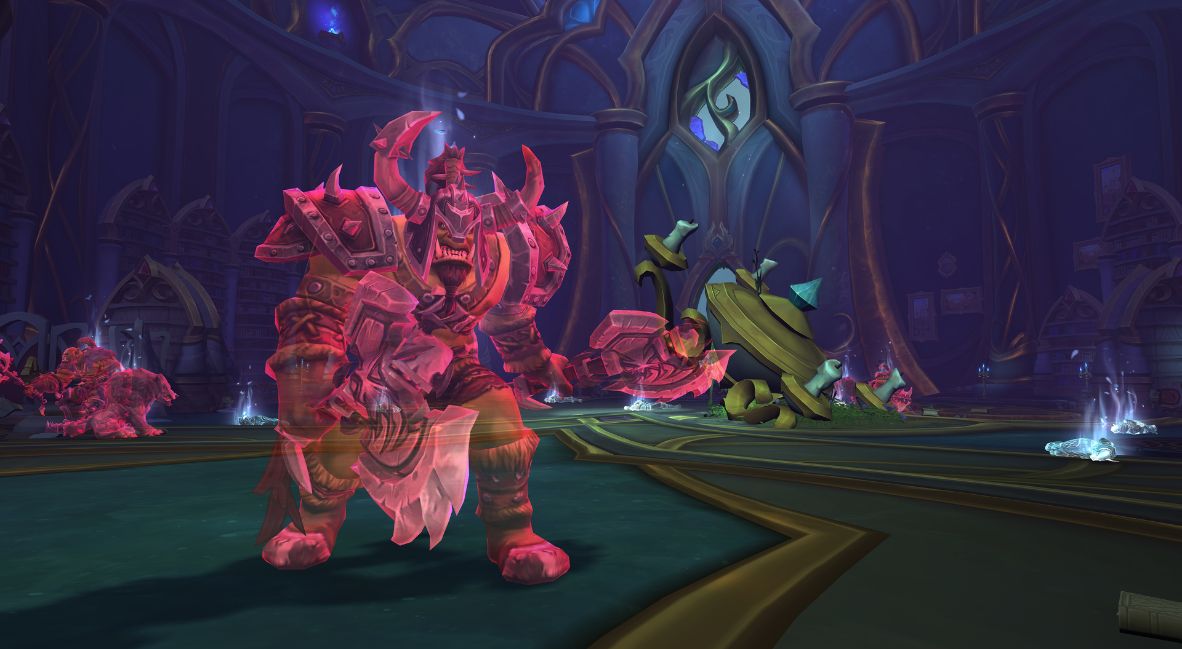
We see it again with Lothraxion possibly threatening Silvermoon and the Sunwell because his light’s will pushed him to go head-first into a location we don’t fully know. Even all the while, the heroes must begrudgingly trust someone, a Dominaar native to the Voidstorm, in navigating the enemy terrain.
It’s better to have a tenative alliance with someone you keep at arm’s reach than no alliance at all in an area that harbors a threat in every shadow. Now, Lothraxion’s jump to complete abandon of strategy in the name of the light does feel sudden. WoW playing it off as the light’s overwhelming corruption of his mind gives an out to his actions throughout the zone as not being his own.
He wasn’t in the right state of mind because of the Light. However, there is a level of self-control that the heroes of light we fight with and against need to be at their strongest. That seems particularly key to Midnight‘s story. Don’t over-rely on one belief or source of strength. It can easily overtake you as you lose yourself to it.
At the release of Midnight’s pre-patch, combat addons have become null and void.
At the time of writing this review, the three launch raids haven’t come out yet. Neither has the conclusion of Midnight’s base storyline. But for now, this is a very strong start to the expansion. Especially as you pair possibly the best set of new dungeons we’ve gotten at an expansion launch in quite a while, and new delves that also feel refined with newer, more entertaining experiences within.
Each new instanced content acts as a test for Blizzard’s new approach to addon-less combat. At the release of Midnight‘s pre-patch, combat addons have become null and void. Only those that reskin current in-game tools or those that rely on openly provided information work now.
What is an odd pairing is an item level and stat squish to go along with it. Now, when an addon feels necessary to assist the player in a way the new base UI cannot, you’ll now need to download different addons you’ll need to find and download to fit the niche that was once filled by Weak Auras.
Not all of the addons are gone, and Blizzard has, over the course of beta, been rolling back how extreme their “addonpocalypse” has been to almost a level that it was before the changes even happened. All that really happened was a vital part of the WoW community got ticked off by a change that even Blizzard said wouldn’t happen as suddenly as it did.
Tie it all together with massive button pruning for nearly every class and specialization, and combat alone feels not nearly as intensive as before. But a big win is more visual clarity in encounters. There’s also more of a push to learn and adapt instead of relying on addons to tell you what’s going to happen next.
For veteran players, new changes may be overwhelming to re-grasp all at once.
Leveling with the new boss cooldown timeline and in-game damage/healing meters worked just fine with clearing all the dungeons on Mythic 0. Running the raids and Mythic Plus dungeons may spell a completely different story. But for veteran players, these changes may be overwhelming to re-grasp all at once.
Especially the button pruning had a lukewarm reception for many classes, while being massively beneficial for others who were suffering from massive button bloat. Heroic to Mythic week balancing will be the true test, though, if Blizzard’s efforts for Midnight and beyond were a success.
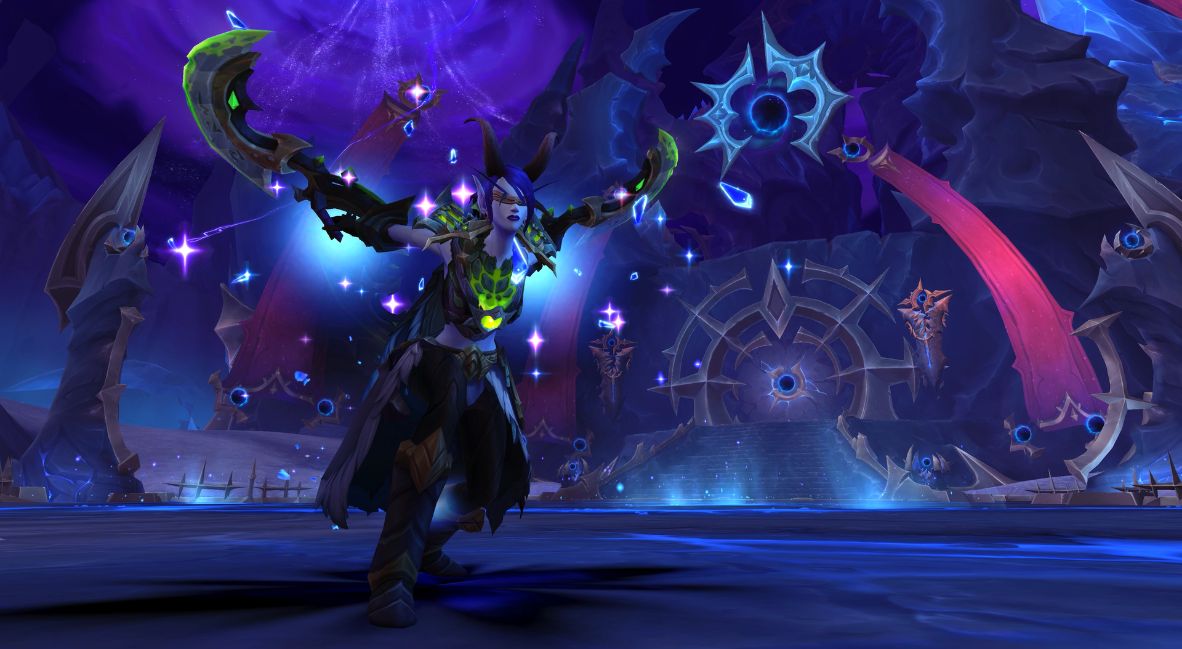
Lastly, Midnight doesn’t bring too many changes to class specializations (besides the addition of Devourer Demon Hunter). Apex talents feel too powerful to skip out on for other normal specialization talent nodes. For a game that’s had a major push for player expression via talent trees, Apex talents are a miss with how powerful they are.
Like Preservation Evoker’s apex talents reshapes Reversion to be an AOE heal, Devastation’s reshapes Dragonrage to be a much more critical off-cooldown ability. Without them as an Evoker, you’d be missing out on key changes to your kit that Blizzard clearly implies you should use in end-game content.
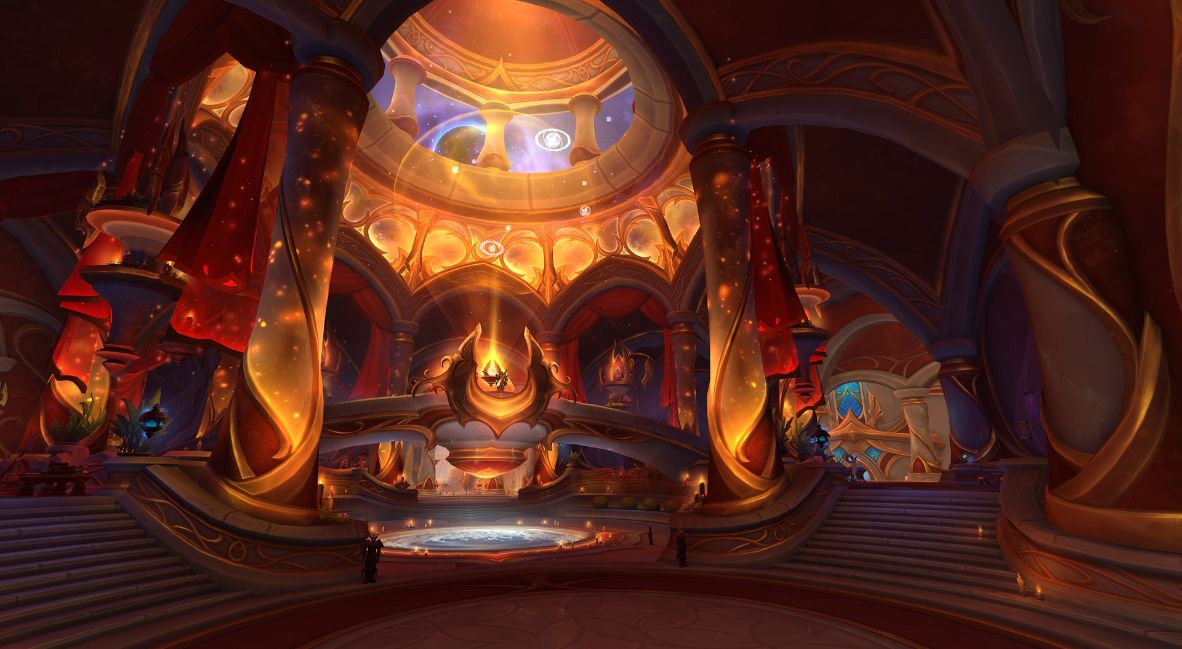
The music throughout the expansion enhances each zone’s atmosphere.
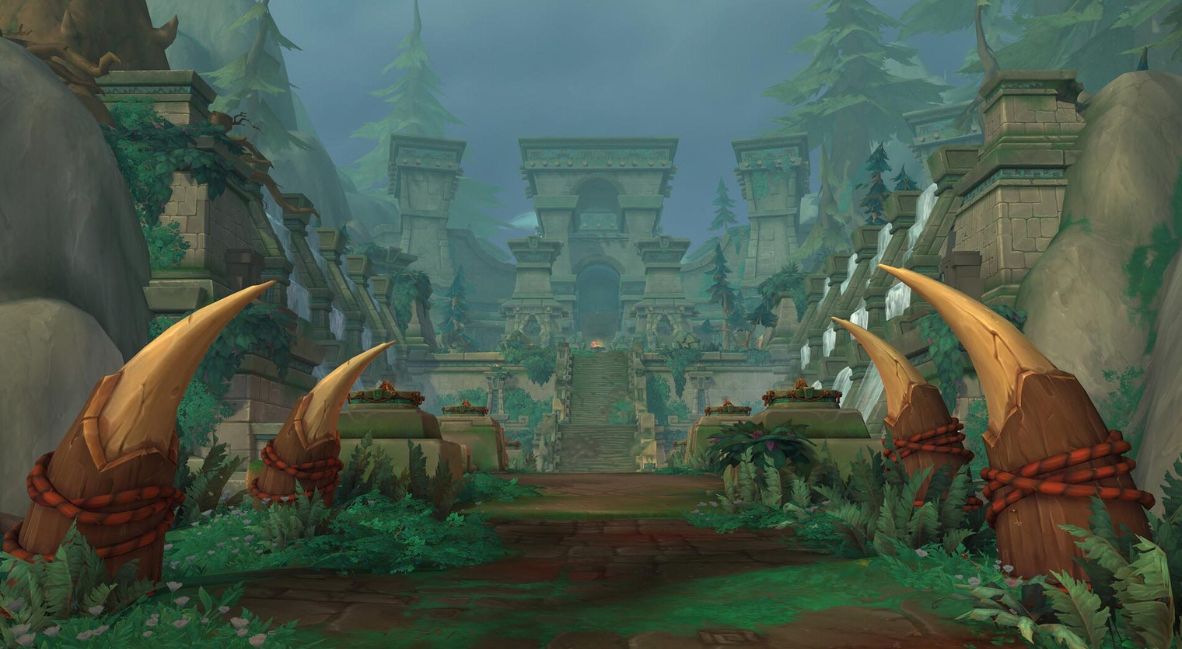
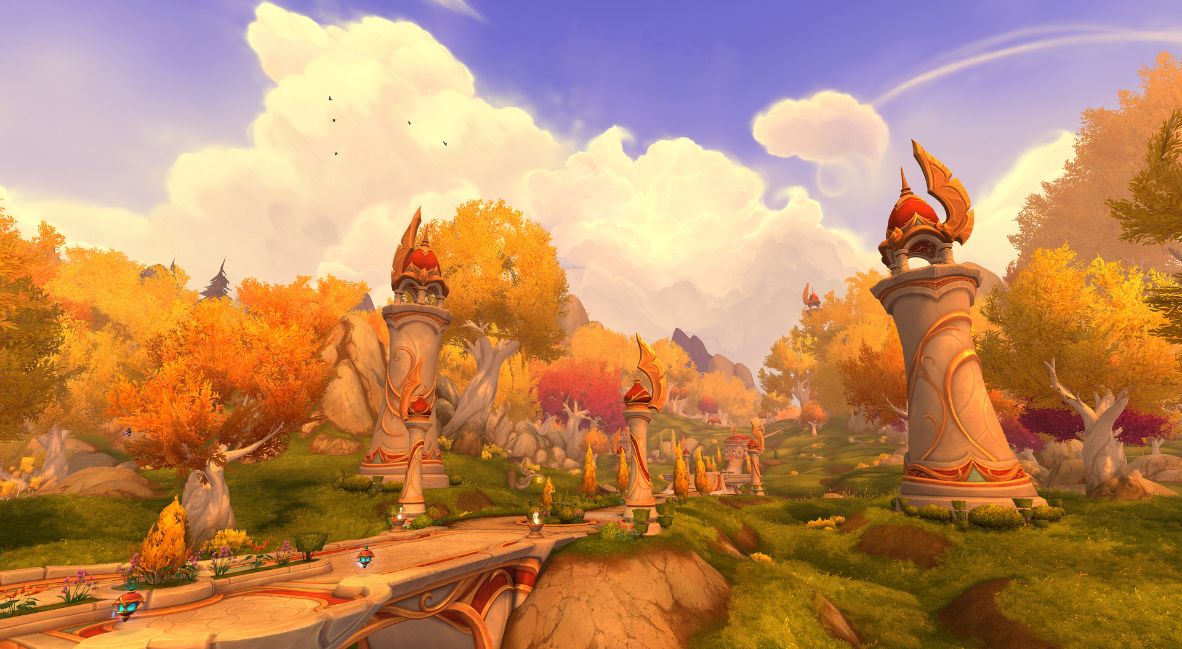
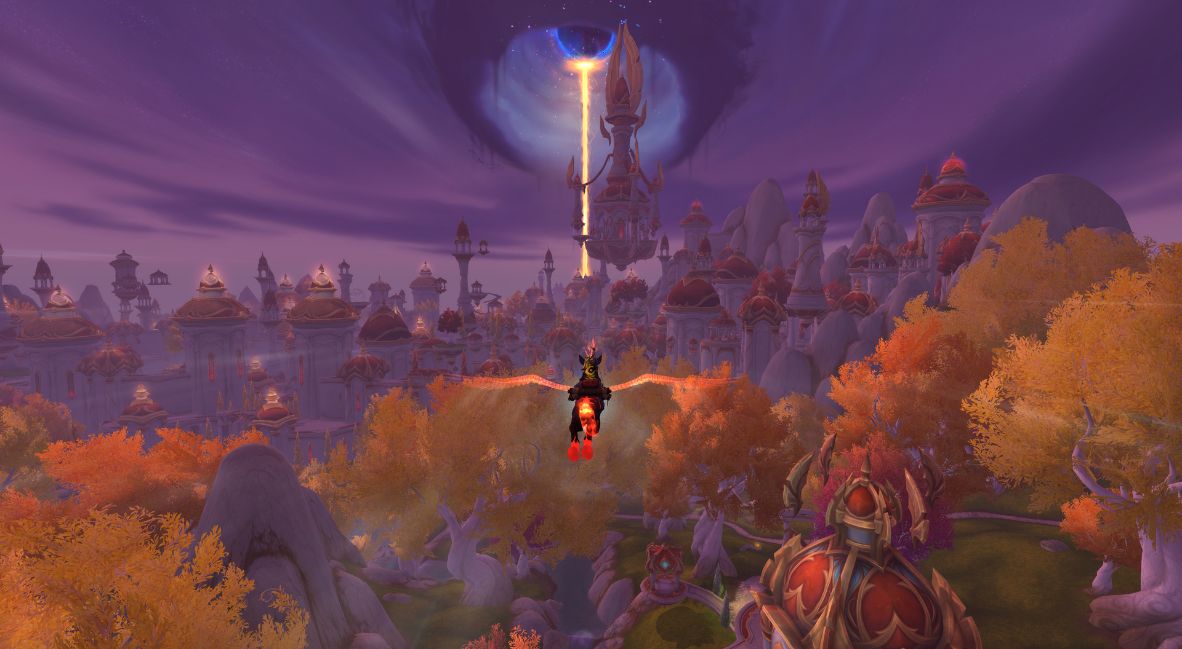
The zones, in particular, are quite possibly the best zones ever added with an expansion. Each zone is varied enough to give a new flavor wherever you go. The music everywhere is astoundingly beautiful. Especially in Harandar, the calming naturistic music enhances the zone’s beauty. Similarly, Voidstorm always feels dangerous with unsettling music. But it’s also good to experience the latter with no music at all for a time, for a new, empty feeling while clearing Slayer’s Rise.
Each zone and faction is held back by one glaring issue, however: the weekly open-world content. Each zone’s weekly event is just boring. They’ve already switched from feeling new to feeling like a chore to get the rep boost each week. Abundance, especially, has already been nerfed, changing from a chaotic farm that’s needed to get a resource to craft Epic profession gear, to becoming a complete slog if it gets too busy.
The only okay ones are Harandar’s Haranir stories and the Soiree. Yet even then, these events are so short that they just act like another daily quest for how inoffensive they are in total. It is cool to get more Haranir lore. But a recent change now limits the weekly five-minute quest to be completed account-wide instead of character-specific.
The new Prey system is a shining beacon in the open-world content.
There is a shining beacon in the open-world content: the new Prey system. Preys are a form of content to raise the difficulty of open-world content and can influence how you complete weeklies and world quests. As you complete your regular open-world content, you can choose to also hunt a powerful target in each zone, who can mess with you every step of the way. They can ambush you while you’re in combat, they leave traps that can be disarmed, and repeatable content will lead you to your prey.
When done on its own, Preys are pretty inoffensive. Paired with getting all your weekly zone content done, it adds a much-needed challenge to open-world activities that have been sorely missing since the launch of WoW. Legion Remix gave us a little taste of how non-instanced content can be made more challenging via world tiers (which hopefully will still come to the base game eventually).
Preys aren’t at the level of world tiers; yet, they do add a fun and adaptive challenge that is also great to mess with while leveling alts. Plus, it’s just another fun, challenging form of content to do every week as the easy stuff becomes naturally more trivial.
Midnight could easily be one of World of Warcraft’s best expansions in quite some time.
Even with a good bit of work still needed to refine the overall experience, and with more to come in the weeks ahead, Midnight has quickly set up a base that could easily be one of World of Warcraft‘s best expansions in quite some time—possibly ever. However, the stat squish, addon issues, and class pruning do hurt the player experience, as imbalances affect anyone who may feel they’ve made the wrong choice.
This is only the beginning of the expansion, though, and each of these can and will be refined as Season One kicks off. The content that can’t really change—the zones, dungeons, delves, etc.—is stellar. Quite possibly some of the best of each Blizzard’s produced when considered as an overall package.
Just like what the name implies, the clock has struck midnight, and what’s next is inevitably the dawn… hopefully. (Unless I get the choice to aid Xal’atath, then I’ll do whatever she says on hands and knees.)
World of Warcraft: Midnight is now available on PC.
World of Warcraft: Midnight
-
Rating - 8/108/10
TL;DR
Midnight has quickly set up a base that could easily be one of World of Warcraft‘s best expansions in quite some time—possibly ever.