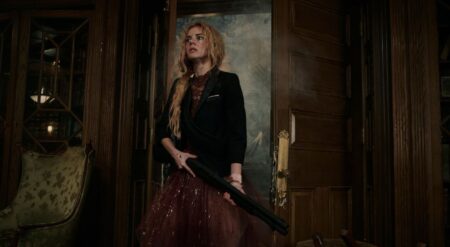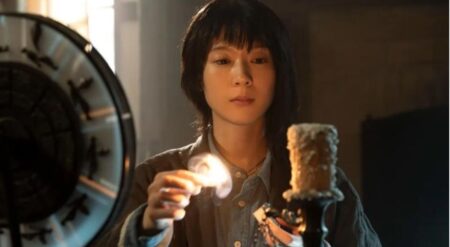

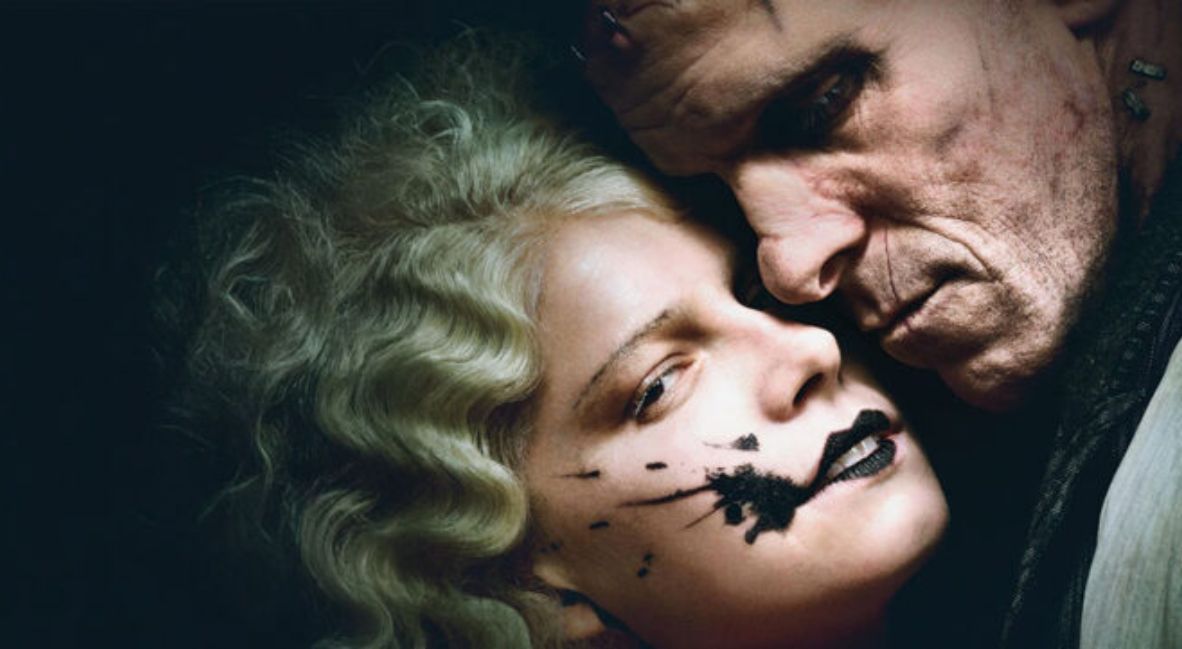
Maggie Gyllenhaal’s sophomore film unrelenting look at feminine rage, how hard it is to carry, how it consumes you, and how you survive it. The Bride! (2026) is a reimagining of Mary Shelley’s Frankenstein and 1935’s Bride of Frankenstein.
Gyllenhaal’s film takes control of the character created to cure the Creature’s loneliness. It makes her a beacon for abused and powerless women, while still using Mary Shelley as a narrative device, as William Hurlbut and John L. Balderston did in the original film. Only Gyllenhaal’s approach is to center the Bride, male loneliness, and the rage that comes with the reality that all men want to do is to control you.
The film opens with text explaining that Mary Shelley wrote the foundation of modern horror and science fiction. And then, we see Mary Shelley, a voice in a void that will come to shape the Bride’s story. In a similar vein to the 1935 picture, the audience learns that it’s time for a sequel and that Shelley has more story to tell. However, she is dead, and for hundreds of years she has been trying to come back. That’s where the Bride comes in.
The Bride (2026) is a sequel, a reimagining, and a horror wonder.
The Bride (2026) then switches to a restaurant booth with a bleached-blond woman (Jessie Buckley). Sloppy drunk and taunting the men around her, Shelley tells the audience that the woman is cracking. She is breaking under the weight of the men around her, and as we see her treated badly, we then see her murdered, which is when Frankenstein (Christian Bale) comes in.
And before you say ‘Frankenstein is the doctor, not the creature,’ Gyllenhaal gets ahead of the critique and dismisses it. Frankenstein (now Frank) says that his name is his father’s name as he introduces himself to his one hope: The Chicago Dr. Cornelia Euphronius (Annette Bening).
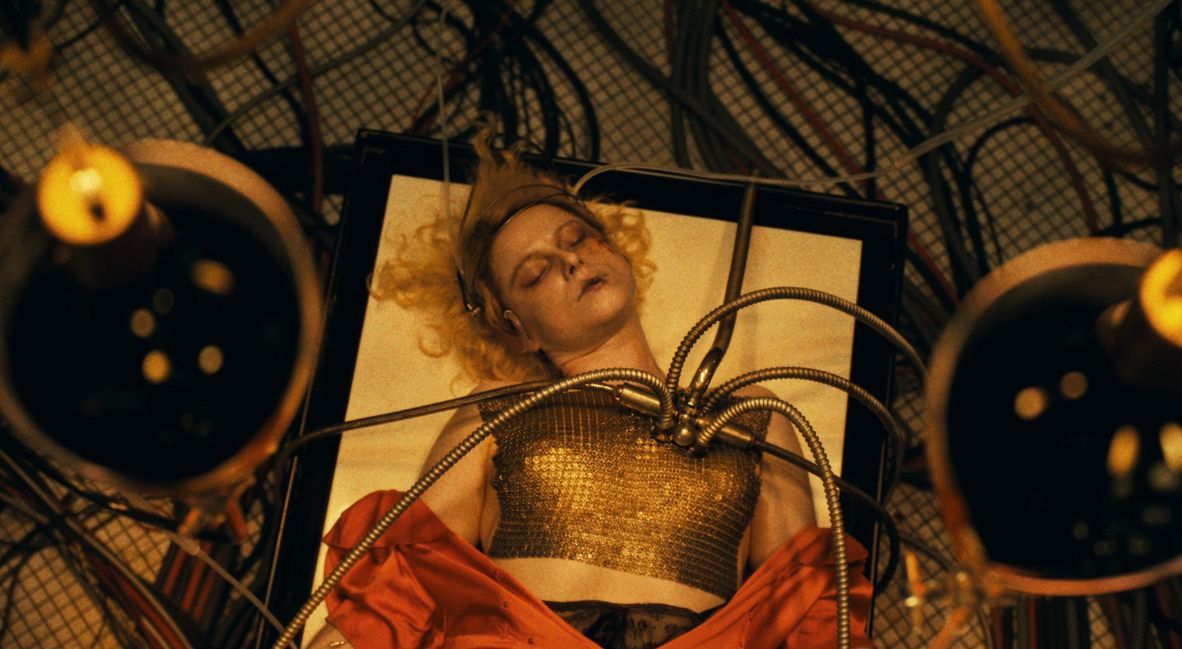
With Dr. Euphronius, Frank finds hope, asking her to “reinvigorate” a dead body to become his bride. Racked with isolation, Frank is a pathetic image of male loneliness. He has never touched another person, even for a simple handshake, and now, he believes that if he remains alone, he will die. Sure, the good doctor isn’t initially receptive to the plea, but when she decides to help him become his bride, her research starts to matter more.
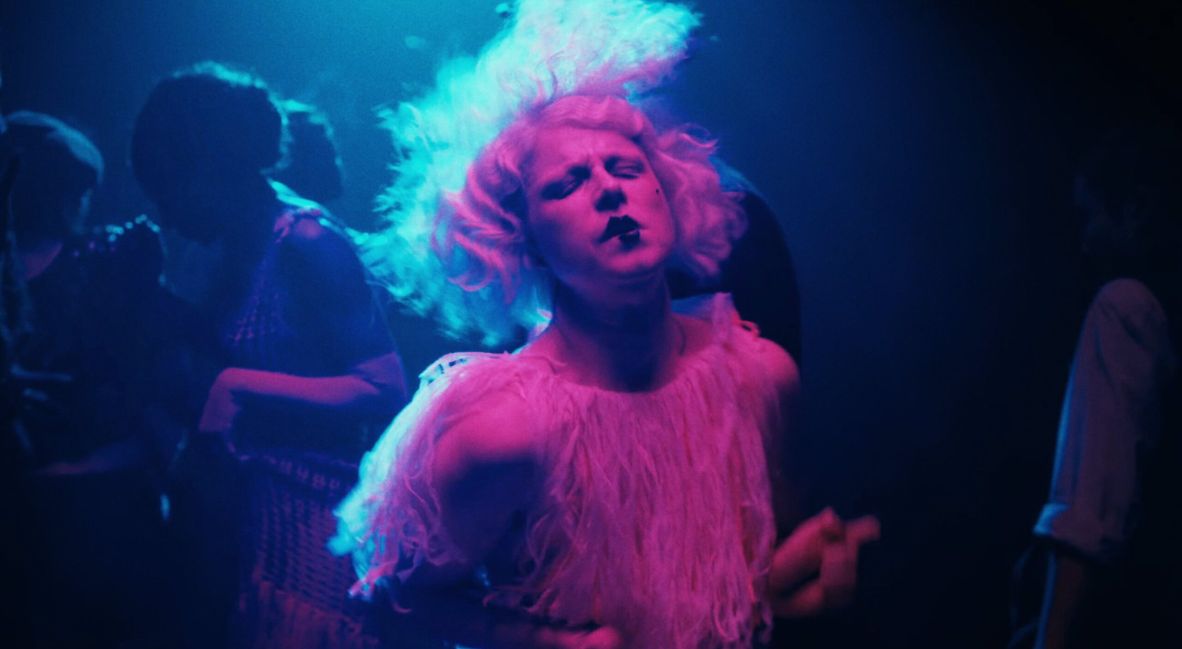
The Bride comes to life, and what follows is her story. A story about a woman constantly controlled by men who holds a quiet, simmering rage that begins to erupt as she’s repeatedly forced into a corner. A woman can’t dance, can’t joke, can’t laugh without a man thinking that it’s an opening for them to use her body. To trample over her agency. And in the Bride’s rebirth, even her groom exerts control over her.
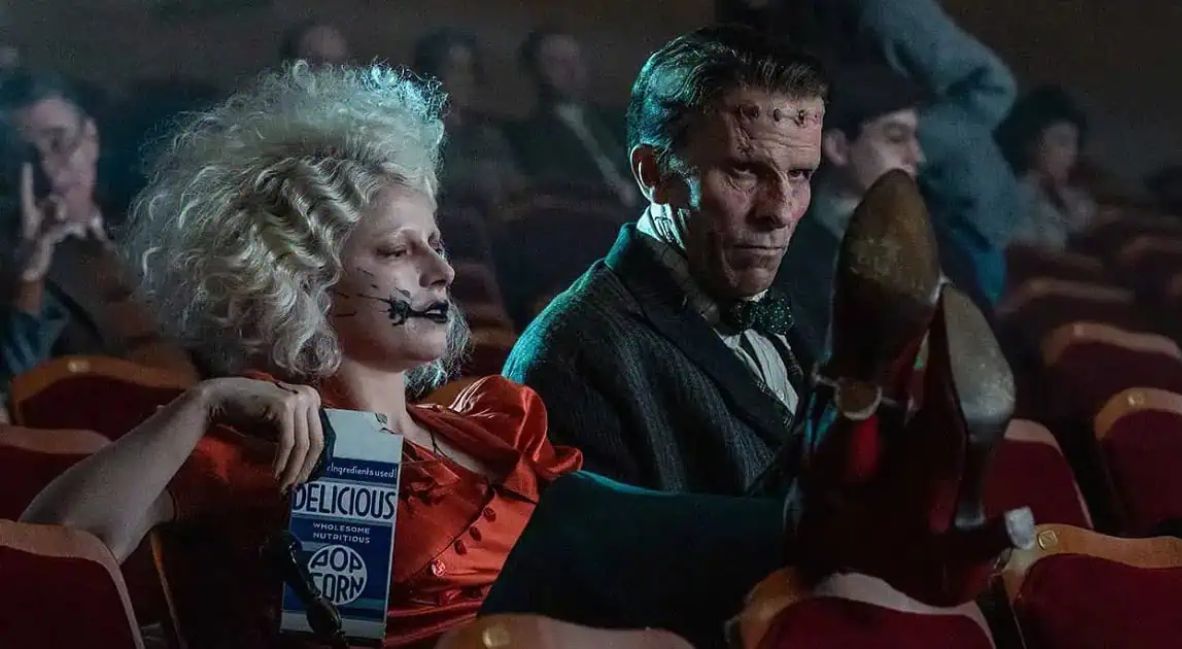
The film’s focus is on the rage that builds up, and also the sadness that comes with it. As Franky (the Bride’s name for him) and Penelope (the name the Bride is given) make their way across the United States, they’re driven by fiction. They head to the locations where Franky’s favorite actor, Ronnie Reed (Jake Gyllenhaal), films are set.
The work of Ronnie Reed let Franky see the world when Franky could not do much more than sit unnoticed in a dark theater. Fiction allows Franky to experience a life outside of himself, but it’s also his crutch. Still, it’s clear that the real monsters are the men who keep following Franky and Penny, not them.
The Bride (2026) captures the fantasy of film against the reality of life.
Anger and sadness, power and control, The Bride (2026) is all about the ways they manifest. From innocuous elements like men ignoring Myrna Mallow (Penélope Cruz) while listening to her less competent colleague, Detective Jake Wiles (Peter Sarsgaard), to its men souring the safe haven of a dance floor by inflicting a sense of danger, all because the Bride has the audacity to express herself, there is no safe place from the sexism of the world. Some moments will annoy you, and others will fill you with rage.
The Bride’s success is rooted in the power of the performances, particularly Jessie Buckley’s. As the titular character, Buckley’s performance channels anger, sadness, loneliness, and confusion, but, unlike her partner in crime, she isn’t pathetic. There is a fire in the Bride that can’t be put out. It’s what draws Mary Shelley’s eyes to her: a broken woman can still keep moving forward, and still be defiant when the system fails her.
Jessie Buckley is asked to play essentially four characters. First, she plays Ida, who the Bride was before she was resurrected. Then she plays Penny, the woman that Franky crafts with his stories and lives without inhibition, for better and worse.
Buckley is also the Bride of Frankenstein, a criminal who murders cops and men across the country. And finally, she is Mary Shelley, both as the character seeping into Ida’s life and as the woman who opens the film and narrates it throughout. This is a decadent performance that Buckley executes perfectly.
Jessie Buckley’s performance is nuanced, difficult, and perfect.
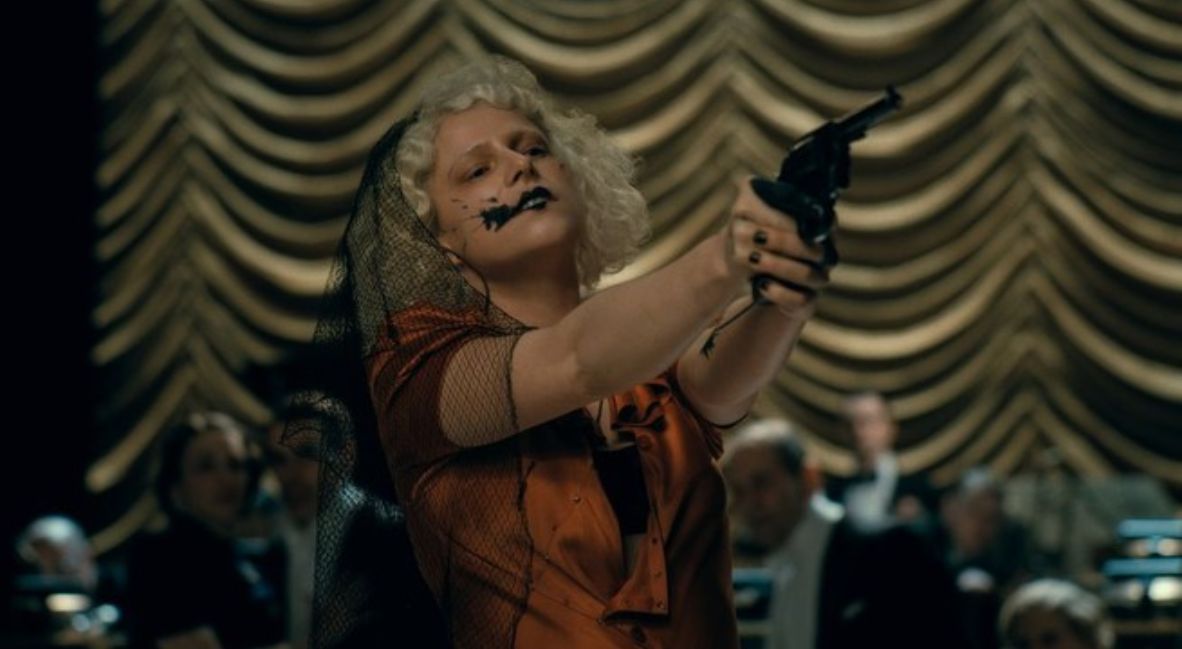
There is nothing simple about the character that Buckley brings to life. She is the beating heart of the film, but she also brings the rage on screen and in the audience to life. She is grasping for agency and control over herself and her body, but every man, even the one she loves, doesn’t allow her. The Bride (2026) is much more about a woman taking her own power than it is a film focused on a period crime spree.
Nuanced and brimming with fury, Buckley is astounding as the Bride. As she comes into her power, you can’t help but let out a deep breath you don’t realize you’re holding in. The Bride is all of the women in the audience, and Gyllenhaal’s script routinely reaches out to us.
This isn’t to say that Buckley’s performance as the Bride (also called Penelope by Franky) is the only winning element of the film. There is not a singular weak performance in this cast, from the small secondary roles for Jeannie Berlin, John Magaro, and Annette Bening, to Christian Bale as Franky; every actor is perfectly cast.
Christian Bale’s Franky is pathetic, romantic, and endearing.
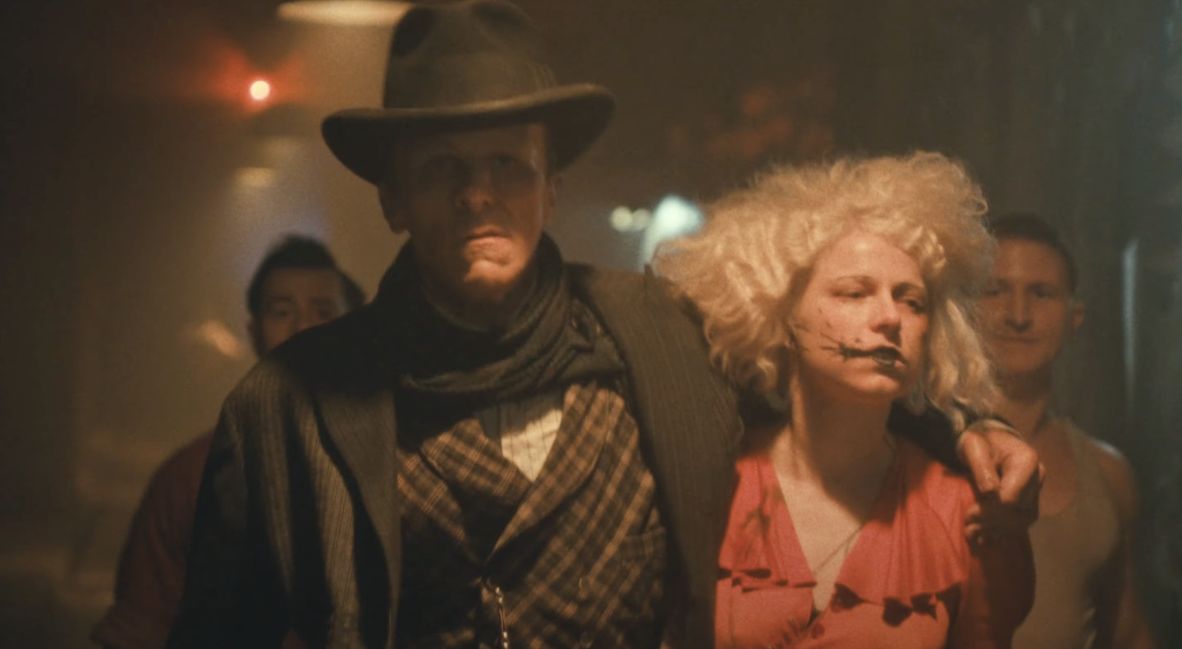
Bale’s well-known process of transforming his body for every role pays off in spades in The Bride (2026). He is unrecognizable as Franky, and more importantly, he is abjectly pathetic. So lonely that he could die, his isolation creates a creature who has found solace in fiction. The sadness that Bale conveys as Franky is perfect for Mary Shelley’s novel and helps make him unassuming.
However, as Franky begins to answer his Bride’s questions, his propensity for fiction kicks in. Franky quickly starts his relationship with his Bride, not as upfront at the start, instead beginning with “there was an accident.” At first, he takes care of her, watches for her, and protects her. But he is so worried about violence.
As he begins to answer her questions, giving her the name Penelope Rogers after Ginger Rogers, Franky begins to craft a world for his bride. And most importantly, while he loves her, she is still his bride, bound to him by necessity rather than by choice.
There is not a single performance that doesn’t meet the moment The Bride (2026) creates.
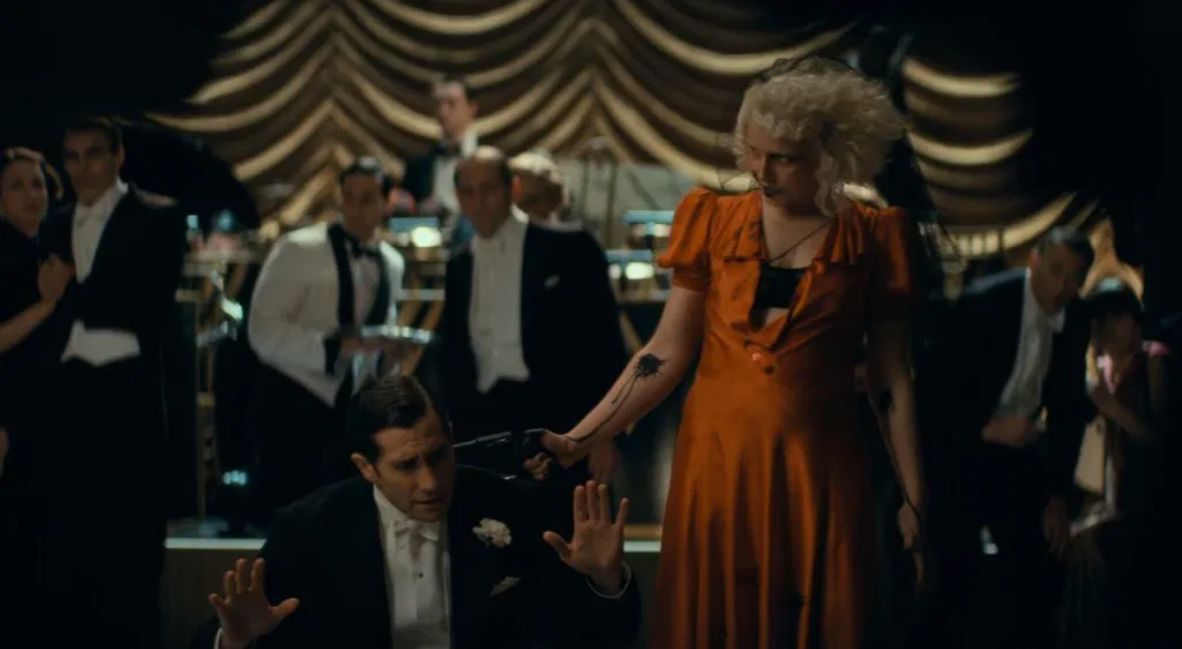
Franky quickly turns into just another man in Penelope’s life. He wants something from her; he doesn’t want to lose her, and by that fact, he’s controlling her. Through love, yes, but he paints a picture of a woman who is drastically different than who she was before, “reinvigoration.”
Franky has turned her into his dream. But Gyllenhaal doesn’t leave her as his doll, nor does she leave Franky as an unrepenting man trying to contain her fire. That’s where the film stays focused. Their romance, their marriage, it all has to be the Bride’s choice.
The Bride’s titular character is one that any woman in the audience can easily see herself in. Under constant threat from the men around her who have even a small amount of power, her body is always seen as someone else’s.
Romance isn’t dead in the film; it’s just complicated.
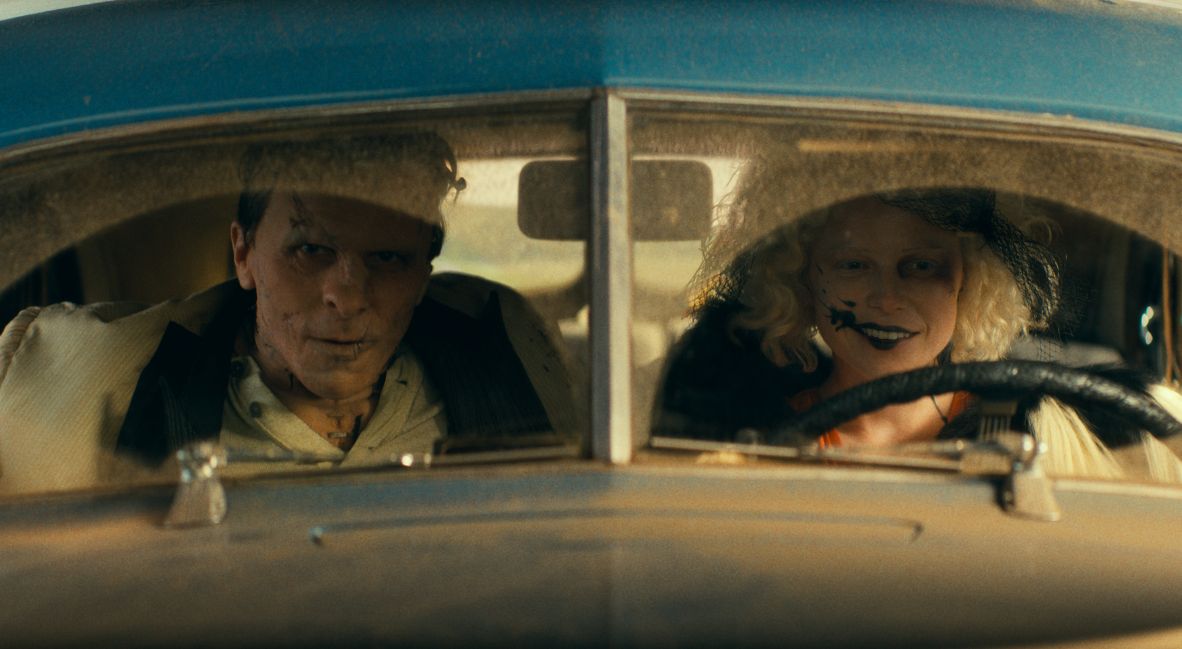
At first, I thought that the attempted sexual assault that she is constantly subjected to was too much. But as the story continued, the reality came into focus. When men want to control you, they want to control your body. And while other men assault the Bride, Franky controls who she is, and she plays the part.
But while the Bride is surrounded by men looking to control her, Mary Shelley is there. A small voice in her head that erupts from time to time with a strong vocabulary, and to give the Bride the autonomy to take control of herself. Still, though, the Bride is owned by someone whether it’s Mary or the men around her that makes the film’s last act so perfect.
The audience pieces together who the Bride was before she died, just as she tries to remember. We are left in the dark, and as the third act begins, we start to see Franky’s stories of their life “before the accident” contradict what we saw in the film’s opening. Small things like favorite foods and personality traits stand out in contrast to how the Bride was introduced. We know that her life is fiction; we just need to see how she takes back control.
Maggie Gyllenhaal destroys a classic to reinvigorate its themes.
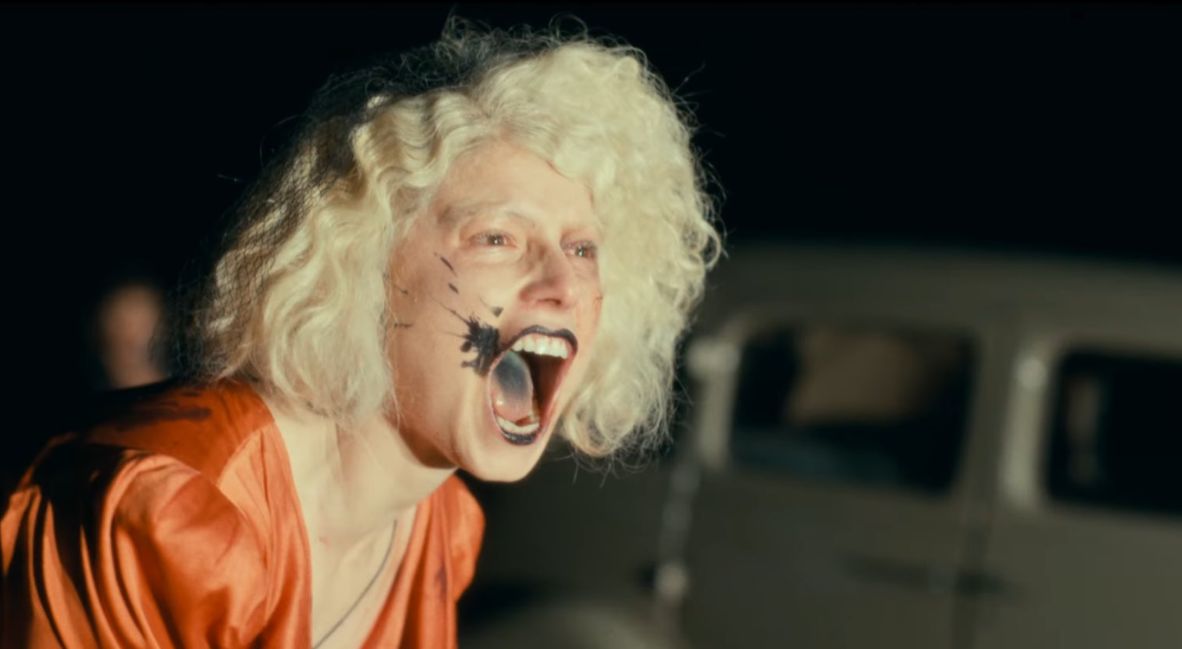
As the Bride awakens to her reality, she begins to regain her agency. Mary’s voice begins to settle and stop interjecting in her life, and all that’s left is the Bride. Not Ida, the woman she was before. Not Penelope, the woman that Franky made her. And not the Bride of Frankenstein. Just the Bride.
While the film’s narrative may be clunky at times, the performances makes every emotion on screen resonate loudly. Maggie Gyllenhaal’s The Bride (2026) is a thrill ride of feminine rage and self-discovery. To call the duo Bonnie and Clyde may not be technically wrong, but the duo isn’t running from police because they have been robbing banks and killing cops without reason.
The Bride carries the rage of murdered women, disappeared women, and silenced women. Every kill in the film has a meaning. And to put it simply, men can’t rape if they’re dead. Every man that the duo killed was an attempted rapist, or was done in self-defense. They’re seen as the monsters of the world, but, as Shelley’s prolific text shows, they were monsters men created.
Maggie Gyllenhaal’s The Bride (2026) is a love letter to feminine rage.
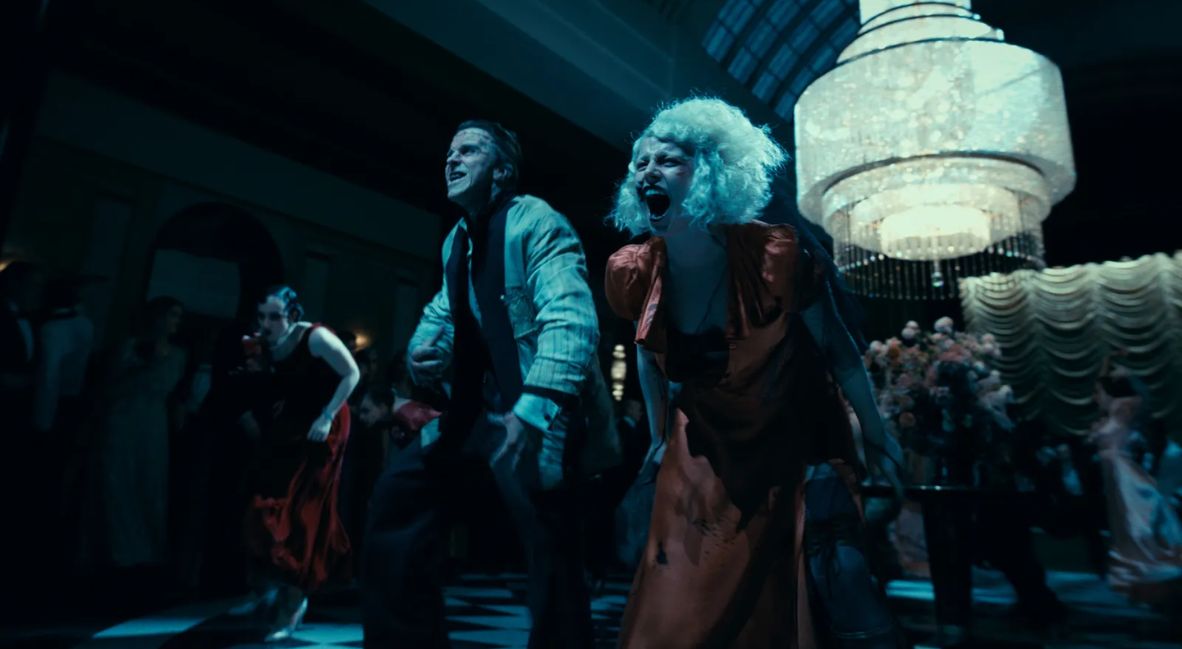
More importantly, though, is that Gyllenhaal leaves romance intact in The Bride (2026); she just does it on the woman’s terms. Love is Penny’s choice, and ultimately captures the freedom in agency and how you can use it to love.
From top to bottom, this film is beautiful to watch, even outside of how much its subjects resonate with me. The costuming is sublime, and the choice of when to use black-and-white and when to use vibrant color gives the film an interesting, distinctive visual language. The hair and makeup, the character designs, and the recreation of the 1930s period all astound.
The Bride (2026) is inventive and funny, deep and angry, and ultimately something so uniquely weird that you can’t look away. From cinephile moments to dance numbers and something more sensual too, this genre-smashing film embodies 1930s mob films, Mary Shelley’s Frankenstein, and the rage that fills us all right now.
Maggie Gyllenhaal belongs behind the camera as much as she did in front of it, and I can’t wait to see more from her. Darkly fantastical, hauntingly romantic, and a furious look at women’s place in the world, The Bride is a reimagining like no other.
The Bride is out now in theaters.
The Bride (2026)
-
Rating - 9/109/10
TL;DR
Maggie Gyllenhaal belongs behind the camera as much as she did in front of it, and I can’t wait to see more from her. Darkly fantastical, hauntingly romantic, and a furious look at women’s place in the world, The Bride is a reimagining like no other.