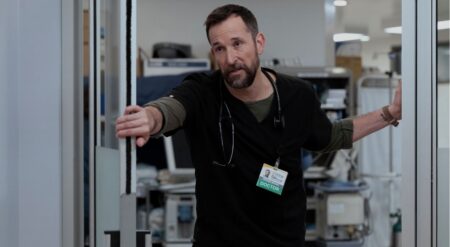
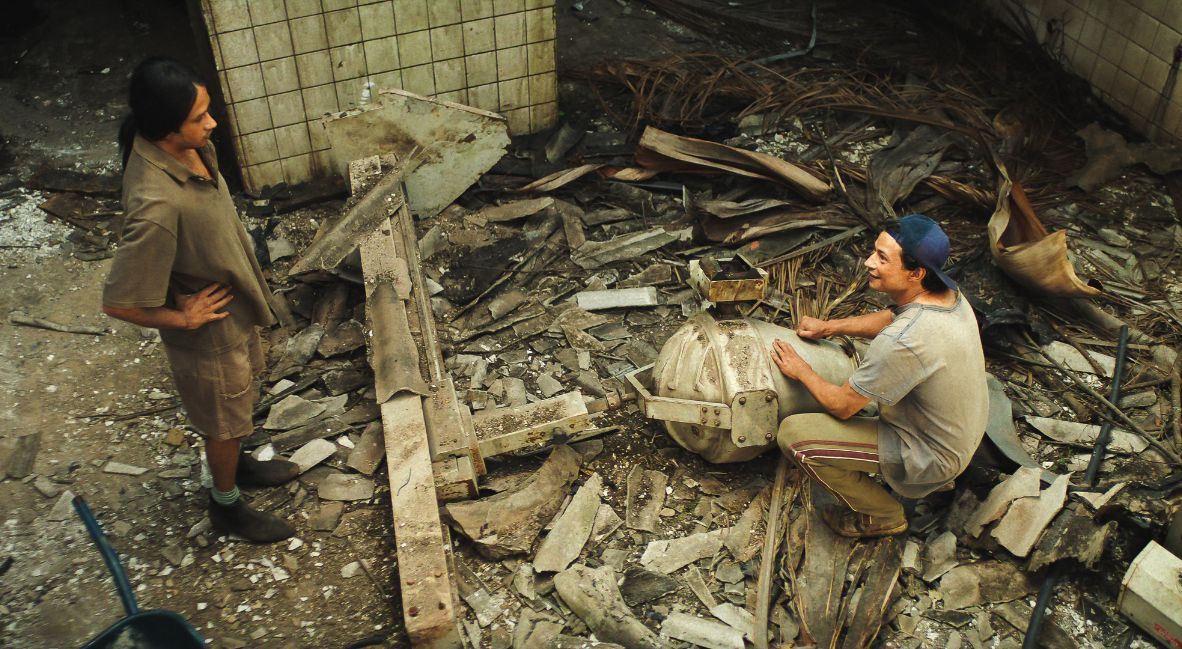
Radioactive Emergency (Emergência Radioativa) is a Brazilian drama based on real-life events. In 1987, a forgotten medical device was found in an abandoned clinic by a couple of foragers. When they unwittingly crack it open and sell it to a local scrap yard, they unleash the largest, non-nuclear plant-related radioactive emergency the world has seen.
Directed and written by Fernando Coimbra, Radioactive Emergency takes an in-depth look at the unfolding crisis as scientists and civil servants try to understand and contain the disaster. It also spends extensive time with the victims of the calamity as they strive to survive their deadly encounter with an invisible killer.
The most terrifying thing about this story is how innocuously it begins. How the radioactive material spreads so swiftly and silently gives the viewer chills. The simplified ways scientists explain how caesium-137 (the radioactive material) affects the body and can infiltrate the city allow anyone to understand without having to dial back just how dangerous it is. Such an event should never be possible, but the reasons behind it also feel completely believable.
Radioactive Emergency delivers an in-depth look at a massive catastrophe.
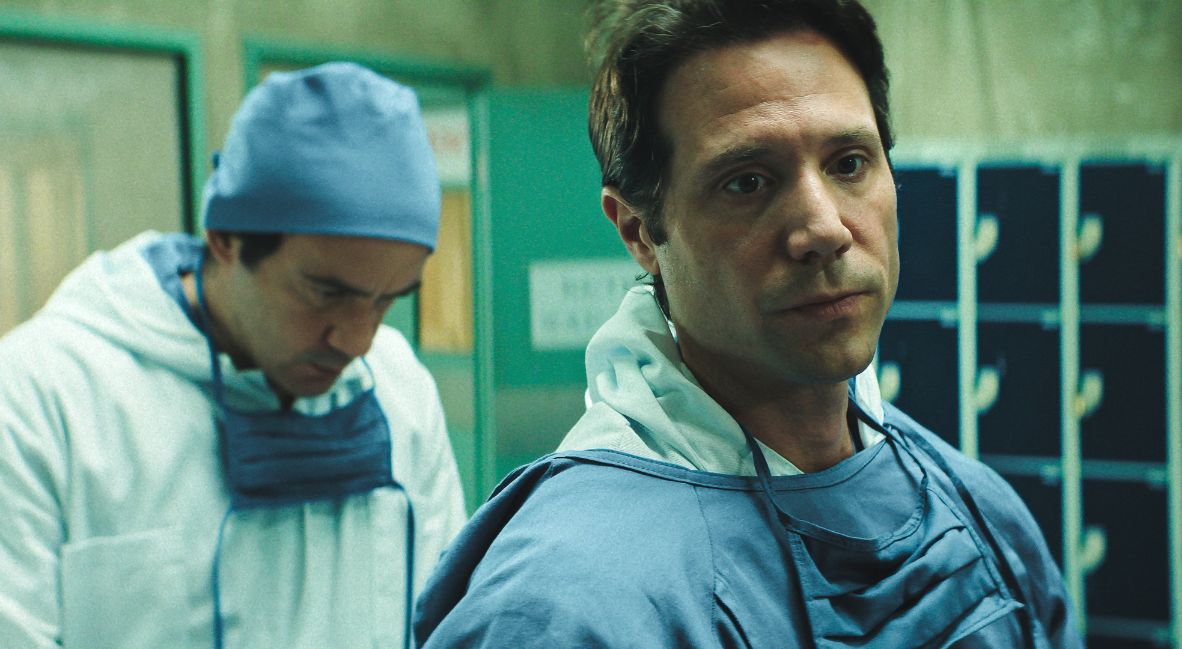
The big picture side of the story focuses mainly on Márcio (Johnny Massaro) and Orenstein (Paulo Gorulho). These two scientists form the nucleus of the response, scrambling desperately to contain the growing crisis. Through these two individuals, Radioactive Emergency delivers an in-depth look at the massive undertaking it requires to assemble and coordinate the response to such a catastrophe, as well as the struggles of dealing with government officials who are not always the most understanding.
While the city’s governor is never a full-fledged denier of what is taking place, he is all too willing to lean on decisions that best serve him rather than the public. More worried about public outcry than a growing casualty count, the politicians in charge are sometimes the biggest obstacle to containing the situation as expeditiously as possible.
This desire to put political self-interest over public safety is clearly not a new development. It is made clear through the disbelief and hesitancy of the underprivileged, most threatened by the incident, just how often their government doesn’t look after them. That scientists with Geiger counters and hazard equipment are dismissed by so many as looking for an excuse to imprison or rob people of property gives a telling commentary on their living conditions. These preconceived notions are given ample opportunity to get worse as the crisis develops.
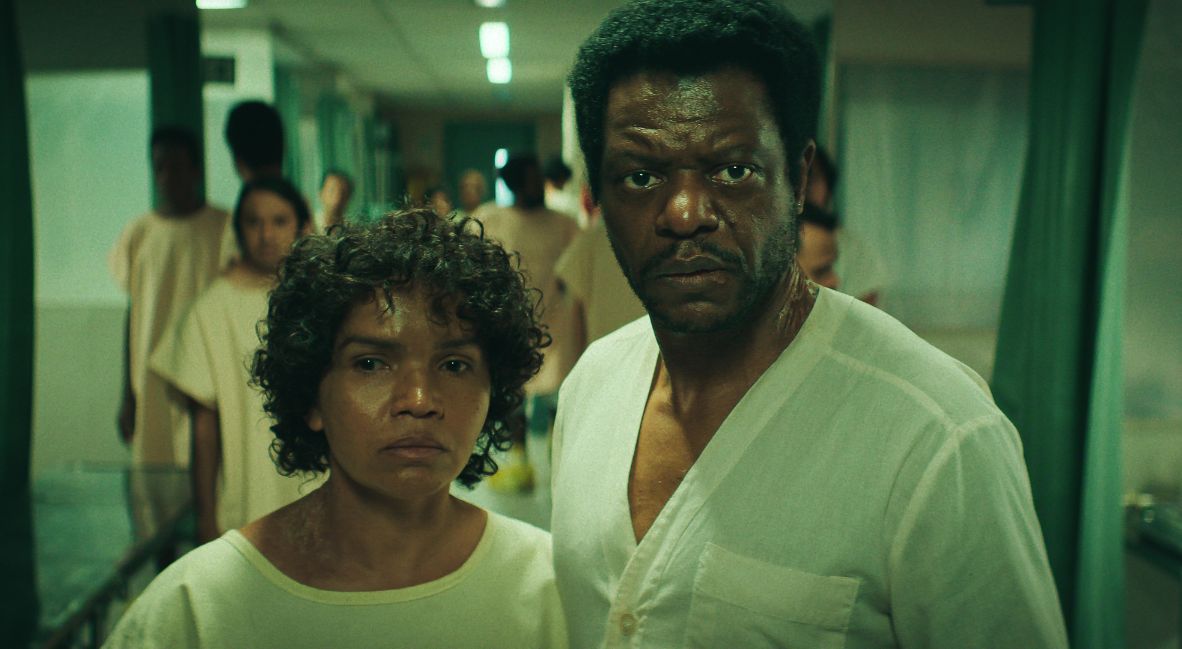
Nothing is more heartbreaking than the time the series spends in makeshift hospital wards.
With this mindset already established, it is easy to see how the community misinterprets actions and honest mistakes. When families have to be broken up due to exposure, it is far easier for those affected to believe such acts are being done out of disregard for the affected people, not concern. Radioactive Emergency does a fantastic job of presenting how innocently these presumptions are to feel, as well as how hard they are to overcome.
Radioactive Emergency also follows a patient who, once cleared of danger, is released onto the street, with a house quarantined and a family still in confinement, leaving her nowhere to go and no help offered. Not because no one cares, but because the situation is evolving so rapidly, no one was ready. But that fact does her little good. Seeing this cruel oversight play out adds yet another unforced error to the handling of the situation.
While the larger crisis is gripping and painful, nothing is more heartbreaking than the time spent in makeshift wards as understaffed and under-equipped doctors try desperately to save patients. These sequences are brutally real, chronicling the struggles of all those involved. So many elements and dangers are dealt with that it is overwhelming to watch, let alone live through it.
Radioactive Emergency shows restraint and doesn’t overly dramatize moments.

While its sweeping scope and deep emotional storytelling are fantastic, it’s fair to say that Radioactive Emergency’s greatest accomplishment is its restraint. Being based on a true event, the series always feels focused on recreating the real pain and confusion of the time, without overly dramatizing any particular moments. Scenes of medical emergencies and tense confrontations between authorities and scared civilians feel grounded in real tension, free of overly dramatic camera work or exaggerated performances. This allows the series to remain focused solely on the unfolding tragedy and the steps taken to resolve it.
Radioactive Emergency is a gripping and grounded look at a terrifying sequence of events. It shows both the triumph of human compassion as well as the dire consequences of human negligence. Despite shying away from more theatrical approaches to its dramatic situations, the cast and story never fail to impart onto its audience the pain and fear endured by all those caught in the grip of an invisible killer.
Radioactive Emergency is streaming on Netflix on March 18th.
Radioactive Emergency
-
Rating - 8.5/108.5/10
TL;DR
Radioactive Emergency is a gripping and grounded look at a terrifying sequence of events. It shows both the triumph of human compassion as well as the dire consequences of human negligence.