
Marathon (2026), the new extraction shooter coming from Destiny vets Bungie, has had an uphill battle. The long road to release has been plagued by many a controversy, from plagiarism accusations to weak testing from players. It allowed Bungie to make the decision to delay Marathon from its initial launch window last September to now.
Despite a rocky road to launch, the resounding question among the community was whether Marathon could reach the heights that Bungie had previously been known for. The answer is that Marathon is a ton of fun, with strong shooter fundamentals and an addictive loop, even if it still needs tweaking.
Marathon brings players to the surface of Tau Ceti IV, scraping by in a galaxy that does not care. There’s plenty of lore and story drops, focusing on the different companies vying for power, and each new group you meet is gunning for your attention.
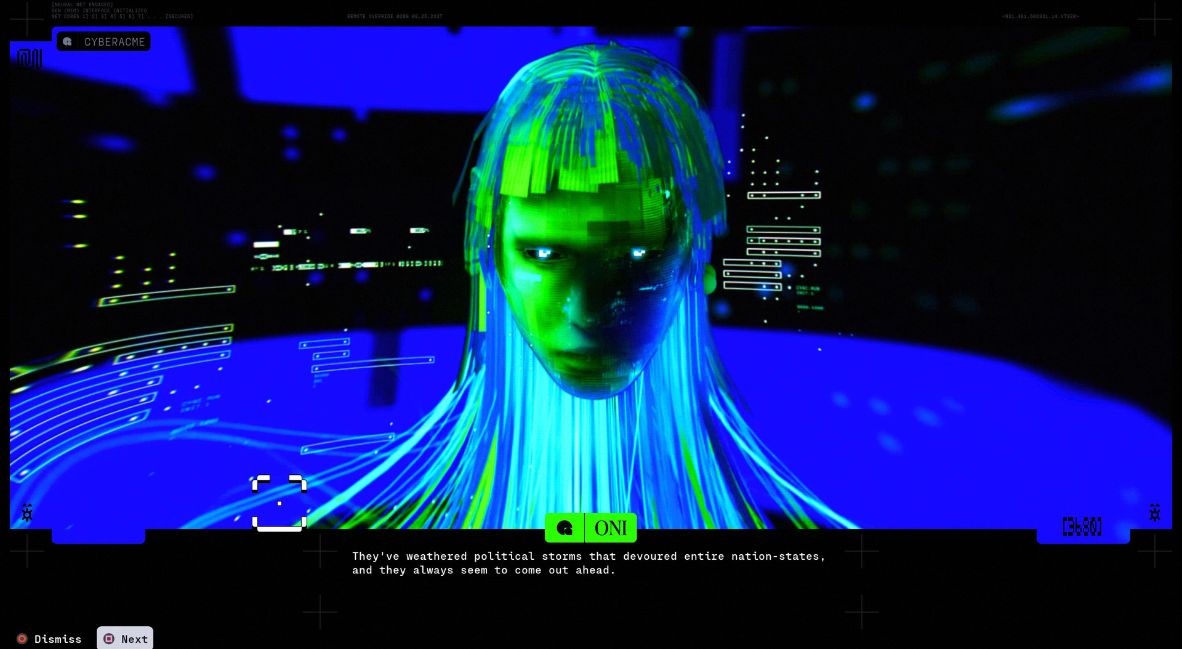
The different factions in Marathon each bring interesting lore drops, filling in the player on the state of the galaxy. CyberAcme is the first group, focusing on reintegrating the runner with the world they’ve woken up to. Rank them up enough, and the others start to take notice. Nucaloric brings contracts specializing in environmental resources, while Arachne cares much more about weapons and PVP. The implications and story bits that fall out are engaging, filling in the story between runs.
The loop in Marathon is deceptively simple: get in, get as much loot as you can, don’t die, get out. It makes for an engaging run of checks and balances, where every encounter is one that could doom your current expedition, losing everything you’re carrying in one fell swoop.
Marathon’s gameplay loop is deceptively simple and really rewarding.
Completing contracts for the aforementioned crews nets experience that can be used to upgrade your character, with each group offering different benefits. One may add deluxe backpacks to the armory, letting players buy space when really needed. Another increases looting speed, buying back a precious few seconds at critical points as you frantically try to grab whatever isn’t nailed down.
These contracts add an overall sense of progression that softens the punch of losing loot, as even if you die, you don’t lose progress on them. The internal dialogue flies by, as you make quick calls: do you try to finish a contract even if you’re risking some rare item or dope new weapon, or do you bail out, focusing on keeping what you have?
It makes for a sticky gameplay loop, where the one more run mentality starts to take root in your mind quickly. Playing with a crew is awesome and makes the overall experience more balanced, with most of my solo runs ending in getting trounced by another full team or overrun by robots. That was, until I started reframing the solo approach, focusing on using the Rook combat shell.
The Rook genuinely changes how Marathon should be approached.
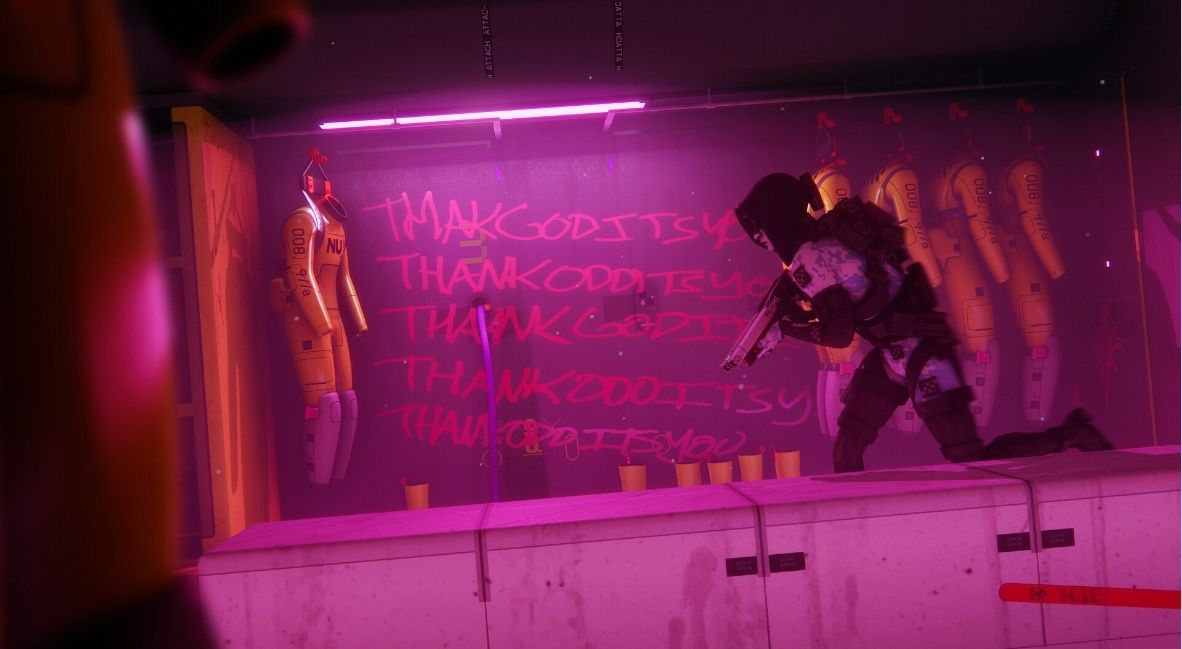
The Rook genuinely changes how Marathon should be approached. It’s a combat shell that can only be used solo, one limited in its kit, but nonetheless important. Choosing the Rook locks you out from your armory, a precious pistol, and a few abilities, the only things with you at the outset.
It drops you into a game already in progress, with your only mission to scavenge as much as you can and get out. Your abilities can help heal and mask you from the robots, turning Marathon into more of a stealth game than an active shooter. It’s a fun twist that makes solo play feel different from the more run-and-gun group offerings.
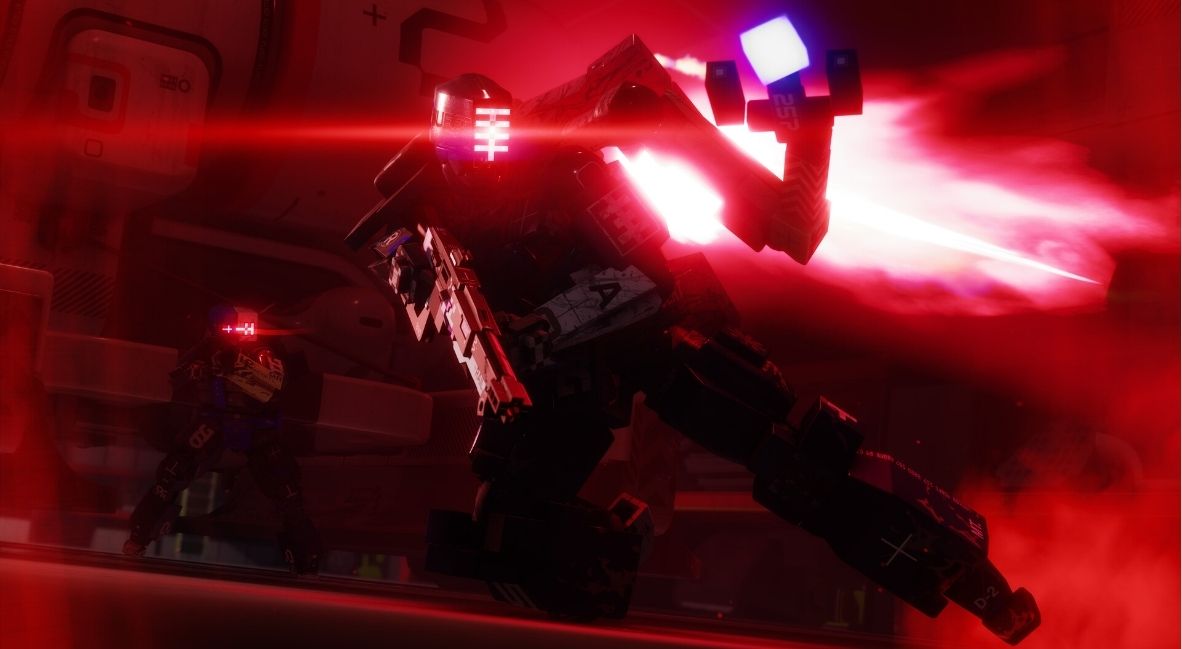
Playing solo doesn’t just mean focusing on the Rook, though, as the rest of the shells are just as important. Solo feels like a stealth horror game wrapped in a Bungie shooter, with each shell feeling surprisingly viable. The Assassin is a fantastic starting point, offering invisibility and smoke grenades that become essential when extracting.
The Thief, on the other hand, can see through that invisibility while also giving the player a ton of movement options with a grapple. Destroyers can drop well-timed shields, and Triage can give some much-needed heals. Finding the right shell for the current contract and map becomes a calculated choice, each offering different pros and cons that can synergize with whatever gear you may have on hand.
Solo is a fantastic way to play Marathon (2026).
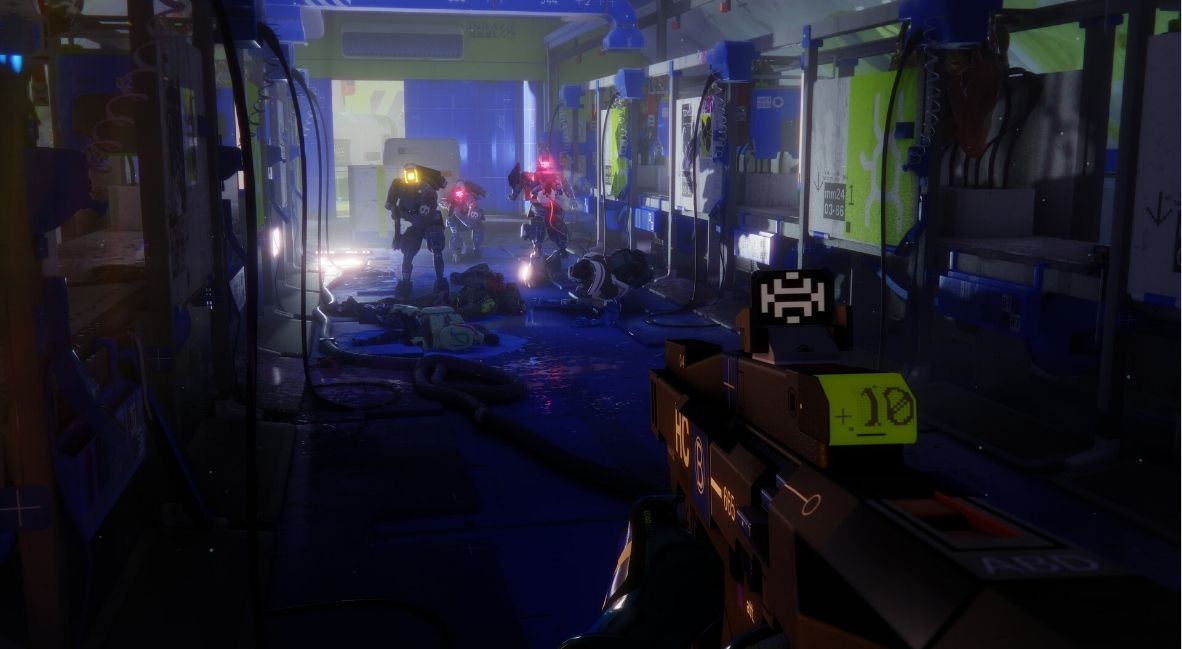
Overall, solo is a fantastic way to play, but it definitely still needs tweaking. The PVE elements in Marathon quickly get overwhelming, even with a full squad. The game feels tuned to trios at this point, with the amount of enemies and boss encounters being the same regardless if your solo or in a group. The amount of experience also scales with players, making the road to the next rank a longer one for players who may not have people to play with.
Hopefully, Bungie tweaks the solo experience to better balance gameplay, especially given the scarcity of details on its upcoming endgame. If it, like Destiny before it, requires others to run with, many solo players will find themselves at odds with the experience.
Marathon will need to nail solo and group play moving forward, as extraction shooters actually lend themselves really well to solo play. Right now, it totally works, and I’ve spent most of my runs alone, but it definitely needs some balancing.
Solo play aside, Marathon does have some issues that make the barrier to entry a difficult one. The UI is way too complicated and unintuitive, where finding what you need can always be a couple of button clicks too many. Especially playing on console, where the interface feels designed for PC.
Marathon’s barrier to entry is quite high, all thanks to its UI.
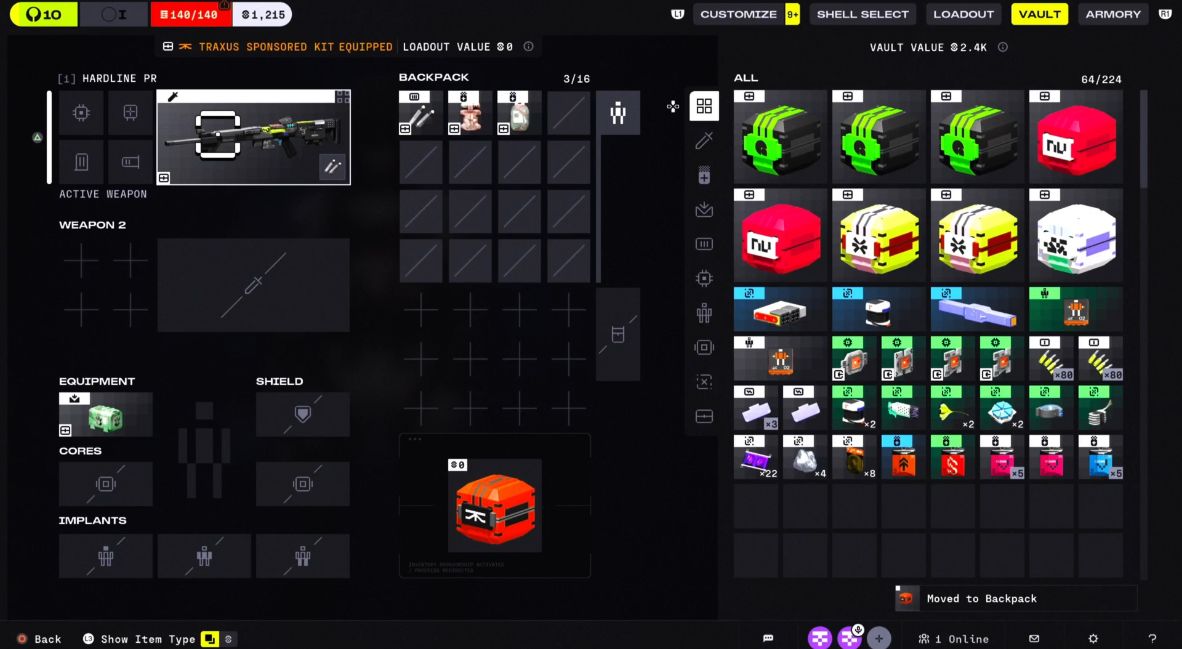
It’s hard to tell what different items are, let alone what they actually do, making the player slowly hover over each individual space to try and figure it out. Loot looks too similar to resources, which can look too similar to upgrade chips, and so on. It takes a lot of effort to figure out what something is, let alone where to put it or how to use it. It’s not intuitive at all.
The onboarding isn’t great either. There is a tutorial mission, but it’s too barebones to really bring you in holistically. It really takes a few runs to start to understand not just game flow, but what it is you’re even doing, as competing systems and priorities pop up without ever really being clear how they interact.
Depending on the player, the latter could be looked at as a lack of handholding, making the player learn by doing. That is true, to an extent, but it should be limited to learning the map and diving deeper into gameplay systems.
When contract objectives aren’t clear, you end up running in circles just trying to figure out what to do. An early contract tells you to find a specific item, with the only indicator being that it’s found in common areas. After five games, I still had no idea where to find it, what it was, or how to activate it. Maybe it was bad luck, maybe it wasn’t – I couldn’t tell, because the game wasn’t entirely clear how its systems or objectives worked.
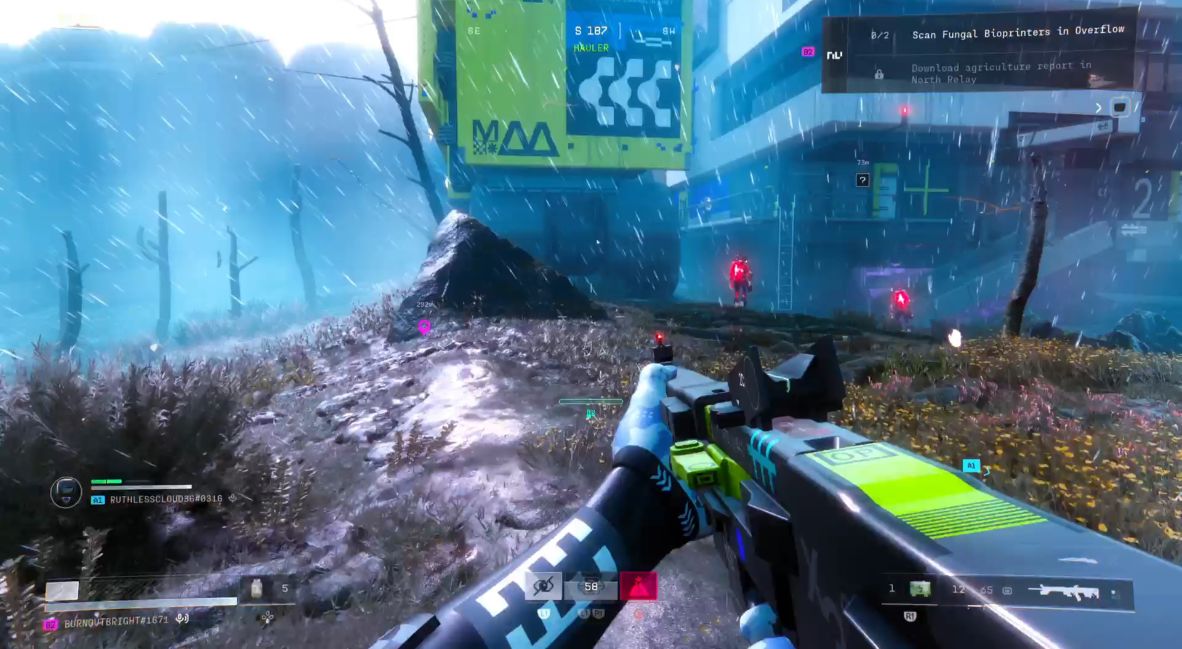
Once you start to settle in and learn by doing, Marathon really starts to click. For some, the higher barrier to entry will be enough to keep them from spending the money or time to really sink into it. For others, that more hardcore feeling, compared to a friendlier game like Arc Raiders, is exactly what they’re looking for, supported by Bungie’s ability to make shooters that really feel good to play.
It really does feel good to play. The guns each feel different, especially when supported by the PS5’s DualSense, each rattling away in its own measure. They feel punchy and responsive, backed by fantastic audio design that crackles and pops with every shot.
Marathon rewards the players who invest in it, where each new run becomes a lesson. Learning which path goes around the surprisingly dangerous robotic enemies, where the good loot is found, and how to better use your abilities—each loop teaches you something you didn’t know before. It’s worth just hopping in run after run with basic gear to really start to understand how all the systems blend together to make a truly addicting shooter. Death and losing loot can be frustrating, but it also teaches you how to improve.
As you start to level up, upgrade your runner, understand the guns better, and learn the maps, Marathon really starts to sing. The beginning hours of confusion and missteps start to feel like you were dancing, just to the wrong beat, and learning the rhythm that Marathon presents brings better runs, better loot, more extractions, and a loop that just doesn’t let go.
Each new location in Maration offers a completely different experience.
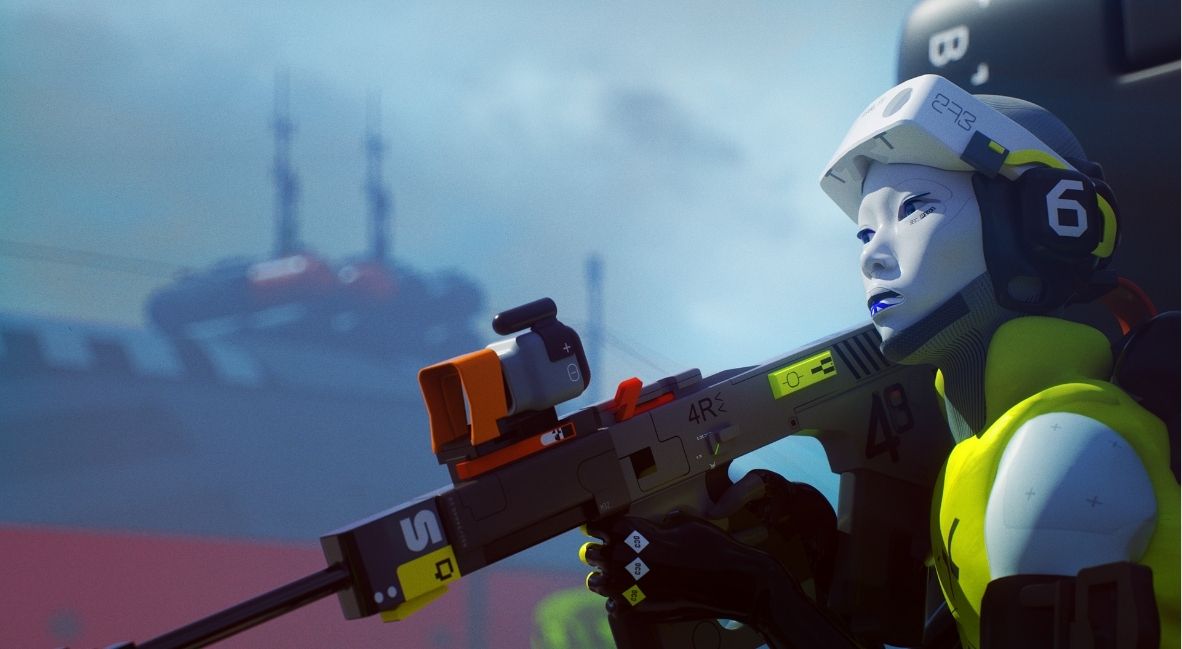
Not everyone will learn the steps, but those who do will find a deep, layered experience that begs you to dive in for just one more run. How this loop will stand the test of time remains to be seen, but right now, it keeps me coming back day after day.
The map design is also fantastic, with each new location offering a completely different experience. Perimeter is a great starting area, one where you quickly learn the right routes to run and places to hide. Dire March is much more dense and covered in greenery, where Outpost might be the best map yet, each run being a puzzle-like heist that takes multiple attempts to really start to understand.
Marathon feels like it could be something really great if it helps mitigate launch woes and criticism. Thankfully, Bungie has already started to address these issues in part. Even in its first week, Bungie has increased the distance that your objective will show, and it already makes it feel less meandering.
You still need to run around and explore, but it becomes less frustrating with the larger indicator range to objectives. They’ve also increased ammo in some sponsored starter kits—a much-needed balancing. If Bungie can keep up the same consistent listening and tweaking, Marathon can quickly become a more balanced experience to sink into.
Marathon has all the pieces to be something really great, and Bungie is already patching to make it better.
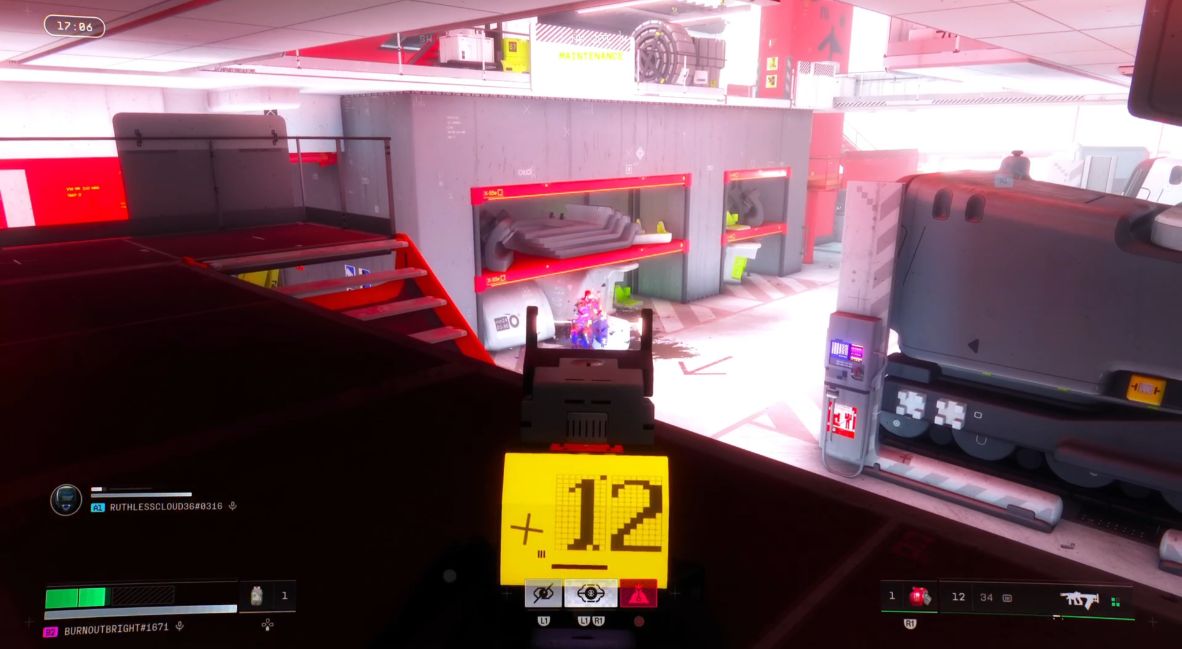
The map design, gunplay, lore, and gameplay loop are addictive and make you want to come back, even more so as you start to unlock more companies and contracts. As you start to upgrade and learn what makes a run versus what ends one, these hooks just sink in even more.
Marathon has all the pieces it needs to be successful, with the major question being how steady new content offerings are going to be introduced. If Bungie can deliver on new maps and variations, new guns, new contracts, events, and the like, at a decent pace, then Marathon has the potential to be the type of live service hit Sony has been desperately trying to find. If it can’t, and people bounce off because of a potentially repetitive loop, that’s a bigger problem.
Endgame has already been announced for the back half of March, so there’s hope that Bungie can and will deliver. Only time will tell, but so far, Marathon has me locked in, sitting in my brain until my next run. The barrier to entry is high, but it’s rewarding, with each death being a lesson learned. Marathon won’t be for everyone, but for those willing to go for the ride, it’s a blast that keeps bringing you back for more.
Marathon is available now on PlayStation 5, Xbox Series X|S, and PC.
Marathon (2026)
- Rating - 8/108/10
TL;DR
Marathon (2026) has me locked in, sitting in my brain until my next run. The barrier to entry is high, but it’s rewarding, with each death being a lesson learned.