
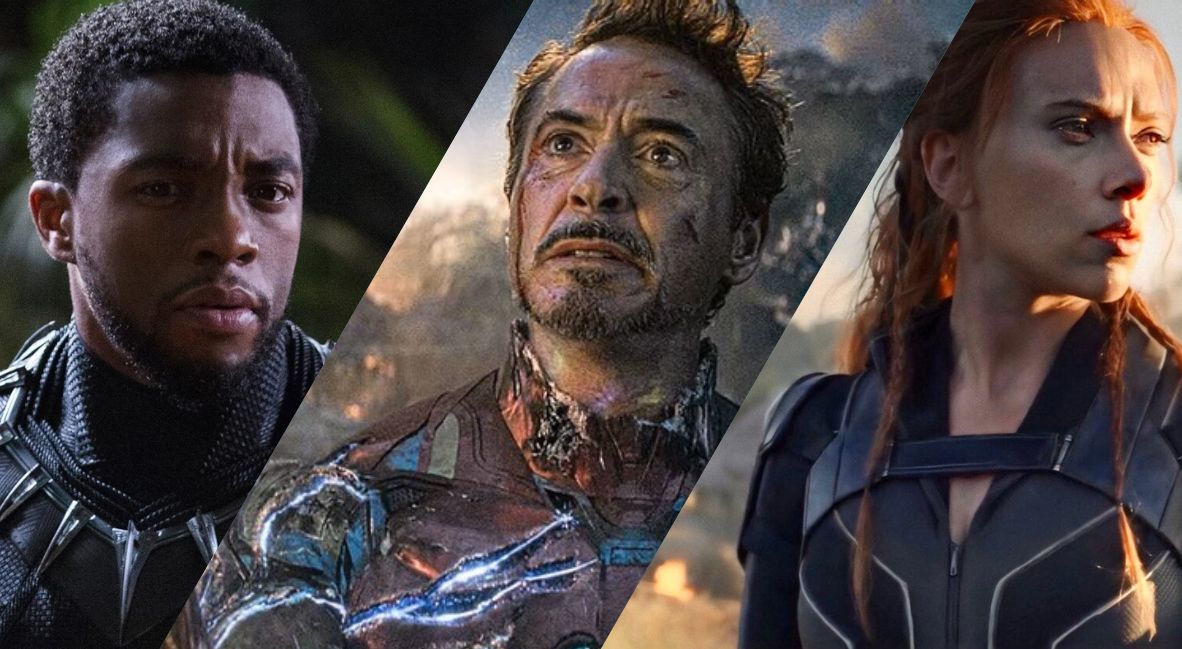
The Marvel Cinematic Universe is full of entrances, booths, and arrivals. But after nearly two decades of countless movies and TV shows, there are plenty of endings too. Many of the major characters who began in the universe and made it the behemoth that it is have since departed.
Those MCU deaths hurt. Below is a selection of those deaths that still cause heartache years after they’ve happened, either because of how tragic they are or because the universe, as it stands, could really benefit from them still being alive.
There haven’t been an abundance of MCU deaths, despite the life-or-death stakes the heroes are so often up against. So, when a character dies for real and isn’t just brought back in the next film, it’s a huge moment. Because there is a prevailing trope in superhero comics that death is only temporary and the deceased will appear again further down the line. But these deaths in the MCU have a particular sense of permanence.
Elektra (Daredevil)
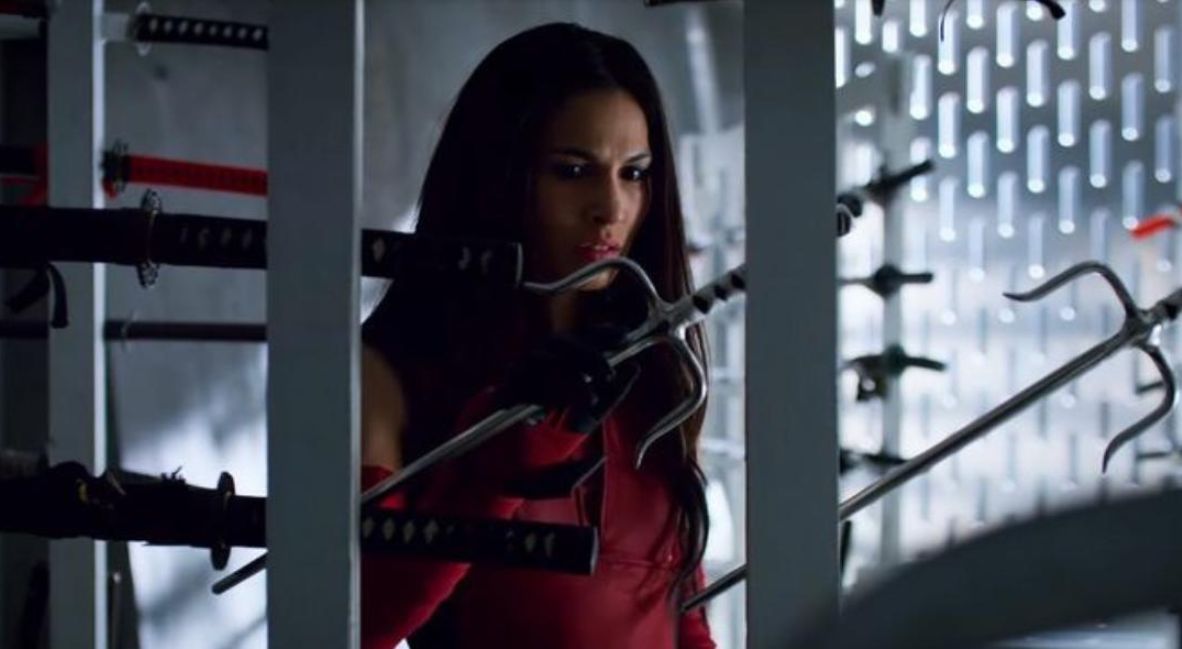
Elektra was one of the few Marvel characters that had a movie presence before the launch of the Cinematic Universe. She appeared in the original 2003 Daredevil movie, and Jennifer Garner played the assassin in that film and headlined Elektra (2005), which followed soon after. The MCU then brought Elektra Natchios back in Daredevil Season 2, this time portrayed by Elodie Yung.
The adaptation was perfect, capturing Elektra’s complicated yet intense love for Matthew Murdock (Charlie Cox) and her emerging, bloodthirsty nature. Elektra was also the Black Sky, a weapon created by the Hand, which she fully grew into after her death and resurrection, leading into the crossover series, Defenders. Elektra went from Daredevil’s beloved to antagonist, dangerous and capable, before she was buried under the rubble of Midland Circle.
Elektra’s body was never found, so the truth of her death has never been confirmed. But if her final appearance in Defenders is the end for Elektra Natchios, then it’s a real shame. She still had a lot of potential, especially as Daredevil: Born Again and Echo have reinvigorated the vigilantes and Kingpin. Bullseye is present in the MCU now and had a twisted connection to Elektra in the comics. Yung has the screen presence to hold her own in a solo series, and the chemistry with Cox’s Daredevil is superb. But so far, it appears the Hand and Elektra are left in the past.
Jane Foster (Thor: Love and Thunder)
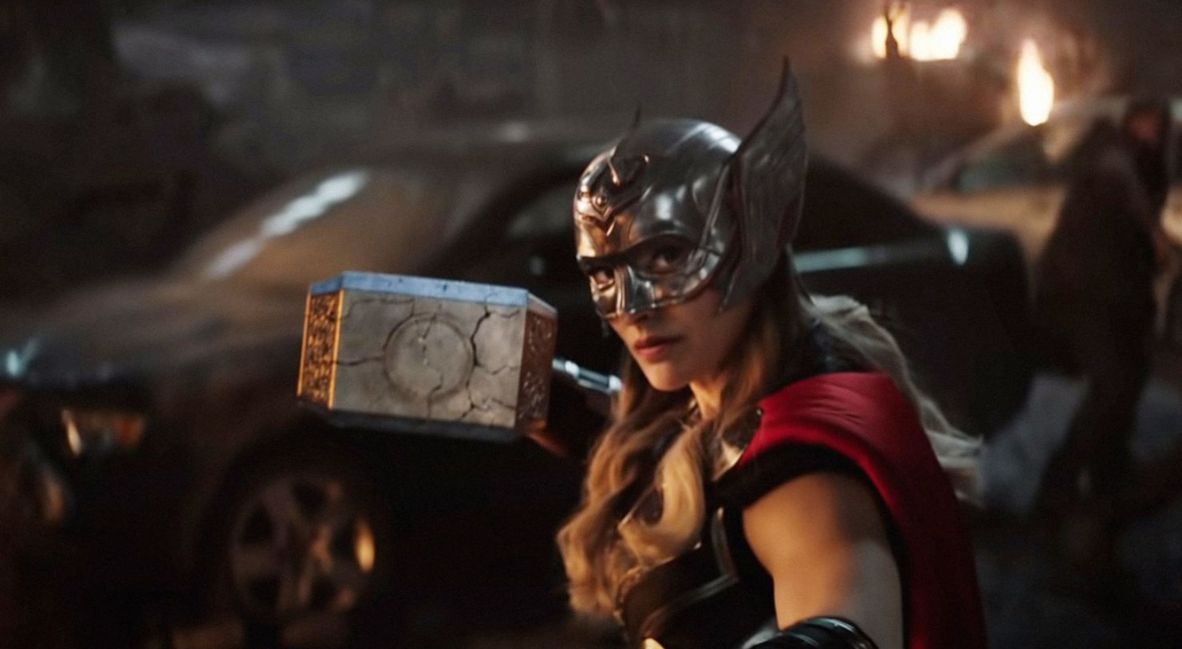
Jane Foster was one of the original stalwarts of the Marvel Cinematic Universe. She first appeared in Thor, an incredible astrophysicist who investigates wormholes. Natalie Portman plays a woman who trades science labs for the halls of Asgard. She slaps gods in the face, faces down Dark Elves, and even comes in contact with the Reality Stone. She’s integral to the early phases of the universe and Thor’s major love interest.
Then, Jane disappears. She’s mentioned in passing, but the movies’ fast pace and intensity pass her by. Thor returns to Earth, but he’s often busy with Mad Titans or the Hulk. So when Jane arrives, twirling Mjolnir, in Thor: Love and Thunder, it’s a huge surprise. The movie draws on the Mighty Thor comic series, in which Jane inherits the hammer and the worthiness.
Despite the strength and the power, Jane was asleep, suffering with Stage 4 cancer, and using the hammer actually advanced the illness further. She dies helping to defeat Gorr (Christian Bale), and there’s an eerie silence in the aftermath. Taika Waititi’s comedic tone perhaps didn’t cement the magnitude and impact of her demise. She was the first human Thor found, the first he loved, and the one he finally got to experience godhood with.
Quicksilver (Avengers: Age of Ultron)
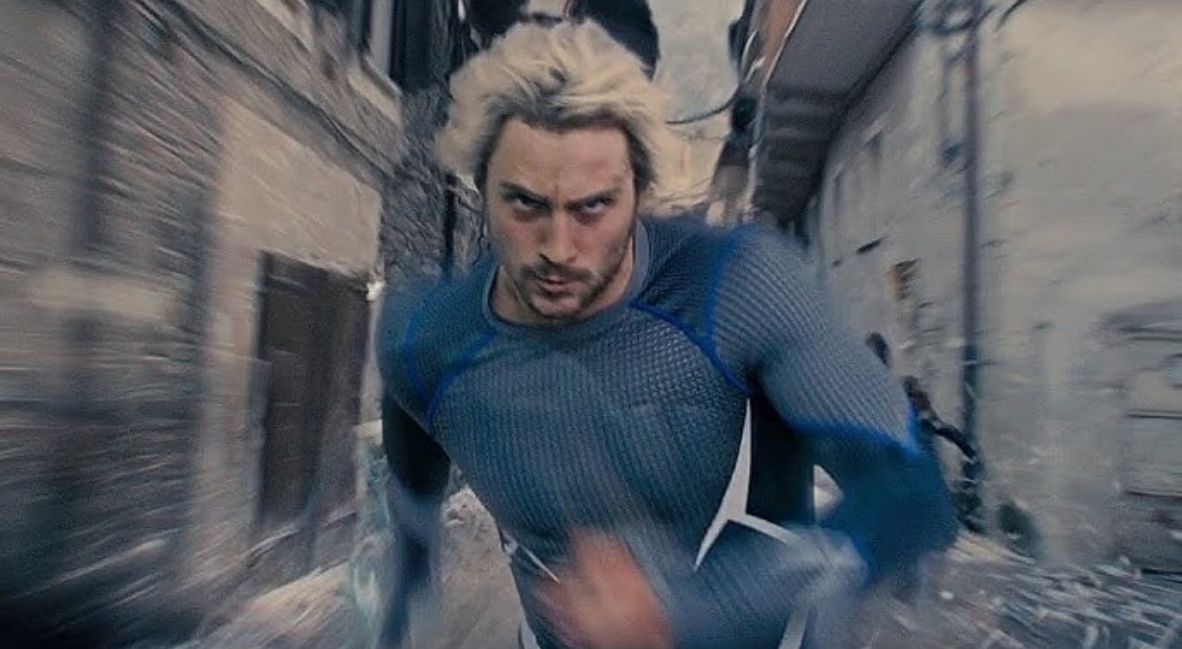
Pietro Maximoff debuted in Avengers: Age of Ultron alongside his sister, Wanda. They had both been given powers by Baron Von Strucker using Loki’s scepter and the Mind Stone. Pietro gained super speed and used it to battle the Avengers and protect his sisters.
The twins joined the team to oppose Ultron and fight for their home nation, Sokovia. After a rivalry built between Quicksilver and Hawkeye, he ultimately sacrificed himself to save the archer.
Pietro’s death was important because it was part of inflicting a long sequence of trauma on Wanda, which would ultimately lead to the consequences in WandaVision and Doctor Strange: Multiverse of Madness. It left her alone and without any real family. Pietro briefly returns in an episode of WandaVision, but it’s part of his sister’s grieving process, and Evan Peters, not Aaron Taylor-Johnson, plays him, as a nod to his iteration of the character in X-Men: Days of Future Past.
Ben Urich (Daredevil)
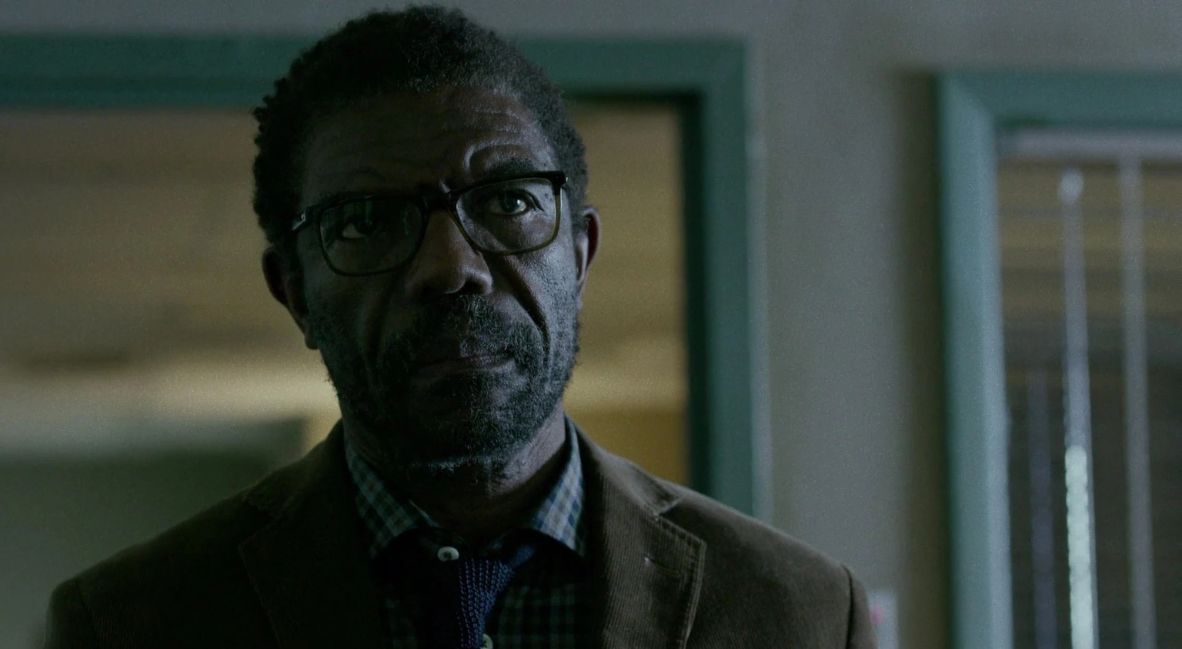
Ben Urich (Vondie Curtis-Hall) was an experienced investigative journalist at the New York Bulletin. With a wife who is suffering from dementia and struggling to find stories that matter, Urich starts digging into a scandal that leads him to Wilson Fisk. This intensifies when Karen Page (Deborah Ann Woll) approaches Urich, and the two strike up a partnership to uncover the truth and gather evidence that could put the Kingpin away. But it is that digging that dooms the newspaperman. Visiting Fisk’s mother causes Fisk to go to Urich’s own home and strangle him to death.
Urich’s death is devastating, especially in the early seasons of the Netflix Marvel series. This was the first season of Daredevil, and Urich’s murder signaled a new level of ruthlessness within the universe. It suggested that anyone could be killed at any point. It also led Karen to take over Ben’s position at the Bulletin, becoming a journalist in his honor.
However, his death does feel like a wasted opportunity. Fisk never gets found guilty of Urich’s murder, so there’s no feeling of justice. He could have been a linchpin throughout the various Defenders-related shows, like Claire Temple, Turk, and Jeri Hogarth, as well as Phil Sheldon, who witnessed the rise of the superhumans in the MARVELS comic series. Urich’s legacy lives on, though, through his niece, BB (Genneya Walton), in Daredevil: Born Again.
Iron Man (Avengers: Endgame)
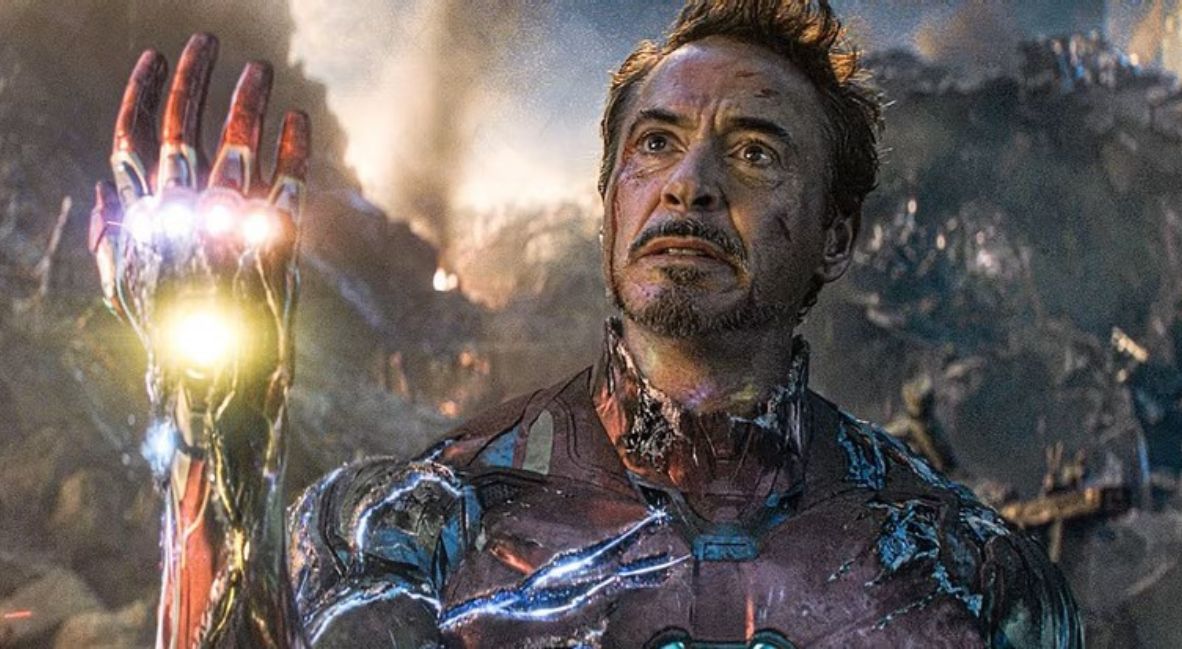
The Marvel Cinematic Universe began with Tony Stark. Iron Man, with Robert Downey Jr at the helm, was the start of a movement that turned the Armored Avenger into the flagship of the entire Universe. Downey’s (at the time, unlikely) casting was perfect, playing an ambitious, charismatic, forward-thinking genius haunted by visions of the future that led to grievous mistakes.
Three solo outings, four Avengers movies, and a role in both Captain America: Civil War and Spider-Man: Homecoming made Tony Stark the figurehead of the MCU. All of which led to the moment where he snaps his fingers to kill Thanos, dying as a result.
This death was an enormous moment and the most impactful death in the entire MCU in terms of popular character. It was the final part of a giant character arc, and such a poignant end to Avengers: Endgame. The ramifications bled into Spider-Man: Far From Home, where Peter struggled with the grief of losing him and with living up to Tony Stark’s legacy.
Since then, the MCU has felt fractured, lacking coherent movement. Secret Invasion and Kang both seemed like the next direction, before a violent shift away. It’s also felt like the MCU has lacked a leading performance on whom the future of the universe can be hung. Tom Holland and Anthony Mackie have done excellent jobs, but they’re very different from Downey Jr., which is probably why Kevin Feige is bringing the actor back as Doctor Doom.
Black Widow (Avengers: Endgame)
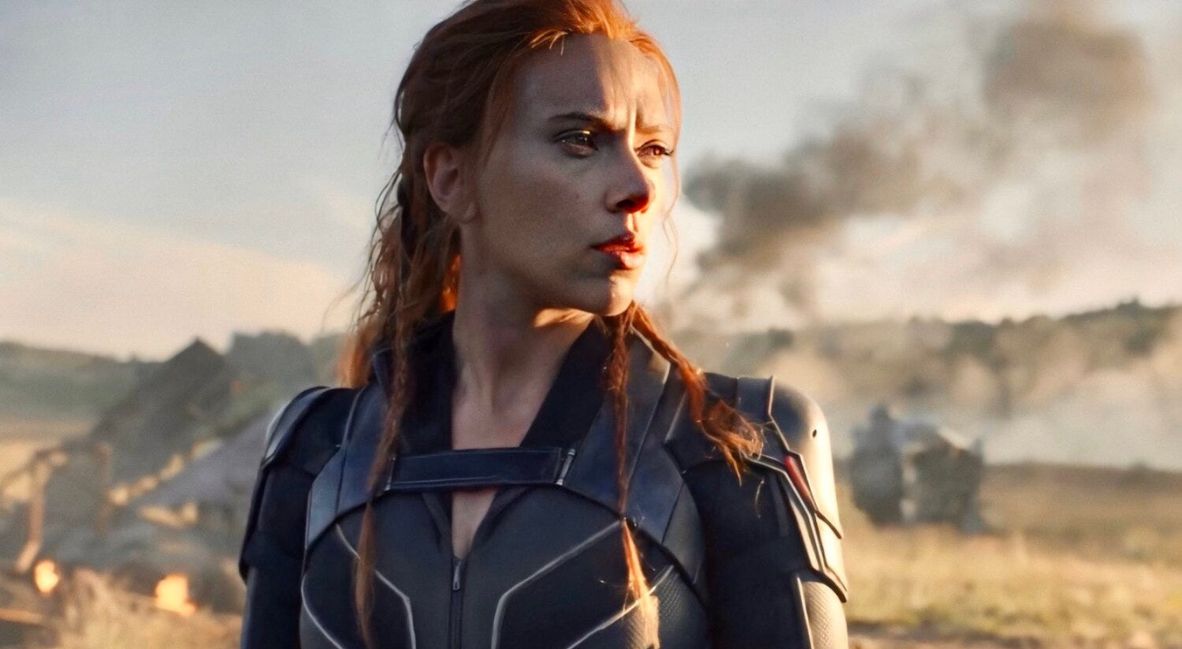
Like with Iron Man, Natasha Romanoff was part of the formation and growth of the MCU. Making her first appearance in Iron Man 2, Scarlett Johansson went on to appear in as many Marvel movies as any other actor. She appeared in two Captain America films and her own standalone film, but it was the Avengers franchise that fully brought Natasha to life.
A woman raised to be an assassin and robbed of a family, she found a sense of belonging with the Avengers. It was very much her team, her family. That desire to wipe out the red from her ledger made Natasha one of the leaders of that group and a confidant to both Steve Rogers (Chris Evans) and Tony Stark. She was the first of the original Avengers to die, sacrificing herself for the Soul Stone.
The aftermath of Natasha’s death is what makes it hurt so much. Tony Stark got a funeral, with the full army of Avengers attending, whilst Natasha didn’t get one, at least not on screen. She was so pivotal to the universe, an integral feature of the Avengers movies, and it was a gut punch not to get the chance to say goodbye.
Her solo movie, released after her death, gives us a nice reminder of her charisma and humor, and allowed us to see the conclusion of her story with her real family. It also passed the torch to Yelena (Florence Pugh), Natasha’s sister, who would then appear in both Hawkeye and Thunderbolts. But the presence of Black Widow is still sorely missed.
Black Panther (Black Panther: Wakanda Forever)
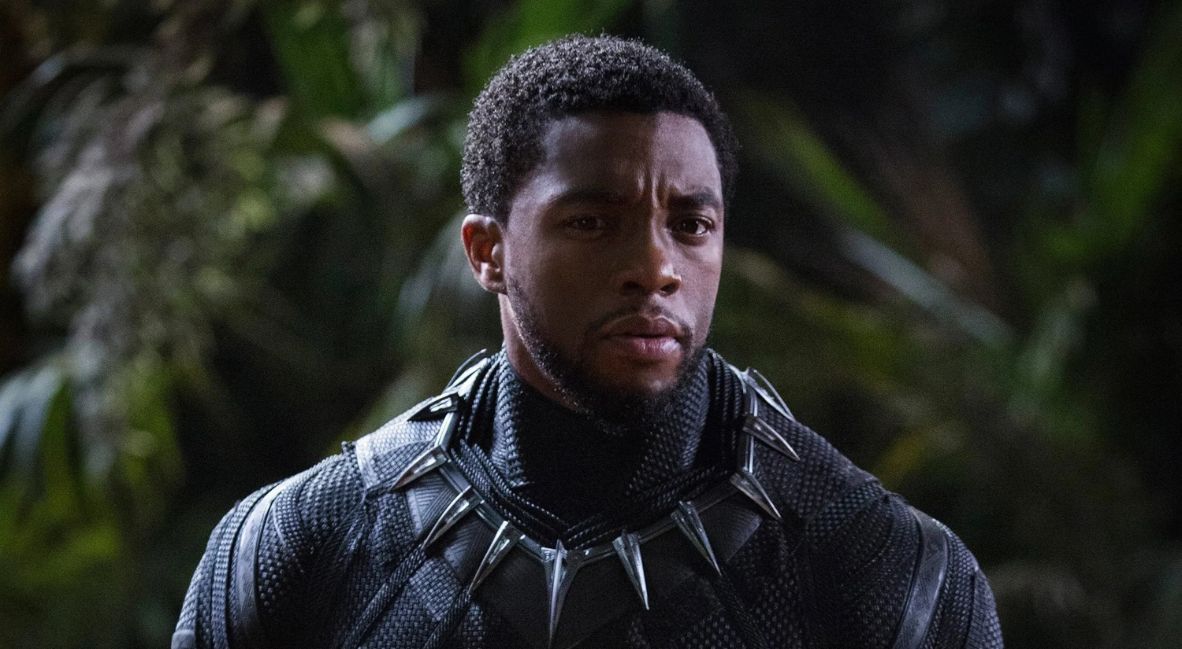
Chadwick Boseman was an incredible Black Panther. He had a royal, powerful demeanor, imbuing the character with thoughtfulness and intelligence. T’Challa first arrived in the MCU as part of the ensemble cast in Captain America: Civil War. After his father is killed and Bucky Barnes (Sebastian Stan) is framed for it, T’Challa dons the Black Panther costume and joins the hunt for the Winter Soldier.
He fought at Berlin Airport, revealing his incredible fitness and indefatigable resilience. T’Challa would also be crucial in his own film, Black Panther, as Wakanda was exposed to the outside world. He was also integral to both Avengers: Infinity War and Avengers: Endgame. When Boseman died of cancer, the decision was made that T’Challa would also die of an incurable disease.
This is a death that hurts because it was real. It’s agonizing because of the loss of the sensational talent and human being that was Boseman, and the iconic character of T’Challa. It hurts so much that it can end so abruptly. The solution was not easy and does not please everyone. Recasting the Black Panther through the lens of variants and alternate universes would mean more of the character. Still, it feels wrong considering the connection the audience had with Boseman as T’Challa. Wakanda will remain essential to the MCU; the legacy is intact, but it will always be tinged with loss.
Aunt May (Spider-Man: No Way Home)
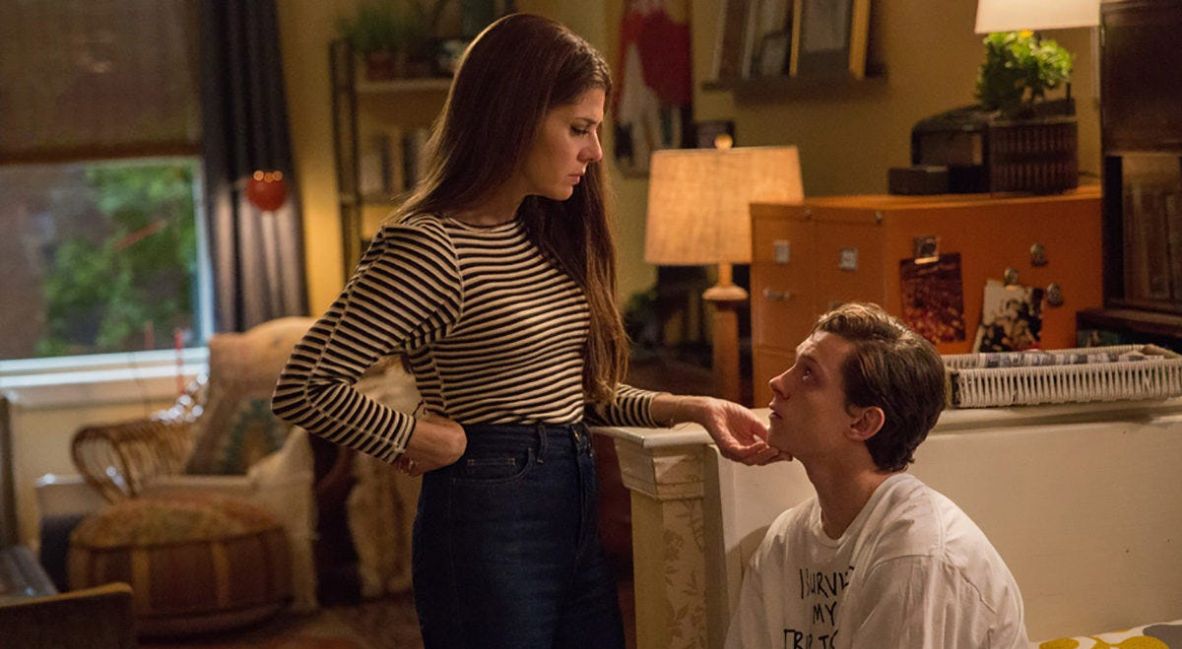
For so much of Spider-Man’s life in the MCU, Aunt May was background comic relief. Important to him as a figure, but never truly integral to the story. Perhaps the most important moment was helping her nephew get ready for Homecoming, giving him style advice, and teaching him to dance.
These were lovely moments that showed a close relationship. But ultimately, Peter would swing out and leave May at home. But then he brings villains into her home, including Norman Osborn (Willem Dafoe). It was part of May’s care and moral compass that made Peter take pity on the Green Goblin. Then, all hell breaks loose, and the villains start attacking. And in the closing moments of the battle, Aunt May dies of her injuries inflicted by Osborn.
It’s the most devastating and impactful MCU deaths in the franchises journey thus far. Spider-Man: No Way Home was a nostalgia trip, exciting and charming. And then she dies, and it becomes one of the most tragic movies in the selection. It was never on the cards to lose Aunt May.
Especially in the younger portrayal by Marisa Tomei. It shatters Peter and us, leading him to make drastic decisions that remove him from the lives of MJ (Zendaya) and Ned (Jacob Batalon). Aunt May was his home, his one thread of family. Losing Uncle Ben is one thing for Spider-Man, but orphaning him is harrowing. It heralds a major shift in the tone and future of Spider-Man movies in this universe.
It’s interesting how many of these MCU deaths have led to major changes and ramifications in the MCU. The nature of this very unique cinematic beast is that it always needs to keep moving. There’s not much time for reflection.
But when you look back at some of these devices, it highlights how monumental the characters were and how integral they were for building the universe. The MCU feels emptier without them. It says a lot about how brilliantly they have been portrayed and written that their deaths hurt so much, and that their presence is missed in later movies.