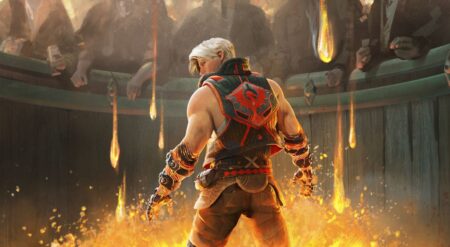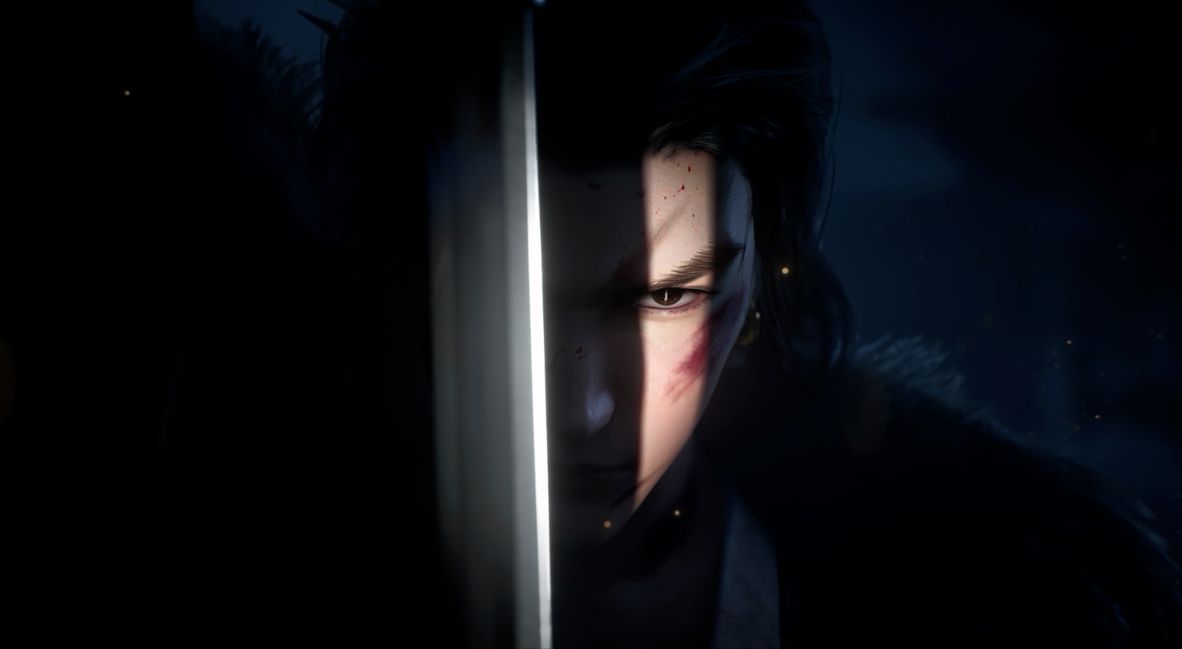
I love action films, and that love of the genre comes from a deep love of Hong Kong actioners and, more importantly, wuxia films. During GDC 2026, I spoke with NetEase developers Chris Lyu (Lead Designer), Eric Zheng (Head of Publishing), and Soul (Lead Designer of the Global Version), about their wuxia-inspired action RPG, Where Winds Meet. With a new season about to start, it was the perfect time to dive into the game’s inspirations, and more importantly, how the game’s unapologetic Chinese themes have pushed it to success with wuxia at its center.
The reason this stands out is that while some games, like Game Science’s Black Myth Wukong, have blazed paths for Chinese mythology and culture in games, other games from Chinese developers have instead leaned toward meeting Western audiences where they are with European-inspired fantasy or culturally non-specific settings, most notably in the free-to-play space.
That said, given the known sinophobia in the games industry and the United States, Where Winds Meet’s success showcases that developers do not need to hide their culture but can lean into it. Where Winds Meet follows a path blazed by critically beloved wuxia action films like Zhang Yimou’s Hero and House of Flying Daggers and Ang Lee’s Crouching Tiger Hidden Dragon.
Having launched in December of 2024, Where Winds Meet has already started its first expansion, titled Hexi. With the Jade Path as the first chapter of the Hexi Expansion, the NetEase team we spoke with wore their inspirations and love for action on their sleeves.
Wuxia provides the foundation for the open-world RPG Where Winds Meet.
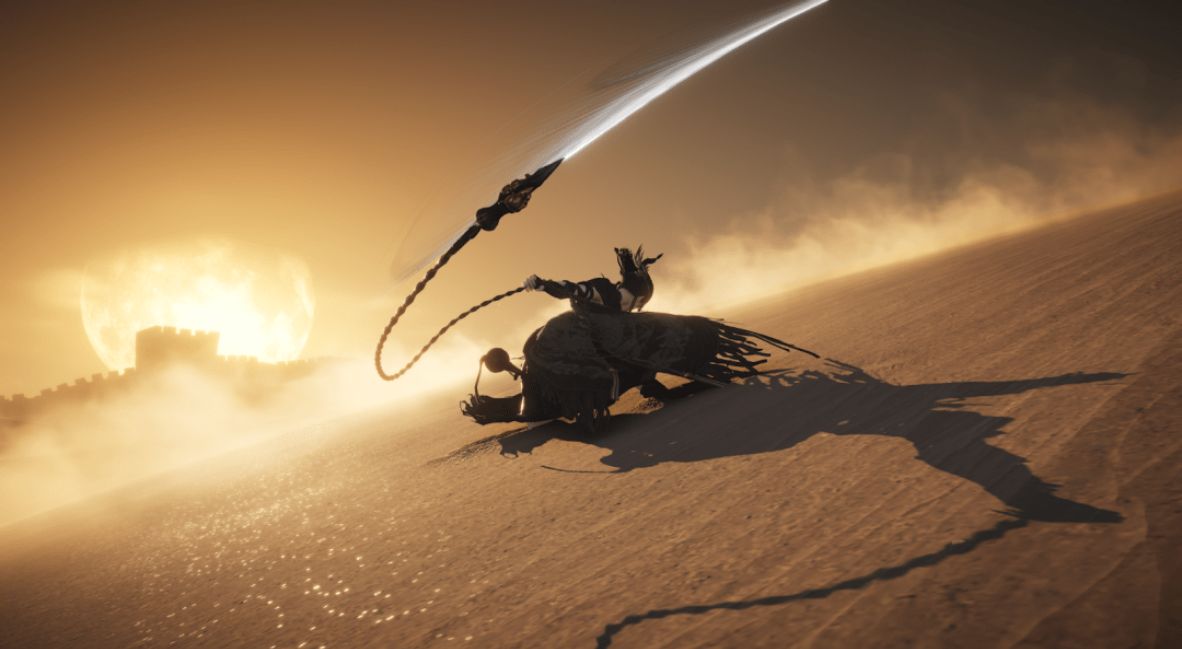
When I asked the team about their decision to make a game inspired by China and its mythology, they shared the importance of wuxia in the global action scene. Chris Lyu explained, “In the very beginning, we decided to set our goal of rendering the theme of wuxia to our players in an open-world RPG game. Wuxia is a very Eastern, very Chinese-centric genre that has been well-received [by other cultures].”
But the NetEase team, rather than just lean on film, went deeper. Lyu added, “Throughout the design process, many creative decisions are informed by various canons and classics in the Chinese wuxia genre, including entertainment, media, and literary works. The key message is to bring the vibe and flavor of wuxia to our players [all over] the world.”
Eric Zheng added, “One of the key differentiators is how you look at the work. You can look at it as a commercial product, but then you’ll be hindered by many commercial considerations and by how well global players receive it. But we look at it as a work of art; therefore, we work inwardly on a product we sincerely want to polish, refine, and center on universal themes for all humankind, so that it will have an effect on the global audience.
“Going back to a particular theme in wuxia, it has the same human, universal core idea of protecting those you love. It’s a conviction, and in that protection, you grow yourself so that you’re able to protect through love in the world of jianghu, becoming the soul of the game.”
Where Winds Meet developers are leaning on artistic wuxia pillars to craft the expansive world.
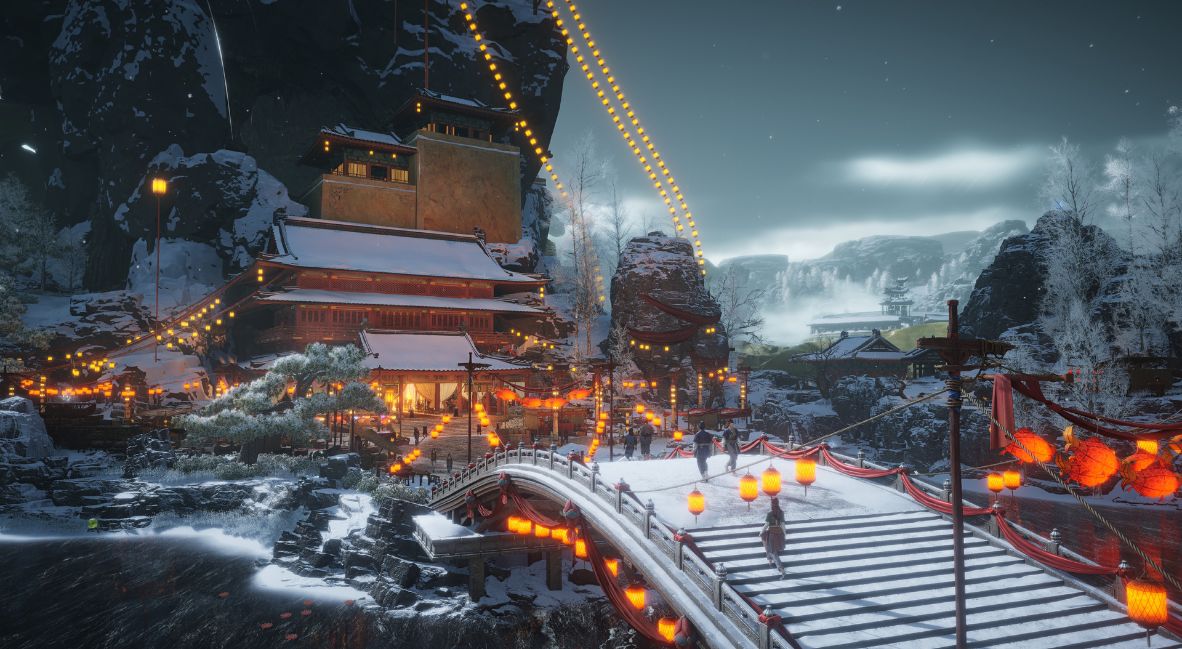
But the important element of their choice from a commercial perspective is that people love wuxia, Zheng continued, “We have prior commercial validation, including House of Flying Daggers and Hero. These Chinese themes have played out in the global scene and been well received. So with that confidence boost, we are pretty convinced that if we do it well, do it right, the wuxia spirit can be communicated across the globe. So yeah, it’s not itself a hindrance or an obstacle.”
Wuxia and Hong Kong action cinema, more broadly, are the foundations of Hollywood action cinema. Two turning points in Hollywood’s approach to action and slick fight choreography came from The Matrix and John Wick. The former bases its wirework fight choreography on wuxia, and with Yuen Woo-ping as the coordinator on the film, China’s impact on action in Hollywood has never been questioned. As for the latter, director Chad Stahelski spent years working in Hong Kong and owes his own success to Chinese action cinema.
All of this is to say, wuxia is universal. But in that universality, the developers did have certain pillars in the genre of literature and cinema to lean on. Lyu dove deep into the references in Where Winds Meet when asked about their influences and structured approach to action:
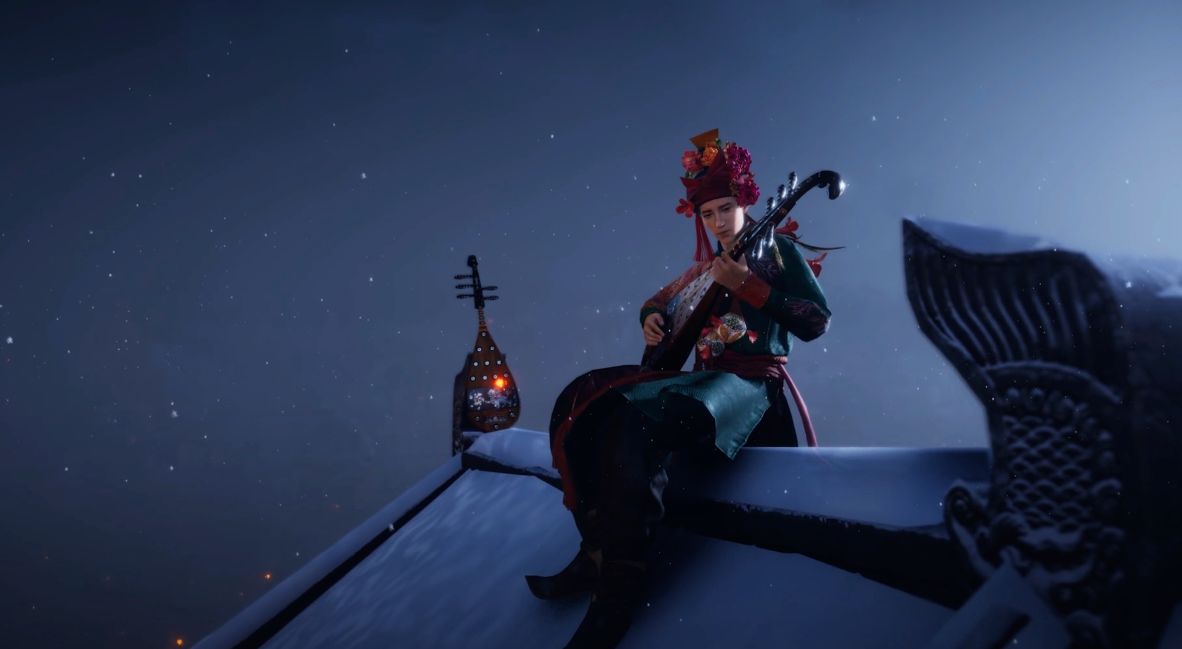
“Let’s start with the weaponization. Under the banner of wuxia are 18 classifications of reference. And in general, Chinese dictum, you have the equivalent of the prolonged, long-range weapon, swords, daggers, and knives, and what have you, blades. So it’s our goal to represent that Chinese concept of 18 classifications of weapons in-game
the whole way.
“We have a very consistent martial arts worldview. It’s like the inner trainings, your meditation, your mantra, and it also plays onto the character and the monster types…. We have unique skills that resonate across the Wuxia genre, such as the ACU-point strike. You know Celestial Seize, or some people think telekinesis and the Frog Arts [in reference to Leaping Toad Mystic Art]. It’s very reminiscent of the wuxia genre.
“But in saying all that is to tell you it’s not from a particular work abroad or a particular book. It’s a common theme across all wuxia literature. Some of the more classic writers, like Jin Yong, brought the martial arts’ Toad Skill. It has a contemporary rendition in Stephen Chow’s movie, Kung Fu Hustle, too.
“Particularly, regarding our action direction, we retained one of the most reputable action directors, [Stephen Tung Wai]. He won five Golden Figure awards in Hong Kong. He had an intimate working relationship with Jet Li and Jackie Chan, and is famous for his work, such as Jianyu, aka Reign of Assassins.”
It was at this point in the interview that a huge smile broke out across my face. Tung Wai, working as Where Winds Meet‘s action director, is the team’s best-kept secret and one that will have action cinema fans immediately standing at attention.
From Jet Li and Jackie Chan to Where Winds Meet, Stephen Tung Wai has a lasting impact on action.
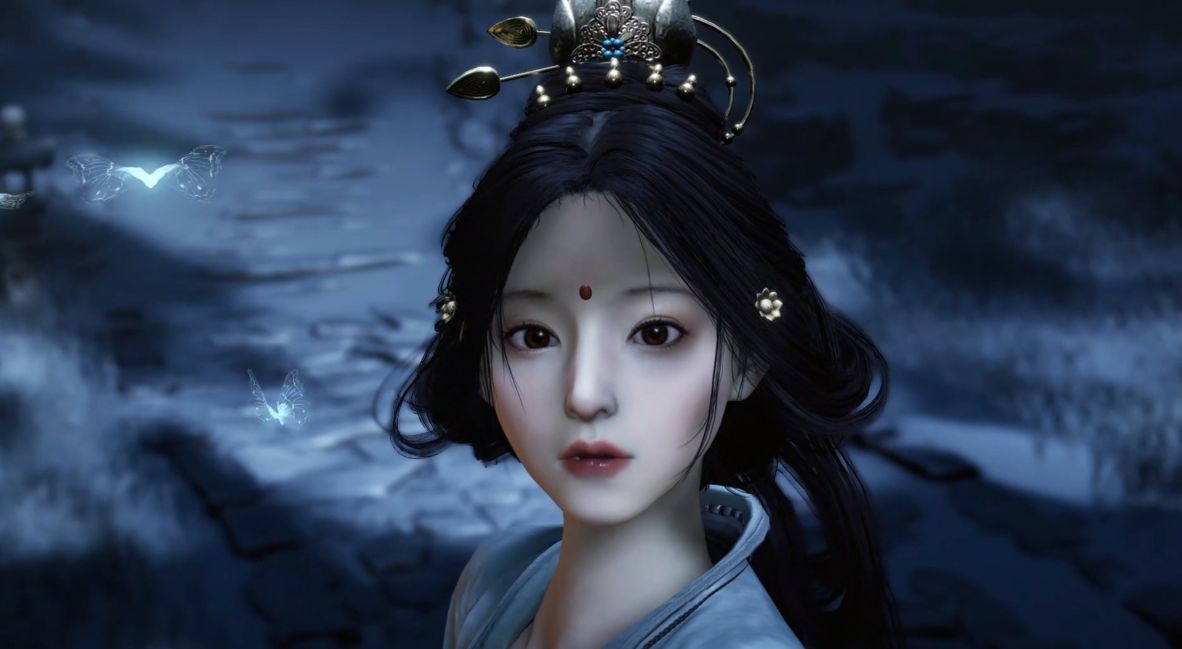
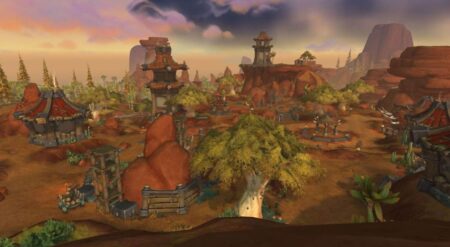
In my time with the demo the developers had set up, there were options to play through the story or choose combat and a boss run. The world of Where Winds Meet is gorgeous, and it only gets more impressive as a world with the latest Hexi expansion.
During the boss fights, the sheer technicality and focus on unique animations throughout each attack, parry, and special ability use were stunning. But it was made more so by not knowing much before I sat down to play. In Where Winds Meet, action doesn’t stop when you’re in the air; instead, you can build on it, and like a Tung Wai or Zhang Yimou movie, it’s what you make it. I felt the wuxia elements in my demo time and learning that one of action’s most prestigious men is involved, well, it brought it all together.
But it isn’t just action cinema that the United States is embracing from China anymore. Ne Zha II was not just the best animated film of the year on our site; it also broke every global animation box office record. Platforms like Crunchyroll are investing in simulcasting donghua like Link Click and To Be Hero X, and Netflix is investing in more C-Dramas, both historical and otherwise. And of course, danmei has been receiving more English translations and physical editions than ever before. It’s just games that have been lagging.
As the conversation continued, we asked the team if they felt the same acceptance and fandom that had been growing over the last few years. And for the NetEase team, they have always looked to be global and to bring players into a wuxia action world.
“Although the themes themselves are said to be wuxia… underneath it is the core of this universal human experience, and that’s how we reach out to the global audience”
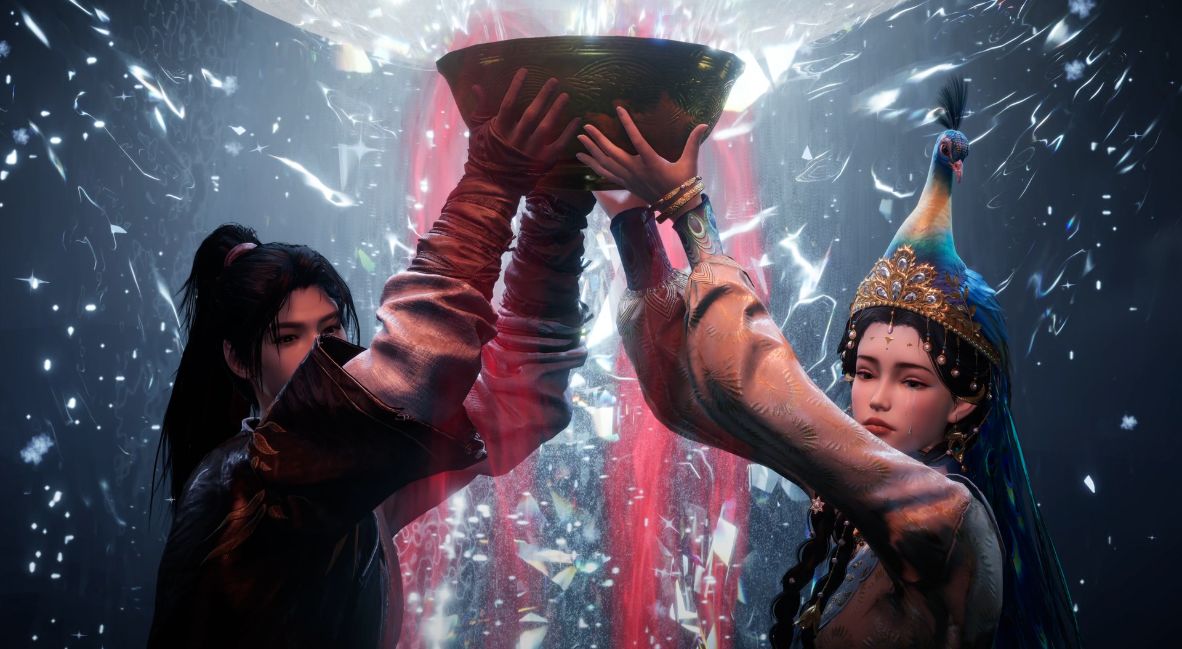
“We’re very delighted about hearing all this positive feedback from our global audience. On top of that, we listen to feedback, and we are very respectful of it from our global audience,” Soul said after first extending their sincere gratitude to their global audience.
Continuing, “Let’s go back to the various maps the players get to interact with. We start with Qinghe from the protagonist’s point of view. We have seen our players have an emotional resonance with the protagonist’s relationship with Ruby and Yidao. People wept for that. And then the protagonist went to Kaifeng. It depicts the fate of all these ordinary individuals as NPCs. You can witness what they went through in this war-torn chaos. We’ve seen that our players express authentic empathy towards those NPCs.
“In the latest installment, the Hexi expansion, the storyline takes the player into a dreamscape that, at some point in the past, was the backdrop. But in there, you will adopt the first-person perspective of ordinary individuals. You go through another war-torn path of history. You see how the lives unfold. To your question in particular, our audience, our players, have reacted with resonance, emotional connection, and empathy to all those storylines.
“What we actually are seeing through all these interactions is that people resonate with emotional valence, to have all sorts of emotions about people’s lives, ordinary people’s lives. That shows us that, although the themes themselves are said to be wuxia, it’s a particular genre: an open-world RPG. Still, underneath it is the core of this universal human experience, and that’s how we reach out to the global audience.”
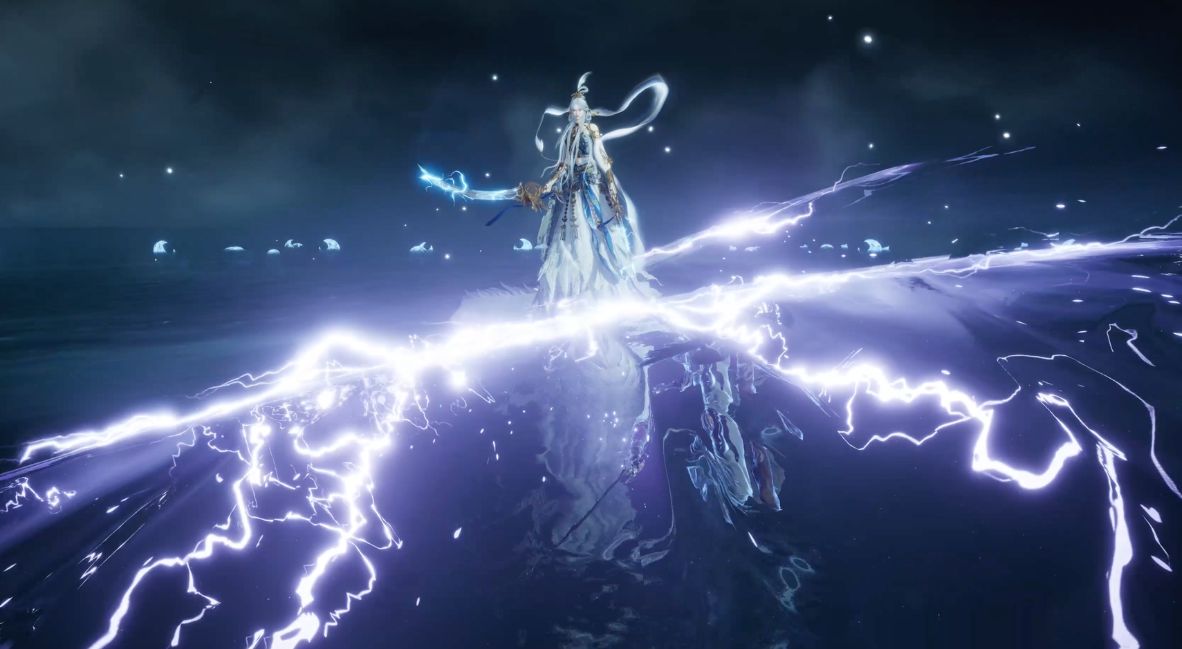
Any time I pointed out the game’s cultural focus, the developers always emphasized the universality of Where Winds Meet, both emotionally and in terms of Wuxia concepts. And then of course, there is the aspect of launching a free-to-play live service title in the current gaming climate.
Eric Zheng added, “In the recently delivered content, Jade Gate Pass, there is a character. It’s an old guy named Burlap Sack, but the key point is that I observed in the player community that they were emotionally responding to it because that old guy’s journey in the game tapped into something truly universal. It was delivering on his promise. It was going home.
“It’s not those specifics, because usually people would find it hard to understand. That’s a story unfolding under a specific historical period of Chinese history. But what I saw was that a player drew a cultural analog to the western idea of The Little Prince, and then at that point, I observed the confluence of Eastern and Western ideas, and it validated our original belief that if you set out your goal to do a story about human universal experiences, that emotional resonance will come.”
“A good work of art is like a two-way bridge. Both the author and the reader are approaching each other.”
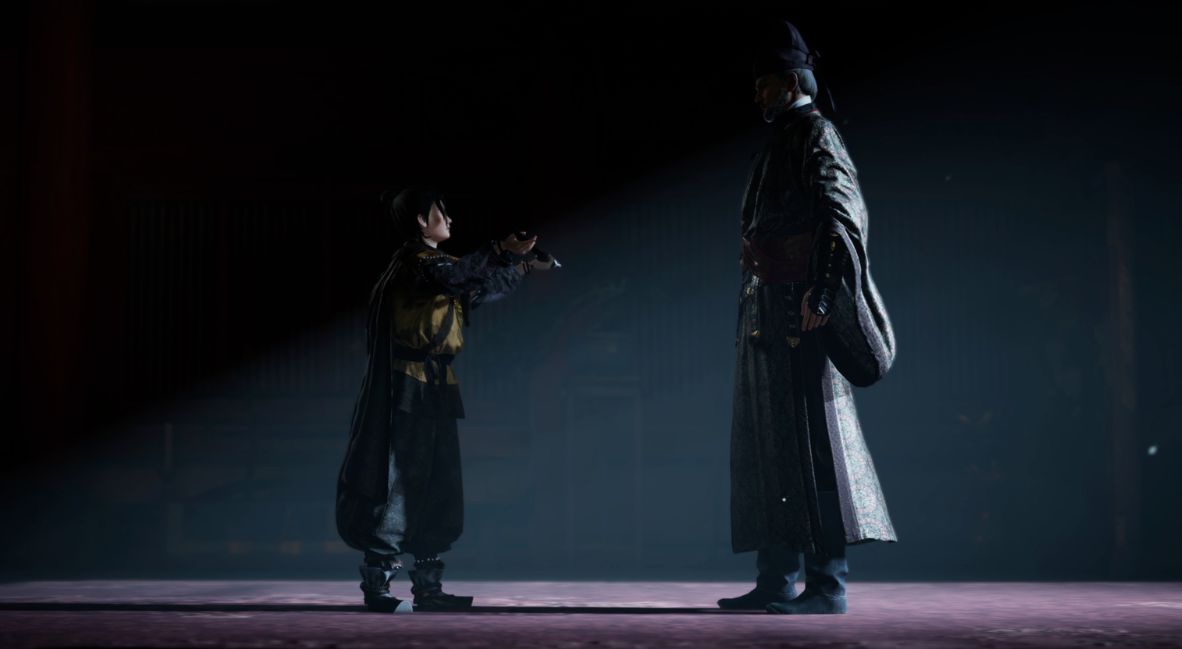
To end our conversation, I leaned on a question I usually ask: what they have learned since working on and launching Where Winds Meet. The answer was heartfelt, but also confident in their game, and the fact that while Where Winds Meet may be Chinese, it speaks to everyone. And their success dispels any doubts they had before launch.
Zheng answered first, “Before the game’s launch, we heard some voices of doubt, suspicion, and qualms, but yes, once the game was launched, we heard a lot of positive feedback regarding the game, and that validated our original belief that as long as you put yourself into it sincerely and authentically, you will be rewarded.
I saw some of the reviewers in the players’ community and streamers who gave us very positive feedback and gave a very emotional evaluation of our game. Some of them even cried uncontrollably. So all that was positive reinforcement. It encouraged us, so that we are very willing to put out good content, so that we can incorporate the world of wuxia as an open-world RPG for our players.”
Chris Lyu returned to literature, emphasizing the importance of learning from players as much as anything else. “Speaking from the point of view of literature, a good work of art is like a two-way bridge. Both the author and the reader are approaching each other. And under that framework, I saw that in the game, there is a lot of resonant understanding, which encourages me to listen closely,” he said.
NetEase’s developers are standing behind and celebrating authenticity.
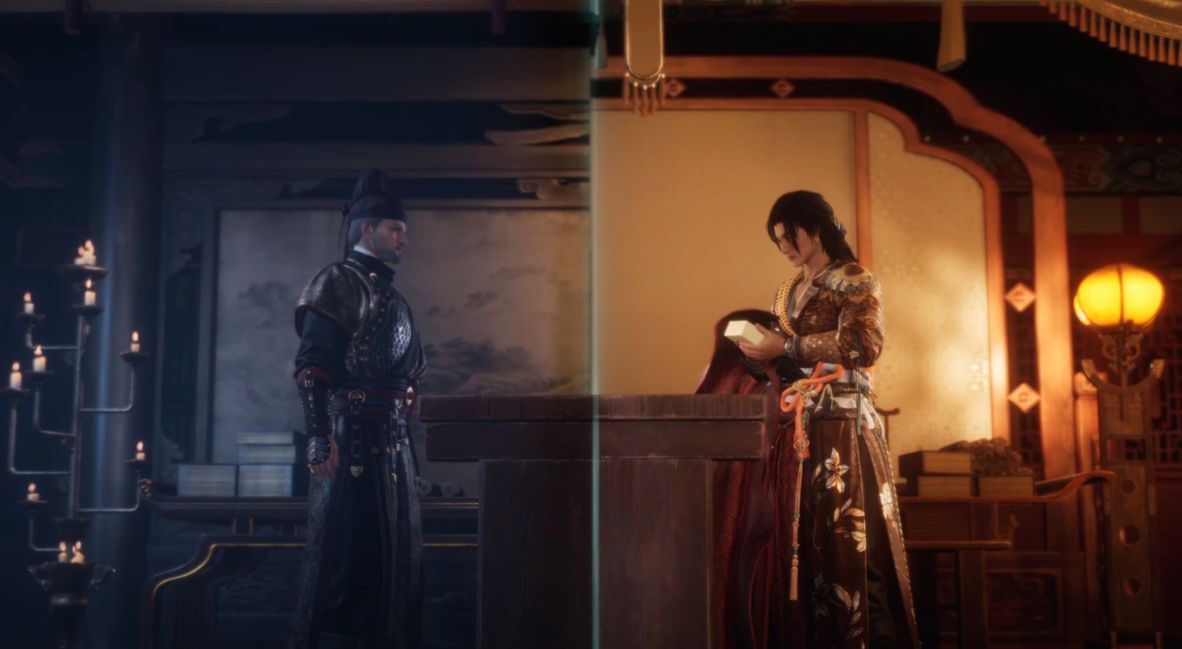
Continuing, “In addition to listening to them on the forums online, we’re doing offline meetings as soon as this week, and on Friday, we have an offline meeting with the game’s fans and some players, and we’ll listen to them, and we’ll make sure that we approach player feedback with humility.”
As for Soul, their response also focused more on players than on the dev process. “[Making Where Winds Meet] was not an easy task. It was not a simple task to push a wuxia-themed open-world RPG to the world, but post-launch last year, in November, we took that step. We did it, and we’re very grateful for all the players’ feedback, and that’s how we improve. We listen to them and make sure the product reflects the event, and in our creative process, we’re driven to provide a good player experience.”
In the current games space, it was moving to hear each developer stand behind authenticity as a driving factor. From presenting their culture to the world to being open to feedback and improving or bolstering their game, their pride was heartfelt. At the same time, their humility in seeing their work as a piece of a larger wuxia history and their players as essential to the development process can’t be overstated. Just over a year since launch, Where Winds Meet seems to have a long future ahead of it.
This interview was conducted through an interpreter provided by Netease and has been edited for clarity and length (our editorial team, with knowledge of Mandarin, also provided translation in the transcription process).