

Vladimir (2026) is horny as all get out. Based on the acclaimed novel by Julia May Jonas of the same name, the series wastes zero time in establishing how unreliable the protagonist is, paving the way for some Grade-A levels of messiness helmed by a cast of equally chaotic characters. Where chaos comes, so too does a certain degree of unlikability that might push some viewers away. However, the journey to see where everything ends is enough of a lure to keep eyeballs hooked.
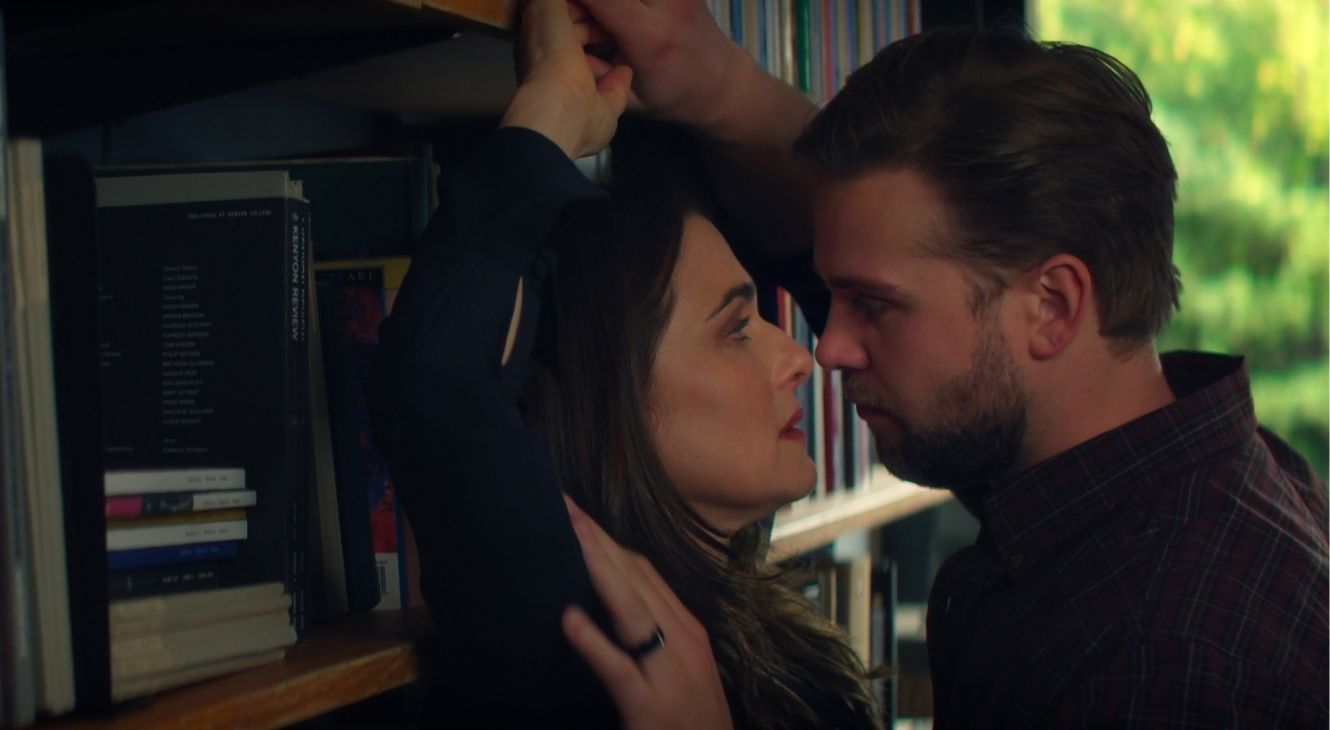
Centered around the protagonist (Rachel Weisz), a tenured professor who has found herself wrapped up in her insecurities surrounding aging and relevance, she is quickly drawn to the newly arrived Associate Professor Vladimir Vladinski (Leo Woodall). A welcome distraction while dealing with the fallout from her husband’s (John Slattery) affairs with students coming out of the woodwork, the fantasy initially proves more helpful than harmful. For the protagonist stuck in a decade-long writing rut, the desires fuel her.
But fantasies are just that – fantasies. Eventually, real life is hard to ignore and, for the protagonist, her slips into fantasy have consequences. Not helping is a certain level of delusion and grandiosity she clings to, believing herself to be more liked by those around her, when the reality is that the circumstances surrounding her husband are making everyone uncomfortable.
Vladimir (2026) is fueled by equal parts desire and insecurity as one woman’s world starts crumbling.

As the protagonist continues to chase the fantasy her younger colleague stokes in her, the threat to everything she holds dear looms over her head. Can her fantasies protect her from the reality threatening to crash down on her? Or will she lose it all in the end?
Vladimir (2026) doesn’t shy away from the horniness of its protagonist, nor does it pull any punches in showing how delusional she is. Making great use of breaking the fourth wall, Weisz’s character makes frequent asides, allowing us to get a better gauge of what she’s thinking and feeling at any moment. These moments provide levity amidst the character’s awkwardness, with Weisz tapping into comedic chops that are greatly missed.
These asides work well in tandem with her interactions with characters once back in reality, where we see that her worldview doesn’t reflect what’s going on at the moment. This creates an interesting dichotomy when considering the academic space Weisz’s protagonist occupies, feeding into a growing rhetoric that academics are progressively growing out of touch with the current generation of students. This particular thought is rightfully explored within the scope of Vladimir (2026), as the protagonist finds herself in the middle of her husband’s #MeToo moment.
As the protagonist, Rachel Weisz leans into the character’s charms, delusions, and growing insecurities.
As her husband, Slattery’s John is wholly unapologetic about the affairs he’s had, and one would naturally side-eye him at every turn; many characters do. Every action John and the protagonist make in public is under scrutiny, with any questionable moment threatening to jeopardize what little control they have on the developing legal case. Yet, no one can deny that Slattery’s John is the most honest person we see onscreen. And that self-awareness is refreshing, even if the truth is uncomfortable.
With John’s affairs, however, and the subsequent case coming up, this triggers many conflicting emotions in the protagonist that funnel much of the exploration in Vladimir (2026). From aging to reflecting on motherhood in relation to her daughter, Sid (Ellen Robertson), to navigating a more socially aware (and arguably, more sensitive) campus population, the protagonist weaves in and out of these varying crises, none of which she gracefully handles. Instead, she fumbles and, while human, each mistake pushes her away from others.
As the protagonist steadily grows more isolated, the one colleague who remains by her side is the titular Vladimir. For the most part, Leo Woodall plays the object of the protagonist’s eye with a professional sense of courtesy and kindness. Yes, it can be easy to read into the banter he trades with Weisz’s character, but the friendliness never verges on impropriety, which drives the protagonist absolutely mad, based on her asides. These moments are incredibly relatable. Who among us hasn’t dissected an interaction with someone they’ve crushed on?
So, what happens when reality overpowers fantasy?

How the protagonist starts to view Vladimir is depicted through a subversion of the male gaze. Through her eyes, the camera segments him, the lens panning over various aspects of his body as the protagonist’s hormones start firing hard and fast. Throughout Vladimir (2026), the cuts between the imagined interactions between the two of them to Weisz’s face heighten the rapidly intensifying emotions coursing through Weisz’s protagonists.
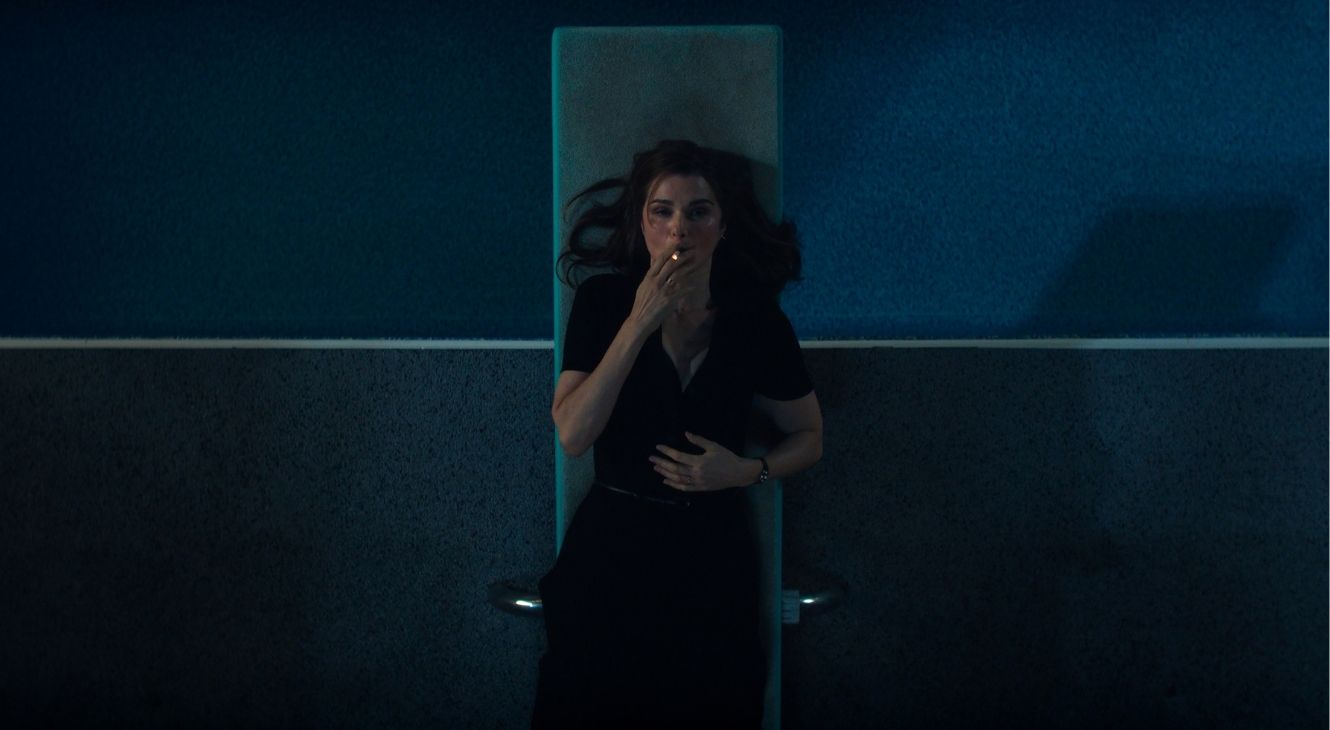
This builds up the protagonist’s fantasy, which has to go somewhere, and ultimately, it does in the final episodes of Vladimir (2026). The ending seems primed to be divisive, feeling hasty and overwhelming ambiguous as lines become blurred. While the fourth-wall breakage helps guide how the series ends, it ends on a note that may ruffle feathers and almost hits a tone of finality. Yet, the ending leaves room for something more to explore.
The protagonist’s indecisiveness and lack of identity outside of others, particularly in the phrases she uses later on that were clearly lifted from others, don’t feel as well-defined as they could have been, leading up to the finale. And that is where an issue arises in the series’ final moments as the camera lingers on the protagonist. Saying more, honestly, will give too much away as to where things go.
Vladimir (2026) could easily coast on its more erotic notes, yet what ultimately captures attention is Rachel Weisz’s performance. She’s awkward, yet bubbly. Insecure, yet egotistical. Horny yet lonely. All of these elements converge to form a character who is unmistakably human, bumps and cringes and all. The protagonist, along with everyone else within her purview, is incredibly messy, and watching to see how this mess either cleans itself up or gets inescapably worse is honestly what makes for addictive streaming viewing.
Vladimir (2026) is now streaming exclusively on Netflix.
Vladimir (2026)
-
Rating - 8/108/10
TL;DR
Vladimir (2026) could easily coast on its more erotic notes, yet what ultimately captures attention is Rachel Weisz’s performance.