

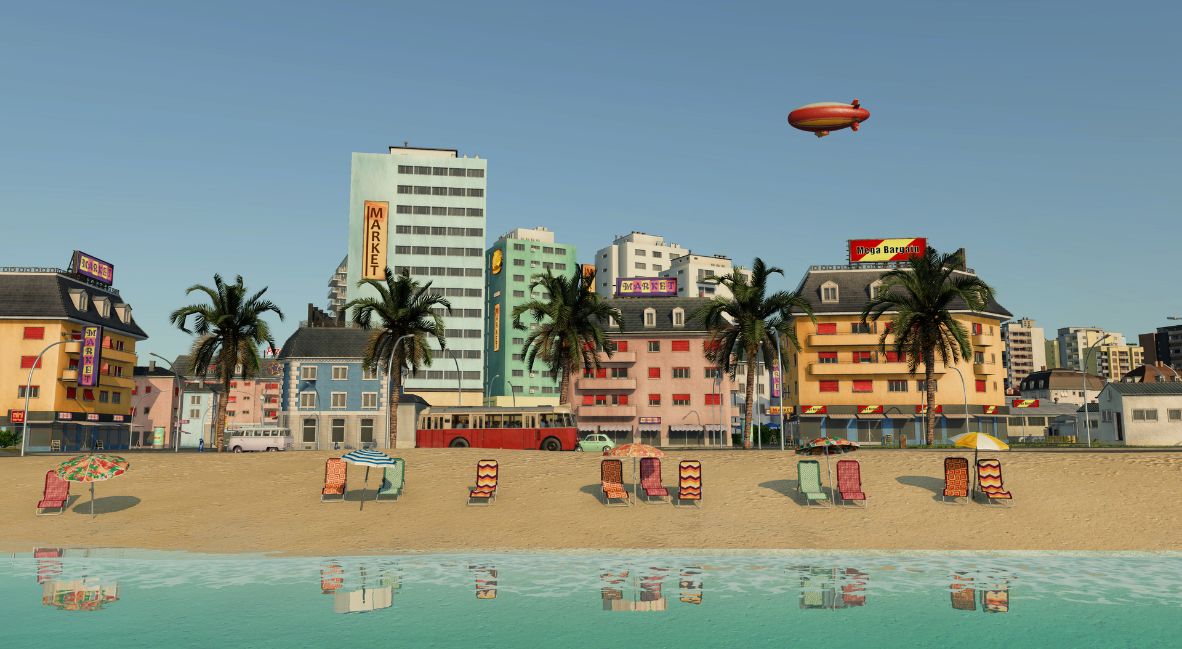
Urban Games’ Transport Fever 3 is dubbed “the ultimate transport tycoon game.” The management game is set to release on Mac and Linux on Day One in addition to PC, PlayStation 5, and Xbox Series X|S sometime in 2026.
Last month, got the chance to go hands-on with the game, and now, Urban Games is sharing even more about Transport Fever 3 by continuing their episodic developer first look series, which you can watch here. This time, it’s all about Tycoon Core Mechanics and more importantly, the reworked coty growth mechanics.
What’s new in Episode 4 of Urban Games’ First Look series?
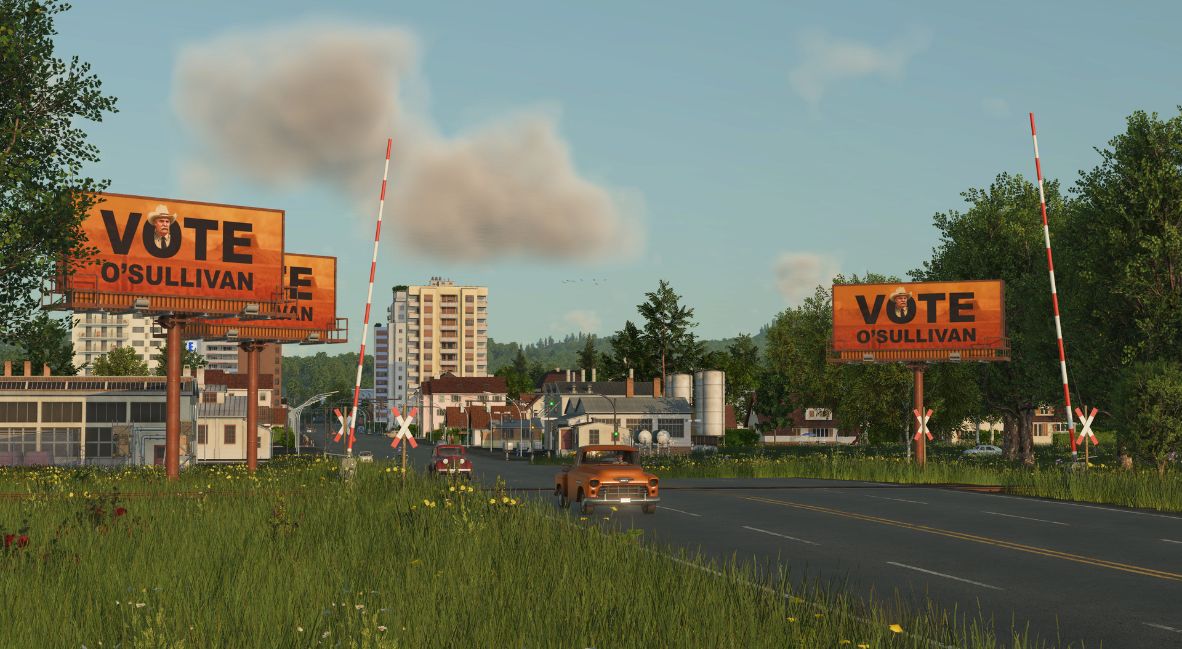
While we know the dependence on money and the increased importance of cargo time are on the way, we haven’t seen the reworked city growth system just yet. In the First Look video, Urban Games developers emphasize that, in the rework of this core system, every citizen follows individual daily routines, travelling between residential, industrial, and commercial districts. If efficient transport options are not provided, citizens will choose closer alternatives or rely on private cars, increasing congestion and limiting urban expansion.
How do you grow your towns in Transport Fever 3?
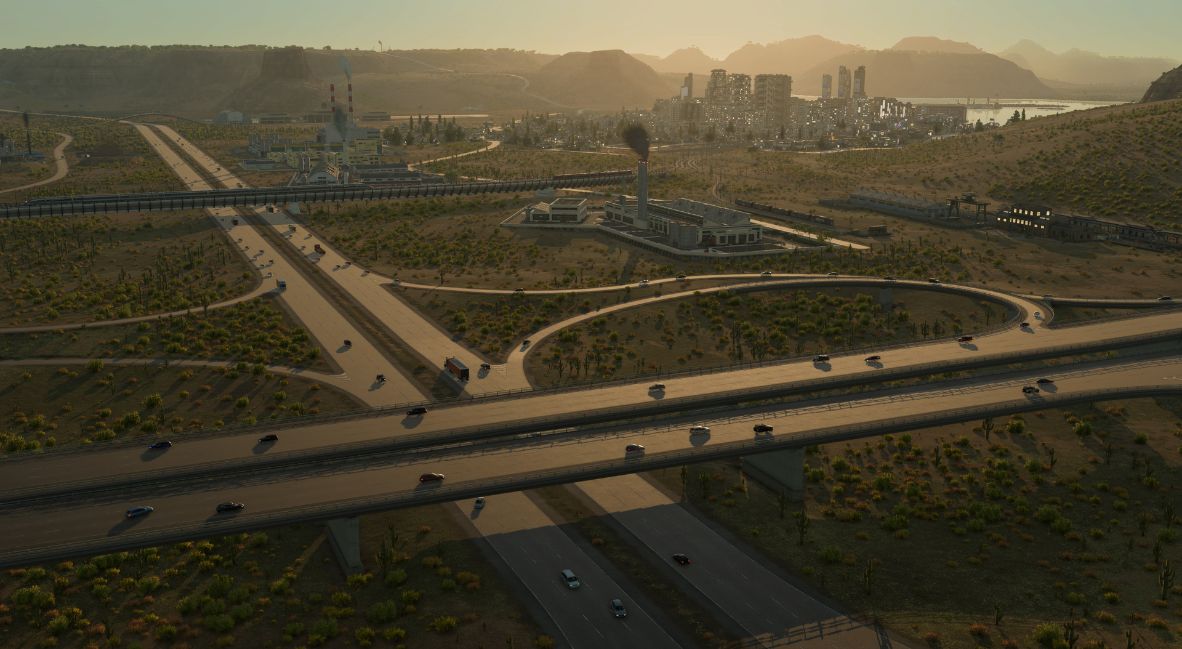
The video details that building up your towns continues to depend on the delivery of passengers and cargo, but town growth is now structured into several distinct levels, aligning itself with city builders like Anno 117. But as a transport tycoon game, each successful delivery contributes to a town’s expansion target, eventually propelling it to the next level of growth.
Additionally, the video explains that passenger contributions scale with travel distance, while cargo value depends on product complexity and delivery timeliness. And of course, as towns grow larger, they demand increasingly sophisticated goods to sustain further development. This puts the new needs and demand structure into focus, which the developers explained in our interview.
Some of the other core mechanics are as follows per the First Look video:
- Town Reputation: Town reputation and satisfaction are central to determining growth speed. Environmental changes, such as demolishing buildings or clearing forests for infrastructure, will negatively affect local reputation, as they in most other builders/tycoon games.
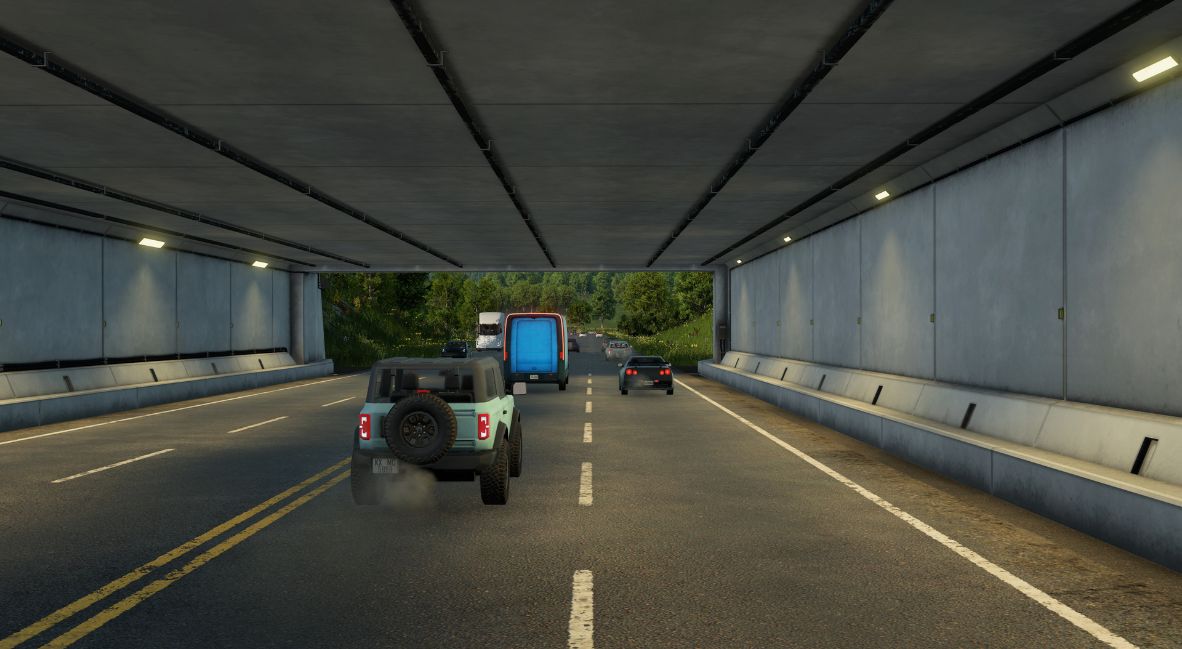
- Passenger Wait Time: Long passenger waiting times, inefficient routes, overdue cargo deliveries, excessive congestion, noise, and pollution slow down town growth if left unresolved. Using extensive tools, such as noise barriers, tree-lined roads, and other additions, players can keep the congestion down.
- Customizable Company Headquarters: This feature offers long-term growth benefits to players’ municipal region, while completing subsidy contracts or constructing landmark buildings can unlock regional perks.
- City Specialization: While towns can still grow without receiving every type of cargo, growth will slow, and dynamically reflect the goods supplied. Essentially, a town will evolve differently from another, with the majority of deliveries differing. Additionally, transported goods will change the nature of a town’s growth and evolution.
Watch the full First Look Episode 4
What is Transport Fever 3?
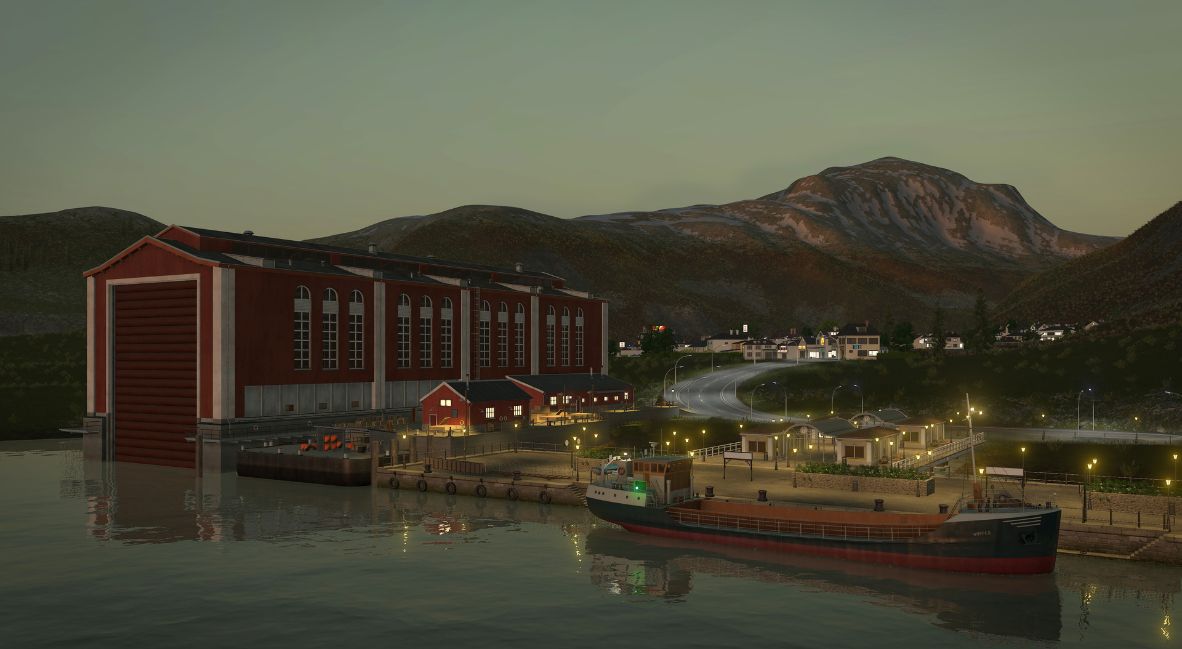
The latest installment showcases how Transport Fever 3 transforms the classic tycoon formula into a living ecosystem of interconnected mechanics, ensuring that player decisions directly shape the economic and physical development of the world. This allows for a richer and more engaging late-game experience for both new and veteran players.
In Transport Fever 3, building a profitable transport empire is no longer the only goal, it is just the starting point. Financial management has been rebalanced to ensure a lasting challenge throughout the entire game. Profitable “money-printing” routes are harder to sustain, requiring players to revisit and optimize older lines as towns evolve and demands shift. Even well-established networks must be regularly refined to remain efficient and competitive.
In our preview, we said, “With enough new additions to core game mechanics, it’s easy to see how this can be a great selling point for veteran players, while the campaigns and tutorialization that come with make this title easy to jump right in if it’s your first in the series. ”
What are Transport Fever 3’s difficulty sliders?
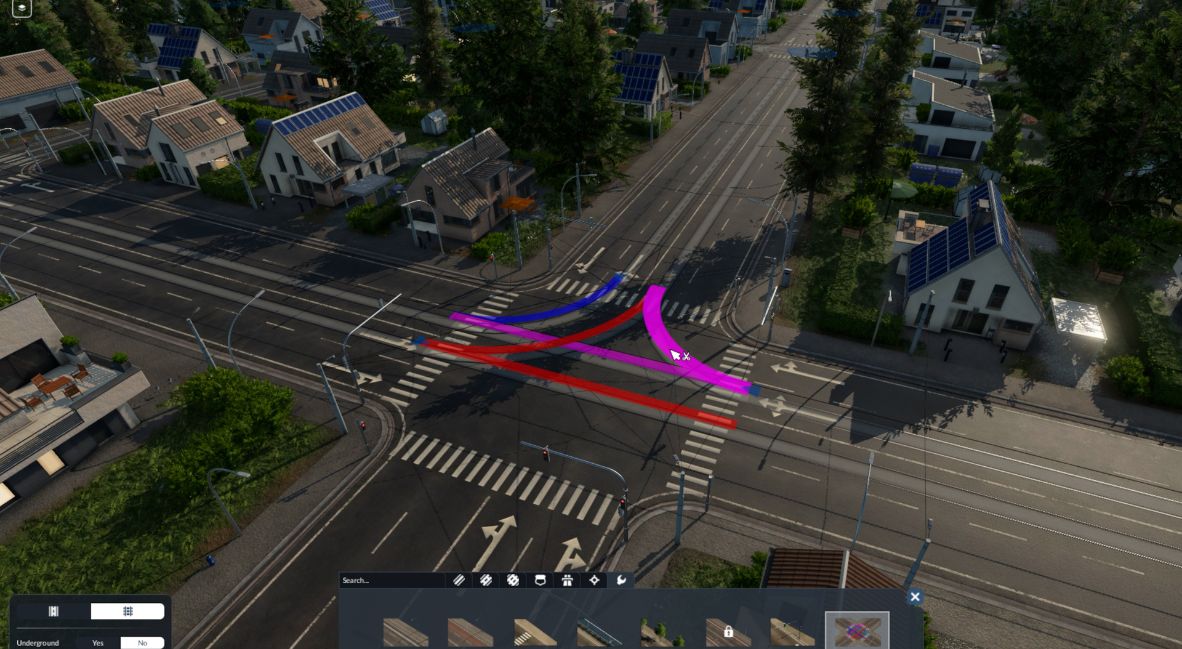
For those who prefer a personalized level of challenge, a comprehensive suite of difficulty sliders lets players fully customize the economic challenge. For example, players can adjust industry density, productivity, maintenance costs, subsidy penalties, and more all with the hope that every player can play their own way.
What is the release date?
Transport Fever 3 currently does not have a release date set by its publisher, it does have a release window set for sometime in 2026.