

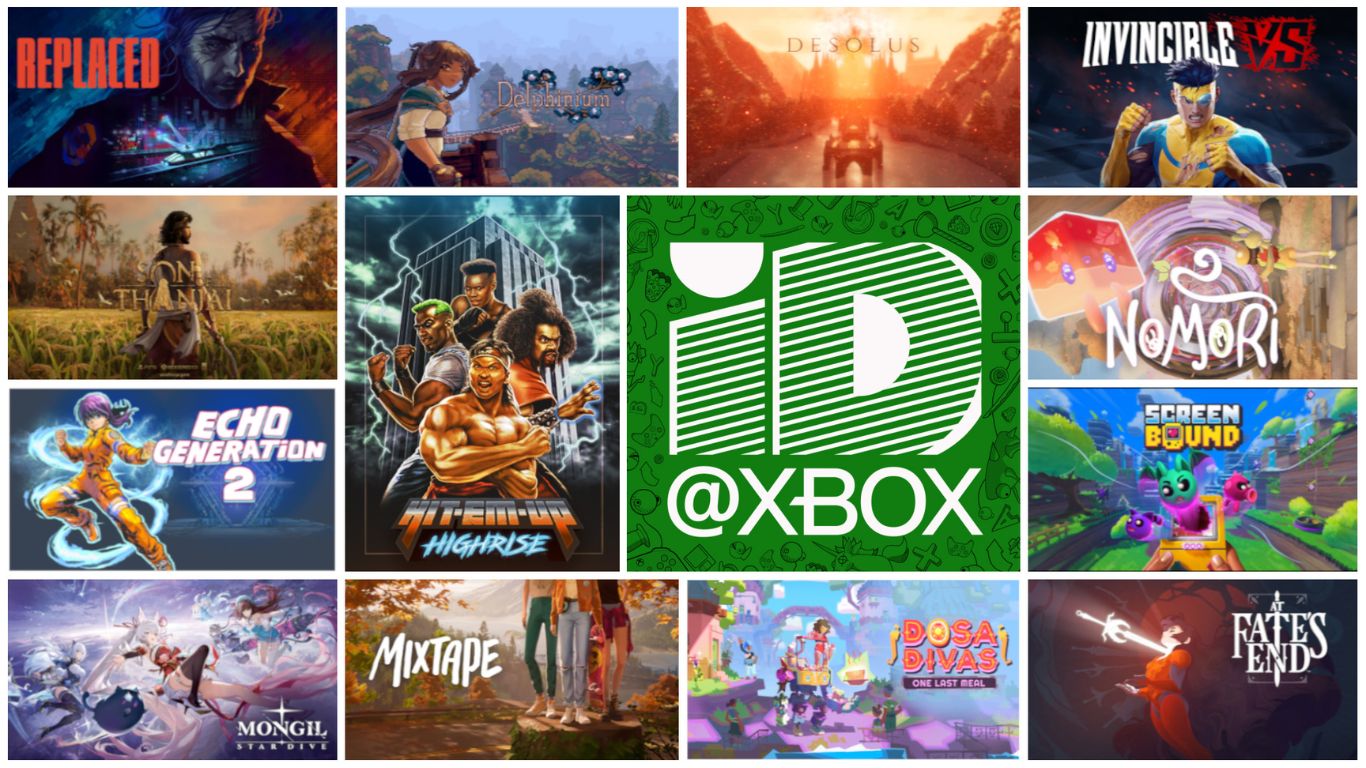
During GDC, Xbox’s ID@Xbox Showcase put independent video games in the spotlight. More exciting, though, was the diversity of game genres on the floor and seeing representation from so many countries and backgrounds.
While at the showcase, we spoke with Chris Charla, GM of Portfolios & Programs, including ID@Xbox. In our conversation, we discussed discoverability, the need to elevate game devs from around the globe, and a bit about what you can do to help indie games thrive.
Other Xbox Showcase events I’ve attended have tended to focus on tentpoles or on AAA and AA titles. Here, though, at GDC, Xbox’s focus for press has been about showcasing ID@Xbox and the independent game developers it aims to put in the spotlight.
ID@Xbox’s showcase at GDC spotlighted independent and international titles.

When asked about this spotlight at GDC, Chris Charla jumped in to explain how Xbox has used its showcases to highlight independent games in the past and why it still chooses to do so today.
“I’ll give a kind of two-part answer. The first is to answer the second part first, which is that [Xbox is] known for AAA, and Microsoft has fantastic AAA games in its stable. But one of the things that’s been really cool to see over the past decade plus, since we launched the ID@Xbox program, is just how much attention Microsoft pays to indie games as well.
“Asha, our new CEO, has come in and said, ‘Hey, Xbox is about great games.’ And, you look at the great games we’ve had from independent developers on stage at our summer showcase. What comes to mind immediately is 2019, when you had this beautiful viral moment with Keanu Reeves, saying ‘You’re Breathtaking’ with Cyberpunk [2077]. There, we had the biggest AAA game you can possibly imagine [that year], and you ask how do you follow that in the run a show? We followed it with Spiritfarer, which is, you know, a cozy little game about death [from Thunder Lotus].
“[That developer] is here today. They’re showing a game today, and it’s just so cool to kind of see that throughline. We really believe and demonstrate that we see the value in all games. I love the way that independent games can investigate different things and [tell] different stories. Getting the opportunity to show them off at GDC is just the best.
“I walk around here in the morning before everybody comes in, and there’s never enough time to talk to everybody you want to talk to and have as deep a conversation as you want to have and play the games as much as you want to play them. For me, we’re showing 13 games today, it’s still an overwhelming richness of [storytelling]. I love being able to give the devs the space just to meet a bunch of journalists, influencers, and show off their games.”
“Talent is universal, right? There are people with the ability to make fantastic games in every single country on Earth.”

While independent games get more airtime now, thanks to the variety of showcases throughout the year, there are still old stigmas that games from non-gaming hubs tend to endure with American audiences. Despite the rise in access to video games from outside the United States and Japan, these international titles aren’t always in the spotlight.
As I walked the ID@Xbox showcase floor, though, I counted several international titles, from Mongil: Star Drive from Netmarble in Korea and Mixtape from Beethoven & Dinosaur in Australia, to Son of Thanjai from Ayelet Studio in India. And that wasn’t all of them. The international attention shown at the event was top of mind, so I asked about it and how he and the team decided to include them.
His answer was simple at first, “I mean, talent is universal, right? There are people with the ability to make fantastic games in every single country on Earth.” We both smiled and laughed a bit before he continued.
Charla added, “We have always viewed our mission as making sure that players have access to the widest variety of games possible. Well, you can’t do that just with the United States and Japan, although, obviously, there are great games [from those countries]. So, we’ve had to look and work really hard to make sure developers from all over the world can get their games and get their stories on Xbox.
“That’s one of the reasons that we have the Developer Acceleration Program, which is a program that helps developers from all over the world get their games on Xbox. Today, we have games at the show that we’re showing off from the Developer Acceleration Program. We have games from, obviously, the US, Canada, Korea, India, England, Sweden, the Netherlands, and Australia. Okay, I just named eight countries, and there are 13 games here! So we really work hard to make sure that we’re showing the breadth of development from all over the world.”
“The support that we see… for independent titles, is not a joke; it’s not performative.”
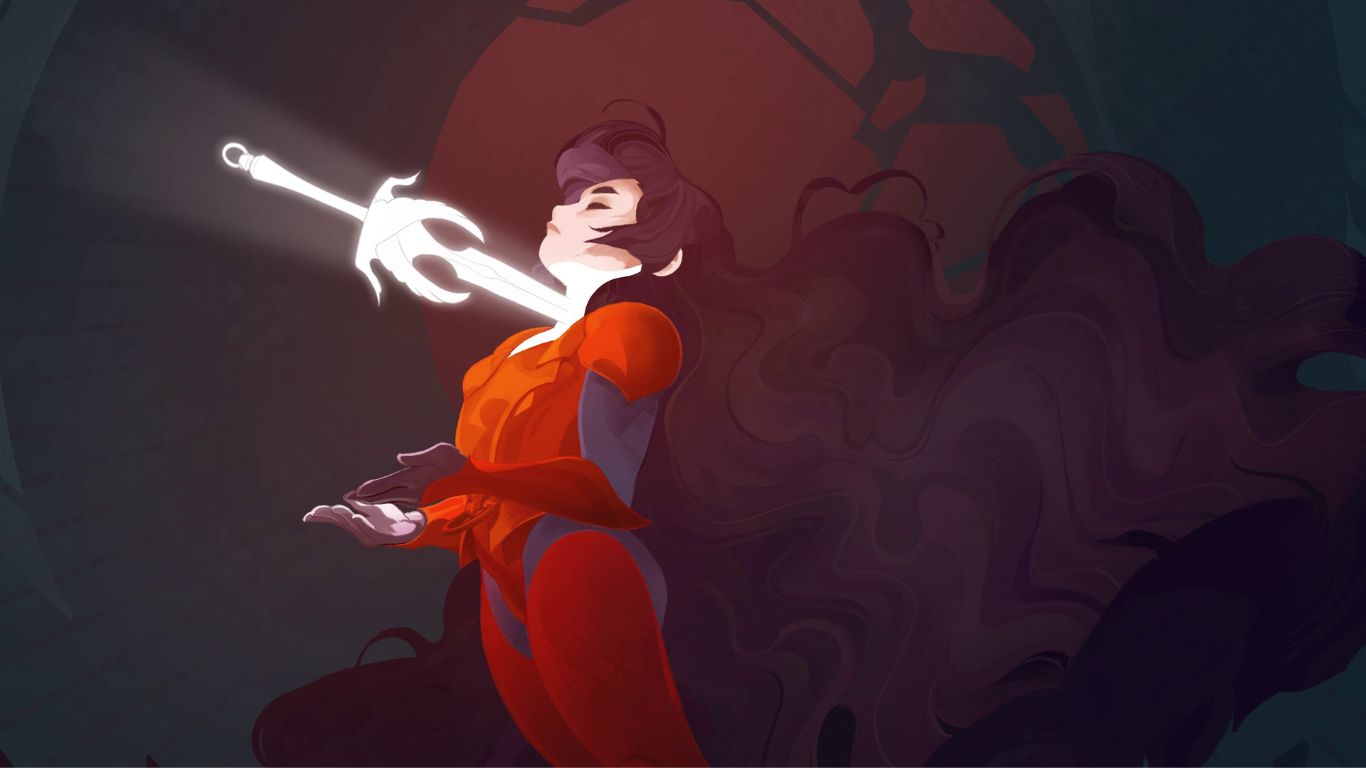
Connecting press with indie titles is one thing, but connecting with the public is another. While Xbox’s Acceleration Program and ID@Xbox arm offer developers resources and the ability to bring their titles to Xbox, discoverability remains a key issue for studios. Yes, even on Game Pass.
With a saturated game market only getting denser and the need to compete for attention against AAA titles, Xbox’s Game Pass puts your game at someone’s fingertips, but the subscription also does the same with any of Xbox’s first-party titles, everything on EA Play, and more. During our discussion, we asked Charla about discoverability and making sure that all of the Game Pass offerings don’t eat each other.
Charla explained, “The great thing is that the support that we see, whether it’s from our store team at Xbox or the Game Pass team at Xbox for independent titles, is not a joke; it’s not performative. You know what I mean? They understand as well as anybody that they need to be showing all these games.”
Charla also took the time to explain the other ways ID@Xbox showcases independent titles. “We have just a great representation of independent games in Game Pass. But we also have, I think, great representation of independent games that don’t happen to be in Game Pass,” he said. The primary way is the Indie Selects program, where ID@Xbox creates a list of weekly titles for players to jump into.
“We have our Indie Selects Program where every week we’ll highlight six or more specific titles that are shipping around that time, as well as collections of games —whether it’s games you can play with your cat or games that have other [similar] features— to make sure folks are really seeing games.
“We also take discovery really, really seriously for independent developers. We think about it all the time. We know that for developers, the biggest challenge today, other than just making the game, is making sure folks know about your game. We are constantly working at the office on [ideas for] how we can create more places for people to discover games,” he said.
Chris Charla explains how Xbox takes indie discoverability seriously.

But it’s not just about programs, it’s also about Xbox’s policies. Charla continued, “We’ve actually done some work on our side with some policy changes and policy clarifications to make sure that our new releases channel is really clear, and it’s really new releases.”
But by ensuring that the policy change on the New Releases page of Xbox and its storefront only highlights, well, newly released games, Xbox has done a service for all games on its platform. Still, the impact for an AAA compared to an independent one is substantial.
Charla explained, “For an AAA game, new releases are important. People want to know that the game is out. But for an independent developer, being featured in new releases can be critical, because that may be the first time people have ever seen your game. If you don’t have millions of dollars to put ads on TV or big websites, having that box art in new releases on the release day may be the first time somebody has ever seen your game. And so we really take it seriously, have made some big improvements, and are continuing to make them. We’ve got some big plans and other changes we’re making to make sure games get seen.”
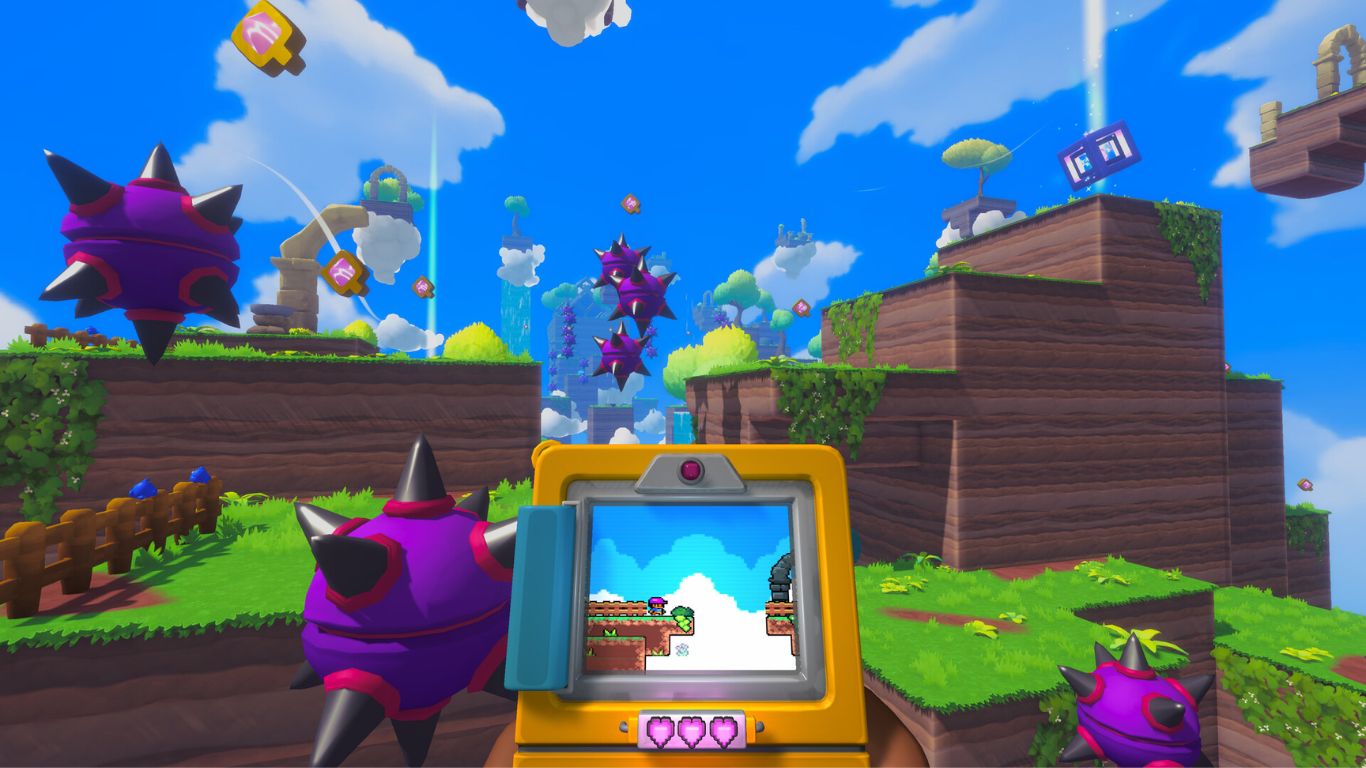
After Charla teased more to come, I couldn’t help but think about the first indie title I had ever played, or at the very least bought with my own money. It was Bastion, back in the old Xbox Arcade days, and that game opened a whole new world for me. So I had to ask Chris Charla about how he got started, but more importantly, where his passion for indie titles came from.
Charla started, “That’s a great question. I used to be a games journalist, and I loved weird games. I used to do a fanzine called Incredibly Strange Games, where I just talked about weird games, and then when I started working as a developer, I started on Game Boy Advance. Those games are kind of necessarily short. They had smaller budgets relative to AAA games at the time. And they were sort of like indie games.
“Then we got into doing Xbox Live Arcade with, actually, arcade emulations, but then that quickly turned into doing original games for the form factor and just felt right. It’s just,” Charla paused for a second, “I love playing lots and lots of games. I love working on lots and lots of games. And so, in the indie space, where it’s typically smaller and faster, there are typically more of them. And it fits with me perfectly.
Charla laughed again, realizing he hadn’t answered what his first indie title was, but when you have played as many as he has, could you remember? Still, though, he didn’t leave us hanging entirely. “I know I didn’t answer. What’s the first one I played? Because I actually don’t know. I think especially when you play so many games, you understand [that it is like] almost the ‘history of where you were’ kind of. [Playing games is like] creating our own little histories as we go through it, but finding that start point, sometimes it’s not always there, right?
“Don’t keep these games to yourself. Word of mouth is the most powerful thing we can give a game that we love.”

To end the conversation, we asked Charla two things. The first was what he learned in all of his years with ID@Xbox, and the second was what players could do to help the indie games they play get discovered. His answer to the first had both change and consistency at its heart.
Charla answered, “I’ve learned so much every day. You know, one thing that I think is really important is that I love what I do. I have told people before. You know, at the office, I’m extremely ambitious to continue doing what I do, exactly what I do right now. I don’t really want to do something different, but I love that. I learn things every day.”
But doing exactly what you do every day doesn’t mean you stop learning. He continued, “I learn about what’s happening in different indie communities. You learn about what’s going on in different countries, what’s going on with technology, what’s going on with the state of creativity and genre progression, and everything else.
“You know something that happens when you’re really little can affect your whole life, right? So when I was really little, I got a report card, and there [were] these little numbers that the teacher could pick that were a comment [about] you. I probably got a C in whatever class it was. But then I had a number four, and I was like, ‘What does number four mean?’ And it’s, like, ‘demonstrates curiosity and love of learning.'”
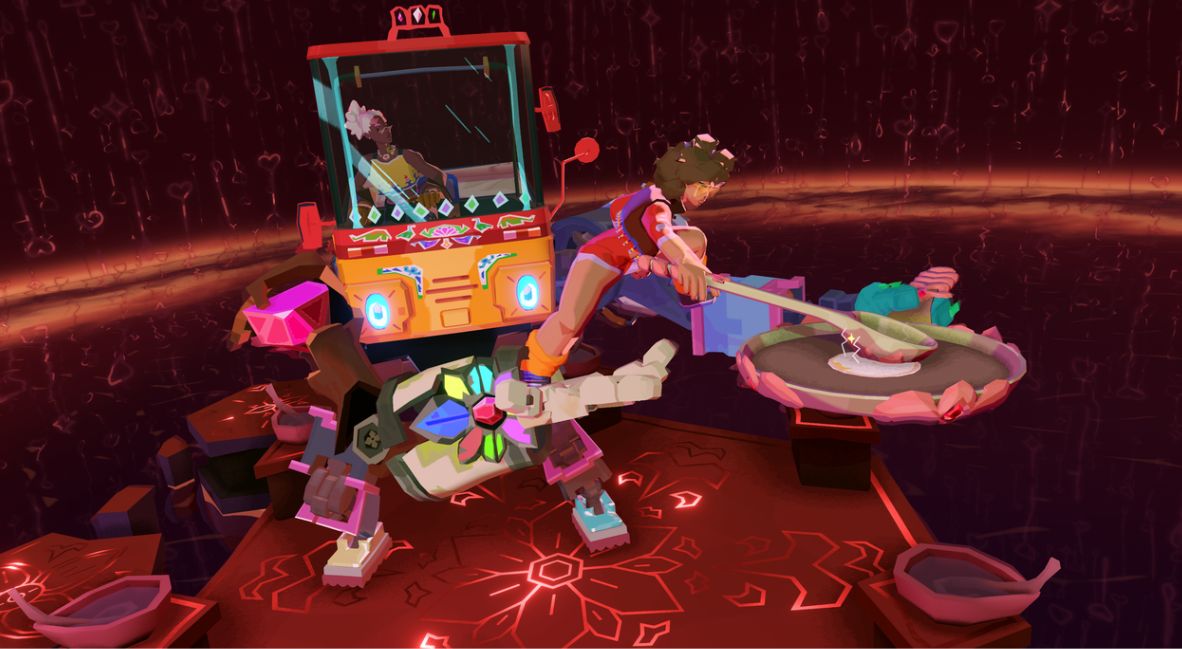
“And I hope that it’s true. I’ve always just loved learning. So, the biggest thing I’ve learned at ID@Xbox over the last ten years is to really have a growth mindset and to understand that even as things change, it doesn’t really. What developers need, does it change? You know they need platform access. They need discovery help. They need access to resources that Microsoft can provide, but how that lands every day is different.
“You can’t say, ‘Oh, well, six years ago, we would publish a white paper. So we’ll just keep publishing white papers.’ Like, okay, people don’t read white papers anymore. People want to watch videos! And so while the needs don’t change, the way the needs are expressed and need to be fulfilled has to constantly change. And I think that’s really been the biggest learning for me.”
But while the changing landscape of technology and social expectations has changed how developers’ needs are met, the players still have one way to leave their impact on their favorite game. And for Charla, that is to “play and talk.”
Charla said, a smile on his face and an energy that filled up the room, “Play games, download a game that you like on Game Pass, or buy it if it isn’t. Just check it out. And if you like it, tell people! Don’t keep these games to yourself. Word of mouth is the most powerful thing we can give a game that we love.”