

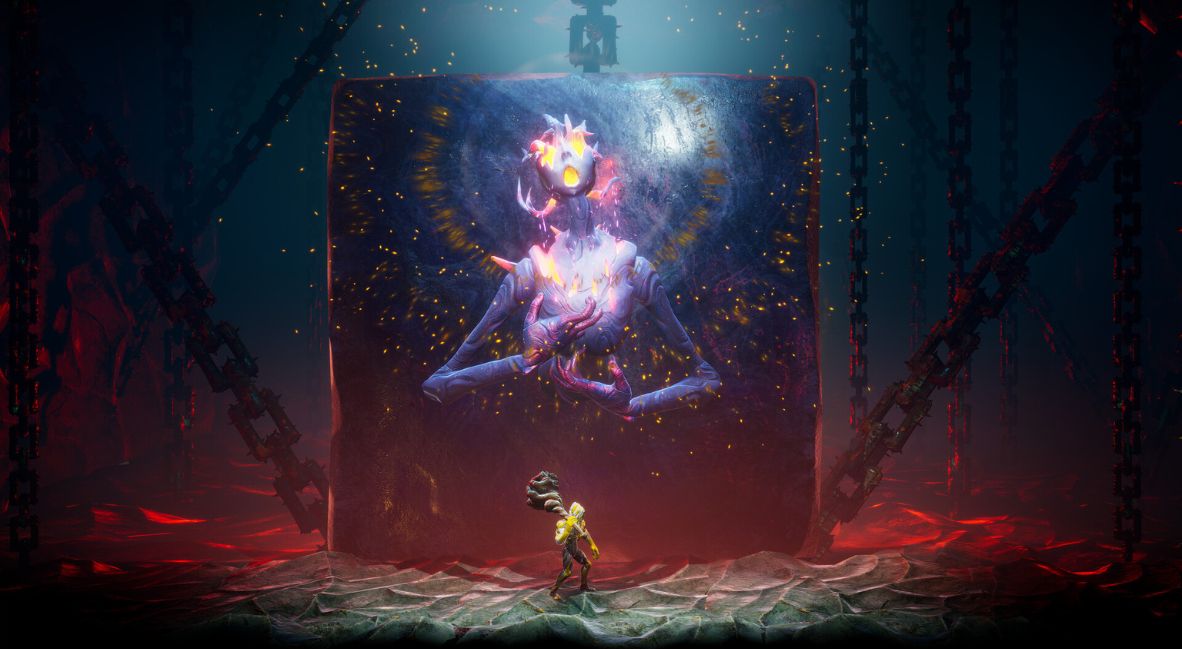
Grime II, the souls-like, metroidvania from developer Clover Bite and publisher Kwalee, is almost here. While I’m still working my way through the game, I wanted to share some early impressions and highlight the elements I’ve really enjoyed. So let me give you 4 reasons to check out Grime II.
Combat
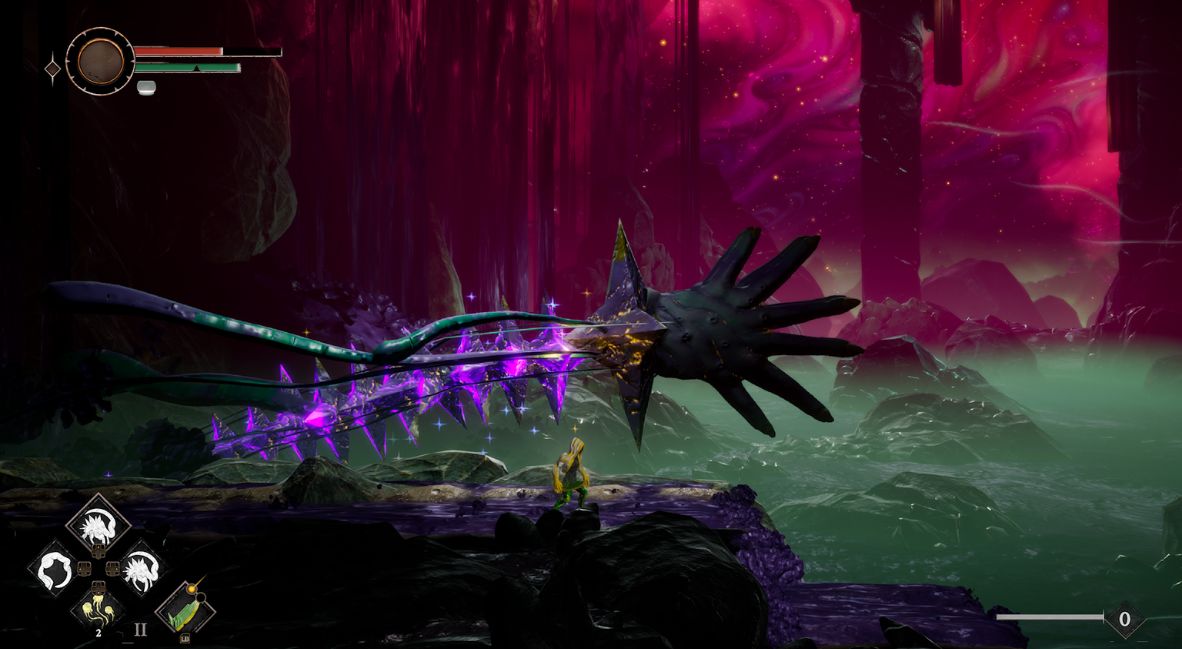
At the heart of every souls-like is brutal combat. But it isn’t enough for combat to be challenging; it also needs to be fair, and provide engaging elements that compel players to keep going back even if it’s just to become a splat on the wall one more time.
Grime II builds a steady arsenal of tricks for players to employ, ensuring that the fights evolve beyond being unforgiving. Beyond generic parries and dodges, the game introduces context-sensitive attacks that can be used in concert with easily recognized visual cues to create unique flows for various enemies players encounter. This gives many of the game’s bigger challenges specific elements that set them apart, helping them stand out and forcing players to adapt.
Along with situation-specific variety, Grime II also offers a wide array of special moves players can collect from fallen foes, as well as numerous special attacks that can be bought or found. This plethora of abilities gives players lots of ways to customize their combat options, as they craft a playstyle that works for them.
One thing that makes the combat even more engaging is the game’s willingness to let players adjust their experience through damage sliders. Players can increase their damage, up to doubling it if they wish, as well as reduce their opponents to as little as 25% of normal. These options can let players who struggle tweak encounters, while still allowing for a demanding and rewarding gameplay experience.
Platforming
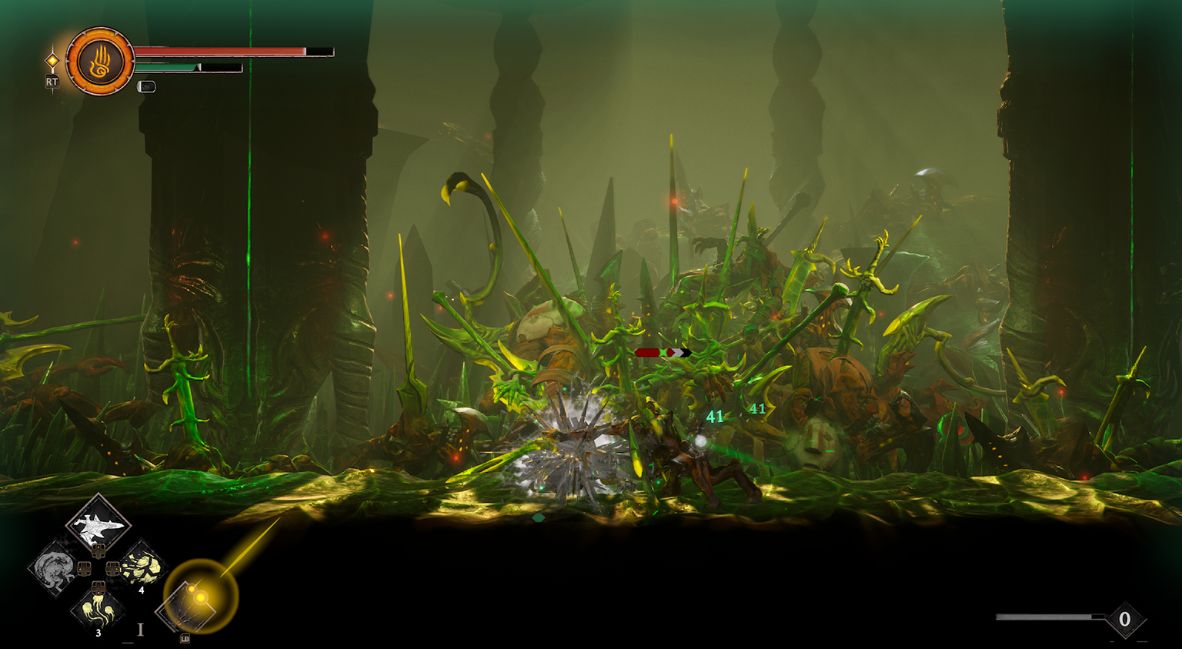
As a metroidvania, exploration of a sprawling maze of passages and hallways is a given. However, Grime II frequently makes you earn your progress through its labyrinthine areas through platforming challenges that easily rival the combat.
Multi-step maneuvers that often require multiple actions to play out without even touching the ground, forcing players to quickly fire off hook shots and wall-bounce past spikes and other hazards, form intense strings of aerial challenges. These tense sequences challenge sharp reflexes while also testing patience as players wait to line up the next step in a platforming sequence, even as failure looms.
While failure is common, the penalties for a single failed jump are minor. A quick return to the starting point and a small sliver of health is all that players can expect. The lightning-quick reset and mild penalty make it easy for players to repeatedly reach for the next platform or figure out how to get around the new obstacle the game has set before them. And there is always something new.
As players delve deeper and deeper into Grime II‘s world, the options for exploration and platforming expand as steadily as the combat. This keeps the platforming on par with the action as a dual focus, rather than feeling like a mere break from the fights.
World Design
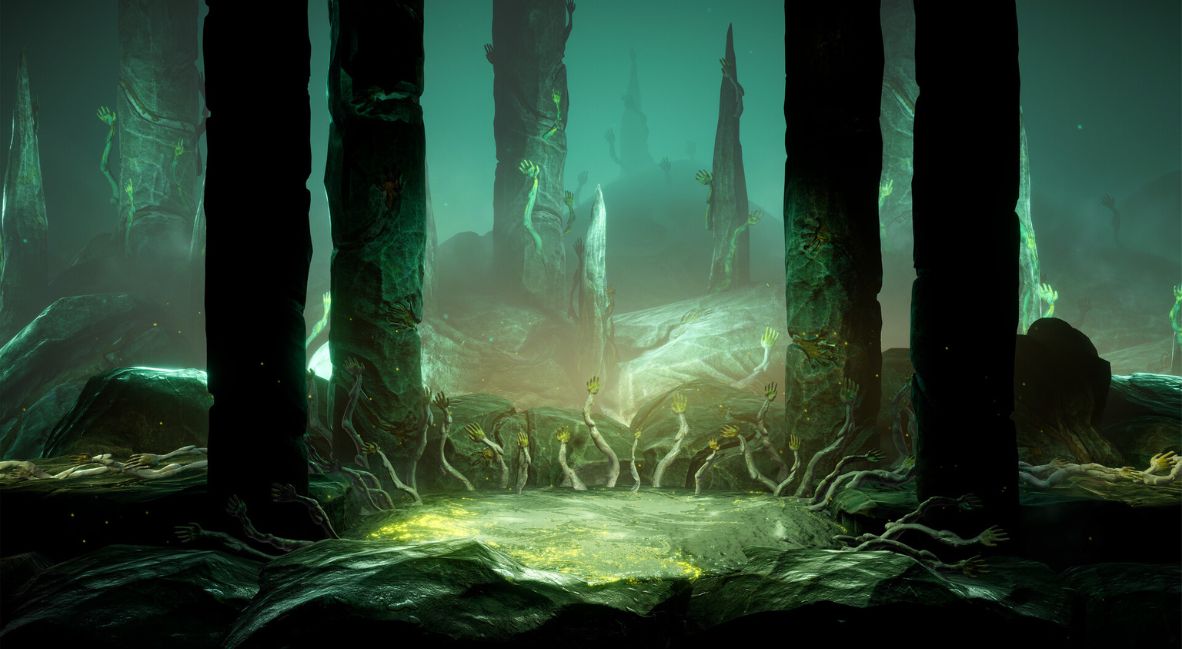
The design of Grime II‘s world is exceptional. The visual style gives each region of the map its own distinct look while also feeling like a harmonious extension of the rest of the map. A unifying brutality exists in the world, etched into many locations. And yet, even the harshest visual elements manage to exist within the beauty of the world, rather than conflict with it.
Another thing that makes the game’s world design stand out is the dedication to creating depth within the 2D environment. Some areas have a second plane that can be entered, such as doors into houses, allowing things to be set off the player’s path rather than having the only road through an area run through structures.
Depth is also enhanced by Grime II’s willingness to foreground environmental elements. While being careful not to impede vision during combat or platforming, having these elements adds more to the world by expanding it onto another plane.
Atmosphere
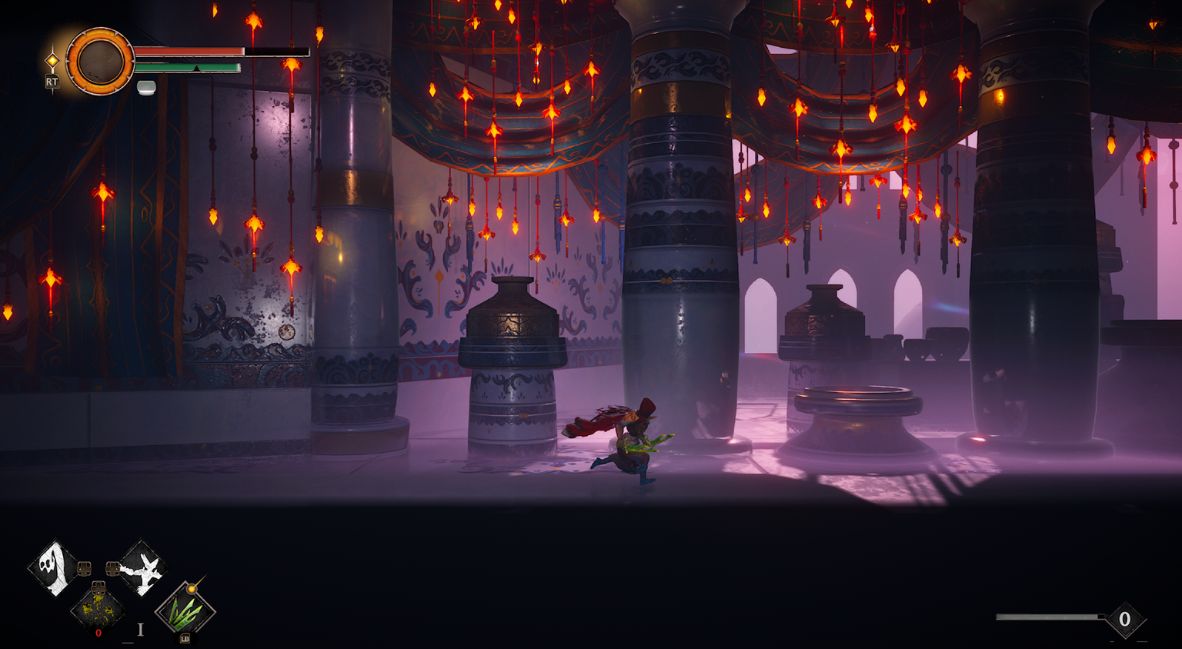
The world design is visually engaging; it is elevated to so much more thanks to Clover Bite’s tremendous work with the atmosphere that infuses those visuals. Sound design and music are the game’s primary avenues for creating its memorable moods. Haunting at times, epic and grand at others, the sound that permeates the game keeps the player feeling what a given area wants them to.
The other way atmosphere is developed is through excellent use of lighting. Eerie greens accompany unsettling spaces, and harsh reds welcome aggressive challenges, enhancing the mood of many moments. And while color is implemented excellently, the simple absence of light also brings chilling moments.
As the game pushes players deeper into Grime II‘s underground areas, some passageways slowly grow darker, until little but the characters themselves can be seen. Wisps of fog and other atmospheric elements sometimes accompany these moments, crafting a tone that can challenge the heart of the most hardened adventurer. Given how swiftly death can come if one is not careful, these plunges into darkness make simply walking a test that players will face more than once as they enter this terrifying realm.
Grime II manages to merge the mechanics of unforgiving challenges, in both combat and platforming, with a sense of aura and tone that turns the world into a memorable place, utilizing both to create a unique world even after many hours of play.
Grime II launches on PC, Xbox Series X/S, and PlayStation 5 on March 31.