
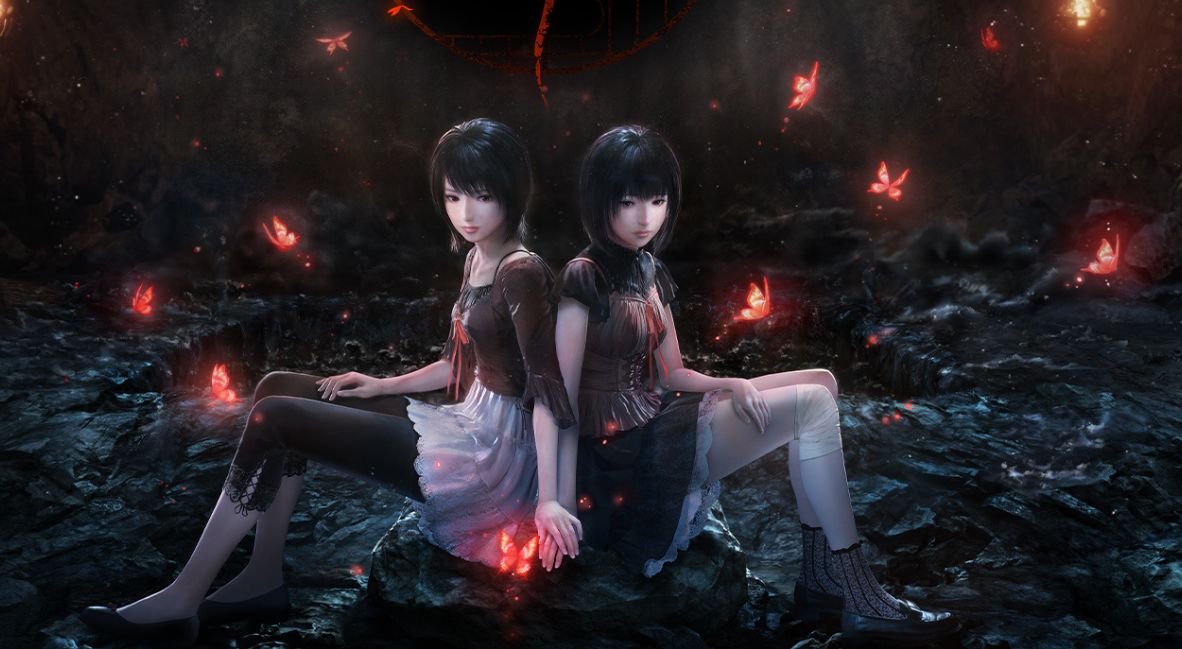
FATAL FRAME II: Crimson Butterfly REMAKE is a horror game that follows twin sisters Mio and Mayu as they look for a way to escape from a haunted village. After recently remastering Fatal Frame games: Mask of the Lunar Eclipse and Maiden of Black Water, developer/publisher Koei Tecmo and development studio Team Ninja bring the second entry into the series to the modern age. But, instead of a simple remaster, they are rebuilding this horror classic from the ground up.
Much like the SNES with JRPGs, the early PlayStation consoles are synonymous with horror games. Pillars of the genre like Resident Evil, Silent Hill, and Fatal Frame all got their start there and helped define it. But as beloved as those games are, the hardware had its limits. With that in mind, FATAL FRAME II: REMAKE is here to take full advantage of modern tech and game design. Unfortunately, these new amenities can’t keep it from stumbling in the dark sometimes.
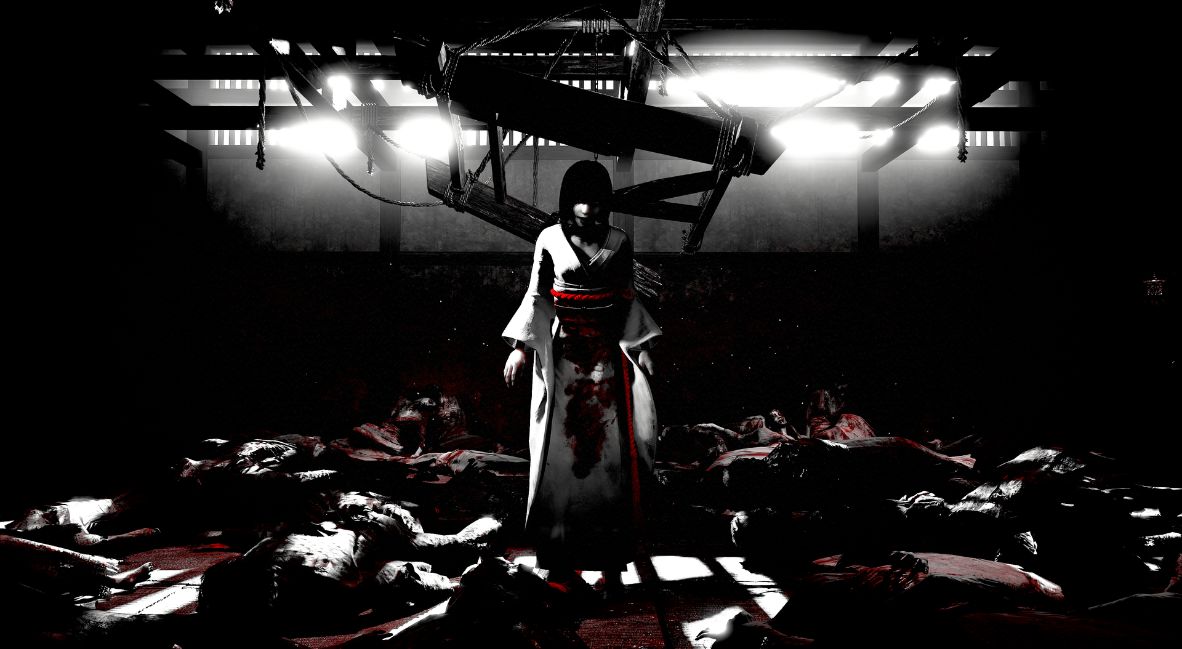
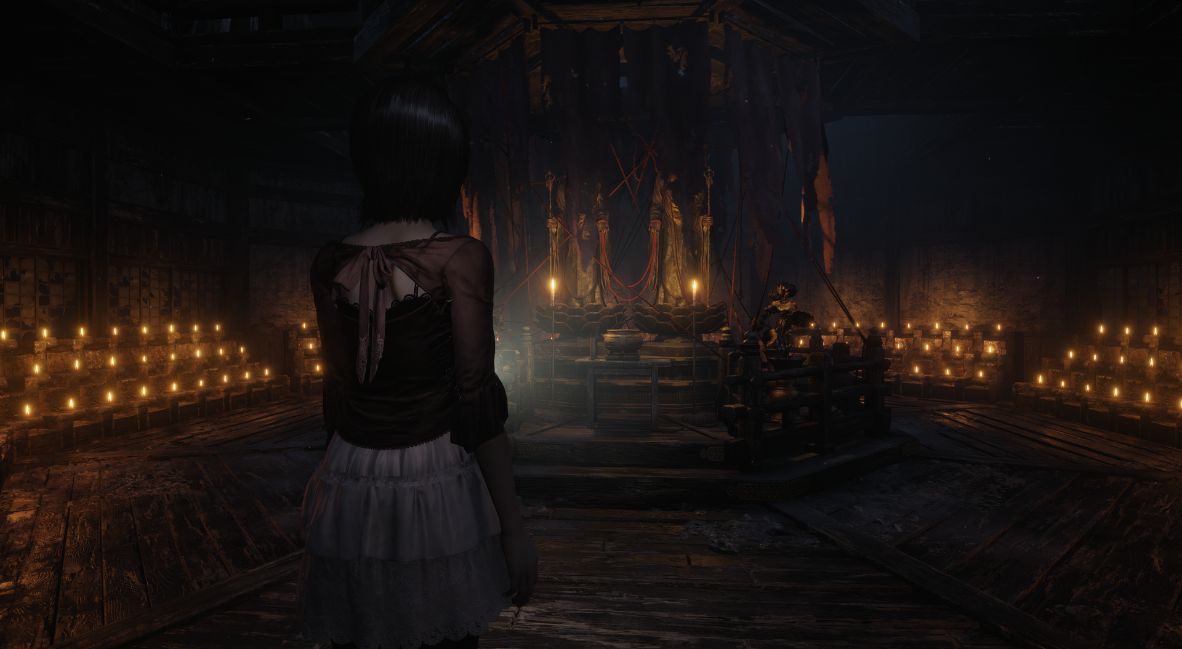
The most critical element of this game is the one it nails: the horror. From the moment the sisters enter Minakami Village, the eerie energy one wants in a horror project never lets up. The player is pulled, eyes first, into the game’s chilling world thanks to its great visual design.
From the deserted exteriors of town, bathed in cold moonlight, to the grimy, often blood-splashed interiors, no place feels safe in FATAL FRAME II: REMAKE. The presence of smiling dolls and strange occult decorations further layers on the growing unease and dread that the world crafts for the sisters to escape.
FATAL FRAME II: REMAKE immerses players with its chilling, atmospheric setting.
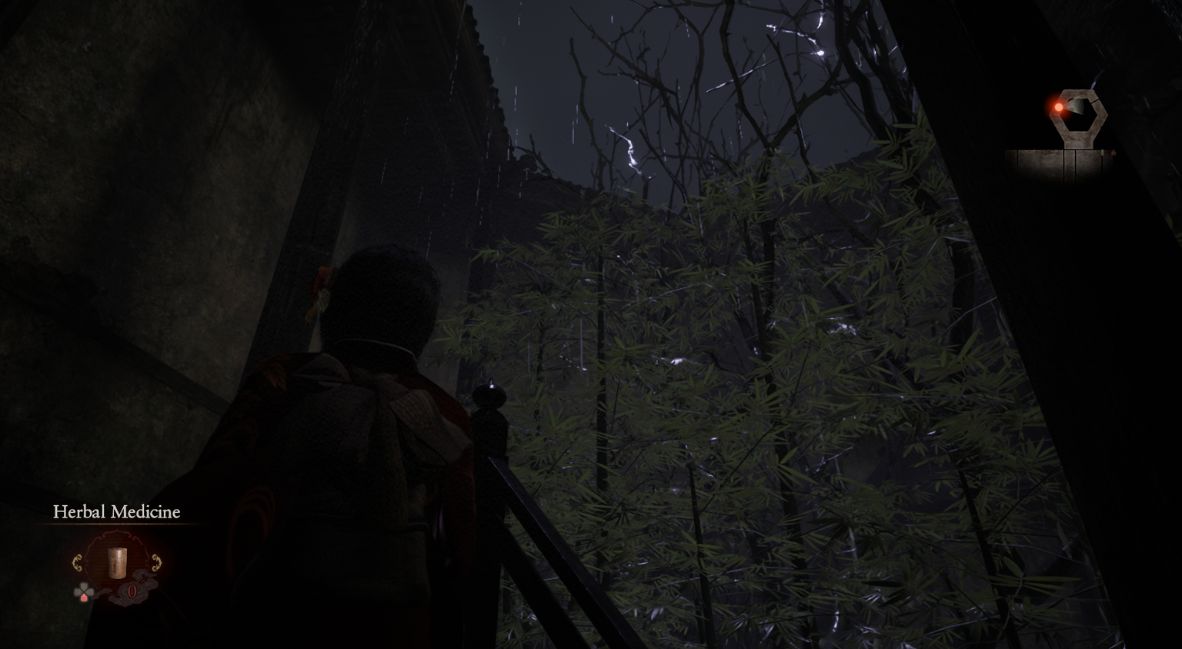
Helping the world present itself and its horrors to players is a well-implemented third-person perspective and flashlight. The fully controllable camera allows players greater ease of exploration than the original’s fixed perspectives. It also makes some of the game’s most elaborate settings feel even more unearthly, as searching can require thorough exploration of these ghastly locations.
The flashlight aids in the game’s presentation in all the ways the iconic item always does. From making items easier to spot to casting harsh shadows, which sometimes creates small scares no developer could plan for, the flashlight’s addition smoothly enhances the experience. And don’t worry, it can be turned off for when wraiths need avoiding.
Further crafting the pitch-perfect atmosphere of the journey is the audio work. The score is masterfully implemented thanks to the light touch it takes throughout much of the game. Chilling ambience allows the stillness and dread of Minakami Village to linger, with only the slightest hint of aid. When it’s time for the screams, the music ramps up, amplifying the frights.
The voice work also complements the tone of FATAL FRAME II: REMAKE, until it doesn’t. While the voices of both humans and poltergeists deliver their lines wonderfully, some lines lose their edge with repeated hearings. And depending on how clearly you find your way through the town’s dark streets, and how well you can wield the trademark Camera Obscura, you may hear some of these lines a lot.
The link between sisters Mayu and Mio strengthens the connection to the story.
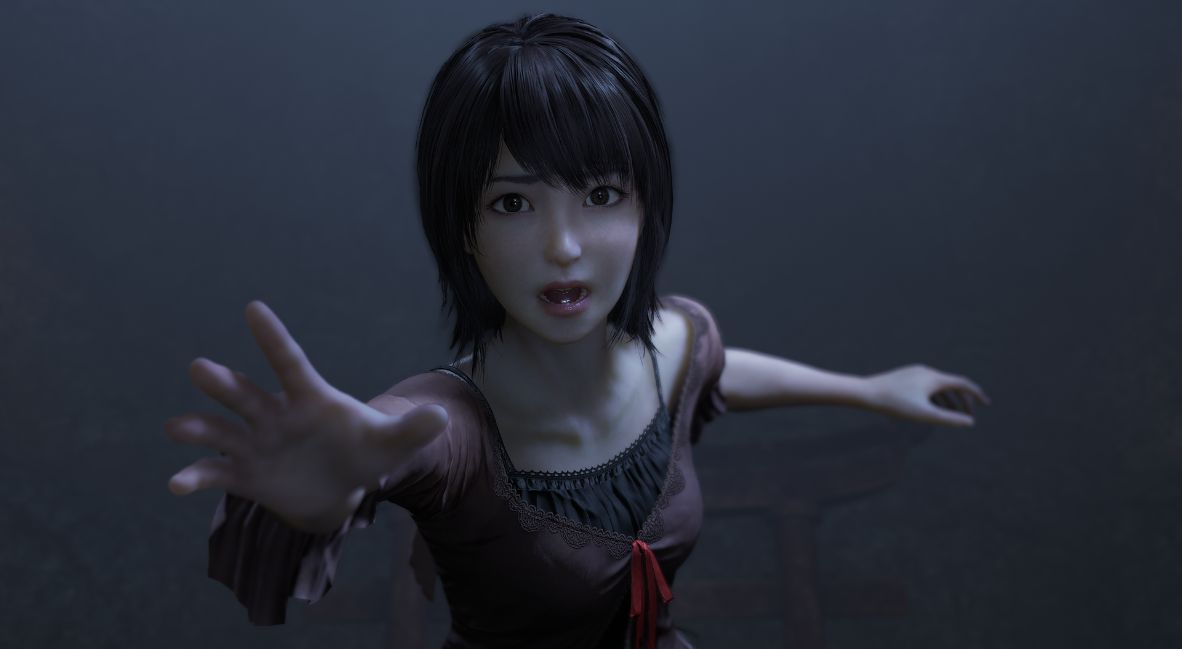
A new element of the package that helps deepen the world’s tone is Mayu’s expanded role in the game. During parts of the story when Mayu is with Mio, the sisters can hold hands, allowing Mio’s health to be restored without the use of medicine. Despite holding hands slowing my movement, I found myself keeping a grip on Mayu whenever she was with me.
Between Mayu’s fearful delivery and the way she moves due to a childhood injury, I couldn’t bring myself to let her go. Worried that she would be snatched away in a moment if I let her out of arm’s reach, this added tactile connection between the girls helps to further harness the atmosphere of the setting.
While establishing an appropriately chilling environment is key to any horror game, balancing the actual gameplay elements with the narrative and setting is the genre’s harshest test. You want players to feel scared, threatened, and lost, but not to the point where their attention is pulled from the story as they wander down dark alleyways over and over, or struggle with lackluster combat encounters. It is here that FATAL FRAME II: REMAKE falls short of its goals.
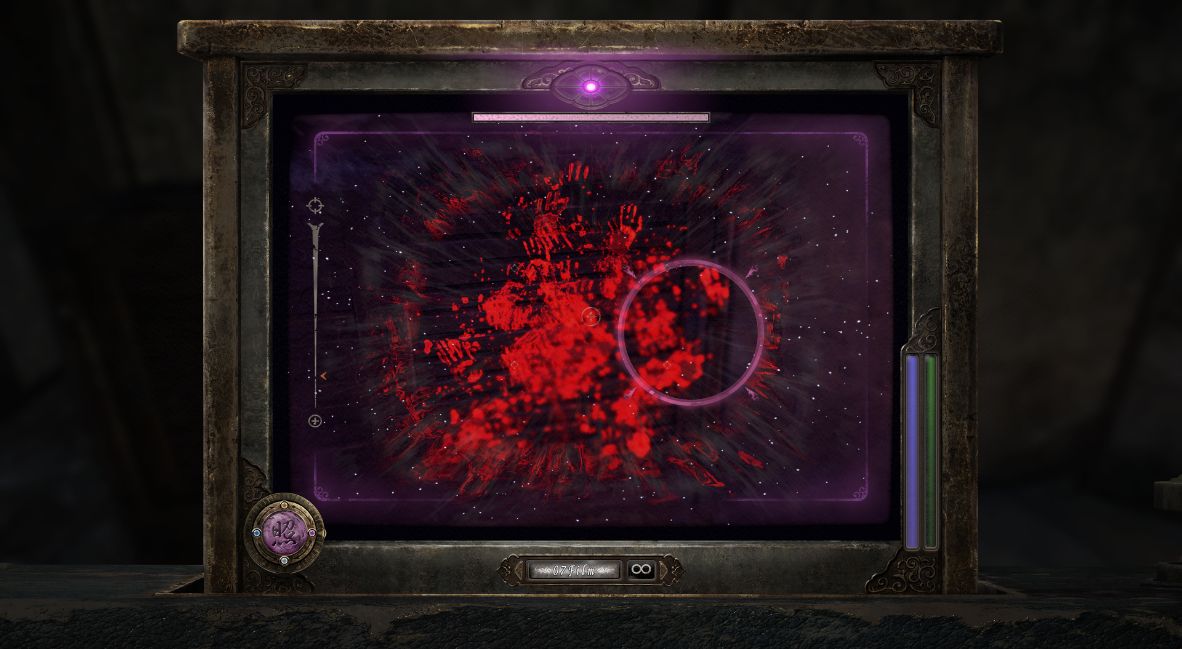
Special filters unveil secrets in the game.
When it comes to traversing the paths, halls, and rooms that make up the haunted village, it is fairly easy to get lost at times. Some visual cues, like haunted figures to follow, are obvious and linger often for several seconds, making the path forward clear. Others are far more subtle, and missing them can lead to hours of wandering, especially if you misinterpret one of the game’s many cryptic hints.
Even when lost, FATAL FRAME II: REMAKE makes sure there is plenty to discover for those paying attention. Not only are there lots of item pickups and notebooks to find, but upgrade materials in the form of prayer beads can improve the Camera Obscura’s functions, making it a more potent weapon against the wraiths and ghosts that haunt the town.
The remake also introduces new camera filters, allowing its use outside of combat to increase. When a player stumbles across an item or passageway sealed by an obstacle with bloody handprints on it, one of the new filters can force it open. Another can restore a space to the state shown in a picture, opening up previous impassable areas or revealing hidden items.
While the latter clearly prompts the player by having the picture reference appear at the relevant times, the former requires proper attention, especially in some of the game’s more cluttered or dingy locations.
FATAL FRAME II: REMAKE falters in combat.
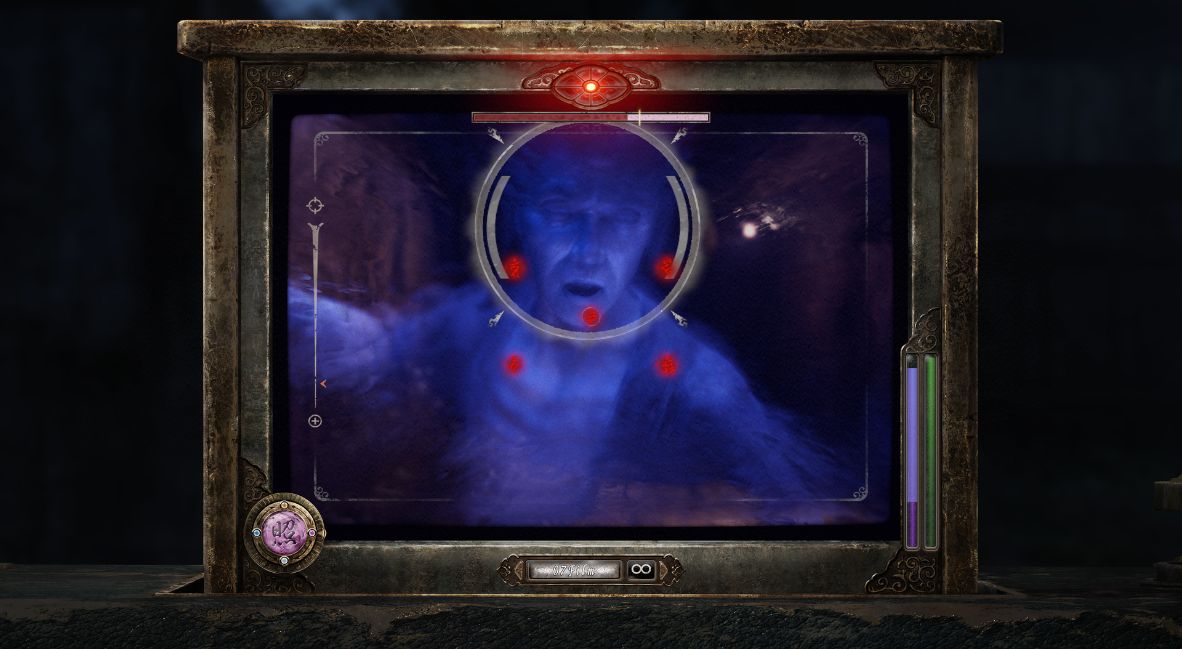
The one area where FATAL FRAME II: REMAKE struggles most is combat. Using the Camera Obscura, Mio takes pictures of the ghostly apparitions around the village to damage them. Symbols in the camera’s lens light up red when focal points are in frame and focused.
The more symbols are lit, the more damage you do. Between each shot, the film must be reloaded, which can take a varying amount of time depending on the type of film you are using. Most film is finite, though there is an unlimited basic film, but you don’t want to depend on that.
Along with managing your film, players also have to worry about their will and health gauges. Health lets you know how close you are to death, while will serves several functions. Special shots can be used by players with enough will available. Running in combat, as well as dodging, also requires will to spend.
If a player is struck when their will is gone, they can be knocked to the ground and tackled by their adversary. This prompts a quick time-like moment to escape from. Will is regained by snapping pictures and using special items when in combat.
The biggest issue with combat is how long each fight takes.
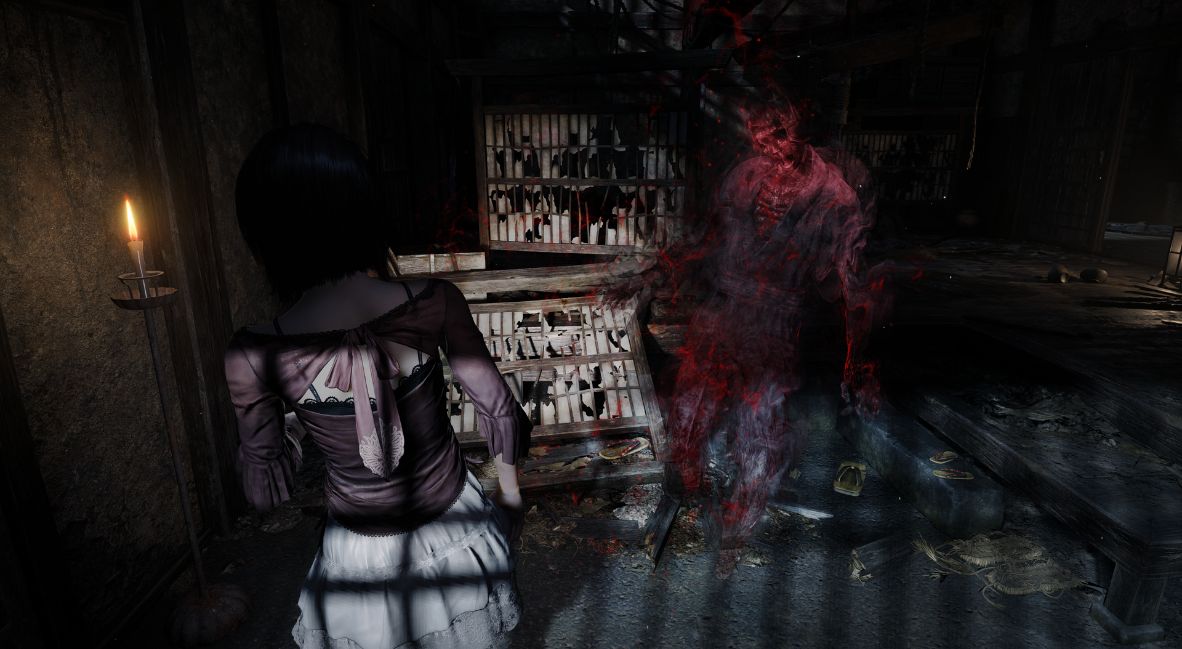
On paper, having to get the lurching and teleporting ghosts in frame to exorcise them seems like a perfect fit for a horror game. But it lacks a physical component for the player. It keeps the combat from feeling empowering, even when they succeed, while also forcing players to focus on the hideous visage of the ghosts as they stubbornly move in to assault them. Unfortunately, these pieces never come fully together, leaving combat feeling unsatisfying and often doing more to break the tension than increase it.
The biggest thing that makes the combat underwhelm is how long it takes. Unless you are using your most powerful film, and usually you shouldn’t, confrontations take far longer than they feel like they should. Between the reload speeds of most film types, the frustration of missing a shot due to a sudden lurch or spontaneous teleportation, and many encounters quickly become things to endure rather than experience. And that’s not even counting Aggravated Ghosts.
Whenever you fight a ghost, there is a chance that at any point, they can become aggravated, with the odds increasing as the spirit nears death. When this happens, the ghost regains part of its health, attacks more frequently, and takes less damage. A specially timed shot from the player, called a Fatal Frame, can take them out of this state.
The frustrating style lends itself to a punishing experience.
Much like the core design of FATAL FRAME II: REMAKE‘s combat, on paper, this makes sense. It feels like a mechanic that means to put pressure on you to win a fight as fast as possible. It wants to build tension. What it ultimately does, though, is make it so the spectre currently fighting you isn’t the only one aggravated. Due to its triggering conditions, it frequently feels like a punishment when you least need one. You’re already struggling with an encounter; you almost have it done, and now it’s not only longer but harder, too.
The combat further drags the game down at the worst possible moment: the ending. In the final chapter of the game, Mio is forced to face larger groups of enemies. The core mechanics of the combat make these moments painful to get through.
You don’t turn fast enough, and you don’t do enough damage to make these large-scale encounters feel manageable. Plus, you only get visual cues for a single off-screen enemy’s attacks. Leaving you blind at times and no way to find a distant foe if the camera decides to prompt you on a closer, if less threatening baddie.
Side stories offer intriguing breaks from the main narrative.
The combat gets some help over the course of the game due to the power-ups players can apply to the Camera Obscura. Improvements for the camera in general, as well as individual lenses, allow players to improve the combat a bit. Charms are also found throughout Minakami Village. Equipping one of these can further strengthen the player, making combat encounters easier, but no more enjoyable.
The biggest combat struggles coincide with the narrative’s biggest struggles as well. The early chapters of the story are solid, horror storytelling that sees Mio struggling to retrieve her sister Mayu and escape the town. Hurdles throw themselves up before her, making the opening leg of the journey take some time and brain power, but it flows at a reasonable clip.
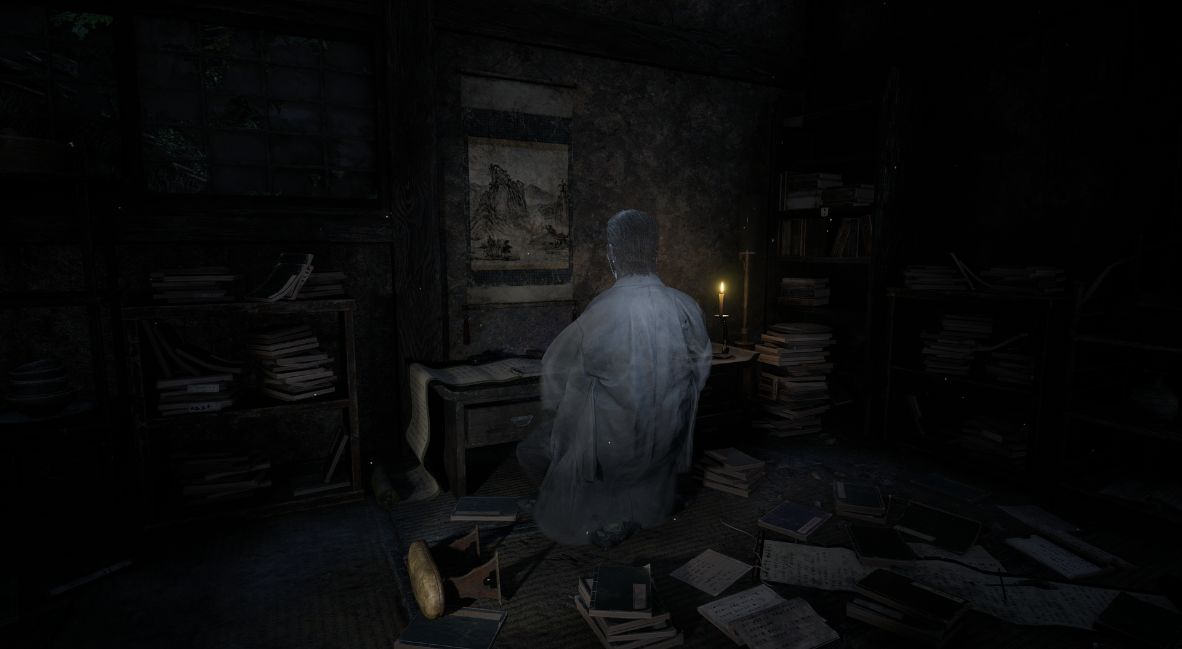
There are also new side stories that flesh out the world of Minakami Village to explore. These quests provide additional insight into characters who exist only through notes and references, allowing interested players to dive deeper into the world’s lore. The couple I got a chance to see was an interesting diversion from the main plot.
FATAL FRAME II: Crimson Butterfly REMAKE falls short of its promise.
While side quests can deliver interesting tangents, most of the back half of the main story comes off as pure filler. There are at least three separate points that feel like this is the last thing you have to do, and then it’s over, only to be confronted with another roadblock that requires revisiting previously journeyed to places and overcoming more ghosts. Even the game’s greatest atmospheric elements, which provide its greatest strengths, can’t hold up over such a long time.
For players who find the journey worthy of a second go, they have the opportunity to go through the game with a New Game+ mode. Allowing the player to bring their non-story items and power-ups with them, New Game+ offers a new ending to discover and a nightmare mode for those looking for greater challenges.
FATAL FRAME II: REMAKE has the potential to be something great. The most important elements of a great horror story are there, but they get lost far too quickly. Combat encounters that are, at best, quick and at worst, aggravating, and a story that gets stretched far too thin in the back half, drown out the great presentation that comes through the visuals and sound. Leaving this a ghost story better left in the past.
FATAL FRAME II: Crimson Butterfly REMAKE
-
Rating - 5.5/105.5/10
TL;DR
FATAL FRAME II: REMAKE has the potential to be something great. The most important elements of a great horror story are there, but they get lost far too quickly.