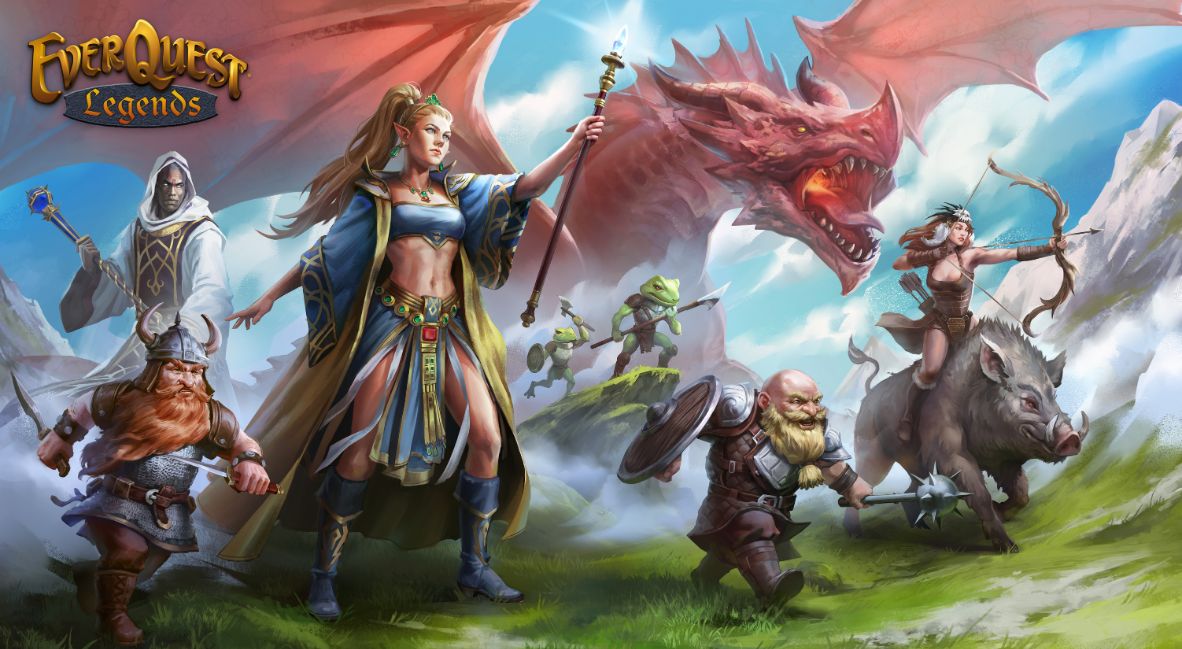
EverQuest came onto the massively multiplayer online role-playing (MMORPG) scene almost 30 years ago, helping to define the genre. Since its release in 1999, there have been dozens of expansions and even a sequel in EverQuest 2. Developed by the studio Game Jawn and published by Daybreak Games, EverQuest Legends is set to be the latest entry for the EverQuest franchise, using the past to write the next chapter for the franchise.
At the GDC 2026, we got a chance to sit down and check out some of what to expect from the new game. In this hands-off preview, we learned that EverQuest Legends is going to be a new, reimagined version of the original classic 1999 EverQuest MMORPG. What this means is players will get a chance to experience the 1999 game, but with a modern touch, as some things have been updated for 2026.
One of the main aspects of EverQuest Legends is that everything has been condensed, player-wise, to appeal to anyone looking to play the game solo and/or casually with small groups. Every piece of content in the game can now be soloed; thus, for anyone who just wanted to explore by themselves, it is possible. The older, larger dungeons and raids that used to take 10+ players have all been condensed down now to four-man groups or, in the case of raids, groups of eight players.
EverQuest Legends is focused on providing MMO content with a smaller party size.
The second main change for EverQuest Legends is that players are going to be able to make very powerful characters, as each player will be able to have three different active classes at once. So if players wanted to make a rogue/ranger/wizard, then that is perfectly possible.
While there is the ordeal of assigning primary and secondary classes, the team stated that no matter what, all abilities, stats, spells, etc., of all the classes will be available to each character, no matter where they are slotted. Players will also be able to unlock and change all or one class on the fly with the loadout selection, where players can have multiple different loadouts featuring a variety of different classes or even races.
This is all meant to give players the flexibility to be and play anything at once without having to switch characters. Saying all this, I am still not sure why there is a primary and secondary class selection, as everything is supposed to be equal across the board, but hopefully that will be fleshed out. Players will also be able to choose any class or race at the beginning, including specific races and classes that had to be unlocked in the 1999 version, giving even more options to players.
Daybreak Games and Game Jawn have preserved the past to write a new legend in the series.
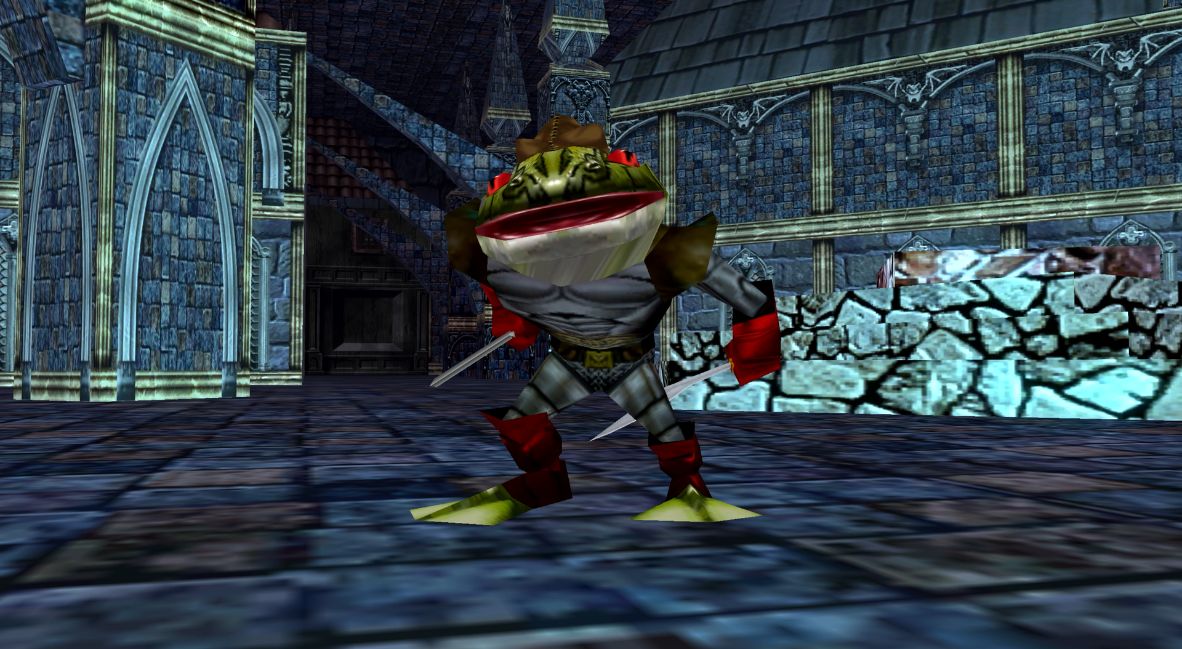
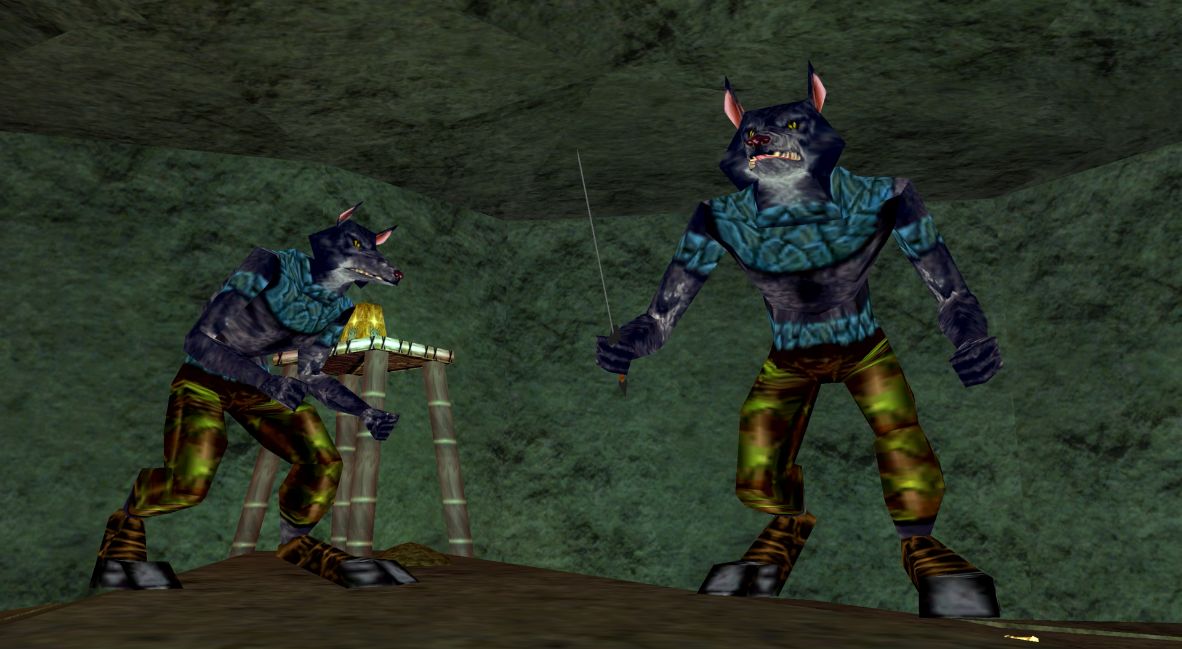
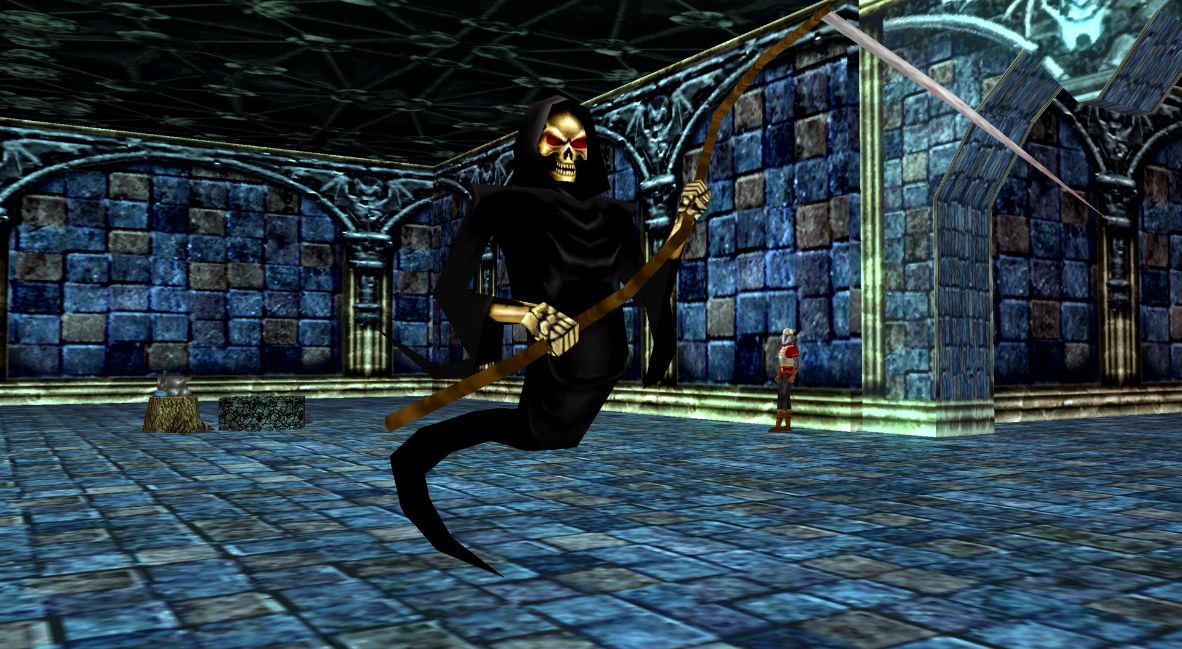
Some more upgrades that have been added to EverQuest Legends are the upgrade system and how players will upgrade weapons and armor, along with the user interface (UI). These have all been streamlined to make it easier and more pleasant to interact with. Now, while the UI and other things have been updated, the graphics, sound effects, music, art style, and UI from an aesthetic standpoint are all from the 1999 EverQuest game.
This really feeds into the nostalgia of playing the original classic EverQuest game from 1999. Going one step further, EverQuest Legends also stands out because of the amount of restoration that has been done. During our hands-off appointment, the developers explained how they worked to find long-lost code for particle effects and aimed not just to give it a 1999 feel, but to preserve the code and art from EverQuest’s initial launch.
EverQuest Legends stands out as a work of video game preservation and a technical feat in terms of historical research. But I do have to wonder who exactly the target audience for this game is. Initially, EverQuest Legends immediately made me think of World of Warcraft Classic, which returned a few years ago and let players relive the old days of World of Warcraft.
The only question we have for EverQuest Legends is: who is the target audience?
While I sadly never attempted World of Warcraft Classic, I do know I was tempted and asked by many of my old guildmates to go back since Classic was going back to the traditional MMO we all played, and it was a return to a much more challenging experience that included large man raids and dungeons. Instead of condensing material, Classic required a much more communal experience as more players were required to accomplish higher-end content.
That said, EverQuest Legends seems to be doing the opposite of World of Warcraft Classic, instead looking to preserve the history of the game while also condensing its content. Maybe that is something the EverQuest community is looking for and wants to try out, or even just experience how the game was in 1999 compared to the live game now.
While there have been obvious improvements to the player experience and quality of life, players, for the most part, are still playing a 1999 game in 2026, especially from an aesthetic standpoint. The audience also emerges because we don’t know whether EverQuest Legends will be part of the current EverQuest subscription (which allows you to play both MMO titles), a stand-alone subscription, or have none at all. This decision will gauge whether players will want to be on a full subscription for essentially a solo/casual version of a 1999 MMORPG.
Overall, though, EverQuest Legends is an interesting concept, especially from a historical and game preservation lens. This is a work of passion and commitment that can’t be understated. Being able to experience and listen to actual 1999 music and effects is a very cool thing; it just needs to find its audience. There could be players out there, especially in the EverQuest community, who have been chomping at the bit to try and experience the original, and they will find it with EverQuest Legends.