

The first time I entered Pywel was when I got the offer to come to Pearl Abyss’ offices to participate in a boss run. I got to fight four Crimson Desert bosses within an hour of time, and I was the first journalist to complete it. Up until that point, I had only vaguely paid attention to the title. But after that one session, I was in awe.
Since then, Crimson Desert has released more and more videos, offered more time with the game, and throughout it all, I found myself both excited and questioning whether Pearl Abyss was chasing a white whale. Their second title ever, the South Korea-based studio has invested two decades in its MMORPG, Black Desert Online.
But could they make a single-player experience? More specifically, could they pull off the grandeur that comes in 10 years of an MMO into one game? As more and more came out about the depth of systems and the density of the game, it felt like there would be more places that it would buckle than succeed. But the truth is that Pearl Abyss has made something near-revolutionary in the RPG space and has set a new standard for exploration in video games.
The best way to describe Crimson Desert is that it functions very much like a single-player MMO. While this won’t be the best descriptor for some, for others, it should signal the level of exploration and systems depth that only come from that genre, and now, you don’t need other people to play. Writing this isn’t meant to be a slight; it’s meant to point out just how big, thoughtful, and dense the world and systems of the game are.
Pearl Abyss has made the most ambitious RPG I have ever played with Crimson Desert.
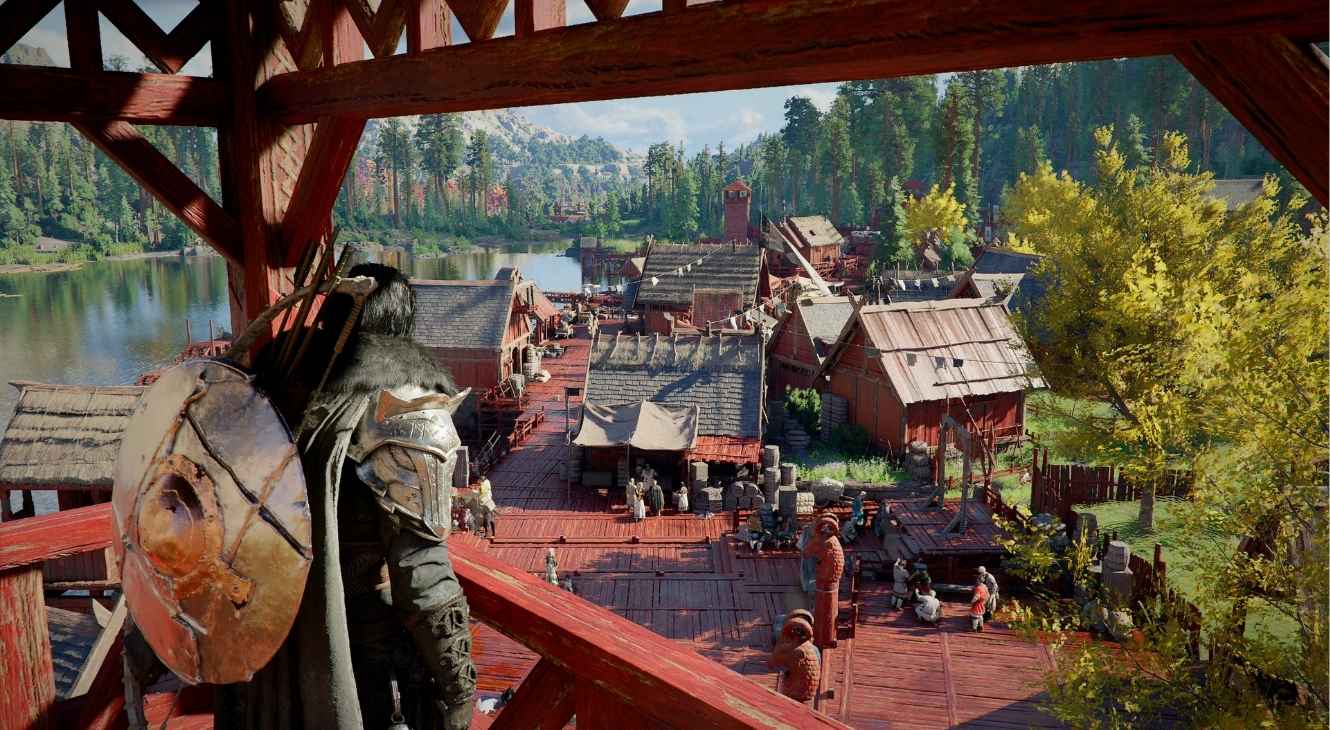
In Crimson Desert, you play as the protagonist, Kliff, and his Greymane comrades within the continent of Pywel. Having survived a great defeat, you build up your reputation in Pywel and can work to restore the Greymanes to their former glory. But the story itself is not the heart of Crimson Desert. That honor goes to its combat and immersive systems.
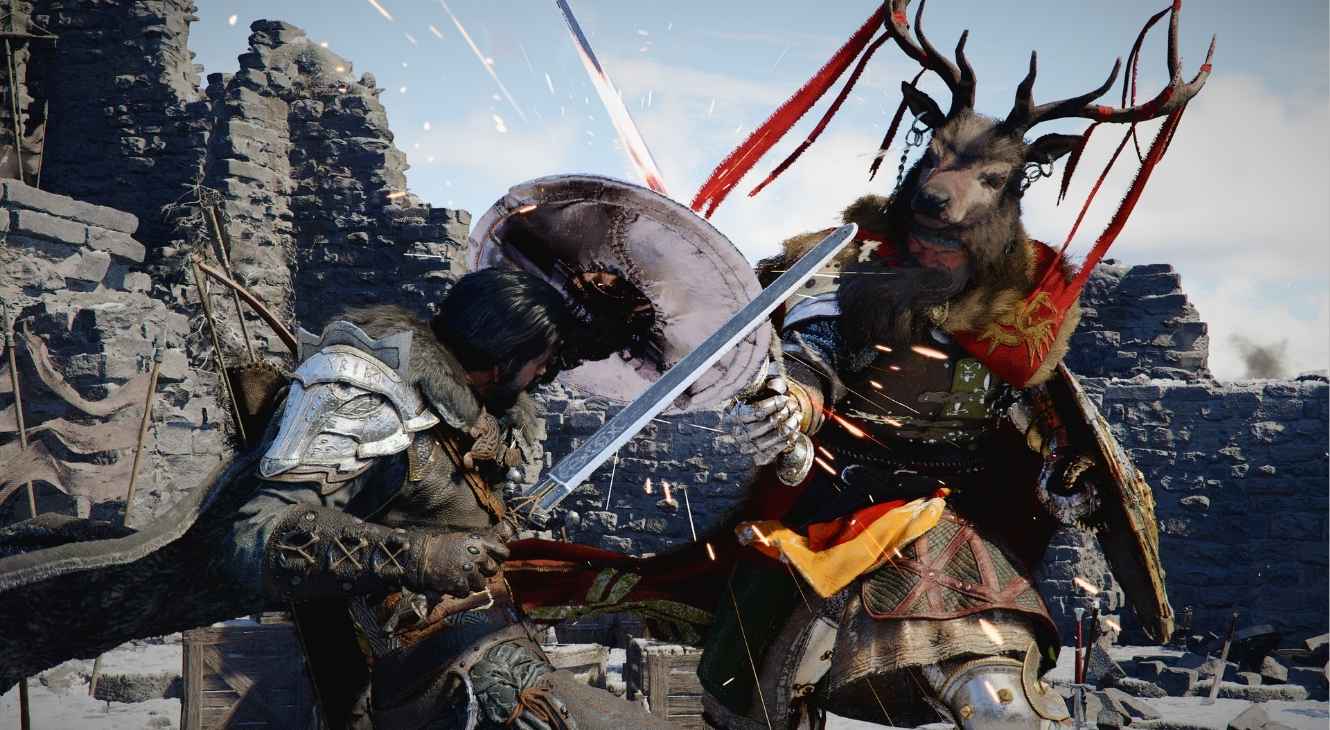
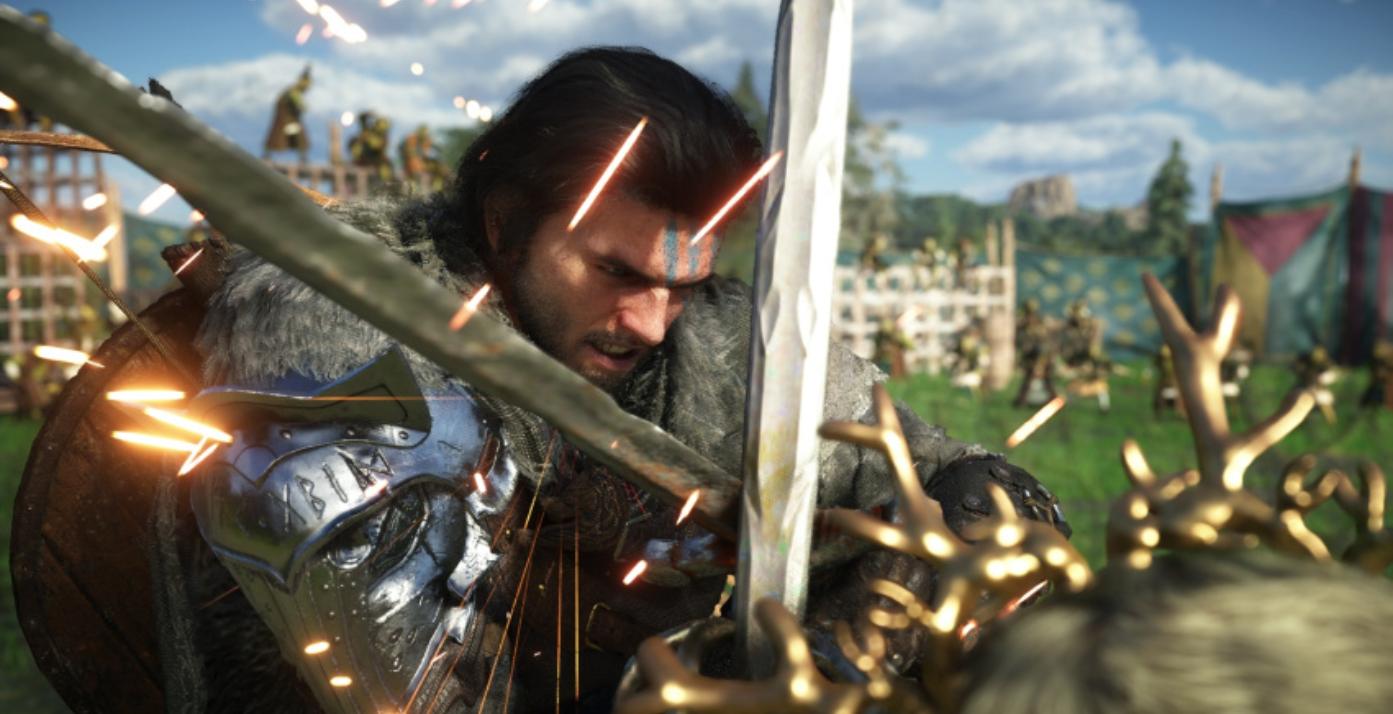
Crimson Desert’s strongest element is its combat. I have not engaged in this thoughtful, challenging, or engaging combat outside of an MMO or soulslike in quite some time. The combo system used in combat forces the player to lock in, forgoing simplicity in order to craft an experience that feels truly rewarding after every boss battle. Yes, even when you start to approach a threshold of power that makes most enemies easier.
At this point, it feels like nearly every action-adventure game just wants you to press “A” and maybe hit a bumper to slow things down to proc an ability. And while those combat mechanics aren’t inherently bad, their simplicity can make combat feel cheap, or more importantly, not keep the player engaged the entire time. That’s not what I want.
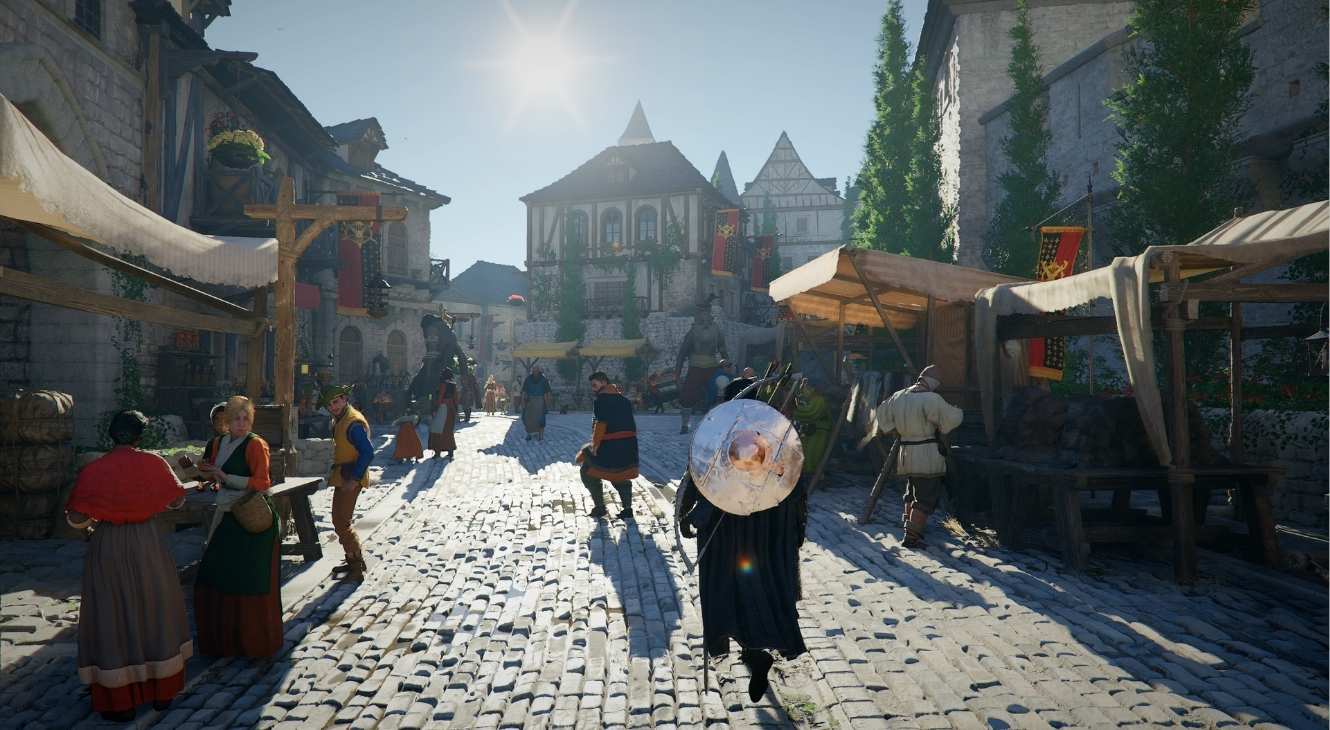
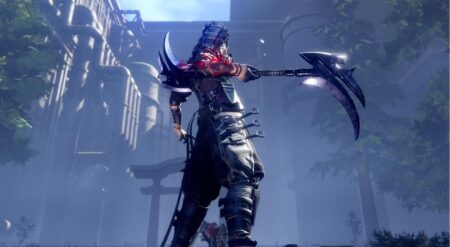
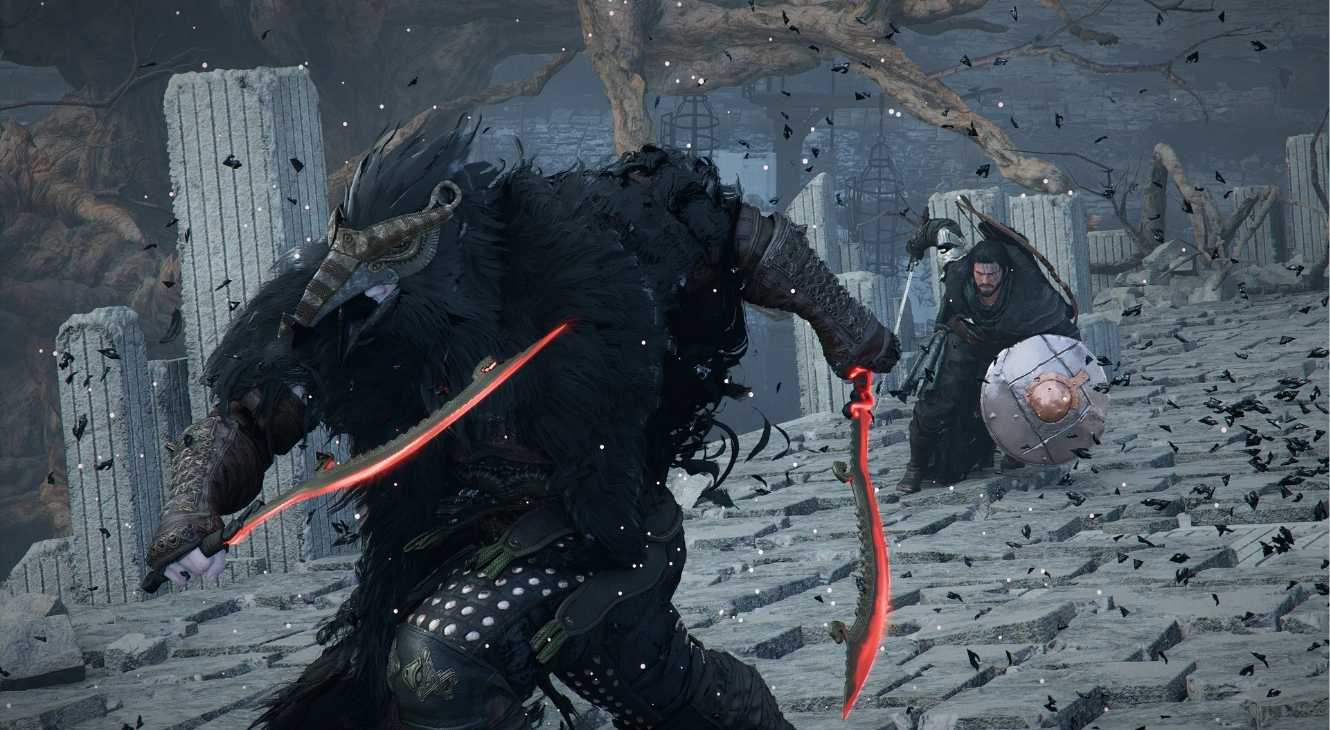
The best way to describe the combat systems in Crimson Desert is as a fighting game. You perform combos, build on your last moves, and work with or against your environment to succeed. The type of weapons you use matters, as do how and when you parry. More importantly, the diversity of boss designs keeps every chapter and side boss feeling unique, allowing this massive game to avoid the greatest sin: repetition.
Now, it should be said that Crimson Desert does have a great difficulty curve for players to overcome, and as of right now, you can only remap your mouse and keyboard, despite the game instructing you to use a controller for the best experience on Steam. That said, challenge does not make something hard for the sake of being hard. Instead, the game is asking you to engage with combat on its turns and be open to letting the game teach you what you need to do next.
This isn’t a game designed to be difficult or to cut you off and make you learn through failure like a soulslike. Instead, Crimson Desert is here to make you pay attention to what you’re doing. Crimson Desert is here to lock you in, and it’s not sorry about it.
Combat in Crimson Desert is the biggest strength, breaking the monotony of single press inputs.

While I said that Crimson Desert isn’t a soulslike, there is one key element of the game that is. If you fail, it’s your fault. But that also means you can overcome the issue. For the spinning, annoying tank of doom, I just needed to move more slowly. When broken down to its simplest parts, every boss is just a combination of moves. Some require only that you block and parry to succeed. Others require you to jump, glide, use the force palm, and attach somewhere in between. Others still don’t focus on traditional combat at all, but rather on strategy.
Everything is essentially a simple combo on paper, but learning to execute the combos is where time spent playing comes in. Naturally, as you progress through the game, the curve lowers, and the more powerful Kliff becomes by progressing his skill trees or getting better and more reinforced weapons and armor, but it’s the process of understanding the combat system that truly makes it second nature.
This highlights what I think is Crimson Desert’s best feature: tension. For some reason, knowing what you have to do feels more intense when the world around you is deeply responsive to your movements. The fact that you can’t escape the mob of enemies keeps you on your toes, and ultimately, it’s what drives your mistakes and, in a way, keeps the immersion going.
The complexity of the inputs can be frustrating, but they’re never insurmountable. Some bosses have a mechanic that puts you into a time crunch because you have a small window to attack or interact with environmental elements in order to defeat them. That tension that comes in big boss battles never truly leaves, and it matters deeply to crafting a world that isn’t just a single linear journey or a string of moments.
Crimson Desert’s story is its weakest element. While there are many moving parts with some side quests offering more emotional impact than others, rebuilding Greymanes is where I should have built attachment, but in reality, I just didn’t. Still, Crimson Desert fully embodies role-playing for me in RPGs.
When I think about truly great RPG experiences, the most important elements of those games were the choices I made as a player. They were the moments I chose to get off the path and venture out on my own, fully live in the worlds that they created. Truly, I feel like you could never finish the main story and still get hundreds of hours of memories and play time where you, as Kliff or the other companions you pick up, just made your own path.
Crimson Desert is about immersion in the purest sense, and for me, my Kliff is wandering through Pywel, selling bugs he collects (it is very easy to make money this way), decorating his house, and trying to adopt all the stray dogs he finds on his travels. It’s a simple life, but someone’s got to do it.
Crimson Desert has no shortage of systems, which, while overwhelming, provide a beautiful depth.
These moments of personal storytelling and the possibility to do so mean more to me as someone looking for true RP in my RPG, and they speak louder than the story itself. This isn’t to say that it’s a terrible story. In fact, it’s fine enough, even if it tends to land on shaky ground. The themes of brotherhood and kinship through battle ring incredibly true, and the various ways to learn about the hundreds of NPCs in towns you travel through are more than enough.
With a number of companions you can switch to and live through, there is no shortage of combat possibilities and investment to find. While I didn’t find myself utilizing them half as much as I should, that came from needing to speed through the main questline, and to do so, I needed to use who I was most comfortable with.
The reality here is that Pearl Abyss has created a truly open world, including letting you play how you see fit. It lets you chart your path narratively and has enough systems to always feel like you are engaging with every element of the world. Even if I still wish we were allowed to do more than just carry certain animals like meat, and instead be able to pet and interact with them all. Because my Kliff loves wildlife and the Earth.
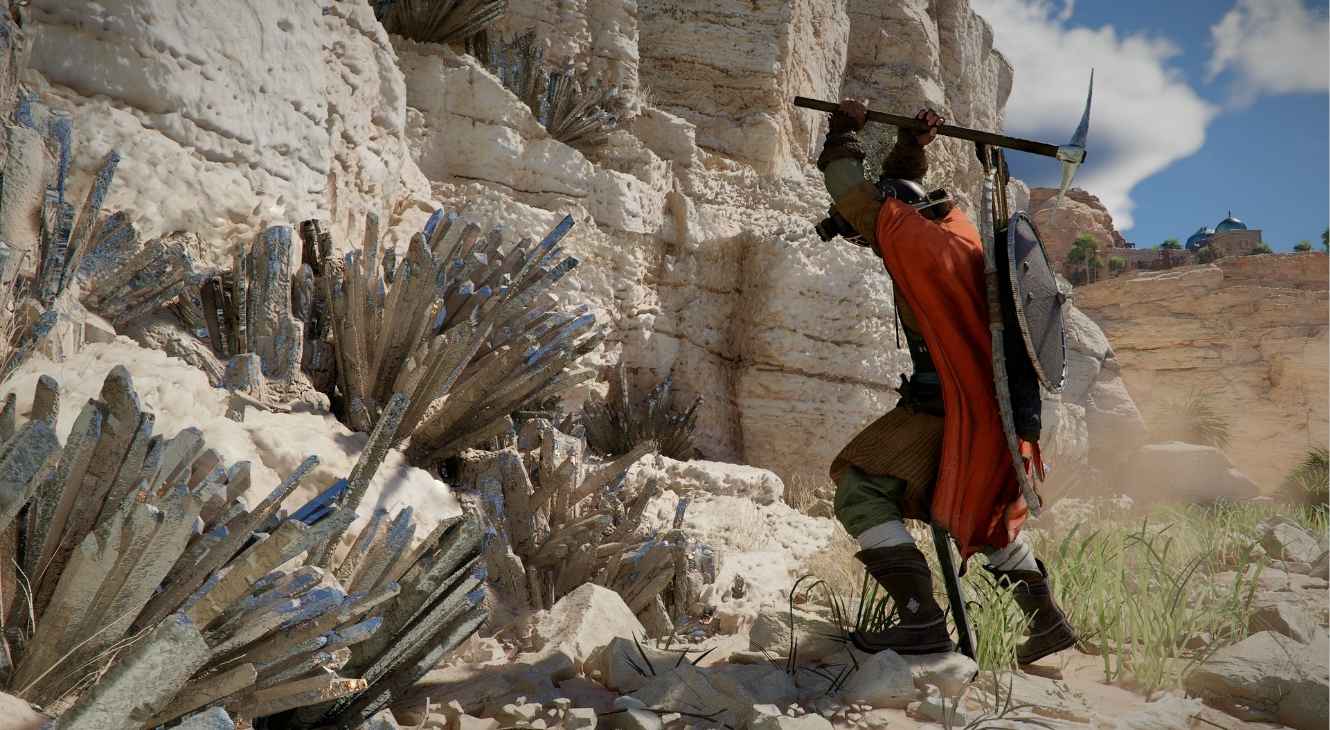
Outside of narrative, Crimson Desert also proves the single most free-range exploration I have experienced in a game. There are no loading screens and no restrictions, just a world for you to walk, explore, and dig through to find the many secrets. With life systems like mining, fishing, hunting, cooking, gathering, and crafting, your relationship to the world around you deepens.
Much like jobs or professions in an MMO, the life systems tie the player to the world in a way that forges a relationship between them and the land. Additionally, the housing system in the game speaks to the very important need players have for their own space, camp, and community. You collect people in your camp, can bring animals back, and build your own little world.
When you engage with these systems, you also begin to memorize and experience the map differently, looking to build more and more investment over time. The beauty of the systems, as well, is that you can engage with them as much or as little as you want, crafting the experience that you want in the game. Given the short review window (with GDC right in the middle), this was one area I didn’t get to invest as much time in as I would have liked, but it’s also something I have bookmarked to make sure I expand on when I return to Pywel now that the review is finished.
Crimson Desert pays off the player’s investment, and there is still constantly more to do.
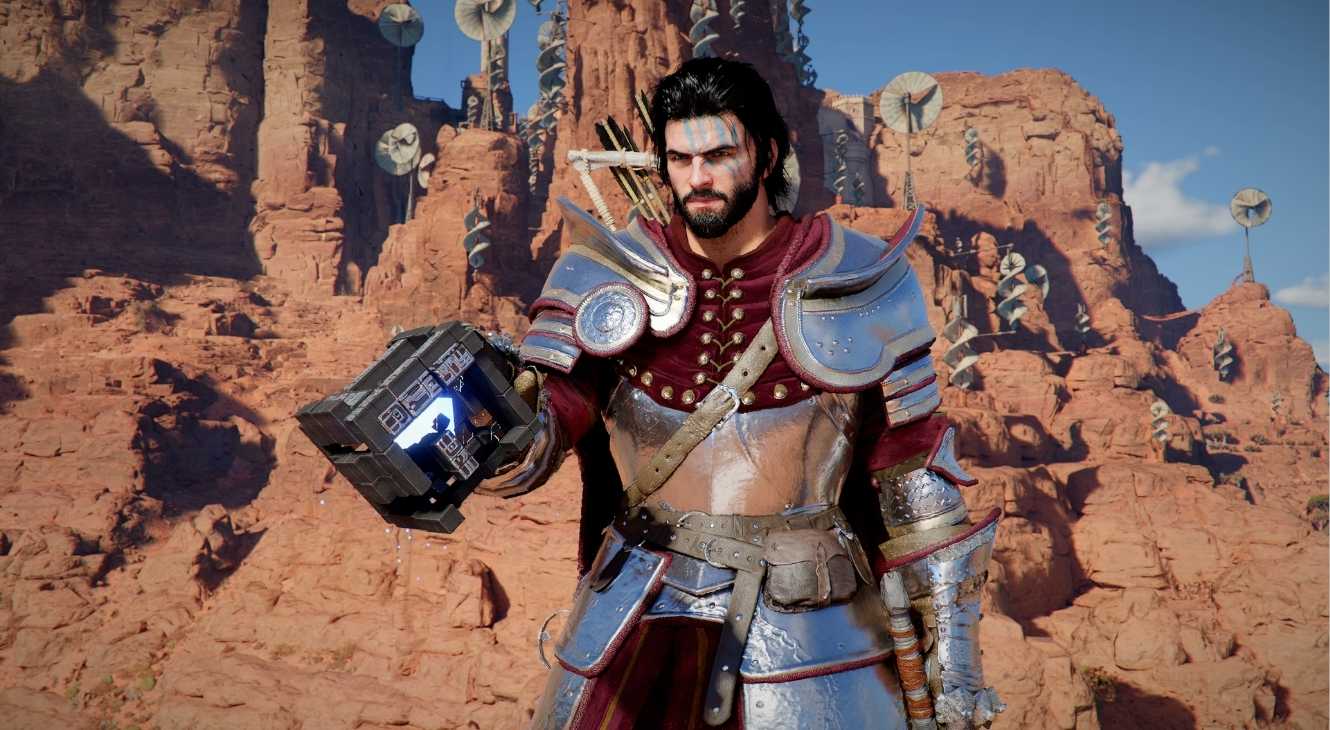
Playing your way also extends to how you navigate the vast, diverse world of Crimson Desert. I am the kind of player who routinely gets stuck on mountains. Like anyone, I know that the shortest distance between two points is a straight line, and every game I play, even when I know I will be shut down, I try to climb over the mountains instead of walking up the winding path. Crimson Desert is the first time I have played a game where I can, in fact, climb the mountains.
It may seem simple, but Pearl Abyss’ Crimson Desert makes the stark claim that “if you see it, you can go there.” This is something that the reps in the room kept telling me the first time I went hands-on with a demo. The statement itself is as ambitious as it seems simple. The world of Pywel is one without restriction. The player can interact with the world around them in every single way. They can fling themselves from trees, climb tall mountains, fly through the sky on dragons (and yes, even a jetpack), and all of it is up to you.
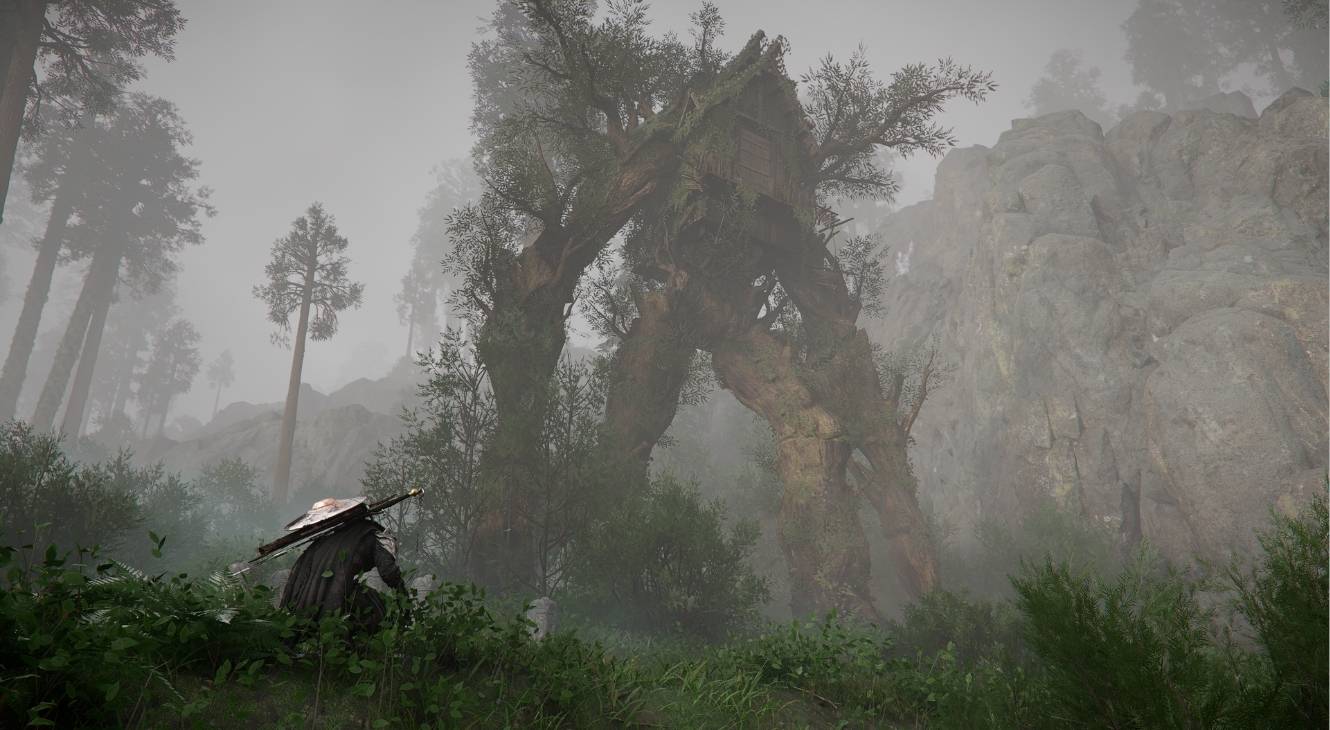
But it’s not only how you move, but where you move through. Crimson Desert offers a wide variety of biomes, adventures, and landscapes, none of which feels more underserved than the other. This is an expansive world that grows and grows as you move through the story, and it’s up to you to chart your path.
The only restrictions on your movement through Pywel are your standing with different factions, whether or not you have the right keys, and whether your stamina can keep up with your goal. But as you get more powerful throughout the game, Crimson Desert is a sandbox that sparks creativity and exploration at every turn.
This spark of curiosity makes reviewing it a difficult undertaking. The push to speed through a game with this level of depth does a disservice to the game itself. At times, I found myself frustrated that I wasn’t moving fast enough, when in reality, I should have been appreciating the complexity of systems and travel.
It is not an exaggeration to say that Crimson Desert is hundreds of hours long if you aim for that illustrious 100% completion. But because of its length, depth, and the reality that this game can keep you lost for 150 hours and still not be completed, the review window creates the worst possible way to play.
That being said, the frustration that comes from being a critic on a time crunch also shows exactly how divisive Crimson Desert will be. As a game, there is not a single simple system. Whether it’s timing, combo inputs, storing things in your house (which couldn’t be done during the review period but will be possible at launch via a patch), or petting dogs, everything in Pywel has a system behind it. Learning those systems and how they interact is a large part of better understanding the world that you have been dropped into.
In that way, Pearl Abyss is highlighting their 10 years of building MMO systems depth. For players looking for complexity, Crimson Desert’s depth matches its environmental expansiveness and will excite them. However, for players who have been conditioned on American RPGs, where pressing A multiple times is all you need to do for combat, NPC relationships exist on a stark binary, and you can escape a bounty if you’re just fast enough and not wake up in jail, they’re going to be taken aback.
This is a single-player game with the depth and breadth of exploration and systems of an MMO.
Due to its system depth, Crimson Desert can easily feel overwhelming. Simultaneously, though, that depth is a breath of fresh air in a gaming landscape that continuously simplifies inputs and systems. Tedium is not the same as being boring, and Pearl Abyss understands that, packing enough engagement into the systems to warrant others that can feel like a slog, primarily when it comes to inventory management.
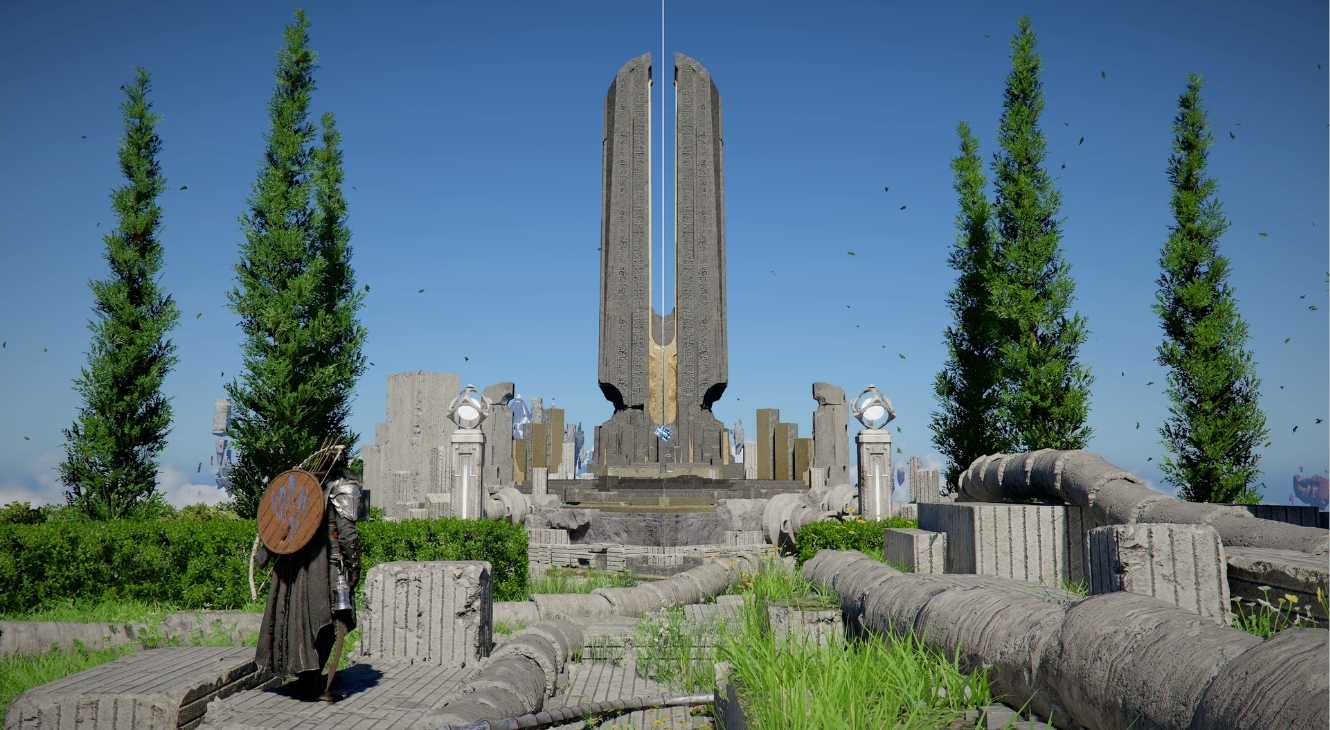
That said, Crimson Desert truly does not have an equal to compare it against. It hits the open-world, endless-exploration that Bethesda titles are known for, and it maintains the visual fidelity of a title like Cyberpunk 2077, but in the end, it is in its own class. Developed on Pearl Abyss’ BlackSpace engine, the game consistently proves itself as one of the first times in a long time that it feels like gaming has taken a giant leap forward.
It is easy to apply that statement only to the level of fidelity the game delivers through its dynamic lighting systems, character models, and a far-reaching rendering that absolutely surpasses other titles that promise open worlds. The BlackSpace Engine renders vast, far-reaching open worlds in great detail and enables a continuous exploration experience with seamless loading, and none of it feels buggy.
This opinion is only formed from my time with the PC version of the game, but aside from the sometimes annoyingly long load into your save when you start a play session, there is no waiting for anything else. You can just look at a point of interest and go to it. Your path can be as creative or as simple as you want. Crimson Desert offers not only unique traversal, like slinging yourself from a tree and into the air as you glide across a chasm, but it also offers a verticality that is hard to define but changes how you view the world of Pywel.
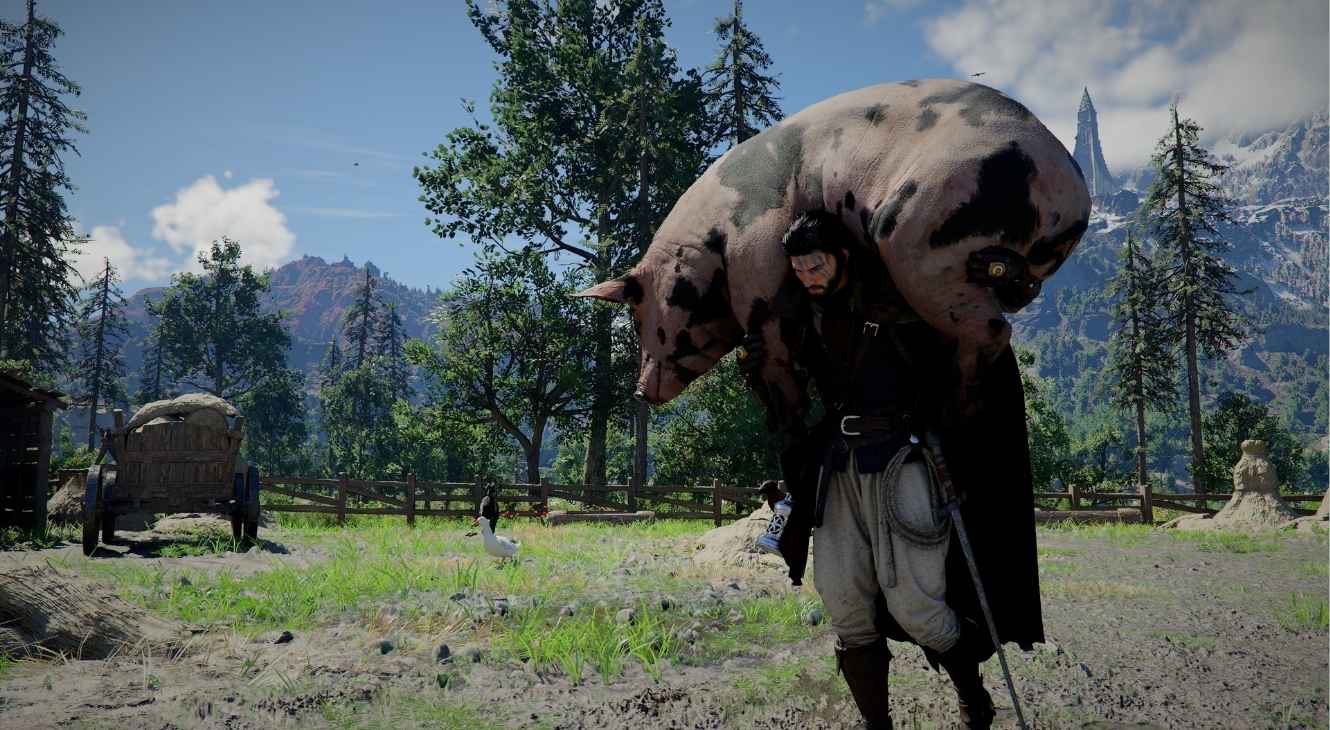
One of the handful of issues that Crimson Desert suffers from is also its biggest strength. The amount of interactivity in the world begs the player to touch and pick up everything. However, the system itself isn’t always easy to manage. It’s often hard to focus on one item to pick up in a group, easy to accidentally buy things off the table when just trying to talk to the NPC, and the animal-petting system is let down by interactions that don’t extend to other animals.
When a game is so open and interactive, the moments when you can’t interact the way that you intend to get annoying. And the more developed areas, with more people and more items, become more difficult to navigate. Committing crimes, like assaulting, murdering, and stealing, is an old faithful in RPGs, and it’s alive and well in Crimson Desert, just not as avoidable as you would expect.
Additionally, I am happy to say that I have not done anything against the law… on purpose. Unfortunately, the automatic interactions tied to moving forward (like a door opening automatically when you walk up to and push against it or pushing someone) are an extension of Crimson Desert’s interaction frustrations.
The number of times I have assaulted someone just by sprinting toward a bandit camp to save them, but Kliff hit them too head-on, and now I am grappling with them on the ground, is too many, and the amount of coin I have spent bailing myself out of jail for assault is too high. Ultimately, the issue with a game that has systems this intricate and has promised full interaction is that when things don’t align, they stick out.
Additionally, menu refinement is a must to truly take this already masterful game into “perfect” territory. But with the number of patches that have just rolled out during the review period, it’s astounding how dedicated Pearl Abyss has been to finding and fixing new issues in the massive world of Pywel.
Pywel is a place I never want to leave, and my story there is my own.
This review is clocking in at 3000 words, and even then, it has only scratched the surface. Not just on the gameplay aspects, but on just about everything. Crimson Desert is so large that even when it begins to buckle under its weight in certain systems, it comes back even stronger with others.
This is a massive undertaking for any development team. It’s ambitious to a point that it becomes curious that it was attempted. But unlike Captain Ahab, this is a level of investment and ambition that ultimately pays off in the highest order. The level of detail in Crimson Desert is unlike anything we have seen in this console generation. And to top it all off, the optimization has made it possible to play on a Mac. Yes, on a Mac.
Crimson Desert captivates a player, pulls them in, and doesn’t let them detach. Everything in this game is built to make you invest more time, more care, and ultimately develop a level of curiosity that immerses you even more in this world. As I wrap up this review, I just want to go back into Pywel and fully intend to. Despite some issues with systems that could have used refinement, no amount of frustration will keep me from returning to Pywel and placing Crimson Desert as one of the games to beat for best of the year.
Crimson Desert
-
Rating - 9/109/10
TL;DR
This is a massive undertaking for any development team. It’s ambitious to a point that it becomes curious that it was attempted. But unlike Captain Ahab, this is a level of investment and ambition that ultimately pays off in the highest order. The level of detail in Crimson Desert is unlike anything we have seen in this console generation.