
As is their MO, Remedy Entertainment doesn’t want to just repeat Control’s success for Control Resonant. The action RPG follow-up to the excellent 2019 game is shaping up to be another rich layer to the studio’s growing universe.
In a hands-off preview of the game’s world and mechanics, what is striking is that richness is not just coming from new ideas but also from what Remedy is choosing not to do with their upcoming title.
Remedy is all in on Dylan in Control Resonant
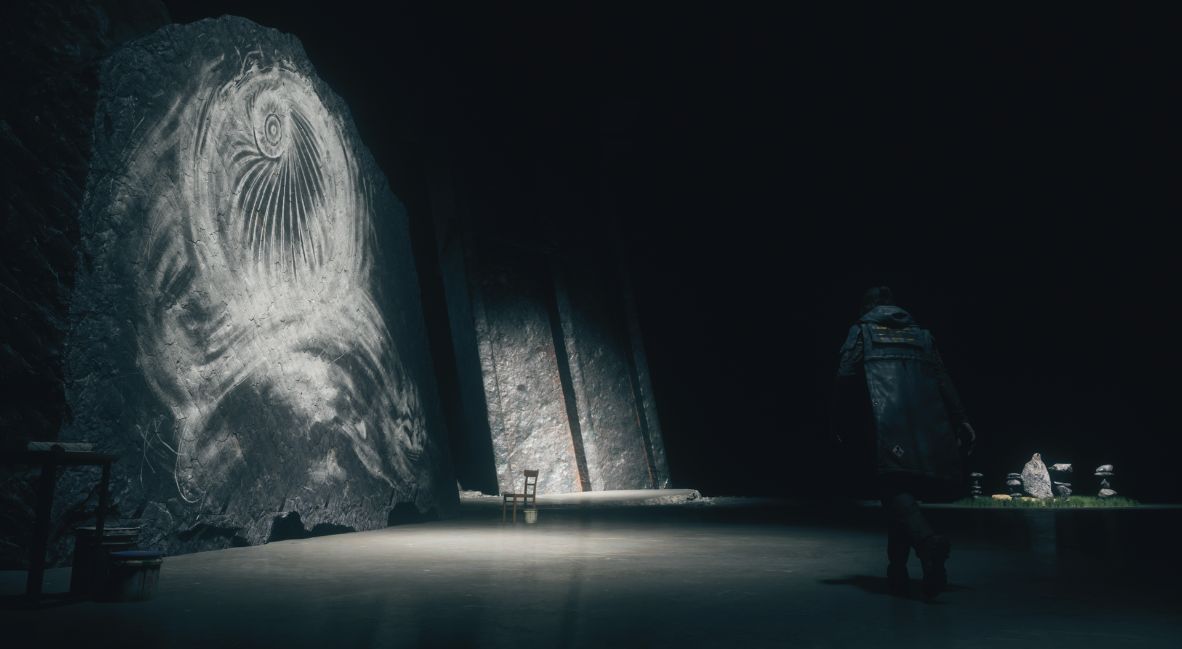
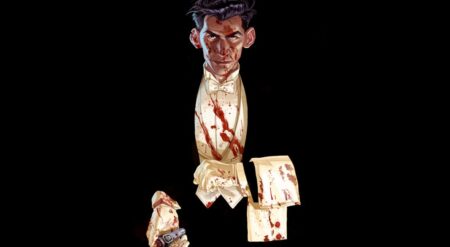
First, they’re not playing any tricks on players: Control Resonant players will only inhabit the shoes of Dylan Faden (Sean Durrie), the brother of Control’s Jesse Faden (Courtney Hope). There’s no moment when the game fakes out and switches perspectives. While this will surely disappoint fans of the Director, Jesse is still going to play a pivotal role as the Federal Bureau of Control expands across New York City to contain a massive outbreak of supernatural entities.
Dylan, on the other hand, has much to prove. Having spent most of Control as an antagonist to his sister and the FBC, he clearly has some hesitancy when working with his new handler, Zoe De Vera (Frankie Kevich). Remedy says that Zoe “takes responsibility” for Dylan’s actions throughout the game.
She doesn’t seem to have much to say about Dylan’s past, though, as the demo of the new dialogue UI demonstrates. Dylan gets multiple dialogue options in the sleek new UI, but the strong characterizations Remedy is known for aren’t going anywhere; so it remains to be seen how much impact those dialogue choices really have.
“All killer, no filler.”
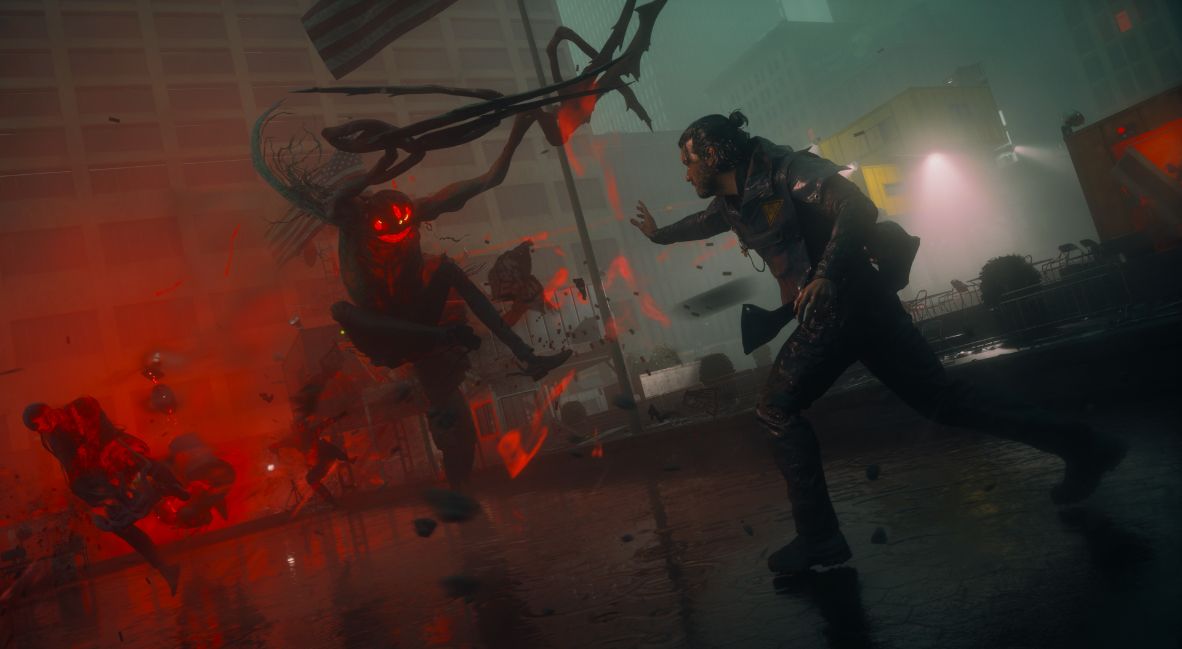
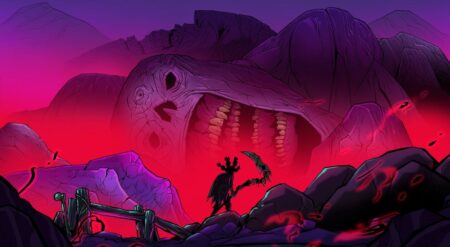
The New York Dylan is tasked with saving a broken city that is broken into “Incursion Zones,” pockets of the city where The Hiss (and possibly other entities) are breaking through. These zones are large biomes, scaling enough to give players side stories in the form of “world” quests. However, Remedy’s team is very adamant not to call this an open-world game.
Control Resonant avoids giving players a critical mass of tasks, instead going for what the team says is “All killer, no filler.” These zones are still large enough to give players flexibility and (heh) control over how they proceed, but they are distinctly and purposefully created environments.
This careful design extends to the map itself, which Remedy specifically highlights as improved based on feedback from Control. It is relieving to see the map screen not completely littered with icons and have a clean appearance.
Other refinement exists in picking Dylan’s skills and power-ups. Players will be able to take Dylan into “The Gap,” an astral space that, among other things, lets Dylan go to specific locations to adjust the loadout of his abilities. For those who have played the Star Wars Jedi games, this space is going to feel very familiar. There’s a novelty in navigating Dylan to each of these menus, but it doesn’t add that much to the experience.
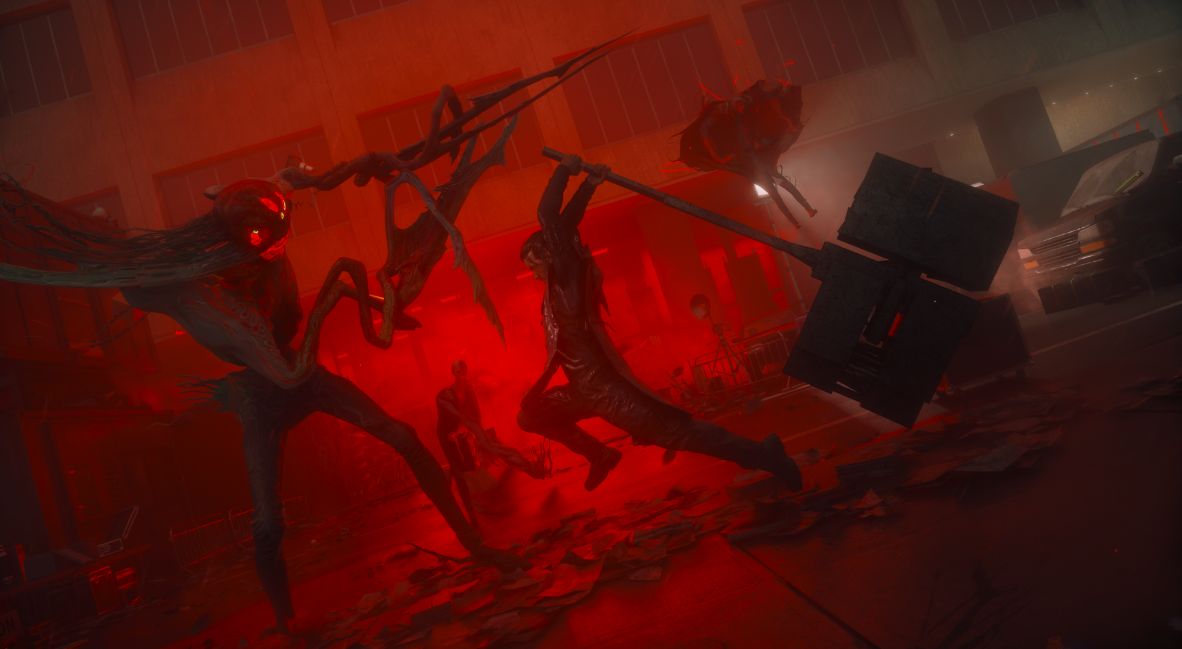
Those abilities look to be the really crunchy part of Control Resonant. The first Control had some surprisingly dynamic combat, with a mix of ranged weapons paired with psychic powers. In Resonant, that long-range weapon is gone, and in its place is a dynamic melee weapon called the Aberrant.
Control Resonant’s combat is a standout.
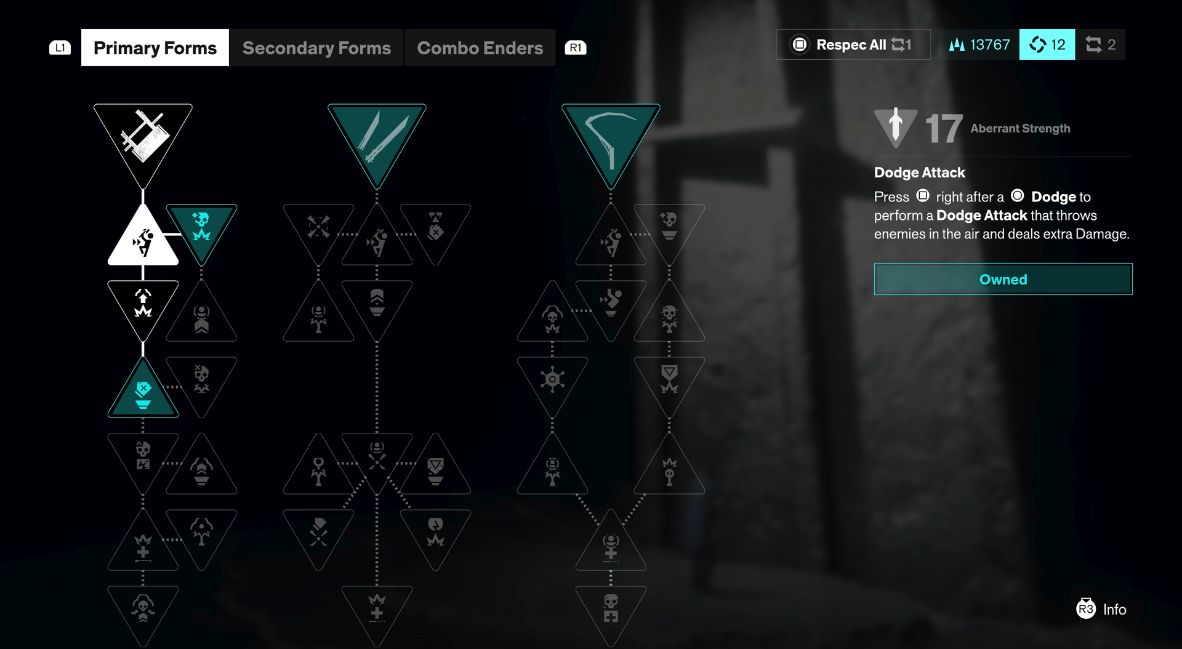
This weapon’s morphing form on its own is enough to be a fulfilling combat system, but there’s much more. Dylan gets various abilities stemming from the powers he absorbs from the Resonants he defeats in the various zones. Only one of these powers can be set at a time, and they guide the further loadout of actions Dylan can use.
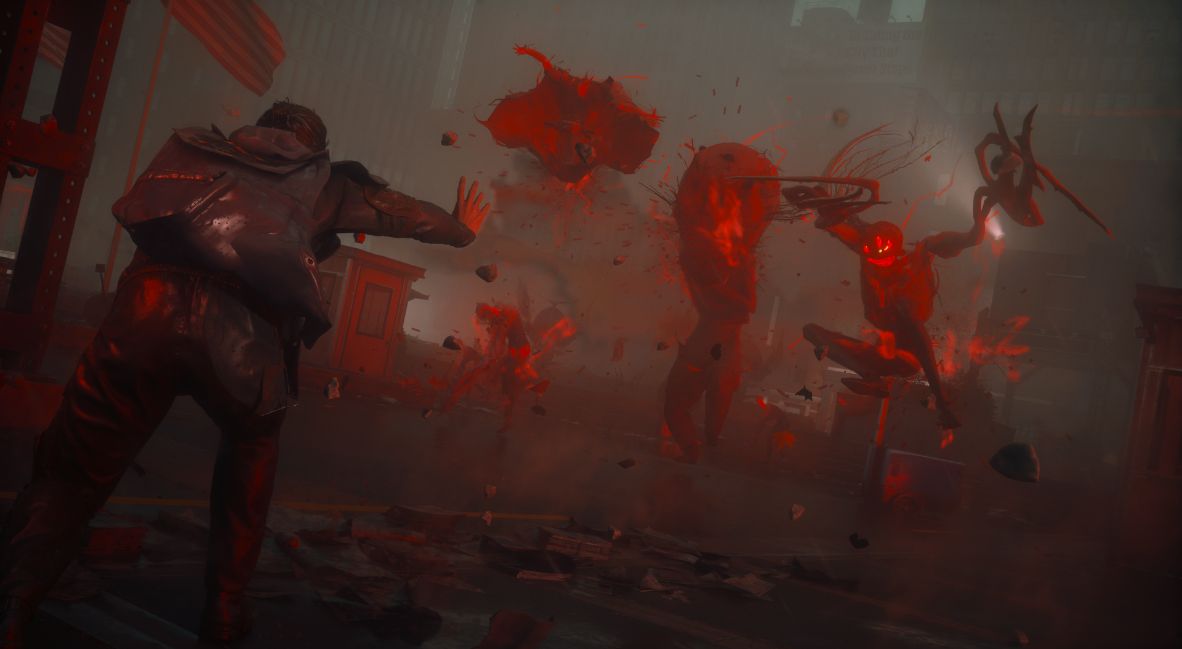
With this foundation, Control Resonant’s combat becomes a very dynamic affair. Remedy’s preview showed Dylan both at his extremely offensive, blitzing entities around the area and in a tactician’s chair, setting up strange turrets and holding back until he could go for the kill.
This doesn’t mean that players will be able to min/max their way into passivity. In order to use his various powers, Dylan will need to get into the red zone and physically fight to regain energy. It’s a design tactic from the Doom (2016) school to keep players engaging and moving, and it’s a good trick to ape.
Remedy says there’s a lot to uncover as the game progresses, hoping to reward and challenge the creativity of players. Bosses will certainly do that if the extended preview of the Dancer boss from the recent State of Play is any indication. Even with only a brief look at what is almost certainly a first phase, there was an excellent sense of unsettling atmosphere around the Dancer’s design, movement, and lighting.
The real Control 2
Even with cinematic approaches, players should probably not expect Control Resonant to follow too closely in Alan Wake II’s footsteps. Resonant is indeed the Control 2 planned the entire time – again, no tricks here – and it’s been on that path the whole time. There’s been little crossover with the Alan Wake II team, including Sam Lake, driving home how much this is the Control team’s baby and ongoing evolution.
Of course, this team was careful not to give away what that evolution will look like. We’ll certainly see returning and new members of the FBC. Dylan’s perspective is what’s driving the shift into more RPG elements. But only time will tell where the larger Control narrative goes in the game. Given the original game pushed boundaries in its own way, Control Resonant has big shoes to fill, even without Alan Wake.
Those shoes will fit just fine, if this preview is any indication. Control Resonant strongly stands out among a very competitive year for games. Knowing now, as well, that this isn’t evolving into yet another massive open world is going to make this a much easier pickup for those who would otherwise skip Grand Theft Auto 6. Personally, I cannot wait to get my hands around that combat system and crack some Hiss all over again.