
Neverness to Everness, a live-service, urban open-world RPG from Hotta Studio and Perfect World Games, held its latest beta test to showcase the opening of the upcoming title. Narrative, character, exploration, and combat were all on display, giving an early look at what fans can expect. While there was a lot to be impressed by, a few elements may be a hurdle for potential players.
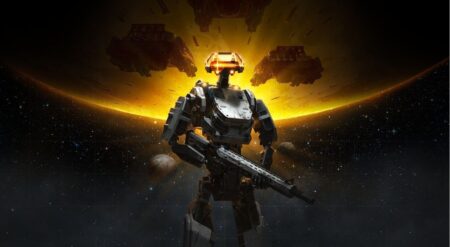
Neverness to Everness takes place in the sprawling metropolis of Hethereau. The world is filled with magical occurrences referred to as anomalies. These anomalies can take many shapes and forms. From pocket dimensions where monsters live, to environmental changes in our world, and even helpful critters with TVs for heads. Basically, it’s a catch-all in the game for anything you encounter that isn’t real.
To help protect people from the dangerous anomalies out there are Espers. Espers are people who have extraordinary powers, allowing them to confront the supernatural dangers that anomalies can bring. The player takes the Role of an Esper, most frequently referred to as ‘The Appraiser.’ Found with no memory at the ground zero of a massive anomaly event, they have opted to become an Anomaly Hunter, joining the Bureau of Anomaly Control (BAC).
After a tense setup, Neverness to Everness settles into a slice-of-life pace to start the game off.
The introductory moments of the game get The Appraiser’s story set up fast, and with some intriguing elements incorporated into it. Between the scope of the opening event and the incredible design of the cryptic individual who seems responsible, the setup creates some compelling narrative elements, even if its core structure will feel very familiar.
Once the game properly begins, however, all of the grander elements are put on hold for a more “slice-of-life” setup, where you work day-to-day, dealing with hazardous anomalies. Working out of a small antique dealership/anomaly hunters’ HQ, you are grouped with a cast of quirky characters as you solve the metaphysical perils facing the locals.
Through both main story missions and side quests, Neverness to Everness expands upon its world, its concepts, and the activities players can take part in at a good pace. And there is a lot to discover. Despite only having access to part of Hethereau, what I was able to explore is easily one of the biggest, fullest cityscapes I’ve ever experienced.
Hethereau is easily one of the biggest, fullest cityscapes I’ve ever experienced.
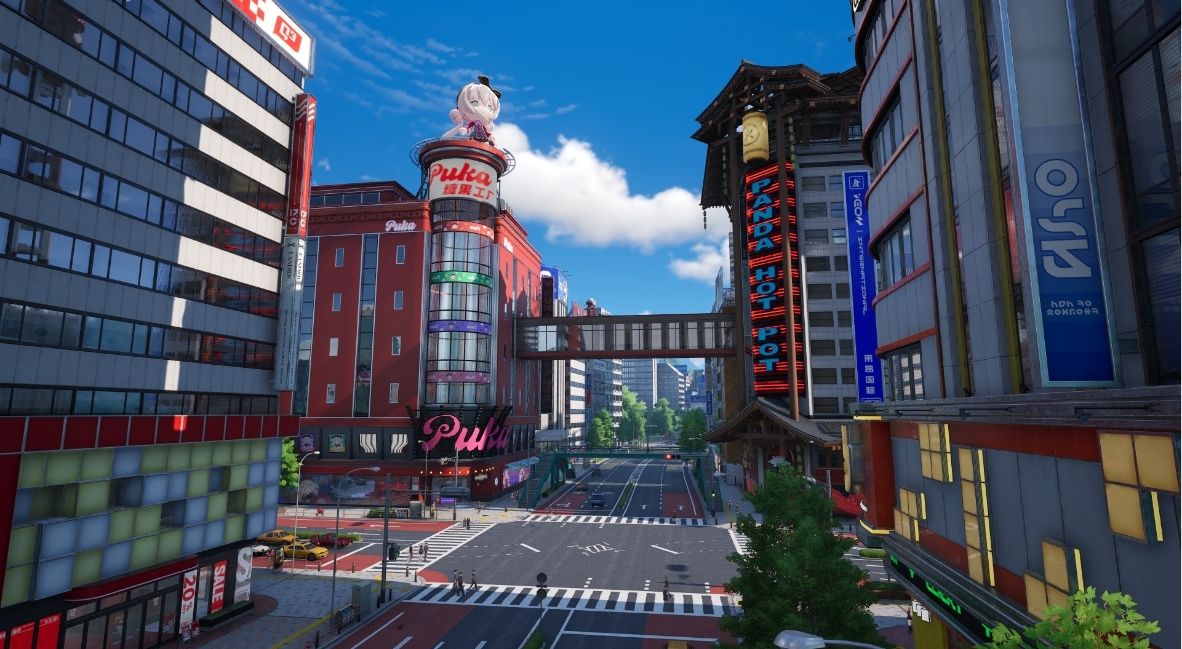
The density of buildings, placement of roads, shops, parks, and other facets of urban life are all done with incredible mindfulness. The city feels amazingly real. How its structerd, separating residential and commercial areas, and the way buildings are designed all create an impressively convincing city.
All of the structuring and design is made even more impressive by the gorgeous visual presentation. Glass office buildings shine in the sunlight, and blossoming trees line roads, creating warm, comforting arches of pink and purple to pass under. It crafts picture-worthy moments wherever you go. It is a place a player can just drive around in and marvel at.
The only problem with the size comes with maneuvering around some of the tighter spaces. Running, climbing, and gliding create the standard open-world movement package here that players expect. However, some elements, particularly climbing, feel less optimized than in other modern implementations of the mechanics. Hopefully, they will get polished up before full launch to make foot travel smoother.
The Appraiser’s encounters with anomalies are sure to stick with players.
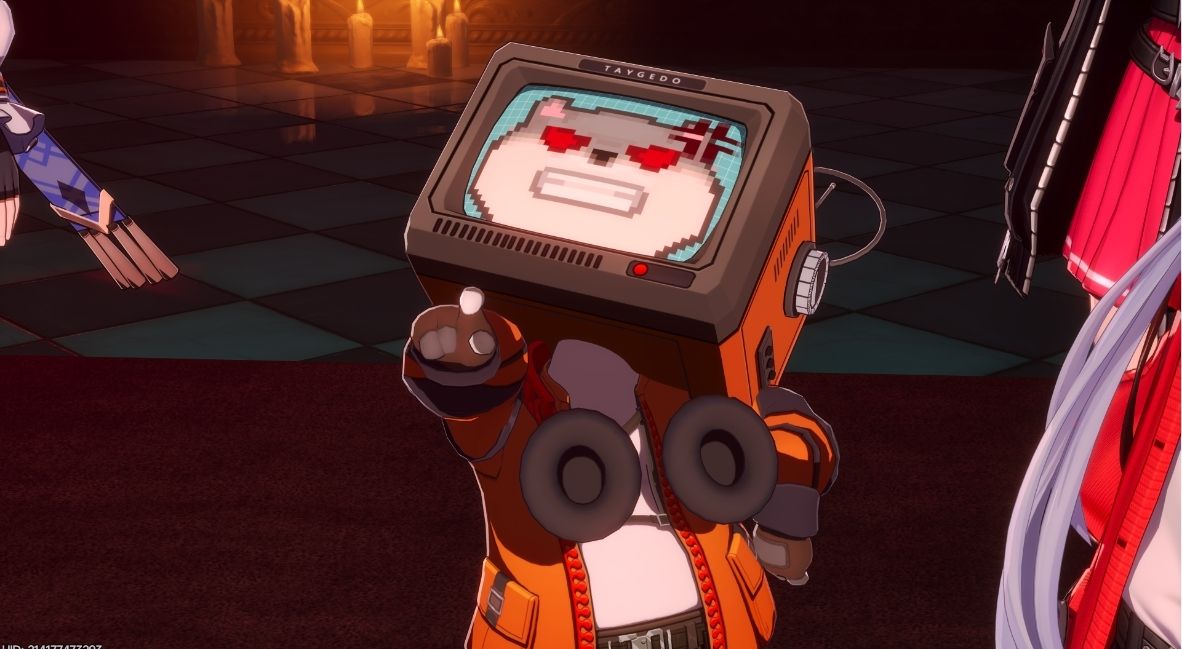
No matter how enormous or lovely a gaming world is, it’s only as engaging as the things you do and the people who occupy it. Neverness to Everness looks to populate its world with both events and characters that players won’t soon forget.
The Appraiser’s encounters with anomalies are sure to stick with players. From random side jobs to main story quests, each feels incredible and interesting; it’s only the scope and surrounding narrative that differentiates the two styles of jobs. There are no just go here and fight a generic enemy quests; everything has some kind of twist.
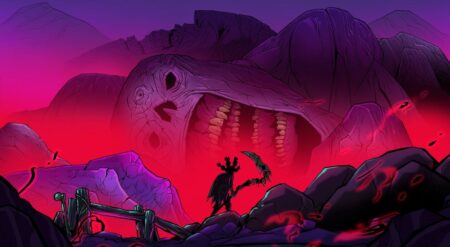
From scaling a tower that forms before your eyes, to puzzling out how to shut an unearthly door in a back alley, the visual and gameplay design of each anomaly makes them more memorable than they otherwise might be. A city block transformed into a cube that requires coloring, or a building’s blueprint that becomes a perspective puzzle for the player to maneuver through, are just a couple of examples of side jobs. The way the game twists the world around you at times creates surreal environments that add a layer of wonder, or dread, to missions. And can also just be great fun.
Neverness to Everness’s creativity, depth, and detail of these concepts and designs set an incredible standard.
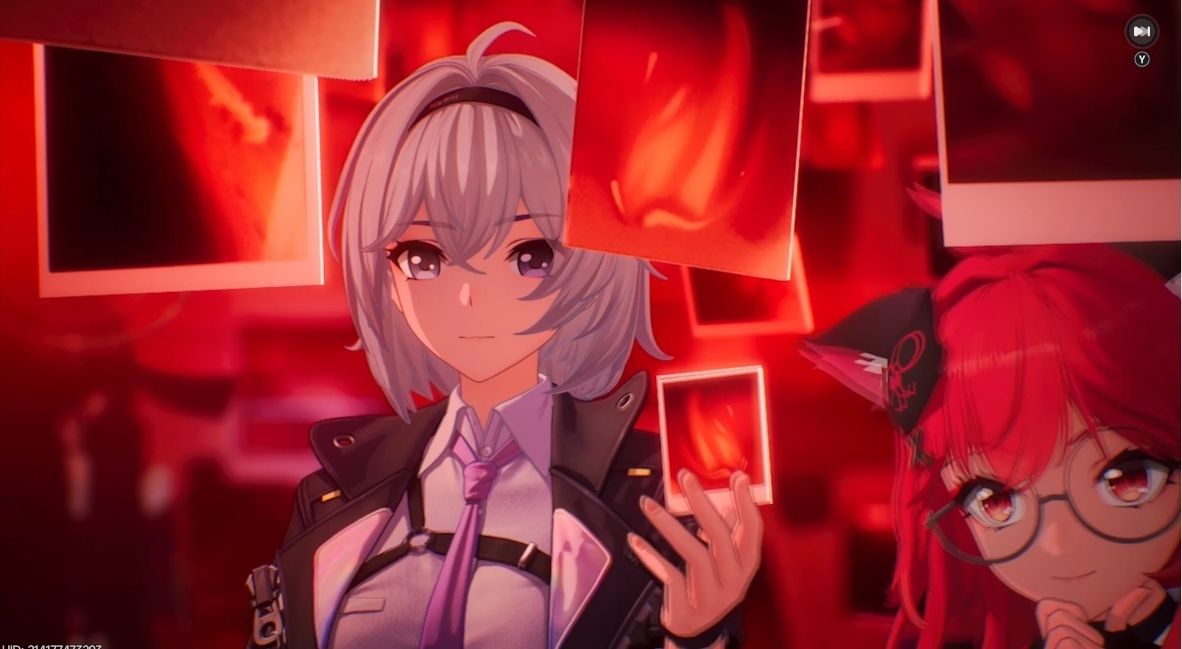
And while the side jobs offer quick, trippy encounters, the main missions crank the weird up to eleven. A photographer’s shop becomes double-exposed, and a bizarre, shifting path leads deeper into the unknown, captivating with its look and audio. The creativity, depth, and detail of these concepts and designs set an incredible standard for the game, leaving an eagerness to discover what other twisting paths Neverness to Everness may contain.
As much as the game strives to craft unique, memorable encounters, it does the same with its cast. This is most successful when you interact with characters individually. A relationship gauge tracks how close you’ve become and can unlock rewards and prompt meetings with characters.
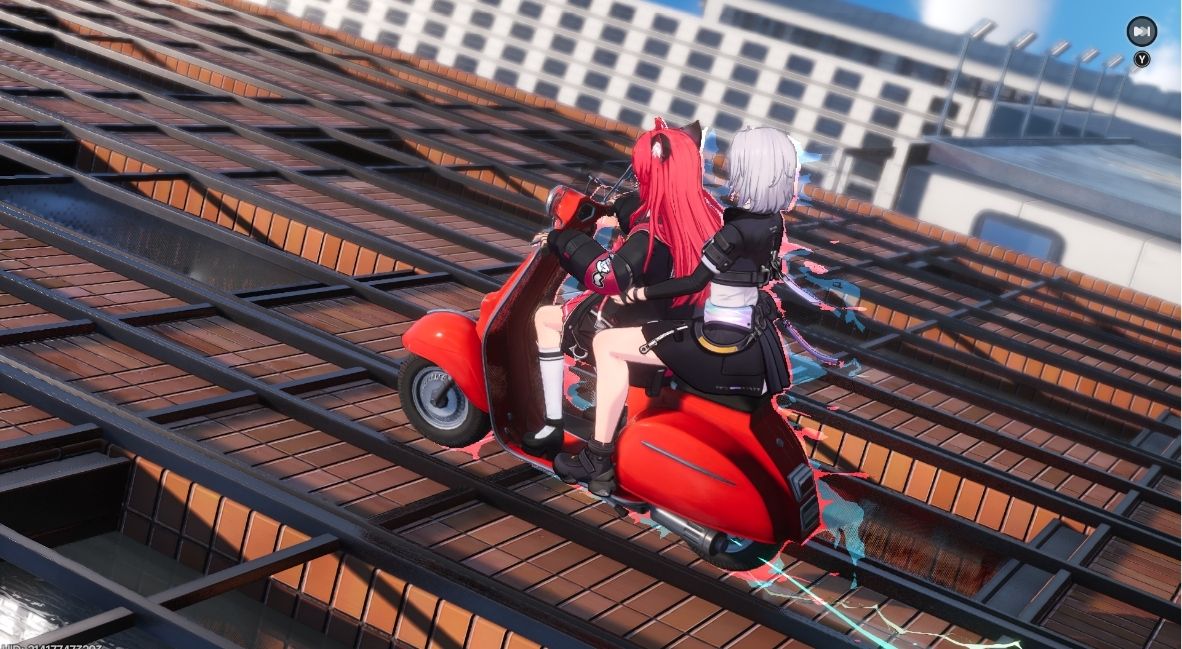
Once alone, even the most tedious personality frequently becomes far more charming. Little moments like tagging along to buy a motor scooter, or taking a train ride together, help you see past the baser elements to a far more likable companion.
Character’s kits are built around familiar roles.
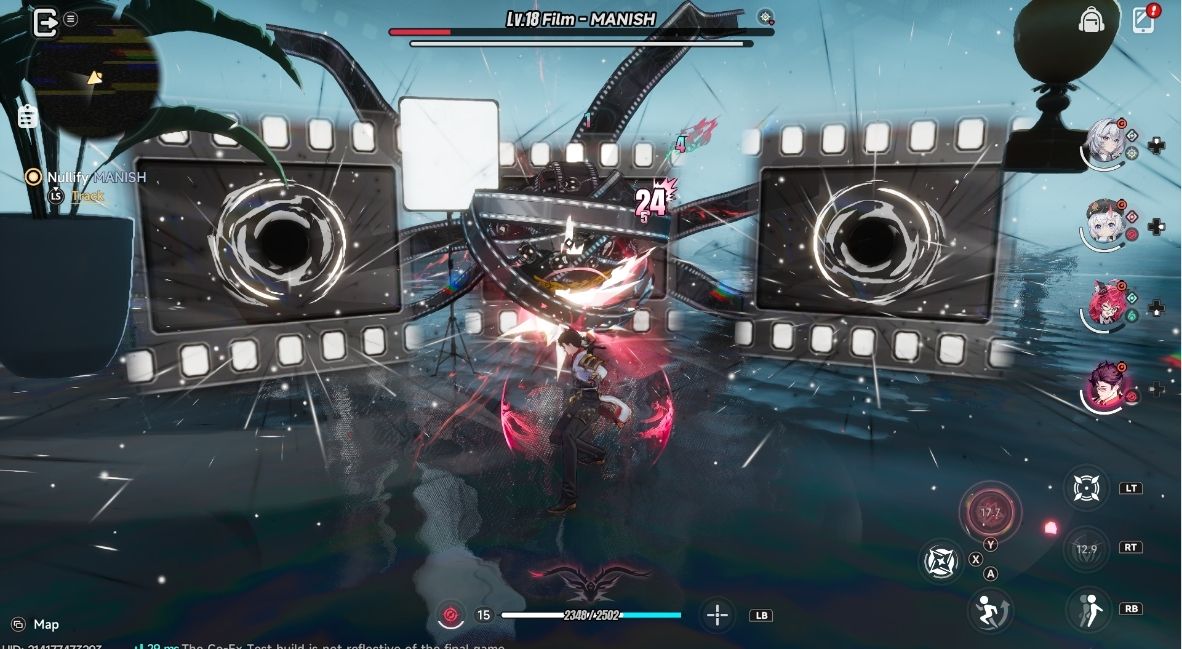
Neverness to Everness looks to craft a fast and fun combat system. Characters are frequently leaping, slamming, and dodging enemy attacks in ways that are always satisfying to execute and enjoyable to watch. Each character has four combat options. Their basic attack, their skill attack, their ultimate, and their support skills.
The kits are built around familiar roles. From burst damage to support and shielding, a brief look at a character’s abilities clearly designates what they are set up to achieve in combat. And despite having a simple core, the game already has characters that add extra elements to the combat.
One character I unlocked wielded pistols and would mark a target with her shots. Then use her skills to build up special Rose Contract Bullets. Once ready, the character could unleash a powerful barrage at the marked enemy. Such added effects and objectives in character kits help gameplay stay fresh, and it’s nice to see them in the game from day one.
Team-building adds layers of complexity to strategy in Neverness to Everness.

Even though individual characters seem fairly straightforward, team-building still appears to add some complexity to teams. Built with four characters, teams unlock special bonuses based on the combination of Esper (elemental) types that are in the party.
Support abilities can also only be used when a character is tagged into the fight by another who connects with them via these links. Finding ways to build teams with advantageous esper links while still maintaining strong, functional teams seems to be the trick for players aiming for the highest-damage team compositions.
Combat may be the central activity in Neverness to Everness, but there are other pursuits to switch things up with. Activities like fishing and racing can be found dotted around Hethereau. Also, there are collectibles scattered high and low, as well as incidental moments like stopping thieves and other street-level events plays can interact with.
And if they decide to misbehave, they can even become wanted. Though it seems like it will take a lot of work to actually get yourself in serious trouble. Which is good. If you drive like me, a more realistic meter would have you constantly in trouble with the authorities.
The gacha system takes the form of a board game with low premium guarantees.
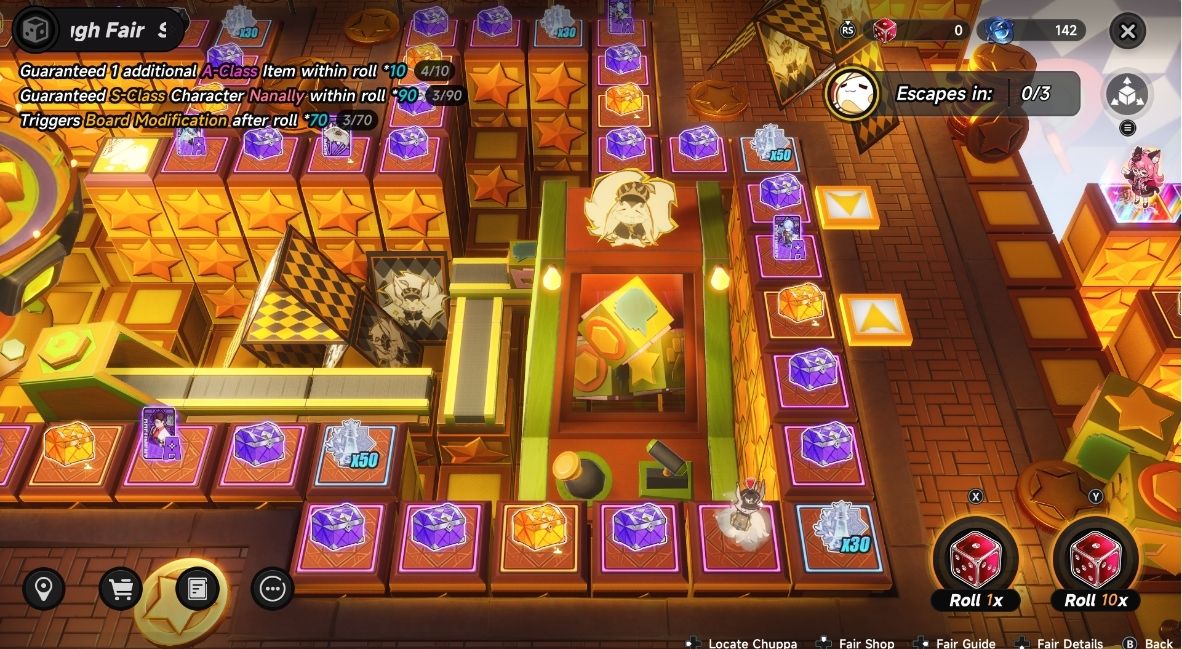
The final major element of my beta experience is with the gacha system. This game aims to set itself apart visually by presenting its premium character acquisition as a board game. Each time the player tries for a new character, a die is rolled, and their figure is moved on the screen. Some spots contain chests that can hold any number of things, from characters to upgrade materials, while others hold specific rewards.
While having different spaces do different things can make the system feel difficult to gauge when it comes to the odds of any given die roll getting you the premium character, there is one thing that makes it all feel much better. Players are guaranteed to get the premium character in 90 pulls. No chance to lose a 50/50 and get a standard character. After 90 pulls, it’s yours. This is the lowest premium guarantee I’ve seen in a major gacha title.
My initial impressions of Neverness to Everness were largely positive. A gorgeous world with fun combat and surreal, visually intriguing challenges is always worth exploring.
Neverness to Everness is coming soon to PlayStation 5, PC, and Mobile.