
Much like its source material, Christophe Gans’ Return to Silent Hill refuses to be tied down by simple descriptors. As an adaptation of the 2001 video game classic, Silent Hill 2—and to an extent, its 2024 remake—it plays fast and loose with its plot and iconography in a bid to create an experience more akin to a companion piece than a straightforward retelling. While that decision stifles the original’s emotional and thematic engine, it’s the least concern in an interpretation of a work that thrives on narrative incoherence.
Yet, despite such a solid foundation, Gans somehow manages to throw the baby out with the bathwater. In shedding so much of its source text’s makeup, it also loses the atmosphere and immersion that defined it.
The result is a film that tells but never shows, transforming powerful, implicit horrors into woefully explicit grotesqueries. Return to Silent Hill not only feels misguided and uninspired in form, feel, and function, but also marks a new low for the video game adaptation.
The adaptation fails to capture the atmosphere of the original Konami game.
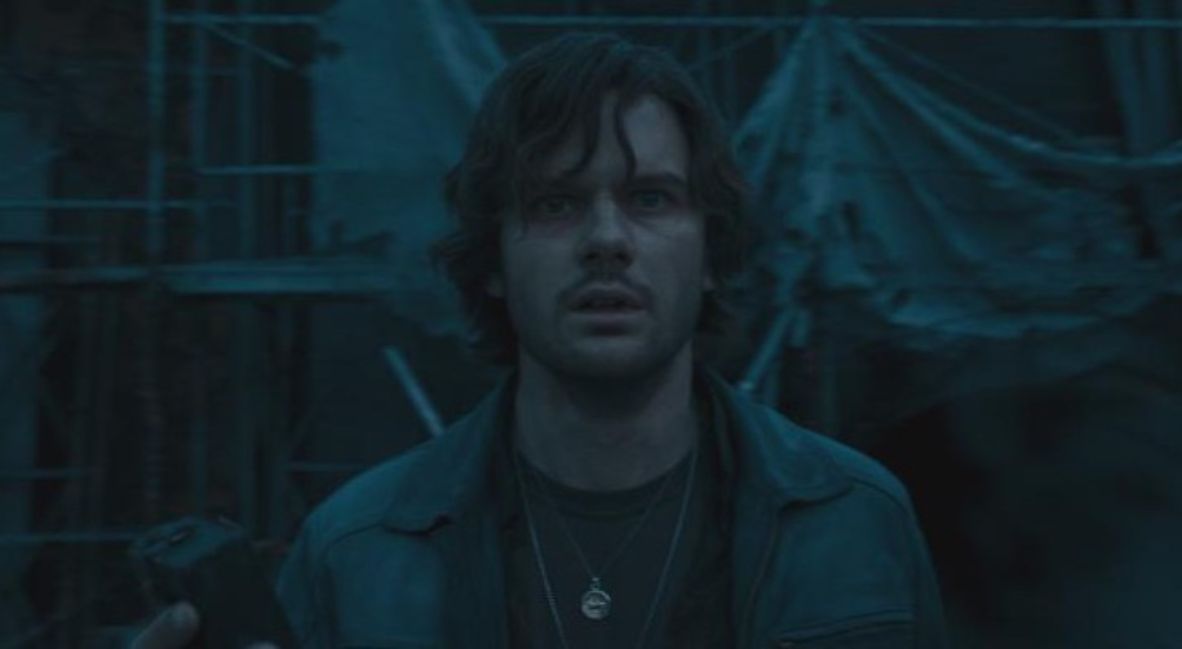
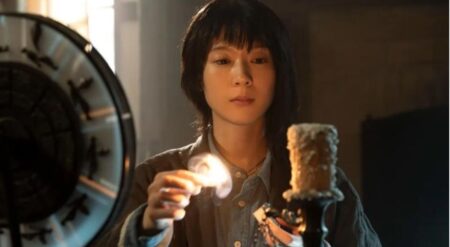
Jeremy Irvine plays artist James Sunderland, who is reeling from the death of his wife, Mary (Hannah Emily Anderson). After he receives a letter from Mary asking him to travel to her hometown, Silent Hill, he jumps at the chance, much to the chagrin of his therapist (Nicola Alexis).
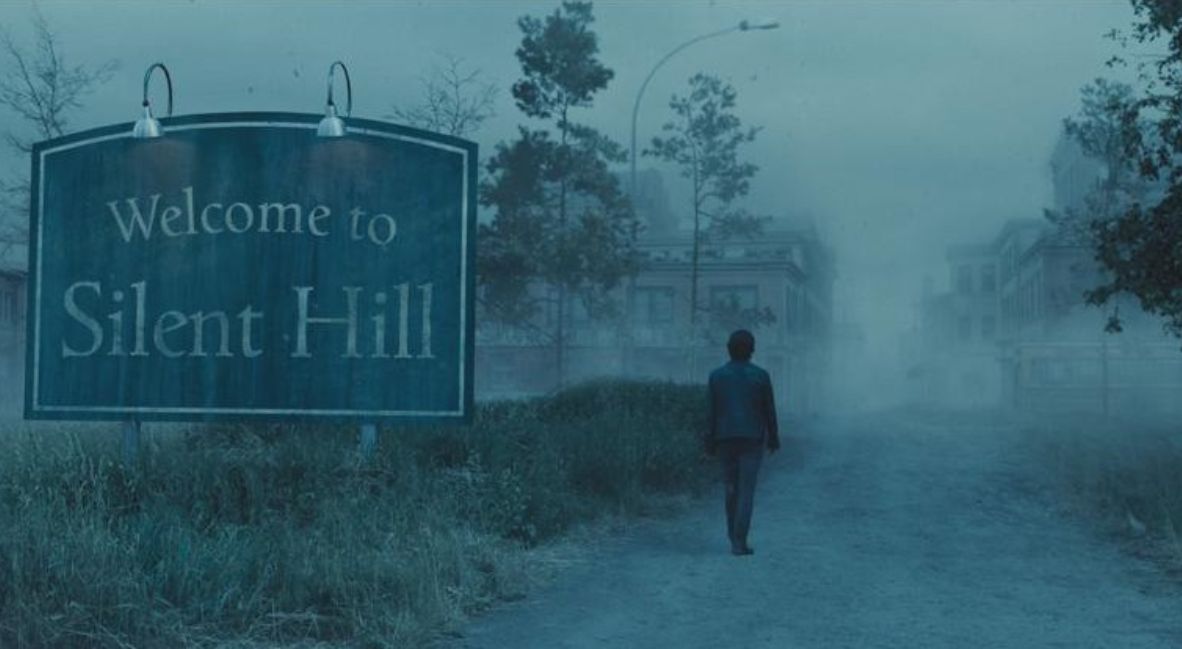
James arrives to find the town enveloped in fog, falling ash, and a grave assortment of monsters. As he traverses the city to find his wife, he bumps into other lost souls and the hulking, formidable Pyramid Head.
It’s a fairly simple setup that Konami’s original video game deepens with sheer atmosphere, often leaving its most resonant revelations unsaid. It’s a subtly affecting examination of trauma that is now suffocated by a cacophony of momentum-halting. These explanatory flashbacks zap the film of intrigue and catharsis, diluting its emotional and thematic thrust.
Return to Silent Hill plays like a bloated cutscene.
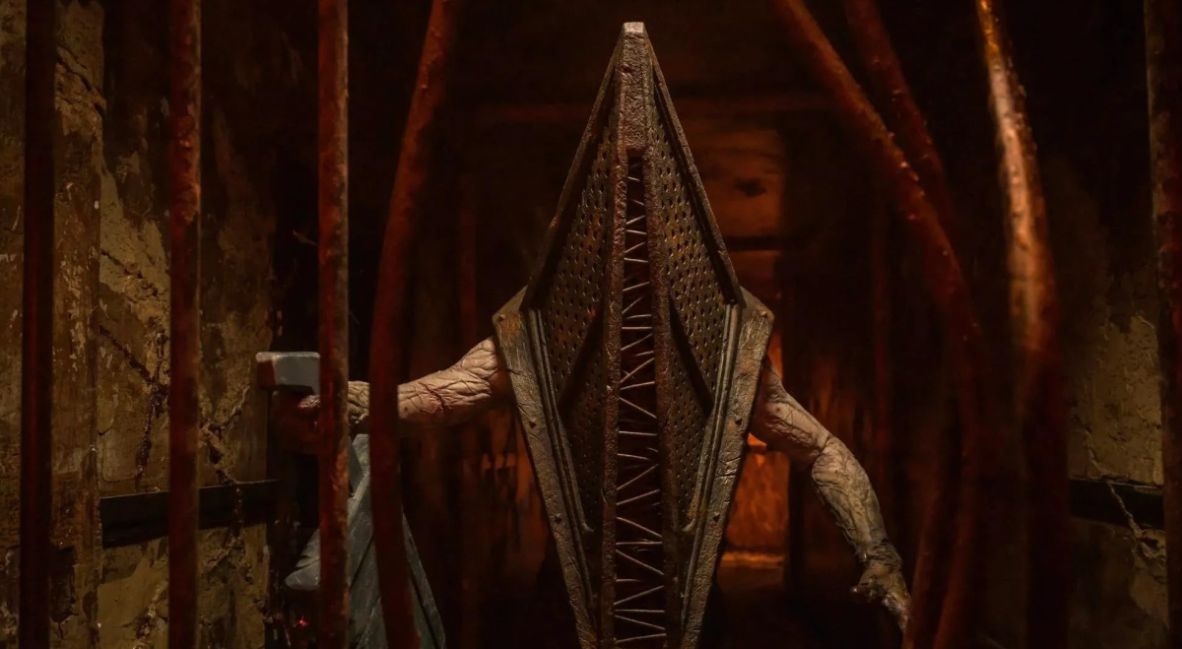
As a result, its horror fabric routinely fails to inform its protagonist’s headspace, often playing second fiddle to moments that spell out what each twist and turn in its trite haunted house is supposed to represent. It’s all the hallmark of leaden direction, feeling as aimless and lifeless as the town it captures.
Gans’s sheer disregard for the 2001 original makes his video-gamey visual approach all the more baffling. Unfolding as an inflated 106-minute cutscene, Return to Silent Hill feels more at home as a YouTube fan movie than anything meant for the silver screen.
Though its uncanny backdrops and embarrassing visual effects feel plucked from the same vein as its (loveably) stilted source material, they don’t carry the same charming effect. Instead, they feel more like the residue of wooden creative decisions than deliberate choices, as if perpetually trapped in a space between being the product of daring new direction and misguidedly unfaithful adaptation.
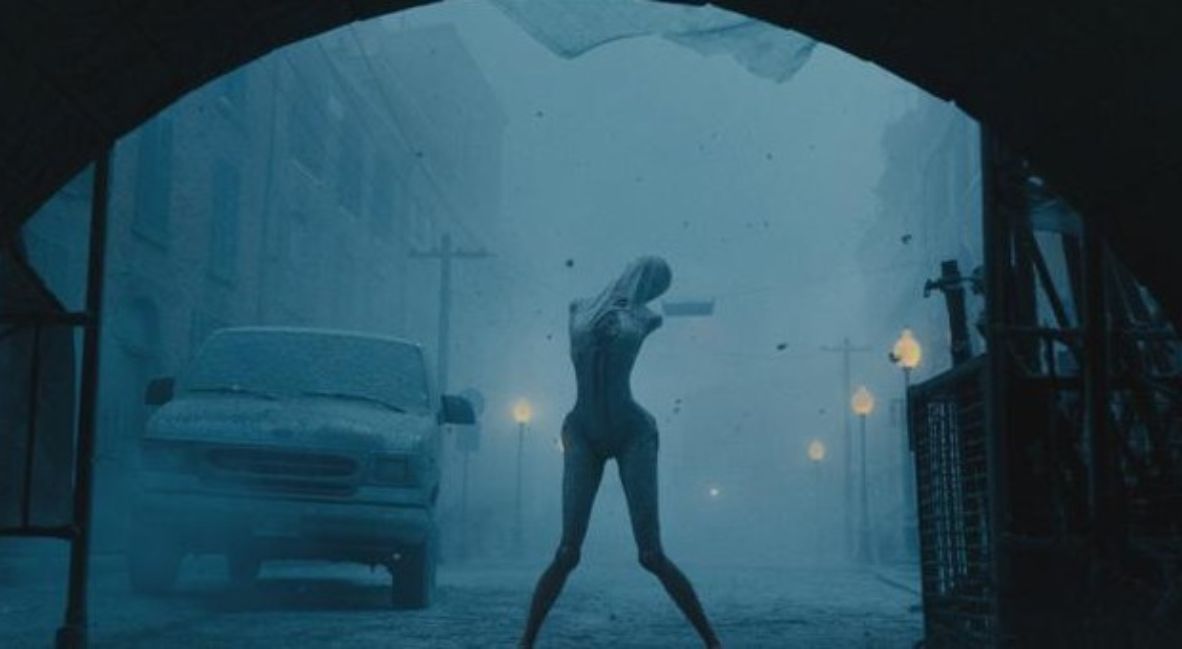
Despite some interesting creature design, the film offers little to no fun.
The same misshapen qualities seep into the character dynamics and dialogue, which somehow feel more stilted than the original PS2 game. It’s a grave effect that compounds when characters loudly state their traumas instead of acting them out, rendering what could have been planes of thoughtful introspection symbolism into hackneyed jump scares and set pieces.
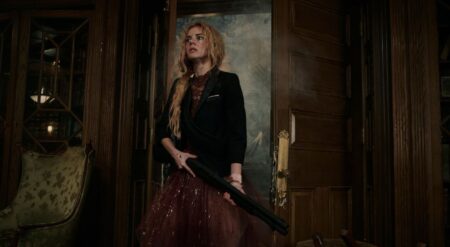
As a horror experience, Return to Silent Hill unfolds as little more than a panoply of garish musical stings and quick cuts. In being the cinematic antithesis of the psychological scares that defined its source video game, it fosters far more unintentional laughs than genuine dread. While some fun creature designs infiltrate the frame—namely, a grotesque mannequin-arachnid hybrid—the terror remains fleeting instead of affecting.
While it’s easy to label Gan’s film as the detritus of deleted scenes loosely stitched together, it feels far too reductive. Return to Silent Hill is the worst kind of failure, with little to poke fun at or admire amid its glaring missteps and miscalculations. Though it offers some fun visual callbacks to its source material, it remains a slog that feels far more arduous than James’ hellish journey into that restless dream of a town.
Return to Silent Hill is now in theaters nationwide.
Return to Silent Hill
-
Rating - 2.5/102.5/10
TL;DR
Return to Silent Hill is the worst kind of failure, with little to poke fun at or admire amid its glaring missteps and miscalculations.