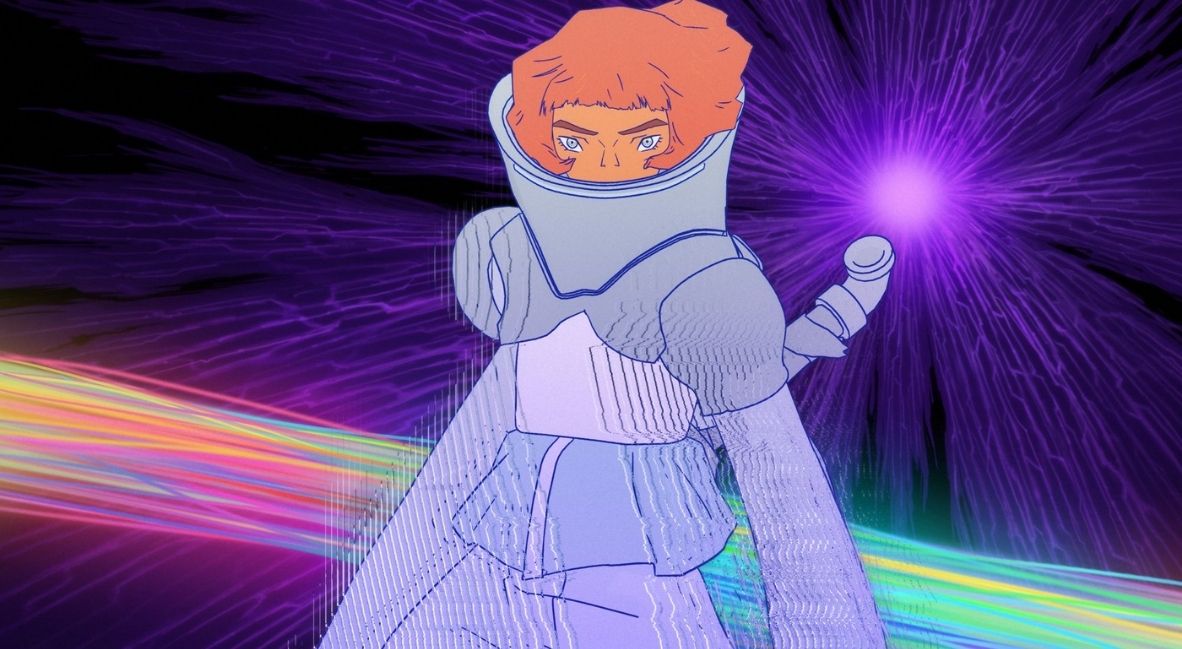
Directed by Ken’ichirô Akimoto and based on Hiroshi Sakurazaka’s work, All You Need is Kill (2026) is an explosive display of artistry and color. The story has gone through many iterations. First, a light novel, then a manga, followed by the excellent 2014 live-action film starring Tom Cruise and Emily Blunt, Edge of Tomorrow. The latest anime film returns to the story’s roots while pivoting the focus to Rita (Ai Mikami), rather than Keiji (Natsuki Hanae), with some staggering visuals nearly undermined by surface-level writing.
The major hurdle facing any time-loop narrative is the baked-in limitations. There are only so many times where we can watch a character wake, rinse, repeat, before we, too, grow exhausted by the monotony of their days. This is especially true if the protagonist leading the charge lacks the right intensity to draw us along through their repetitive timeline. It’s why the ones that break the mold or bend the rules, finding loopholes to broaden their story, such as Palm Springs, The Girl Who Leapt Through Time, Russian Doll, Happy Death Day, Edge of Tomorrow, and many more, survive in Groundhog Day’s extensive shadow.
In many ways, All You Need is Kill manages to break that mold. Mainly due to the extraterrestrial infecting the planet, which delivers with it a new, heightened threat beyond routine boredom. But despite an intriguing, action-packed premise, the film never quite overcomes the sensation of being an early draft. The craftsmanship on display stuns, but the writing lets it down. The worldbuilding excels, but the characters need more room to breathe.
Rita and Keiji are great ideas for characters who need greater depth.
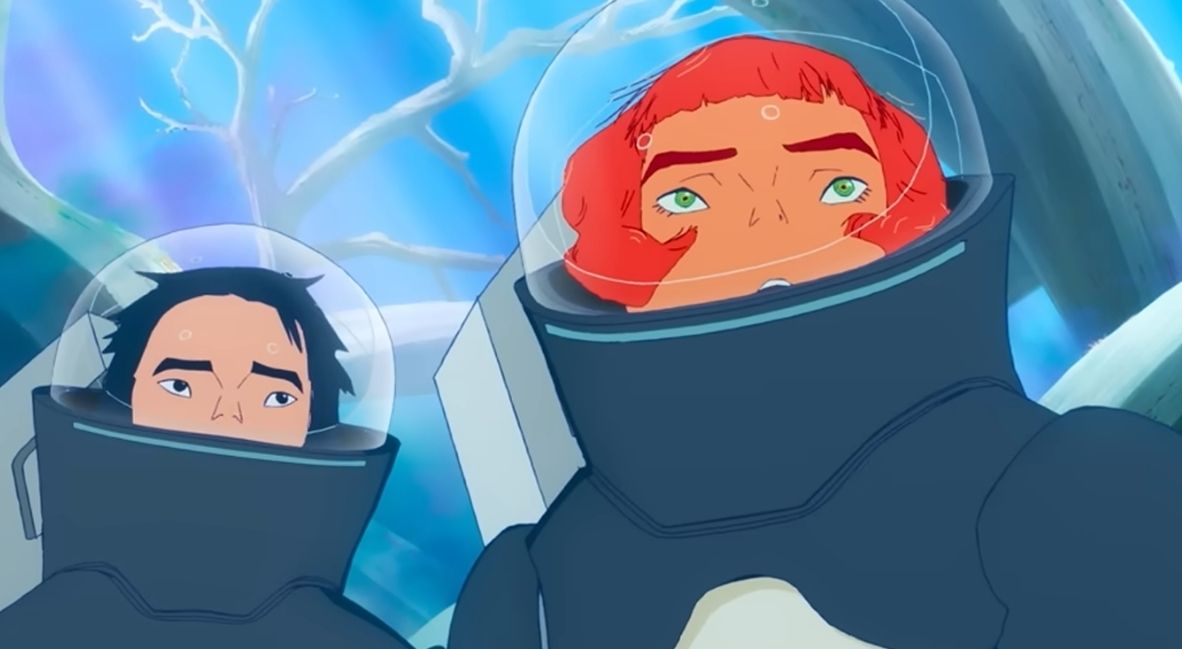
The adaptation by Studio 4°C (Children of the Sea) flips the script, making Rita the protagonist. Set in Japan in the year 20XX, the film follows Rita as she volunteers to help rebuild the country after the appearance of an alien life force, dubbed “Darol.” Her life, driven by isolation and monotony, is, in an ironic twist of fate, disrupted by forced repetition following the moment where Darol erupts, unleashing monstrous creatures that kill her and everyone around her.
However, then she wakes up. She’s killed and wakes up again. No matter how far she drives, how many people she informs, how much she trains to take on the floral, monstrous force, she dies, and her days reset. When she meets the shy but sweet Keiji, a young man stuck in the time loop, she’s given a new focus. As she finally allows herself to work together despite her trauma and abandonment issues, she embraces her inner and outer strength as a means to confront the impending, imposing dangers.
On their own, Rita and Keiji make up fantastic sketches. When we first meet Rita, she’s standing outside her car, watching the world encased in the brittle red lines of the alien takeover. It’s an apocalyptic sequence that speaks of great, unknown danger, and yet she smiles as the cage burns into the atmosphere.
There’s no time to break down the details of the world created by Hiroshi Sakurazaka.
The introduction is striking, especially as it contrasts with the next meeting, where she’s reclusive, keeping to herself despite many volunteers reaching out to her. She sticks to herself. But even the biggest introvert will grow sick and tired of themselves as their only honest, substantial company, and it makes her meeting with Keiji all the more important. There’s a moment when the loneliness grows louder than a crowd, and the two of them come into contact just as the noise grows suffocating.
But while pieces of Rita’s backstory are revealed about why she was so closed off, it still feels like All You Need is Kill needed more. It’s the same with Keiji, whose amicable, awkward laughter in the face of destruction is a mask for his own inner demons. The promise of the two and the bond they develop is what makes the film’s reluctance to dig deeper more frustrating. Adapted by Yuichiro Kido, it’s a shame the pacing doesn’t allow for more depth.
In many ways, All You Need is Kill fully embraces ambiguity. Very little is revealed about Darol—about how it came here, why it did, or why the monsters started attacking when it did. The mechanics of the time loop are explained, but the story doesn’t so much hinge on the explainability. It’s more about watching Rita, then Rita and Keiji, develop their skills as fighters to win and save the day for humanity.
All You Need is Kill allows the design of the world to tell the story.
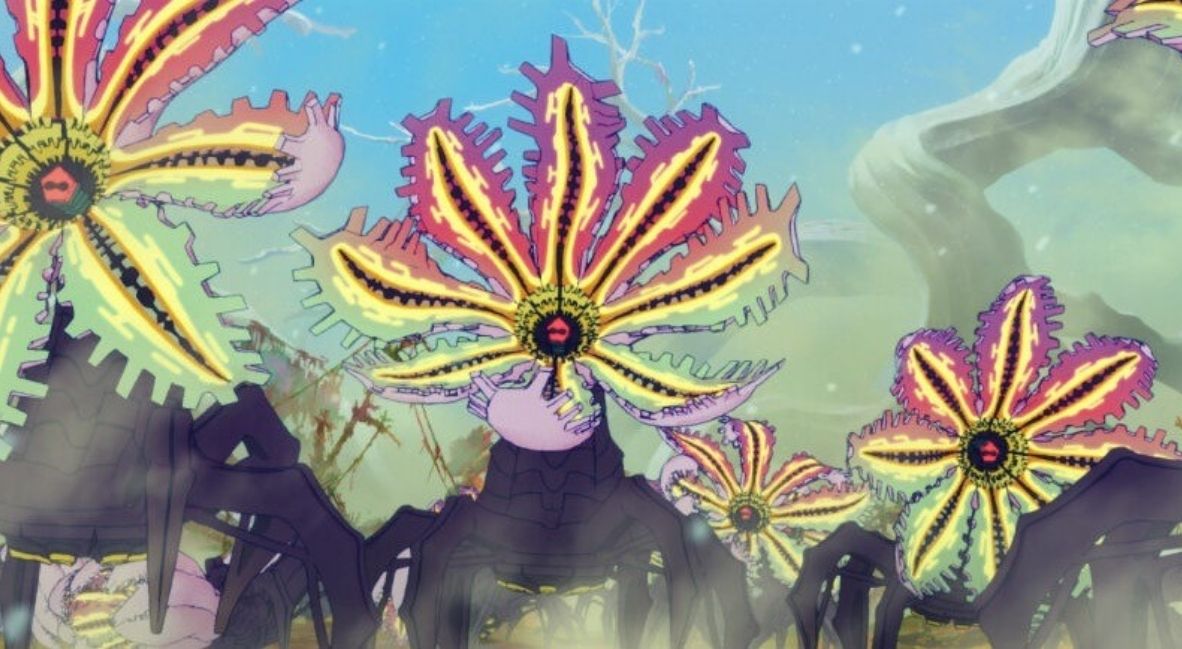
But the more we know about Rita, the more emotional the world becomes. It’s not enough for them to fight the monsters. But the fact that Rita will fight them, tooth and nail, to achieve a day beyond the one she’s been living, when not so long ago she’d been hoping “tomorrow never comes,” adds a lot of thematic flavor to any already visually dizzying spell.
And it’s those prior depressive tendencies that make the oppressive, underwater aesthetic of the first monster attack even more impactful. She’s already been fighting through leagues of mental pressure – now she has physical monsters to contend with too.
And that might be too tall an order for an adaptation trying to cram an entire work into under 90 minutes. Regardless of what we might have wished for the adaptation, the animation itself is still impressive. With a script that takes very little time to explain anything, it’s up to the design of the world, monsters, and character acting to fill in any gaps.
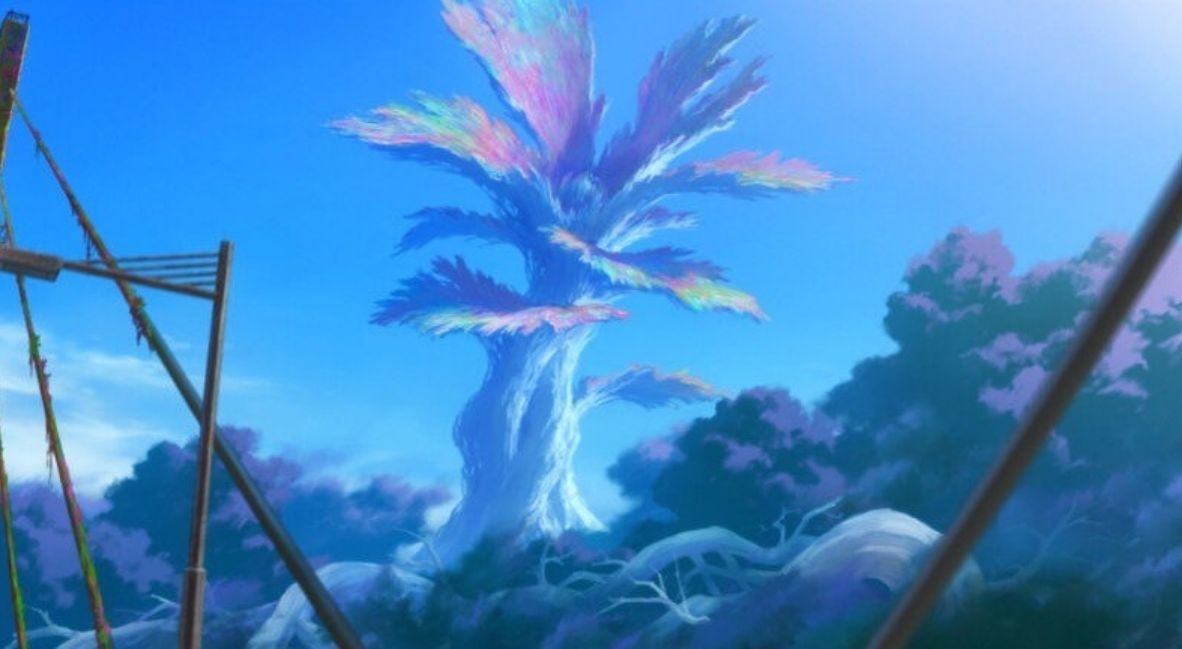
There’s weight in the character movements, which offers greater scope to Darol in particular, an impossibly looming figure that has taken up a good portion of Japan. The threat isn’t just imminent; it’s always watching. The flora and fauna of the alien have taken root, a visiting ecosystem looking for a fruitful host. The colors are vibrant without being overlit, playing more in science fiction before the film leaps away from reality into more interstellar surrealism.
“Nothing is meaningless.”
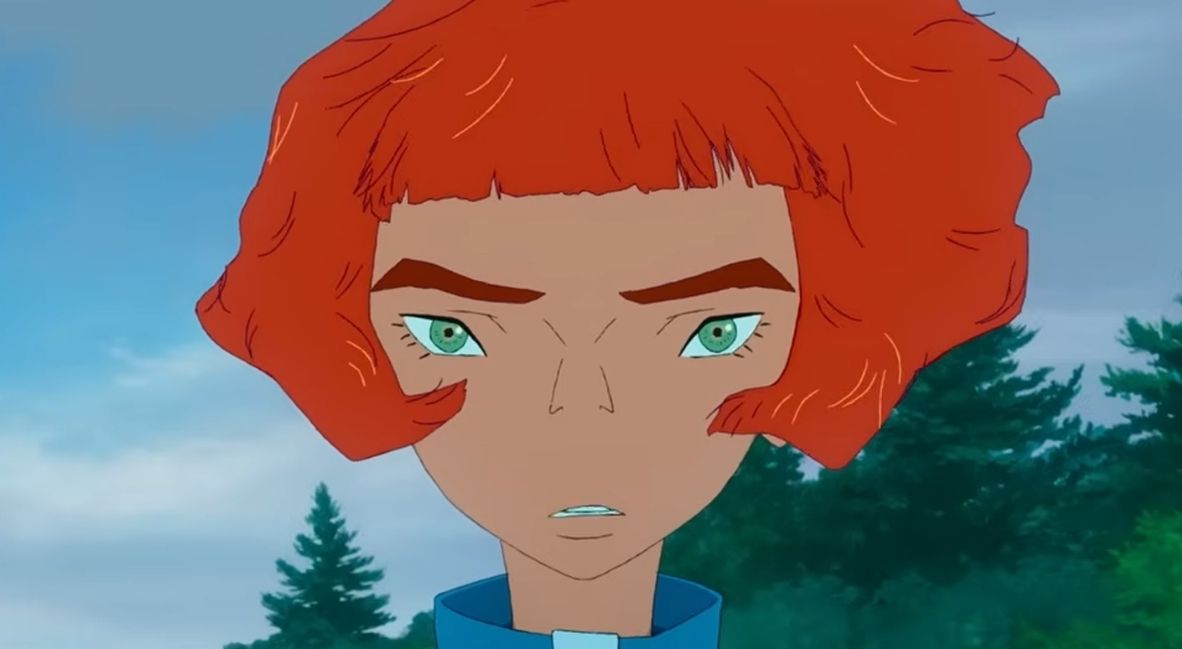
All You Need is Kill thrives in punchy, action-driven sequences that defy the rules of logic while maintaining a human core, be it in the character interactions or the literal weight of their movement. Mikami is tremendous as Rita, giving her just enough vulnerability to let us see through her hardened shell even before it cracks. And Hanae is well-suited to the performed meekness of Keiji, a trait of other characters of this that unveil greater ferocity and inner strength.
The score by composer Yasuhiro Maeda is fantastic and eerie, crafting a truly alien-like sonic atmosphere that further deepens the threat of their surroundings. The use of vibrant colors, bursts of bloodshed, and musical cues comes together to create something immersive and thrilling.
More than anything, the story unravels in a way to gain greater poignancy as it goes. The more the audience cares about Rita and Keiji—and we do, even if the writing could do more—the more audiences will care about their envisioned tomorrow. The idea that any step they take, any action they think of, any growth in their relationship, together or apart, means something. There’s narrative strength in characters moving on from believing themselves helpless and forgotten to believing that “nothing” —including themselves— “is meaningless.”
Aided by strong and interesting direction that highlights the scale of the alien creature they’re facing, All You Need is Kill is an energetic adaptation that understands the crucial necessity of a well-constructed world. While it struggles with character depth, it’s a swift, vibrant science-fiction flick that, at the very least, doesn’t get bogged down in its own fictional redundancy.
All You Need is Kill is available now in theaters.
All You Need is Kill
-
Rating - 7/107/10
TL;DR
All You Need is Kill is an energetic adaptation that understands the crucial necessity of a well-constructed world. While it struggles with character depth, it’s a swift, vibrant science-fiction flick that, at the very least, doesn’t get bogged down in its own fictional redundancy.