
The journey to become the greatest hero has been a long one. Since My Hero Academia debuted in 2016, we have watched Izuku Midoriya grow from a timid, quirkless boy into the world’s last hope. My Hero Academia Season 8 carries the massive weight of concluding this saga, tasked with wrapping up the Final War Arc and delivering an epilogue that justifies the years of struggle. While it is a daunting task, the season largely succeeds, delivering a finale that prioritizes thematic consistency and emotional closure over empty spectacle.
My Hero Academia Season 8 picks up immediately where the previous season left off, with the heroes scattered and the villains launching their final, desperate assault. From the opening moments, it is clear that the stakes have never been higher. The tone is heavy, reflecting a society on the brink of collapse. However, despite the grim atmosphere, the season manages to thread a needle of hope throughout the narrative. It is not a story about how the world ends, but about how it rebuilds.
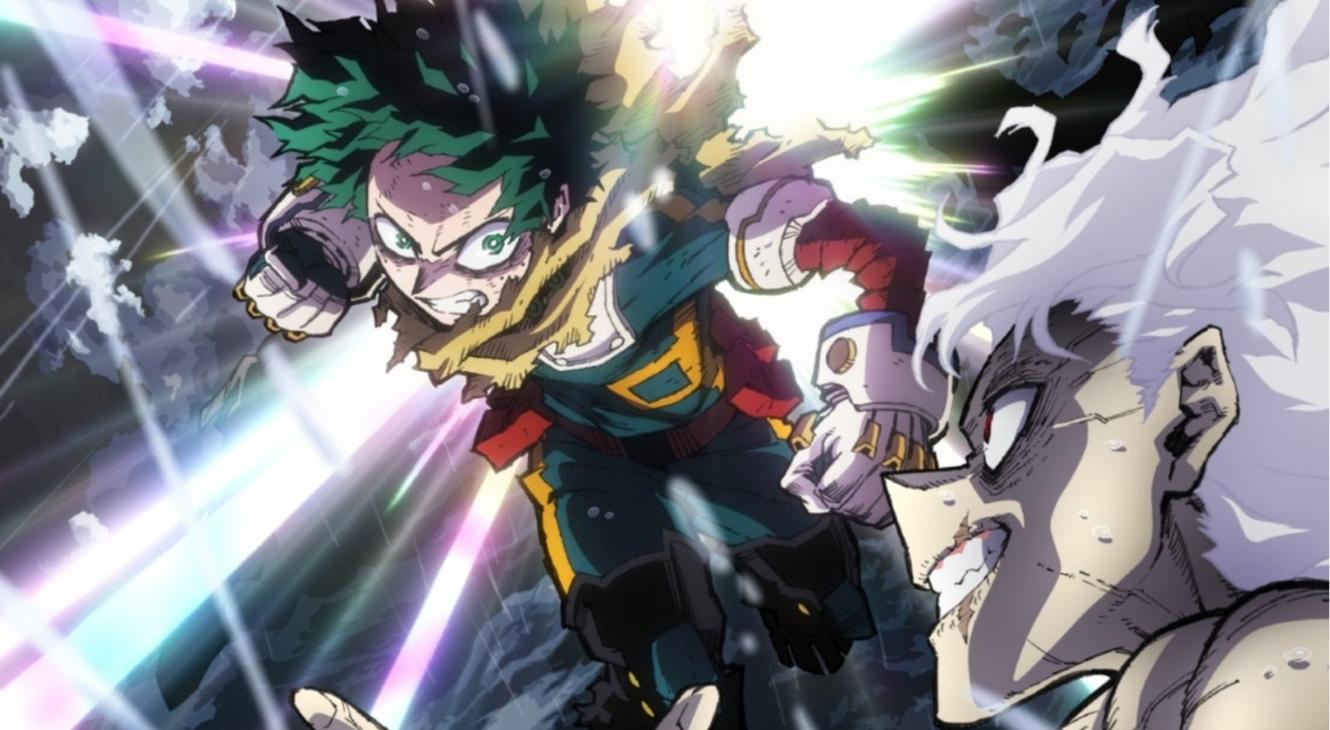
One of the most striking aspects of My Hero Academia Season 8 is the production quality. Studio Bones has clearly saved their best resources for this finale. The animation during the key battles, specifically Midoriya vs. Shigaraki, is fluid, dynamic, and cinematic. It also allows the more emotional moments, like the Todoroki family storyline, to have a visible emotional weight.
Loose ends are wrapped, and emotional moments carry lasting depth in My Hero Academia Season 8.
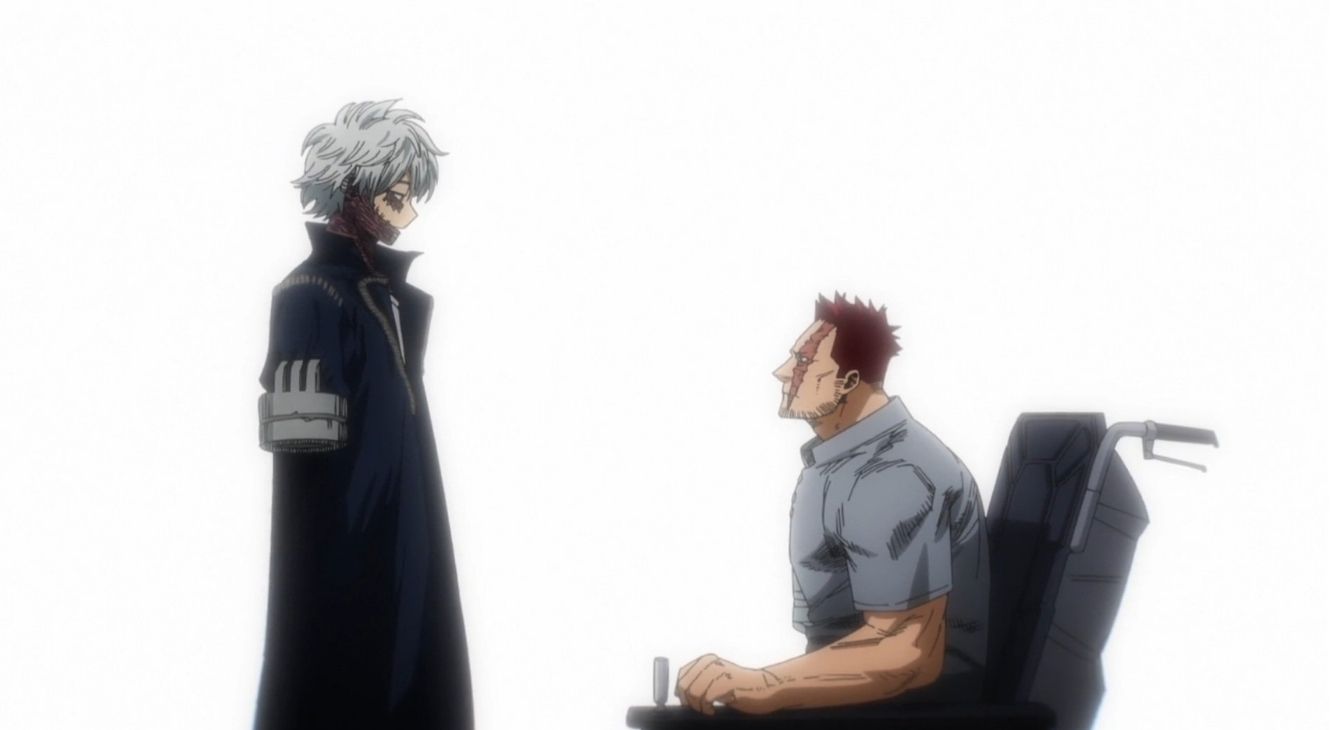
The season’s opening theme reinforces the visual storytelling. It establishes a melancholic yet determined mood that sets the tone for each episode. It is a reminder that the fun, school-day antics of the early seasons are gone, replaced by the harsh reality of war. Yet, the visuals often focus on hands reaching out, a recurring motif that defines the season’s philosophy.
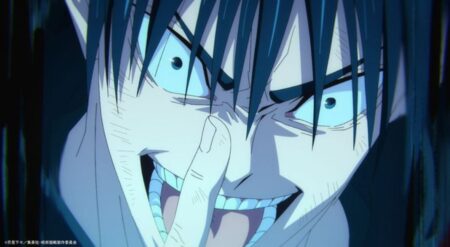
A major focal point of My Hero Academia Season 8 is the conclusion of the Todoroki family narrative. The battle between Shoto Todoroki and Dabi is visceral and heartbreaking. It is a fascinating look at the cycle of abuse and how difficult it is to break.
The season does not let Endeavor off the hook easily. It forces him to confront the physical manifestation of his sins. Shoto’s role here is crucial; he is no longer fighting for his father’s approval or to spite him. He is fighting to save his brother. My Hero Academia Season 8 handles this with the nuance it deserves, showing that saving someone doesn’t always mean they survive. It means they are heard.
Similarly, the subplot involving Mezo Shoji and Spinner adds a necessary layer of social commentary. Throughout the series, the discrimination against heteromorphs has been a background detail, but here it is brought to the forefront.
Theming takes centerstage, driving the series’ points home all the way through.
Shoji’s plea to the rioting civilians is one of the best-written monologues in the series. It challenges the idea that heroes only fight villains. Sometimes, they have to fight the prejudices of the society they are sworn to protect. It is a powerful moment that elevates Shoji from a background character to a moral compass.
However, My Hero Academia Season 8 is not without its pacing issues. Because there are so many characters to serve, the narrative often jumps rapidly between battlefields. This can sometimes undercut a scene’s tension. Just as a moment like those with Uraraka and Toga reaches an emotional peak, the show might cut away to All Might or Bakugo. It is a necessary evil of adapting an arc with this many moving parts, but it can be jarring for the viewer.
Speaking of Uraraka, her confrontation with Toga is another highlight. My Hero Academia Season 8 uses this fight to explore the failures of the hero society in addressing mental health and conformity. Uraraka’s refusal to view Toga as a monster, choosing instead to see her as a “normal girl” who was failed by the system, is heartbreaking. The animation during their final clash is stunning, utilizing soft colors and fluid motion to emphasize the tragedy of their relationship. It reinforces the idea that the villains are often victims themselves.
But the centerpiece of My Hero Academia Season 8 is, of course, the final stand against All For One and Shigaraki. This is where the character of Katsuki Bakugo truly shines. His evolution from a bully to a hero who understands the value of sacrifice is the best character arc in modern shonen anime. The season gives him a moment of absolute triumph that feels completely earned. It is about his acknowledgment of Deku and his willingness to put his body on the line for the greater good.
All characters shine, but Katsuki Bakugo truly earns his evolution by the end of the series.
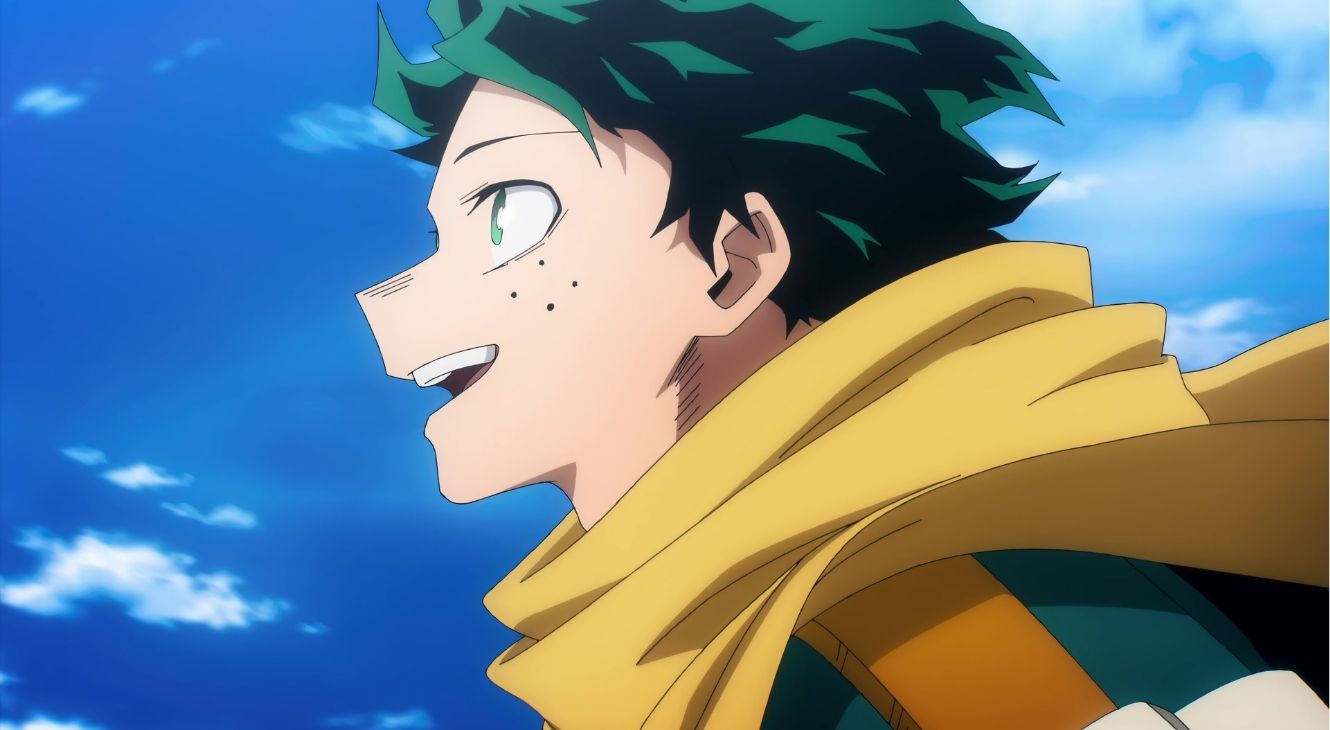
The final battle between Midoriya and Shigaraki takes place as much in the mental realm as the physical one. My Hero Academia Season 8 stays true to Midoriya’s character by having him try to save the “crying child” within Shigaraki rather than simply destroying him. It is a risky narrative choice, but it pays off. It creates a finale that is distinct from other action series. It posits that true strength comes from empathy, not violence.
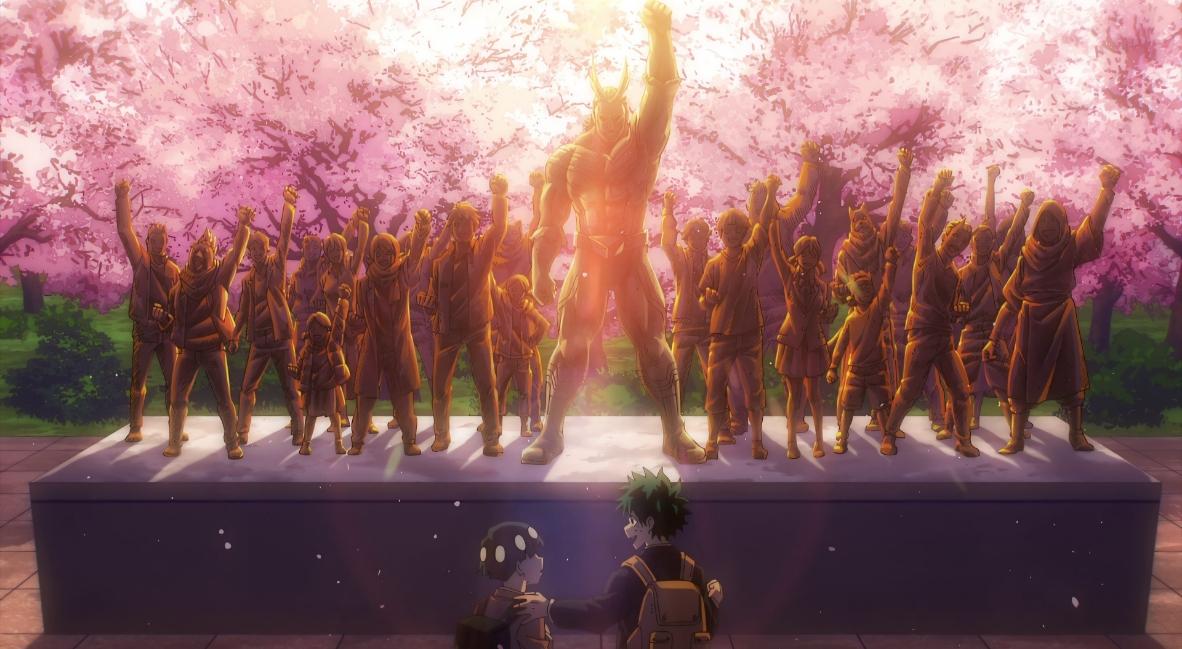
Following the climax, the season transitions into an epilogue set eight years in the future. This is where My Hero Academia Season 8 truly lands its themes. We see a world that is not perfect but healing. The heroes are adults now, dealing with mundane issues like scheduling conflicts and bills, grounding the fantasy in reality.
Seeing Midoriya as a quirkless teacher is a bittersweet note to end on. It touches on the reality of sacrifice. He gave up his dream to ensure others could live theirs. However, the show refuses to leave him in that sadness. The reveal of the armored suit, funded by his friends, is a triumphant reminder of the bonds they formed. It brings the story full circle. In the beginning, Midoriya needed a quirk to be like All Might. In the end, he just needed his friends.
My Hero Academia Season 8 is a massive achievement that balances dozens of character arcs, heavy social themes, and high-octane action without collapsing under its own weight. While the pacing can be frantic at times, the emotional beats always land. It is a season that respects its audience and its characters, delivering a conclusion that feels both inevitable and surprising. My Hero Academia Season 8 closes the book on Class 1-A, leaving the audience with a message that will endure.
My Hero Academia Season 8 is streaming now on Crunchyroll.
My Hero Academia Season 8
-
Rating - 9.5/109.5/10
TL;DR
My Hero Academia Season 8 is a massive achievement that balances dozens of character arcs, heavy social themes, and high-octane action without collapsing under its own weight.