
Based on the manga written and illustrated by Kōhei Horikoshi, My Hero Academia debuted in 2014, before the anime adaptation began in 2016. Now, nearly ten years later, this immensely popular series is coming to a close as audiences and the actors themselves must say their farewells to beloved characters. From the series’ scrappy beginnings that mimic the protagonist Izuku Midoriya/Deku’s own plight to becoming a hero despite being born “quirkless” (without a power) to the rousing series highlights in Season 2 and 3, to the epic-scale finale in Season 8, the journey has been an emotional one for fans and those voicing the characters.
While Horikoshi’s influences are apparent in the development of the world and his style, from One Piece to Spider-Man, his story is his own. And while the superhero throughline is integral to the story, it doesn’t come at the expense of richer, more developed character arcs. One of the greatest triumphs of the series is its ever-expanding cast of characters with a rich ensemble so strong that there are multiple characters who, in any other series, would be the lead of the story.
We spoke to the English voice cast about their feelings on the end of the series and their journeys throughout. From making lifelong friends to learning to “be fearless” to the bittersweet energy that’s shepherding them to the finale, there’s a lot of love for this story and how it has unfolded.
Compassion is key to the success of My Hero Academia.
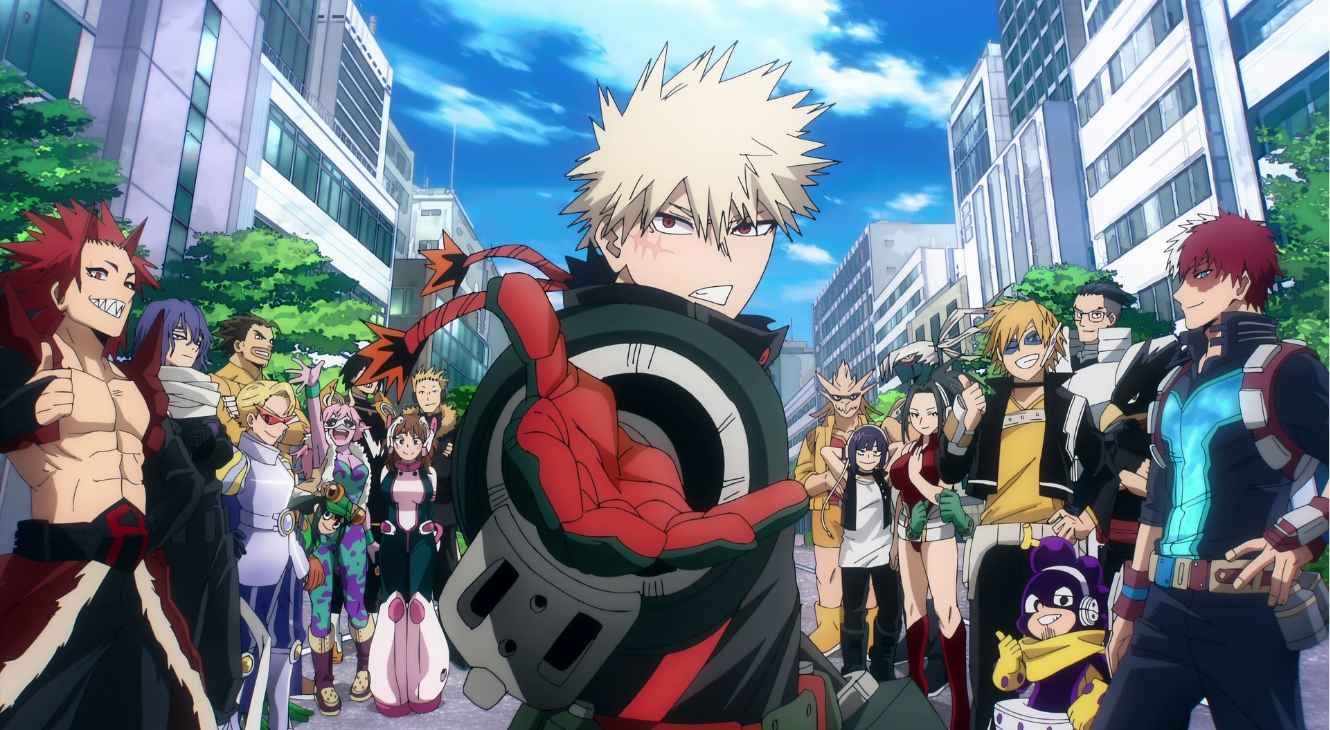
Over eight seasons, My Hero Academia has delivered a story about empathy and how a single gesture can change an individual’s fate. It’s also peeked behind the curtain to show that being a hero isn’t without its own drawbacks.
From the bone shattering consequences of Midoriya’s power, the many scars that adorn the characters, and the prosthetic limbs they’re equipped with after bloody battles, and the psychological scars they bare too, there’s weight to the characters that go beyond simply “hero” versus “villain,” something that Christopher Sabat, who plays All Might, summed up when reflecting on what he’d learned from the show.
“I think you can be the strongest person in the room and still doubt yourself.”
John Swasey, who plays All for One, similarly echoed the story’s intention. “No matter who you are, everyone has a story. No matter good, bad, whatever, there’s hopefully something redeemable about that person.”
Beyond the continuation of the world in My Hero Academia: Vigilantes, the series is bound to have legs given the nature of streaming. The story itself also allows for a level of timelessness, both building on the echoes of other superhero stories while offering new perspectives.
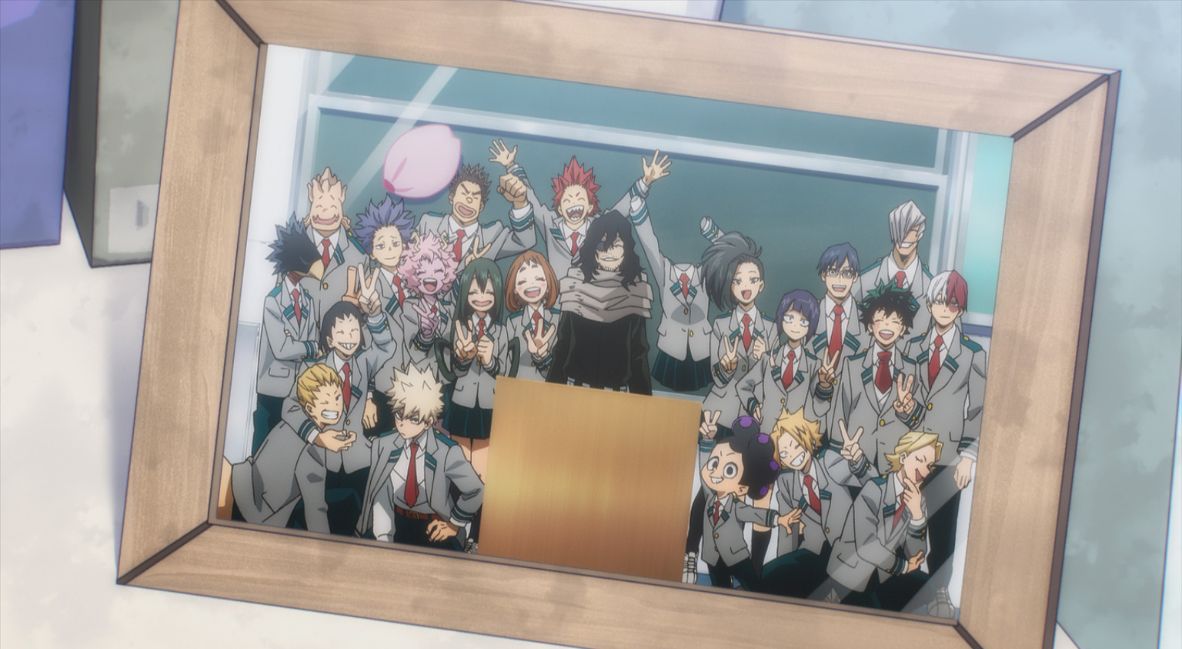
Each member of the sprawling ensemble gets a moment to shine in Kōhei Horikoshi’s series.
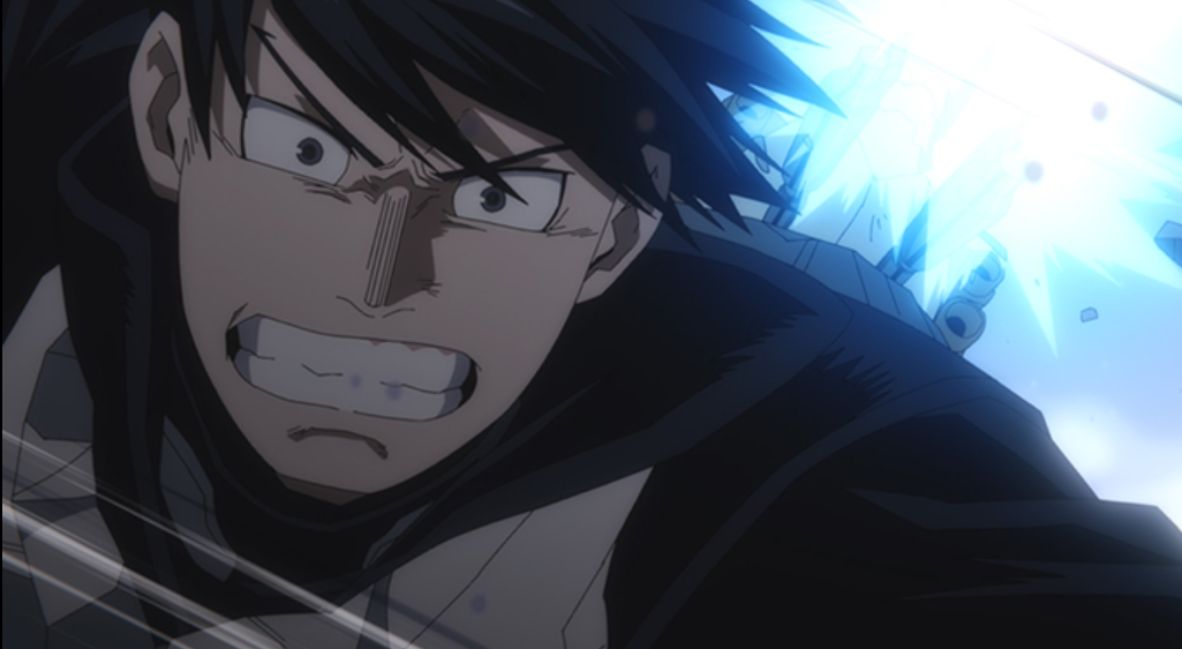
J. Michael Tatum, who plays the straight-laced Ida, one of Midoriya’s first friends, spoke to this:
“I think what makes it such a unique take on the hero’s journey is that typically, the trope is the hero learning to help other people. In this instance, that element is certainly present, but it’s really about heroes helping other people be heroes as well. So it’s a very different take on it and less about the individual learning to be a hero and saving the day. It’s about everyone coming together to figure out where I fit into this dynamic so we can all flourish, thrive, and do the right thing together.”
The ensemble’s strength starts at the top, with the protagonist Midoriya (Deku), voiced by Justin Briner. When asked about the strength of his character, he highlighted that, beyond simply being a “good kid,” he also inspires others, as evident in the final season.
“Getting to root for him and cheer him on for eight seasons from the bottom to the highest heights and to do that with everybody has been fun. Early on, Deku spoke to me because he felt like a real kid even though he was living in a superhero society. He’s dealing with feelings of inadequacy or no self-worth, or people telling him he can’t achieve the things he believes he’s capable of.”
To see him rise above all that and go against the odds and still become this hero that not only he’s proud of but his mentors and the people he looks up to are proud of as well…it’s just such a great character. I’m so grateful to have been a part of that story and bringing it to audiences who really resonate with it and need it to be like ‘well, Deku did it, so I can do it.’”
“It’s one of the great credits of the show, I think, that all these characters are so fully realized.”
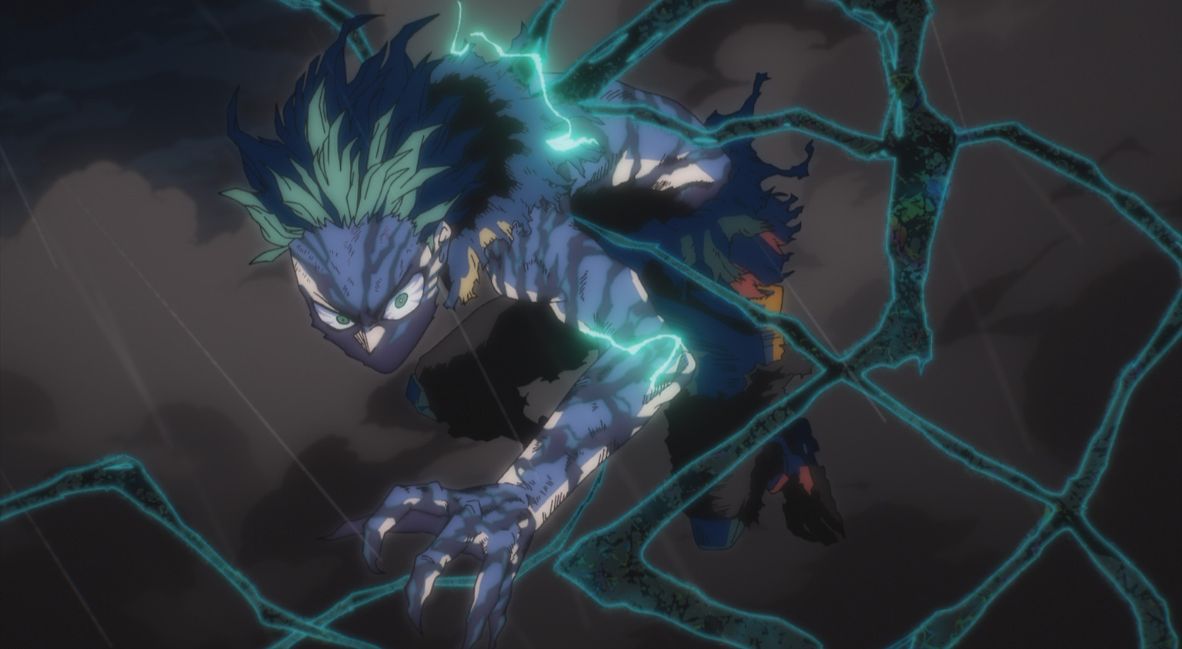
Over the course of the series, the characters, both heroes and villains, and all that fall in between, have undergone changes both subtle and immense. Certain characters, such as Aizawa, don’t reveal their true character until late in Season 1 when the students’ lives are on the line.
Christopher Wehkamp describes his character as initially cold, saying that he “kind of seems like a jerk, but he’s also an incredibly capable fighter. He’s a brave and duty-driven superhero. It’s super admirable, but it’s not until you start understanding some of his foibles, like his sleeping bag and his choice of best friends in life, which are so diametrically opposed to who he is, that they are all little hints about what’s really going on inside.
And as we move into the later seasons, we start to see some of his history that led to that. Specifically with his friends when he was a student at U.A. High. There was just so much more to dig into once I started taking all of that stuff on board. There’s just a lot more depth. There’s so much more depth to all of the characters, and it’s one of the great credits of the show, I think, that all these characters are so fully realized.”
Midoriya drives the story, but it’s the supporting cast that helps expand the world.

Other characters, including the cast of friends who surround Midoriya, similarly upend expectations as the story progresses. Characters, such as Ida, come across much more blunt and severe until we get to know him further – especially through the Stain arc and beyond. Tatum even says that his first impression was that Ida was being set up as a “minor comedic antagonist,” an obstacle for our protagonist.
“He’s kind of a jerk in those first moments. But as he’s developed as a character, he’s gone from that energy to being the sweetest cheerleader of everyone else. He stared as an embarrassing reminder of someone I used to be, and now he’s – over time – become someone I’d rather like to be. I think I’m far from that ideal, but Tenya’s become such a sweet hero.”
The actor who voices Kirishima, Justin Cook, similarly believed that his character was being utilized more as a support for another character, Bakugo. But he, too, went beyond what the actor might’ve expected, rather than simply being someone who helped soften Bakugo’s more explosive edges.
“Eventually his own storylines started to emerge from it, so I just quickly realized my first impression was alright, we’re playing a best friend character, and then realizing that there was a unique character there who represents changes we go through in life.”
The heroes in training grow more confident as the series progresses.
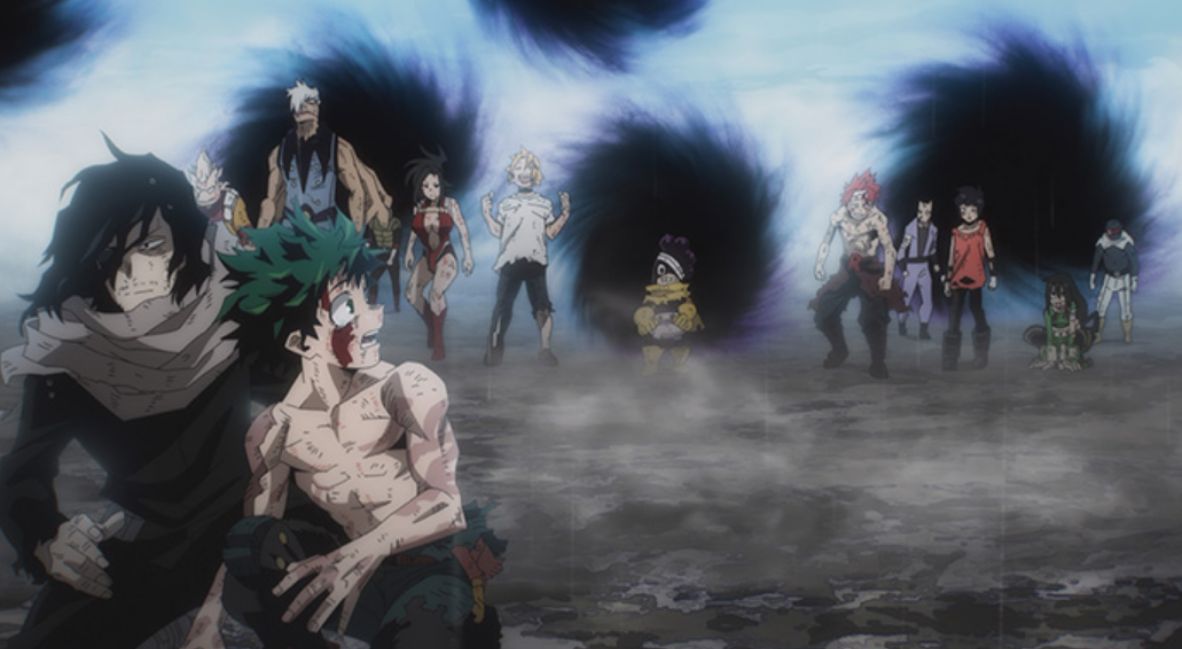
While she doesn’t get the spotlight as much as some of the other ensemble members, there’s no doubt that the character Momo, played by Colleen Clinkenbeard, has undergone some of the biggest, yet quietest changes since the premiere. From battling her own insecurities to launching weapons on the fly in the final showdown with All for One, she’s come a long way from needing constant reassurance, something that Clinkenbeard is grateful for.
“I don’t have a lot of patience with insecurity. So starting off with a character who is full of insecurities, and it keeps stepping on her toes and getting in her way, preventing her from reaching her full potential…It’s very frustrating as someone who doesn’t hold a lot of space in that, and [now] allowing grace for her because that’s something we all go through as teenagers.
It’s been a joy to watch her kind of shed that layer by layer, come into her own, and find ways to think more present and stop getting in her own way. To let her have confidence in her own abilities. It’s been fun to watch her come into her own and also forced me to have more grace for that as a person.”
My Hero Academia digs deep into the parallels between those dubbed “hero” and “villain.” Each character has their mirror, a foil who demonstrates the path they might’ve taken. Shigaraki might’ve been a hero had All Might been his mentor, rather than All for One sinking his claws into him and stripping him of personal autonomy. Shoto might’ve found himself consumed by hatred as Dabi did.
Toga and Uraraka have one of the most dynamic relationships throughout My Hero Academia.
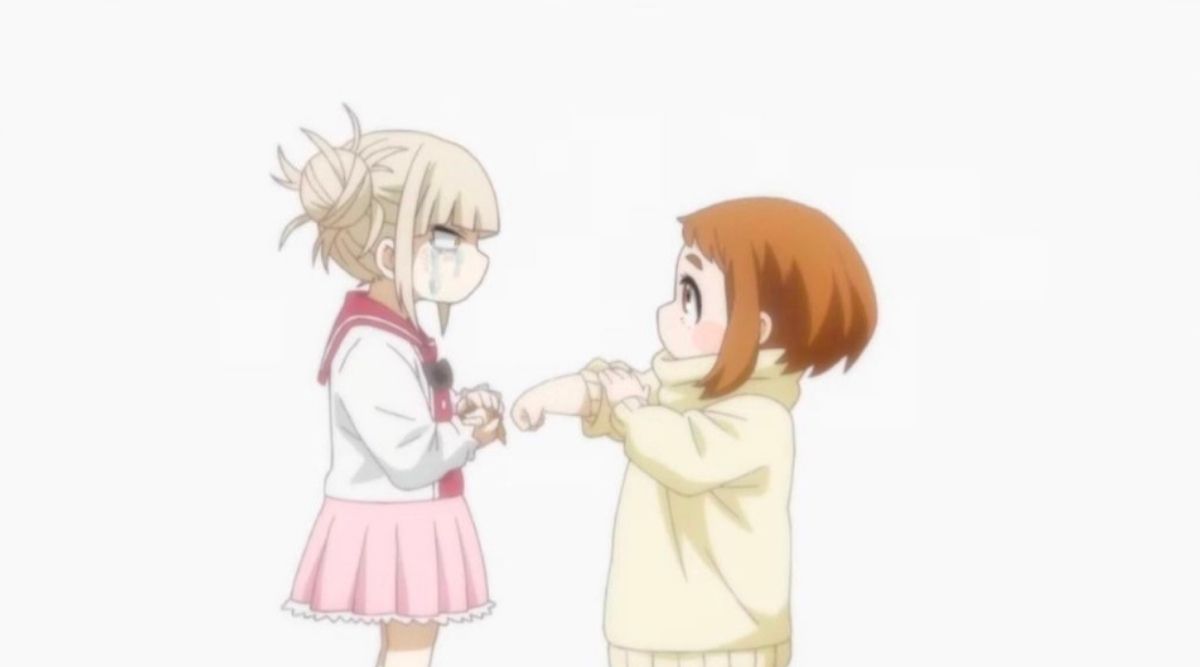
One of the most emotionally volatile is the dynamic between Toga and Uraraka. Uraraka spends most of the series trying to understand Toga and her motives, and her evolution changes Luci Christian‘s opinion of her. Initially, Christian’s impression was based on her look, calling her “so cute” upon her first appearance. However, her selflessness and desire to help showed a different side to her.
“She’s fearless. I could see in her a change, a seriousness, and a confidence in her these past few seasons for sure.”
Leah Clark, who plays Toga, noticed a similar shift but through the recording. Where once there was room for playfulness due to the ever-shifting intentions of her comments, it shifted into more intensity. “There are so many ways to say her lines, and I had so much fun with it. And then up to Season 7, where it’s completely raw and heavy and everything is breaking my heart left and right.”
That raw performance is evident in the final two seasons, which culminate in multiple climactic showdowns that have been teased throughout the series. Clark, who loves the “more emotional scenes,” calling them some of her favorite things to play, reveled in the opportunity to do so, saying “…it’s so much character exploration and getting to go there and be in their world for that moment, and give them that voice. It’s a challenge, but that’s what is so great about it. It’s about using your tools as actors and everything we’ve learned and trained for.”
John Swasey, who plays All for One, highlights the rewarding challenges of being a voice actor.
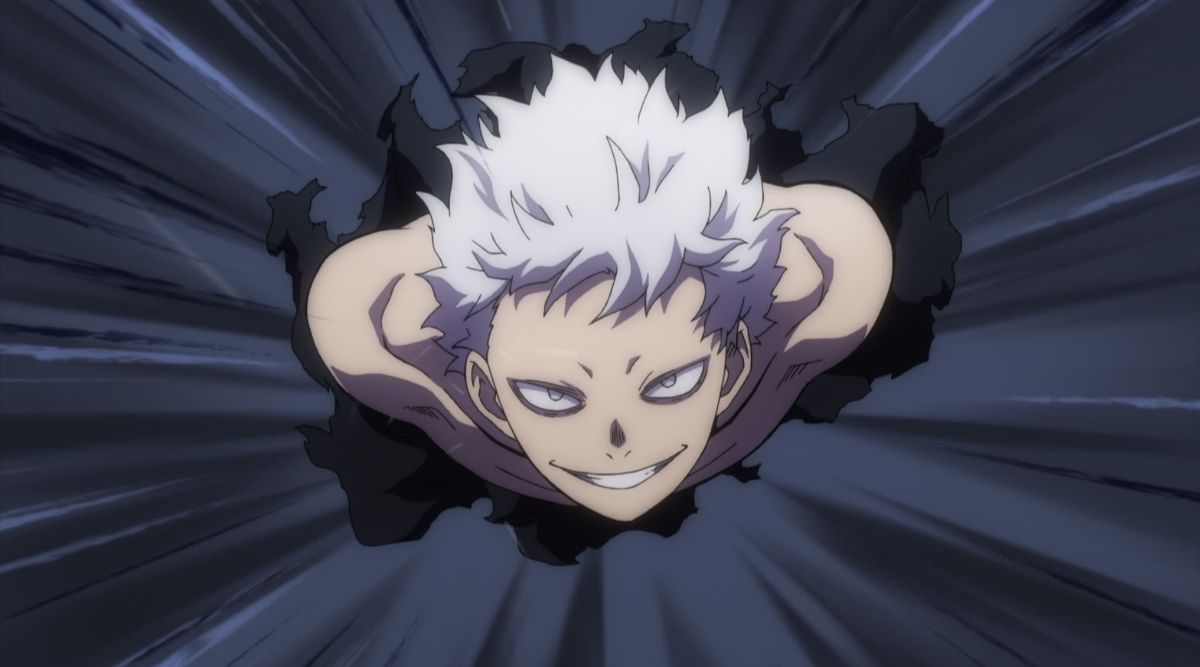
Christian is of a similar mindset, believing that it’s almost easier to tap into the big emotional moments since they often allow the actors a bigger scene to work within, allowing them to sustain the momentum. “But it’s definitely something I think you build up some stamina to do.”
Swasey called these moments “difficult, but rewarding.” Noting that, as the battle element of these shonen series, they are the toughest physically for any voice actor to handle due to how they grate on the vocal cords. It is also unlike any other type of performance.
“It’s not like a play where you get to do it night after night. And it’s not like a film where there’s going to be a rehearsal. We go in, and it’s very organic, very on-the-spot, in-the-moment, just do it. I think it gives it this authenticity that other mediums don’t experience because it’s right there, right then, right now. And that’s a very real response, a very real, emotional response to what’s going on.
With My Hero, that’s how you capture lightning in a bottle. There’s no way to fake it. That’s a great feeling as an actor. I mean, golly, that’s our high, that’s the ring we want to grab.”
My Hero Academia freshens up the classic superhero story.

That “lightning” effect speaks to the series’ overall success, which has maintained its popularity over its eight-season run. In an ever-expanding era that’s inundated with superhero stories, it’s become increasingly difficult to stand out and be a worthwhile addition to a genre that’s easy to overindulge in.
By the time that Season 1 premiered, the superhero genre was already hitting a level of fatigue, where for every Deadpool there was a Suicide Squad, X-Men: Apocalypse, or Batman vs. Superman. My Hero Academia premiered mere weeks before the highly anticipated, and very gray Captain America: Civil War, and the contrast of color (the use of it, period) in the former is jarring and, at the time, deeply necessary.
Beyond being a breath of fresh air with its use of vibrancy and sincerity, the series also spoke to the timeless nature of these stories and their tireless appeal. Wehkamp, who grew up reading comic books, agrees.
“What I was really responding to was the hero’s journey told in many ways across many different character moments. And My Hero is telling that same story, but it’s telling it in a way that’s a little bit deceptive because it starts off with this school story about a kid who is a little bit out of step with the rest of the world, and then it just expands so much from there. At the end of the day, the messages and morals expressed in the show are really life-giving and healthy.”
Clifford Chapin reaches new heights as Bakugo in the explosive final season.
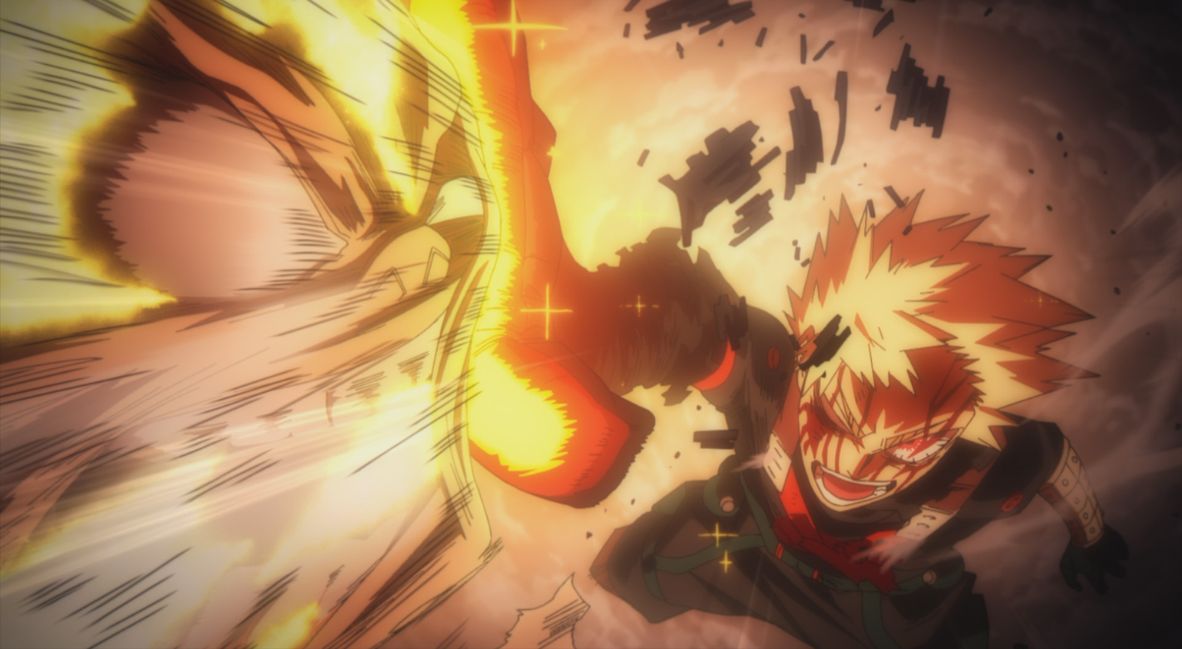
That lesson and those morals speak to the entire cast as they close out a journey they embarked on ten years ago. When asked what he learned from voicing Midoriya, Briner, fittingly, said, “We’re stronger together, and to find the people that get you and keep them close.”
Clark took a similar lesson, especially in how it related to her character’s journey and to Uraraka’s continual efforts to help Toga. “I feel like it’s how powerful understanding is and reaching out. Empathy and bothering to be curious about somebody. Bothering to understand what makes them the way that they are. How powerful kindness is. It’s a very powerful message of how much something so small as being kind can be.”
Clifford Chapin, who had a mighty task ahead of him with Bakugo’s revival in Season 8, took a different approach to what he learned, pivoting it toward his work as an actor rather than toward what he learned through the story itself.
“I think I learned about limitation. Especially in this most recent season, there was a point where I was like, man, that’s the hardest I’ve ever gone in a session, and I’m going to have to heal in a way that I’ve never had to heal before. So, just learning that ideally I shouldn’t have to get to that spot, and hopefully I won’t ever have to do it again. But when the arc calls for it, you step up as much as you possibly can.”
Fitting, for a series that spends so much of its time with characters wrestling with the desire to “go beyond” (Plus Ultra) while seeking a balance that readies them for whatever the next battle may bring.
My Hero Academia Seasons 1-8 are available now on Crunchyroll and Hulu.