Metroid Prime 4: Beyond, the newest action-adventure game developed by Retro Studios and published by Nintendo, had a massive hill to climb. The anticipation for the latest Samus-led Prime title was through the roof, with a tumultuous development and road to release.
Metroid Prime 3: Corruption launched back in 2007, meaning the wait for the latest entry was almost two decades. A lot of hype, a lot of time, a lot of competition in a genre arguably made popular by Metroid in the first place. That leaves the question: could Metroid Prime 4: Beyond ever live up to the hype?
The answer is complicated. Metroid Prime 4: Beyond, to its credit, is engaging all the way through. The dungeons, action, and bosses are largely excellent, huge cinematic sections that, while relatively linear, are a joy to play through.
Metroid Prime 4: Beyond takes Samus to Viewros for a new 3D adventure.
At the same time, dated game design and sections that feel like needless padding do a lot to detract from the overall experience. When it’s in full swing, Metroid Prime 4: Beyond is tense, riveting, and electric. At its worst, it’s a slog that has the player spending hours on monotony.
The narrative has glimpses of something interesting, even if the main antagonist is threadbare by any standard. Beyond is graphically stunning, a true powerhouse for what the Switch 2 can do, even in its infancy. The issues arise in the desert connecting the dungeons, a truly empty area that you’ll spend far more time in than is at all needed, with a third act that really drops the ball.
Metroid Prime 4: Beyond brings Samus, an intergalactic bounty hunter, to the planet Viewros. She’s accidentally stranded there when things go awry. Samus needs to find her way off the planet while learning about the events that led to the destruction of the Lamorn, the aliens that previously called Viewros home.
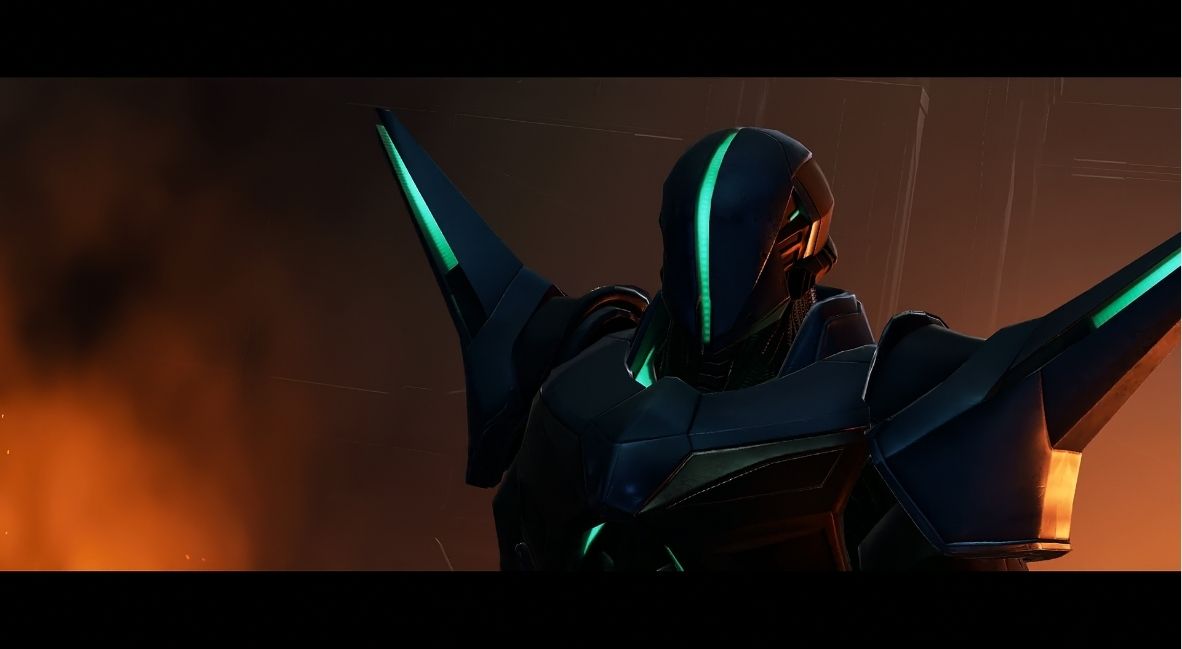
Sylax is a forgettable villain.
The central mystery is interesting and has some cool ideas, even if Sylax, the main villain, is genuinely forgettable. They show up for a few battles, and that’s it. There is next to no explanation of who they are, what they want, or anything else. They’re a thing to shoot sometimes, and that’s it.
Metroid Prime 4 attempts to bring in a supporting cast to make the experience about more than just the silent Samus. Myles, the inoffensive cookie-cutter techno babble character, is just fine. He’s made more grating, however, because of the game’s constant need to signpost every objective and remind the player what to do.
This extends to the rest of the cast, too. Metroid Prime 4 really wants you to care about them, but they’re really nothing more than caricatures, all coming equipped with one personality trait and nothing more. The sniper is brooding, the soldier is serious, the pilot is bubbly. There’s rarely any attempt to give them any actual personality. They work as far as being in the story because they need to be, and that’s all.
The action in Metroid Prime 4 is the shining star of the package.
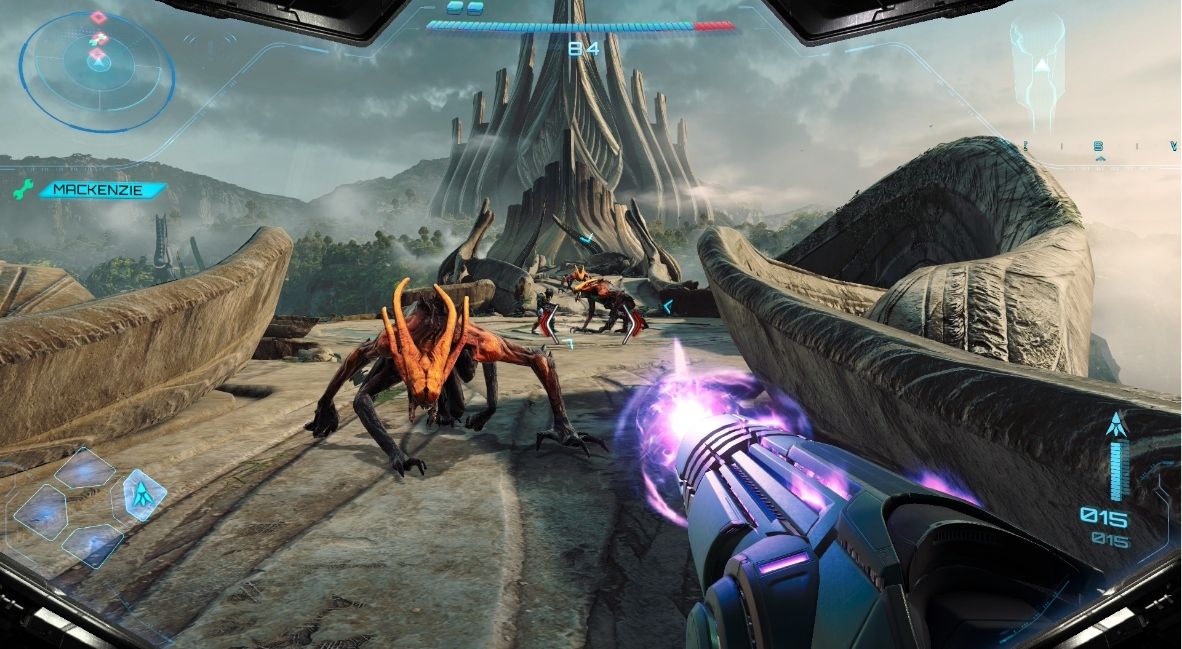
It’s a good thing that the action in Metroid Prime 4 is the shining star of the package, because there’s a lot of it. Samus blasts through enemies with squeaky-clean efficiency thanks to her trusty arm cannon, this time aided with psychic abilities.
The most interesting is a controllable charged shot that slows down time when shot, with the player guiding it to their ill-fated targets. It’s used in a few really cool ways during a couple of boss fights. The rest of the upgrades are relatively standard fare, with three different elemental shots being the ones with the most combat usage.
Each encounter is a fun trigger-happy arena fight, though it isn’t usually anything more than that. The upgrades don’t often meaningfully interact with the limited enemy variety. Most of the time, it doesn’t matter which way you kill them; the enemies go down the same.
The boss encounters are more engaging than the puzzles or traversal.
The game occasionally changes things up, such as shielded enemies that can have their shields yanked away, but you can just as easily get behind them. It isn’t ever challenging or a puzzle within itself, more an arena shooter than one where weapons interplay in significant ways. It’s fun and thankfully doesn’t get old; it just never asks much from you.
The bosses, on the other hand, largely shine. Each one is a giant, memorable fight that uses the abilities more meaningfully, where choosing the right shot or tool is actually necessary. There are a few duds that don’t stand out next to the rest of the encounters, but they’re over fast enough that they don’t leave much of an impression. Retro Studios put a big focus on the cinematic aspect here, making each fight feel totally different than the one that came before. That cinematic flair stretches to the dungeon design as well.
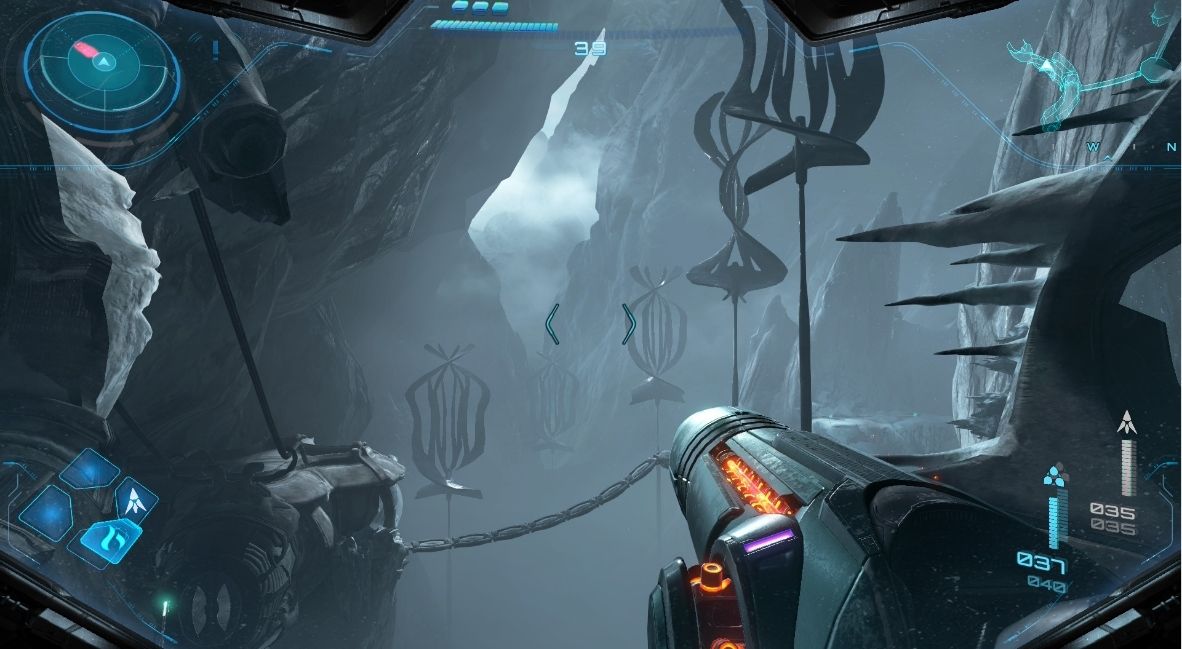
Beyond’s dungeons, similarly, are largely excellent, especially in the front half. The rain and lighting of the Volt Forge make the space instantly a Metroid classic, with swarms of enemies flocking through the air, shots of light crackling in the background.
The loneliness of Ice Valley is a much more chilling affair, with frozen enemies and shut-down machinery, a creeping chill running down your spine as you adventure. Not all hit the same heights, with the last couple being more of a mixed bag.
Dungeons are solid, but backtracking doesn’t feel worthwhile.
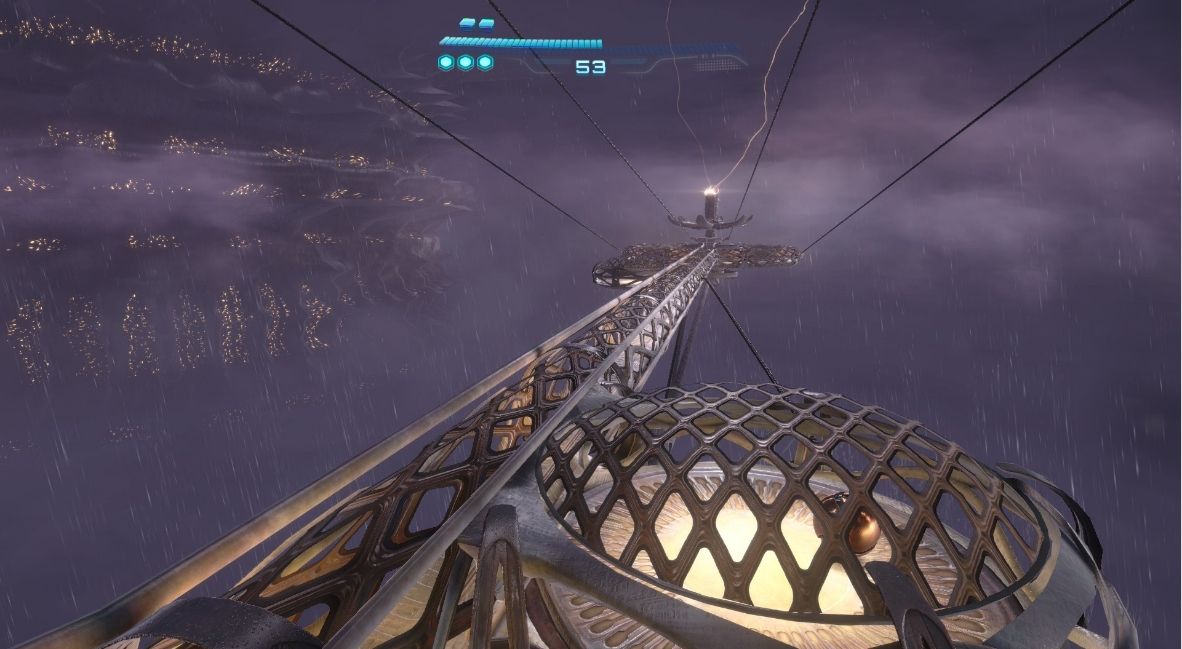
All the dungeons in Beyond are fairly straightforward, never really asking for too much backtracking on their first attempt. The spectacle of some of them helps cover this up, as the player gets lost in the noise, the shiny luster hiding the cracks beneath the surface. That doesn’t always work as well, as Beyond doesn’t really feel like much of a metroidvania.
There are a few spaces to come back to, but it’s rarely anything more than ammo expansion. The hallways don’t interconnect meaningfully, and few shortcuts genuinely lead to anything worth exploring. It lacks that sense of wonder and curiosity inherent to the genre that the series helped create, never truly pulling the player back with intrigue, but instead a promise of more explosives you don’t really need.
This is most prevalent in Sol Valley, a massive desert that connects the dungeons. It’s big, making the new motorcycle Samus finds entirely necessary. It’s a lot of empty space with some shrines to find along the way, but a lot of them require later game upgrades, making a lot of them entirely inaccessible in the early game. Spending time adventuring only to be met with wall after wall stymies any feeling of progression for a promise of more later. It just doesn’t work.
Sol Valley is aggravatingly empty.
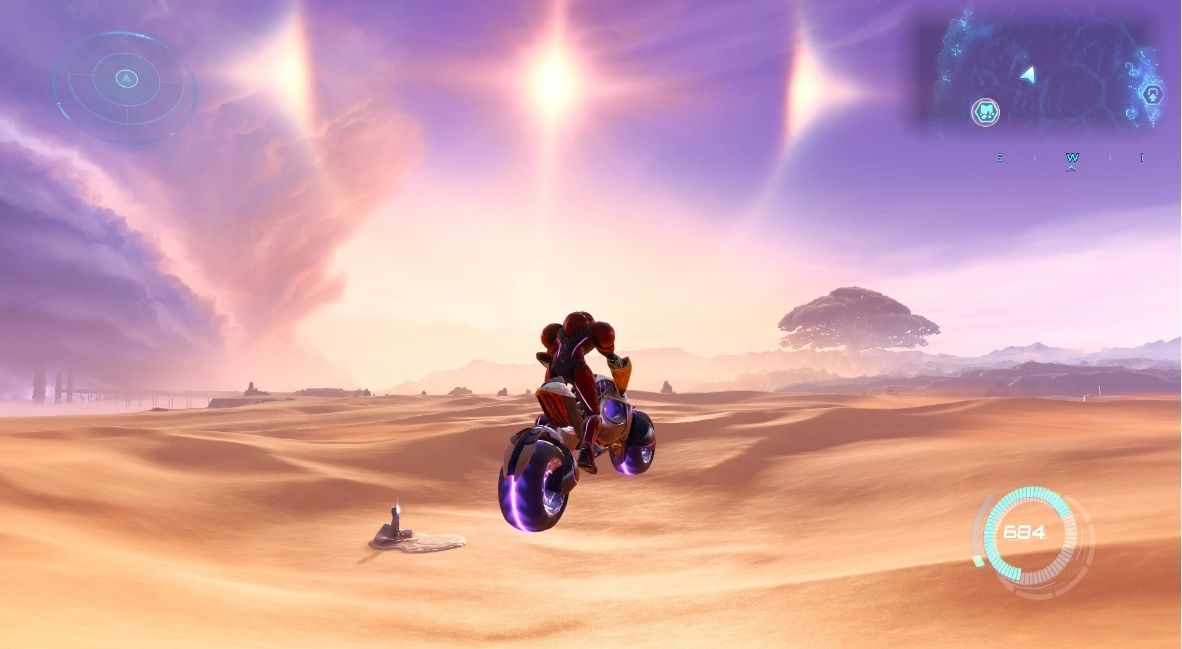
By the time Samus is upgraded enough to do most of the shrines, which are mostly mind-numbingly easy, the rewards are head-scratching. Yes, it’s more ammo or boosted shots for your weapons, but these things would have been more useful hours ago, rather than almost at the end of the game. The pacing just doesn’t work, making the desert largely ignorable for most of the game, with one glaring exception: those god forsaken green crystals.
Scattered across Sol Valley are green crystals that can be destroyed and collected while riding around. It turns out, you have to collect them to beat the game. Even if you spend time during the course of the main narrative to collect them, you’ll still need a lot.
It makes the last third of the game incredibly one-note, as you ride around the desert desperately searching for enough of these cursed green crystals to put you out of your misery. There isn’t even a way to track your progress for how many you need without returning to home base, driving back and forth across the desert to do so.
The base camp feels superfluous.
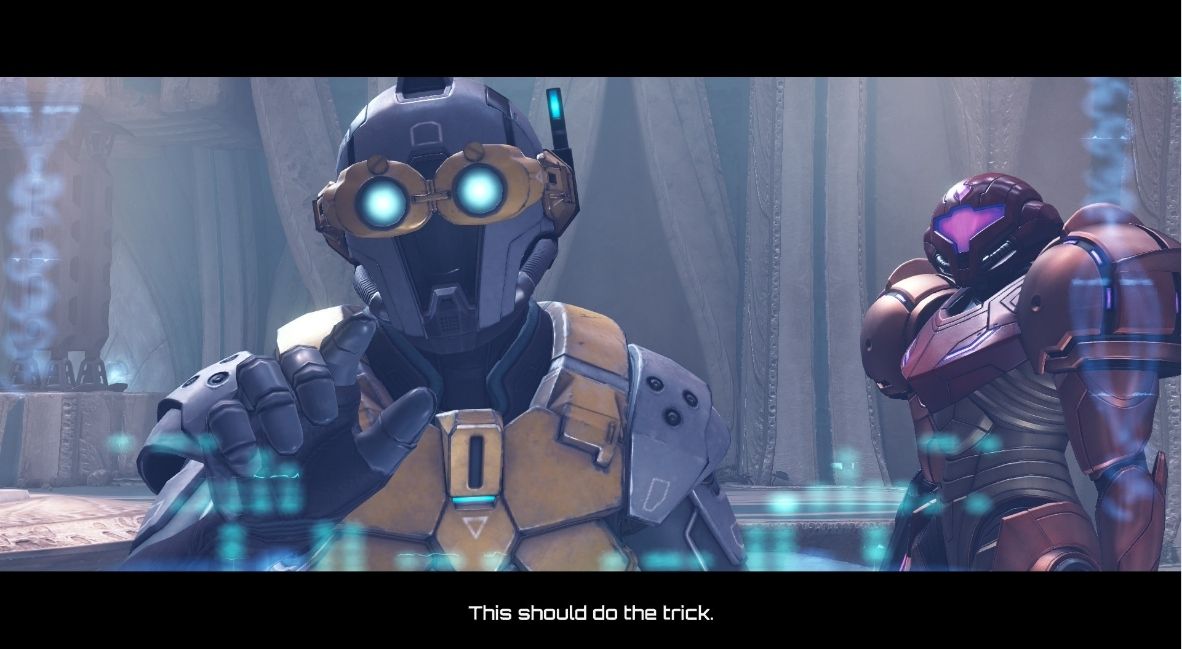
Sol Valley takes what could’ve been an overall solid game and completely sets it back. The backtracking here is constant and forced. Backtracking in these experiences is already a love-it-or-hate-it part of any metroidvania, but when done well, it changes how one interacts with a space.
It can take an area you’ve already experienced and change it, making it feel new even though it’s familiar territory. Metroid Prime 4 does none of that, content with you making the multi-minute trip not just across the desert, but also multiple load screens hidden by traversal.
Your base camp, where you go for upgrades, isn’t just at the entrance of its area. No, it’s multiple rooms and screens later, for seemingly no reason. It feels like padding, never engaging, but a necessary evil to get back to the action. It’s also mostly silent, unless you spend money on an amiibo that unlocks music for Sol Valley, which is definitely a choice.
Metroid Prime 4: Beyond is the Switch 2’s most technically impressive game yet.
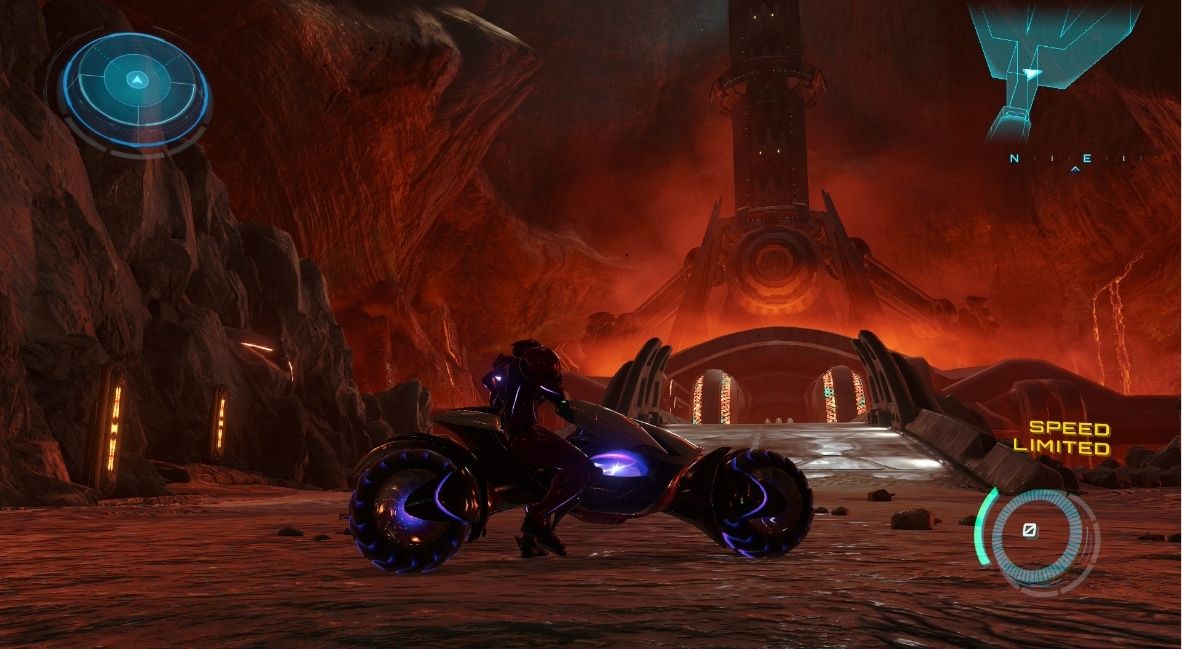
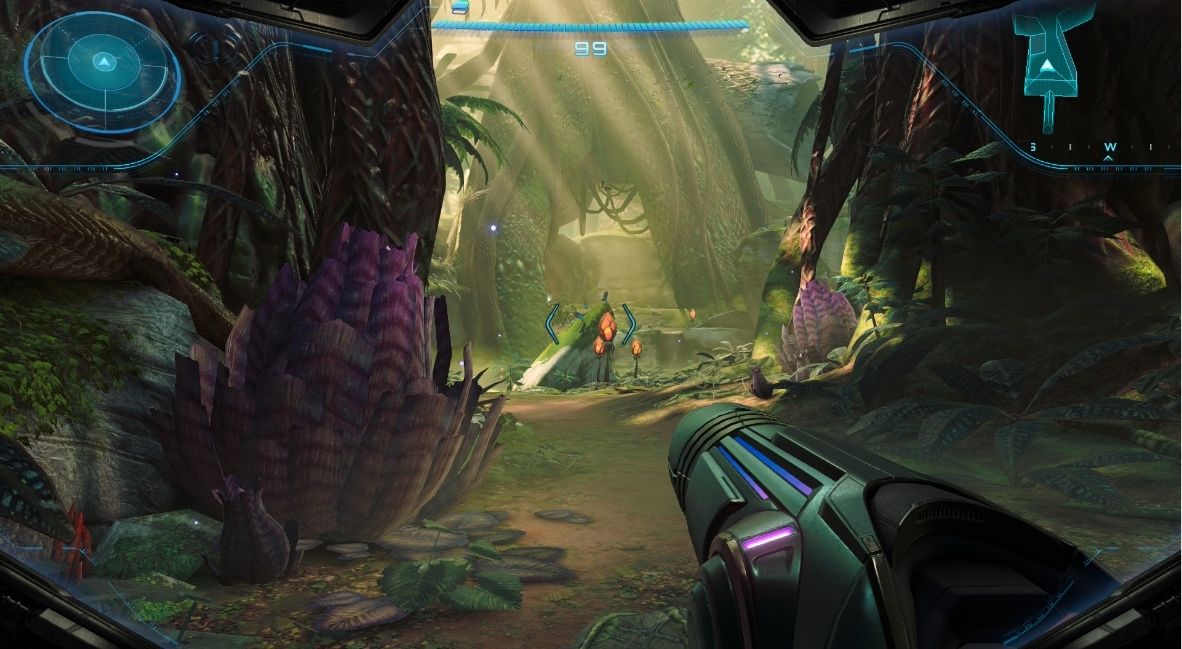
Metroid Prime 4: Beyond is stunningly gorgeous, a technical powerhouse on the Switch 2. It has two modes, a quality mode that runs at 4k60fps with HDR, and a performance mode at 1080p 120fps. Both look and run beautifully, with the HDR implementation being praiseworthy.
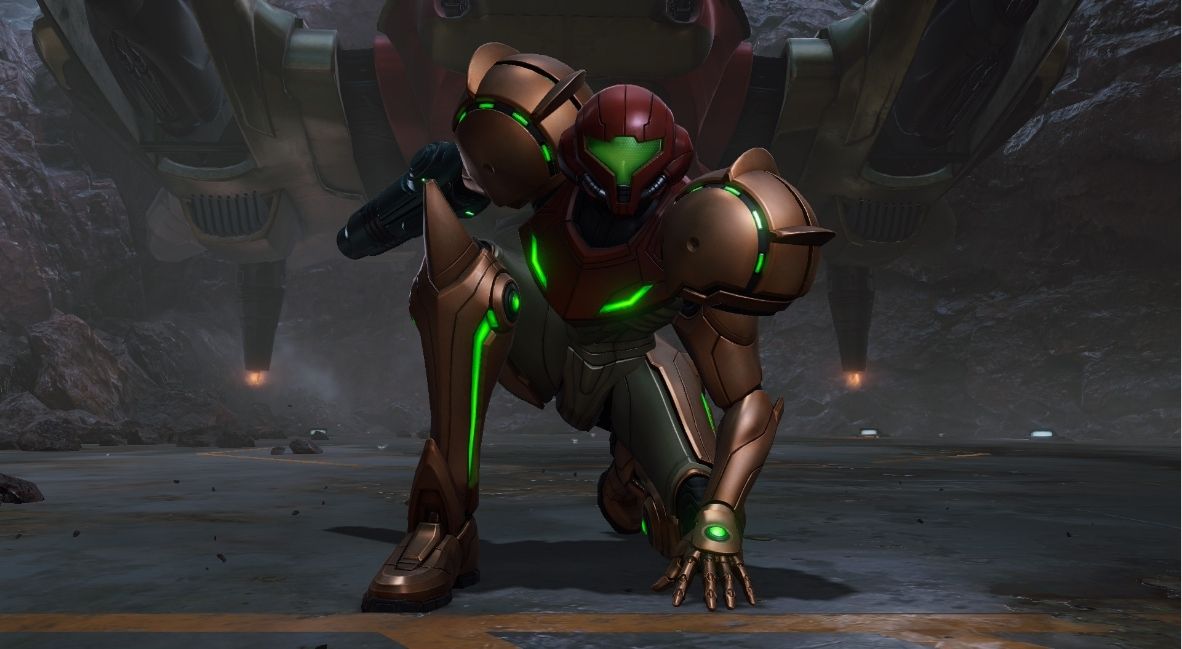
It’s easily the best-looking game on the fledgling console so far, and one of Nintendo’s best ever. The metal sheen to Samus’ suit, the particle effects, the shadows, and pops of color. All of it melts together in a truly impressive fashion.
Despite all the issues with Metroid Prime 4: Beyond, I couldn’t put it down. The highs, especially in the front half, are so fun and engaging that the middling in-between fell away. The back half still has some fun moments, but it largely falters, feeling more like padding than anything else. It’s a testament to Retro Studios that this works as well as it does, given the turbulent development.
Largely, Metroid Prime 4: Beyond is just fine—a whiplash of an experience that has some really memorable moments and others that are just grating. It doesn’t do anything to move the genre forward as this series has done in the past, rather a fun, albeit forgettable, rollercoaster packed with shine and spectacle. The action is fun, the bosses and dungeons are great, and the graphics are gorgeous, even when Sol Valley calls you back for another meaningless trek.
Metroid Prime 4: Beyond is available now on Nintendo Switch and Switch 2.
Metroid Prime 4: Beyond
-
Rating - 6.5/106.5/10
TL;DR
Metroid Prime 4: Beyond is just fine—a whiplash of an experience that has some really memorable moments and others that are just grating.