
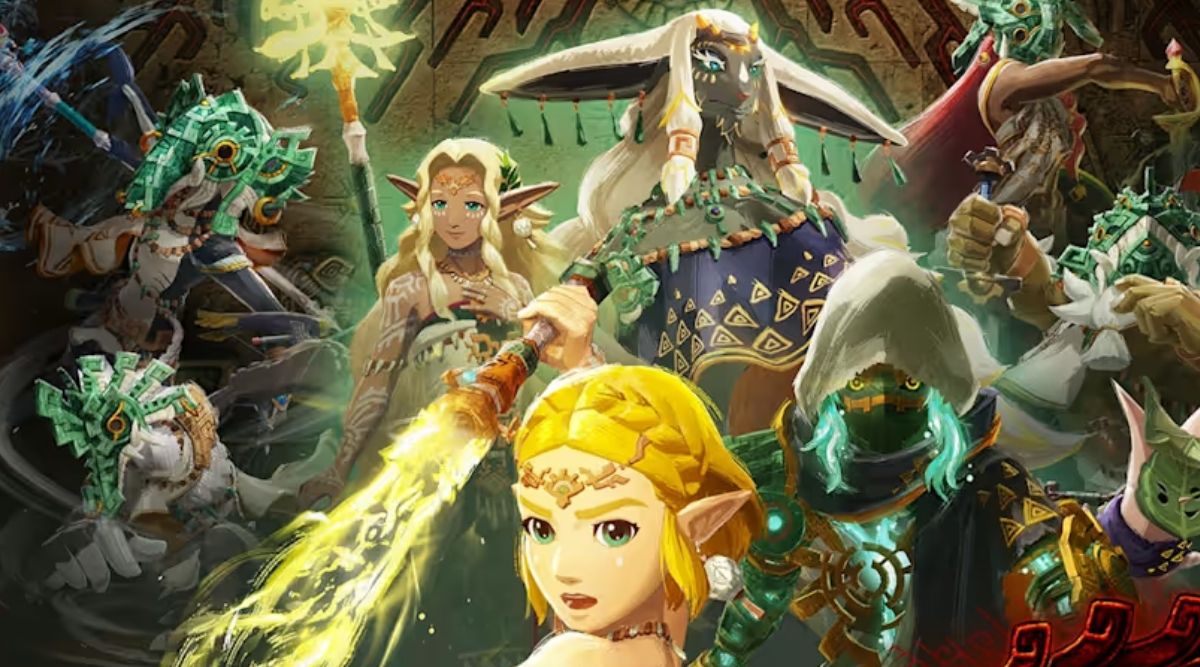
With the success of The Legend of Zelda: Breath of the Wild and Tears of the Kingdom, Nintendo has used the Hyrule Warriors franchise to build on the established lore and settings with a unique approach. Taking the beloved characters and portraying them in a musou game allows players to experience the world of Hyrule in a new way. Hyrule Warriors: Age of Imprisonment is the latest in the series, and it gives more context to the story of Tears of the Kingdom.
Hyrule Warriors: Age of Imprisonment takes place thousands of years before Tears of the Kingdom, but that doesn’t stop it from having direct ties. The Zelda timeline has always been a tad wonky, with a lot of time travel and other plot devices used to explain away the inconsistencies. Hyrule Warriors: Age of Imprisonment focuses on Ganondorf’s invasion, known as the Imprisoning War, as a time-traveling Zelda seeks to save Ancient Hyrule from his evil plans.
As far as Zelda stories go, Hyrule Warriors: Age of Imprisonment is middle of the pack. It doesn’t try to reinvent the wheel, and most of the twists and turns are obvious if you pay close attention. That is to be expected for a game mostly focused on the hack-and-slash combat that musou games are known for, but that doesn’t mean that there aren’t plenty of opportunities to build on the plot established in Tears of the Kingdom.
The characters are fun and offer distinct sets of combat tools.
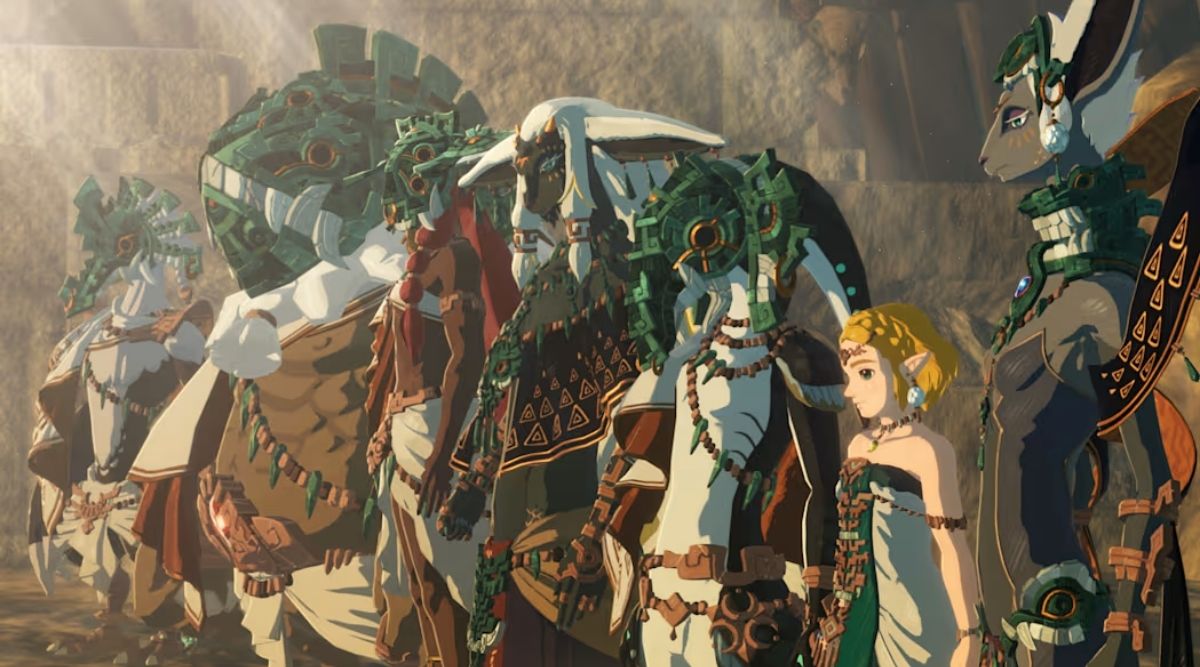
The characters are fun, especially Rauru and Mineru. While Zelda is billed as the main character, she often takes a backseat to others met along the way. This is great because it adds context to the world and gives players a reason to invest in saving it. This is more than just a time travel story where all that matters is the fate of Zelda’s present. The people living in this age are fleshed out, and I found myself really invested in their stories.
Where Hyrule Warriors: Age of Imprisonment falters is in expanding the lore of Tears of the Kingdom. By focusing more on the individual characters, it does not dive deep enough into the concepts introduced in Tears of the Kingdom. More information on the Zonai, the Secret Stones, or even Ganandorf as the villain would have been great.
Instead, most of the story actually focuses on the Mysterious Construct and its companion. While these characters and their storyline are often good, they lack the weight they could have had if they had leaned more into expanding the world. Taking a more zoomed-in look was certainly a choice, and one that will leave players wanting more.
A constant drip of unlockables and variable difficulties keeps the game constantly interesting.
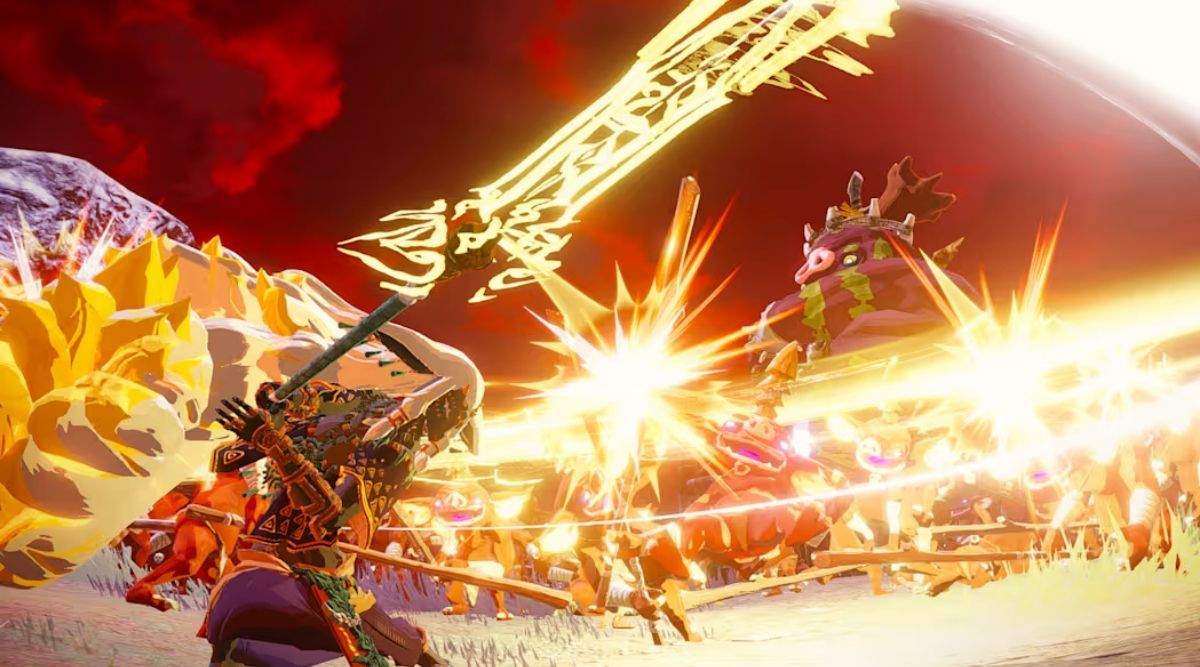
With that said, the combat in Hyrule Warriors: Age of Imprisonment is the real standout and will be more than enough to overcome any qualms with the story. The fast-paced combat is both simple and effective, and the 1-vs-1000 approach is consistently exhilarating. Being able to brush past hordes of enemies with a single move never gets old.
Part of what keeps it fresh is the constant dripfeed of unlockable moves and enemy types. Every chapter introduces new discoveries that expand the gameplay and grant players new abilities to explore. Each playable character has unique skills, including some that use wild Zonai contraptions akin to the ones players could make in Tears of the Kingdom. The best part about all of these unlocks is that they are never too complicated to use, since the combat sticks with using just a few buttons in different orders.
That simplistic approach to combat also keeps Hyrule Warriors: Age of Imprisonment from ever feeling too challenging on Normal difficulty. Part of the appeal of musou games is the power fantasy, and that is definitely the case in Hyrule Warriors: Age of Imprisonment. Even more challenging fights can be beaten fairly easily if you learn the right combos to use or can find the enemies’ telegraphed weaknesses.
Hard and Very Hard difficulties are a different story. These modes are genuinely challenging, and even seasoned musou gamers will have a tough time if they haven’t mastered the mechanics. It is nice to see these difficulty options present, so people who want a challenge can find one, while the average player can still enjoy the experience without running into a brick wall.
Hyrul Warriors: Age of Imprisonment looks and runs more smoothly than any of its predecessors.
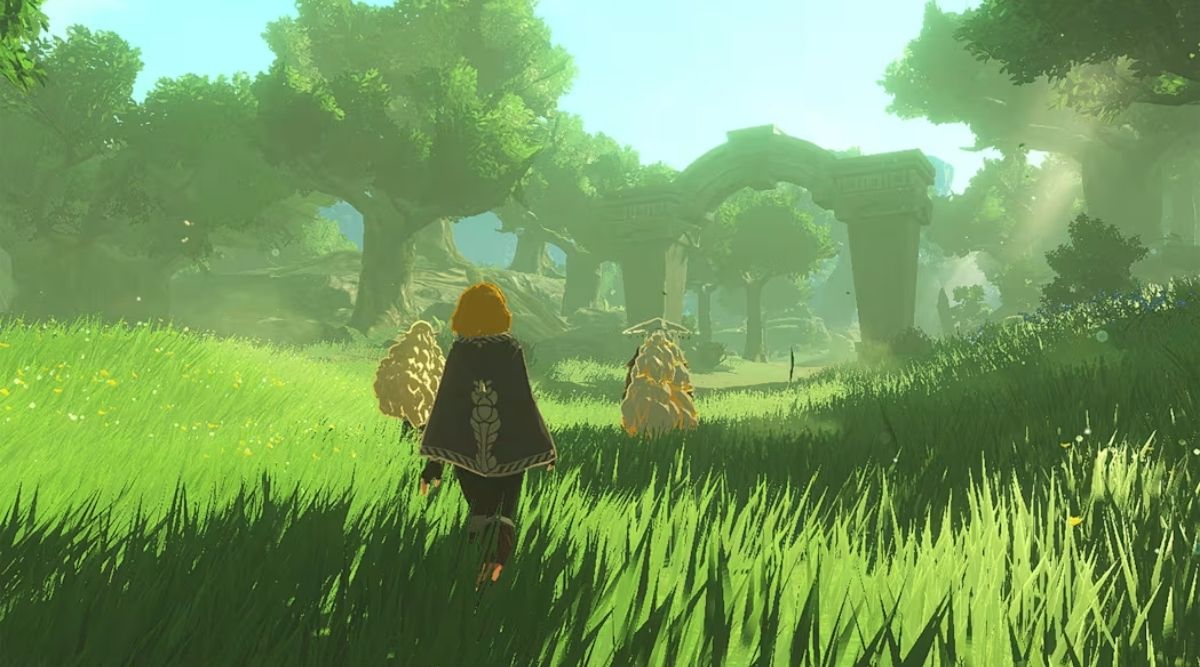
The absolute best part about Hyrule Warriors: Age of Imprisonment is how well it runs on the Nintendo Switch 2. The first two Hyrule Warriors games were janky messes, to put it nicely, but Hyrule Warriors: Age of Imprisonment runs like an absolute dream. Combat is incredibly fluid, and I rarely dropped frames at all. Cutscenes are a different story, as they can drop frames inexplicably, but the actual in-game action experience is borderline flawless.
Hyrule Warriors: Age of Imprisonment is undoubtedly a good-looking game, but the current iteration of Hyrule is starting to get a bit stale. Hyrule Warriors: Age of Imprisonment doesn’t stand out from its predecessors in any noticeable way, but it is still pretty to look at. Some more variance would have been beneficial, but there is only so much that can be changed in this setting without radically altering what it is meant to convey.
Hyrule Warriors: Age of Imprisonment is an action-packed adventure that manages to overcome a disappointing story by providing exhilarating combat. There is plenty to love about the musou style set in the Zelda world, and Hyrule Warriors: Age of Imprisonment absolutely delivers.
Hyrule Warriors: Age of Imprisonment is available now on Nintendo Switch 2.
Hyrule Warriors: Age of Imprisonment
-
Rating - 8/108/10
TL;DR
Hyrule Warriors: Age of Imprisonment is an action-packed adventure that manages to overcome a disappointing story by providing exhilarating combat.