
Town of Zoz could have leaned entirely on nostalgia. The Y2K JRPG influence is clear from the start, but Studio Pixanoh builds on that foundation with something more personal. Based in Los Angeles, the studio delivers a game about food, community, and cultural identity, wrapped in a light, easy-to-settle-into adventure structure. Even when parts of it don’t fully come together, that core identity carries the experience.
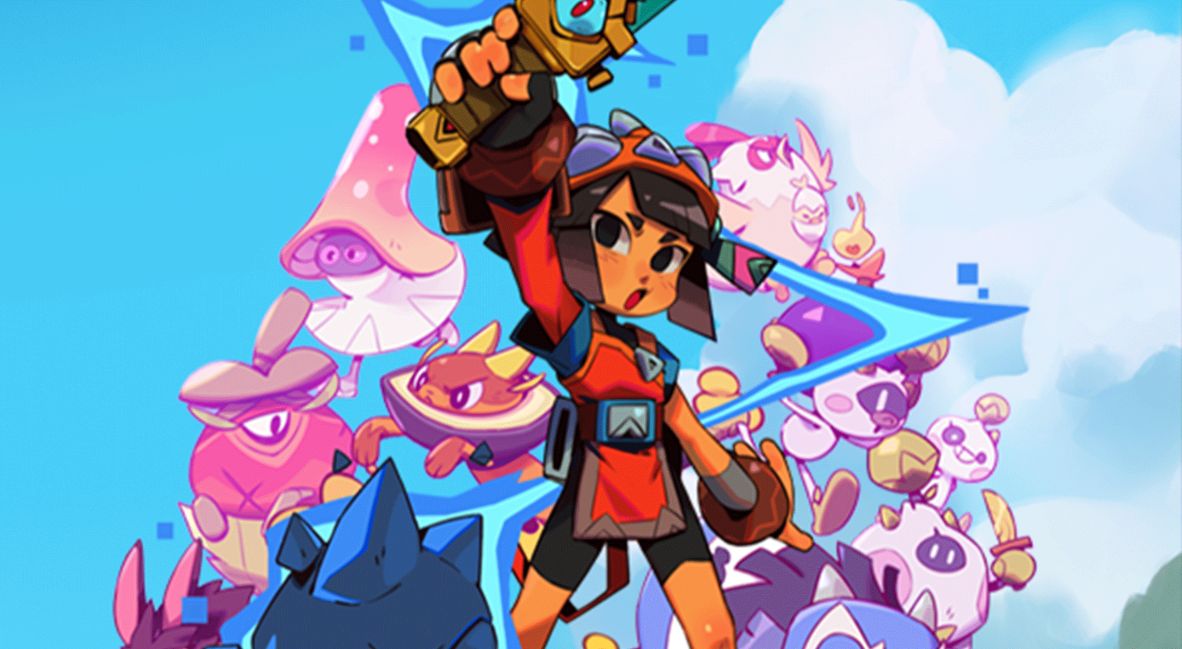
You play as Ito, a young shaman chef who returns home after a letter from his parents pulls him back to the family farm and restaurant. What begins as helping out quickly expands into something larger as the town’s past surfaces. Demons and spirits exist alongside everyday life, not as distant threats but as part of the town’s fabric, shaping both its past and the tension quietly building beneath it.
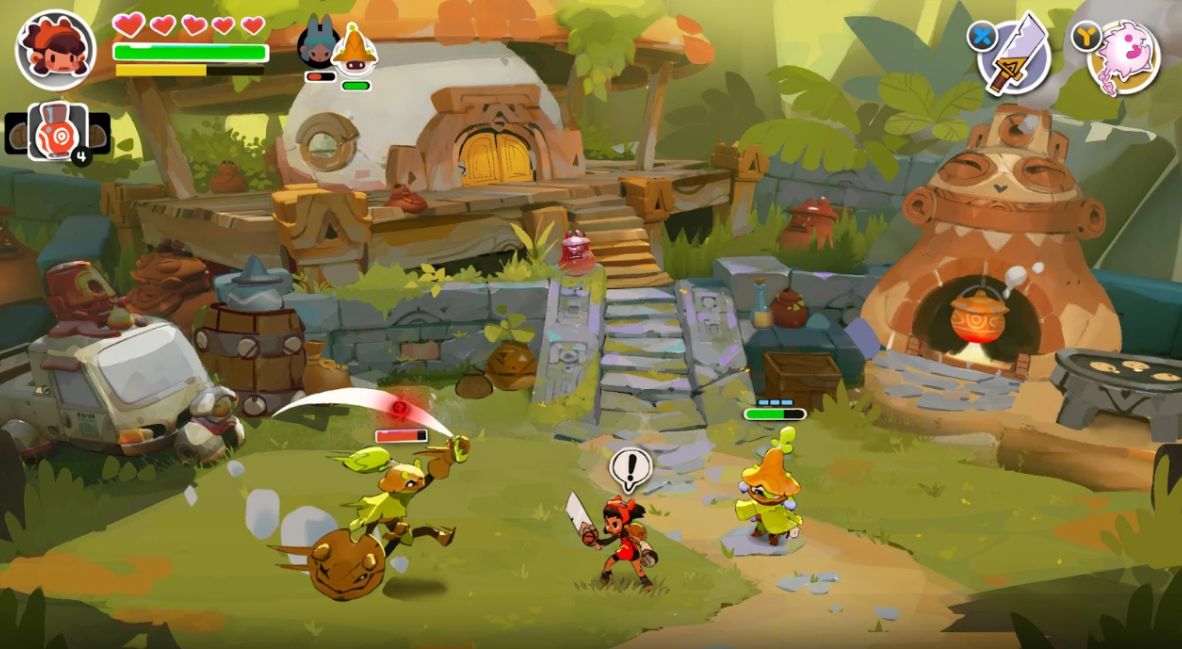
Gameplay is built around a mix of combat, exploration, and community-building through food. Ito fights using a soul-infused machete, with combat focused on slashing, dodging, and working alongside companions who each bring their own abilities into encounters. It’s a system that stays approachable while still giving enough variation through party dynamics and timing-based mechanics.
Cooking is at the center of everything in the JRPG Town of Zoz.
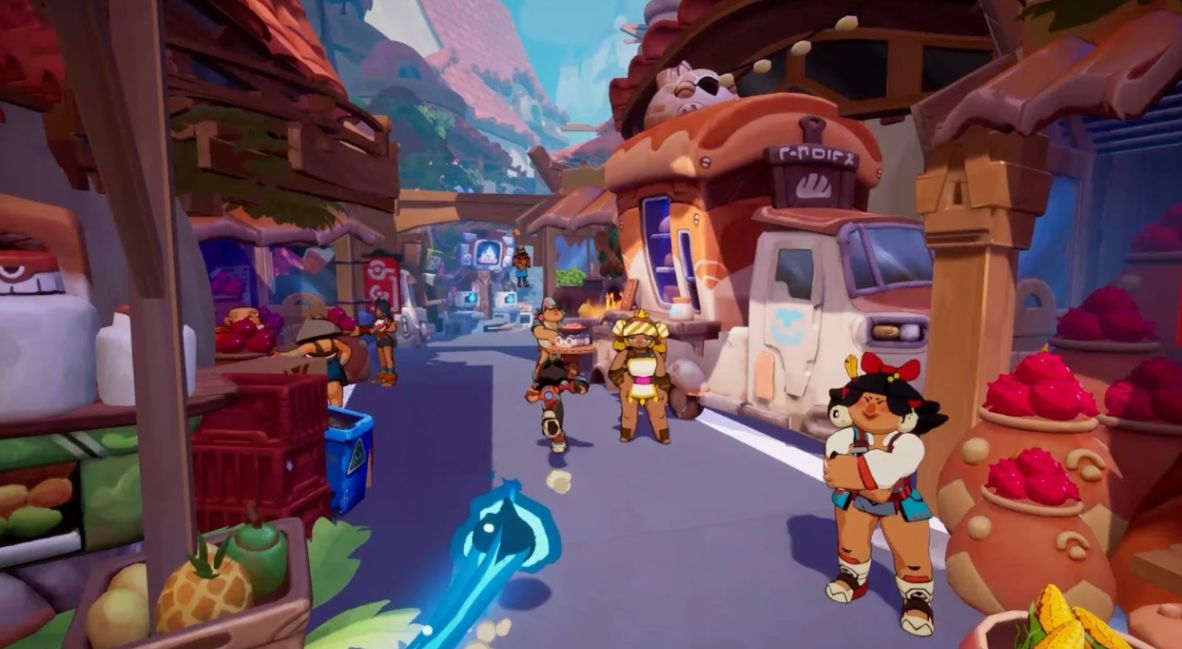
That setup works because the world itself feels intentional. Cooking is the center of everything. You gather ingredients, prepare meals, and use food as a way to build relationships with the people around you. The variety of dishes stands out immediately. There’s a clear effort to represent a wide range of Latin American influences, pulling from different regions and traditions rather than narrowing the focus to something more familiar or expected.
That same care extends to the rest of the town. Character designs are unique without feeling exaggerated caricatures of the real-life culture they are influenced by. Further, the environments balance warmth and tension depending on where you are. Bright Latin-inspired colors pop when the moment calls for it, while darker areas lean into that shift without losing the game’s overall stylization. Even the way shadows fall during combat plays a role in the world, pushing players to examine every inch of the battlefield.
On PC, Town of Zoz runs smoothly and offers enough flexibility to find what works best for you. I spent time playing on both the mouse and keyboard and the controller, and the difference is noticeable. Controller feels more natural moment to moment, with smoother movement, more reliable dodge timing, and a combat flow that better matches the game’s overall rhythm.
The strength of the combat comes from the variety of enemies you face.
Mouse and keyboard are still viable, especially if you’re using something like a multi-button mouse. I was able to bind abilities to my Logitech G600 and get comfortable fairly quickly, but the default layout isn’t as intuitive. Holding shift to sprint, for example, feels awkward in a game that demands constant movement. The keybinding options help a lot here, making it easy to adjust things to your preference without much friction.
Combat is straightforward, but its variety comes from the enemies you face and figuring out which tools work best in each situation. Different encounters push you to adjust your approach, whether that’s swapping weapons or leaning on specific food buffs to support your playstyle. Dodging becomes your primary defense, while everything else shapes how you choose to go on offense, creating a simple yet effective balance that keeps fights moving without overcomplicating them.
Platforming adds variety to that loop. The camera shifts between slightly overhead and head-on perspectives, which gives certain sections a 2.5D feel. It’s a small design choice, but it helps break up the rhythm and keeps exploration from feeling too repetitive. It elevates the fusion of gameplay inspirations through sheer perspective, something that lingers in the Town of Zoz‘s story beats.
Town of Zoz is about returning home and protecting your community.

At its core, Town of Zoz has a clear emotional throughline. It’s about returning home, taking responsibility, and navigating the weight of decisions made with good intentions. Ito’s journey centers on protecting his family and community, even when those choices lead to consequences he didn’t expect.
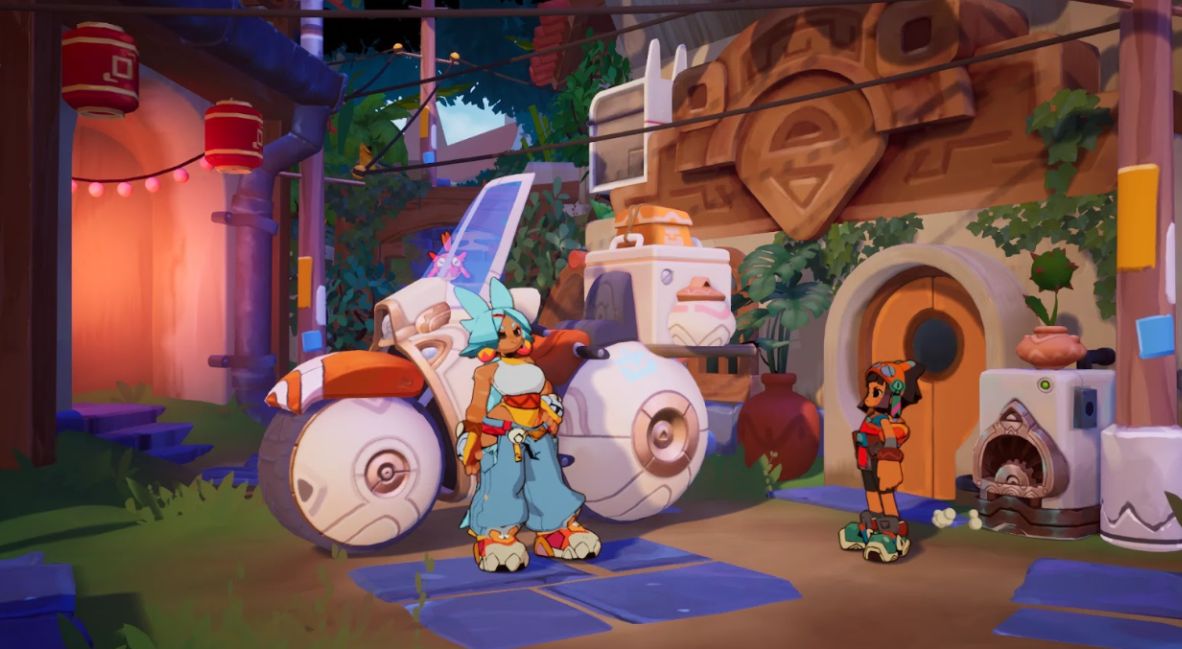
The town itself plays a major role in that experience. From local heroes and shopkeepers to athletes, magical sect leaders, and a Soulsmith capable of enhancing your gear, every character adds to the sense that Zoz is a place shaped by its people and its troubled history. Helping them overcome their personal struggles becomes just as important as uncovering the larger mystery, grounding the adventure in something more personal.
There’s also a strong internal element when defending that community. The story leans into confronting parts of yourself you don’t fully understand or have tried to ignore. Growth comes from facing those pieces directly, even when it’s uncomfortable. Those ideas land. The problem is how they’re delivered.
Despite some rushed elements, the overall narrative remains engaging.
In true JRPG fashion, major story beats tend to arrive all at once, often right after boss fights or key moments, instead of unfolding through the gameplay leading up to them. Big reveals, character motivations, and shifts in the world feel delivered rather than discovered, which creates distance at the exact moments that should carry the most weight.
That rushing stands out even more because of the care put into building the world through Ito’s interactions with the townspeople, where smaller moments are given time to breathe and feel lived in. The themes are present and meaningful, but the pacing skips over the steps that would allow those larger moments to fully land.
Even with that, Town of Zoz stays engaging because its foundation is so strong. The townspeople bring personality to every corner of the experience. The music adds energy and weight to both exploration and combat.
Through Town of Zoz, Studio Pixanoh delivers a lasting impression.
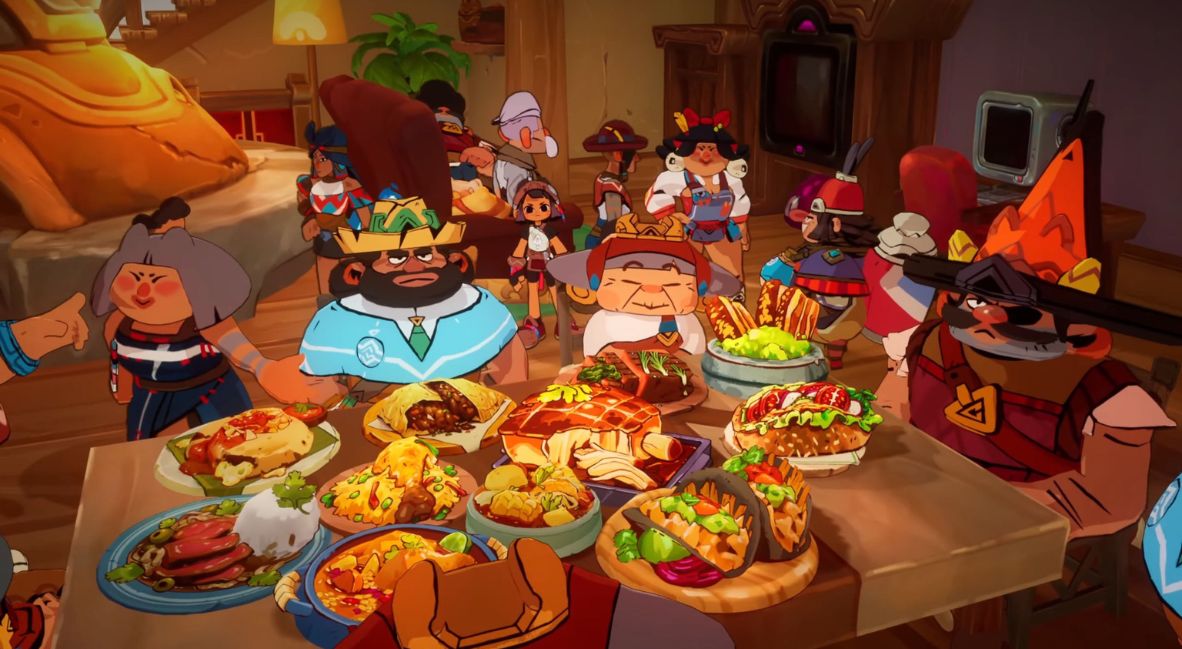
And the loop of gathering ingredients, cooking meals, and helping rebuild the community creates a rhythm that is easy to fall into. Everything consistently ties back to culture and connection, and that throughline keeps the game grounded even when the narrative moves too quickly.
Town of Zoz ultimately succeeds in the areas that define it most. Its cultural identity feels intentional, its focus on food as a connection comes through clearly, and its sense of community carries the experience from beginning to end. The gameplay supports that vision with accessible combat, flexible controls, and a smooth structure on PC, especially when using a controller. It’s easy to settle into and stay engaged with over time.
The story has something meaningful to say about family, responsibility, and confronting parts of yourself you may not fully understand, even if it doesn’t always give those ideas the space they deserve. What’s here still lays a strong foundation, and the care put into the world makes it easy to see how a sequel could build on it and refine what is currently its roughest edge.
Town of Zoz leaves a lasting impression by centering culture, community, and connection in a vibrant adventure that’s easy to get lost in.
Town of Zoz
-
Rating - 7.5/107.5/10
TL;DR
Town of Zoz leaves a lasting impression by centering culture, community, and connection in a vibrant adventure that’s easy to get lost in.