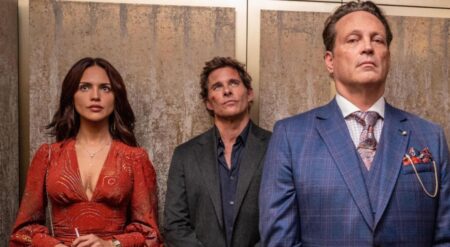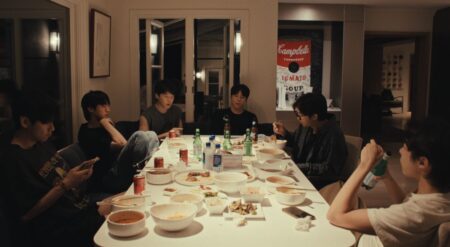

The 1978 film, Faces of Death, holds a special, gross place in horror history. Purported by many at the time to be a snuff film, it’s now common knowledge that most of the graphic human death scenes in the macabre compilation are staged for the camera, mixed in with some real death shots from afar and footage bought from news stations. Faces of Death has lived in infamy as a truly sick curiosity from a more bloodthirsty era, or so we thought.
Nearly 50 years after its release, something funny has happened. Online, the draw to the kind of real violence the original film recreated has never been higher, with algorithms pushing it more than ever. Writer/director Daniel Goldhaber (How to Blow Up a Pipeline, Cam) knows this, so instead of doing a remake, his Faces of Death uses the original film’s brutal legacy and name as a critique of the bloodthirsty nature of social media. While surprisingly light on gore, 2026’s Faces of Death makes up for it with brains and a visceral narrative that holds a mirror up to how desensitized society is becoming through social media.
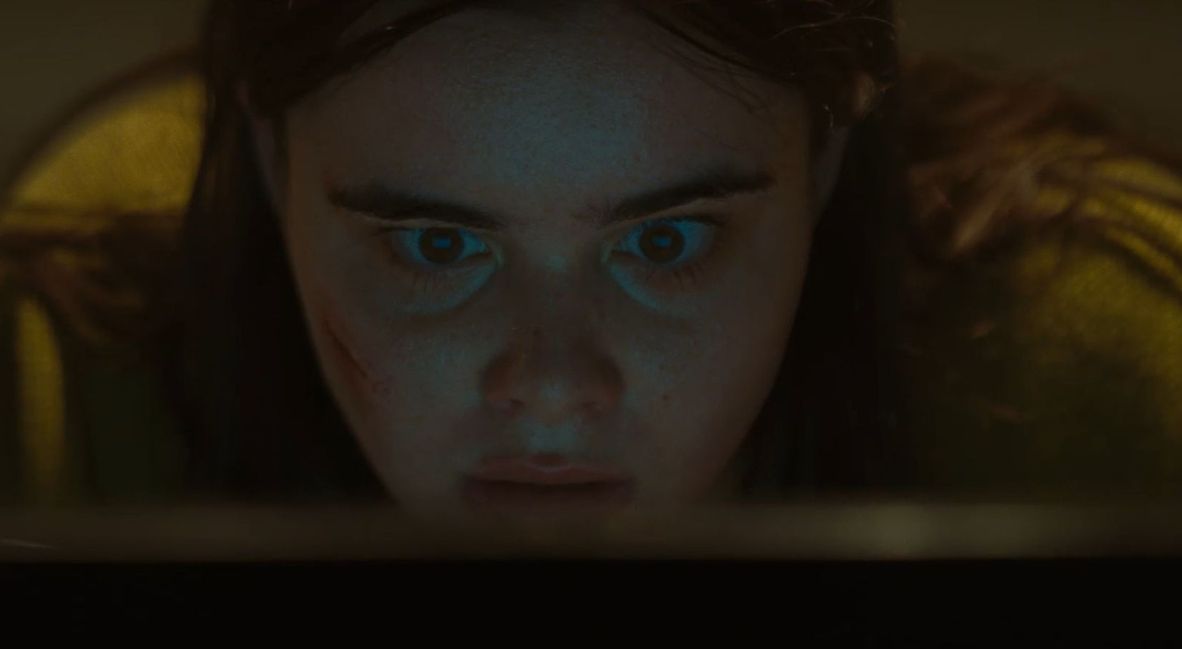
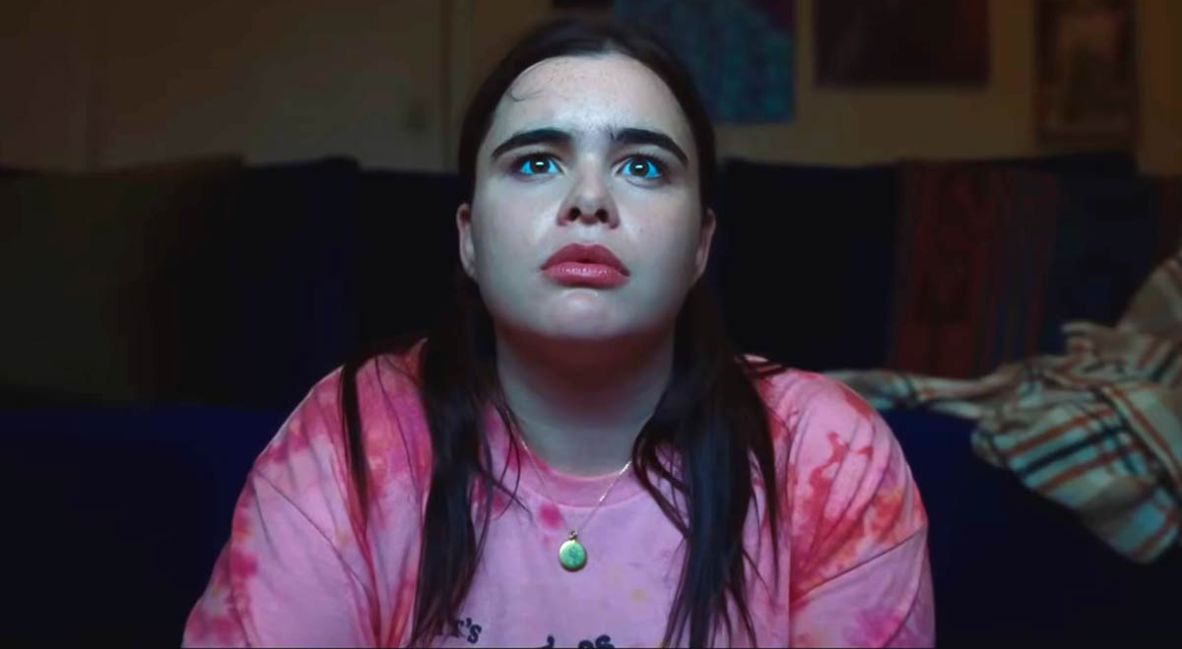
Margot (Barbie Ferreira) is a content moderator for the social media platform Kino. Her job consists of reviewing each TikTok-like post for things like violent, sexual, or drug content. She pauses when she sees a series of what, at first, appear to be staged short horror films depicting murders.
Barbie Ferreira is a compelling protagonist in Faces of Death (2026)
Margot soon realizes that not only are these videos authentic, but they’re also recreations of scenes from the original Faces of Death. Putting her job at risk to save would-be victims from the same fate, Margot searches for whoever’s doing this as the would-be auteur of murder (Dacre Montgomery) skulks in the shadows.
Ferreira brings a resonant empathy to her role as Margot. Someone whose life was indirectly destroyed through social media, she has an uncommon ability to see through the inundation of content that dulls everyone else. She’s as compelling an internet sleuth as she is a sort of mouthpiece for the themes Goldhaber and co-writer Isa Mazzei want to talk about.
It would’ve been easy for Margot’s place of work to feel like an over-the-top parody, yet the portrayal of Kino feels true to life, in that it’s utterly dystopian. Kino’s employees are put through the meat grinder and have to leave their morals at the door to approve content that fits whatever the algorithm is pushing. Often, this lets extreme violence squeak through while even educational videos about sex and drugs are blocked, all the while the chipper boss, Josh, (Jermaine Fowler) acts like they’re doing traditional office work.
Director Daniel Goldhaber keeps the tension-driven momentum going.
Kino’s portrayal is a sobering realization that the corporations that put out these addictive apps, which become an inseparable part of our lives, only care about what makes them money. Only does the satire hit the sour note in a misjudged, though brief, turn from Charli XCX (The Moment), whose valley girl-like portrayal feels far too broad for what the movie is doing.
Another aspect where Faces of Death shines is in the propulsive nature of its narrative. Like a social media-focused riff on something like Red Rooms, Goldhaber keeps the momentum going as Margot gets closer and closer to the truth. Cinematographer Isaac Bauman employs expressive lighting while Gavin Brivik’s score evokes a sinister vibe throughout.
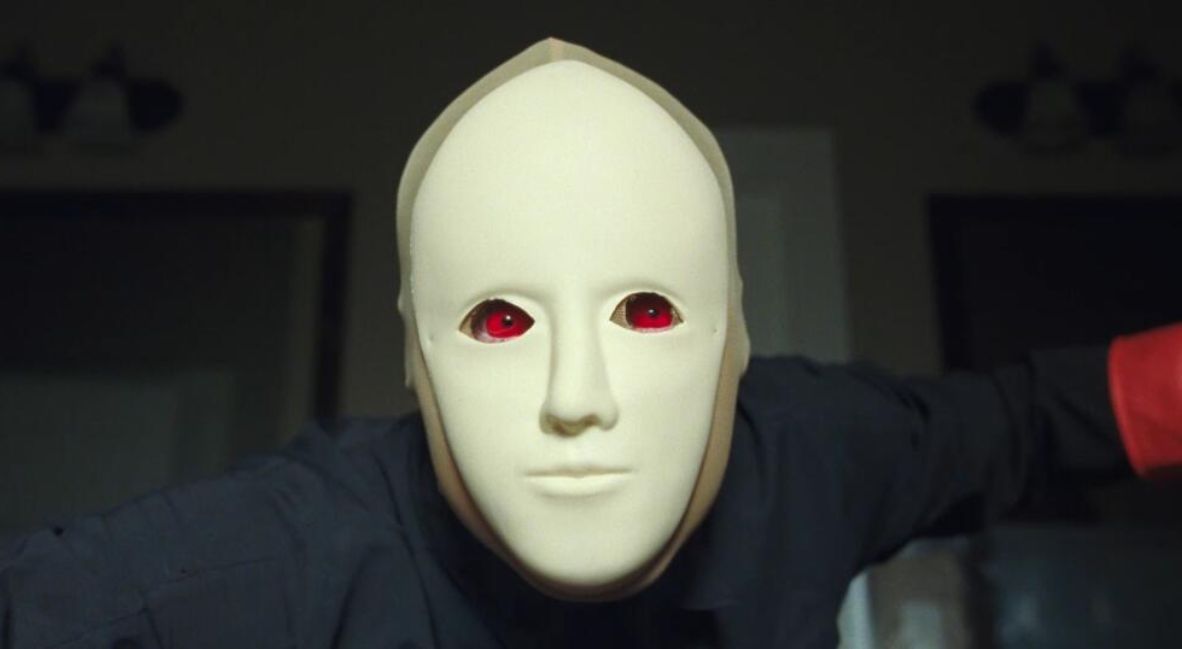
As compelling as Margot’s internet sleuthing is, the path the film’s villain takes is just as great. Montgomery’s Arthur is unsettling in his ability to blend in, even as his obsession with gaming the algorithm drives him to keep creating his perverse content. He’s an avatar for the attention economy.
Faces of Death (2026) critiques a culture driven by violent algorithms.
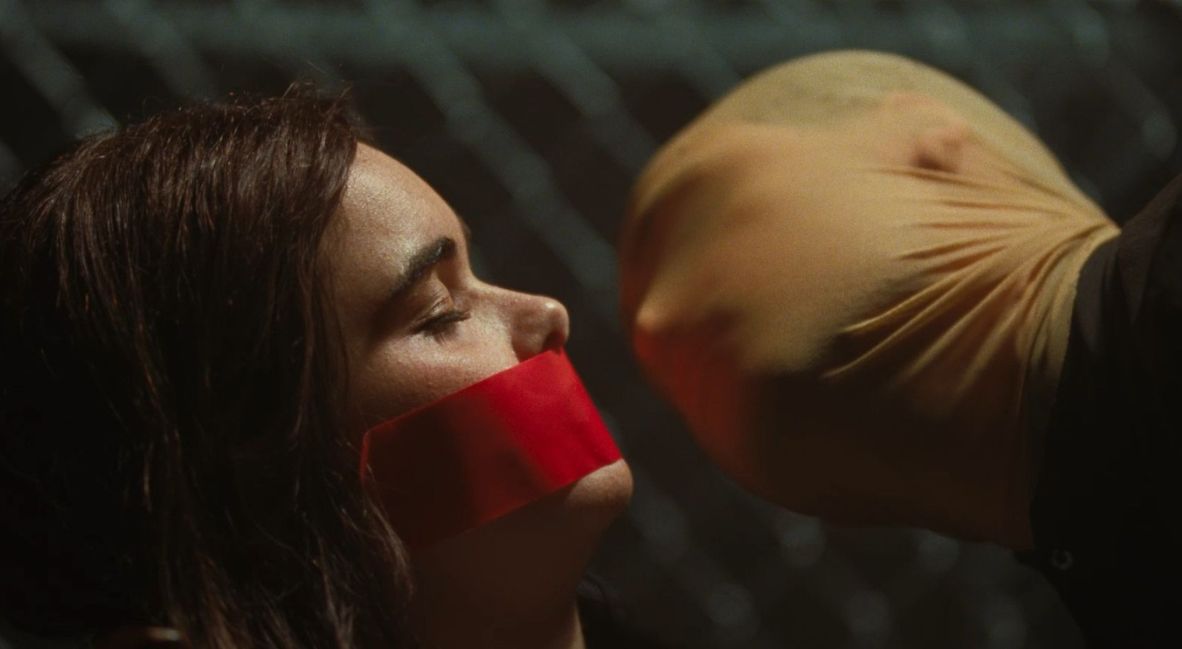
Ultimately, of course, he has agency. But his utter devotion to “giving the people what they want” suggests what the constant chase of finding anything to truly stimulate in a sea of overstimulation drives content creators towards.
Faces of Death is lackluster in the gore department. Outside of a couple of memorable grotesque images, it pointedly sets aside the outrageous gore of the original in service of an ideological duel between Margot and Arthur. That’s absolutely the right call, as a bravura third act brings everything Faces of Death is trying to do to a head, leading to a bleakly comical final moment that rivals the dark joke that ends Our Hero, Balthazar. It’s a great year for movie endings!
Faces of Death (2026) is not a remake; instead, it uses the original film as a linchpin to discuss the ongoing denigration of culture and draw towards violence, helped along by social media. Daniel Goldhaber has made an essential film for our time, claiming that there are Faces of Death everywhere for eyes to see them. In a perfect world, people would watch his film and rethink what their constant consumption of violent content is doing to their brains. As Faces of Death makes brutally apparent, that’s ultimately for the algorithm to decide.
Faces of Death releases in theaters everywhere on April 10.
Faces of Death (2026)
-
Rating - 8.5/108.5/10
TL;DR
Faces of Death (2026) is not a remake, instead using the original film as a linchpin to discuss the ongoing denigration of culture and draw towards violence helped along by social media.