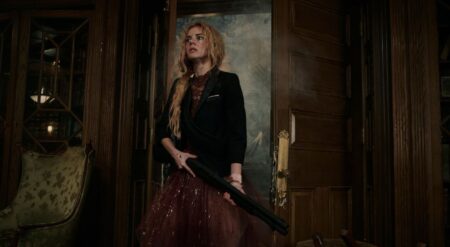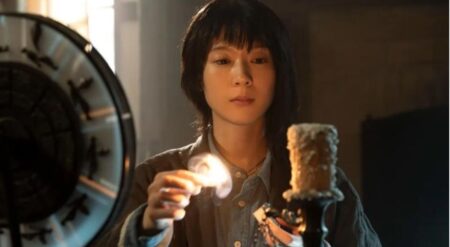
Don’t ignore the quotation marks in writer-director Emerald Fennell’s “Wuthering Heights”. While the characters share the same name and similar circumstances to Emily Brontë’s classic novel, which helped establish gothic romances as a literary tradition, this is not Brontë’s work.
Considered taboo when it was first published, the original novel focused on establishing the descent into madness that comes from love. Fueled by obsession and a need to possess, the romance between Catherine Earnshaw (Margot Robbie) and Heathcliff (Jacob Elordi) is one in which the female protagonist destroys everything around her.
She ruins everything she touches through her selfishness. But that’s only the first part of the book, as a haunting takes the forefront of the last half.
But in “Wuthering Heights,” Fennell focuses on the romance between Heathcliff and Catherine. While love remains a path toward death in this reimagining of the Brontë classic, the destruction it brings is the true focus. Only for Emerald Fennell, the destruction and obsessive love aren’t really the point.
The quotation marks in the Wuthering Heights title are doing a lot of narrative heavy lifting.
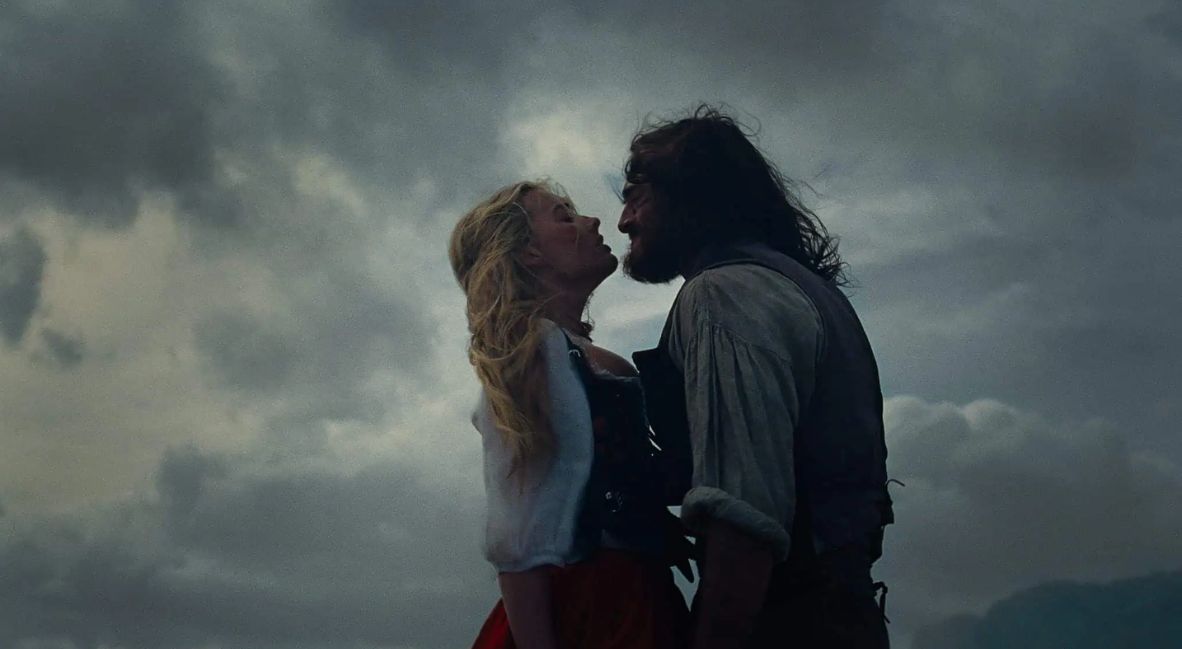
The film’s synopsis is “Tragedy strikes when Heathcliff falls in love with Catherine Earnshaw, a woman from a wealthy family in 18th-century England.” And the film really is as simple as this. Complexity is nowhere to be seen as a star-crossed love drives the narrative, and all semblance of gothic storytelling is forgotten unless you count heavy fog.
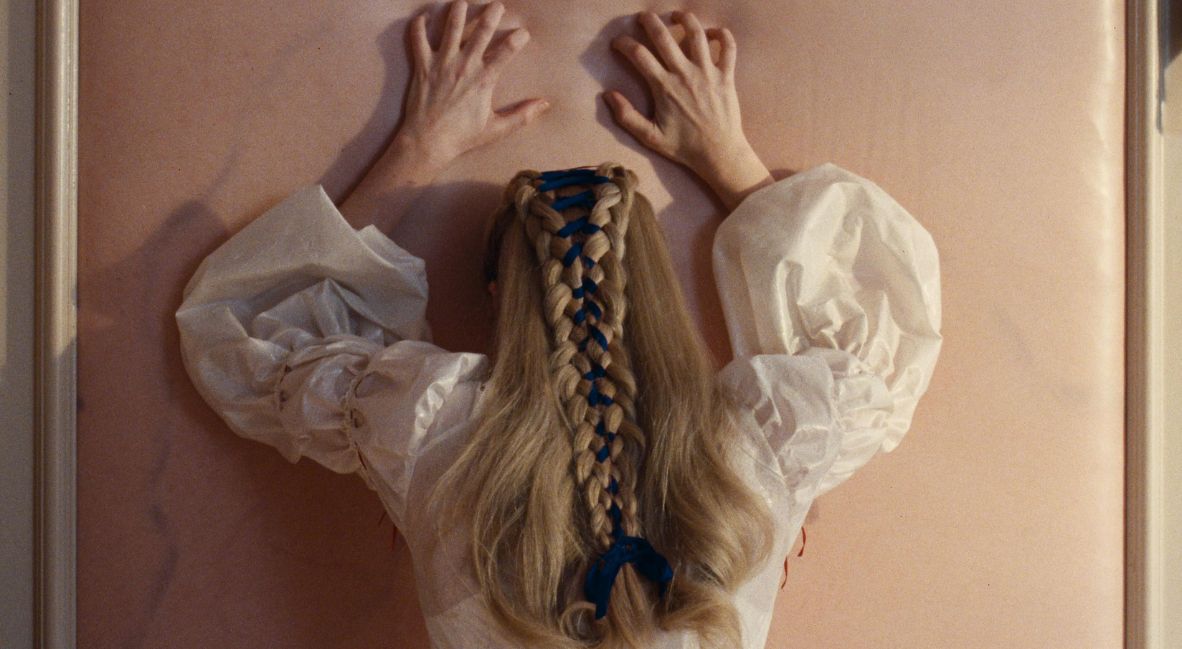
Despite this, Emerald Fennell’s reimagining of Wuthering Heights is gorgeous, vibrant, and well-acted. The film is made to have each scene frozen and framed. The architecture, interior design, gowns, and hairstyling embody pure decadence. The film is all about the movement from the poor dark halls of the Heights to Edgar Lockwood’s (Shazad Latif) pastel dream. There are no visual faults in “Wuthering Heights.”
Beyond the opulence, the quotation marks in the title allow the filmmaker to gut Emily Brontë’s original work and parade it as art. Fennell has been compared to Baz Luhrmann and his film Romeo + Juliet, but the reality is that Luhrmann still understood the importance of the story he was reimagining for modern pop culture and youth. In fact, many of Fennell’s visual decisions make the film seem as if she is trying to strike cult lightning as Romeo + Juliet did, and in doing so, becomes a feast for the eyes and not the soul.
Reimagining a classic for a new generation can be iconic, but this is not Romeo + Juliet.
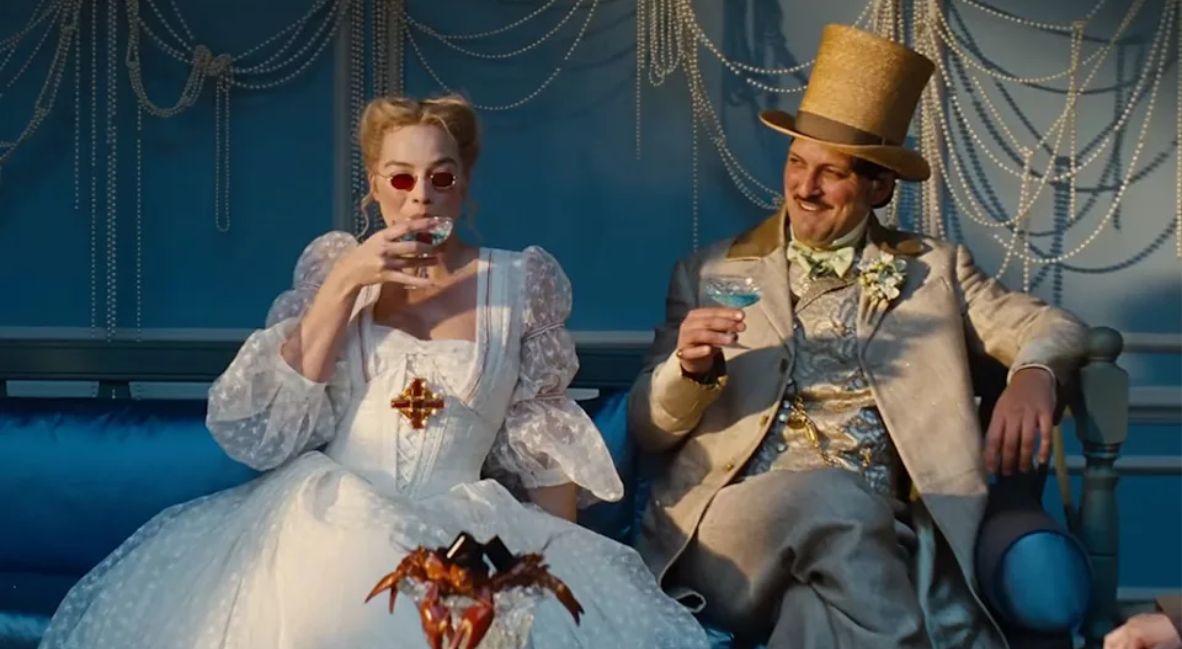
Fennell throws out everything from the source material in an attempt to make a film ripe for Gen Z to cut up for TikTok. She’s thrown away the gothic architecture and the haunting atmosphere. She has prioritized beautiful gowns and luxurious color over any semblance of a story that laid the foundation for a destructive, doomed gothic romance.
So much of Fennell’s interpretation in “Wuthering Heights” feels wholly disjointed. Instead of embracing modern music entirely, as series like Reign or films like Romeo + Juliet did, she uses Charli XCX’s club-pop sounds to jarringly interrupt moments in the film, while haunting folk-style songs mark other scenes. If anything, the sparse use of Charli XCX’s songs makes it a garish attempt to appeal to a young audience at the expense of atmosphere and narrative.
Fennell is entirely inconsistent and woefully out of touch with the power of the original work, which can only be assumed by once again casting a white man as Heathcliff. Where “Wuthering Heights” succeeds is that, had this movie been called anything else and Fennell decided to write her own story instead of a fanfic that fails to capture the taboo nature of the original work, it would have worked.
Emerald Fennell trades in gothic storytelling for pastel dreams in “Wuthering Heights.”
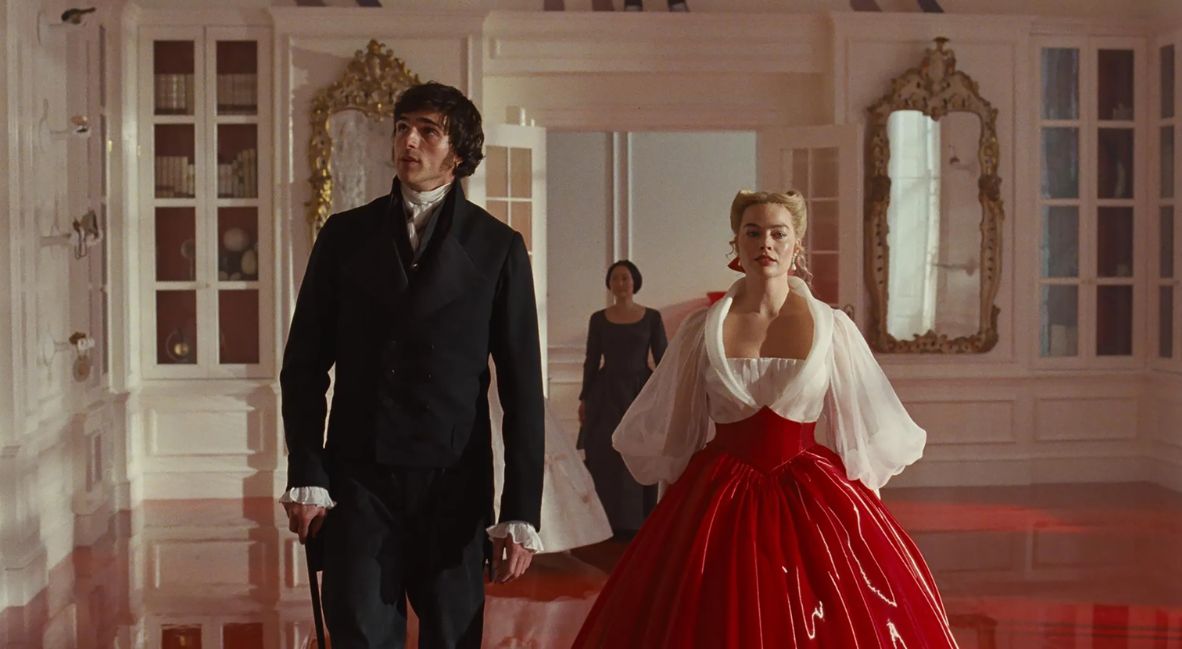
As a duo, Margot Robbie and Jacob Elordi are electric, particularly in the film’s first act. Hong Chau’s obvious one-sided love and anger as Nelly resonates deeply as she lands verbal blows on Cathy. Alison Oliver as Isabella is the right kind of quirky and sex-obsessed comic relief.
But in the end, this isn’t Wuthering Heights. In thinking back to a reimagining like Lurhmann’s, I see a film that created Mercutio and Tybalt so opposed to expectations and so wholly charismatic and fitting to the narrative that there’s no way to view the characters any other way. Here, however, I find myself yearning for Heathcliff and Catherine from Brontë’s work, and struggling to find any semblance of them in the film.
“Wuthering Heights” is nowhere near as devastating as it should be. Its observation of obsession is nowhere near as biting, and it leaves Catherine looking like a victim of circumstance instead of an obsessed woman who destroyed everything she touched. Heathcliff is just a grieving man, not a man gutted by a love never meant to happen. Together, they’re just an illicit affair to sit next to any other illicit affair.
Jacob Elordi and Margot Robbie have electric chemistry, but that has never been enough for Wuthering Heights.
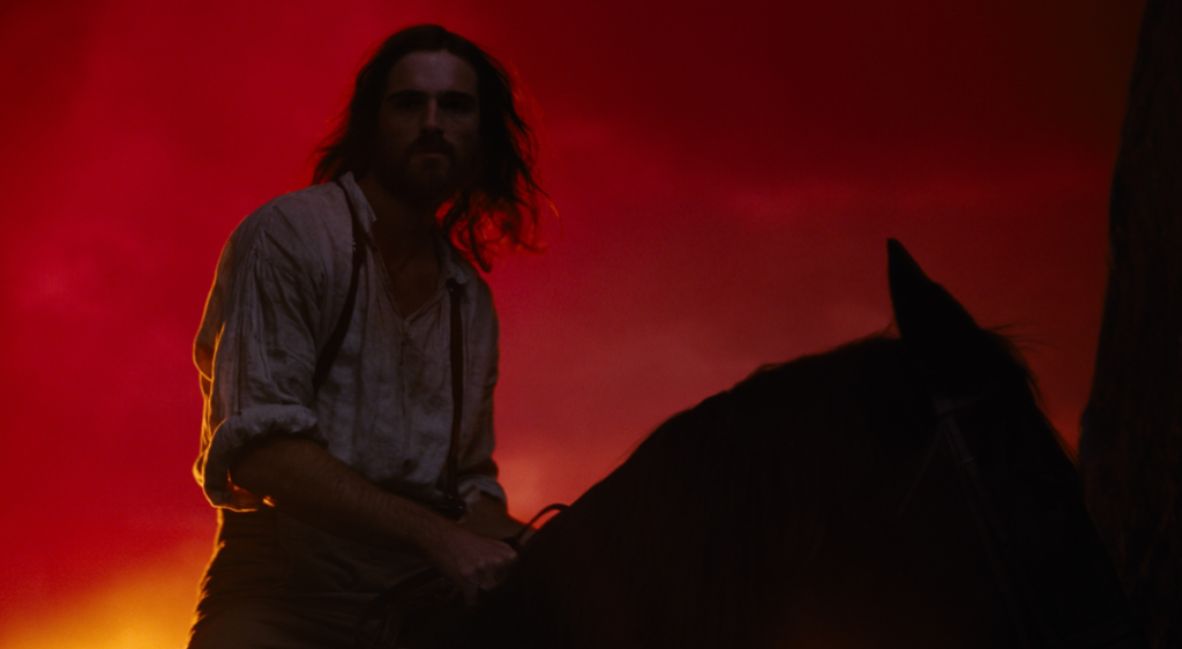
Perhaps the most interesting part of the film is that Emerald Fennell once again plays with the audience’s expectations, using sound and visual texture to replicate the sights and sounds of sex throughout. Whether it’s the grunts of a man struggling to breathe while being hung (and getting a stiffy), or a maid kneading a ball of dough, squelches and moans paint the first two acts of “Wuthering Heights.”
And yet, despite her eye for perversion, “Wuthering Heights” never truly reaches a taboo level even as Heathcliff begins his cruel marriage based on revenge. Heathcliff, despite his anger and his selfishness, consistently defers to Isabella.
Heathcliff puts consent at the forefront, making him palatable to the audience. This isn’t a man destroyed by his love, and his cruelty does have a limit. Instead, he comes off as no more than a child throwing a tantrum, thus downplaying Cathy’s impact.
Even with great performances, “Wuthering Heights” squanders a classic.
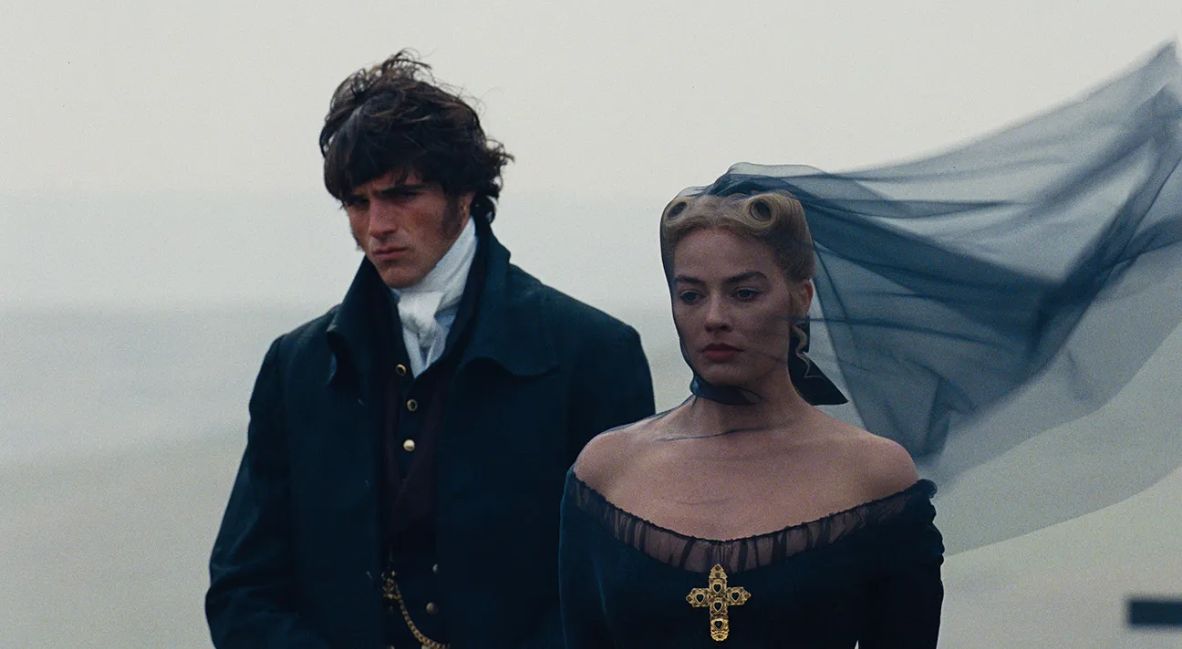
Additionally, much of my detachment and snarling at “Wuthering Heights” is because it feels like it could at least have been remedied with an extra 30 minutes of runtime. By drawing the curtain down for one half of the book and refusing to engage with the haunting aspect that is so crucial to the source material (outside of a joke that Isabella makes when she first meets Cathy), this reimagining doesn’t dig deeper into the torment that Cathy’s life and death causes those around her.
Instead, she’s just a lady dying for loving a servant from negligence caused by a fed-up ward who was tired of being disrespected. There is a vapidness that clings to every large emotional moment of “Wuthering Heights” that it just can’t shake off. Fennell wants everything to be bigger and grandiose, but nothing she has pulled together for this vision ever feels like enough.
“Wuthering Heights” is abysmally dull, despite its constant attempts at shock (that never go far enough) and its gorgeous sets and costumes. To trade in gothic storytelling for a pastel dream backed by Charli XCX is a disservice to Emily Brontë’s work.
This reimagining is a romp of a romance that attempts to course-correct into despair without much impact, even if it’s perfectly steamy when it needs to be, with excellent performances from the whole cast. And yet, nothing that Emerald Fennell has done with her retelling, changes or not, speaks to the taboo eccentricities of the original novel, making all of this feel like yet another cash grab with an existing work attached to it to get butts in seats.
“Wuthering Heights” is playing in theaters nationwide.
"Wuthering Heights"
-
Rating - 4/104/10
TL;DR
“Wuthering Heights” is abysmally dull, despite it’s constant attempts at shock (that never goes far enough) and it’s gorgeous sets and costumes.