
Read our hands-on preview of Transport Fever 3.
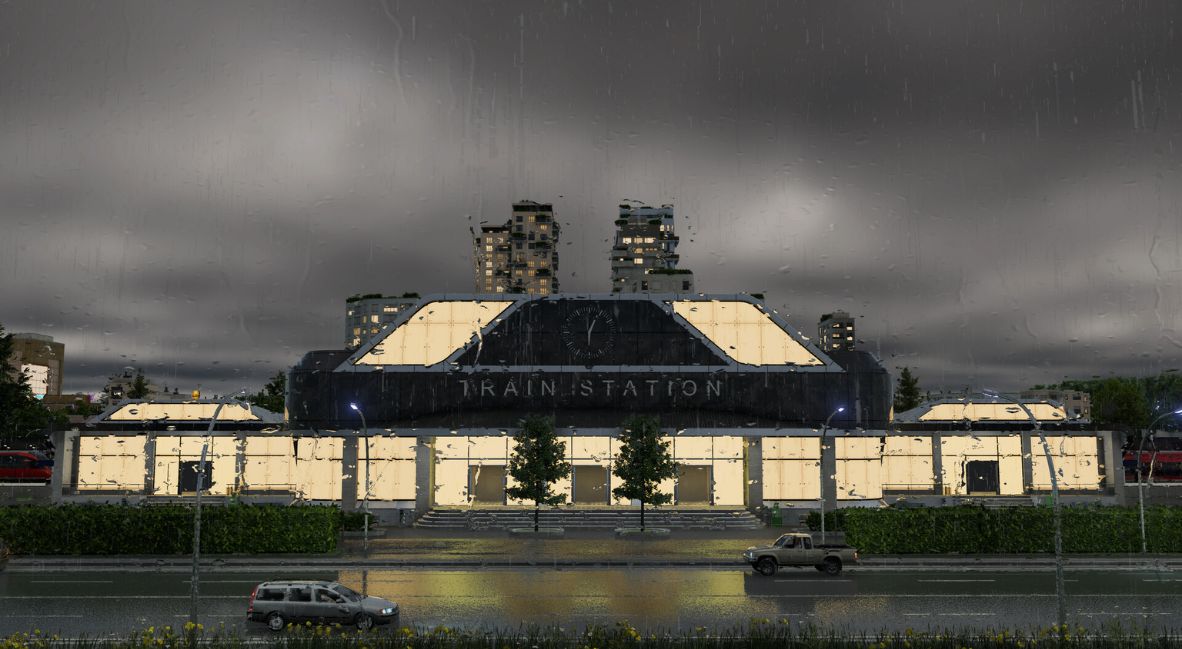
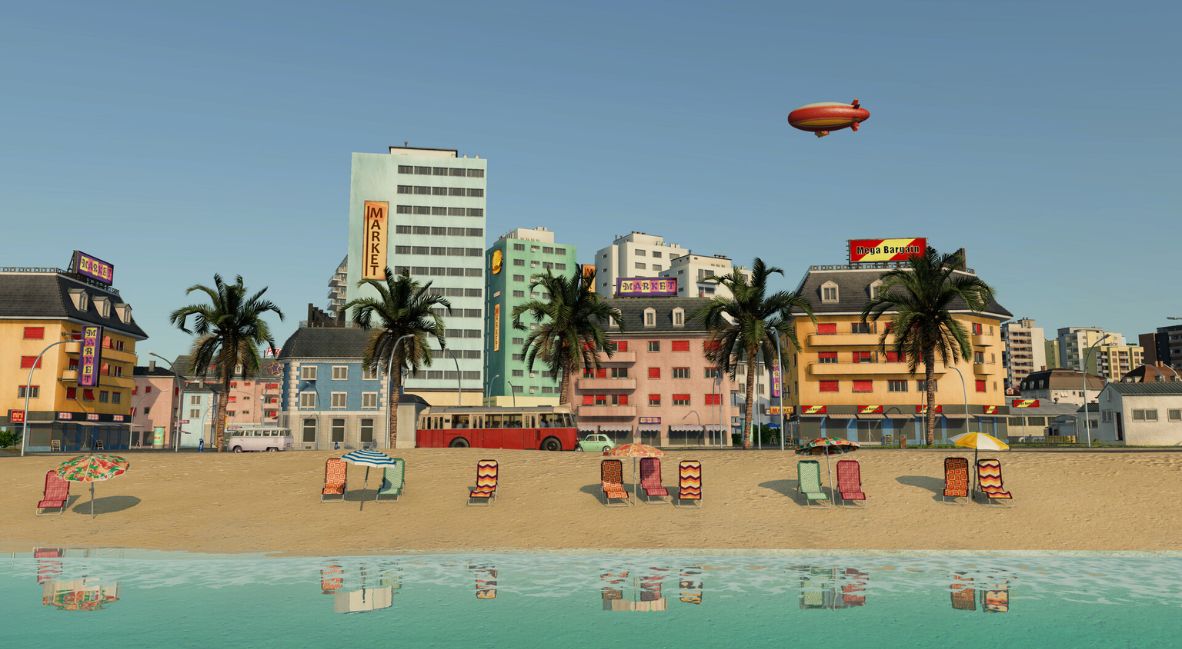
Transport Fever 3 is on the horizon. During a press preview event, we got the chance to go hands-on with the game for the first time and take charge of our own transportation empire. Spanning over a hundred years, the game campaign takes you from 1900 to 2033, which allows you to evolve transportation ways from horse-drawn wagons to steam trains to jet planes, to high-speed trains, and more.
Evolving your infrastructure continuously is the goal, and we spoke with Nicholas Heini, Urban Games’ Publishing Manager, about Transport Fever 3‘s changes from past games, new additions like the campaign, and the added importance of cargo time.
To kick off our conversation, we discussed the franchise’s investment in not just transportation but also logistics, dynamic city growth, and the details that all come together to create challenges for players. With some city builders and management sims, growing a larger city is the main focus: make it bigger, get more money, and repeat. But for Transport Fever 3, that’s not all there is to it.
Nicholas Heini explained, “It’s not just about having one city that you grow. Ideally, you grow the whole world. Each city has starting needs, and they will evolve over time depending on how you interact with them. That’s also much more dynamic than in previous games, and we’ll also be covering it in detail in the first week’s episode that we will release. So basically, they have eight different needs that you need to fulfill, and the better you do it, the faster they grow. These can also be fulfilled in an asynchronous way.”
As an example, Heini said, “So let’s say that you just deliver one type of cargo for the industrial area, then this one is going to grow much faster than the other areas. They pretty much react to the way that you handle things and how you work with your transportation network, and also where you’re doing well and when you’re not doing well. Basically, everything that you do has consequences. If you try to make them happy in one area, you might make them unhappy in another one. So it’s always a bit of a balancing and finding that perfect middle way as well.”
In Transport Fever 3, it’s not all about money; it’s about balance and maintenance.
In addition to growing an area over time, there is one other element that stands out as different from others in the genre. With deliveries as one of the focuses, players have to balance each route against cost and spend to build profitable routes and keep infrastructure constantly evolving. Money is still essential to continuing to move forward, as too much infrastructure cost with little income can halt growth quickly, but it isn’t the be-all-end-all.
For starters, cities all have different needs. “It’s much more about fulfilling requirements and needs than just getting rich quickly,” Heini said. “We have also introduced other new elements that may have positive or negative consequences for your company.”
He continued, “For example, if you decide to build a landmark, which is something that does not normally give you a financial gain, but it might increase the speed of your vehicles in the area. It might produce noise and pollution. It might give you more productivity. So, there are many other things that now matter as well. Money is still there. Money is still important, but it’s not the key thing anymore.”
Transport Fever 3’s focus on balance is a bit more complex than just a one-to-one.
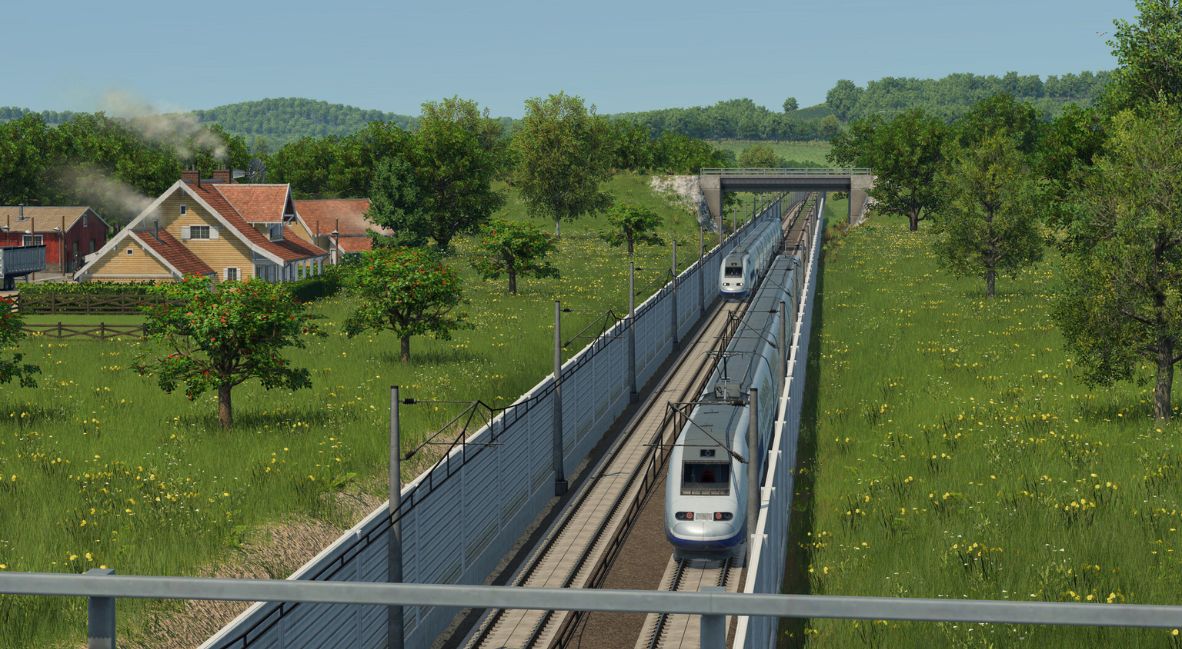
To explain the shift, Heini looked to the second game in the series, to show how the third has evolved, adding, “For maintenance in Transport Fever 2, you could just choose a slider for how much money you want to invest into maintenance, and that’s it. In Transport Fever 3, maintenance has an actual character, and your vehicles don’t just get dirty and rusty visually, but it also has an effect on [the] performance. So if you don’t maintain your vehicles, they’ll slow down. They’re going to be much louder, much noisier, and have much more pollution.
“So there’s an actual reason to invest in maintenance buildings, but they also come with downsides, since they cause pollution and noise. So, constantly, you need to find this balance. There are a lot of decisions that need to be made, and a lot of thinking involved if you want that,” he concluded.
What’s clear from both our conversation and time with the game is that balancing positives and negatives is a core game feature. But is it one-to-one? That was our question. And Heini’s answer was that while it’s not one-to-one, players should be aware that consequences are to be had, but not to the point of punishment.
Nicholas Heini responded, “I would say that everything has consequences in a good or in a bad way, which I think is what makes games fun. It’s very important that we never want to really punish the players. That’s the core of it all. We want it to be either it’s very rewarding or a bit less rewarding, but we don’t really want to punish anyone [with gameplay].”
Transportation Fever 3 makes cargo time matter.
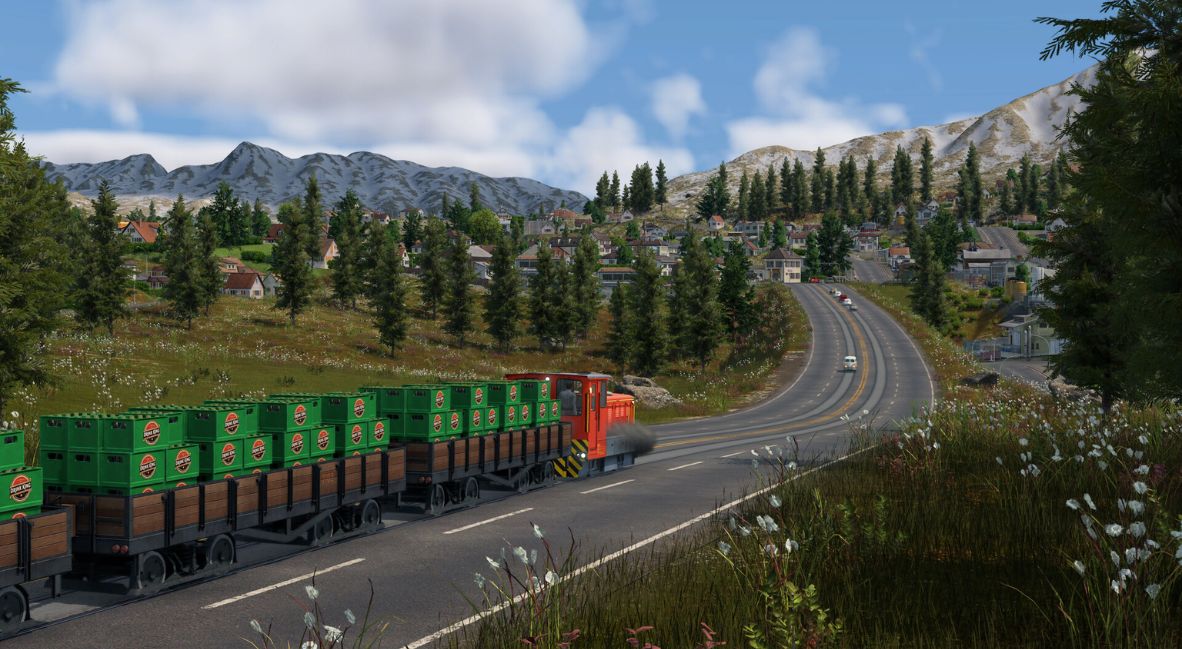
Another standout element in terms of developer focus was cargo time mattering to the overall gameplay and decisions that players make. And it comes back to making the game more than just accumulating money. When asked about the new importance of cargo time, Heini said, “I think one of the reasons is that we said we want to take the focus away from money, and by introducing both cargo delivery time, but it’s also passenger satisfaction [we do that].”
Adding, “If you take too long to transport passengers, they’ll be unhappy with you, and the town will be unhappy. The town is going to grow [more slowly], right? So you can see that there’s a whole tale of decisions and consequences that follows.”
The reality of this development is that the game has new elements to consider, and ultimately, it’s the layers that make any management game what the genre is known for. Heini said, “This introduces a whole new layer. It’s now not just important, but more or less, if you want to have perfect city growth, it is the highest priority that you make efficient lines and that you rethink how you set up the network.
“It’s also a very good idea to not just set something up, let it stay for another 50 years the way it is, but you need to constantly rethink and improve it. And that’s just what I think is, or what we think is, a fun element of gameplay as well.”
Transport Fever 3’s campaign is also a huge focus.
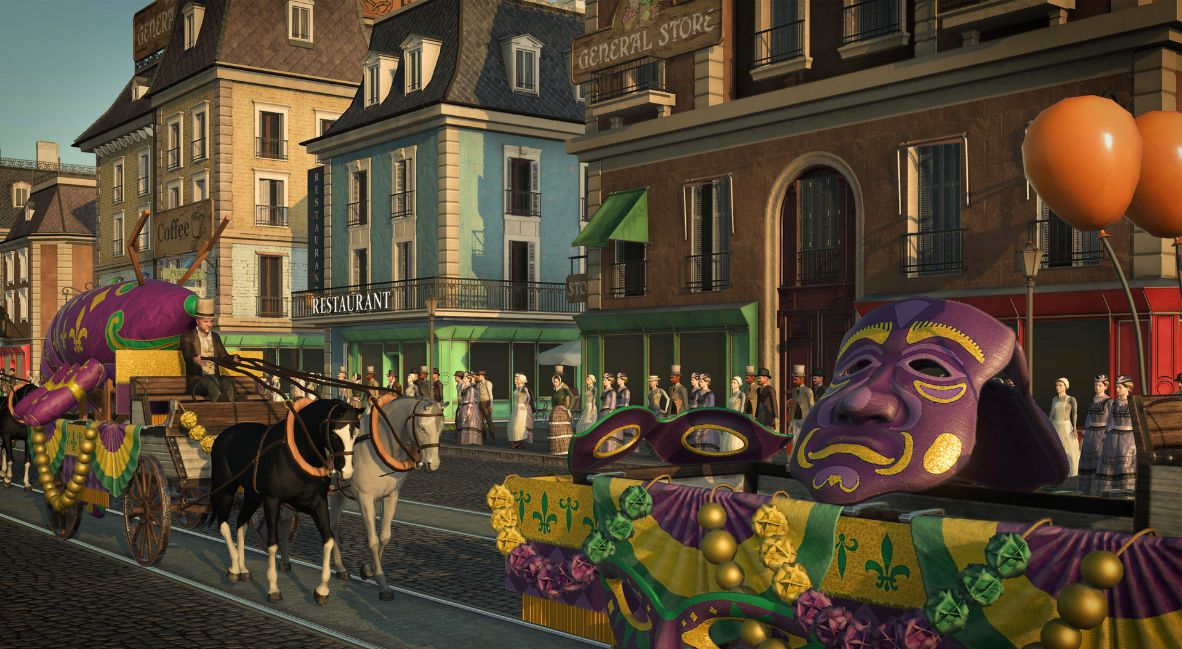
With different situations to work through, the campaign (which is new in this addition) also serves as a way to understand everything in Transport Fever 3, whether you’re a new player or a veteran to the series. When asked about the importance of highlighting the campaign, Heini said, “It’s just a cool thing to have if you can tell a story that sticks with people. That’s amazing. It also serves as some kind of tutorial for Transport Fever 3. We want to try to bring this learning curve to smooth that down. That’s very important for us.”
By allowing for historical touchpoints and a ramp-up period, Transport Fever 3 has a chance to be approachable. Heini continued, “We think that by telling a nice, exciting, entertaining story, and at the same time teaching you how the game works, that’s a big chance that we have right in front of us. And also, if we compare it to Transfer Fever 2, which had a strong base idea but people had a lot of issues with it, we saw a lot of potential to improve as well.”
The cornerstone of the campaign, however, is historical events and real-world elements, like Mardi Gras in New Orleans. Naturally, as part of the campaign, these events are important. When asked about how the Urban Games team developed them for the game, Heini explained how they tackled history from a gameplay-first approach.
“This gameplay first approach means that we want to tell a story that is actually fun to play, but at the same time, our game is also about history, transportation history and going through the times and eras of transportation. So I think it’s just on hand that it makes a lot of sense to combine the two, and that’s what we did,” he said.
Real-world infrastructure problems help shape Transport Fever 3.
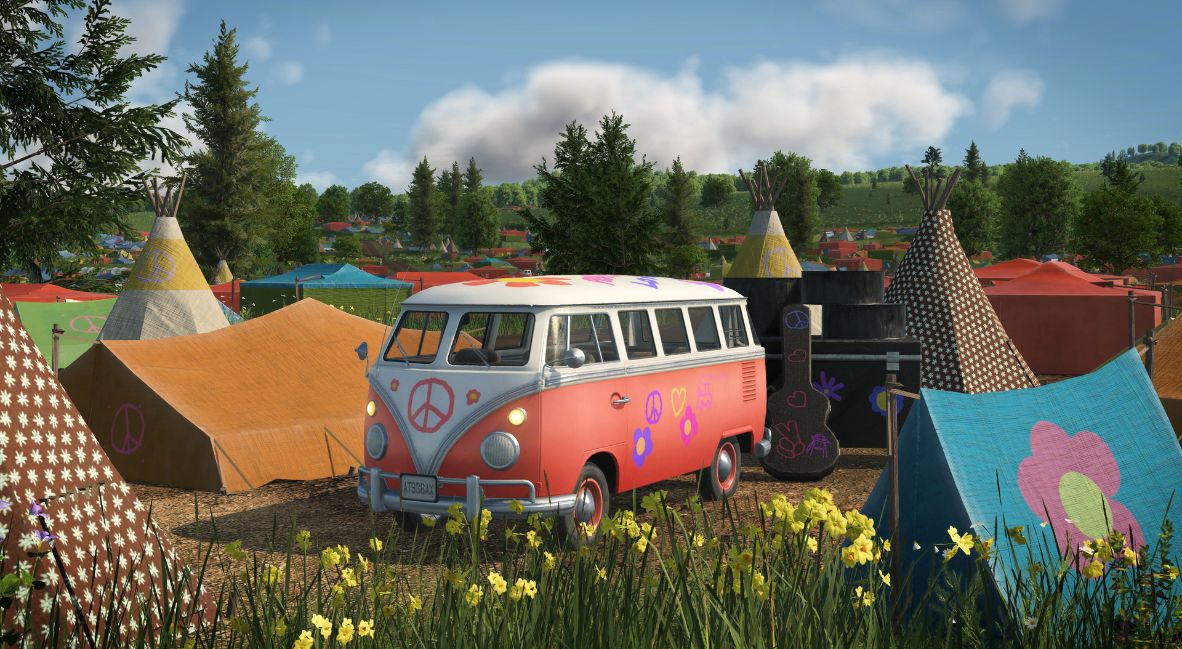
He also added that they weren’t making the game to fit specific historical scenarios. “We weren’t like, ‘Let’s plan a mission here, here, and here.’ It was more like, what events could we maybe make a connection to for transport? And I mean, all of those events are not actually historical events. They’re just loosely inspired by historical events. But then we just brought in an entertaining and gameplay-first story to it, and we think that was quite successful.”
Infrastructure remains a problem for many real-world cities, and that’s what makes a game like Transport Fever 3 so interesting. To expand on that, we asked Heini what challenges Urban Games took on and experienced by bringing infrastructure management to this new addition to the franchise, especially since infrastructure is something that everyone has a thought about from lived experiences.
“That’s exactly the challenge, Heini said. “I mean, we have some people sometimes who request very detailed features. I’m pretty sure that they would be interesting and appealing to some. But for us, the goal is always for everyone to take something from each feature.”
With so many requests, development has to focus. Heini expanded, “Obviously, we could go into the very last details, but we always want to find that balance, where we say we have a lot of variety, you have a lot of freedom, you can also go into details, but it’s not like crushing you so much in so much depth. But what we did and tried with these elements is that we created a depth, especially in the late game, that gives you more reason for constantly optimizing as well, which involves all the infrastructure.”
To close out our conversation, we wanted to ask Heini what he was most excited for players to experience when the game launches. He started with the obvious one for him first.
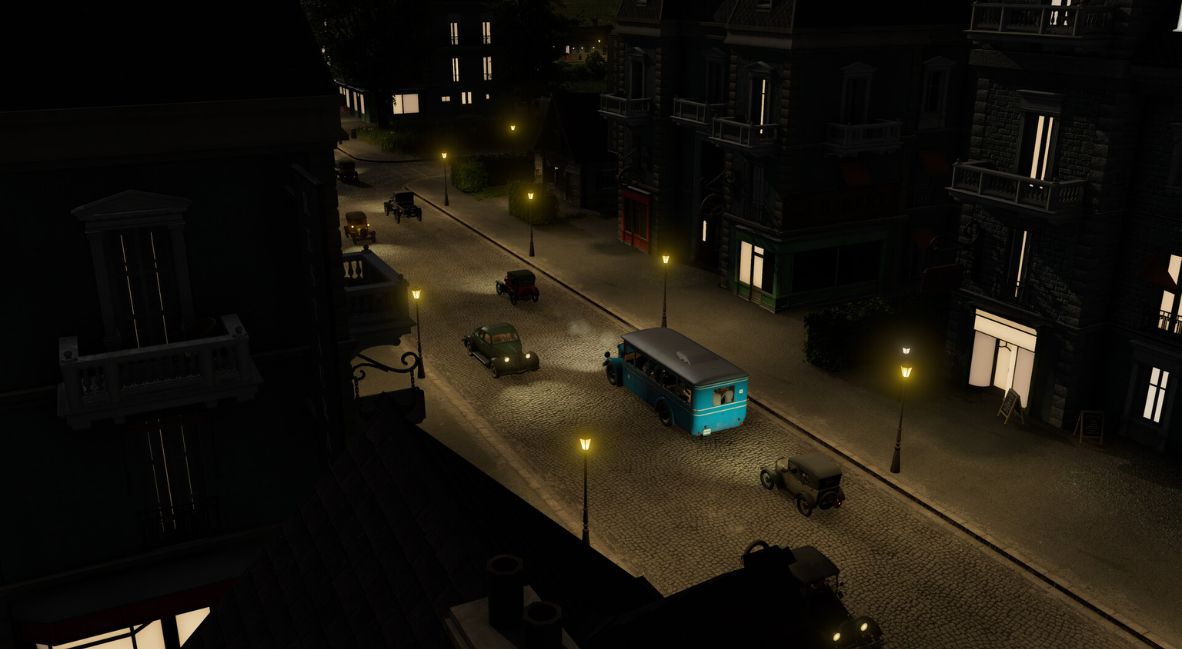
“I love helicopters. I think they’re really cool,” Heini said. “The day and night [cycle] is amazing. I love the campaign, and the idea of it being very different from what Transport Fever usually is. Because in the second part, there was more of the same campaign-based game, and now it’s something completely different. It’s actually worth giving it a shot, I believe, even if you have only played the base game so far.”
He continued, “But what would be my favorite thing is that even after dozens and dozens and dozens of hours, you still keep discovering new things. You see something new and think, ‘Oh, wow. That’s also connected to here. Oh, that’s also affecting this.’ And I think this depth that’s underneath this new, amazing, brand-new-looking hood is even better than what’s on top of it. And I think that’s probably the best part of it.”